Blog

  • San Jose: Costa Rica’s Largest City

    San Jose: Costa Rica’s Largest City

    Walking around in downtown San José, Costa Rica is a must-do for any visitor to the city. With its charming colonial-style architecture, vibrant culture, and bustling streets, downtown San José offers something for everyone.

    One of the best ways to experience downtown San José is on foot. As you stroll through the streets, you’ll be able to take in the sights and sounds of the city at a leisurely pace. You’ll also be able to stop and explore the many interesting shops, cafes, and restaurants that line the streets.

    A great place to start is your visit in downtown San José is the Plaza de la Cultura. Located in the heart of the city, this square is a popular gathering place for locals and visitors alike. Surrounded by impressive colonial-style buildings, the Plaza de la Cultura is a great place to people-watch and take in the vibes.

    Great Museums

    If you’re a fan of museums, be sure to visit the Museo de Oro Precolombino. Located in the historic Bellavista neighborhood, this museum houses a fascinating collection of pre-Columbian gold artifacts. The museum’s exhibitions showcase the rich history and culture of the indigenous peoples of Costa Rica.

    The Jade Museum is a must-see for anyone interested in Costa Rica’s rich history and culture. The museum houses the largest collection of pre-Columbian jade artifacts in the world, with more than 7,000 pieces on display. Visitors to the museum can learn about the importance of jade to the indigenous peoples of Costa Rica and see a wide variety of beautifully crafted jade objects, including jewelry, sculpture, and ceremonial objects. In addition to its impressive collection of jade artifacts, the museum also features temporary exhibitions and educational programs. Whether you’re a history buff or simply looking to learn more about Costa Rican culture, the Jade Museum is a fascinating and rewarding destination.
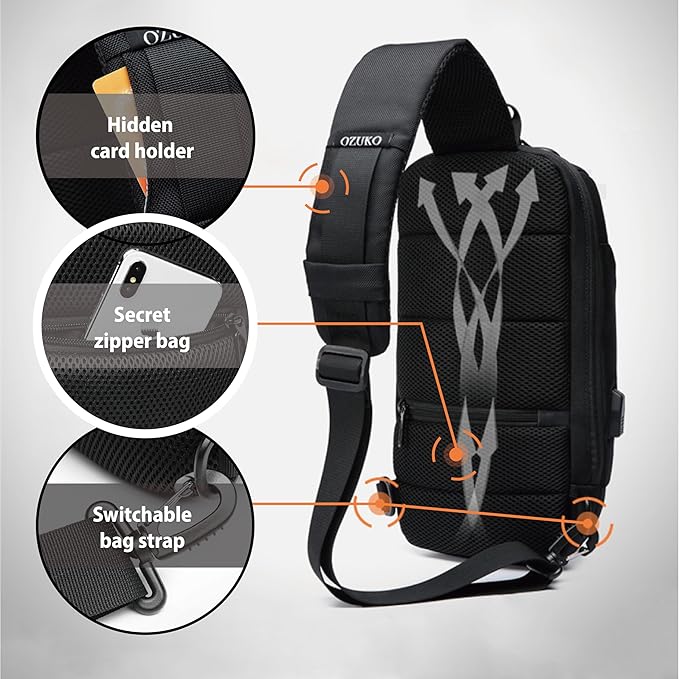
    travel-backpack-costa-rica

    I use this sling backpack when I’m travelling in Costa Rica. It has a zipper lock to secure your stuff. I like the sling as I can flip the bag to the front for easy access.

    Grab A Bite To Eat

    After a day of exploring downtown San José, be sure to grab a bite to eat at one of the many excellent restaurants in the area. From traditional Costa Rican cuisine to international fare, you’ll find something to satisfy your appetite in downtown San José.

    One of the most popular restaurants in San José is Restaurante Wong’s 皇朝. Located in the heart of the city, this restaurant offers a unique blend of traditional Costa Rican cuisine and Chinese flavors. The menu features a wide variety of dishes, including Costa Rican favorites like ceviche and casado, as well as Chinese specialties like dim sum and Peking duck. The restaurant’s stylish décor and friendly service make it a favorite among locals and visitors alike.

    A great restaurant near the Plaza de la Cultura is La Esquina de Buenos Aires. Located just a few blocks from the square, this restaurant is known for its delicious Argentinean cuisine and cozy atmosphere. The menu features a wide variety of dishes, including Argentinean favorites like empanadas and churrasco. The restaurant also offers an extensive wine list and a beautiful outdoor patio for al fresco dining. With its friendly service and delicious food, La Esquina de Buenos Aires is a must-dine.

    A Longer Walk // Ambient

    Check out our other YouTube channel with Ambient videos. We did another walk through downtown San Jose to show off how busy it is. You’ll see some other locations that we didn’t get to in the walking tour. Including:

    • Metropolitan Cathedral of San José
    • Parque Central de San José
    • Pague Menos (large department store with lots of shopping options)

    Overall, a day spent walking around in downtown San José is an unforgettable experience. With its rich culture, fascinating history, and vibrant atmosphere, the city has something to offer everyone. Whether you’re a first-time visitor or a seasoned traveler, be sure to add downtown San José to your itinerary.

    Follow Us!

    Be sure to Subscribe to our Youtube Channel, and leave a comment with your thoughts about this location or request a video in other cool destinations around Costa Rica.

    Downtown San Jose FAQ: Capital City Guide

    Q: What’s downtown’s layout?
    A: Central Avenue pedestrian boulevard runs east-west. National Theater marks center. Museums and plazas between Avenidas 7-10. Most sites within walking area. Easy grid system.

    Q: What major sites exist?
    A: National Theater, Central Market food halls, Gold Museum, Jade Museum, National Museum, Central Park, Metropolitan Cathedral. Plaza Culture central gathering point.

    Q: What facilities exist?
    A: Major bus terminals north and south. Banking centers. Medical clinics. Government offices. Shopping districts. Tourist police. Multiple universities.

    Q: How’s transportation?
    A: Red taxis official service. Public buses all directions. Walking good in center. Main pedestrian zones. Marked crosswalks. Well-lit main streets.

    Q: When to visit?
    A: Weekdays busy with workers. Saturday markets active. Museums close Mondays. Morning hours best. Most sites active 8 AM – 5 PM.

    Q: What about safety?
    A: Stay on main streets. Use official red taxis. Watch belongings in crowds. Police present central areas. Well-lit until evening. Avoid quiet areas after dark.

    Q: Where to find local food?
    A: Central Market courts. Small sodas off main street. Coffee shops historic district. Food vendors near markets. International restaurants theater district.
  • Liberia Shopping: Big City Costa Rica

    Liberia Shopping: Big City Costa Rica

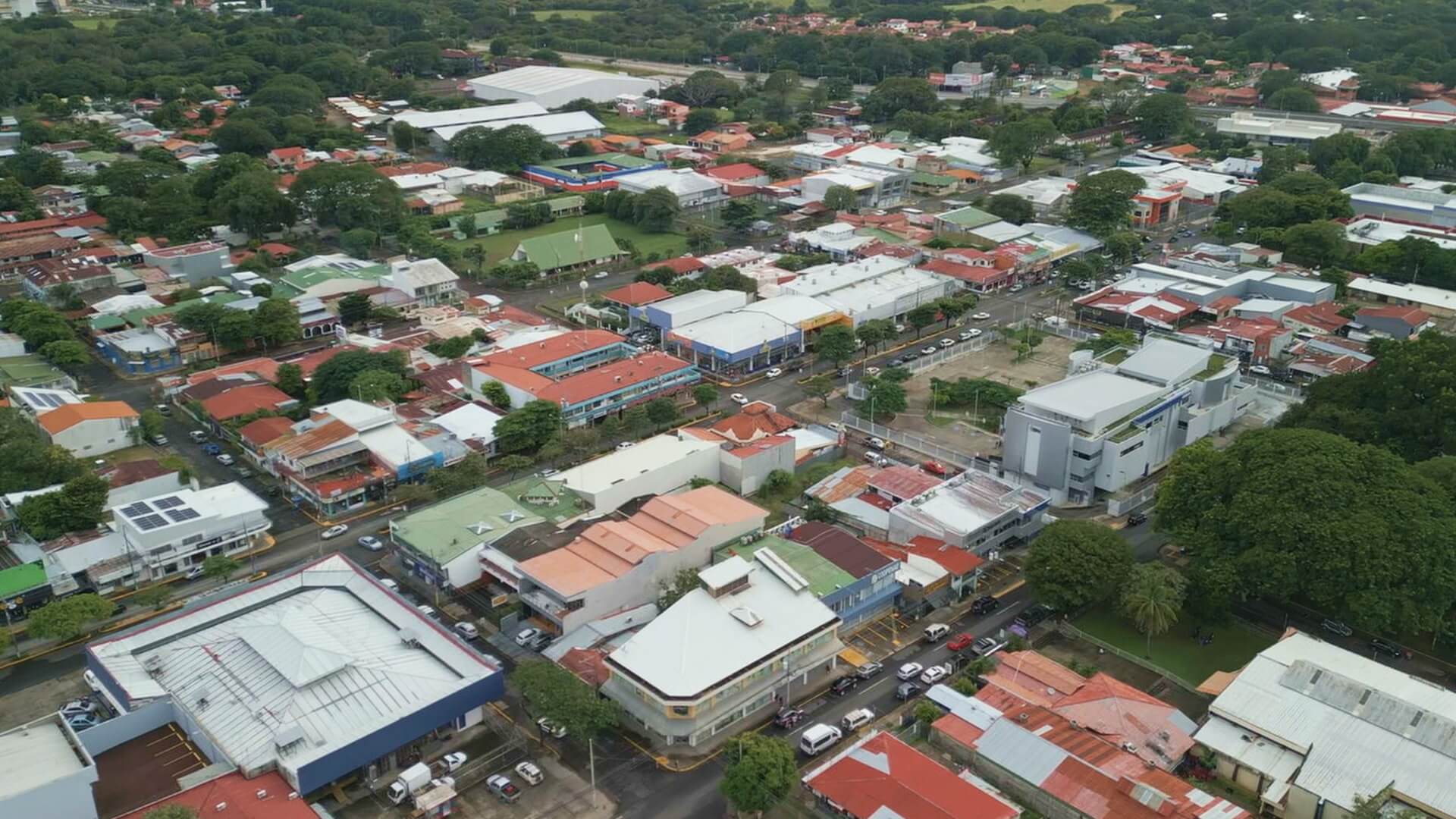
    Liberia is a medium sized city in Costa Rica, Guanacaste. It’s a 10 minute drive from the International Airport. If you’re heading to Playas del Coco or Tamarindo, Liberia is a great location to go shopping for some supplies and gear to get the best out of your trip.

    Many coastal towns are sparse for shopping options. Liberia has lots to choose from: Supermarkets, Surplus Stores, Car Parts and Department Stores. It’s a larger town but never really feels too busy.

    Our family enjoys heading into Liberia once in a while to walk the town, checking out thrift stores and art supply shops.

    Check out our video of an ambient walk through Liberia to get a sense of the town HERE

    El Rey – Super Discount Store

    The first store we’ll check it is El Rey. This store is tucked back off the main road. It’s easy to miss as you drive by, but well worth stopping to check out.

    It’s a store with just about everything. The part the kids love most is the massive section of candy. There’s treats we’ve not seen anywhere else, and the kids love grabbing some bags of candy.

    El Rey has houseware at a price you’d see at dollar stores in North America. There’s some low price clothing as well. They also have a decent selection of small tools like screw drivers, drills and car parts.

    Ekono – Nice Department Store

    Ekono is a department store that has a bit higher prices, but offers more trendy and higher quality items. You’ll find Ekono’s in larger cities like Liberia, San Jose, Puntarenas and Jaco.

    A comparable store we had in Canada is The Bay, although Ekono’s are generally smaller. You’ll find similar stuff like clothing and houseware. 

    If you’re into fitness, you can also find some smaller items at Ekono. There’s quality yoga mats, kettlebells and dumbbells for your beach workouts. You can expect prices a bit higher than what you’d find on Amazon in North America, but that’s the case with most imported/heavy goods here in Costa Rica.

    Ekono in Liberia is on the main road as well, a short walk up from El Rey. There’s lots of on street parking in the main road, as well as the side roads. Check out some of the restaurants in the area as well (Foodnication and Twenty’s are great options).

    Toys! A Lot of Toys, Actually

    Head north in town a few blocks and you’ll find the area of the bus terminals. There’s a lot of options for shopping around there, but the one that the kids love the most is Toys.

    This three story toy store has loads and loads of toys, from building blocks, puzzles, toy cars, and stuffed figures. Kids really enjoy walking through the store and seeing all these toys in one place. 

    Toys is a very unique store in Costa Rica and we’re fortunate to have it so close to the beaches on the Pacific. 

    Follow Us!

    Be sure to Subscribe to our Youtube Channel, and leave a comment with your thoughts about this location or request a video in other cool destinations around Costa Rica.

    Liberia FAQ: White City Guide

    Q: Where is Liberia located?
    A: Guanacaste’s capital city. 30 minutes from international airport. Gateway to Pacific beaches. Center of ranch country. Major regional hub.

    Q: What’s downtown like?
    A: Historic white buildings line streets. Central park heart of city. Local restaurants throughout. Traditional architecture preserved. Mix of old and new areas.

    Q: What facilities exist?
    A: Full city services. Modern shopping centers. Regional hospital. Public markets. Main bus terminal. Banks and ATMs. Major grocery stores.

    Q: How’s transportation?
    A: International airport nearby. Bus connections all directions. Local taxis available. Walking good downtown. Easy highway access. Rental cars available.

    Q: What’s nearby?
    A: Pacific beaches 30-60 minutes. National parks close. Rincon volcano area. Ranch lands surround city. Mountain areas accessible. Hot springs region.

    Q: When to visit?
    A: Dry season (December-April) most popular. Morning hours coolest. Market days Thursday-Sunday. Less rain than other regions. Local festivals vary.

    Q: Where to eat?
    A: Local sodas downtown. Traditional restaurants central park area. Modern cafes. Food courts in malls. Fresh markets Thursday-Sunday. Regional specialties available.

  • The Monkey Trail: Adventure Driving

    The Monkey Trail: Adventure Driving

    Most of the roads in Costa Rica are paved and well maintained. You can reasonably expect to visit many beach towns and other locations with ease during your vacation.

    There are some roads that are a little rougher, and require a versatile vehicle. The Monkey Trail is one of those roads.

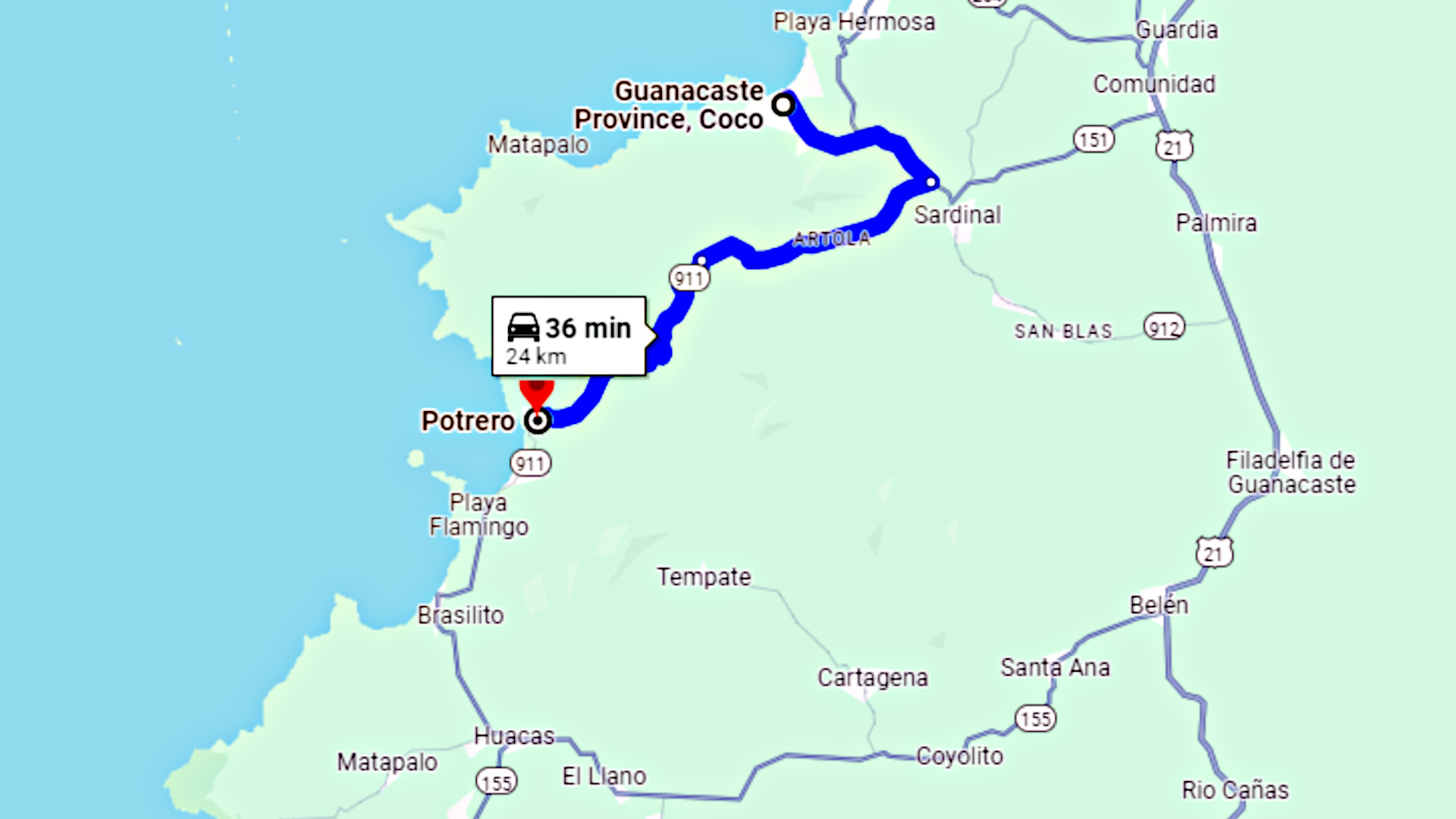
    This route is situation in the coastal area of Guanacaste. It passes through the mountains between Potrero and Playas del Coco. The Monkey Trail is a fun way to go between these two beaches.

    A Shortcut, Sort Of

    The Monkey Trail can save you a bit of time if you’re heading down the coast in Guanacaste, but only a little bit. If you’re staying in Playas del Coco, or at the Riu Hotel at Playa Matapalo, and going to Potrero or Flamingo, The Monkey Trail will be shorter.

    If you’re heading to Tamarindo or farther, then the primary routes will be faster. This includes trips from the Liberia International Airport. You’ll take Route 21, which will take you through several small towns like Belen.

    If you just landed in the Liberia Airport and you’re looking to get to your resort quickly to relax – Route 21 is probably the better option. Some resorts you may see are The Westin or Margaritaville in Playa Flamingo.

    water shoes for exploring costa rica

    Pick up a pair of these awesome water shoes. I’ve been using them all over Costa Rica during my travels. They have vented soles so water drains right out the bottom! 

    Water Levels May Vary

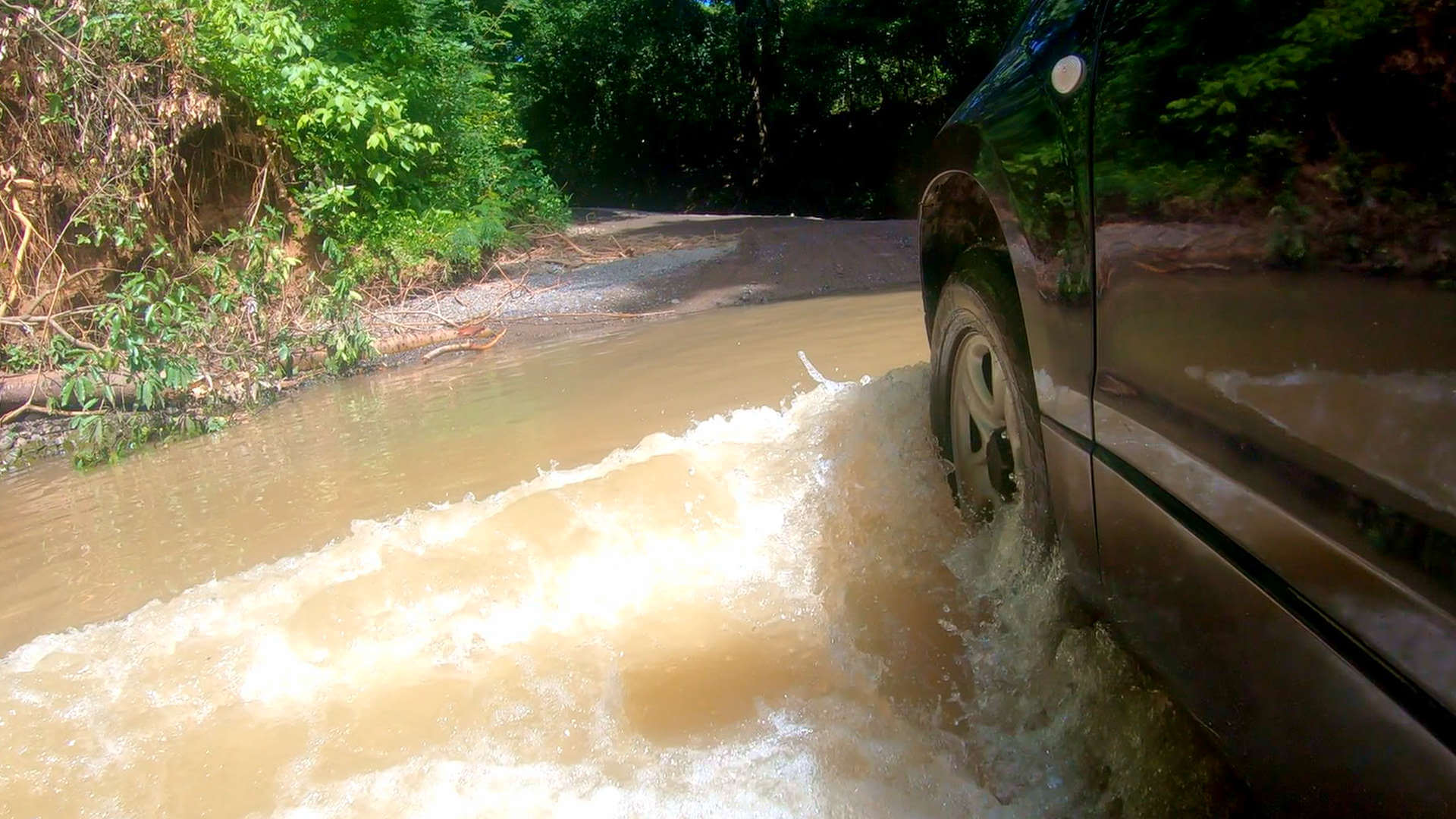
    The Monkey Trail does cross through a river at one point. This river can have fluctuations in the depth of the water. Not only that, but even if the water appears to be a similar level, the river bed depth can change and move. Drivers may cross the water along a certain path only to get stuck the next time as the high points have changed.

    You’ll see lots of vehicles in Costa Rica with snorkels coming off the engine compartment – this allow the engine to continue pulling in air while the vehicle goes through water above the hood. We’ve only see a couple occasions where this would be necessary going across The Monkey Trail.

    Most of the time, passenger cars can pass through the trickle of water. If you’re unsure about the depth, wait until some other seasoned drivers go through.

    Scenic Views And Quick Driving

    With the river out of the way, the remainder of The Monkey Trail is an amazing drive. You’ll be heading up and down the terrain, which will afford you some amazing valley views.

    If you’re looking to take this route from Playas del Coco, click Here. You can also check out the very active Facebook Group which posts daily updates on the status of the river and other cautions for the route Here.monkey trail route

    Check Out Playas del Coco

    One of my favorite beach towns in Costa Rica is Playas del Coco. It’s always growing and home to lots of amenities and activities. It’s a very short 30 minute drive from the Liberia International Airport. You’ll find lots of options for accommodations at every budget, and many different styles of restaurants to enjoy.

    While the beach in Playas del Coco is nice, there’s many renowned beaches very close. For example, a short drive south and you’ll find the black sand, calm water beach called Ocotal. This beach is great for relaxing and snorkeling.

    Just to the north, you’ll find beaches like Playa Hermosa, Playa Penca and Playa Calzón de Pobre. These beaches are incredible, with Hermosa being the most busy. They are all a short distance from El Coco and a great place to stop during your tour of Costa Rica & Guanacaste.

    Follow Us!

    Be sure to Subscribe to our Youtube Channel, and leave a comment with your thoughts about this location or request a video in other cool destinations around Costa Rica.

    Visit www.elcoco-properties.com for real estate opportunities in Playas del Coco and the surrounding area.

    FAQ About The Monkey Trail Costa Rica

    Q: What is the Monkey Trail?
    A: It’s a backroad connecting Playas del Coco to Potrero and surrounding beaches. The route includes a river crossing and mountain roads with ocean views. It can save about 30 minutes compared to the main highway.

    Q: Is the Monkey Trail safe to drive?
    A: In dry season (December-April), most vehicles can manage it with caution at the river crossing. During rainy season (May-November), it can be dangerous or impassable. The mountain section is always steep and narrow.

    Q: Do I need a 4×4 for the Monkey Trail?
    A: In dry season, most vehicles can cross with careful driving. In rainy season, you need a lifted 4×4 with a snorkel, and even then it might not be passable if the river is high.

    Q: Is there an alternative route?
    A: Yes, the Congo Trail bypasses the river crossing but requires about a $10 purchase at the local store as a passing fee. The paved highway route takes about 30 minutes longer.

    Q: What are the driving conditions like?
    A: The trail has three main sections: a short dirt road, a river crossing, and steep mountain roads. The mountain section has tight turns and narrow points where only one vehicle can pass. Best to drive during daylight hours.

    Q: When is the best time to use the Monkey Trail?
    A: Early morning in dry season is ideal. The river is lowest, visibility is good for the mountain section, and you’ll encounter less traffic. Avoid during or after heavy rains.

    Q: Is it worth taking the Monkey Trail?
    A: If you’re comfortable with rough roads and want to save time between Coco and Potrero/Flamingo/Tamarindo, yes. The ocean views are great. If you’re unsure about driving rough roads, take the highway.

  • Surf In Tamarindo: Waves For Everybody

    Surf In Tamarindo: Waves For Everybody

    Visit Tamarindo Beach in Costa Rica. This tourism hot spot has great surfing, restaurants and shopping. Tamarindo is about a one hour drive from the Liberia International Airport.

    Tamarindo has great ocean front accommodations like Tamarindo Daria. There’s also many short term rentals available on Airbnb as well. You can expect to pay more for ocean front accommodations, but the walk into town isn’t that far.

    Known For Surfing!

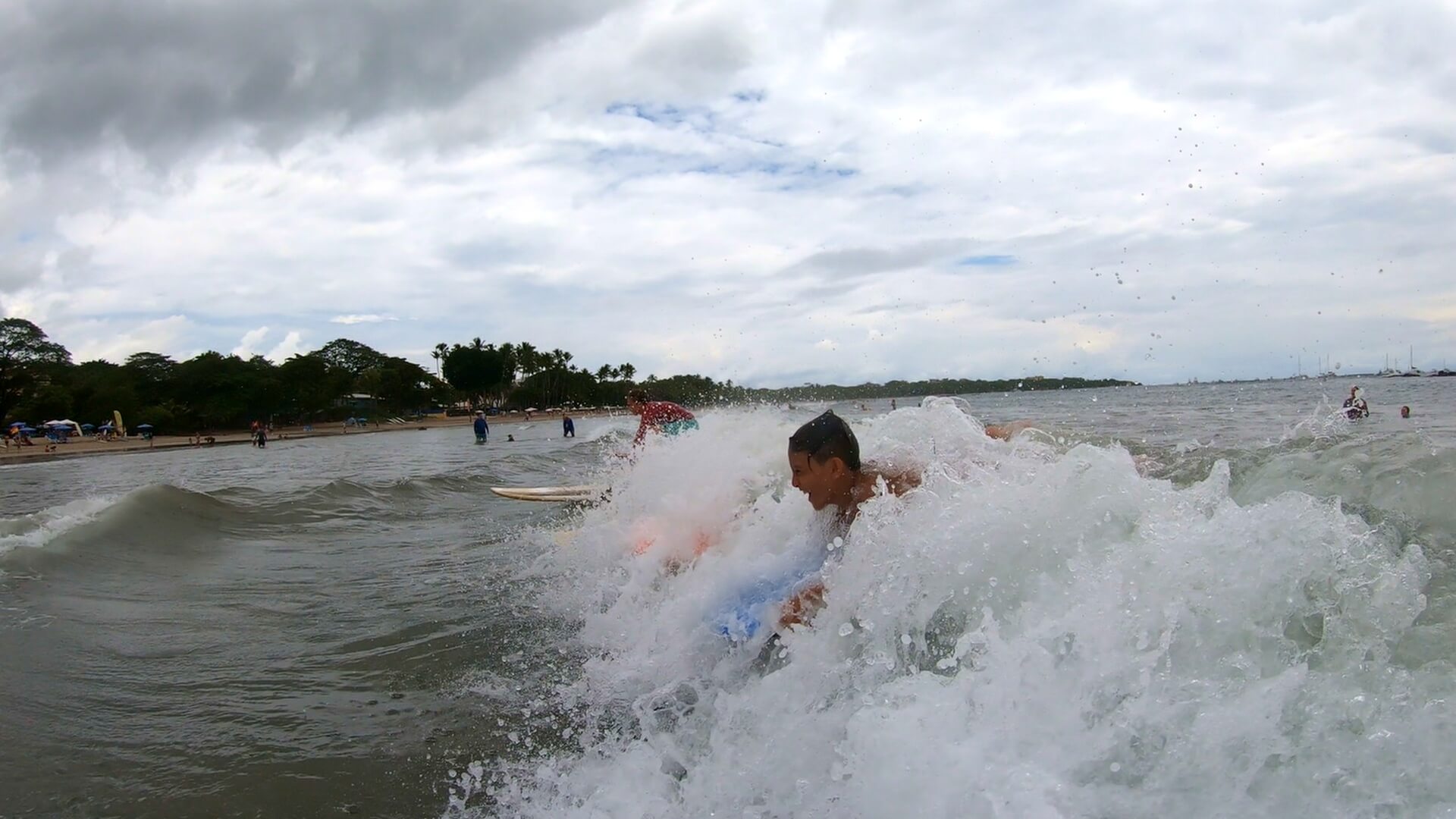
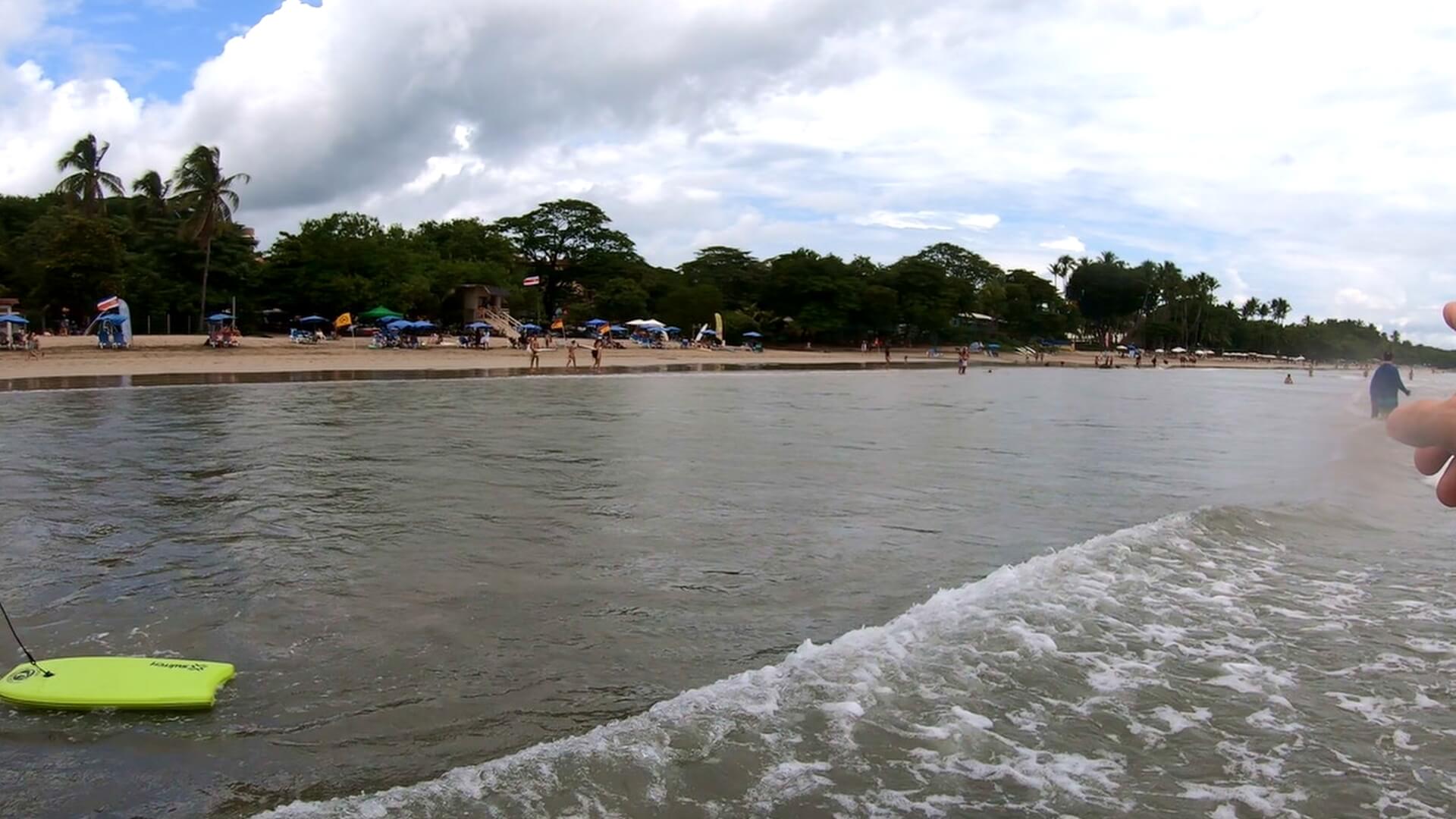
    The west coast of Costa Rica is spotted with many beaches which are great for surfing. Tamarindo not only has big waves for the advanced, but also small waves for kids or beginners. 

    If you’re a beginner and want to get some lessons, there’s lots of options available. On our visit, we spoke with some of the lifeguards who pointed us in the right direction. The beach has lots of surf instructors who generally have the same offerings.

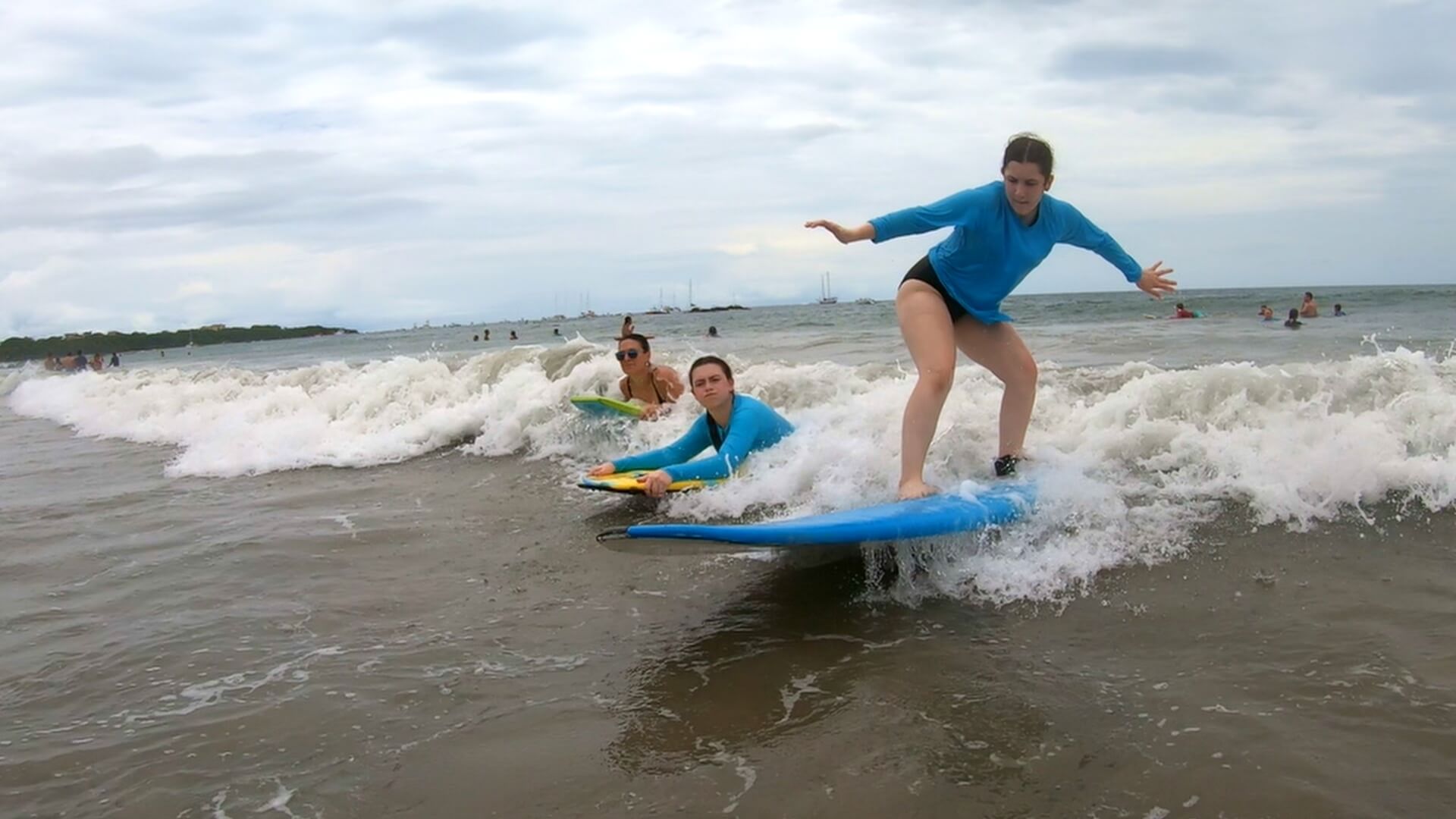
    For each kid that took the class, we paid $40 USD. This included a surf board suitable for the size of the child. The lesson begins on the sand with how to stand on the board properly. Then the remainder of the time is spent in the water with an instructor.

    surfing in tamarindo 2022

    Kids Will Love it

    The kids loved the surfing lessons. Having an instructor hold the board while the waves rolls in helps the students learn the basics of how to stand up properly. 

    We found the value of the lesson to be very good. If you want to practice surfing for the first time be sure to check out the awesome instructors on the beach in Tamarindo. If you’re going to catch some great videos pick up the latest GoPro for up close shots.

    water shoes for exploring costa rica

    Pick up a pair of these awesome water shoes. I’ve been using them all over Costa Rica during my travels. They have vented soles so water drains right out the bottom! 

    Stay Safe In Tamarindo

    Tamarindo is a very busy town, with lots of opportunity to explore and have fun. If you’re heading to the beach, be sure to leave your valuables in your hotel. Petty thefts do occur. Unless you’re sitting with your stuff, it’ll wander off. I’ve even had my cheap flip flops stolen while I was in the ocean in Costa Rica. If you’re travelling solo, grab a Waterproof Fanny-pack to store your hotel key and some spending money.

    The night scene in Tamarindo is very fun and exciting as well. As the sun goes down, it seems as though everyone from town heads to the beach. The sunset is always amazing in Tamarindo. There’ll be fires lit up and the partying begins. If this is your scene, be sure to be safe. Stay with known friends and always know your way back to your accommodations. 

    white sand beach tamarindo

    Follow Us!

    Be sure to Subscribe to our Youtube Channel, and leave a comment with your thoughts about this location or request a video in other cool destinations around Costa Rica.

    FAQ: Surfing in Tamarindo, Costa Rica

    Is Tamarindo good for beginner surfers?
    Yes, Tamarindo is known for its consistent waves and sandy bottom, making it a great spot for beginners. There are plenty of surf schools and instructors available to help you get started.

    What’s the best time of year to surf in Tamarindo?
    The best surfing conditions in Tamarindo are typically from December to April, during the dry season. However, the wet season (May to November) also offers good swells, especially for more experienced surfers.

    Are there surfboard rentals available in Tamarindo?
    Yes, there are numerous shops and surf schools along the beach that offer surfboard rentals. Prices usually range from $10 to $20 per day, depending on the type of board.

    Can I take surf lessons in Tamarindo?
    Absolutely! Tamarindo is one of the most popular places in Costa Rica for surf lessons. There are many surf schools that offer lessons for all skill levels, from beginner to advanced.

    What other activities can I do in Tamarindo besides surfing?
    Aside from surfing, Tamarindo offers activities like snorkeling, fishing, kayaking, and sunset cruises. The town also has a vibrant nightlife and plenty of restaurants to enjoy after a day on the waves.

    Are there advanced surfing spots near Tamarindo?
    Yes, more experienced surfers can find challenging waves at nearby spots like Playa Grande and Langosta Beach. These areas tend to have stronger currents and larger waves.

    Is Tamarindo crowded for surfing?
    Tamarindo can get crowded, especially during peak tourist season and on weekends. However, the beach is long, so you can usually find a less crowded spot if you’re willing to walk a bit.

    How is the water temperature in Tamarindo for surfing?
    The water temperature in Tamarindo is warm year-round, typically ranging from 80°F to 85°F (27°C to 29°C). Wetsuits are generally not needed, even during the cooler months.

    Is Tamarindo safe for surfing?
    Tamarindo is generally safe for surfing, but it’s important to be aware of your surroundings. There can be strong currents and rip tides, so it’s advisable to surf within designated areas and follow local guidelines.

    Are there accommodations near the surf spots in Tamarindo?
    Yes, Tamarindo has a wide range of accommodations close to the beach, from budget hostels to luxury hotels. Many places cater specifically to surfers, offering surf packages and storage for boards.

  • Cueva Los Coyotes: Swim Through A Cave

    Cueva Los Coyotes: Swim Through A Cave

    Add Cueva Los Coyotes to your travel itinerary when you visit Costa Rica. It’s very close to the Liberia Airport, and well worth the low entry fee. 

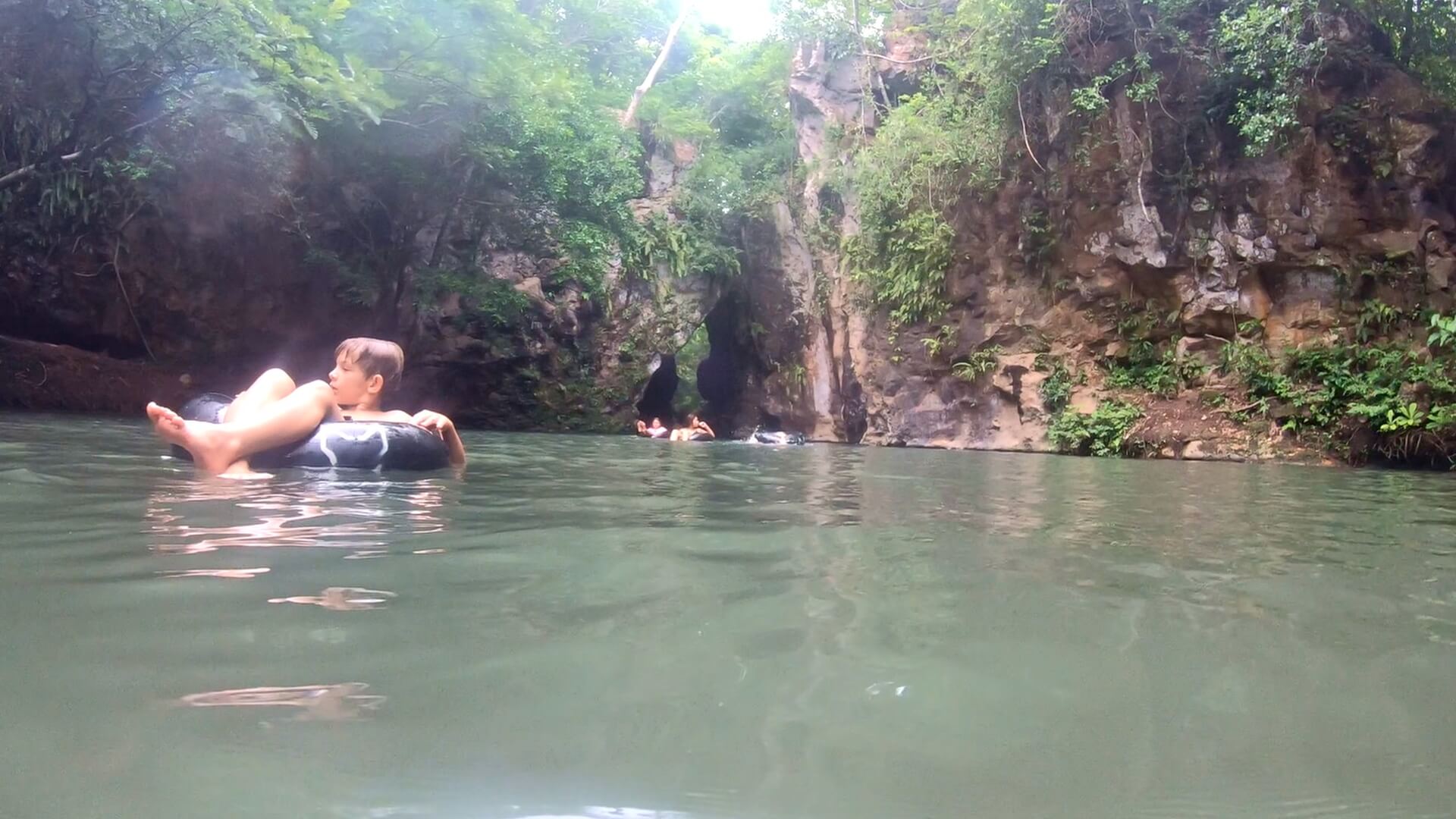
    This spot is great for relaxing for the day, or swimming up the river in a tube.

    Where Is It?

    If you’re not yet in Costa Rica, be sure to check Expedia for flights. Compare different dates, airports, and layovers to find the best price before you come check out the sloths.

    Getting to Coyotes is super easy. Check out the Google Maps listing that you can follow from your phone. It’s a quick drive north from Liberia, then a well marked turn towards the volcanos.

    You’ll find a small booth at the parking area to Coyotes, where you’ll pay $2000 Colon for an adult and $1000 Colon for a child. For reference, that’s about $3 USD per adult. A very fair price for such a great activity.

    cueva los coyotes floatingwater shoes for exploring costa rica

    Pick up a pair of these awesome water shoes. I’ve been using them all over Costa Rica during my travels. They have vented soles so water drains right out the bottom! 

    Float Or Swim

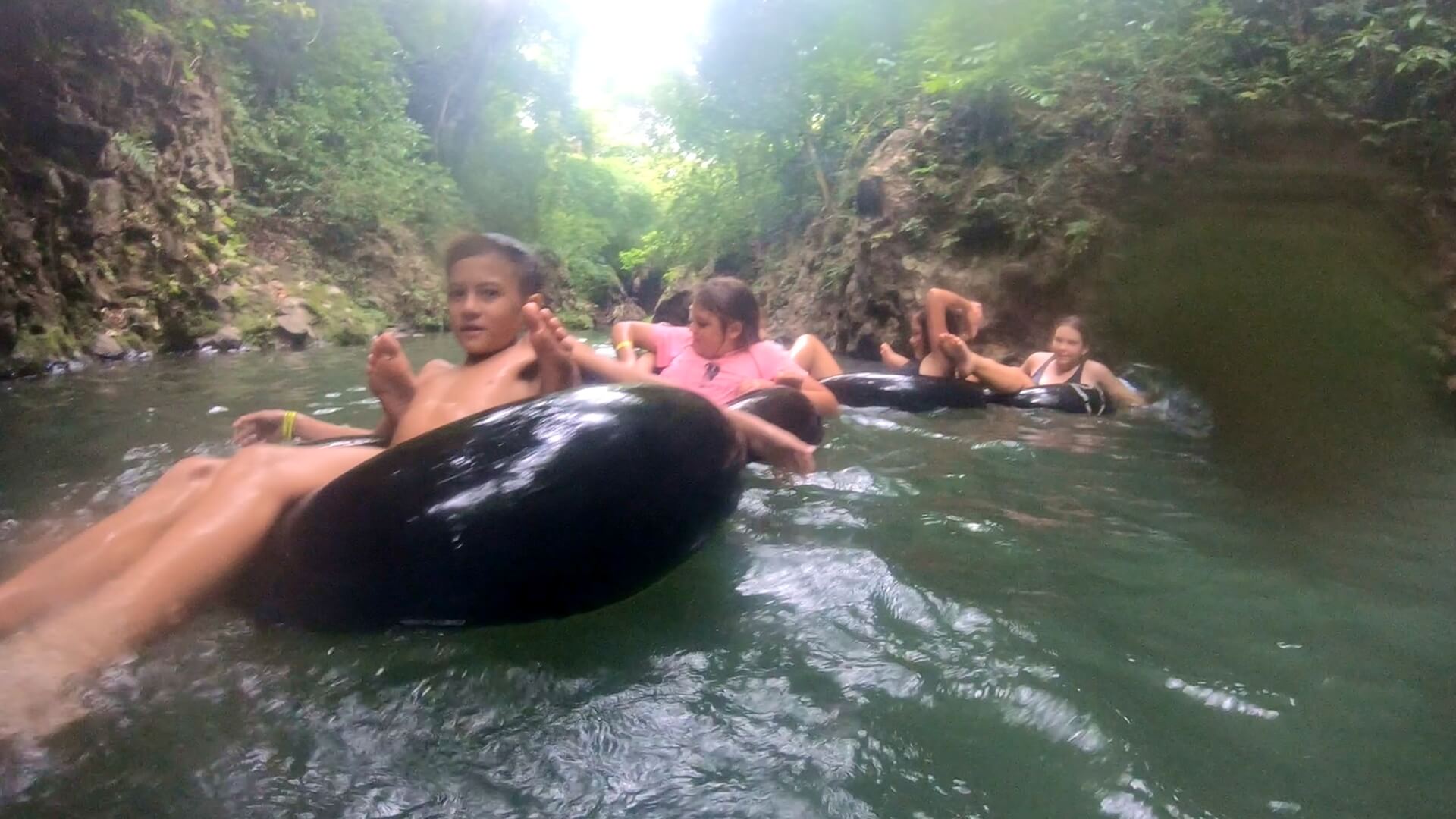
    The staff at Coyotes will rent out large tubes for a low price. Be sure to bring some extra change. 

    Although tubes aren’t necessary, I recommend them for kids especially. If you’re a strong swimmer you’ll be able to easily swim your way up river. There’s multiple break spots along the way. 

    If you have water shoes or Five Fingers, I recommend bringing them. There’s cool spots you may want to check out along the rocks where more traction is beneficial.

    kids at cueva los coyotes

    Reach The Waterfall

    After you make it through the first enclosed cave, you’ll reach a nice break location. Here you’ll find a shallow area of the river which is great for taking a break. 

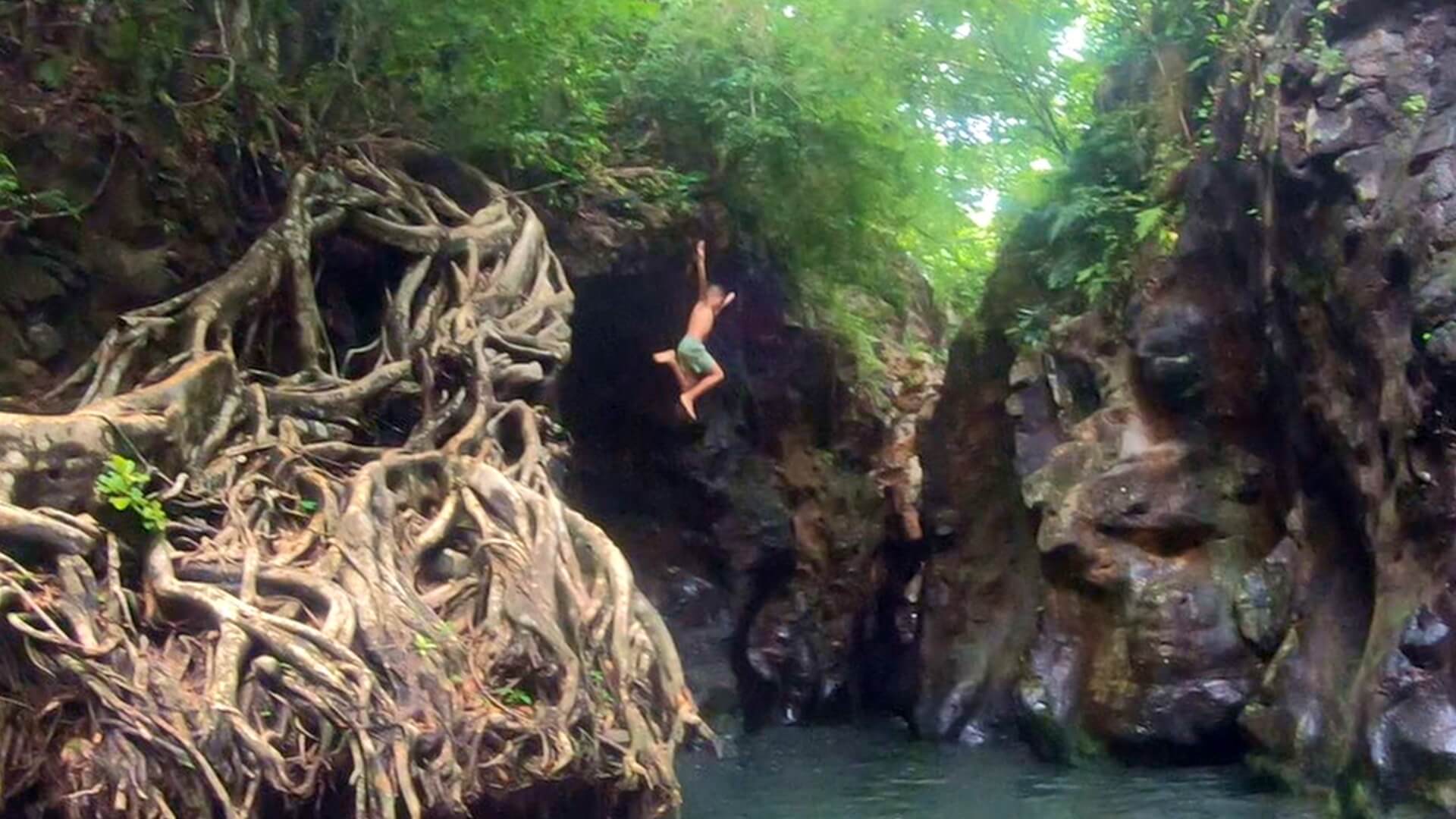
    There’s a massive exposed root system coming down from above. The kids loved climbing the roots and jumping into the river below. Be sure to always check for depth and submerged trees before the kids start jumping. 

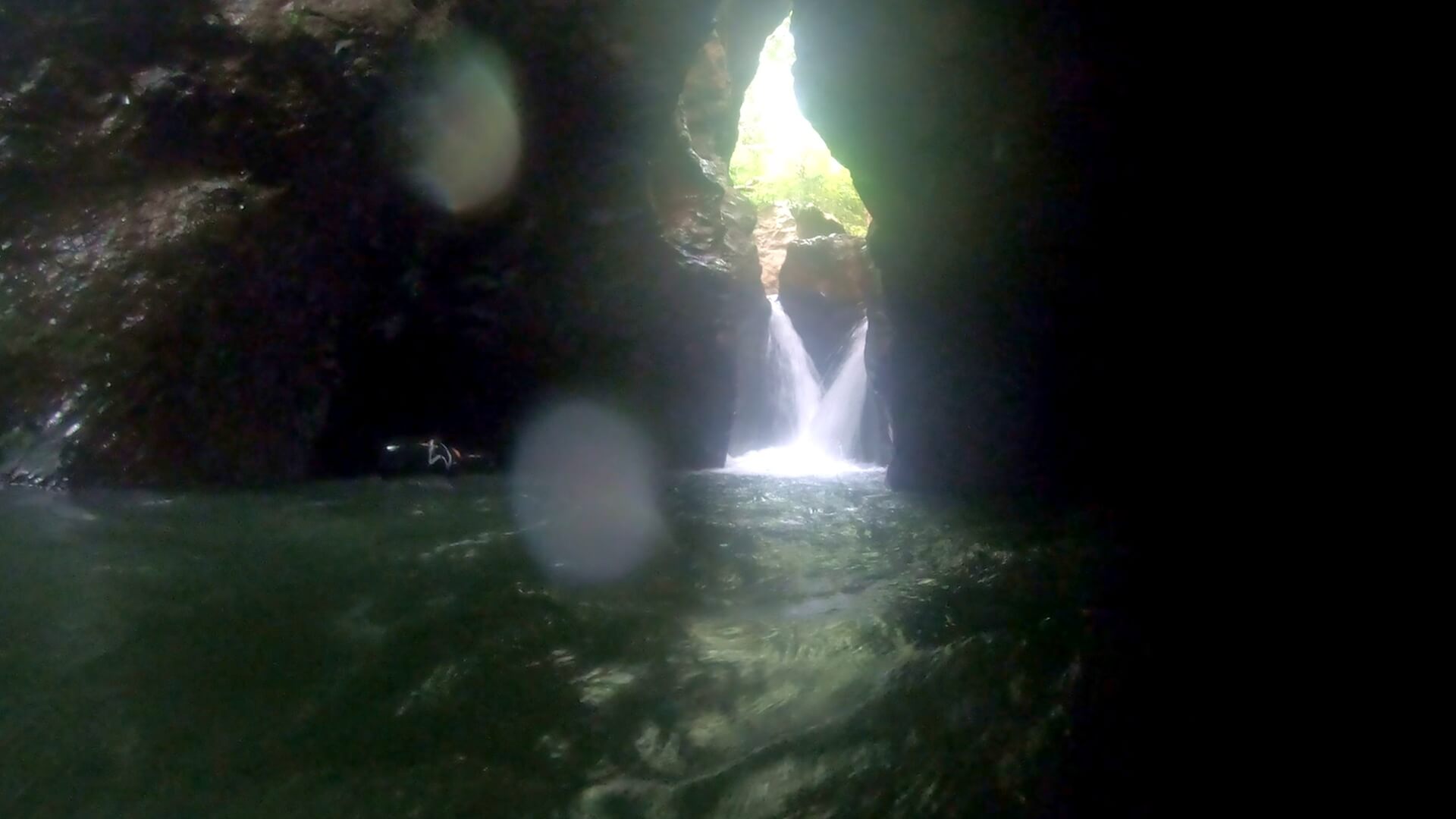
    A little further along the river, you’ll encounter a cool double waterfall. This location is enclosed by rocks above. The current is strong, but with a tube the kids were able to enjoy it easily.

    You’ll notice in the video and pictures that the water is a little more hazy that our previous videos. We visited in late May, after the rain has started picking up.

    If you’re looking to visit Coyotes when it has the picturesque blue water, try around December – March. This is the dry season and there’s less sediment in the river.

    cueva los coyotescueva water jumping

    Follow Us!

    Be sure to Subscribe to our Youtube Channel, and leave a comment with your thoughts about this location or request a video in other cool destinations around Costa Rica.

    FAQ For Poza and Cueva Los Coyotes

    What is Poza Los Coyotes?
    Poza Los Coyotes is a natural pool located in Costa Rica, known for its clear water and scenic surroundings. It’s a popular spot for swimming and relaxing in nature.

    Where is Poza Los Coyotes located?
    Poza Los Coyotes is in the province of Guanacaste, Costa Rica. It’s near the town of Curubandé and within reach of Liberia, making it a convenient spot for a day trip.

    How do you get to the swimming cave at Poza Los Coyotes?
    The swimming cave is accessible from Poza Los Coyotes. Visitors typically walk or swim a short distance to reach the cave, which is one of the main attractions of the area.

    Is the swimming cave safe for all ages?
    While the cave can be an exciting experience, it may not be suitable for very young children or those who are not strong swimmers. The water can be deep, and the cave is dark, so it’s important to be cautious.

    What should you bring when visiting Poza Los Coyotes?
    Bring swimwear, water shoes and a waterproof bag. Also, consider bringing snacks and water, as there are limited facilities nearby.

    Are there any fees to enter Poza Los Coyotes?
    There is usually a small entrance fee to access Poza Los Coyotes, which helps maintain the area. The fee can vary, so it’s good to have some cash on hand.

    When is the best time to visit Poza Los Coyotes?
    The dry season, from December to April, is the best time to visit. The water levels are stable, and the weather is generally pleasant. During the rainy season, access to the area might be more challenging.

    Is Poza Los Coyotes crowded?
    Poza Los Coyotes can get busy, especially on weekends and during holidays. However, it’s generally quieter than more famous tourist spots in Costa Rica.

    What wildlife might you see at Poza Los Coyotes?
    You might see a variety of birds, insects, and small mammals in the area. The natural surroundings are lush and home to diverse species, making it a nice spot for nature lovers.

    Is there parking available at Poza Los Coyotes?
    Yes, there is parking available near Poza Los Coyotes, but it might be limited. It’s advisable to arrive early, especially on weekends, to secure a spot.

  • Visit Sloths: Top Tourism Sight Seeing

    Visit Sloths: Top Tourism Sight Seeing

    Sloths are a staple animal to see for any tourists to Costa Rica. Today we’ll be visiting Sloth’s Ecological Farm. This location is in Bijagua de Upala, in Guanacaste Province. You can expect a 1.5 hour drive from the Liberia International Airport to arrive at the farm. 

    Before you pack your bags for your trip to Costa Rica, check out our Shop Page with essential items. I use this stuff when I’m travelling and filming in Costa Rica.

    sloth 2

    How To Get There

    Sloth’s Ecological Farm is actually on the way towards Rio Celeste. If you’re visiting that amazing waterfall, add the Sloth tour to your itinerary. We have a video on Rio Celeste you can check out Here.

    It’s likely you’ll start from Highway #1, the main highway from North – South in Guanacaste. Just before you reach a town called Canas, there’s a built up highway overpass with a turn on Highway #6. Take this road for about 45 minutes. Be prepared to use caution – on our way back from the tour there was very heavy rain. If this happens, slow down and put your hazard lights on.

    When you arrive at Bijagua de Upala, you’ll find a small town with supermarkets, restaurants and gift shops. This town is the main stop before tourists continue on to Rio Celeste. Fortunately, the Sloth Tour is only a few minutes outside of town. 

    As you pass “Pizzeria El Barrigon”, turn on the next street to the right. From there, I suggest using Waze or Google Maps to guide you to the Reception Area. 

    eco farm costa rica

    Check In With Staff

    When we arrived, we called the listed phone number and several staff/guides came down to meet us. The number is:

    516-6262-5496

    If you’re looking to confirm that the business will be open before you head there, call or text them ahead.

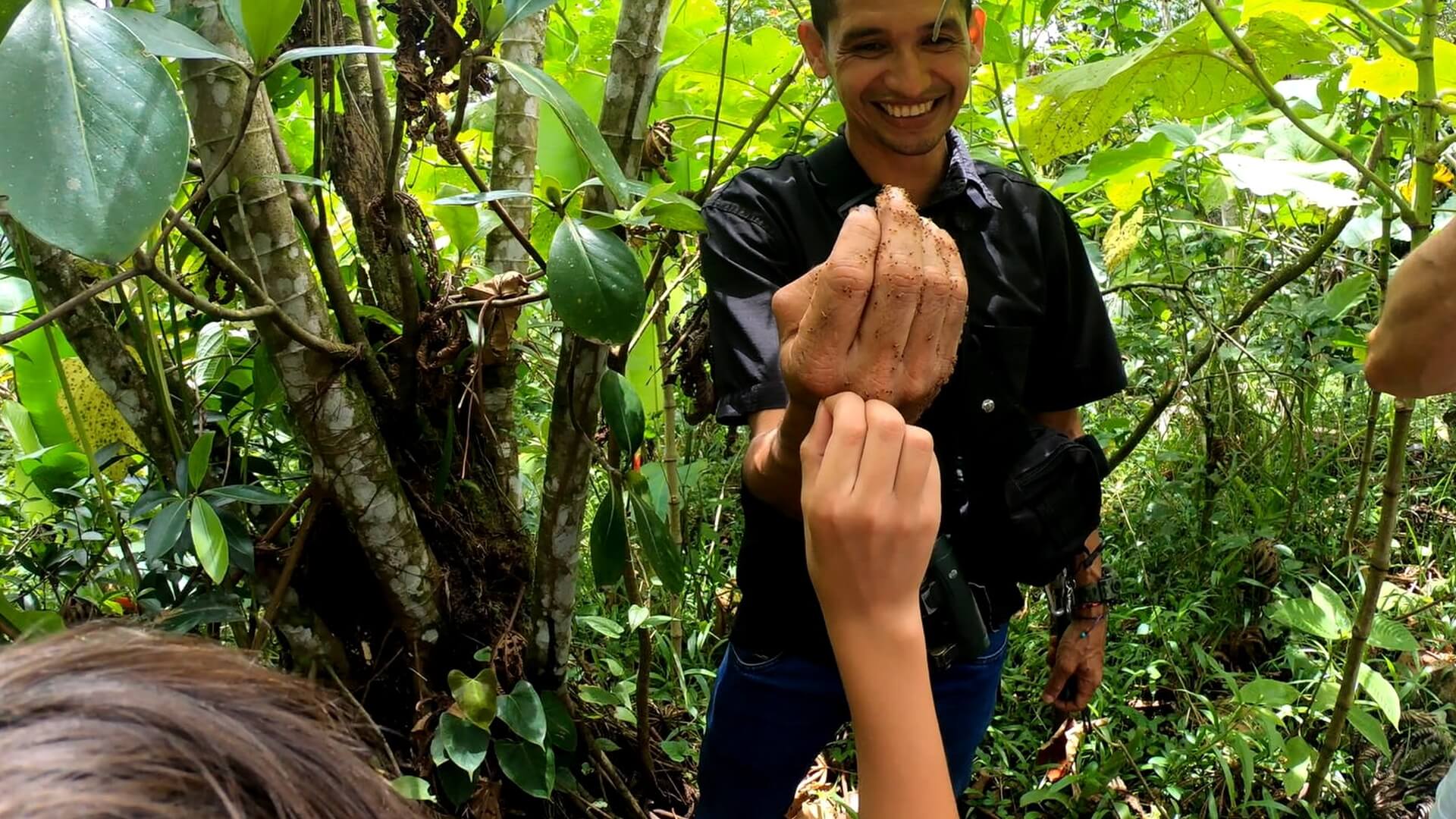
    We had a tour guide, Tristan, who offered to show us around the property. The price was $12 USD for adults and $5 USD for kids. Be sure to give a bit extra to the tour guide as a tip, as they do lots of work and are very knowledgeable. 

    travel-backpack-costa-rica

    I use this sling backpack when I’m travelling in Costa Rica. It has a zipper lock to secure your stuff. I like the sling as I can flip the bag to the front for easy access.

    shampoo ginger

    Sloths & More

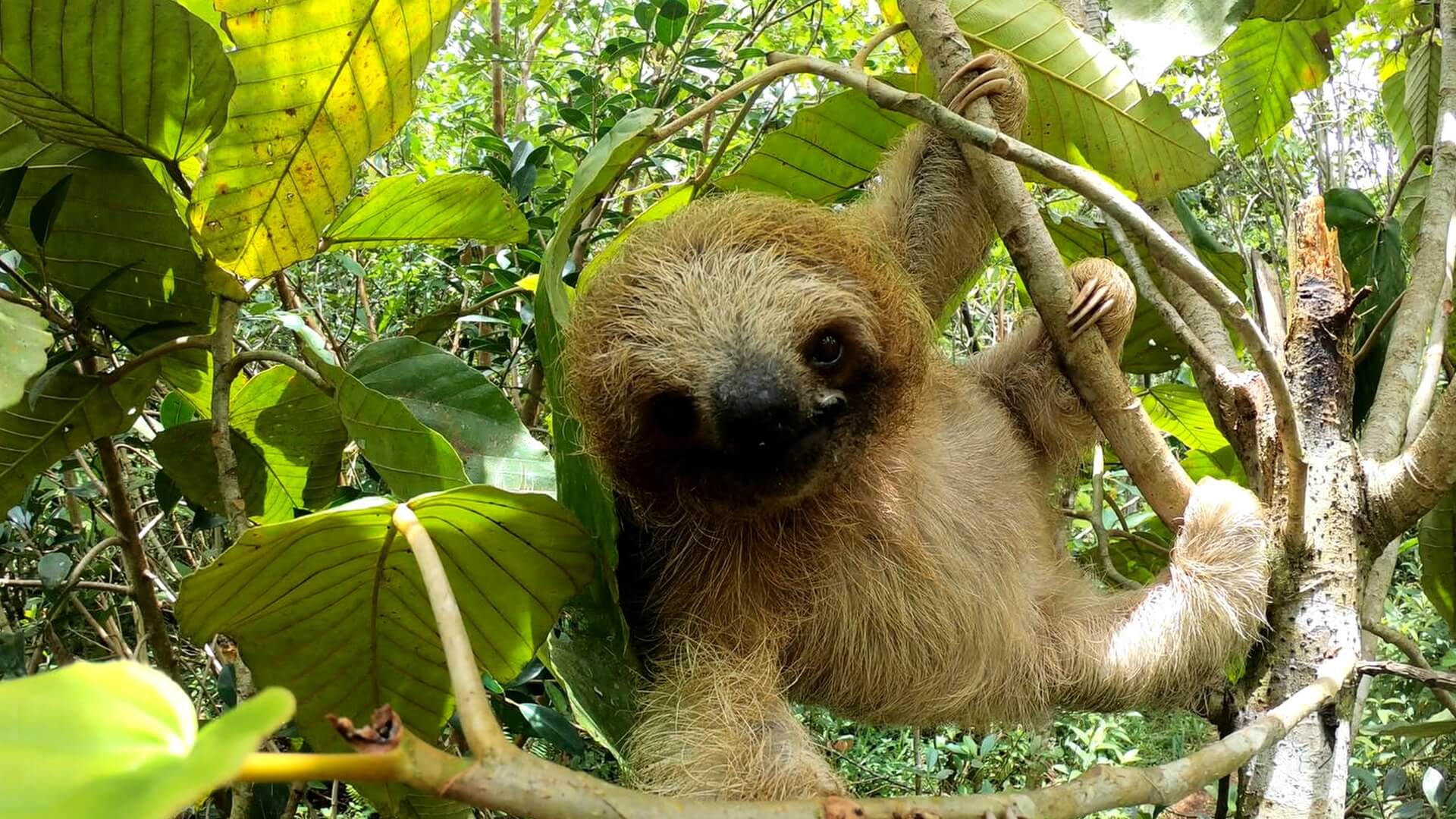
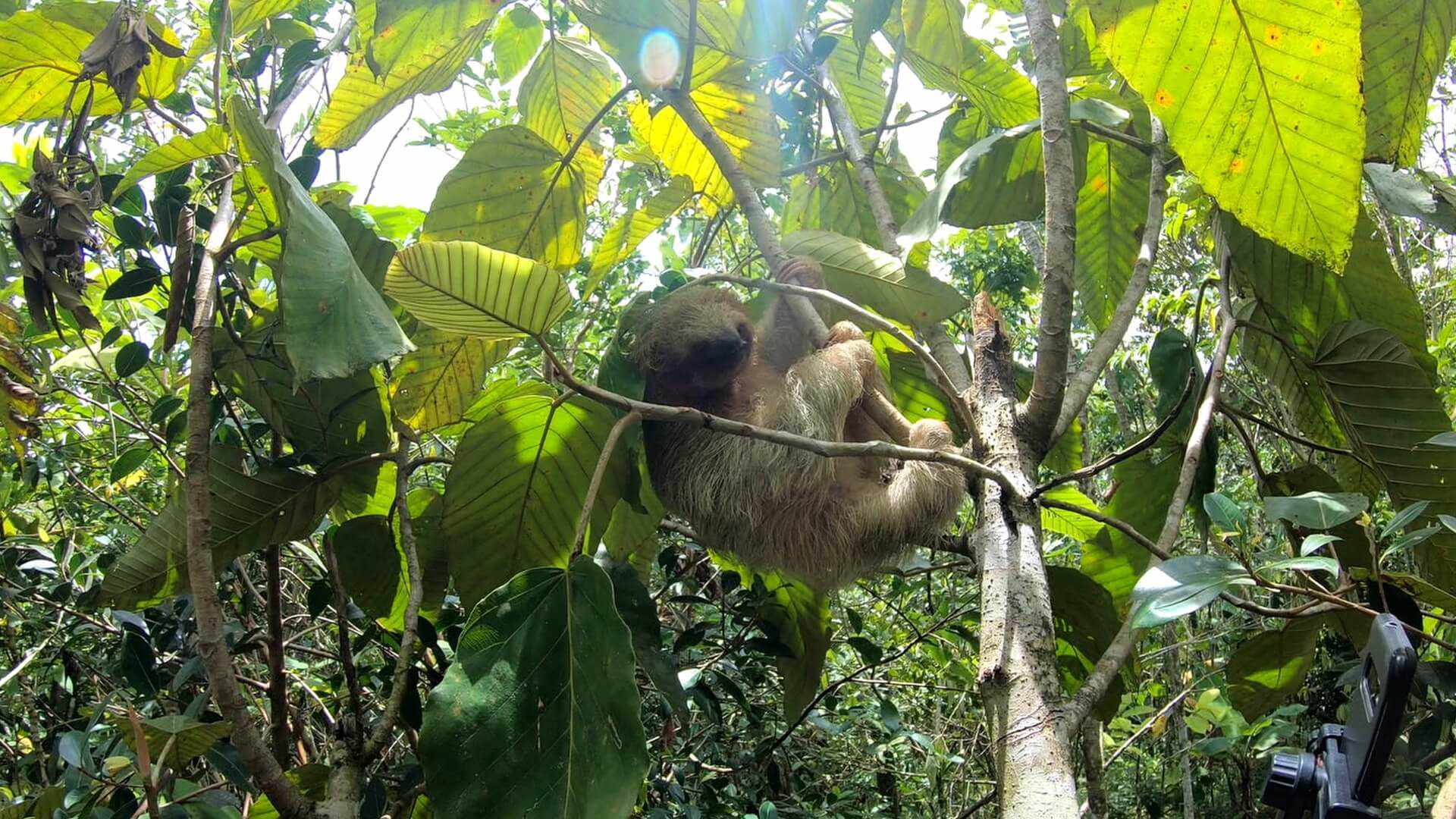
    As our guide explained, the sun was out so the sloths will be more active. We managed to see two adolescent sloths fairly close to the ground. It was great for the kids to see, and made for some awesome photos. Our guide also pointed out a few bigger sloths, relaxing higher in the trees.

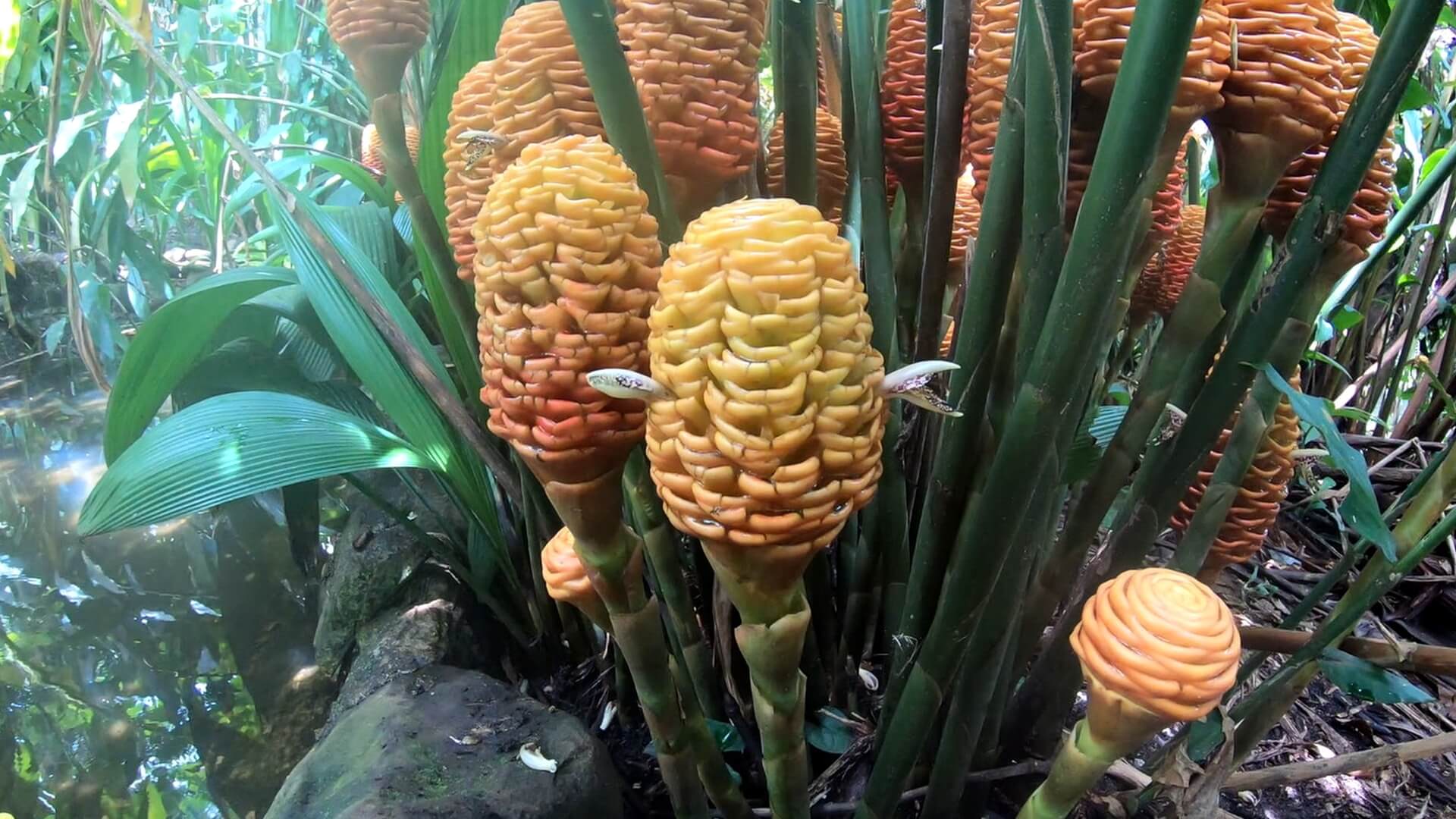
    This location is also a farm, and they have a small animal section. The kids loved holding rabbits and guinea pigs. There’s also several areas with various trees like plantains that can be tasted.

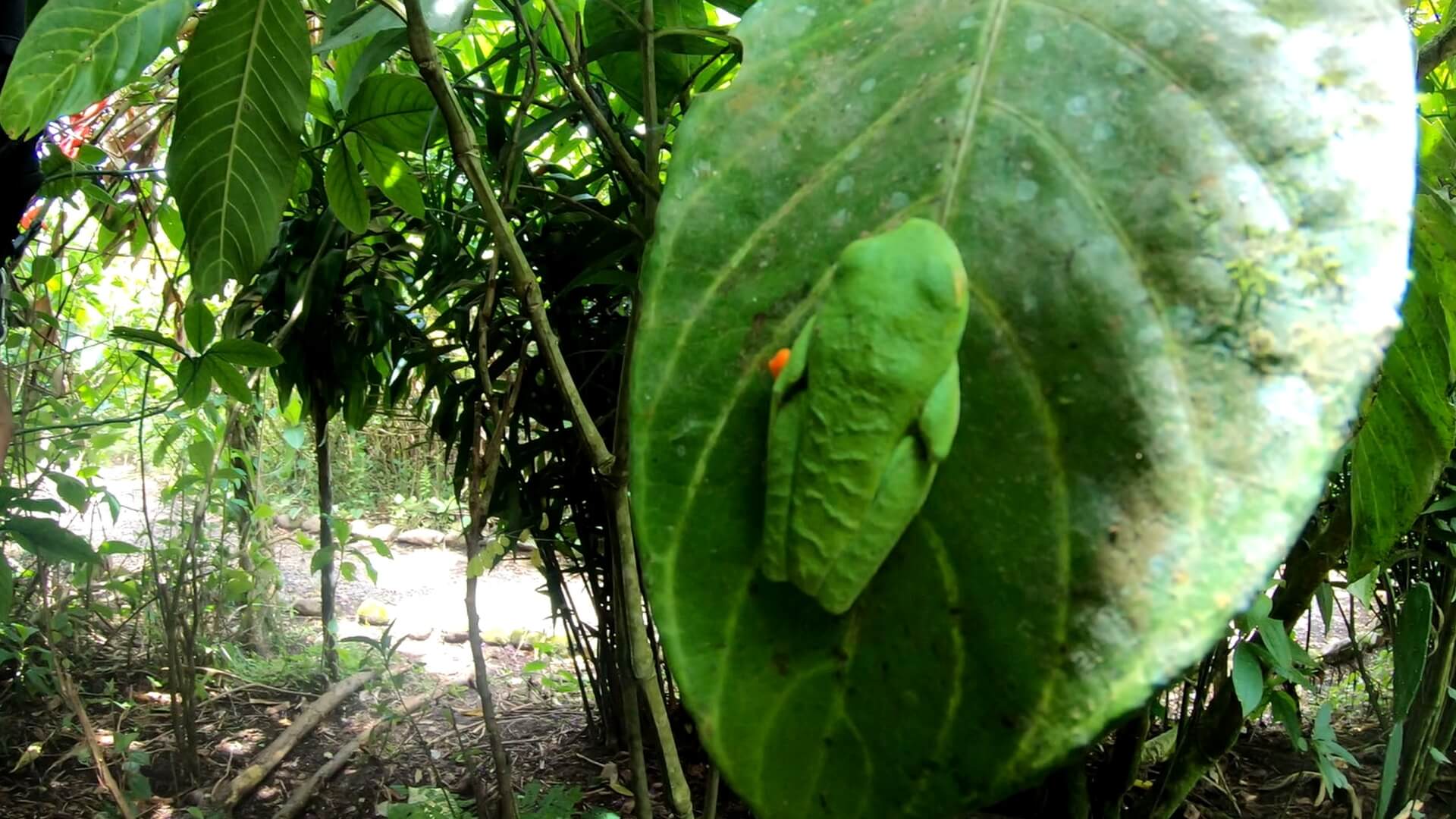
    Tree frogs were spotted on some trees, they are very well camouflaged. Without a guide, we’d for certain not have seen them. Tristan pointed out their eggs attached to a few leaves as well. 

    These are a few examples of cool things we experienced on the tour. There’s lots more that you can check out for yourself when you visit.

    Follow Us!

    Be sure to Subscribe to our Youtube Channel, and leave a comment with your thoughts about this location or request a video in other cool destinations around Costa Rica.

    termitestree frogsloth in tree (1)

    FAQ: Sloth Ecological Farm

    What is the best time to visit the Sloth Ecological Farm?
    The farm is open year-round, but the dry season (December to April) usually offers the best weather for visiting. Early mornings and late afternoons are ideal for seeing sloths and other wildlife.

    How much does it cost to visit the Sloth Ecological Farm?
    Admission prices vary depending on the type of tour you choose. General entry fees typically range between $5 – $15 per person, and a tip for great service.

    Can I see sloths up close at the farm?
    Yes, the farm is designed to allow visitors to observe sloths in their natural habitat. While the sloths are not kept in enclosures, they are commonly seen in the trees throughout the farm.

    Is the Sloth Ecological Farm suitable for children?
    Absolutely! The farm is family-friendly, and children will enjoy learning about sloths and other wildlife. The trails are relatively easy, making it a good experience for kids.

    Are there guided tours available at the farm?
    Yes, guided tours are available and recommended for those who want to learn more about the sloths and other wildlife on the farm. These tours often include knowledgeable guides who share insights about the animals and their habitats.

    How long should I plan to spend at the Sloth Ecological Farm?
    Most visitors spend around 2 to 3 hours exploring the farm. If you opt for a guided tour, plan for about 3 hours to fully enjoy the experience.

    What should I bring for my visit to the farm?
    It’s a good idea to bring comfortable walking shoes, insect repellent, sunscreen, a hat, and a camera. If you’re visiting during the rainy season, consider bringing a rain jacket or umbrella. 

    Is there a place to eat at the Sloth Ecological Farm?
    The farm typically has a small café or snack area where visitors can purchase light refreshments. However, it’s a good idea to check in advance or bring your own snacks. The nearby town of Bijagua de Upala has dining and supermarket options.

    Do I need to book my visit to the farm in advance?
    Booking in advance is recommended, especially during peak tourist seasons. This ensures that you have a spot on any guided tours and helps the farm manage the number of visitors.

    Are there any other animals or attractions to see at the Sloth Ecological Farm?
    In addition to sloths, the farm is home to various other animals like frogs, birds, and butterflies. The farm also features beautiful walking trails through the forest, offering a chance to enjoy the natural scenery.

  • Rio Celeste: Magical Blue Waterfall

    Rio Celeste: Magical Blue Waterfall

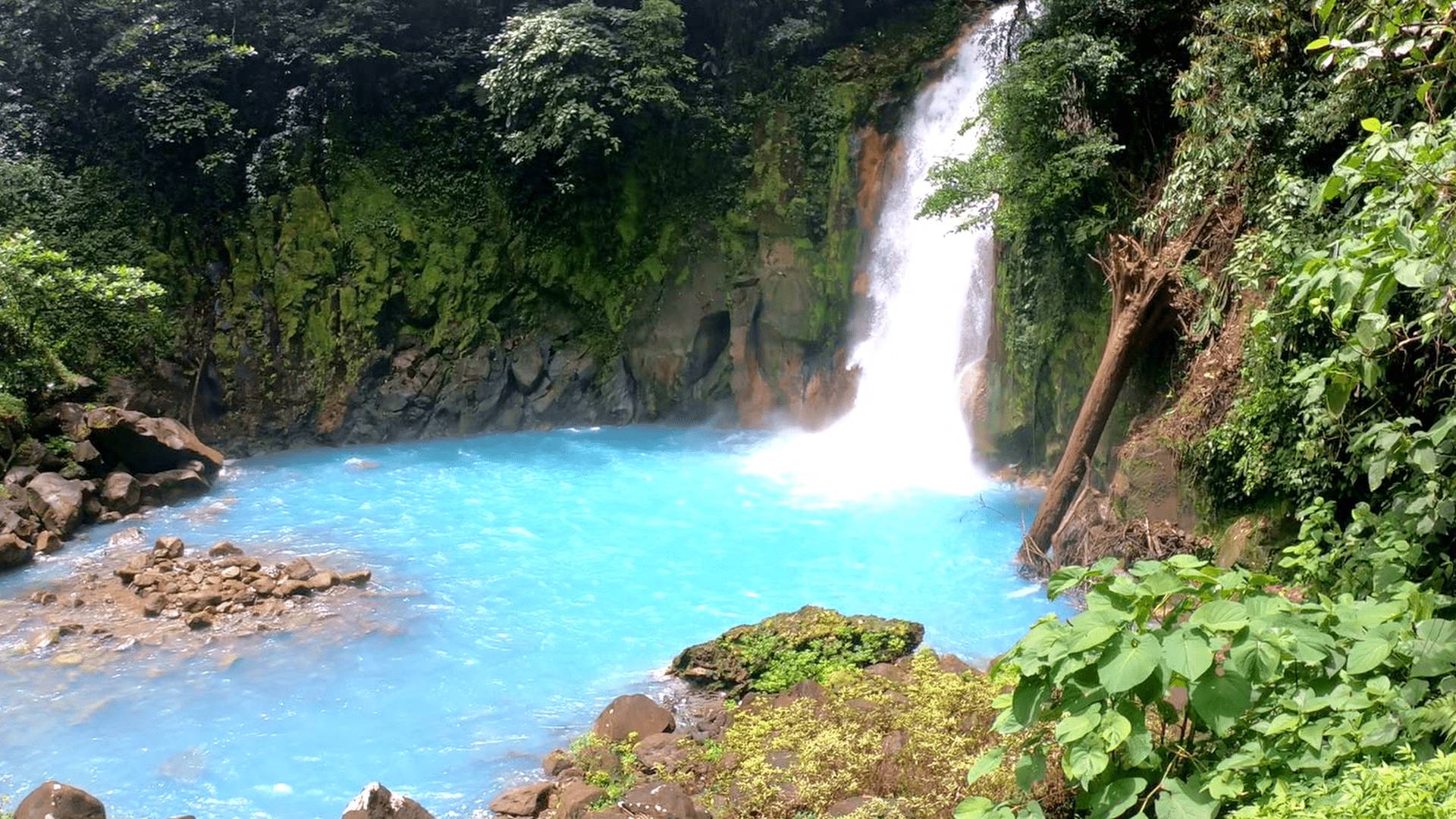
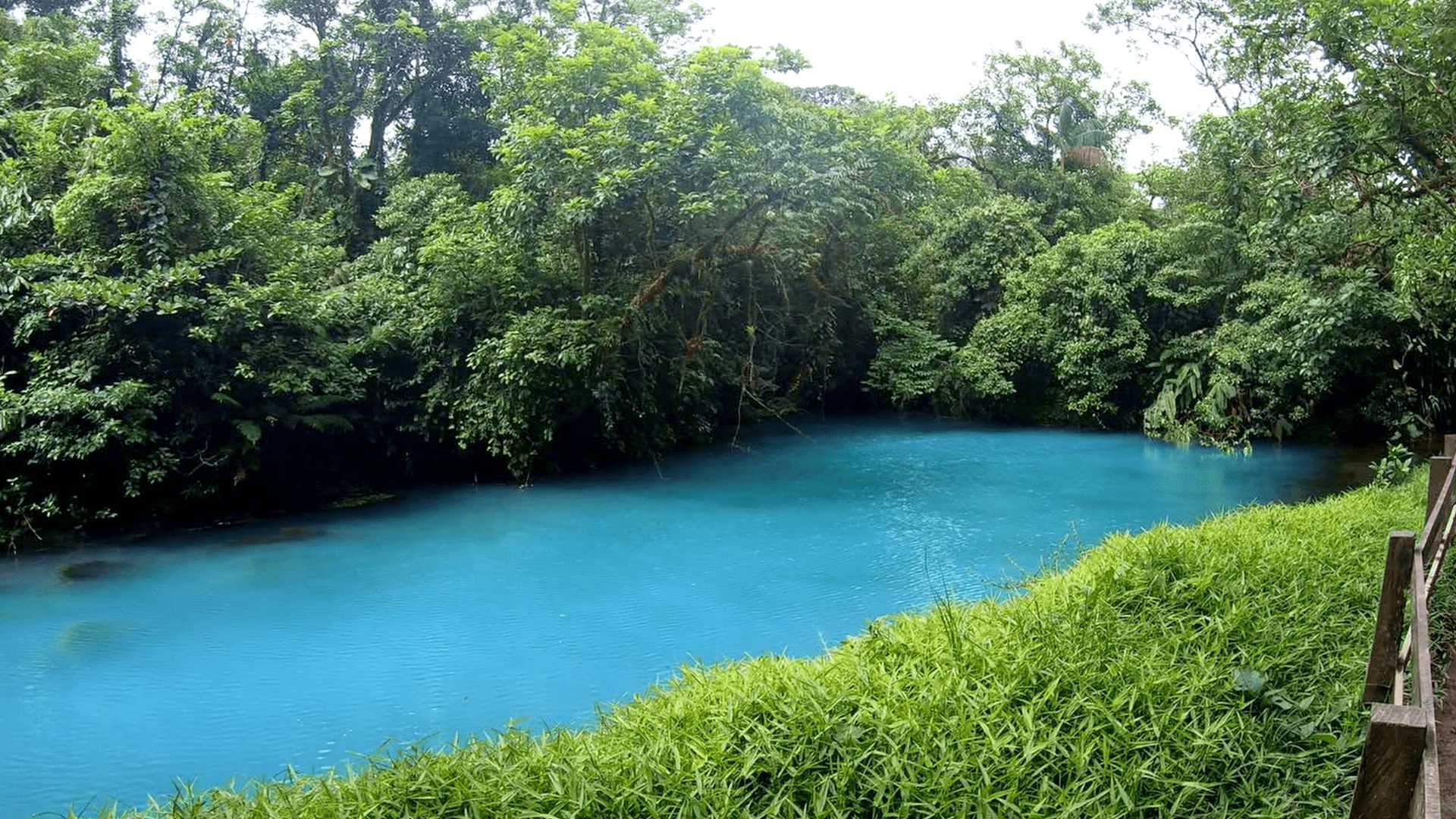
    Rio Celeste runs through Tenorio Volcano National Park in northern Costa Rica. The river’s distinctive blue color comes from mineral combinations in the water, visible at several points along the hiking trail.

    The park offers a maintained trail system leading to the main attractions: the waterfall, blue lagoon, and the teñideros where the color change occurs. The complete hike takes visitors through rainforest to each viewing area.

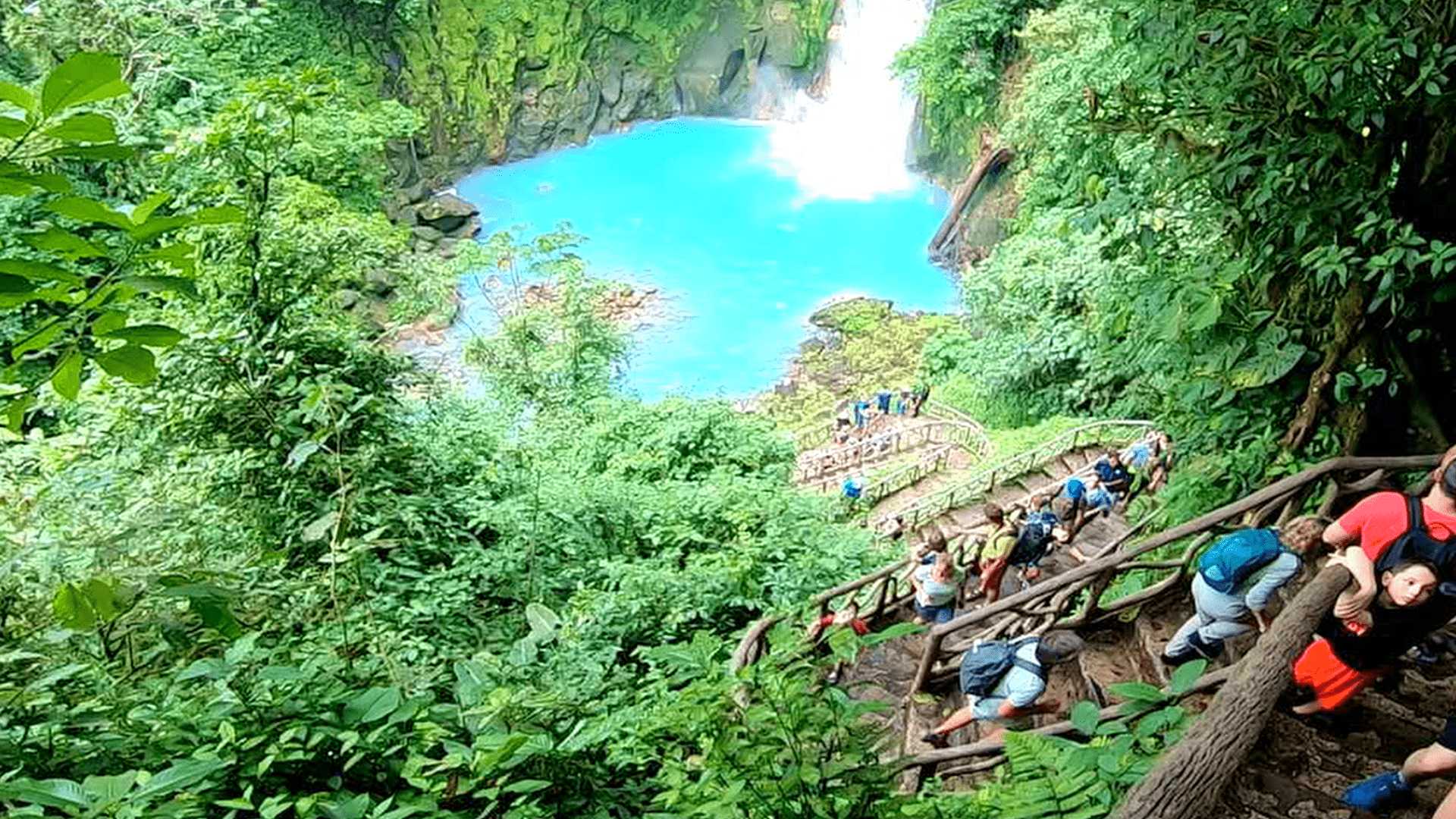
    Visitors can observe the river from designated viewing platforms along the trail. The waterfall area includes stairs down to a closer viewpoint, while the teñideros show where two clear water streams combine to create the blue color. The trail system makes these natural features accessible while protecting the surrounding forest.

    How To Get There

    Once you’re in Costa Rica, you’ll find a few different routes to arrive at Rio Celeste. If you’re coming from Highway 1(the main north/south highway), you’ll be turning a few kilometers north of Canas.

    Once you reach a small town called Bijagua de Upala, there’s a small road you’ll turn on. It’s called Cam. al Parque on Google Maps. 

    This road is winding and has great overgrowth, but use caution. Several sections of the road are concrete and can become slippery in certain conditions. Take it slow so you make it to Rio Celeste in one piece. 

    travel-backpack-costa-rica

    I use this sling backpack when I’m travelling in Costa Rica. It has a zipper lock to secure your stuff. I like the sling as I can flip the bag to the front for easy access.

    What To Bring

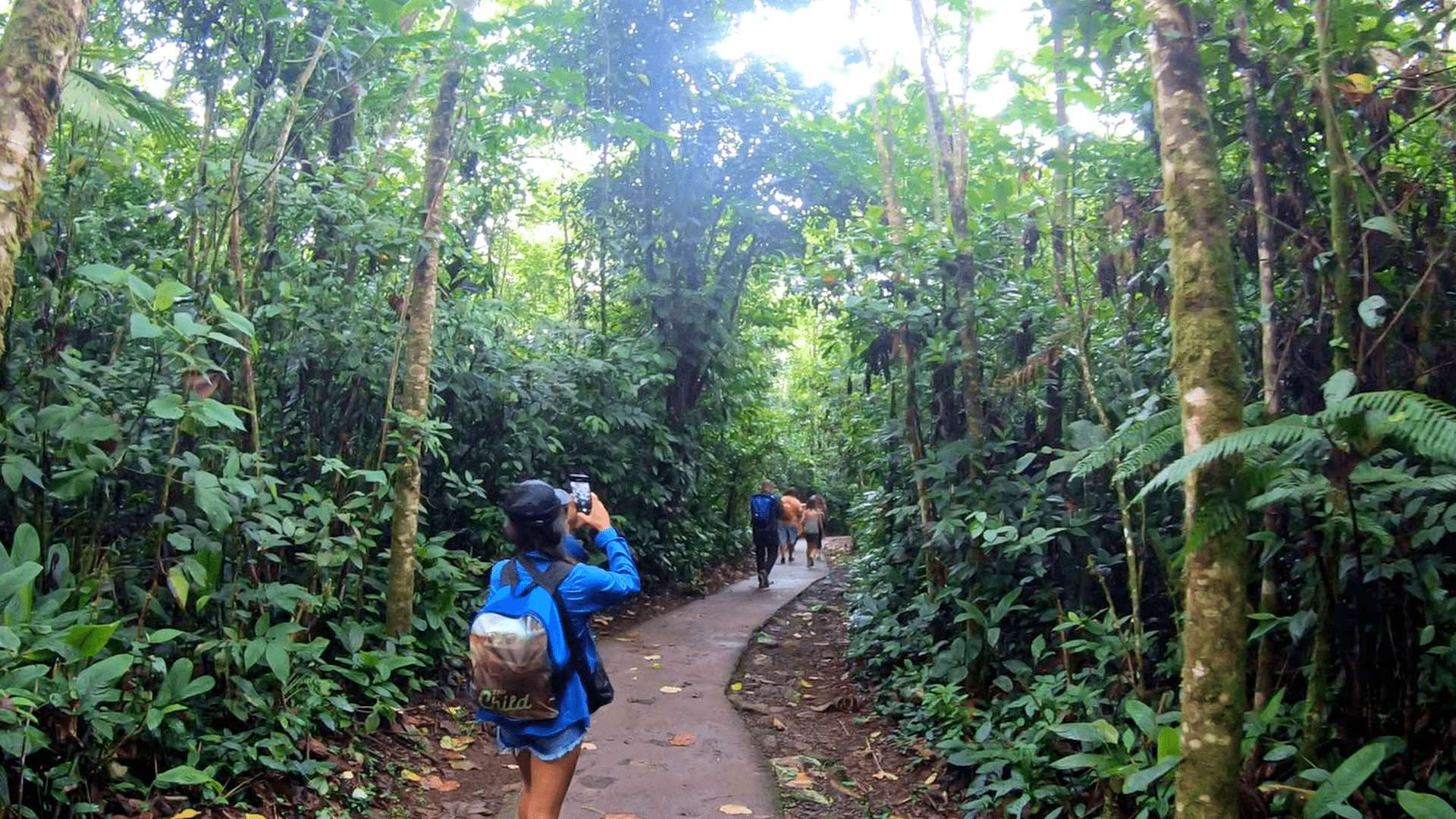
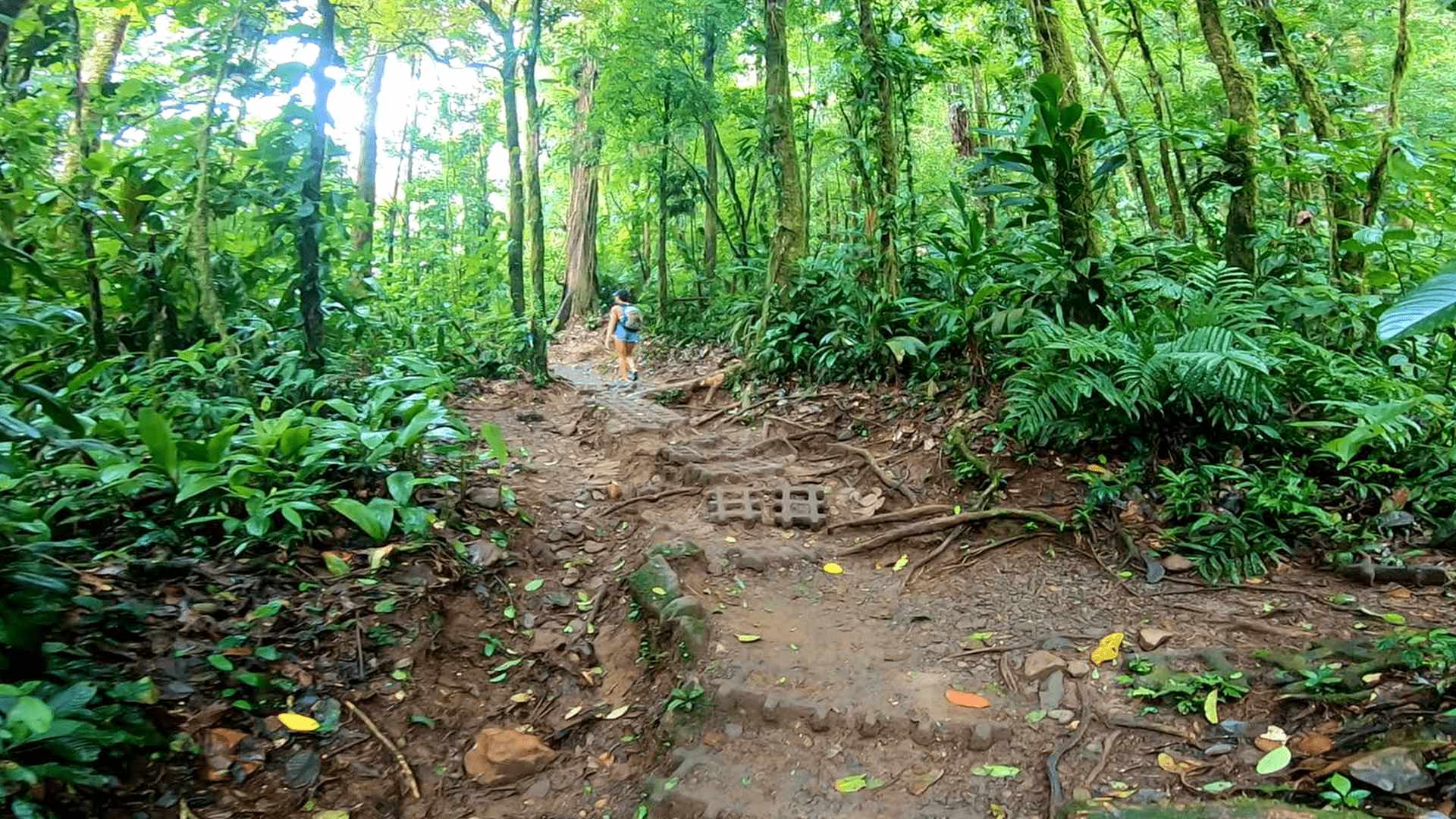
    The hike at Rio Celeste is pretty incredible, but it is a long one. You can expect to walk more than 5km if you want to see each location. This is up and down several mountains which are either stairs or rough terrain.

    Only reusable water bottles are allowed in the park, and no snacks. There’s a security guard checking bags as well so be sure to show up with the proper gear.

    The following gear is recommended for this hike:

    • Comfortable back pack
    • One liter of water per person in the pack. One additional liter waiting in the car.
    • Eat some snacks before departing.
    • Comfortable hiking shoes or boots. Be sure to wear socks.
    • Bug spray
    • Trekking Poles (if required)
    • Binoculars for animal viewing

    Before you head out, be sure to think of anything else you might need. If you forget something, there’s a few stores in Bijagua de Upala which are large and have a wide selection.

    rio celeste nature hike

    Enjoy The Hike

    This park has 3 primary locations to hike and visit. The closest is the waterfall. It’s very big, very blue and awesome to see in person. The path down to the waterfall is a stair case that was busy with people and kind of slippery. Take your time when you’re walking down to it.

    The next area is the Blue Lagoon. This path is a bit farther and involves going up and down a winding and rough path. It would be difficult to traverse for somebody with mobility issues. Along the way, you’ll stop at The Mirador – Lookout. It will give you a great view of the mountains and valleys around the park.

    The Blue Lagoon is really cool, it’s bright blue and fairly calm. You’ll definitely want to take a break here after the winding path.

    Then at the very end, there’s the Mixing Point. This is a really cool area where a crystal clear river mixes with seeping mineral deposits. You can actually see where the minerals come up under the river and cause the water to turn blue.

    During the hike we happened to see a few Vine Snakes, a Tucan, and some unique lizards. If you’re interested in a tour guide, there’s lots who can offer this service.

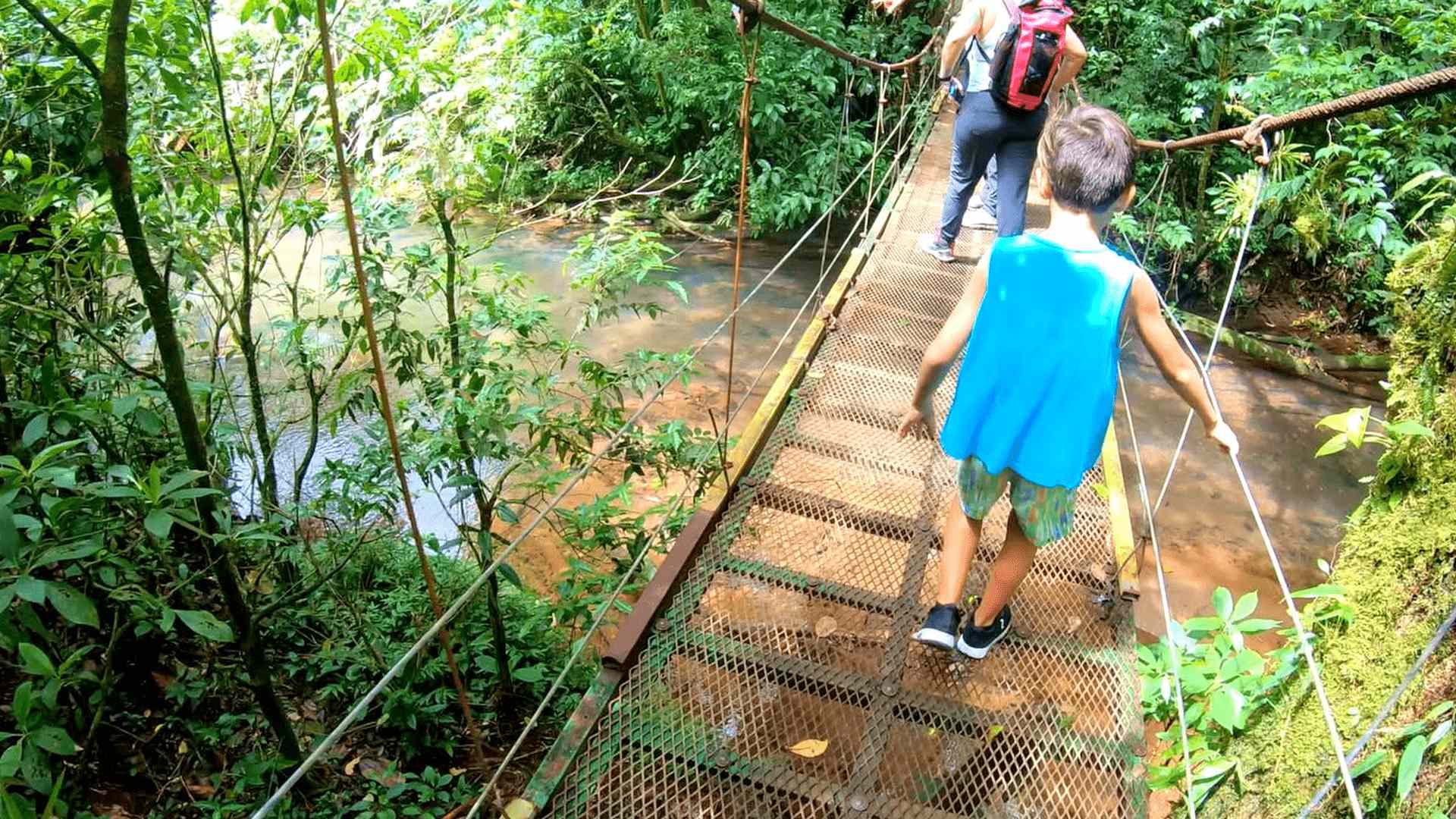
    rough hike area rio celesterio celese bridge crossingblue lagoon rio celestestairs to waterfall rio celesteblue waterfall at rio celeste

    Follow Us!

    Be sure to Subscribe to our Youtube Channel, and leave a comment with your thoughts about this location or request a video in other cool destinations around Costa Rica.

    FAQ: Hiking to Rio Celeste

    How long does the hike to Rio Celeste take?
    The hike to Rio Celeste typically takes around 3 to 4 hours round trip, depending on your pace and how long you spend at the various points of interest along the trail.

    Is the hike to Rio Celeste difficult?
    The hike is considered moderately challenging. The trail can be muddy and slippery, especially during the rainy season, with some steep sections. However, it’s manageable for most people with a basic level of fitness.

    When is the best time to visit Rio Celeste?
    The best time to visit Rio Celeste is during the dry season, from December to April, when the trail conditions are better and the river is most likely to be its iconic bright blue color.

    Why is the water in Rio Celeste blue?
    The unique blue color of Rio Celeste is due to a chemical reaction between volcanic minerals and the river’s water. The phenomenon is best observed where two rivers meet, creating the blue hue.

    Are there facilities along the hike to Rio Celeste?
    Yes, there are basic facilities at the park entrance, including restrooms and a small visitor center. However, there are no facilities along the trail itself, so be prepared with water and snacks.

    Can you swim in Rio Celeste?
    Swimming in Rio Celeste is prohibited within the park to preserve the natural beauty and fragile ecosystem of the river. However, there are areas outside the park where you can swim in the same river.

    What should I bring for the hike to Rio Celeste?
    It’s recommended to bring sturdy hiking shoes, plenty of water, snacks, insect repellent, and a rain jacket, especially during the rainy season. A walking stick can also be helpful on the muddy sections of the trail.

    How do I get to Rio Celeste?
    Rio Celeste is located in Tenorio Volcano National Park. The most common way to reach it is by car from nearby towns like La Fortuna or Liberia. The park is about a 1.5 to 2-hour drive from these locations.

    Is there an entrance fee for Tenorio Volcano National Park?
    Yes, there is an entrance fee to enter Tenorio Volcano National Park, which is where Rio Celeste is located. The fee is around $12 for foreign visitors and $2 for Costa Rican residents.

    Are guided tours available for the hike to Rio Celeste?
    Yes, guided tours are available and can provide more insight into the area’s natural history and the unique phenomenon of the river’s color. Many tour companies will include transportation, entrance fees, and a guide who can for the hike.

  • Playa Panama: Oceanfront Bliss Vacation

    Playa Panama: Oceanfront Bliss Vacation

    Playa Panama curves along Culebra Bay in Guanacaste, offering 2 kilometers of protected beach just 15 minutes from Liberia Airport. The grey sand shore provides calm swimming conditions year-round, while the surrounding mountains create a natural amphitheater overlooking the bay.

    The beach area maintains a quieter atmosphere than nearby coastal towns, with natural shade trees lining much of the shore. Views stretch across the bay to the Four Seasons Peninsula, where boats occasionally cross between Marina Papagayo and various resorts.

    Clear waters and protected location make this beach particularly good for swimming and paddling. The bay position means calmer conditions than open coast beaches, while the mountain backdrop provides shelter from strong winds. Several walking paths connect to hidden coves along the coastline.

    El Mangroove

    If you’re staying in Playa Panama, chances are you’ll be down by the resort El Mangroove. This section of the small town is very popular with tourists and families. El Mangroove has a nice sitting area with a pool, that overlooks the ocean.  If you’re visiting Panama, there’s lots of on street parking on this end of the beach as well. Be sure to bring a couple thousand Colon for the parking attendant to watch over your car. The beach area has white sand and calm waves. One of the best things about Panama is the large, flat and tree covered sitting areas. High tide doesn’t touch these areas, so they’re great to store your gear. You could set up a table and have a barbeque/picnic without having to move your stuff around at high tide.

    mangroove resort in panamawater shoes for exploring costa rica

    Pick up a pair of these awesome water shoes. I’ve been using them all over Costa Rica during my travels. They have vented soles so water drains right out the bottom! 

    Hacienda Blu

    Towards the south/west end of the beach, you’ll find another parking area. This section of the beach has calm water, and a great area for setting up your beach gear.

    There’s also an ocean front bar/restaurant called Hacienda Blue. This restaurant is a great location to finish off a long day of swimming in Panama Bay.

    If you’d like to head out on the water, check out renting a stand up paddle board. Costa Rica SUP will provide you with the opportunity to head out into Panama Bay. You’ll see the crystal clear water and scenery along the coast. You might even see some massive yachts scrolling by in the ocean. 

    On this end of the beach you’ll also find an Eco-Camping location, and a beach camping area. There’s an estuary, which is a small river leading into the ocean. Estuaries are great to check out as you can often see really cool animals and birds.

    hacienda blu and paddle board rental

    Visit Playa Panama

    If’ you’re spending your vacation around the Liberia Airport, you’ll want to check out Panama for at least a day. It’s a short drive from Coco or Communidad, and has some of the calmest waters around.

    Leave us a comment on YouTube if you have any questions about Playa Panama.

    playa panama guanacaste

    Follow Us!

    Be sure to Subscribe to our Youtube Channel, and leave a comment with your thoughts about this location or request a video in other cool destinations around Costa Rica.

    Playa Panama FAQ: Protected Bay Guide

    Q: Where is Playa Panama located?
    A: In Culebra Bay, 15 minutes from Liberia Airport. Between Papagayo Peninsula and Playas del Coco. Protected beach cove. Views across bay to Four Seasons.

    Q: What’s the beach like?
    A: 2 km curved grey sand beach. Calm protected waters. Good for swimming year-round. Natural shade trees line shore. Beach width varies with tide.

    Q: What facilities exist?
    A: Basic beach services. Andaz Papagayo overlooks bay. Public parking area. Some local restaurants nearby. Cell service available. Bring water and supplies.

    Q: What makes this beach special?
    A: Protected bay location. Calmer waters than open coast. Less crowded than nearby beaches. Mountain backdrop views. Good base for bay exploration.

    Q: What’s nearby?
    A: Close to Marina Papagayo, Four Seasons Peninsula, Playa Buena, Occidental Resort. Hidden beaches along coastline. Airport access convenient.

    Q: How’s the access?
    A: Well-paved road from highway. Public parking near beach. Local bus service limited. Most visitors drive or taxi. Easy directions from airport.

    Q: When to visit?
    A: Morning hours usually calmest. Best swimming conditions year-round. Dry season most predictable weather. Weekdays quieter than weekends.

  • Playa Potrero: Tranquil Beach Getaway

    Playa Potrero: Tranquil Beach Getaway

    If you’re visiting Costa Rica and enjoy beaches, Potrero should be on your short list of towns to stay in. It’s very close to the Liberia Airport, and even closer to many amazing beaches on the Pacific Coast.

    Potrero has two distinct areas along the same beach front, with different amounts of shops, restaurants and accommodations.

    The North End

    This end of the beach is tucked right up against rocky peninsula at the north end of the beach. You’ll find a lot of “Soda’s” in the area, which are small restaurants, often offering delicious local food. There’s also a beach front restaurant called Las Brisas Potrero Restaurant Bar, which has an ocean view and great breeze.

    This end of the beach is much less travelled than further south. It’s great for walking or bicycling around, and you’ll always be within walking distance to the beach.

    For some accommodation options, consider Vilaggio Sueno al Mar, which is an area with lots of Casitas and swimming pools. Hotel Bahia Esmeralda is also right at the main junction near the beach.

    One great thing about staying on the north end of Potrero is Playa Penca(not to be confused with the beach of the same name near Coco). This Playa Penca is highly reviewed be visitors and easily visited by walking.

    north beach playa potrerowater shoes for exploring costa rica

    Pick up a pair of these awesome water shoes. I’ve been using them all over Costa Rica during my travels. They have vented soles so water drains right out the bottom! 

    Central Potrero

    As you continue along to the main area of Potrero, you’ll find it to be more built up. There’s all kinds of restaurants to choose from along the main drag, which are very close to the beach.

    Try out Perlas, The Shack or Nita Coffee along the main drag, or enjoy an ocean side meal at Hemingway’s Beachfront Bar and Restaurant.

    This area also has many accommodation options for you, including small condos, hotels, and entire houses for rent. If you’re looking to be closer to amenities, this area is great.

    potrero costa rica travel shopping

    Main Beach Area

    For a great view of both ends of the beach, and amazing white sand, check out the main beach of Potrero.

    Further to the south, you’ll get a great view of Playa Flamingo and the Marina. To the north you’ll get awesome mountain views.

    The beach is very calm for swimming, and would be a great experience to head out in a kayak or paddle board. The white sand would make for a great day of relaxing while the kids play in the water and sand. 

    beach near flamingo marina

    Follow Us!

    Be sure to Subscribe to our Youtube Channel, and leave a comment with your thoughts about this location or request a video in other cool destinations around Costa Rica.

    FAQ: Visiting Playa Potrero

    Where is Playa Potrero located?
    Playa Potrero is on the northern Pacific coast of Costa Rica in the Guanacaste province, about 45 minutes from the Liberia International Airport.

    What is the beach like at Playa Potrero?
    Playa Potrero is known for its calm waters and dark sand. The beach is less crowded compared to other nearby beaches, making it a peaceful spot for relaxing.

    Is Playa Potrero good for swimming?
    Yes, the waters at Playa Potrero are generally calm and safe for swimming, making it a popular spot for families and those looking to enjoy a leisurely swim.

    Are there restaurants and shops near Playa Potrero?
    Yes, there are several restaurants, bars, and small shops in the Playa Potrero area. Many of them are within walking distance of the beach, offering local and international cuisine.

    What activities can you do at Playa Potrero?
    Popular activities at Playa Potrero include paddleboarding, kayaking, fishing, and taking boat tours. The calm waters make it ideal for water sports, and the surrounding area offers opportunities for horseback riding and hiking.

    Is Playa Potrero close to other popular beaches?
    Yes, Playa Potrero is close to other well-known beaches like Playa Flamingo and Playa Conchal. These beaches are just a short drive away, making it easy to explore multiple beaches during your stay.

    Can you see wildlife at Playa Potrero?
    Yes, Playa Potrero and the surrounding area are home to various wildlife, including birds, monkeys, and iguanas. It’s common to spot wildlife while walking along the beach or exploring nearby areas.

    What are the accommodation options in Playa Potrero?
    Playa Potrero has a range of accommodations, from budget-friendly hotels to vacation rentals and luxury villas. Options like beachfront hotels and apartments are available for different budgets and preferences.

    How do you get to Playa Potrero from Liberia Airport?
    The easiest way to get to Playa Potrero from Liberia Airport is by car. You can rent a car at the airport or arrange for a shuttle service. The drive takes about 45 minutes to an hour.

    Is Playa Potrero suitable for families?
    Yes, Playa Potrero is a family-friendly destination. The calm waters, safe environment, and nearby amenities make it a great spot for a family vacation in Costa Rica.

  • Playas del Coco: Perfect Vacation Destination In Costa Rica

    Playas del Coco: Perfect Vacation Destination In Costa Rica

    Playas del Coco is a well visited tourism location in Guanacaste, Costa Rica. It has loads of accommodation options, as well as an assortment of restaurants and bars.

    It’s the perfect home base for your vacation, with close proximity to many amazing beaches and other tours near Liberia.

    Accommodations

    If you check out Airbnb and Booking.com for vacation rentals in Playas del Coco, you’ll find tons of options. There are two primary locations which are close to the main drag which offer differing distance to the beach and amenities. 

    Pacifico

    If you’re in the market for high end living, look at Pacifico for your rental. This expansive development has a wide assortment of units available, from houses with ocean views, to condos close to the pools. There’s a nearby gym called Longev, and Auto Mercado – a higher end grocery store. 

    Security is tight when entering Pacifico, with the guards checking all guests and deliveries. There are numerous pools and tennis courts on site, so you don’t have to come and go to enjoy the property.

    Las Palmas

    When looking at the map, Las Palmas is the general area to the northern end of the beach. You’ll find many smaller sets of condos with open access. There’s roaming security guards in the area, and always lots of people walking around.

    Most of the condos have pools, and there’s some close by restaurants and grocers. The great thing about staying in Las Palmas is the proximity to the beach – it’s only ever a few blocks away.

    pacifico cocotravel-backpack-costa-rica

    I use this sling backpack when I’m travelling in Costa Rica. It has a zipper lock to secure your stuff. I like the sling as I can flip the bag to the front for easy access.

    Restaurants

    Coco is host to many amazing and unique restaurants. Although many are on the main drag and beach, the outlying areas also have great options. A few of my favorites are:

    Buzzed Monkey / Guayoyo

    If you’re walking towards Las Palmas from the main drag, about half way you’ll find a small commercial center with numerous businesses. There’s a pharmacy, burger shop and Brazilian Jiu-Jitsu gym. At the front you’ll also find Guayoyo Coffee House. They have incredible coffee selections, and all kinds of other hot beverages. You can also try out their baked goods, and items for sale from local vendors. 

    Directly in behind the commercial fronts, there’s a small restaurant called Buzzed Monkey BBQ & Grill. Buzzed Monkey is a BBQ joint that will consistently offer up the most succulent array of meats, if not in Playas del Coco alone, perhaps even in the world.

    Santorini Greek Restaurant

    This is one of the most popular restaurants in Coco. It’s outdoor but fully covered, and the food is outstanding. 

    It’s a short walk from the beach, and is a perfect location to have a sit down meal at the end of a long day in the sun. 

    Coconutz Brewhouse

    Another restaurant that’s outdoor and fully covered. Coconutz is always teeming with friendly people, enjoying great food and drinks. 

    You’ll also being able to enjoy the nightlife of Coco at Coconutz, with it closing later and alcohol being served.

    santorini coco

    Activities

    There’s no shortage of great things to do in Playas del Coco, without even venturing outside of the town. On your days between visiting beaches or waterfalls, check out these:

    The Gym

    This gym is on the main drag and centrally located in Coco. It has a full complement of weight training machines, cardio, strength, and an open cross training area.

    They have drop in pricing as well, so you can workout at The Gym as needed on your vacation.

    E-Bike Rental

    You don’t need a car to get around Coco! In fact, renting a bicycle is an easy and efficient way to explore the town. If you’re taking a tour guide to the outlying destinations, a bike is a great option for the days of your vacation in Coco.

    There’s also E-Bike options available, which are bicycles outfitted with a battery and electric throttle. It can make zipping along the beach paths a breeze, but still allows for pedaling. 

    the gym playas del cocowater shoes for exploring costa rica

    Pick up a pair of these awesome water shoes. I’ve been using them all over Costa Rica during my travels. They have vented soles so water drains right out the bottom! 

    Playas del Coco is a great option for your vacation in Costa Rica. With its calm beach, and nearby experiences – your whole family will love the time you spend here.

    Follow Us!

    Be sure to Subscribe to our Youtube Channel, and leave a comment with your thoughts about this location or request a video in other cool destinations around Costa Rica.

    Playas del Coco FAQ: Beach Town Guide

    Q: Where is Playas del Coco?
    A: 30 minutes from Liberia Airport. Main beach town in Guanacaste. 3 km curved bay with grey sand beach. Protected bay location. Major services hub for coastal area.

    Q: What facilities exist?
    A: Complete beach town services: Large Auto Mercado supermarket, Medical clinic, Banks with ATMs, Pharmacy chains, Post office. Modern infrastructure. Public bus terminal.

    Q: What makes it special?
    A: Mix of local life and tourism. Protected bay location. Major services hub. Diving and fishing boats depart daily. Launch point for beach hopping. Active local community.

    Q: What’s the beach like?
    A: Long curved grey sand beach. Protected bay good for swimming. Calmer waters than surrounding beaches. Beach width varies with tide. Watch afternoon currents.

    Q: What’s nearby?
    A: Close beaches include: Ocotal (5 min), Hermosa (10 min), Panama (15 min). Penca accessible by boat or trail. National parks within day-trip range. Marina for boat services.

    Q: How’s transportation?
    A: Walking easy in town. Local taxis readily available. Public buses to nearby beaches. Airport shuttles regular service. Water taxis to hidden beaches.

    Q: When to visit?
    A: Dry season (December-April) has reliable sun. Green season (May-November) offers morning sun, afternoon showers possible. Town active year-round. Less crowded September-November.