Blog

  • Guide To Liberia: Gateway To Guanacaste

    Guide To Liberia: Gateway To Guanacaste

    Liberia

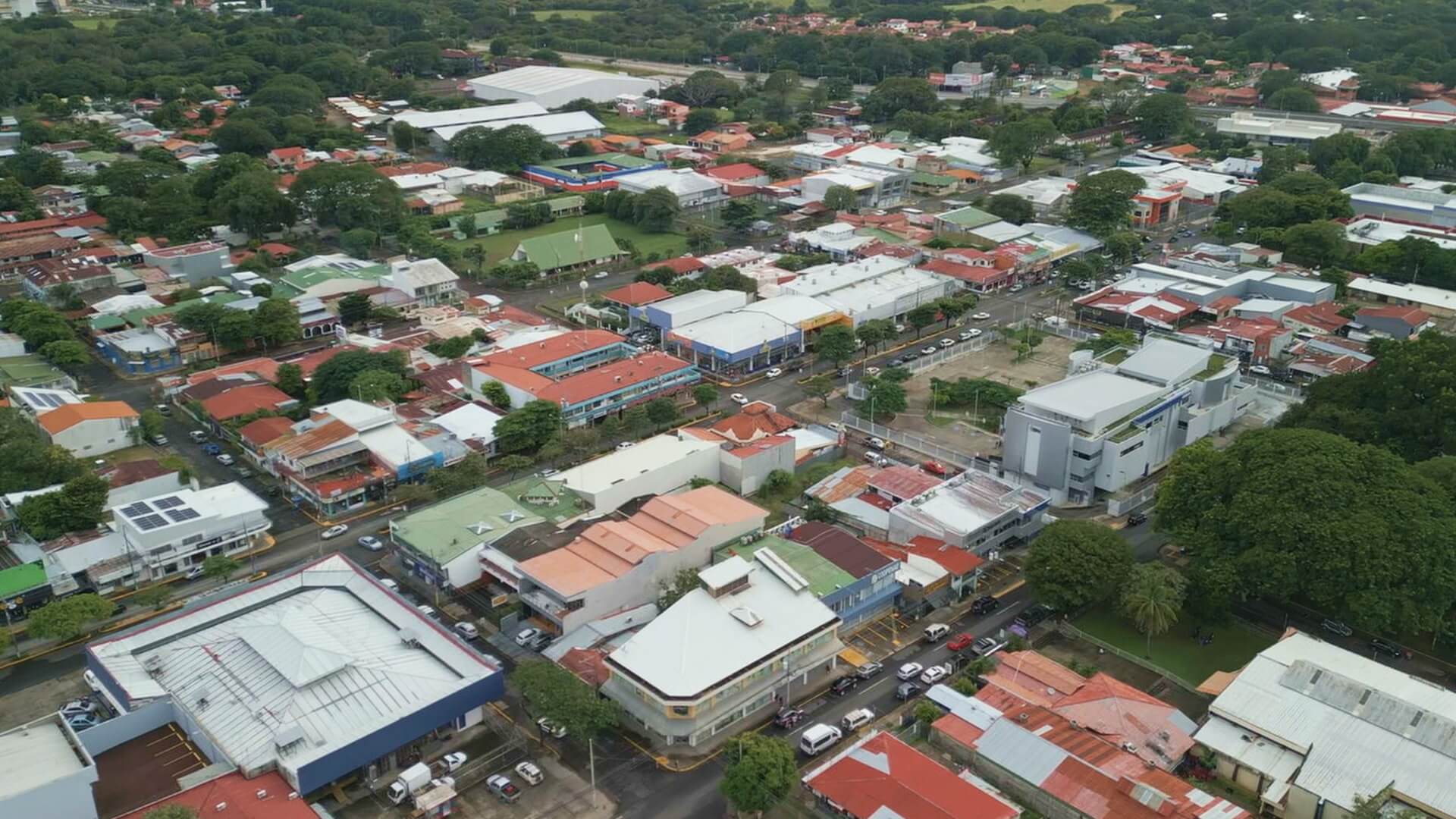
    The Capital of Guanacaste offers a delightful blend of culture, commerce, and cuisine. As the gateway to some of the country’s most picturesque destinations, Liberia welcomes travelers with open arms and promises a rewarding experience right from the start.

    Liberia boasts a variety of shopping options, from colorful markets where you can find local crafts, souvenirs, and fresh produce to modern malls featuring both international brands and boutique stores. Whether you’re looking for unique gifts, traditional Costa Rican items, or the latest fashion trends, Liberia’s shopping scene has you covered.

    Liberia’s Central Park serves as a hub of cultural and social activity. It’s a great place to take a leisurely stroll, people-watch, or simply relax under the shade of the trees. At the heart of the park stands the impressive white cathedral, a historical landmark that adds a touch of grandeur to the town’s ambiance. Exploring the park and the cathedral provides insight into Liberia’s rich history and the role of this central square in the community’s life.

    You’ll find a range of accommodation options to suit various tastes and budgets. From comfortable hotels to cozy bed and breakfasts, there’s something for everyone. If you prefer a more luxurious stay, there are upscale resorts offering top-notch amenities and service. Travelers seeking a budget-friendly experience will discover affordable lodges and guesthouses that provide a comfortable base for their adventures.

    Additionally, Liberia offers the convenience of proximity to the airport, making it a convenient stopover for those arriving or departing from the Daniel Oduber Quirós International Airport. Whether you’re here for a short stay or planning to explore Guanacaste’s natural wonders, Liberia’s accommodation choices ensure a pleasant and relaxing visit to this Costa Rican town. 

    Relaxing Pozas

    “Poza” is a term used in Costa Rica to describe a natural swimming pool or waterhole formed within a river or stream. These picturesque spots are known for their crystal-clear waters, often surrounded by lush vegetation, creating tranquil settings for swimming and relaxation. Pozas are beloved destinations for both locals and tourists seeking cool water and a connection with nature. Whether hidden deep within the rainforest or easily accessible along a hiking trail, pozas provide a refreshing escape for those looking to experience the beauty of Costa Rica’s rivers and streams.

    Poza Los Coyotes

    This incredible location is just outside of Liberia, about 30 minutes drive by car. You’ll head north on Highway #1, then turn east on a road with a sign for Coyotes. The road is gravel but well maintained, just be sure to take it slow. There is parking at Coyotes as well. You’ll pay a couple dollars per guest to get access.

    Once you’re in, you’ll find 3 distinct parts to check out. The first is a slow flowing river with various spots to swim, relax and jump off some small cliffs. You can rent a tube to swim up river to a small waterfall with a great alcove to relax in.

    The second area is a system of waterfalls where the river compresses and becomes more turbulent. Over eons, this water has chiseled out incredible features into the rock which you can carefully hike over.

    Then, you can hike down to the bottom of this waterfall system for a stunning pool where the river continues. With a tube you can swim back up river to the waterfalls while enveloped by the rocks above.

    water shoes for exploring costa rica

    Pick up a pair of these awesome water shoes. I’ve been using them all over Costa Rica during my travels. They have vented soles so water drains right out the bottom! 

    Pozas del Cañón

    A bit closer than Coyotes to the town of Liberia. This river is in the same direction as Coyotes but you’ll turn east off Highway #1 just outside of town. The road to Pozas del Cañón is fully paved, but there is no established parking areas so you’ll have to grab a spot on the side of the road.

    Once there’ you’ll find a really cool hike down to this natural pool. The water has carved a great sitting area at the bottom when the water levels are low. The cliffs are popular for cliff jumpers who visit the area for incredible dives.

    Top Beaches For Vacationing

    Playas del Coco

    Playas del Coco is a popular coastal town that brings travelers with its vibrant atmosphere and natural beauty. Coco serves as an ideal starting point for exploring Costa Rica’s enchanting coast. Its central location provides easy access to a wealth of activities and adventures.

    Coco beaches offer a plethora of activities for beach lovers and adventure seekers alike. The town’s main attraction is its long beach, where you can bask in the sun, swim in the warm waters, or take part in thrilling water sports like scuba diving and snorkeling. Dive enthusiasts are drawn to the area’s exceptional underwater ecosystems, including the renowned Catalina and Bat Islands. For those seeking on-land adventures, hiking, horseback riding, and ziplining through the tropical canopy are all within reach. Playas del Coco also boasts a lively nightlife scene, with numerous bars, restaurants, and local venues where you can dance the night away.

    In recent years, Playas del Coco has gained recognition as a real estate hotspot in Costa Rica. The town’s proximity to Liberia International Airport and its accessibility to the country’s stunning natural attractions make it a prime location for both vacation homes and investment properties. From beachfront condos to lush hillside villas, Playas del Coco offers a diverse range of real estate options. Savvy investors are taking note of the area’s potential for long-term growth, driven by its popularity with tourists and its position as a hub for exploring the wonders of Guanacaste.

    Playa Hermosa, Guanacaste

    Another incredible beach town is Playa Hermosa. It’s located just next to Playas del Coco, and has a much slower and relaxing vibe. There’s still a lot of accommodations options in Hermosa, along with some hotels.

    Check out our video on Youtube showing off this amazing beach. It’s great for swimming and even action packed activities like jet skiing. Playa Hermosa is actually my favorite beach in all of Costa Rica for its peaceful vibe and proximity to bigger towns.

    Monkey Trail

    The route between Playas del Coco and Potrero in Costa Rica offers travelers a time-saving shortcut between these picturesque destinations. While the road trims the travel time considerably, it’s important to note that it’s not your typical highway. This adventurous route is known for its choppy, unpaved sections and frequent water crossings. Travelers should be prepared for variable water depths, which can vary based on weather conditions and the time of year. While it may not be the smoothest ride, it adds a dash of excitement to the journey and rewards adventurers with stunning glimpses of Costa Rica’s natural beauty.

    Weather conditions play a significant role in determining the state of the water crossings along this route. During the rainy season, which typically runs from May to November, water levels can rise significantly, turning tranquil streams into challenging crossings. Travelers need to exercise caution during this period, as the force of the water can make some parts of the route impassable. In contrast, the dry season, from December to April, sees water levels decrease, making for a smoother journey with fewer water-related obstacles. It’s essential for those embarking on this route to check the current weather conditions and plan accordingly, as they can greatly affect the ease of travel.

    cooler pack

    Bring a cooler backpack during your shopping trip to a local market in Costa Rica. Keep your fruits and veggies cool while you explore.

    Follow Us!

    Be sure to Subscribe to our Youtube Channel, and leave a comment with your thoughts about this location or request a video in other cool destinations around Costa Rica.

    We also upload ambient videos and walking tours of the locations that we visit, check out that channel Here

    FAQ For Visiting Liberia, Costa Rica

    1. Where is Liberia located?
    Liberia is a town in Costa Rica’s Guanacaste province, serving as a gateway to many of the region’s natural attractions.

    2. What can I do in Liberia’s Central Park?
    Central Park is ideal for leisurely strolls, people-watching, and relaxing. The park features a historical white cathedral that adds to the cultural experience.

    3. What are Pozas in Liberia?
    Pozas are natural swimming pools in rivers or streams, perfect for swimming and relaxation amidst lush vegetation.

    4. What is Poza Los Coyotes?
    Poza Los Coyotes, about 30 minutes from Liberia, offers a slow-flowing river, waterfalls, and stunning natural pools, with opportunities for swimming and tubing.

    5. What are the top beaches near Liberia?
    Playas del Coco is a popular beach destination offering activities like scuba diving, snorkeling, and a vibrant nightlife. It’s also a real estate hotspot.

    6. What is the Monkey Trail?
    The Monkey Trail is an adventurous shortcut between Playas del Coco and Potrero, featuring unpaved sections and water crossings, particularly challenging during the rainy season.
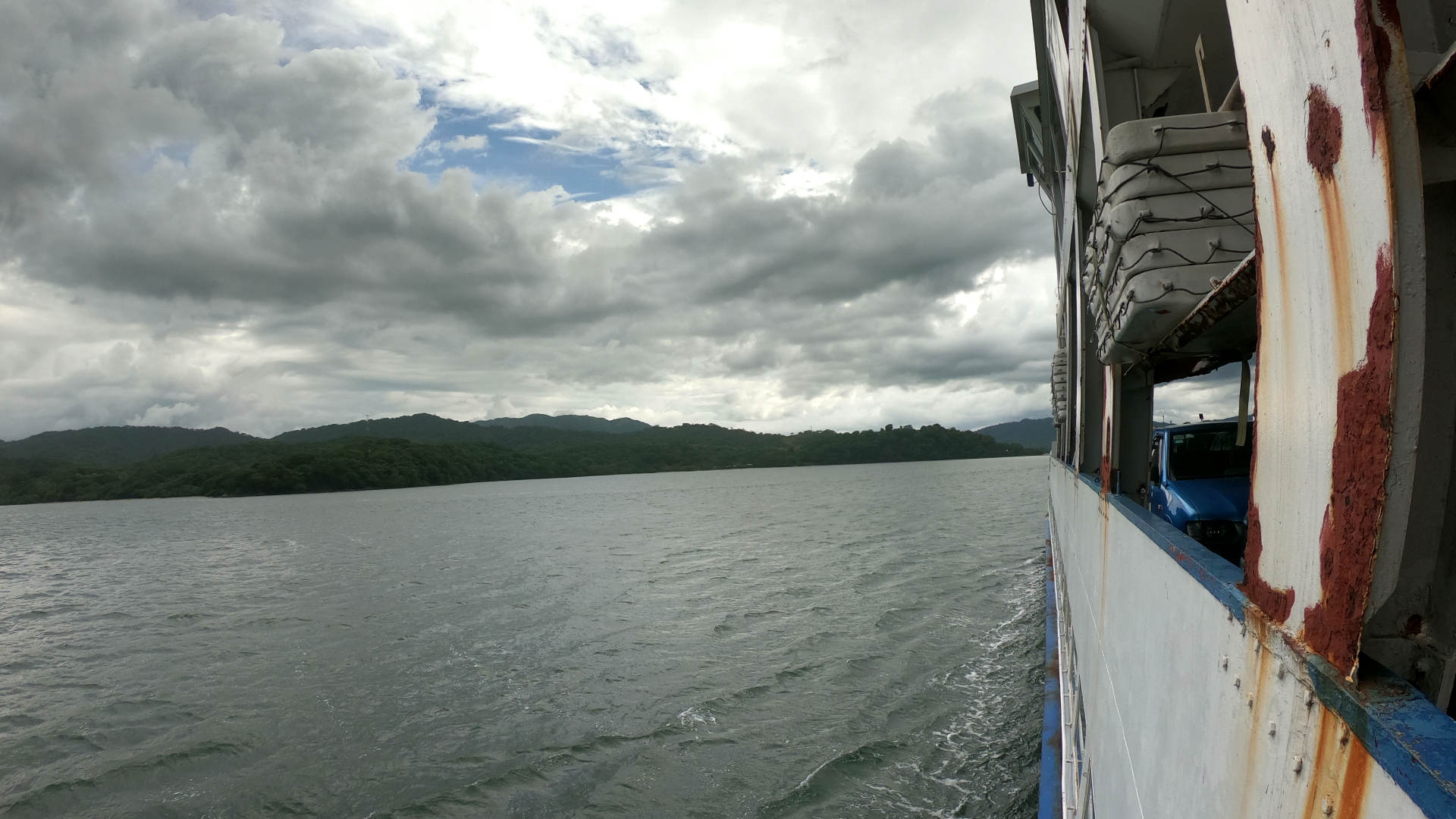
  • Puntarenas Ferry: Skip The Traffic

    Puntarenas Ferry: Skip The Traffic

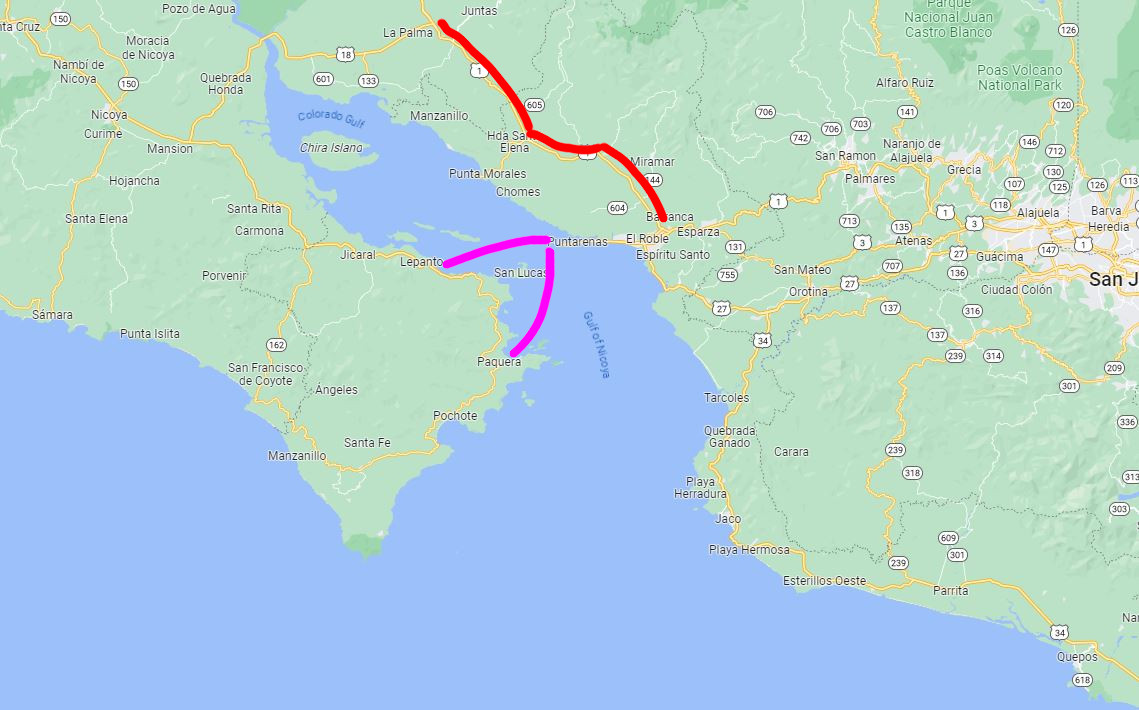
    Driving in Costa Rica can often take longer than expected. Simply looking at the maps to determine the distance between two towns or beaches can often be deceiving. This is especially the case on the main highway that heads north from Puntarenas. It’s currently a 1 lane road, with all truck and passenger traffic passing along daily. This is the road you’ll take to head north towards Liberia or the beaches around Tamarindo or Playas del Coco.

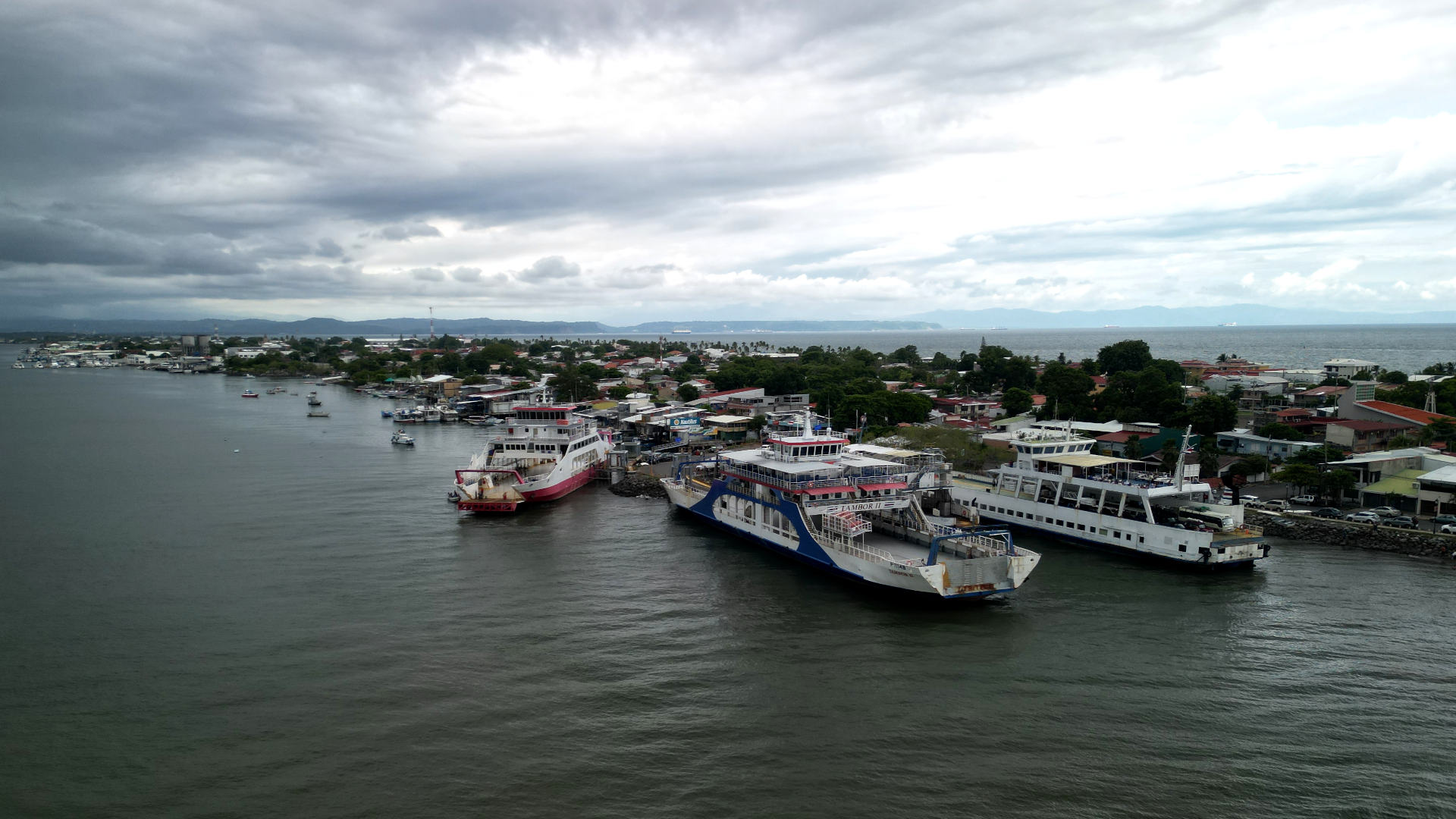
    One way to skip across this leg of traffic is to take the ferry ride from Puntarenas toward Naranjo or Paquera. You simple park your car on the ferry, sit back and relax!

    In this blog post, we’ll tell you what you can expect on the ferry ride and how to get there. Before your vacation, be sure to visit our Shop Page with some necessities for your trip.

    ferry in costa rica

    Getting There

    To reach Puntarenas from the Juan Santamaría International Airport in San Jose, Costa Rica, you have several transportation options. The most convenient and commonly chosen method is by renting a car and driving. The fastest route typically takes around 1.5 to 2 hours, depending on traffic conditions. Alternatively,  various shuttle services and private transportation options are available. 

    Purchasing tickets for the Puntarenas ferry is a straightforward process. At the ferry terminal, you’ll find designated ticket booths for various destinations, including Paquera and Naranjo. Rates vary depending on whether you are traveling as a pedestrian or with a vehicle, and the booth attendants will assist you in selecting the appropriate ticket. The ticketing system is efficient and well-organized.

    You can find the schedule and rates HERE.

    routes north and south in costa ricatravel-backpack-costa-rica

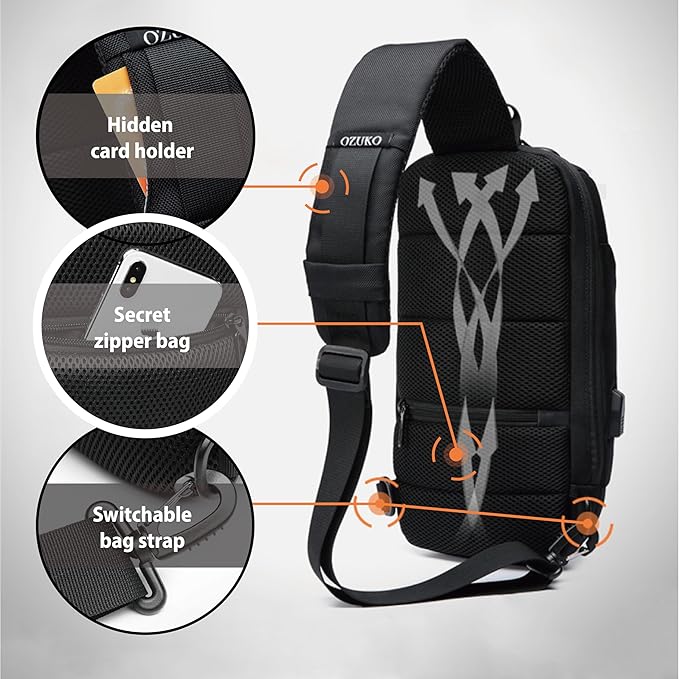
    I use this sling backpack when I’m travelling in Costa Rica. It has a zipper lock to secure your stuff. I like the sling as I can flip the bag to the front for easy access.

    The Trip Across

    Riding the Puntarenas ferry is a unique and leisurely experience. You’ll first pull your car aboard the ferry. Be sure to lock the doors and secure the windows. You’ll then head to the passenger decks to enjoy the journey. Upstairs, a spacious open-air area provides a great way to look out across the bay and enjoy the scenery. There’s also a bar providing drinks.

    To travel indoors, he lower deck boasts an air-conditioned area with comfortable seating. Here you’ll find a kitchen serving a selection of snacks and refreshments. There are washrooms on the ferry as well.

    Save The Driving

    Currently, Highway #1 which heads south from Liberia is an incredible 2 lane divided highway. Unfortunately, this completed highway ends at a town called Limonal. From there, its one lane in either direction and any small accident can cause serious traffic backups.

    I once sat on this route for a couple hours as a tree had fallen on the roadway. It was a time like this that it would have been nice to be sitting on the ferry instead of standstill traffic.

    If you do decide to take the ferry, I suggest carrying a securable backpack. It’s nice knowing my stuff is locked in my bag. I use this sling bag which is available on Amazon.

    Follow Us!

    Be sure to Subscribe to our Youtube Channel, and leave a comment with your thoughts about this location or request a video in other cool destinations around Costa Rica.

    FAQ for the Puntarenas Ferry

    How much does the Puntarenas Ferry cost?
    The Puntarenas Ferry costs around ₡1,800 (approximately $3.25) per passenger, and if you’re bringing a vehicle, the cost is higher, typically around ₡8,000 ($24) for a car.

    How long is the Puntarenas Ferry ride?
    The ferry ride from Puntarenas to the Nicoya Peninsula (Paquera or Naranjo) takes approximately 70 minutes. It’s a smooth trip with scenic views of the Gulf of Nicoya.

    Where do you buy tickets for the Puntarenas Ferry?
    You can purchase ferry tickets at the ticket booth located at the Puntarenas terminal or online through the ferry’s official website, which is recommended during peak seasons.

    Is there food available on the Puntarenas Ferry?
    Yes, the ferry has a small cafeteria offering snacks, drinks, and light meals. Many passengers also choose to bring their own food and enjoy a picnic-style meal during the ride.

    Can you bring pets on the Puntarenas Ferry?
    Yes, pets are allowed on the ferry, but they must remain in a designated area. It’s a good idea to keep your pet comfortable with water and shade, especially on hot days.

    How early should you arrive for the Puntarenas Ferry?
    I’d recommend to arrive at least 45 minutes to 1 hour before the scheduled departure, especially if you’re boarding with a vehicle, as spaces fill up quickly.

    Is the Puntarenas Ferry wheelchair accessible?
    Yes, the Puntarenas Ferry is wheelchair accessible, with ramps and designated seating areas for passengers with mobility issues.

    What are the peak times for the Puntarenas Ferry?
    Peak times are typically during weekends, holidays, and tourist seasons, particularly around Christmas, Easter, and summer vacations. Early mornings and late afternoons can be busier as well.

    Are there bathrooms on the Puntarenas Ferry?
    Yes, there are bathrooms on board, but they can be basic, so it’s a good idea to use them early in the trip to avoid lines or bring personal hygiene items like hand sanitizer.

  • Cartago: Costa Rica’s Outdoor Hub

    Cartago: Costa Rica’s Outdoor Hub

    Cartago is located in the heart of Costa Rica’s Central Valley. It’s a town rich in history and cultural significance. Surrounded by picturesque mountain landscapes, Cartago offers a unique blend of past and present.

    Located to the east of San José, it will likely take about 1 hour to drive from the Juan Santamaría International Airport to Cartago. This large town is located on the drive towards Limon and Puerto Viejo de Talamanca, which are popular tourism destinations on the Caribbean Coast.

    If you’re visiting Costa Rica for vacation, skip the hassle of finding a SIM Card when you land. Try out a Saily eSIM, which you can program on your phone before you even land. 

    Big Farmers Market

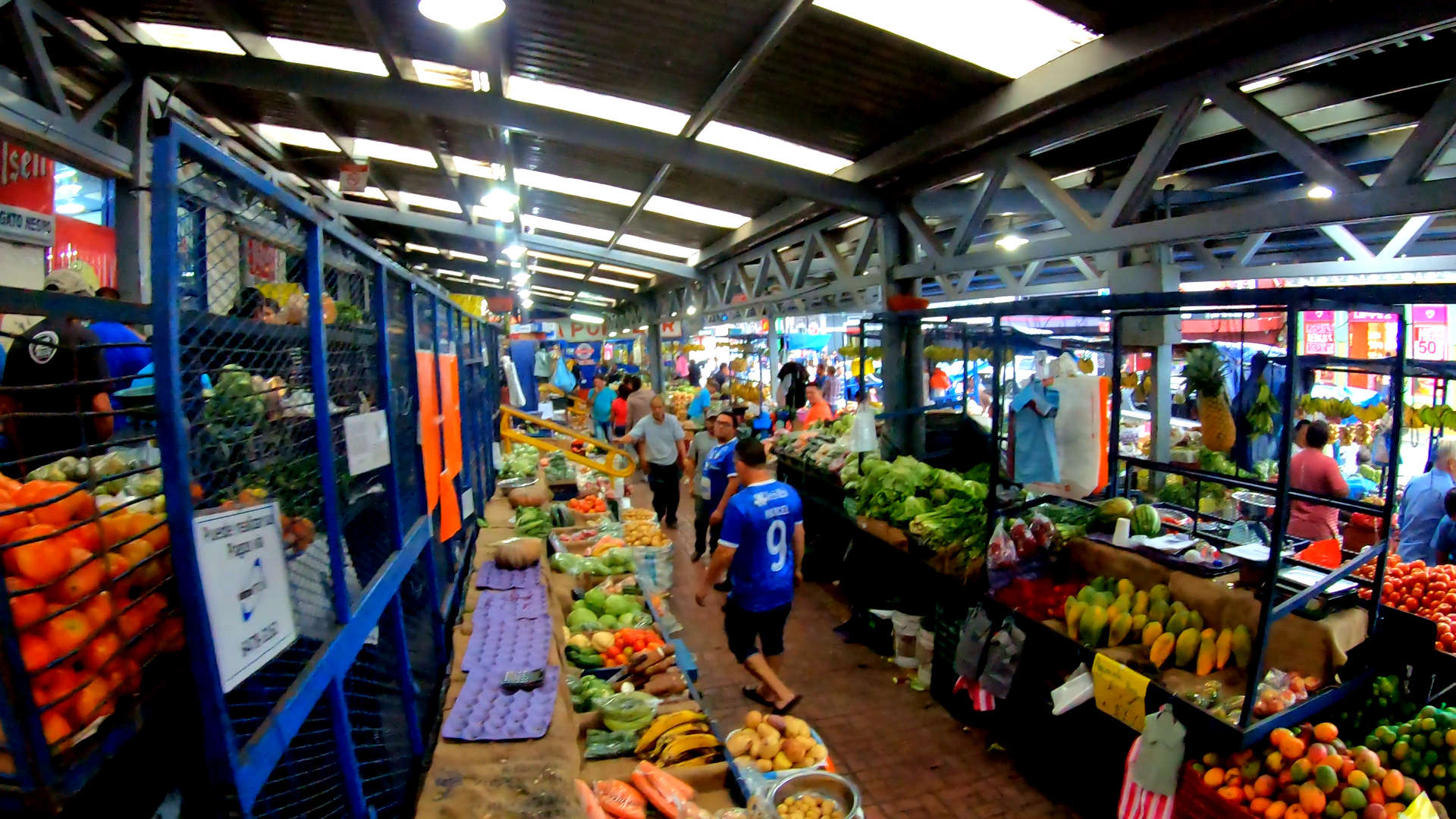
    One of its standout attractions is the large farmers’ market right in the center of town. This is where you can explore an array of fresh produce, artisanal goods, and traditional Costa Rican cuisine. It’s a vibrant hub of activity with shops and vendors to meet every need. Given that it’s right downtown, it’s great to walk through the market and explore the surrounding area.

    In our YouTube video, we start our walking tour at the market so you can get a first hand look at what to expect during your trip to Cartago. Given that it’s in the Central Valley area, you will always be able to find the freshest produce.

    Church Ruins

    At the heart of Cartago’s historical significance lies the ruins of the Santiago Apostol Parish Church. These ancient church was constructed in the early days of Spanish colonization. It was destroyed by earthquakes in the 18th century, and the ruins now stand as a historical monument. Surrounded by gardens, you’ll be able to see the  Irazú Volcano as a backdrop.  

    Cartago’s location, central in the lush landscapes of the Central Valley, also makes it a gateway to exploring the natural wonders of the region. From its vibrant markets to its historical treasures and access to Costa Rica’s beautiful countryside, Cartago invites vacationers to experience the essence of this diverse and captivating country.

    One such location is the valley of Orosi. Just about 20 minutes drive outside of Cartago, this is like the cottage country of Costa Rica. You’ll find abundant coffee plantations, hot springs and incredible landscapes.

    travel-backpack-costa-rica

    I use this sling backpack when I’m travelling in Costa Rica. It has a zipper lock to secure your stuff. I like the sling as I can flip the bag to the front for easy access.

    Follow Us!

    Be sure to Subscribe to our Youtube Channel, and leave a comment with your thoughts about this location or request a video in other cool destinations around Costa Rica.

    Frequently Asked Questions (FAQ) about Cartago, Costa Rica

    How far is Cartago from San José, Costa Rica?
    Cartago is about 25 kilometers (15.5 miles) east of San José. It takes roughly 45 minutes to an hour to drive, depending on traffic.

    What is the best way to get from San José to Cartago?
    You can drive or take a public bus from San José to Cartago. The bus ride typically takes about 45 minutes and is a convenient option for travelers without a car.

    What can I do at the Irazú Volcano?
    Visitors can hike to viewpoints overlooking the craters of Irazú Volcano, where you can enjoy views and spot wildlife like hummingbirds and armadillos​.

    Are there any cultural landmarks to visit in Cartago?
    Yes, you can visit landmarks like the Basilica of Our Lady of the Angels, Las Ruinas de la Parroquia, and the Cartago Municipal Museum​.

    What traditional food can I try in Cartago?
    You can try traditional dishes like “casado,” “gallo pinto,” and “olla de carne.” For dessert, try the “tres leches” cake​.

    Is Cartago a good place for families?
    Yes, Cartago offers family-friendly activities such as exploring the Lankester Botanical Gardens and educational tours at local coffee plantations​.

    Can you visit coffee plantations in Cartago?
    Yes, several coffee plantations offer guided tours where you can learn about the coffee-making process and enjoy tastings​.

    What are the Prusia Forest and Cerro de la Muerte?
    Prusia Forest is part of Irazú Volcano National Park, offering hiking and nature trails. Cerro de la Muerte is a stunning natural area south of Cartago, great for hiking and birdwatching​.

  • Nicoya: Blue Zone Bliss

    Nicoya: Blue Zone Bliss

    In the heart of Guanacaste Province of Costa Rica, Nicoya is a large town that has historical significance and is known for wellness. Nicoya and the region are known as a ‘blue zone’, meaning people who live there have been known to live past 80 years old. This impressive longevity has given Nicoya a reputation for international health and wellness travelers.

    Nicoya is the next largest city in Guanacaste from Liberia. In order to get to Nicoya from the Liberia International Airport, you’ll drive about 1.5 hours. Nicoya is also the closest large city to the popular beach towns of Samara and Nosara. 

    If you’re visiting Costa Rica, skip the hassle of picking up a SIM Card when your arrive. Download the Saily App and install an eSIM. You’ll be connected to very fast wireless speeds on your arrival.

    The Historical Church

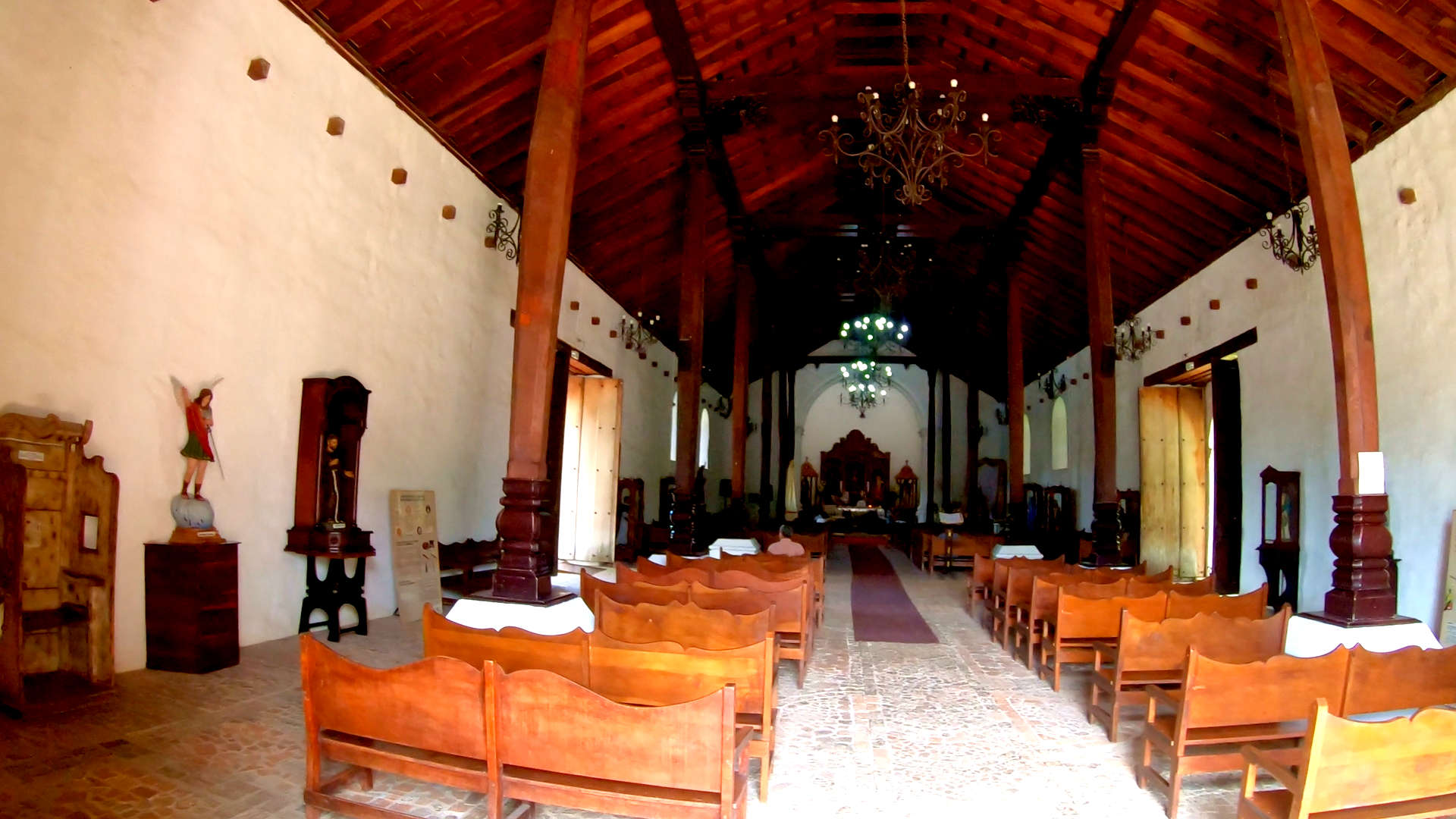
    The centerpiece of Nicoya is its historic Catholic church. It’s a beautiful colonial-style building that reflects the town’s rich history. Inside, you’ll find fascinating artifacts and artwork, giving a glimpse into Nicoya’s strong religious history. I highly recommend checking out the church while your taking a walk downtown.

    Nicoya also has plenty to offer when it comes to amenities. The central park is a great spot for families to relax. There’s a playground for the kids and plenty of benches to enjoy the greenery. There are also some nice cafes and restaurants around, where you can grab a bite of authentic Costa Rican food. If you’re into outdoor activities, there are hiking trails nearby that lead to fantastic viewpoints of the surrounding landscapes. When it comes to places to stay, Nicoya has a range of options, from guesthouses to comfortable hotels. You can definitely make Nicoya a central part of your vacation in Costa Rica.

    Close To The Beaches

    If you’re into incredible beaches, Nicoya is your gateway to two stunning coastal locations: Samara and Nosara. A quick drive from Nicoya, Samara is a perfect beach for relaxing and swimming.

    Not far from Samara, Nosara is another incredible beach that’s very popular with surfers. Known for its laid-back vibe, Nosara’s beaches are ideal for spending your vacation. Nosara is a well established health and wellness destination with many offerings.

    Nicoya makes a fantastic home base for exploring these beautiful beaches. Whether you’re looking to unwind, seek adventure, or immerse yourself in nature, Samara and Nosara have something for everyone.

    travel-backpack-costa-rica

    I use this sling backpack when I’m travelling in Costa Rica. It has a zipper lock to secure your stuff. I like the sling as I can flip the bag to the front for easy access.

    Follow Us!

    Be sure to Subscribe to our Youtube Channel, and leave a comment with your thoughts about this location or request a video in other cool destinations around Costa Rica.

    FAQ About Nicoya

    1. What’s the best time to visit Nicoya?

    Most travelers visit Nicoya during the dry season, from December to April. The weather is sunny and perfect for outdoor activities.

    2. How do I get to Nicoya?
    You can reach Nicoya by driving from San José, which takes about 4 to 5 hours. There are also bus services and domestic flights available. From Liberia you’ll drive about 1.5 hours south.

    3. Are there any good beaches near Nicoya?
    Yes, Nicoya is close to beautiful beaches like Samara and Nosara. Both offer great spots for swimming, surfing, and relaxing.

    4. What’s the weather like in Nicoya?
    Nicoya has a tropical climate with a dry season and a rainy season. Expect warm temperatures year-round, with the rainy season bringing more humidity and occasional showers.

    5. Are there any local restaurants in Nicoya?
    Yes, Nicoya has a variety of local restaurants. You can find traditional Costa Rican dishes like gallo pinto and fresh seafood.

    6. What kind of activities can I do in Nicoya?
    In Nicoya, you can enjoy activities like hiking, exploring local markets, and visiting nearby beaches. It’s also a great spot if you like nature and adventure.

    7. Is Nicoya safe for tourists?
    Nicoya is generally safe for tourists. Like any destination, it’s a good idea to stay aware of your surroundings and follow basic safety tips.

    8. Can I find accommodations in Nicoya?
    Yes, Nicoya has a range of accommodations, from budget hostels to more comfortable hotels. It’s a good idea to book in advance, especially during peak travel times.

    9. What’s the local cuisine like in Nicoya?
    The local cuisine in Nicoya features Costa Rican staples like rice, beans, and fresh tropical fruits. Don’t miss trying the local dishes and street food.

    10. Are there any cultural events or festivals in Nicoya?
    Nicoya hosts several local festivals throughout the year, including traditional Costa Rican celebrations. Check local event listings to see what’s happening during your visit.

  • San Isidro de El General: Views Of Chirripó 

    San Isidro de El General: Views Of Chirripó 

    Traveling to the Pérez Zeledón region in Costa Rica is a wonderful experience for those who want to enjoy the beauty of nature and experience the local culture. Located in the heart of the country’s Central Valley, Pérez Zeledón offers a mix of stunning landscapes, lush rainforests, and charming towns.

    During your trip you can explore the region’s waterfalls, go on hikes through the forests, and see a variety of wildlife. There’s lots of rivers to check out as well, with so much water coming down from the mountains. Whether you love adventure, nature, or learning about different cultures, a trip to the Pérez Zeledón region will be worth it.

    In this blog post we’ll explore the main city of San Isidro de El General and some of the surrounding destinations. If you’re planning on adding Pérez Zeledón to your travel itinerary, I suggest picking up an eSIM from Saily. This is an app that allows you to connect to your cellphone’s wireless network without having to buy a physical SIM card.

    Capital City: San Isidro de El General

    San Isidro de El General is a lively town situated in the heart of the Pérez Zeledón region. It’s a fairly busy town with lots to see and do. Being so large it has many grocery and department stores for you to stock up during your trip. Some popular stores in the area are Walmart, Pequeno Mundo, and BM (higher end grocery store).

    Whether you’re leisurely strolling through the town’s charming park, immersing yourself in its warm and friendly atmosphere, or using it as a starting point for further adventures, San Isidro de El General invites you to embrace the inviting allure and captivating charm of this remarkable region.

    travel-backpack-costa-rica

    I use this sling backpack when I’m travelling in Costa Rica. It has a zipper lock to secure your stuff. I like the sling as I can flip the bag to the front for easy access.

    San Isidro Farmers Market

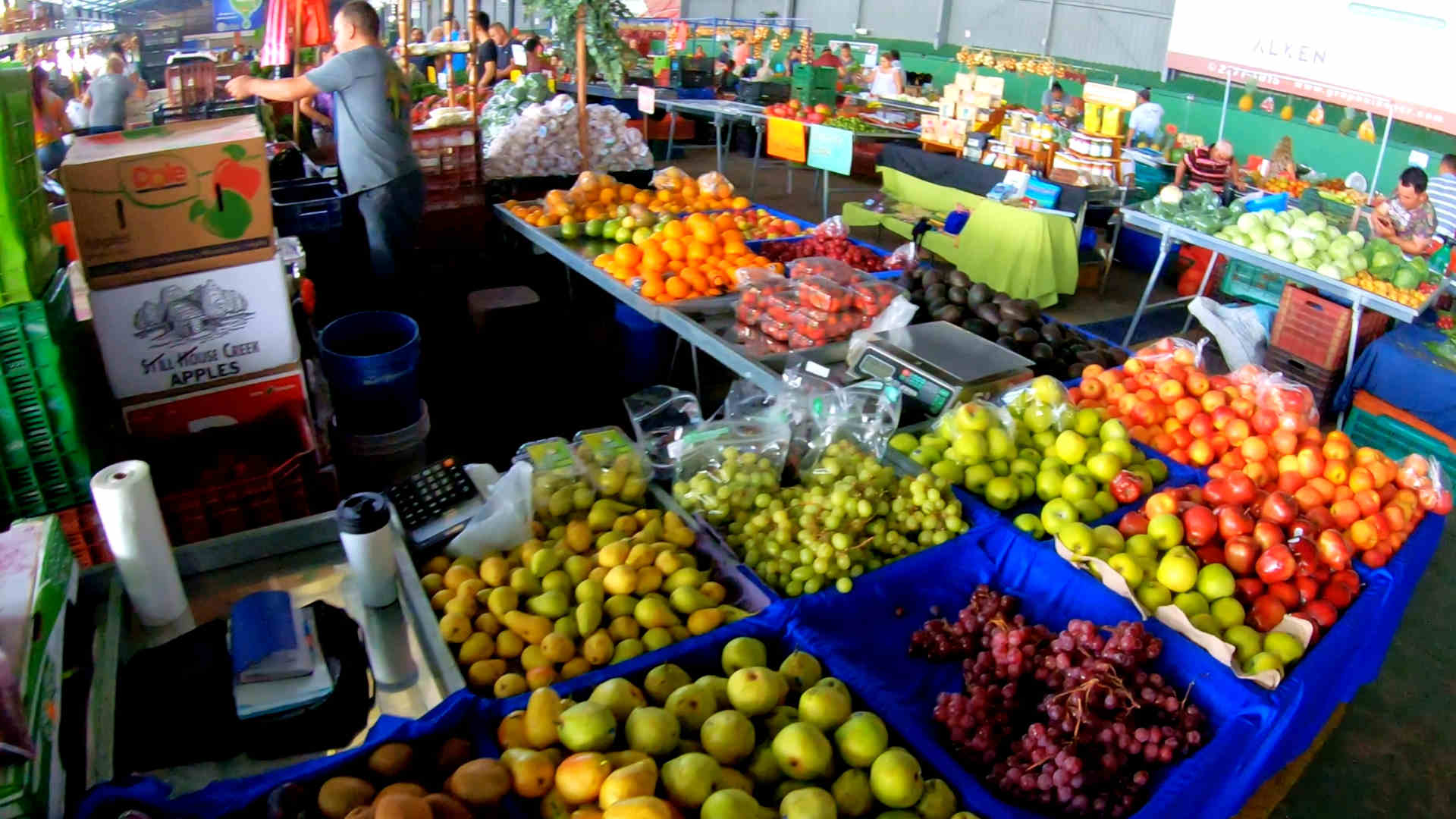
    The farmers market in San Isidro de El General is a bustling and lively gathering place that highlights the abundant agricultural of the Pérez Zeledón. Every week, fresh produce, handcrafted goods, and cultural delights are sold in this massive covered market.

    From vibrant fruits and vegetables to herbs and spices, the market offers a large taste of everything that’s grown in Costa Rica. Farmers present their organic crops, while artisans showcase their items like pottery, textiles, and traditional crafts.

    This farmers market is my favorite in all of Costa Rica. One of my favorite fruits to buy is the starfruit. It’s grown locally on trees, and a very health addition to a smoothie. Instead of buying pre-packaged bottles of orange juice, I buy bags of oranges and make the orange juice at home. It’s incredible fresh and amazing with a splash of pipa juice.

    Accommodations: Heaven And Earth Sanctuary

    Heaven and Earth Sanctuary, located in Rivas just outside San Isidro de El General, is a peaceful retreat center with various houses, a river side yoga deck, and amazing mountain views.

    Surrounded by the natural beauty of the area, this sanctuary provides a tranquil setting for those seeking relaxation. With its lush gardens, quiet spaces for meditation, and awe-inspiring mountain vistas, Heaven and Earth Sanctuary is my recommended accommodation option in the area.

    The sanctuary hosts a variety of retreats and workshops focused on holistic well-being, including yoga, meditation, and personal development. Guests have the opportunity to immerse themselves in rejuvenation and  connect with like-minded individuals.

    Heaven and Earth is a short drive outside of San Isidro de El General. Parque Nacional Chirripó is just beyond Heaven and Earth on the same road that winds through the mountains. The river water coming off these mountains is incredibly fresh and cold. Chirripó is the largest non-volcanic mountain range in Central America!

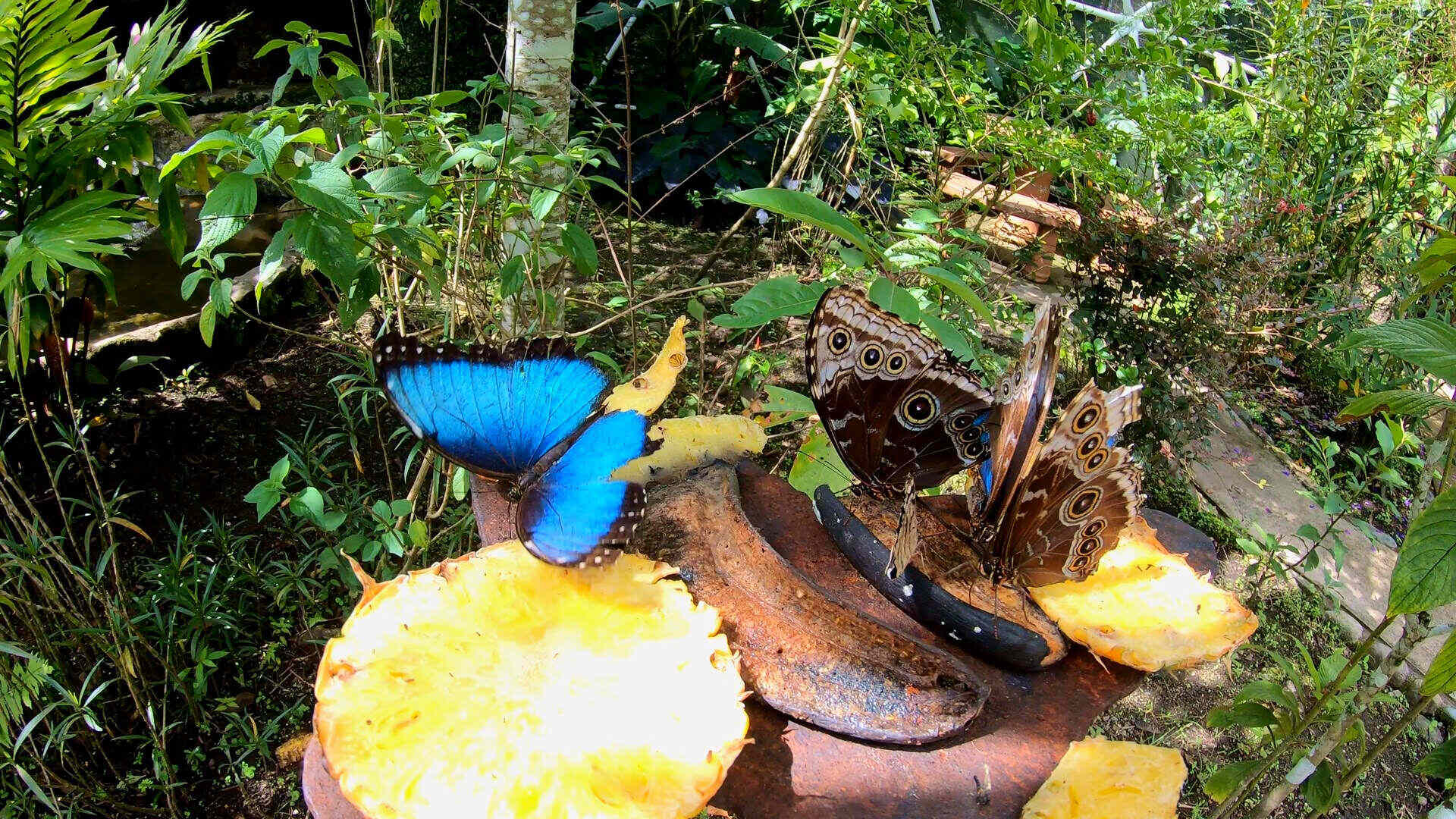
    Check Out Butterflies!

    Casa Alegría – The Butterfly Dome, is an incredible attraction situated just a short 5-minute drive from Heaven and Earth Sanctuary in Rivas. This location offers visitors an opportunity to explore this very big butterfly dome.

    As you step inside the dome, you’ll be greeted by a vibrant display of colors as countless butterflies gracefully flutter around you. The serene ambiance and lush tropical foliage create the perfect habitat for these delicate creatures to thrive. Visitors can observe the fascinating life cycle of butterflies, from their early stages as caterpillars to their breathtaking transformation into magnificent winged beings.

    Casa Alegría provides not only an educational experience but also a place relaxation, where the captivating beauty of nature comes to life. Whether you’re a nature enthusiast, a lover of photography, or simply seeking a tranquil and magical retreat, a visit to Casa Alegría promises an unforgettable encounter with the extraordinary world of butterflies.

    water shoes for exploring costa rica

    Pick up a pair of these awesome water shoes. I’ve been using them all over Costa Rica during my travels. They have vented soles so water drains right out the bottom! 

    Nearest Beach Town: Domincal

    The beach of Dominical is a very popular surfing location on the Pacific Side of Costa Rica. It’s only about a 45 minute drive from San Isidro de El General. The picturesque stretch of coastline provides an ideal getaway for beach enthusiasts and those looking to relax at the ocean.

    The town of Dominical is simple, with a few cafes, surf shops, and small hotels, making it popular with surfers and travelers who prefer a low-key environment. Dominical offers easy access to the beach and nearby natural attractions, like waterfalls and hiking trails. It’s a good place for visitors looking for a quieter, more casual spot without the commercial feel of larger tourist towns.

    Follow Us!

    Be sure to Subscribe to our Youtube Channel, and leave a comment with your thoughts about this location or request a video in other cool destinations around Costa Rica.

    We also upload ambient videos and walking tours of the locations that we visit, check out that channel Here. This channel has Ambient Walks from San Isidro de El General and The Butterfly Dome

    Check the links in the Youtube video for Google Maps pins for all of these stores.

    FAQ About San Isidro de El General

    1. What’s the best way to get to San Isidro de El General?
    San Isidro de El General is most easily reached by car or bus. It’s about a three-hour drive from San José. Buses run regularly from San José to San Isidro, making it accessible without a car.

    2. What’s the weather like in San Isidro?
    The weather in San Isidro is warm year-round, with more rain from May to November. Temperatures usually range between 70°F to 85°F, depending on the season.

    3. What kind of activities are available in San Isidro?
    San Isidro is known for its proximity to outdoor activities like hiking, visiting waterfalls, and exploring nearby national parks like Chirripó. The town itself has a local market and a laid-back vibe.

    4. Are there any good places to eat in San Isidro?
    Yes, there are a few good places to eat in San Isidro. You’ll find local Costa Rican food as well as some international options. The town is known for affordable dining, with many places serving traditional meals.

    5. What’s the vibe like in San Isidro?
    San Isidro has a more local, authentic feel compared to the larger tourist towns. It’s less commercial, with a mix of rural and small-town life. The pace is slower, and the atmosphere is relaxed.

    6. Is San Isidro a good base for visiting nearby attractions?
    Yes, San Isidro is a good central location for exploring nearby attractions. It’s close to the mountains, beaches like Dominical, and national parks, making it a convenient base for day trips.

    7. What’s the main market like in San Isidro?
    The San Isidro farmer’s market, held weekly, is one of the largest in the area. You’ll find fresh produce, local goods, and handmade crafts. It’s a great place to experience the local culture.

    8. Is there a lot of tourism in San Isidro?
    San Isidro isn’t as heavily visited as some of Costa Rica’s beach towns or national parks. You’ll find more locals than tourists, so it offers a quieter experience without the crowds.

    9. What kind of accommodations are available in San Isidro?
    There are a variety of accommodations in San Isidro, from budget hotels to guesthouses. Most places are simple and affordable, catering to travelers who don’t need luxury.

    10. Can I use San Isidro as a stopover to Chirripó National Park?
    Yes, San Isidro is often used as a stopover for those planning to hike Chirripó, Costa Rica’s highest peak. The park’s entrance is a short drive away, making it a convenient spot to rest before starting the hike.

  • Quepos: Fishing, Fun & Sun

    Quepos: Fishing, Fun & Sun

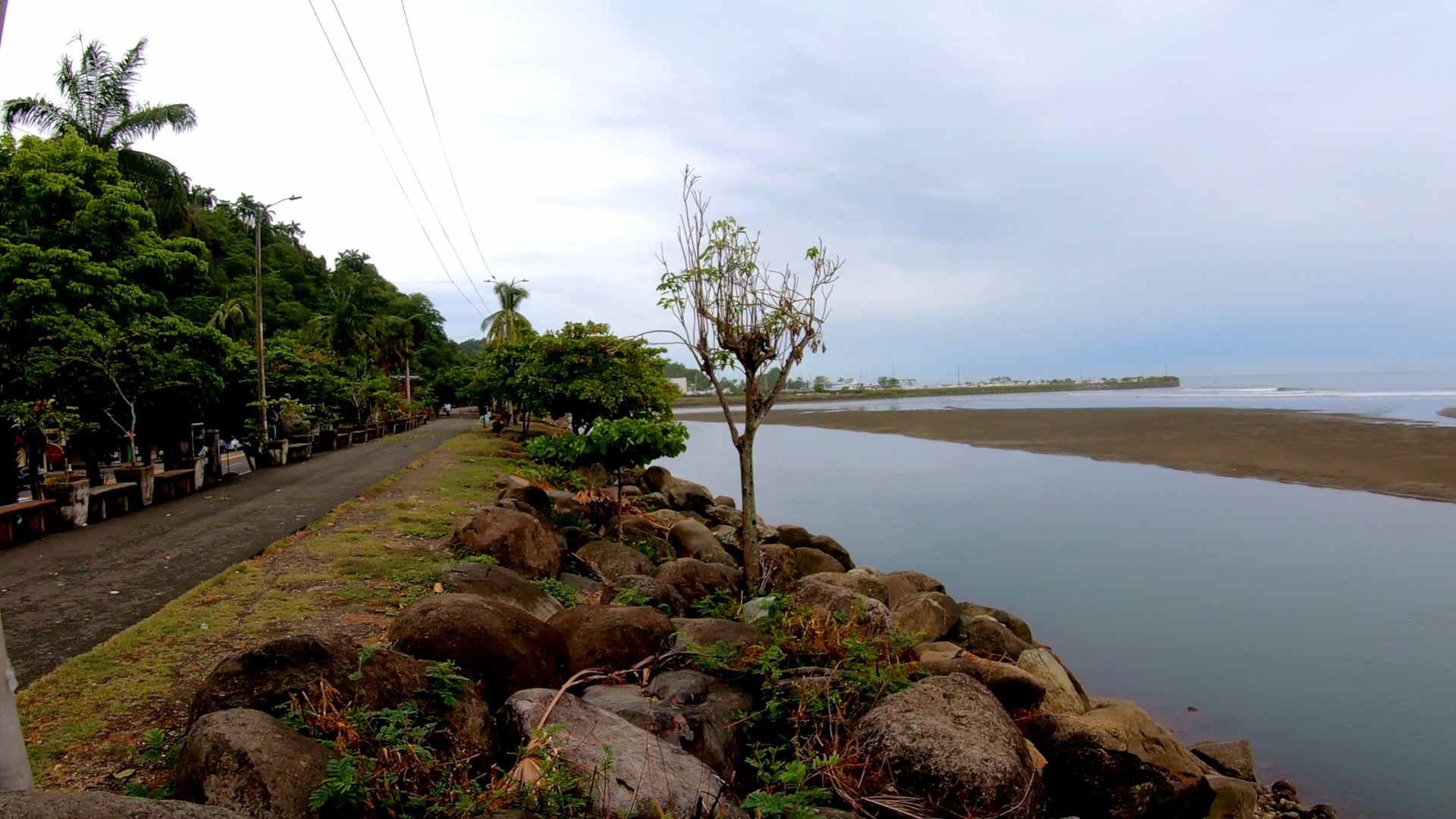
    Quepos is a great fishing town located in the Puntarenas Province of Costa Rica. It’s on the Pacific Coast, and a very popular location due to its proximity to Manuel Antonio National Park. In Quepos you’ll find plenty of accommodations, restaurants and shops.

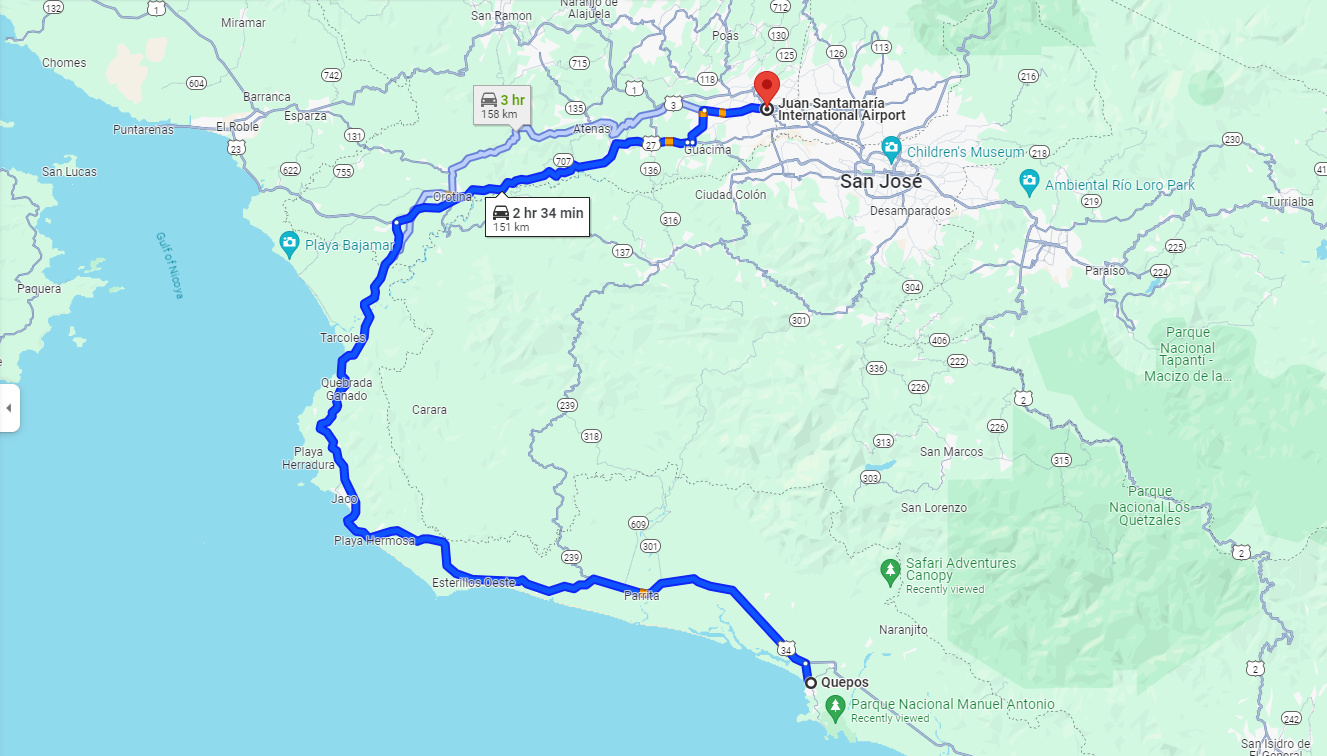
    Quepos is located about 2.5 hours drive away from the San José. To reach Quepos, you’ll head west from the airport and start driving south along the Pacific Coast. Passing through the popular town of Jacó, you’ll arrive at Quepos about 1 hour later. The drive to Quepos is well paved and usually not congested. Rainy conditions or accidents can increase the trip time.

    Quepos has a small airport which services flights from San José. Check with Sansa Airlines for availability. A flight between these airport will on average cost $100 USD. The best part is the flight is only 30 minutes.

    Before you visit Costa Rica, check out our Shop Page for a great packing list. These are things that I use while I’m travelling and filming our Youtube videos.

    tour to quepos

    When To Visit Quepos

    The hottest time for tourism in Quepos and surrounding area is during the dry season. This is between December and April. There’s more travelers from the north when it’s cold, so you can expect to pay more for your vacation during this time. You’ll find that there’s lots of activities in Quepos during the dry season. The marina in Quepos has fishing charters which are very popular.

    If you decide to visit during the rainy season in Costa Rica, you’ll be paying much less for your services and accommodations. The coastal area will be more lush during this time, and there’s more likelihood of seeing animals in their habitats. Most of the time rainy season will have a few showers. Sometimes it’s unlucky and it’ll rain for most of the day.

    Whenever you decide to visit Quepos, I recommend bringing a securable backpack. I like this sling style bag as I can access my stuff without removing the pack. This bag is especially useful at the nearby Manuel Antonio National Park, where the monkeys like to steal visitors stuff.

    Nature, Wildlife And Water

    If you’re into fishing then Quepos is a great location for you vacation. You don’t even need a boat to catch some fish. As the tide comes in, the main bridge going into town will have fishing opportunities. You’ll see many people fishing right off the bridge and nearby rocky ledges.

    Only a short drive away, Manuel Antonio National Park is renowned for its wildlife and amazing beaches. For a small fee you can access the park which is a full day activity. You’ll hike through mangroves, see monkeys and be able to access a tall wooden tower that brings you to tree height. Quepos is a perfect place to stay for your vacation if you’re planning on visiting this incredible national park.

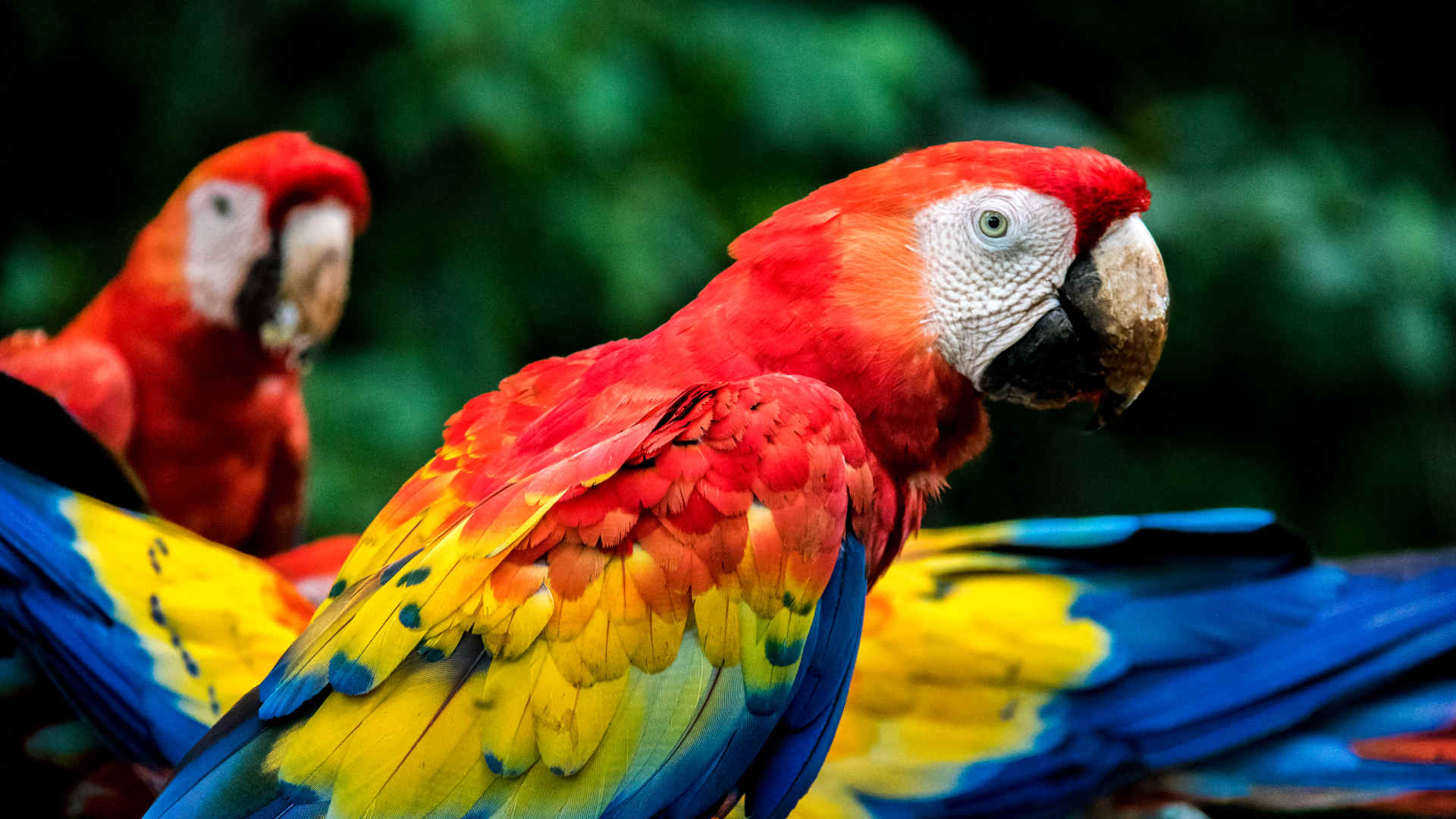
    When you arrive in Quepos you’ll see mountains more inland. In this area the trees become more dense and there’s lots of adventures to have. You can try ATVing, ziplining and rappelling down waterfalls. You’ll also spot lots of cool animals in these areas. I most often spot scarlet macaws flying around in packs. They’re large red birds that travel all over the coastal region.

    travel-backpack-costa-rica

    I use this sling backpack when I’m travelling in Costa Rica. It has a zipper lock to secure your stuff. I like the sling as I can flip the bag to the front for easy access.

    Follow Us!

    Be sure to Subscribe to our Youtube Channel, and leave a comment with your thoughts about this location or request a video in other cool destinations around Costa Rica.

    We also upload ambient videos and walking tours of the locations that we visit, check out that channel Here.

    Quepos, Puntarenas FAQ

    1. How far is Quepos from Manuel Antonio National Park?
    Quepos is only about a 10-minute drive from Manuel Antonio National Park. It’s the closest town to the park, making it a convenient base for those looking to visit.

    2. What is the best time of year to visit Quepos?
    The best time to visit Quepos is during the dry season, from December to April, when you can enjoy sunny days and clear skies. However, the rainy season from May to November still offers lush landscapes and fewer crowds.

    3. Is Quepos a good place for fishing?
    Yes, Quepos is famous for its sport fishing. The marina offers various fishing charters, and you can expect to catch species like marlin, sailfish, and tuna.

    4. Are there good places to eat in Quepos?
    Yes, Quepos has a variety of dining options, ranging from casual local sodas serving traditional Costa Rican food to more upscale restaurants offering seafood and international cuisine.

    5. Can I rent a car in Quepos?
    Yes, there are car rental agencies in Quepos. Renting a car can be a convenient option for exploring the surrounding areas, including Manuel Antonio and nearby beaches. Dominical and Uvita are a short drive south.

    6. Is there public transportation from Quepos to Manuel Antonio?
    Yes, there are regular buses that run between Quepos and Manuel Antonio, making it easy and affordable to travel between the two locations.

    7. What outdoor activities can I do in Quepos?
    In Quepos, you can enjoy a variety of outdoor activities like hiking, zip-lining, ATV tours, and horseback riding. The town is also a gateway for water activities such as kayaking, snorkeling, and surfing.

    8. Is Quepos family-friendly?
    Yes, Quepos is a family-friendly destination with plenty of activities for all ages. Families can enjoy beach days, wildlife tours, and visits to nearby Manuel Antonio National Park.

    9. What is the weather like in Quepos?
    Quepos has a tropical climate, with warm temperatures year-round. The dry season is hot and sunny, while the rainy season sees afternoon or evening showers with humid conditions.

    10. Are there ATMs and banks in Quepos?
    Yes, Quepos has several ATMs and banks where visitors can withdraw money or exchange currency.

  • San Isidro Farmers Market: Top In Costa Rica

    San Isidro Farmers Market: Top In Costa Rica

    The Massive Farmers Market:
    Pérez Zeledón Grows So Much Food

     When it comes to accessing fresh produce, unique products, and a vibrant community atmosphere, farmers markets are an excellent choice. In the large city of San Isidro de El General, residents and tourists have the opportunity to experience the value of shopping at local farmers markets. In this post we’ll discuss this great market, and some videos on Youtube showing it off as well.

    Travel Tip: You don’t need to buy a SIM card when you land in Costa Rica to get data connection. With an eSIM, you’ll be able to configure your data connection before you depart for your vacation. I use the Saily eSIM in Costa Rica.

    San Isidro de El General

    If you’re visiting Costa Rica, you may find that discussing the town of ‘San Isidro’ will often have people thinking of San José. In fact, there’s two other ‘San Isidro’ towns in the Capital City. San Isidro de El General is the large city in the district of Pérez Zeledón. In my experience, referencing the district of Pérez Zeledón is much easier in explaining where you’ll be going, as it’s well known. It’s also the district which serves the massive mountain range of Chirripó.

    Chirripó means ‘land of eternal waters’ in the local Indigenous language. It’s no surprise that the lands around Chirripó are so fertile. Many people will train for the long hike to the summit of Chirripó, which is difficult due to the thin air and distance. On a clear day it’s said that one can see both the Caribbean and Pacific oceans from the summit.

    San Isidro de El General is about a 3 hour drive south of the San Jose International Airport. You can drive directly south through the winding hill and national parks for a scenic route. This route is called Highway #2 and it’s well marked on Google Maps. You can also drive to the Pacific Coast where you’ll pass through Jaco, Quepos(Manuel Antonio), and Dominical. This route will give you a chance to stop at these beach towns.

    Fresh Produce and Organic Options

    The main attraction of the farmers market is the availability of fresh and seasonal produce. In the San Isidro de El General’s market, shoppers can find an array of incredible fruits and vegetables, harvested at the peak of their freshness. Many vendors prioritize organic farming practices, ensuring that customers have access to healthy and pesticide-free options.

    In addition to fresh produce, the market offers a range of unique products and artisanal goods. Local artisans display their craftsmanship, presenting handmade items such as pottery, textiles, and jewelry. These markets provide an opportunity to support local artists and find very unique items.

    The economic benefits of this market cannot be overlooked. By purchasing directly from local farmers and producers, money remains circulating within the community. This financial support helps farmers and small businesses thrive, creating a stronger local economy and reducing dependence on imported goods.

    farmers market perez zeledon

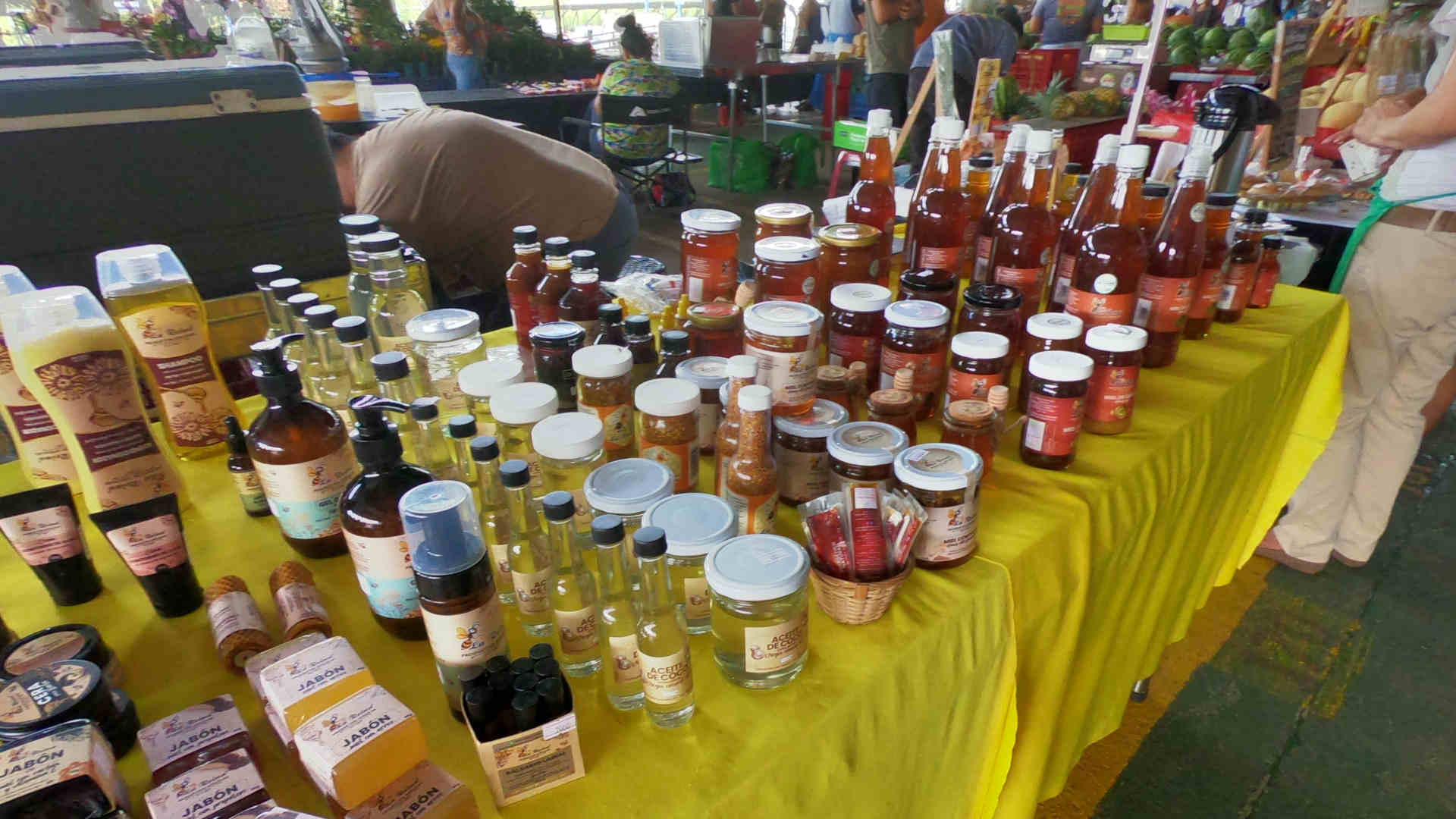
    Here’s a vendor with an assortment of honeys and oils. There’s a strong focus on natural and organic products at the market.

    Tips For Enjoying The Farmers Market

    To make the most of your visit to farmers markets in Pérez Zeledón, consider the following tips:

      • Arrive early to find the best selection of products.
      • Bring your reusable bags to reduce plastic waste.
      • Feel free to ask questions of the vendors about their products.
      • Try new fruits, vegetables, and locally made goods.
  • Sunset In Playas del Coco: The Best Lookout In Town

    Sunset In Playas del Coco: The Best Lookout In Town

    Located in the beautiful country of Costa Rica, Playas del Coco offers a perfect blend of natural beauty, adventure, and relaxation.

    In this article, I’ll share my ultimate guide to Playas del Coco for a perfect vacation, including what makes it stand out from other popular beach destinations, activities to do, where to stay, how to get there, essential items to pack and safety tips.

    Before you book your flights to Costa Rica, visit our Shop Page with a packing list of stuff that I use when I’m travelling this incredible country.

    Introduction to Coco Beach

    Playas del Coco is a long, crescent shaped beach located in the Guanacaste province of Costa Rica. The beach is named after its town of El Coco. The beach stretches long across the Pacific coast, offering an opportunity to see sunsets and views of the bay.

    The beaches are known for their soft white sand and lush forests that surround them. The area is also home to a diverse range of wildlife, including monkeys, iguanas, and tropical birds. Playas del Coco has become a popular destination for tourists looking for a relaxing and adventurous vacation.

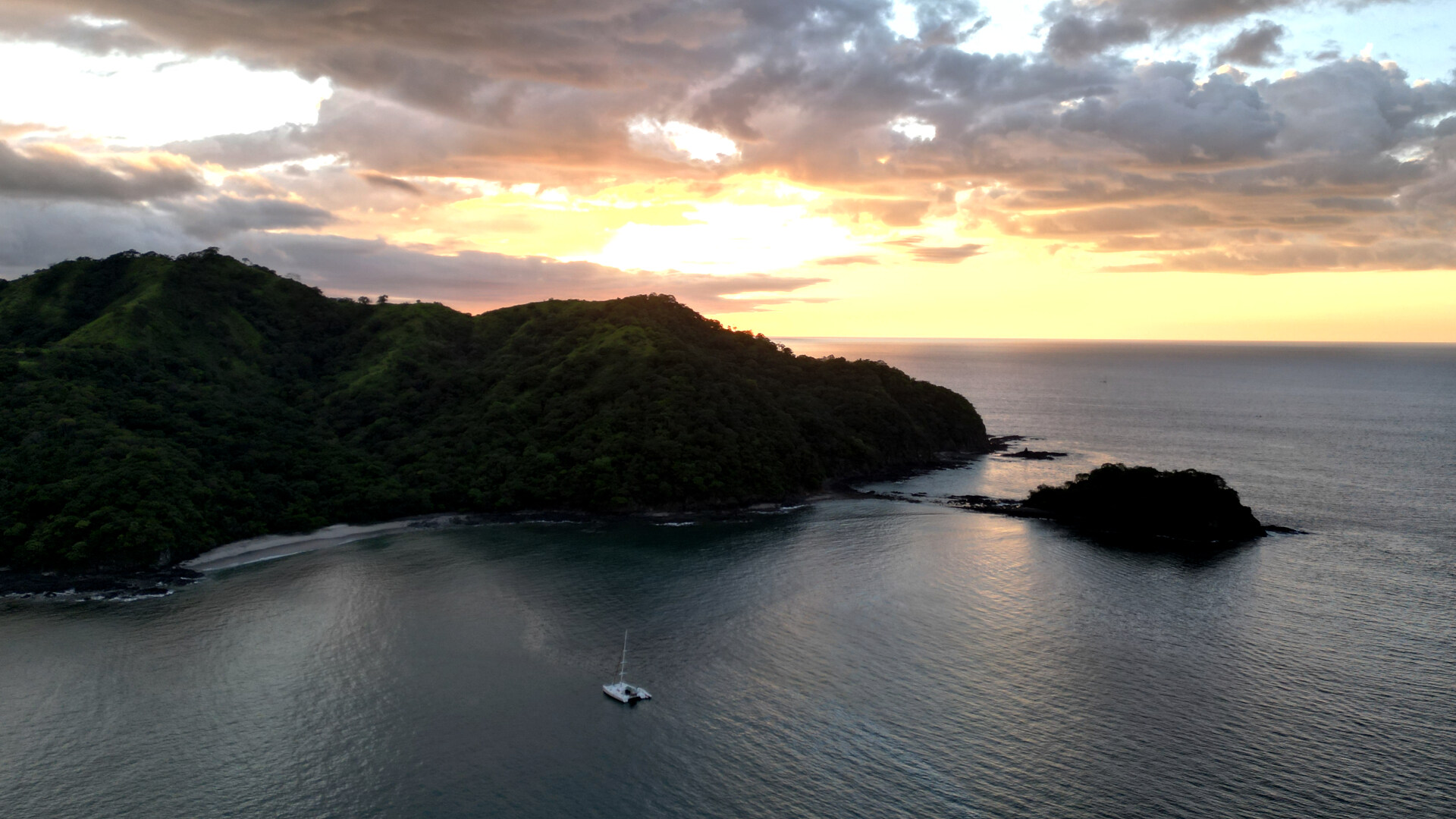
    In the hills above Playas del Coco, you’ll find many vistas and lookouts which will give you incredible views. At the north end of the beach, there’s a location that has a small hike and will give you an perfect sunset. You’ll also get to see all the boats in the bay.

    Why Is Coco Perfect For A Vacation?

    Playas del Coco in Costa Rica is a great vacation spot for several reasons, starting with its convenient location. Just a 30-minute drive from Liberia’s international airport, it’s one of the easiest beach destinations to reach in the Guanacaste region. This accessibility makes it a top choice for those who want to maximize their time on the beach instead of spending hours in transit. Once you arrive, you’ll find that Playas del Coco offers everything you need within close proximity — restaurants, grocery stores, or activities.

    El Coco is a safe and family-friendly destination. Many travelers appreciate the town’s relaxed atmosphere, making it a comfortable place to bring children or visit as a solo traveler. The beaches are generally calm and suitable for young kids. The town itself has a range of activities that cater to kids, like basketball courts and Jui-Jitsu classes.

    Finally, the nightlife in Playas del Coco is a big draw. The town has a lively atmosphere with plenty of options for dining and night activites. Whether it be a laid-back evening at a beach bar or a more active night, El Coco has something to offer. Check out Coconutz and Z Lounge for nightclub/bar vibes.

    Activities to do in Playas del Coco

    A favorite is local activity is snorkeling at Playa Ocotal and Playa Penca, where you can see an array of reef fish. Many also enjoy fishing charters and catamaran cruises. The area is known for its deep-sea fishing, with marlin, sailfish, and mahi-mahi. Boat tours are day trips to different secluded beaches with the ability to spot dolphins and enjoy the sunset.

    El Coco is within day trip distance too Rincon de la Vieja National Park, where you can hike through incredible landscapes, visit hot springs and try zip-lining. ATV tours are another way to explore the rugged trails around Playas del Coco. Cross through small river and even visit waterfalls deep in the forest. The area is also a gateway to other popular beach towns like Playa Hermosa, which is more laid back and has clear water.

    Beyond outdoor activities, Playas del Coco also has a range of cultural experiences. The town hosts festivals and events, especially during holiday periods. You can experience traditional music, dance, and Costa Rican cuisine. The local Sunday market is a great place to explore. You can buy fresh produce and handmade crafts. Additionally, many people enjoy the local coffee shops and visiting the nearby town of Liberia, where you can explore historical sites and learn more about the Guanacaste Province’s history.

    Best time to visit Playas del Coco

    This depends on what kind of experience you’re looking for. The best time to visit is generally during the dry season, which runs from late November to April. During these months, the weather is mostly sunny with little to no rain, making it perfect for beach days, water activities, and exploring the area. This period is also the peak tourist season, so you can expect more lively streets and fully open businesses. This comes with larger crowds and higher prices.

    The differences between the rainy and dry seasons in Playas del Coco are noticeable, especially when it comes to the weather and humidity. The dry season, as mentioned, offers consistent sunshine, making it ideal for outdoor activities like snorkeling. On the other hand, the rainy season, which lasts from May to early November, brings frequent afternoon showers and greener landscapes. While the mornings are often dry, the afternoons can have heavy rain, which may limit some outdoor activities. However, the rainy season is also less crowded, and prices for accommodations and tours tend to be lower. This can be an advantage for those travelling on a budget.

    Fishing in Playas del Coco varies between the rainy and dry seasons. During the dry season, the waters are generally calmer, making it easier to venture farther offshore. This is the peak time for catching marlin, sailfish, and tuna. The dry season’s stable weather and clearer waters also make it ideal for targeting specific species that prefer these conditions. In the rainy season, the increased runoff from the rains brings nutrients into the water. This attracts different species closer to shore. This is a great time for inshore fishing.

    Where To Stay In Playas del Coco

    There are lots of options and budgets available for your stay in Playas del Coco. One of the most popular areas is Las Palmas. This development is at the north end of the beach, and has many condominium with pools and security guards. It’s open and walkable, having several commercial locations. You’ll find many 2 bedroom condos which are perfect for a family.

    On the upper end of short term rentals, you can look for houses and condos in Pacifico. This gated community has many pools, pickleball and soccer courts and other amenities. Guests can also use the beach club, which is at the north end of the beach. Pacifico has a commercial strip which has many fine dining options, and a Automercado – Grocery store with high prices but high quality.

    Essential Items To Pack

    When packing for a Costa Rica vacation, it’s important to pack light. You should bring sunscreen, insect repellent, a hat, sunglasses, and a swimsuit. If you’re planning on snorkeling I recommend bringing your own set, as daily rents can add up in costs.

    Remember that goods will generally cost more in Costa Rica, and even more in the coastal towns. Try to pack the essentials in your suitcase before the flight to save a bit of money while you’re on vacation.

    You can save time and hassle during your trip to Costa Rica by downloading the Saily eSIM App. This app let’s you configure your mobile data connection before you land, so you don’t have to worry about finding a SIM card!

    Follow Us!

    Be sure to Subscribe to our Youtube Channel, and leave a comment with your thoughts about this location or request a video in other cool destinations around Costa Rica.

    We also upload ambient videos and walking tours of the locations that we visit, check out that channel Here.

    FAQ: Vacationing in Playas del Coco, Costa Rica

    1. What’s the best time of year to visit Playas del Coco?
    The best time to visit Playas del Coco is during the dry season, which runs from December to April. During this time, you can expect sunny weather and ideal conditions for beach activities, snorkeling, and exploring the area. The rainy season (May to November) brings fewer tourists and lush green landscapes, but expect daily rain showers, particularly in the afternoons.

    2. How do I get to Playas del Coco from Liberia Airport?
    Playas del Coco is about a 30-minute drive from Liberia’s Daniel Oduber Quirós International Airport. You can get there by renting a car, taking a taxi, or booking a shuttle service. Car rentals offer flexibility, while taxis and shuttles provide convenient, direct transportation without the need for navigation.

    3. Are there ATMs and banks in Playas del Coco?
    Yes, Playas del Coco has several ATMs and banks where you can withdraw Costa Rican colones or US dollars. Most ATMs accept international cards, and many businesses in the area accept credit cards, though it’s always good to have some cash on hand for smaller purchases or tips. I take cash out at “BN” bank using my credit card.

    4. What are the top activities to do in Playas del Coco?
    Popular activities in Playas del Coco include snorkeling, scuba diving, sport fishing, and sailing. The area is known for its vibrant marine life, so water activities are a highlight. Additionally, you can enjoy beach days, explore nearby national parks, or take a day trip to other beaches along the coast.

    5. Is Playas del Coco family-friendly?
    Yes, Playas del Coco is family-friendly, with plenty of activities suitable for all ages. The calm waters make it a great spot for swimming with kids, and there are family-oriented tours and excursions available, such as boat trips and wildlife watching. The town also has a range of restaurants and accommodations that cater to families.

    6. What kind of accommodations are available in Playas del Coco?
    Playas del Coco offers a variety of accommodations, ranging from budget hostels to mid-range hotels and luxury resorts. Vacation rentals like condos and villas are also popular, providing more space and amenities for families or groups. It’s best to book early, especially during the peak tourist season.

    7. How safe is Playas del Coco for tourists?
    Playas del Coco is generally safe for tourists. As with any destination, it’s important to take standard precautions like keeping an eye on your belongings, avoiding isolated areas at night, and being aware of your surroundings. The town has a friendly atmosphere, and most visitors have a trouble-free experience.

    8. Can I use US dollars in Playas del Coco?
    Yes, US dollars are widely accepted in Playas del Coco, especially in tourist areas, restaurants, and hotels. However, it’s a good idea to carry some Costa Rican colones for small purchases or when visiting more local establishments.

    9. What is the nightlife like in Playas del Coco?
    Playas del Coco has a lively nightlife scene, with numerous bars, clubs, and restaurants offering everything from casual drinks to dancing. Whether you’re looking for a quiet spot to enjoy a cocktail or a place to dance the night away, there are plenty of options to choose from.

    10. Are there grocery stores and pharmacies in Playas del Coco?
    Yes, Playas del Coco has several grocery stores, including large supermarkets where you can find a wide range of products. There are also pharmacies where you can purchase over-the-counter medications, toiletries, and other essentials. These conveniences make it easy to stock up on what you need during your stay.

  • Costa Rica’s Exotic Animals: Beaches to Jungles, Where To Spot Them

    Costa Rica’s Exotic Animals: Beaches to Jungles, Where To Spot Them

    Do you love wildlife? So do we! Costa Rica is known for its abundant wildlife. Many animals live in close proximity to humans, which enables travelers to see them up close. In this blog post, we’ll profile some of the cool animals we’ve seen in our travel. You can watch the Youtube videos of these animals to see them in action.

    Before you get on your flight, check out our Shop Page with some necessities for your trip. We have a packing list for all types of adventures in rainy and dry season.

    Different parts of Costa Rica will give you opportunities to see all kinds of different animals. There are 3 distinct areas we’ll be visiting for this blog post.

    Guanacaste

    There is an impressive variety of wildlife in this northern province. Near the coastal areas you’ll often see and hear howler monkeys moving around for food. Birds like the orange-fronted parakeet and white throated magpie jay are very common. Magpie Jay’s are very intelligent and are curious about humans. 

    Down at the coastal waters you’ll be able to see lots of marine life. Even from walking the shores you can often see spotted eagle rays gliding in the shallow surf. If you go snorkeling you’ll see plenty of different reef fish of different colors and sizes. Some deeper water fish even take refuge in the tide pools, like the long needlefish.

    If you’re looking to capture some great underwater footage while snorkeling, I suggest a GoPro from Amazon. It’s a great idea to protect your camera with a dive case, and floatable handle in case your lose grip!

    The Central Valley

    This is the part of Costa Rica that is between the two coasts. You won’t find many beaches, but there is an incredible array of wildlife to see. There’s massive hills and valleys which are habitats to all these animals. The areas are mostly cooler than the coastal regions.

    You’ll often see Coatimundi’s, which we’ll detail below. Birds like the turquoise-browed motmot can be seen flying around. You can also find sloths hanging out throughout the central valley, although they can be hard to spot.

    travel-backpack-costa-rica

    I use this sling backpack when I’m travelling in Costa Rica. It has a zipper lock to secure your stuff. I like the sling as I can flip the bag to the front for easy access.

    Puntarenas 

    This part of Costa Rica is still on the Pacific side, but more to the south. You’ll find popular towns like Uvita, Dominical and Jacó here. One of my favorite animals to spot in this area is the scarlet macaw. You can often see packs of these bright red, large birds flying around the coastal forests. You’ll also be able to see toucans, often perched in trees just hanging out. 

    Puntarenas is home to many butterfly domes as well. You can visit these attractions and see all the different butterflies for a small fee. You’ll also be able to see some of the different ones while out exploring. 

    Now we’ll discuss some of the animals I’ve filmed during my tour of Costa Rica:

    La Fortuna: Meet the Coatimundis

    If you’re fascinated by unique animals, you should visit La Fortuna. It’s located in the northern part of the country and home to coatimundis, which are fascinating mammals native to Central and South America. These social animals travel in groups and can be found in the forests and near water sources. They have long snouts and striped tails, which make them easily recognizable.

    One of the best places to see these creatures is at the Arenal Volcano National Park. The park has several hiking trails that will take you through the lush rainforest where you can observe coatimundis and other animals in their natural habitats.

    Be sure to use bug spray while you’re visiting these jungle areas of Costa Rica. Mosquitos and ‘no-see-ums’ can be very irritating while you’re in the dense brush. I use this spray on DEET-free bug repellant when I’m filming around here.

    Rio Celeste: Sloth Sanctuary

    Another unique animal you can see in Costa Rica is the sloth. These slow-moving creatures can be found in various parts of the country. However, one of the best places to see them up close is at the Sloth Sanctuary in Rio Celeste. This sanctuary is dedicated to rescuing and rehabilitating sloths that have been injured or orphaned.

    Visitors to the sanctuary can take a guided tour of the facilities and learn about the various species of sloths that call Costa Rica home. During the “sloth encounter” experience, you can feed them and take photos, which is a memorable experience.

    water shoes for exploring costa rica

    Pick up a pair of these awesome water shoes. I’ve been using them all over Costa Rica during my travels. They have vented soles so water drains right out the bottom! 

    Guanacaste: Snorkeling with Spotted Eagle Rays

    If you’re looking for an adventure underwater, then you should head to Guanacaste. This region on the Pacific coast of Costa Rica has some of the best snorkeling spots in the country. The clear waters and diverse marine life will make your snorkeling experience unforgettable.

    One of the highlights of snorkeling in Guanacaste is the opportunity to see spotted eagle rays. These graceful creatures are a sight to behold as they glide through the water. You might also spot eels, colorful fish, and other marine life during your snorkeling excursion.

    If you’d like to try snorkeling, I suggest visiting Playa Ocotal. This beach is just outside of the popular tourist town of Playas del Coco. I use a snorkel set like this one on Amazon for exploring the shores.

    Riu Hotel: See Monkeys Up Close

    To see monkeys in Costa Rica, you don’t need to be on a trail! Many monkeys can be seen hanging out at the beach. At Playa Matapalo, you will find a few trees filled with white-faced capuchin monkeys. These small, curious creatures can be seen hanging out and even approaching humans. Most of the time, they’re resting on the branches in the shade.

    These monkeys are very active during the day, which is perfect to get some pictures of them. You may also spot howler monkeys in the trees, although these ones aren’t nearly as curious. They usually remain high in the trees, but you’ll hear them making their calls from a good distance.

    Costa Rica is a paradise for wildlife lovers. Whether you want to see coatimundis in La Fortuna, sloths in Rio Celeste, or snorkel with spotted eagle rays in Guanacaste, there’s something for everyone. So, pack your bags and book your flight because Costa Rica is sure to impress with its wildlife.

    Follow Us!

    Be sure to Subscribe to our Youtube Channel, and leave a comment with your thoughts about this location or request a video in other cool destinations around Costa Rica.

    We also upload ambient videos and walking tours of the locations that we visit, check out that channel Here.

    Costa Rica Wildlife FAQ: Rainforest & Beach Animals Guide

    Q: What monkeys live in Costa Rica?
    A: Four species: Howler monkeys (most commonly heard), White-faced capuchins (most visible), Spider monkeys (tallest trees), and Squirrel monkeys (Pacific coast only). Morning and late afternoon best viewing times.

    Q: Where can you see sloths?
    A: Two species exist: Two-toed and Three-toed sloths. Common in Manuel Antonio, Caribbean coast, Central Valley. Look in Cecropia trees near beaches, park areas, and forest edges.

    Q: What exotic birds appear?
    A: Toucans (6 species), Scarlet Macaws (Pacific coast), Great Green Macaws (Caribbean), Resplendent Quetzals (cloud forests), Hummingbirds (50+ species). Dawn and dusk best viewing.

    Q: What about reptiles?
    A: Iguanas common near beaches, Jesus Christ lizards run on water, Various snakes in forests, American crocodiles in rivers, Sea turtles nest on both coasts.

    Q: What big cats exist?
    A: Jaguars and Pumas in protected areas, Ocelots more common, Margays in forests. Rarely seen but present throughout country. Night active primarily.

    Q: Best areas for wildlife?
    A: Manuel Antonio (monkeys, sloths), Corcovado (big cats), Tortuguero (turtles), Monteverde (birds), Carara (Macaws). National parks offer best viewing.

    Q: When’s best time for viewing?
    A: Early morning most active time. Green season (May-November) brings more activity. Less crowded parks better chances. Full moons good for night tours.

  • Playa Iguanita: A Serene Beach Getaway

    Playa Iguanita: A Serene Beach Getaway

    If you’re planning a trip to Costa Rica, make sure to include Playa Iguanita in your itinerary. Located in Guanacaste which is a province of popular beaches like Coco & Tamarindo, Iguanita is lesser known beach. It offers a blend of relaxation, great views and calm water. In this blog post, we’ll explore how to get there and some of the activities you can do.

    playa iguanita guanacaste

    How To Reach The Beach

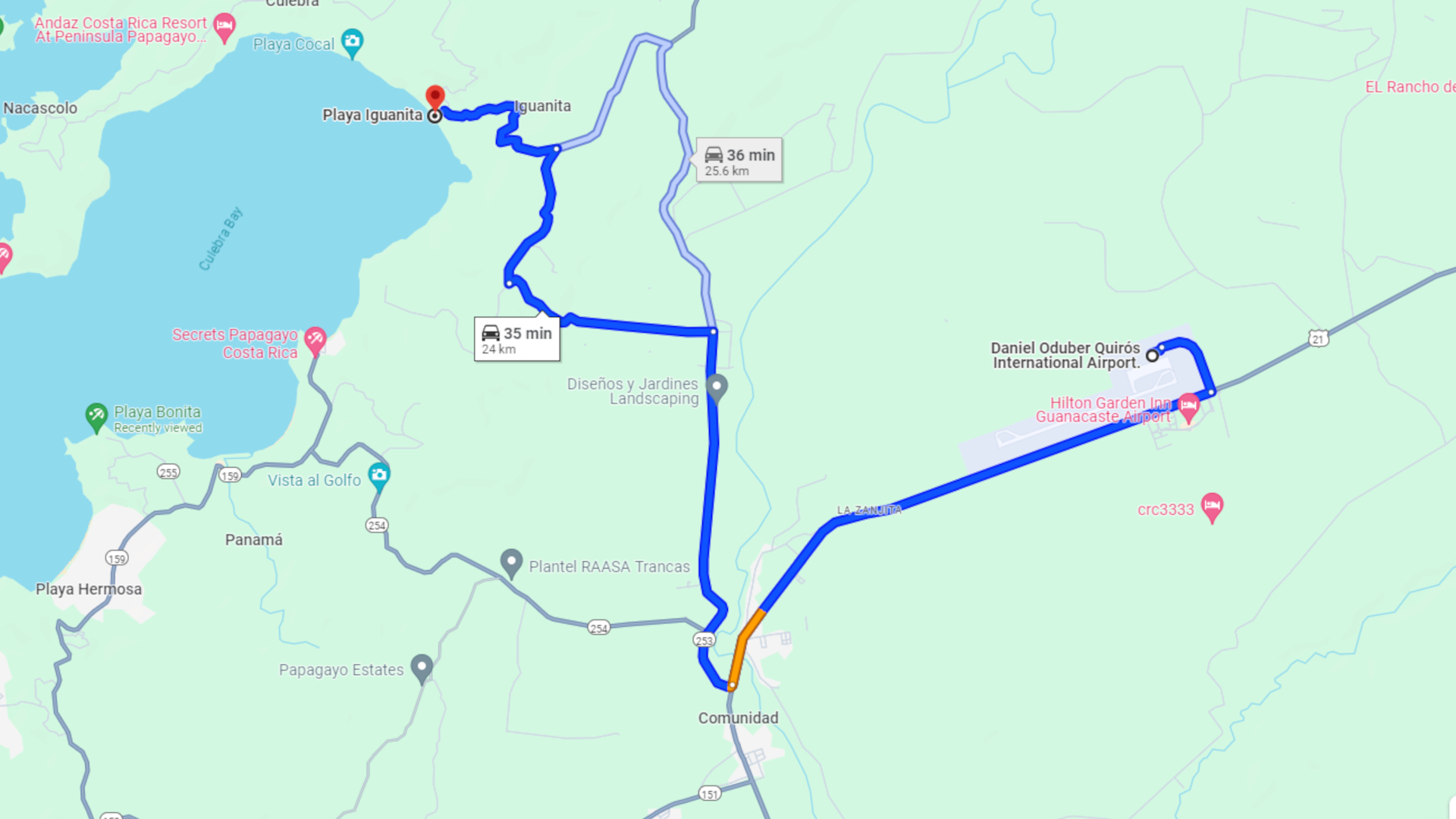
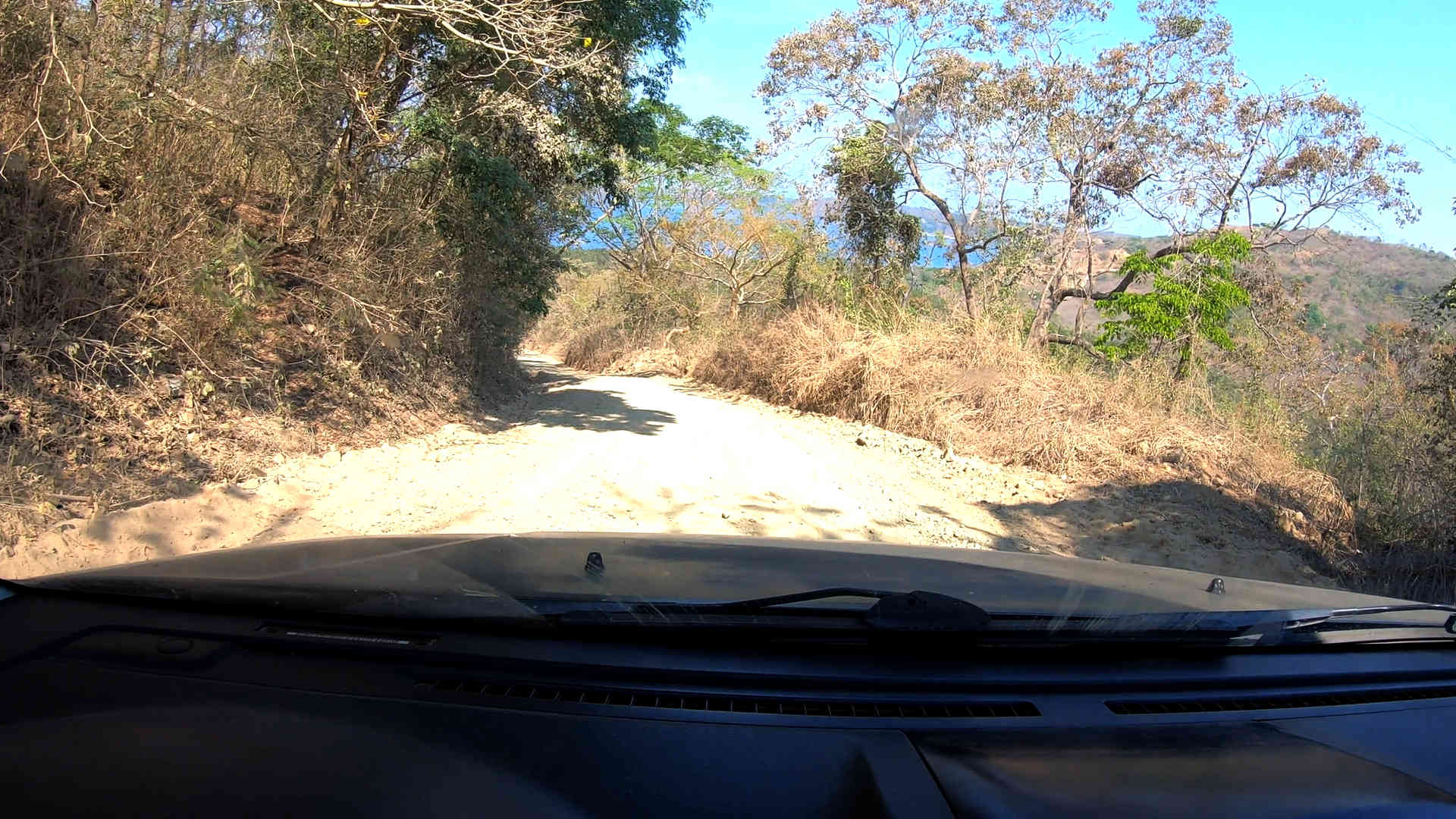
    To arrive at Playa Iguanita, you’ll have to take Route 253 north from the town of Comunidad. As you drive along this well paved road, cutting through farmer fields, you drive for about 10 minutes. Keep an eye out for a sign that directs you to turn left for Playa Iguanita. On Google Maps, you’ll look for this road which is called Acceso Playa Iguanita. This road starts off as a bumpy but flat gravel road which requires a bit slower driving. You’ll get to a Y Junction and remain to the right.
    This is where the road requires a 4 x 4, especially in rainy season. You’ll begin descending the terrain towards the beach and one section of road is fairly loose dirt. This road was easily driven with a 4 x 4, but if the conditions were slightly worse a vehicle with low clearance would struggle. At the bottom of the hill, you can expect fairly easeful driving for the remainder of the trip. There’s an open parking area tucked right up to the beach so you can keep an eye on your car while you relax.

    road to playa iguanita

    Arrival At The Beach

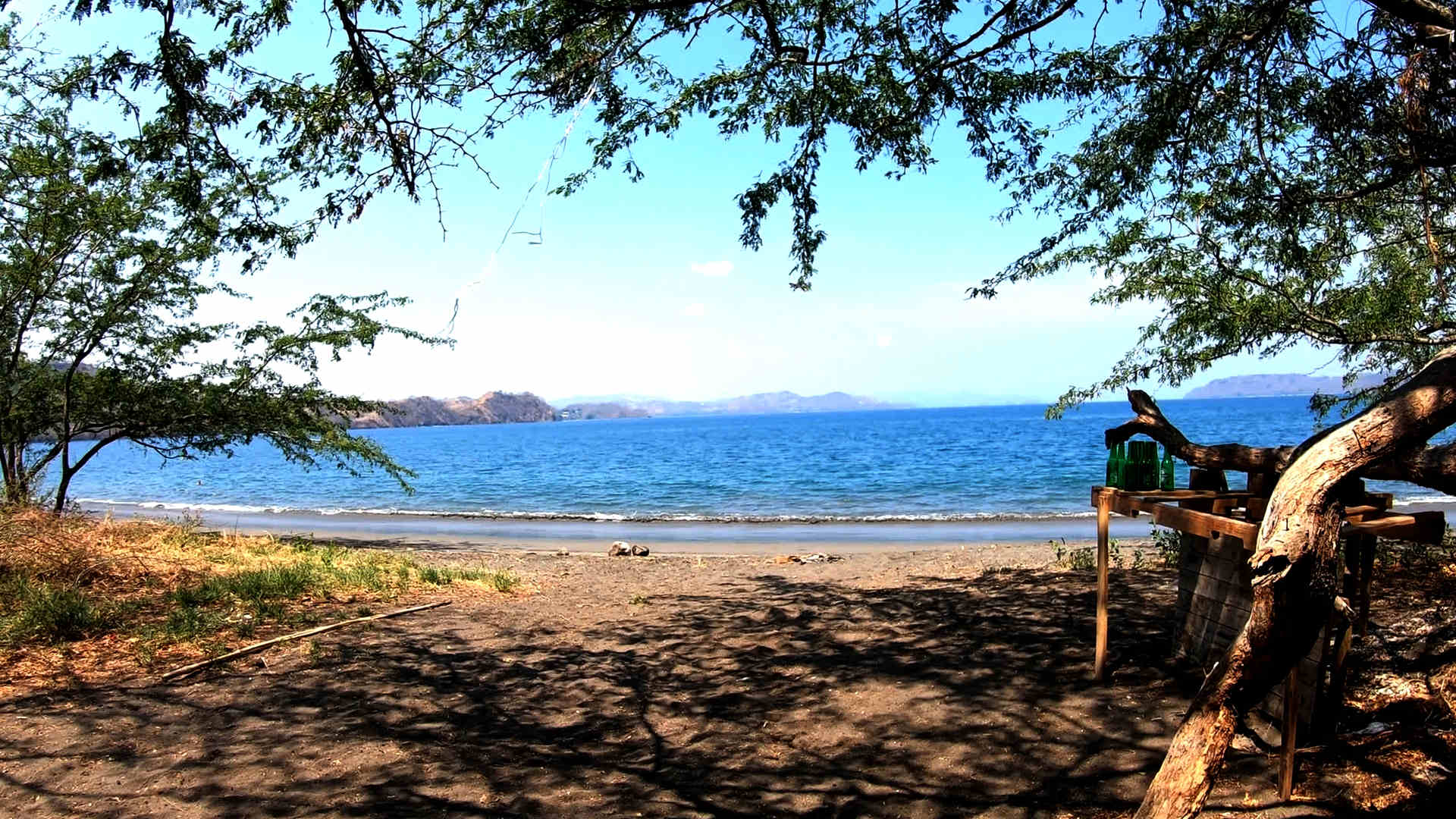
    You’ll be impressed with Playa Iguanita’s view of Culebra Bay. On the right side you’ll see the Papagayo Peninsula. This area is home to several resorts like the Andaz Costa Rica, Four Seasons and Planet Hollywood. You’ll also be able to see the Papagayo Marina, which has some massive yachts on occasion. 

    Along the right side of the beach you’ll see great landscapes which run all the way to Playa Panama. Closing off the Culebra Bay on the left side you’ll be able to see Playa Bonita. The land which run along the sides of this beach create a calm and very swimmable beach.

    Playa Iguanita is also great for exploring. If you venture along the beach to the south, there’s some trails which run to the back of an estuary. The clear water is great to look at, but don’t swim here. There are signs warning of crocodiles, although I haven’t seen any during my time there.

    I recommend bringing a cooler backpack like this one on Amazon if you’re going to be exploring some of these secluded beaches in Costa Rica. You can fill it up in Comunidad before hitting the beach. Then, if you find a great spot to relax away from the parking area, you won’t have to carry a big cooler.

    water shoes for exploring costa rica

    Pick up a pair of these awesome water shoes. I’ve been using them all over Costa Rica during my travels. They have vented soles so water drains right out the bottom! 

    Things to do at Playa Bonita

    Swimming And Sunny Relaxation

    Iguanita is a gorgeous crescent-shaped beach. With its soft white sand and sparkling turquoise waters, this beach is a paradise for swimmers and sun-seekers alike. But what really sets Playa Iguanita apart is its peaceful and secluded atmosphere. Unlike some of the more crowded beaches in the area, this off-the-beaten-path beach is a quiet oasis, surrounded by lush greenery and breathtaking hills.

    Visit The Estuary

    At the south end of Playa Iguanita, you’ll find a fascinating estuary that’s home to a variety of unique wildlife. This area has dense mangroves, which provide a crucial habitat for birds, fish, and other creatures. Among the inhabitants of the estuary are crocodiles, which are an impressive sight to behold but also a reminder to be cautious when exploring the area. Due to the presence of these crocodiles, snorkeling isn’t a great idea in the nearby water. Sometimes crocodiles venture out of their estuaries during rainy/murky conditions.

    Camp At The Nature Reserve

    If you’re a nature lover looking for an authentic adventure in Guanacaste, don’t miss the chance to visit the Iguanita Natural Reserve and Camping Area. located between the public parking area and the estuary, this reserve is a haven for all kinds of wildlife. You’ll be amazed by the monkeys swinging through the trees, the colorful birds chirping in the distance, and the fascinating reptiles sunning themselves on rocks. Sleep under the stars, wake up to the sounds of the jungle, and explore the nearby trails that lead you through the beautiful forest and along the river.

    Where To Stay Near Playa Iguanita

    If you’re planning to visit Playa Iguanita, you’ll have plenty of options for accommodation nearby. The closest options are the resorts on the Papagayo Peninsula. If you stay at the Planet Hollywood resort you’ll be just up the beach from Playa Iguanita.

    For lower cost beach options check out some of the boutique hotels and resorts at Playa Panama and Playa Hermosa. Condovac is a large hotel/resort development at Hermosa which is very popular. You can also stay at El Mangroove at Playa Panama.

    For much lower costs, staying in Liberia is a great option as well. There’s a lot of hostels and short term rentals available in Liberia. You can also a Hilton Garden and Hampton hotel right across from the Liberia Airport.

    Ambient Beach Walking Video

    Visit our channel with ambient videos from Costa Rica. This 25 minute walk will show you the beach and area, with natural sounds. Our ambient videos are great for watching while relaxing or doing a simulated treadmill walk.

    Follow Us!

    Be sure to Subscribe to our Youtube Channel, and leave a comment with your thoughts about this location or request a video in other cool destinations around Costa Rica.

    You can subscribe to our Ambient channel Here. We have videos of walks from other locations as well as driving & drone tours.

    FAQ About Playa Iguanita, Guanacaste, Costa Rica

    1. How do I get to Playa Iguanita?
    Playa Iguanita is located in Guanacaste, near the Daniel Oduber Quirós International Airport (Liberia Airport). You can reach the beach by taking Route 253 and following signs for Iguanita National Wildlife Refuge. A 4×4 vehicle is recommended due to some uneven and rough roads.

    2. Is Playa Iguanita a good place for swimming?
    Yes, Playa Iguanita has calm waters that are suitable for swimming. However, be aware of seasonal changes in tides and currents.

    3. Is Playa Iguanita crowded?
    Playa Iguanita is often less crowded than other nearby beaches like Playas del Coco or Playa Hermosa, making it a peaceful spot for visitors looking for a quieter beach experience.

    4. Are there any facilities at Playa Iguanita?
    There are limited facilities at Playa Iguanita. It’s a natural and undeveloped beach, so it’s a good idea to bring your own food, water, and supplies for the day.

    5. Is Playa Iguanita part of a wildlife refuge?
    Yes, Playa Iguanita is part of the Iguanita National Wildlife Refuge, which is home to diverse wildlife including birds, monkeys, and other native Costa Rican species.

    6. Can I camp at Playa Iguanita?
    Many people will park overland trucks to stay in the public parking area of Playa Iguanita.

    7. What activities can I do at Playa Iguanita?
    Popular activities at Playa Iguanita include swimming, kayaking, paddle boarding, and birdwatching. Its tranquil setting also makes it perfect for relaxation.

    8. Is Playa Iguanita family-friendly?
    Yes, Playa Iguanita’s calm waters and quiet atmosphere make it a good option for families with children. However, there are no lifeguards on duty, so supervision is recommended.

    9. What is the best time of year to visit Playa Iguanita?
    The dry season (December to April) is the most popular time to visit Playa Iguanita, offering sunny days and calm seas. The rainy season (May to November) sees fewer tourists, but be mindful of road conditions.

    10. Are there any restaurants or hotels near Playa Iguanita?
    There are no restaurants or hotels directly on Playa Iguanita. The nearest accommodations and dining options are in the nearby towns of Playas del Coco or Comunidad, a short drive away.