Blog

  • Is Costa Rica Expensive To Vacation?

    Is Costa Rica Expensive To Vacation?

    Is Costa Rica expensive? I get this question constantly. The honest answer is: it depends on how you travel.

    Most visitors land, head straight to the tourist zones, eat at beachfront restaurants, and wonder why their wallet is empty by day three. That’s not a Costa Rica problem. That’s a planning problem.

    The travelers who do it right — the ones who eat where locals eat, sleep outside the tourist bubble, and move between towns smart – find that Costa Rica is very affordable. I’ve made the expensive mistakes and the smart ones. This post is built on both.

    Table Of Contents

    Estimated Reading Time: 20 Minutes

    The Real Cost of Traveling Costa Rica

    Why Most Visitors Overpay

    Let me tell you about one of my first trips. I booked a rental car through a third party website before I flew in. It looked fine with a good price, confirmation email, and near the airport. When I arrived at the counter, the car wasn’t available. Not delayed. Just gone. I ended up sorting it out on the spot at a higher rate, and the deposit tied up money I hadn’t planned for.

    That one decision cost me more than it should have. I’ve since stuck to reputable local companies like Vamos or Adobe. Book directly, pay a fair rate, and avoid the chaos at the counter. It’s the kind of thing you only learn by getting it wrong once.

    Tourist areas in Costa Rica are priced for tourists too. Restaurants along the main strips in Tamarindo, Manuel Antonio, and La Fortuna charge two to three times what you’d pay a few blocks off the drag. The car rental story and the restaurant markup are the same lesson: what you pay in Costa Rica has a lot to do with where you’re looking and who you booked with.

    farmers market with lots of fruit in costa rica

    Get fresh fruit at a great price at farmers markets in Costa Rica. These markets often also have sodas with cooked plates for cheap.

    How Locals Actually Travel

    Locals in Costa Rica eat at small family restaurants, drink tap water, and don’t pay tourist rates for accommodation. None of this means roughing it. It just means making different choices about where your money goes.

    The three biggest budget levers are where you eat, where you sleep, and how you get around. Get those three right and Costa Rica becomes one of the more affordable countries in the region. The rest of this post breaks each one down.

    Eat Like a Local, Spend Like One Too

    What Is a Soda?

    A soda is a small, family run restaurant. You’ll find them in almost every town in Costa Rica. They don’t usually have big signs or fancy interiors. What they do have is real Costa Rican food at honest prices.

    I eat at sodas constantly when I’m on the road. Every one I’ve been to has been worth it. They vary a bit. Different sides, different spices, slightly different flavor profiles depending on the owners style. But they always hit the spot, especially after a long drive into a new town. My go-to order is a casado: rice, beans, salad, plantains, and your choice of protein — usually chicken, beef, or fish. The plate comes out hot, the portions are big, and the whole thing costs somewhere between $5 and $8. Try getting a meal that size at a beachfront restaurant without spending at least double.

    If you want to cut your food budget roughly in half, start eating at sodas. It’s the single easiest swap you can make on a Costa Rica trip, and the food is better anyway.
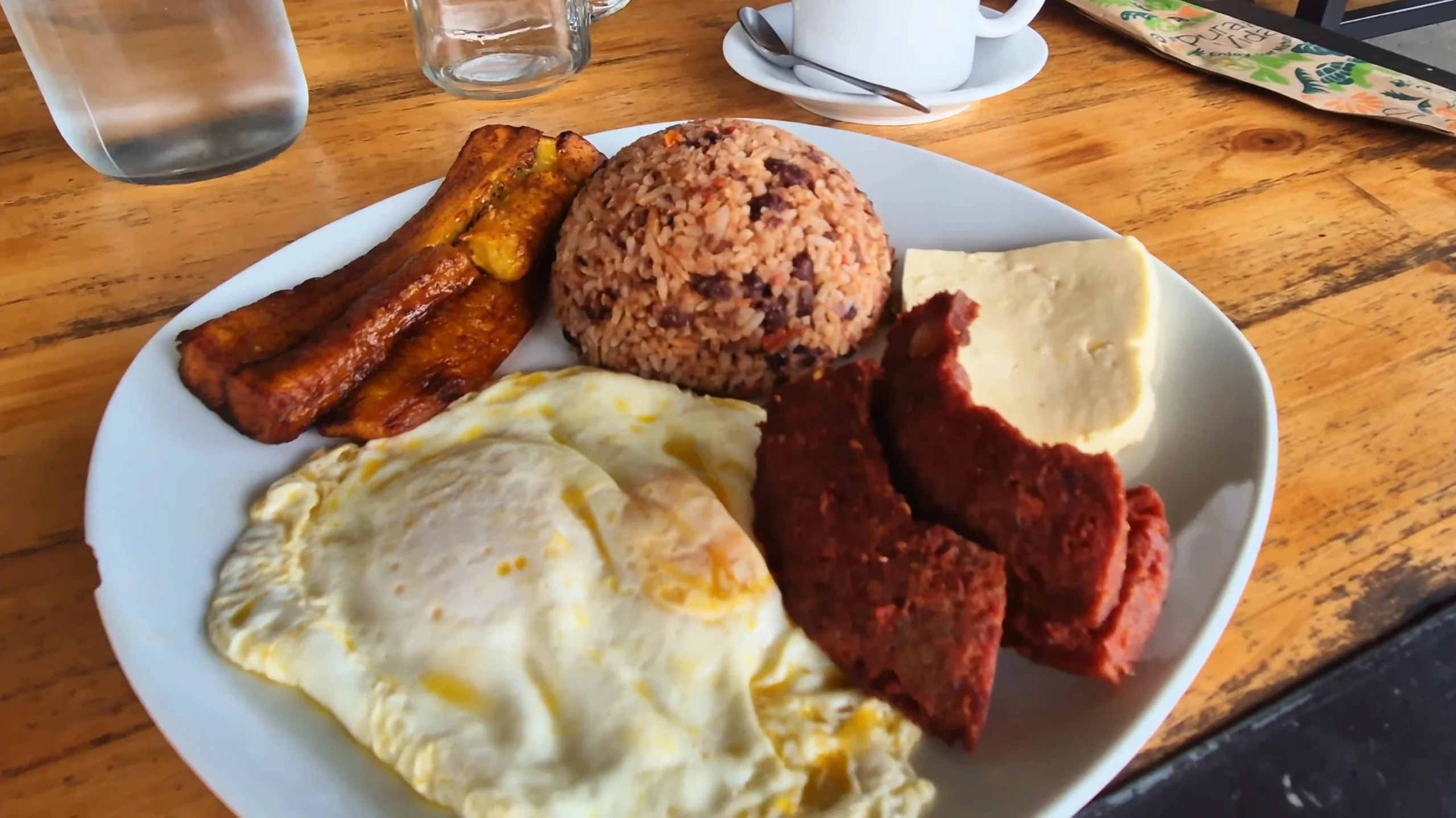
    gallo pinto typical costa rica breakfast dish

    Another great dish is Gallo Pinto, which is a typical Costa Rican breakfast dish. Gallo Pinto is often a bit cheaper than a plate of casado at a soda.

    Is Tap Water Safe in Costa Rica?

    Yes – in most parts of Costa Rica, tap water is safe to drink. This surprises a lot of first time travelers, but Costa Rica has some of the cleanest tap water in Central America. I drink it regularly and have never had an issue in the main tourist destinations.

    Drinking from the tap saves money on bottled water, cuts down on plastic waste, and makes day to day travel easier. You’re not constantly hunting for a tienda(store) every time you’re thirsty. Bring a reusable bottle and refill it at your hotel. A few remote areas are the exception. If you’re unsure about a specific spot, just ask at your hotel. But in the towns covered in this post, the tap is fine.

    Where You Stay Changes Everything

    This is the biggest budget lever most travelers never pull. Staying inside the main tourist zones means paying tourist prices for your room — and that premium spills over into everything around you. Move your base even 15 minutes out and the difference is real.

    Quepos — Your Base for Manuel Antonio

    Manuel Antonio is one of the most visited national parks in Costa Rica. Hotels right outside the park entrance charge premium rates, and the restaurants nearby know it. Quepos is only about 10 minutes from the park entrance, and prices drop noticeably once you’re there. You still get full access to Manuel Antonio — you’re close to restaurants, supermarkets, and transportation. But you won’t have to pay the premium for being right next to the park.

    Quepos has a solid local food scene too. There are sodas right in town where you can eat well for under $10. After a morning in the park, sitting down to a casado in Quepos instead of a tourist priced lunch at the entrance is exactly the kind of small decision that keeps a trip budget on track. For a great restaurant that has more upscale food without a high price, try Sabromar. They serve dishes with freshly caught fish. It’s right before the bridge entrance to Quepos.

    I used the same logic in Guanacaste — except there, the gap between tourist pricing and local pricing is even wider.

    Liberia — The Smart Hub for Guanacaste

    Liberia is my top pick for a budget base when I’m exploring Guanacaste. It’s a real city with local prices, and it puts you within easy reach of some of the best beaches on the Pacific coast. From Liberia, Playas del Coco is about a an hour away. Tamarindo is roughly an hour and thirty minutes. Rincón de la Vieja is about an hour in the other direction. You hit different beaches on different days without paying beach-town hotel rates every night. My favorite free swimming location just 10 minutes from Liberia is Pozas del Cañón.

    I stay at Hotel Primavera when I’m in Liberia. Rooms run about $40 a night and come with AC. The rooms have multiple beds, which makes it a strong option for families who want everyone in one room without paying for two. It’s clean, it’s central, and the price is hard to argue with. For families trying to keep costs down in Guanacaste, the setup of being based in Liberia, day trips to the coast — makes a lot of financial sense. It also connects back to the bus strategy: Liberia has good intercity connections, so you don’t always need a car to make this hub approach work.

    When I’m in bigger cities in Costa Rica, I like using a lockable sling backpack. The sidewalks and stores can be densely packed, and I like knowing my stuff isn’t going to wander away.

    La Fortuna — Sleep Nearby, Drive In Early

    La Fortuna is the main town for Arenal Volcano and the adventure activities in that region. The town center has hotels and restaurants, but prices there reflect how popular it’s become with international visitors. The smarter move is to stay in a smaller nearby town and drive into La Fortuna when you need to. On my last trip through La Fortuna I stayed just a 2 minute drive from downtown. It only cost about $40 for a small 2 bedroom apartment.

    You pay less for your room, you beat the midday crowds, and you still have full access to everything the area has. Getting there early in the morning also improves your odds of seeing the volcano clearly — clouds tend to roll in later in the day and it disappears fast.

    Getting Around Without Burning Your Budget

    Take the Bus

    Here’s something I do that most tourists never consider: I take the bus between towns. Not the cramped, standing room only kind. Between major destinations in Costa Rica, the intercity buses are proper coach style with AC and assigned seating. They’re comfortable, and they’re cheap.

    A longer trip between major towns runs about $10 to $15. Compare that to renting a car, paying for gas, and sitting in stop and go mountain traffic doing clutch/brake for two hours straight. Those mountain roads earn every bit of that reputation. The bus handles all of it while you sit back. For getting between places like San José, La Fortuna, Liberia, or Tamarindo, the intercity bus makes real financial sense. It also pairs directly with the Liberia base strategy, as you can use buses for the longer legs between cities and sort out beach day trips separately.

    Check schedules before you lock in your itinerary. Some routes only run once or twice a day, and that one detail can change how your whole trip flows.

    Ride-Hailing and Timing Your Moves

    Uber and DiDi both operate in Costa Rica and work well for shorter trips. I took an Uber from Jacó to Manuel Antonio once — smooth ride, great driver who spoke English, no problems. It was one of those trips where you realize the app based options here are genuinely reliable, not just a backup plan.

    Both apps are generally cheaper than flagging a taxi on the street. Avoiding peak hours helps too, especially around San José. Morning and evening rush traffic in the capital is rough. Shift your departure by an hour in either direction and you save time and sometimes money. Small calls like that add up across a full trip.
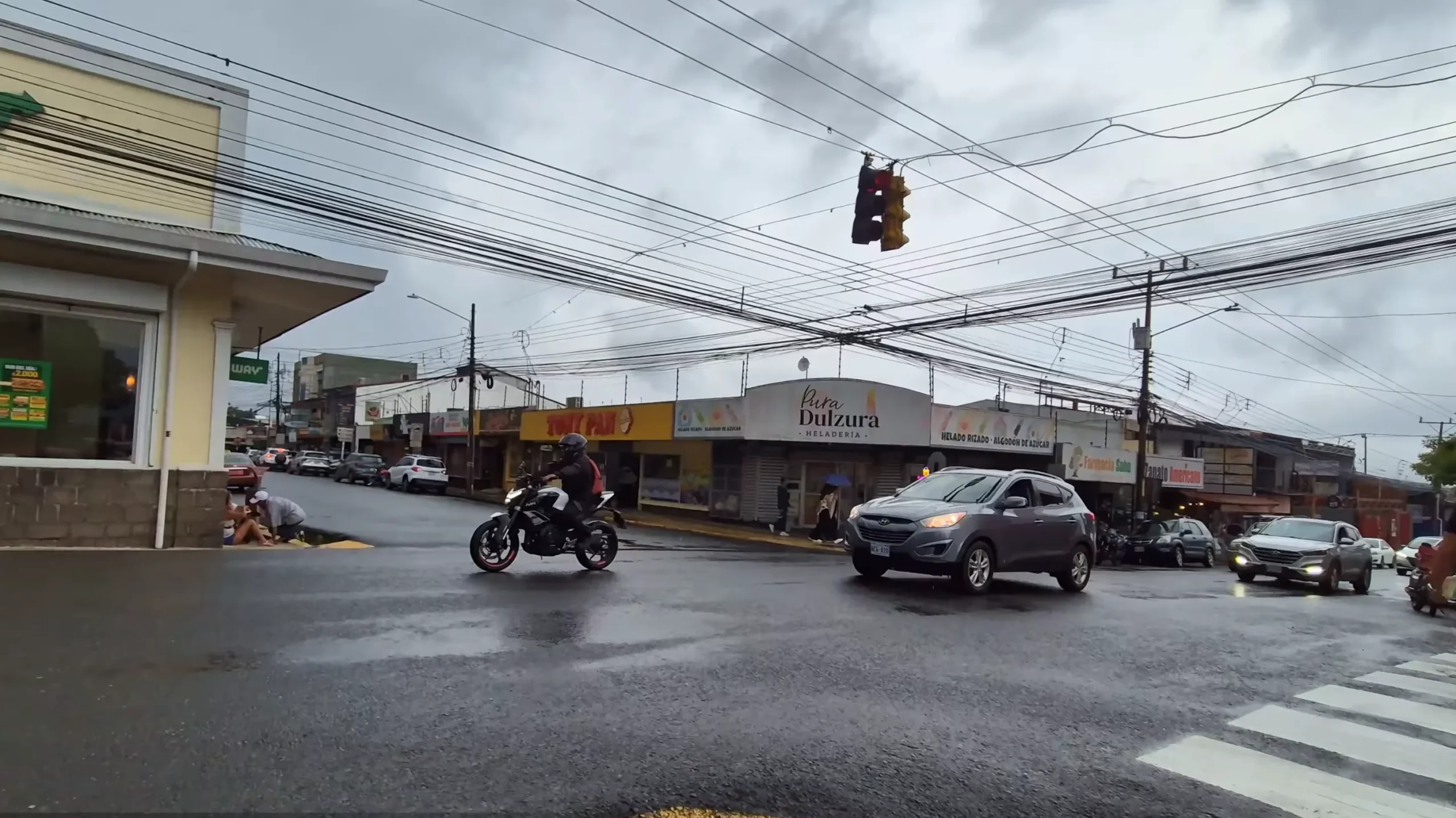
    driving in heredia costa rica downtown

    Using Uber in downtown city centers is much more stressfree than zigzagging in and out of traffic. Motorcycles, one way streets and cars stopping in the road is common. It can be stressful the first time experiencing it.

    Planning Is the Real Budget Hack

    Costa Rica isn’t expensive. Traveling without information is.

    The thing nobody told me before my first trip is how fast the country rewards you for going slightly off script. Not deep off script, you don’t need to avoid the popular spots. You just need to stop treating the tourist infrastructure as the default. The moment I started eating at sodas, basing out of Liberia, and taking the bus on longer stretches, Costa Rica stopped feeling like a place that was draining my account and started feeling like one I could actually afford to come back to. And I do come back.

    One practical note before you finalize anything: check bus schedules on the TRACOPA or Tica Bus websites before you lock in your itinerary. You can show up and buy a ticket, but it’s better to have it booked in advance. That one detail changes how your whole trip flows, and it takes five minutes to look up the night before you fly.

    If these blog posts and videos help plan your Costa Rica vacation, please support our channel.

    Follow Us

    Keep up with our latest Costa Rica travel videos and guides by subscribing to our YouTube channel. We regularly post new content showing real conditions across different regions and seasons.

    Leave a comment with your Costa Rica travel questions – we’re happy to help plan your perfect time to visit.

    Frequently Asked Questions

    Is Costa Rica more expensive than other Central American countries?

    Yes, Costa Rica is generally pricier than neighbors like Nicaragua or Guatemala. But it’s very affordable when you eat at local sodas, stay outside the main tourist zones, and use public buses between towns. Travelers who plan ahead often spend far less than they expected.

    How much does a casado cost at a soda in Costa Rica?

    A casado at a typical soda runs between $5 and $8. You get rice, beans, salad, plantains, and a protein like chicken, beef, or fish. It’s a large, filling plate — and one of the best-value meals you’ll find anywhere in the country.

    Is tap water safe to drink in Costa Rica?

    In most parts of Costa Rica, yes — tap water is safe to drink. Costa Rica has some of the cleanest tap water in Central America. A few remote areas are exceptions, so it’s worth confirming with your hotel if you’re staying somewhere off the main tourist routes.

    How far is Quepos from Manuel Antonio National Park?

    Quepos is about 15 minutes from the entrance to Manuel Antonio National Park. Staying in Quepos instead of right outside the park entrance saves money on accommodation and puts you close to local restaurants, supermarkets, and public transport.

    How much does a bus ride cost in Costa Rica?

    Longer intercity bus trips between major destinations typically cost between $10 and $15. Buses on these routes are comfortable coach-style with AC and assigned seating. It’s one of the cheapest and most practical ways to move between towns like San José, La Fortuna, Liberia, and Tamarindo.

    Is Hotel Primavera in Liberia a good option for families?

    Yes. Hotel Primavera in Liberia runs about $40 a night with AC. The rooms have multiple beds, which makes it practical for families who want everyone in one room without paying for two. Liberia is also a great base for day trips to Guanacaste beaches like Playas del Coco and Tamarindo.

    What is the cheapest way to get around Costa Rica?

    Public buses are the most affordable option for getting between major towns, with longer routes costing $10 to $15. For shorter trips within a city or region, Uber and InDriver are reliable and usually cheaper than traditional taxis. Combining both keeps transportation costs very manageable across a full trip.
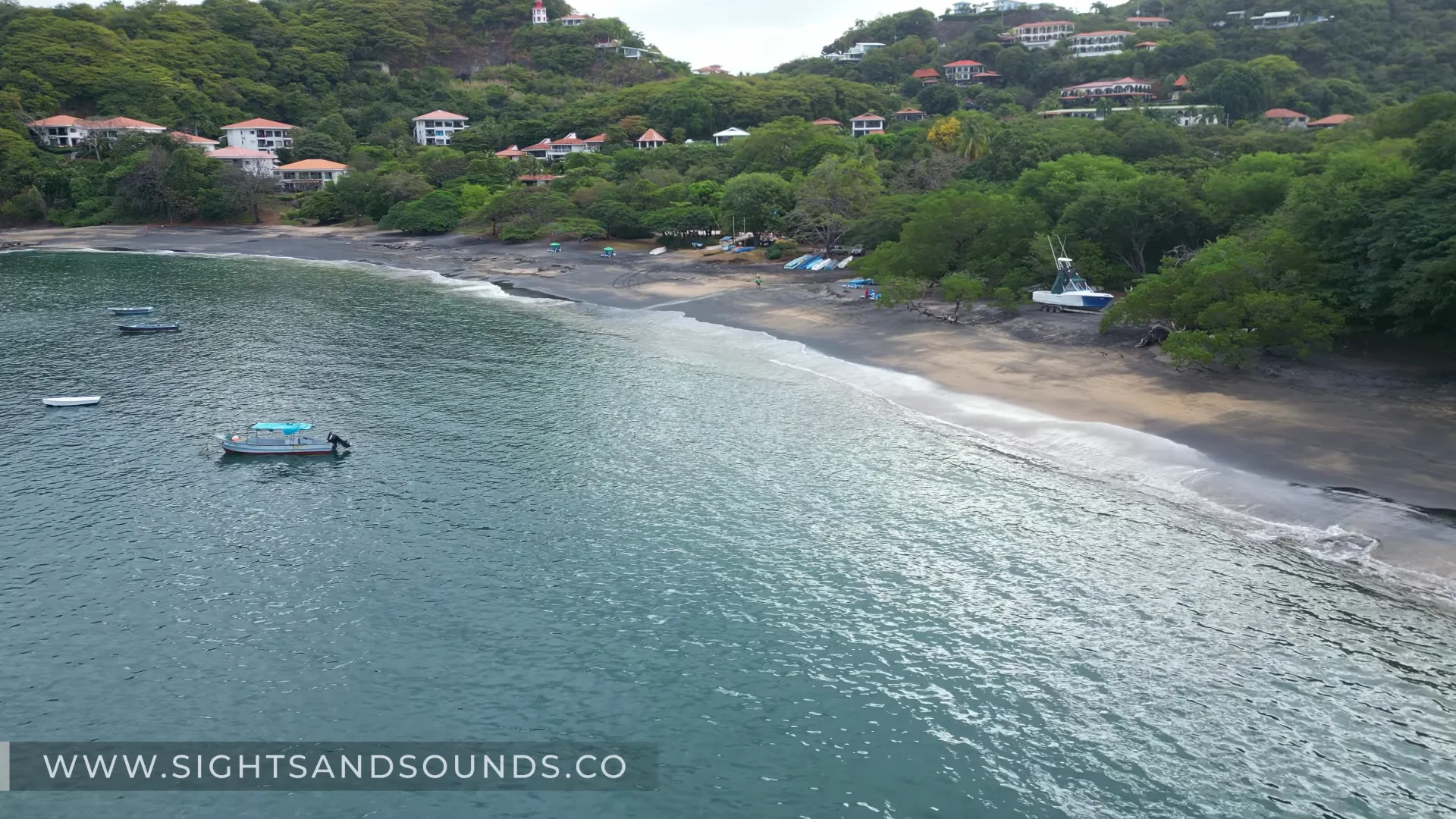
  • Visit Playa Ocotal: Black Sand Beach 30 Minutes from Liberia Airport

    Visit Playa Ocotal: Black Sand Beach 30 Minutes from Liberia Airport

    Playa Ocotal is one of my top favorite beaches in Costa Rica. It’s close to the very popular tourist town of Playas del Coco, where you can find a lot of amenities for your vacation. I’ve been here multiple times and never seen it crowded like the main town beaches get.

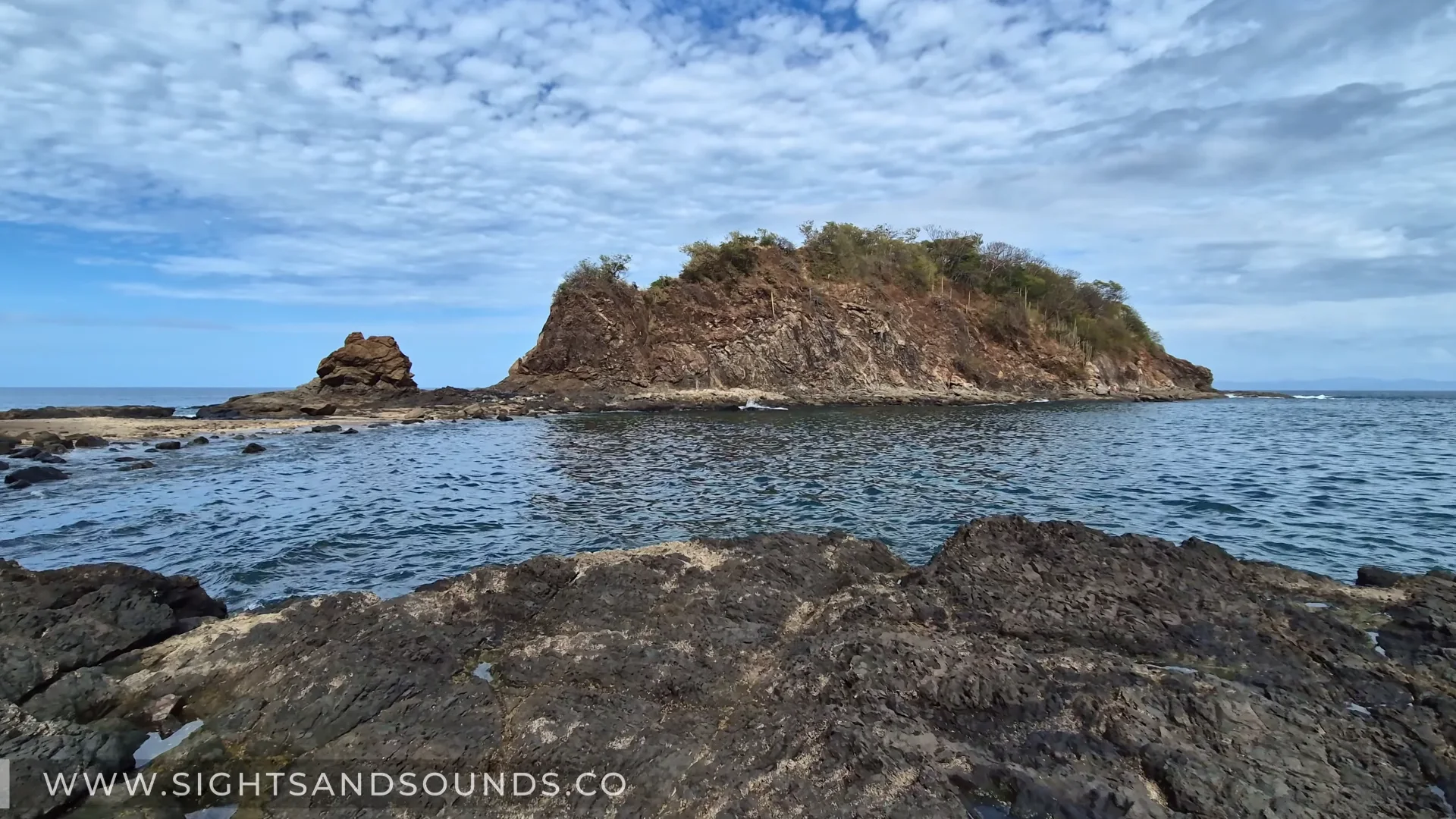
    The bay is sheltered, which keeps the water calm most days. Rocky areas jut out on both ends of the beach – these are the good snorkeling spots. At low tide, you can walk across the tide pools between the rocks. I’ve seen howler monkeys in the trees near the southern rocks, though they’re skittish and won’t let you get close.

    The drive from Liberia Airport takes about 30 minutes on paved roads. There’s a few trees for shade on the beach itself, so bring an umbrella if you plan to stay all day. The black sand actually stays cooler than the light sand beaches, which is nice. Water shoes help for the tide pool areas – those rocks get hot later in the day and some are sharp.

    Table Of Contents

    Estimated Reading Time: 20 Minutes

    Why Visit Playa Ocotal

    Black Sand Beach Beauty

    The sand at Playa Ocotal ranges from dark gray to black depending on where you stand. It’s volcanic sand, which means it has a different texture than the light colored beaches up north. The darker color actually keeps it cooler underfoot, even in the middle of the day during dry season.

    You’ll see patches of regular tan sand mixed in with the black, especially near the waterline. The contrast looks cool in photos. The beach curves in a gentle arc with rocky outcrops on both ends framing the bay.

    Calm Waters and Clear Visibility

    The protected bay keeps the water calm most of the year. I’ve swum here when other beaches had rough surf, and Ocotal was still smooth. The waves break gently on the shore, making it easy to get in and out of the water.

    Visibility underwater is excellent, especially in the morning before wind picks up. You can see 20 to 30 feet down in the clear spots. The water stays relatively clear even during rainy season, though it can get a bit murky right at the shoreline after heavy rain.

    Less Crowded Than Playa del Coco

    Playa del Coco gets packed, especially on weekends and holidays. Ocotal stays quiet. I’ve been here on a Saturday in high season and had long stretches of beach to myself. A few local families show up, maybe some tourists, but nothing like the crowds at Coco.

    There are big houses up in the hills around the bay, so some visitors are staying in those rental properties. But there’s no commercial strip or restaurant row like Coco has. It’s just the beach, some boats anchored in the bay, and peace.

    Getting to Playa Ocotal

    From Liberia Airport (30 minutes)

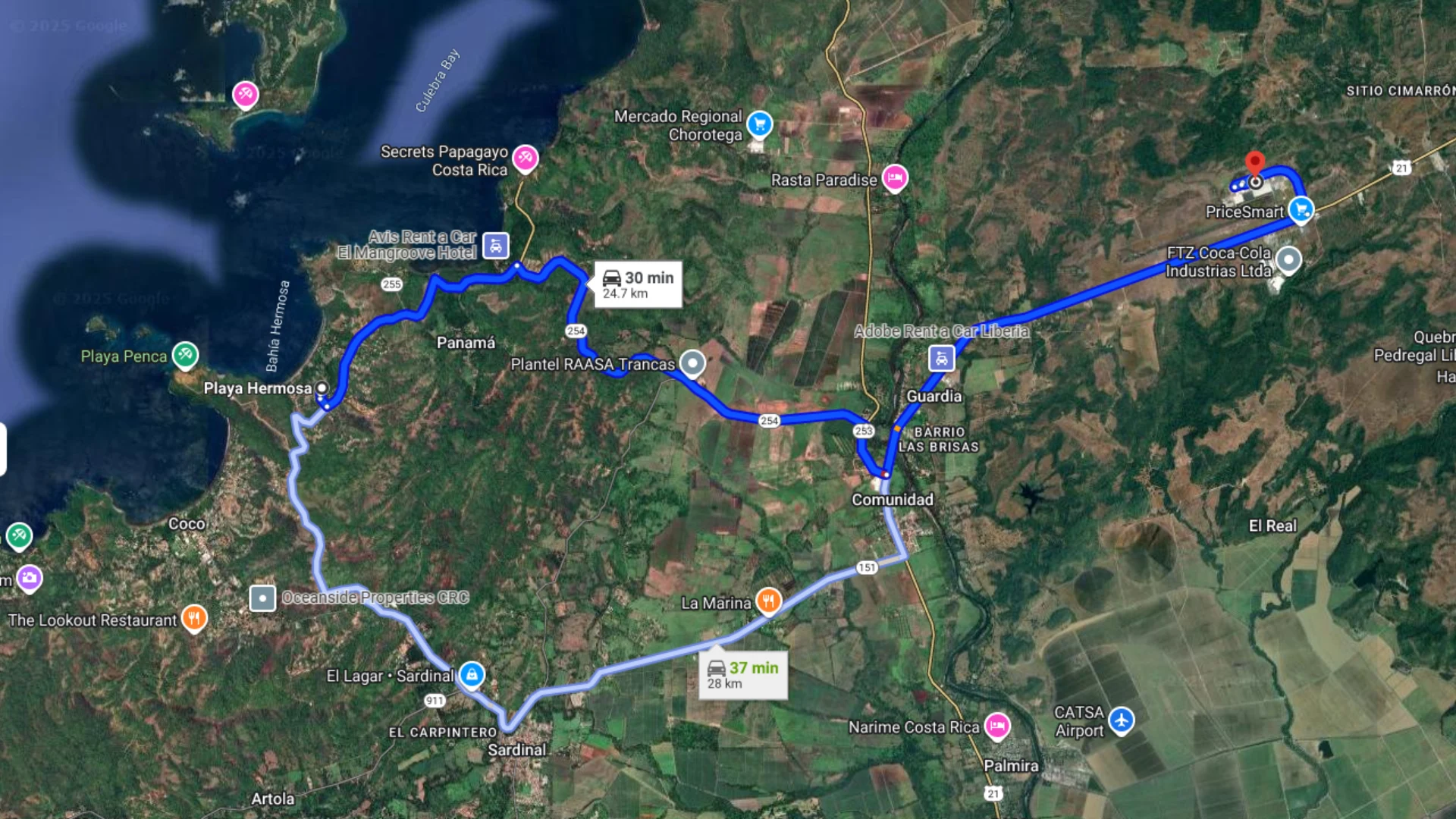
    The drive from Liberia International Airport to Playa Ocotal takes about 30 minutes. Head out toward the coast through Comunidad, then continue past Sardinal on your way to Playas del Coco. The roads are paved and in decent shape.

    Once you reach Playas del Coco, look for signs pointing to Ocotal. The turnoff is easy to miss if you’re not paying attention – it’s before you get all the way into downtown Coco. The road then winds back and around the mountain between the two beaches.

    playa ocotal top beach in costa rica

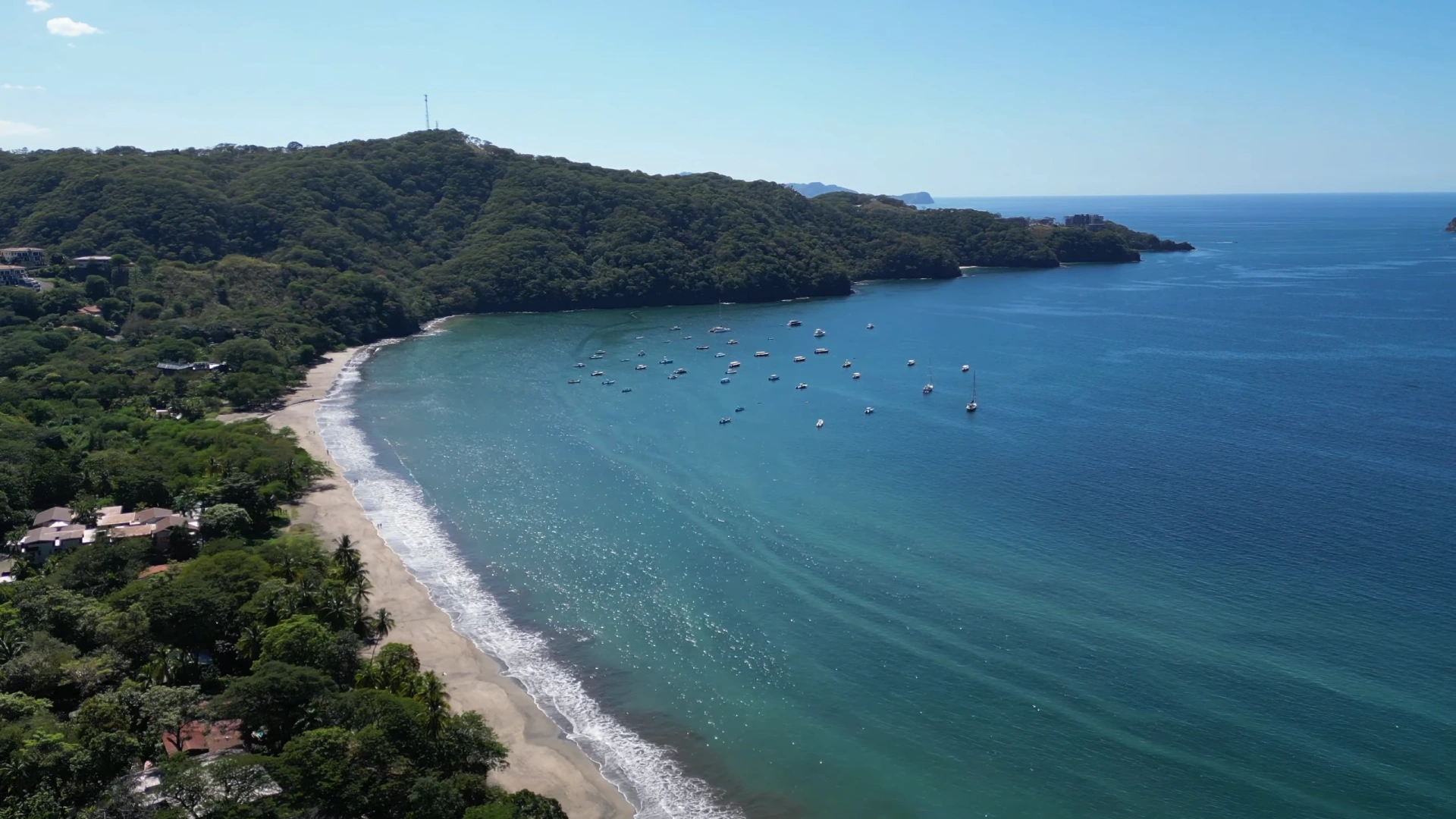
    Playa Ocotal photo from the drone. You can see that most of the beach has unique black sand. The water is perfectly tranquil as well.

    From Playas del Coco (10 minutes)

    If you’re staying in Playas del Coco, Ocotal is a quick 10 minute drive south. The road zigzags at first with some sharp curves. You’ll see large houses and condo developments as you drive along.

    The descent into Ocotal bay is easy. Take it slow though as the road can have a few potholes. At the bottom, you’ll see the beach and parking area straight ahead.

    For a complete guide to Playas del Coco visit our blog post here.

    Parking at the Beach

    There’s a small dirt parking area right by the beach. It’s not marked or organized – just a flat area where people pull in and park wherever there’s space. I’ve always found a spot, but it fills up faster on weekends. You can also park on the road just beside Father Roosters restaurant.

    The parking is directly next to the beach access. No attendant, no fee. Just don’t block anyone in because it gets tight when it’s busy.

    Swimming and Water Activities

    Calm Bay for Swimming

    Waves at Playa Ocotal break gently near shore most of the year. I’ve come here when beaches on the open coast were too rough to swim. The protected bay stays calm even when wind picks up.

    Water depth increases gradually from the shore. You can walk out pretty far before it gets deep. Kids and less confident swimmers do fine here because there’s no sudden drop-off.

    You don’t need a wetsuit, as the water stays warm year round. Mornings are usually calmer before afternoon winds start. Just jump in.

    Snorkeling the Rocky Areas

    Both ends of the beach have rocky outcrops where the snorkeling is incredible. These rocks create habitat for fish. I’ve spotted puffer fish, needle fish, and colorful reef fish tucked around the formations.

    Mornings give you the best visibility before the water gets churned up. You can see to a great depth with ease. The coral formations are small but active – miniature structures wedged between rocks.

    Watch the current around the rocks. Water pushes and pulls through channels between formations. It’s not dangerous if you pay attention, but you can get disoriented when waves roll through. Keep an eye on your exit routes back to calmer water.

    great snorkeling area at the south end of playa ocotal in costa rica

    This part of the beach at the south end of Playa Ocotal has some of the best snorkeling in all of Costa Rica. It’s sheltered by the island formation so you’ll find very cool fish relaxing along the bottom.

    Tide Pool Exploration

    Low tide opens up the tide pools between rocky areas. You can walk across natural channels and swimming holes. Kids love seeing the crabs, small fish, and creatures trapped in the pools.

    Wear water shoes! The rocks get hot later in the day and some are sharp. I’ve had these same water shoes for two years and they’re perfect for tide pool walking. Water drains right out the bottom.

    Howler monkeys sometimes show up in the trees near the southern tide pools. They’re skittish and won’t come close. Coastal birds hang around the rocks – I’ve seen some with distinctive bandit like stripes on their faces.

    Shore Fishing and Spearfishing

    Shore fishing doesn’t require a license in Costa Rica. People fish from the rocks with regular rods. I’ve seen locals pull decent catches from the rocky points.

    Spearfishing is allowed here. The same rocky zones where you snorkel work for spearfishing. You’ll see people out there with gear, sometimes dragging bottles behind them while they swim.

    If you spearfish, watch the currents around rock formations. Water movement gets strong in the channels.

    Fishing Charters

    Fishing charters operate out of the bay. Boats anchor in the sheltered water at Ocotal. I have a contact who runs charters out of Playa Panama, but captains will pick up from different beaches including Ocotal. Leave a comment on Youtube if you’d like my fishing boat contact.

    Boat fishing requires a license – charter companies handle this as part of the tour package. Expect to pay $400-800 for a half-day charter depending on boat size and season.

    The calm bay makes boarding easier compared to beaches with surf. That’s one advantage of fishing out of Ocotal versus more exposed locations.

    Nearby Beaches to Explore

    Playa Gringo (Secluded Alternative)

    Playa Gringo is right next to Playa Ocotal – you can see it from the rocks at the southern end of Ocotal beach. It’s much more secluded and harder to access. The sand is lighter colored than Ocotal and the beach is usually empty.

    Getting to Playa Gringo requires either hiking or driving a rough road through an old development. The road is extremely rutted and steep in places. I tried it on a motorcycle and had to let air out of the tires twice. I ended up parking and hiking the last section.

    If you hike in, it takes about 20-30 minutes from where you park. The road drops steeply down to the beach. A dirt bike would handle it better than a regular motorcycle or car. 

    The beach itself is beautiful once you get there. Clear turquoise water, good snorkeling around the rocks on both ends, and calm waves for swimming. You’ll probably have it to yourself or share it with just a few other people who made the trek.

    There’s a fence at the bottom of the access road with a lock that’s been cut. Beaches in Costa Rica are public, so access is legally protected. The fence appears to be from the old development that hasn’t been maintained in years.

    Playas del Coco (Main Town)

    Playas del Coco is 10 minutes north of Ocotal and is the main hub for the area. The beach there is busier with restaurants, bars, and tourist services lining the waterfront. It’s a completely different vibe from quiet Ocotal.

    Coco has grocery stores, pharmacies, surf shops, and tour operators. If you need supplies or want more dining options, head to Coco. The beach itself gets crowded on weekends and holidays – think packed sand and lots of activity.

    Most people use Coco as a base and day trip to quieter beaches like Ocotal. It has more accommodation options and better infrastructure. Just depends if you want the action or prefer the peace at Ocotal.

    Best Time to Visit Playa Ocotal

    December through April is dry season in Guanacaste. You’ll get consistent sun and calm water, but this is when prices jump and more tourists show up. I’ve seen the parking area fill up by 10am on weekends during February and March.

    Rainy season runs May through November. The bay stays calm even when storms roll through other beaches. Rain usually hits in the afternoon – quick downpours that clear out in an hour or two. Mornings are often perfectly clear for swimming.

    I’ve been to Ocotal during rainy season and honestly prefer it. Fewer people, lower accommodation rates, and the beach keeps its quiet character. You might dodge some rain showers, but you also might have long stretches of beach to yourself.

    Skip Easter week and Christmas if crowds bother you. Costa Ricans pack the beaches during these holidays. The parking lot overflows and the whole vibe changes – it’s not the same peaceful spot.

    September and October are the rainiest months. You’ll get more afternoon storms during this period. But even then, mornings can be great. Just don’t plan your whole day around beach time.

    Nearby Beach Town: Playas del Coco is only a 10 minute drive from the quiet Playa Ocotal. That’s where you’ll find more restaurants and amenities. Check out our blog post for more info.

    If these blog posts and videos help plan your Costa Rica vacation, please support our channel.

    Follow Us

    Keep up with our latest Costa Rica travel videos and guides by subscribing to our YouTube channel. We regularly post new content showing real conditions across different regions and seasons.

    Costa Rica is a small country with tons to see and do. There’s all kinds of different beaches, some have calm water for snorkeling. Others are great for surfing. You can explore wildlife in humid tropical woodlands, or in cooler mountain valleys. Don’t be overwhelmed by the variety of options! Contact Us for help planning your vacation or longer stays. 

    Frequently Asked Questions

    Is Playa Ocotal good for swimming?

    Yes, Playa Ocotal is excellent for swimming. The protected bay keeps waves calm most of the year. Water depth increases gradually from shore, making it safe for kids and less confident swimmers. You don’t need a wetsuit – the water stays warm year-round.

    What’s the difference between Playa Ocotal and Playas del Coco?

    Playa Ocotal is quieter and less developed than Playas del Coco. Ocotal has calm water, black sand, and minimal commercial development. Coco is the main town with restaurants, bars, shops, and a busier beach scene. Ocotal is 10 minutes south of Coco.

    Can you snorkel at Playa Ocotal?

    Yes, the rocky areas on both ends of the beach have good snorkeling. You’ll see puffer fish, needle fish, and colorful reef fish around the rock formations. Best visibility is in the morning before wind picks up. Watch the currents around the rocks.

    Are there real estate opportunities near Playa Ocotal?

    Yes, the hills around Playa Ocotal have houses and condominiums with ocean views. If you’re interested in properties in the Ocotal or Playas del Coco area, check out El Coco Properties for current listings and local market information.

    Does Costa Rica require an exit ticket?

    Yes, Costa Rica requires proof of onward travel when you enter the country. You need to show either a return flight or an exit ticket to another country. If you don’t have firm travel plans yet, you can get a temporary ticket at Onward Ticket to meet this requirement.

    How far is Playa Ocotal from Liberia Airport?

    Playa Ocotal is about 30 minutes from Liberia International Airport. The drive goes through Comunidad and past Sardinal toward the coast. Roads are paved and in good condition the whole way.

    Do you need a car to visit Playa Ocotal?

    A car makes it easier to reach Playa Ocotal, but you can take a taxi from Playas del Coco for about $10-15. If you’re staying in Coco, it’s a short drive or taxi ride. Having a car gives you flexibility to explore other nearby beaches.

    What should I bring to Playa Ocotal?

    Bring water shoes for the tide pools and rocky areas. Also pack sunscreen, water, snacks, and an umbrella or beach shelter since shade is limited. The beach doesn’t have vendors or facilities, so bring everything you need.

    Is Playa Ocotal crowded?

    No, Playa Ocotal stays relatively quiet compared to Playas del Coco. You might see more people on weekends, but it’s never packed like the main town beaches. Avoid Easter week and Christmas if you want the quietest experience.

    Can you see wildlife at Playa Ocotal?

    Yes, howler monkeys sometimes appear in the trees near the southern tide pools. You’ll see coastal birds around the rocks. In the water, you can spot various fish species while snorkeling around the rocky areas.

  • Costa Rica Entry Requirements: Visa, Return Ticket & Immigration Guide (2026)

    Costa Rica Entry Requirements: Visa, Return Ticket & Immigration Guide (2026)

    When you arrive in Costa Rica, immigration will ask you three things: your passport, proof of where you’re staying, and proof that you’re leaving the country. Most travelers focus on booking their accommodation and forget about that third requirement until they’re standing at the immigration counter. Whether you’re flying into Liberia or San José, or crossing the border by bus from Nicaragua or Panama, you need to show a return ticket or onward travel reservation before they’ll stamp you in.

    Costa Rica requires proof of onward travel to ensure tourists don’t overstay their visa-free period. You can enter Costa Rica without a visa for up to 180 days if you’re from the US, Canada, EU countries, or most other Western nations. But that entry stamp comes with a condition – you need to prove you have plans to leave. Immigration officers check for this at airports and land borders, and they will turn people away without it.

    I’ve seen this requirement stop travelers at the border firsthand. On a bus trip back from Managua, a guy from China nearly got denied entry because he didn’t have a booked departure. He was traveling through Central America on a loose timeline and told the officer “maybe in a month I’ll continue to Colombia.” I helped him book an Onward Ticket reservation right there at the border within minutes. Immigration accepted it and he continued on the bus. This guide covers Costa Rica’s visa requirements, what documents you need, and how to handle the return ticket requirement without locking yourself into rigid travel plans.

    Table Of Contents

    Estimated Reading Time: 20 Minutes

    Do You Need a Visa for Costa Rica?

    Good news – if you’re reading this from the US, Canada, or most of Europe, you don’t need to apply for a visa before your trip. You just show up at the airport or border with your passport and immigration stamps you in for 180 days. This changed in 2024 from the old 90-day limit, which is great for anyone planning a longer stay or multiple trips throughout the year.

    Visa-Free Countries (180-Day Tourist Entry)

    I’ve entered Costa Rica dozens of times and never had to apply for a visa in advance. The visa-free entry works for citizens from about 70 countries including the US, Canada, UK, all EU countries, Australia, New Zealand, and most of South America. You land, they stamp your passport, and you’re good for six months. The clock starts the day you arrive.

    When I’m at immigration, the whole process takes maybe two minutes. They check my passport, ask where I’m staying, verify I have a return ticket, and stamp me through. No fees, no paperwork, no visa application stress.

    Countries Requiring Visas

    Some countries do need a visa before arrival – mainly visitors from China, India, Russia, and parts of Africa and the Middle East. If that’s you, you’ll need to apply through a Costa Rican embassy in your home country before you book your flights. Processing times vary but plan for at least a few weeks.

    There’s a workaround though. If you have a valid US, Canadian, or Schengen visa in your passport, Costa Rica might let you in visa-free even if your country normally requires one. The visa needs at least six months validity left on it. Check with your nearest Costa Rican embassy to confirm.

    How Long Can You Stay

    The 180-day stamp gives you six months in Costa Rica without any extensions or extra paperwork. You can stay the full six months or leave earlier – it’s up to you. I usually bounce between Costa Rica and neighboring countries, so I rarely use the full 180 days in one stretch.

    Your passport needs to be valid for at least six months past when you plan to leave. Immigration checks this at the counter. I’ve seen people get turned away because their passport was expiring in four months even though their trip was only two weeks. Don’t let that be you.

    Costa Rica Return Ticket Requirement

    Here’s the part that catches people off guard – Costa Rica requires proof that you’re leaving the country before they let you in. This isn’t optional or something they only check sometimes. Every single time I’ve entered Costa Rica, whether flying into Liberia or crossing the border by bus, immigration asks to see my return ticket or onward travel reservation.

    Why Immigration Requires Proof of Onward Travel

    Costa Rica wants to make sure you’re not planning to overstay your 180-day tourist visa. The return ticket requirement forces you to demonstrate you have plans to leave within that timeframe. It’s their way of preventing people from entering as tourists and then staying indefinitely without proper residency status.

    I get why this frustrates travelers with open-ended plans. Maybe you’re not sure if you’ll head to Panama next or fly back home. Maybe you want to see how much you like Costa Rica before committing to a departure date. Doesn’t matter – immigration needs to see something showing you’re leaving.

    porter airlines review costa rica to toronto

    When arriving by airplane in Costa Rica, you’ll have to show your departure ticket at the airport of departure. Here’s a plane arriving at LIR(Guanacaste).

    What Counts as Proof

    Immigration accepts several types of onward travel proof. A flight reservation leaving Costa Rica works – it can be a return flight to your home country or a one-way ticket to anywhere else. Bus tickets out of the country count too, which is what most people use when traveling overland to Panama or Nicaragua. Ferry tickets to other countries also qualify, though that’s less common.

    The ticket doesn’t have to be fully paid and confirmed. A reservation or booking confirmation is enough. This is where services like Onward Ticket come in handy – you can book a real flight reservation for $16 that’s valid for 48 hours, show it to immigration, and then let it expire if your plans change. I use this every time I travel through Central America with flexible plans.

    When You’ll Be Asked

    Airlines check for onward tickets before you even board your flight to Costa Rica. I’ve watched airline staff at the gate turn people away who couldn’t show proof of return travel. They’re strict about this because if Costa Rica denies you entry, the airline has to fly you back at their expense.

    Immigration officers at Liberia and San José airports verify your return ticket when you go through the entry line. At land borders like Peñas Blancas from Nicaragua or Paso Canoas from Panama, border officials check before stamping you in. There’s no way around this requirement – you need proof of onward travel to enter Costa Rica.

    onward ticket banner

    My Experience: Helping a Traveler at the Nicaragua Border

    On a bus trip back from Managua last year, I saw exactly what happens when you don’t have proof of onward travel. We pulled up to the Peñas Blancas border crossing on the Costa Rica side and everyone filed off to go through immigration. Most people breezed through in a few minutes, but one guy got stopped at the counter.

    He was from China, spoke some English but no Spanish, and the immigration officer was asking him questions he clearly didn’t understand. I could hear the officer asking “¿Cuándo sale de Costa Rica?” – when are you leaving Costa Rica. The guy kept saying he wasn’t sure, maybe in a month he’d continue to Colombia. That’s not what immigration wanted to hear.

    I walked over and translated between them. The officer explained he needed to see a booked departure from Costa Rica – a flight, a bus ticket, something showing he had plans to leave. The traveler had nothing. He was backpacking through Central America on a loose timeline and hadn’t thought about booking an exit before arriving at the border.

    The guy was getting stressed. The officer wasn’t being mean about it, but he was clear – no proof of onward travel, no entry stamp. I showed the traveler Onward Ticket on my phone and explained how it works. He pulled out his phone, went to the site, and booked a flight reservation to Colombia for about $16. The whole process took maybe five minutes.

    He showed the reservation to immigration. The officer looked it over, nodded, and stamped his passport. The guy got back on the bus and we continued into Costa Rica. If he hadn’t been able to book that reservation right there, he would have been stuck at the border and had to turn back to Nicaragua.

    That’s why I always tell people about Onward Ticket when they’re planning trips to Costa Rica or anywhere in Central America. Having that backup option means you don’t get caught at immigration without proof of departure.

    Onward Ticket: The Solution for Open-Ended Travel

    I’ve used Onward Ticket for years and it solves the biggest problem with the return ticket requirement – you don’t have to lock yourself into firm travel plans just to satisfy immigration. You book a real flight reservation that shows up in the airline system, immigration accepts it, and then the reservation expires after 48 hours if you don’t use it.

    How Onward Ticket Works

    You go to their website, pick a flight leaving Costa Rica within your visa period, and pay $16 for the reservation. They book it through the airline’s actual system, so it’s a legitimate reservation with a confirmation code. You get the booking details instantly via email. Show that to immigration and you’re good.

    The reservation stays active for 48 hours. If your plans firm up and you want to keep that flight, you can pay the full ticket price and convert it to a real ticket. If not, just let it expire. No refund hassles, no cancellation fees, no calling the airline to explain why you’re not using the ticket.

    26 01 30 nicaragua costa rica border immigration building with tica bus

    This is the immigration building for Costa Rica at the Nicaragua Border. Tica Bus is one of the transnational bus lines that make this journey daily.

    Why I Use It for My Costa Rica Trips

    I travel to Costa Rica multiple times a year and I never know exactly when I’m leaving. Sometimes I extend my stay, sometimes I head to Nicaragua or Panama, sometimes I fly home early. Booking actual return flights and then changing them costs way more than $16 in change fees and fare differences.

    Onward Ticket gives me flexibility while keeping immigration happy. I book the reservation before I fly to Costa Rica, show it at check-in and at immigration, and then make my actual departure plans once I’m in the country. It’s worked every single time.

    Cost vs Full Ticket Refund Process

    A refundable ticket to the US from Costa Rica runs $400-600 minimum. Even if you get your money back, most airlines take 7-10 business days to process the refund. Some charge restocking fees. Some only give you airline credit instead of cash back.

    For $16, Onward Ticket eliminates all that hassle. You’re not tying up hundreds of dollars waiting for a refund. You’re not dealing with airline customer service. You’re not gambling on whether your “refundable” ticket actually gives you cash back or just a voucher. You pay $16, get your proof of onward travel, and move on with your trip.

    If these blog posts and videos help plan your Costa Rica vacation, please support our channel.

    Follow Us

    Keep up with our latest Costa Rica travel videos and guides by subscribing to our YouTube channel. We regularly post new content showing real conditions across different regions and seasons.

    Planning a trip to Costa Rica? Contact us — we help with itineraries, logistics, and finding the spots most tourists miss.

    Frequently Asked Questions

    Do I need a visa to enter Costa Rica?

    Most visitors don’t need a visa for Costa Rica. Citizens from the US, Canada, UK, EU countries, Australia, and about 70 other countries get visa-free entry for up to 180 days. You just show up with your passport and get stamped in at the airport or border. Some countries including China, India, and Russia do require applying for a visa in advance through a Costa Rican embassy.

    Does Costa Rica require a return ticket?

    Yes, Costa Rica requires proof of onward travel before they let you enter the country. This can be a return flight, a bus ticket to Panama or Nicaragua, or a flight reservation to another country. Immigration checks for this at airports and land borders every time. Airlines also verify you have a return ticket before letting you board flights to Costa Rica.

    Can I extend my 180-day stay in Costa Rica?

    You can’t extend the 180-day tourist visa from inside Costa Rica. If you want to stay longer, you need to leave the country and re-enter to get a new 180-day stamp. Many travelers do a quick trip to Nicaragua or Panama for a few days and then come back. Alternatively, you can apply for residency if you’re planning to live in Costa Rica long-term.

    What happens if I don’t have proof of onward travel?

    Immigration will deny you entry to Costa Rica without proof of onward travel. I’ve seen this happen at the Peñas Blancas border where a traveler had to turn back to Nicaragua because he couldn’t show a departure ticket. Airlines also won’t let you board your flight to Costa Rica without proof of a return or onward ticket. You need this documentation before you start your trip.

    How much does Onward Ticket cost?

    Onward Ticket costs $16 for a 48-hour flight reservation. This gives you a real booking confirmation that shows up in the airline system and satisfies immigration requirements. The reservation expires after 48 hours unless you convert it to a full ticket. This is much cheaper than buying a refundable ticket for $400-600 and waiting for the refund to process.

    Does immigration accept Onward Ticket reservations?

    Yes, Costa Rica immigration accepts Onward Ticket reservations. I’ve used them multiple times entering Costa Rica and immigration has never questioned it. The reservation is a real booking in the airline system with a valid confirmation code, which is what immigration is looking for. I also helped a traveler at the Nicaragua border use Onward Ticket and the officer accepted it immediately.

    Can I enter Costa Rica by bus from Nicaragua or Panama?

    Yes, you can enter Costa Rica by bus from Nicaragua at Peñas Blancas border or from Panama at Paso Canoas border. The immigration process is the same as arriving by air – you need your passport, proof of onward travel, and your passport must be valid for at least six months. Border officials check these documents before stamping you into Costa Rica. The bus stops at the border and everyone goes through immigration on foot.

  • Best Places To Stay In Costa Rica (2026)

    Best Places To Stay In Costa Rica (2026)

    Picking where to stay in Costa Rica can make or break your trip. The North Pacific coast feels completely different from the South. Beach towns have their own personalities. La Fortuna up in the mountains is nothing like the surf scene in Jaco. You need to match the location to what you actually want out of your vacation.

    I’ve driven all over Costa Rica filming these places for my YouTube channel. I stayed in condos in Playas del Coco. I walked the nightlife strip in Jaco. I dealt with the rough roads getting into Santa Teresa. I woke up early in La Fortuna hoping the clouds would clear off Arenal Volcano. These aren’t just places I researched online. I actually stayed there and figured out what works.

    This guide covers four different areas I know well. Each one serves a different type of traveler. I’ll break down the neighborhoods, tell you what it actually costs, and explain the logistics of getting there. By the end you’ll know exactly which area fits your trip.

    Table Of Contents

    Estimated Reading Time: 20 Minutes

    Playas del Coco & Ocotal: Best for First-Timers

    Why This Area Works for First-Timers

    Playas del Coco is just 30 minutes from Liberia International Airport on well paved roads. This is the closest real beach town to the airport. Not a resort complex. An actual Costa Rican town with supermarkets, banks and restaurants.

    The area gives you options. Playas del Coco has a variety of dining and nightlife options. Playa Ocotal is 10 minutes away with some of the best snorkeling and quieter beaches. You can stay in one spot and do both.

    If you’d like to read a comprensive guide to Playas del Coco, visit our blog post.

    Where to Stay: Neighborhood Breakdown

    Los Palmas (northern Coco) has cheaper condos close to the beach. Small commercial area with a supermarket, coffee shop, and restaurants. Quieter than downtown at night.

    Downtown Coco puts you in the middle of everything. Main beach strip, restaurants, park. Water isn’t as clear here but you can walk everywhere. Gets busy on weekends. Parking is tight.

    Pacifico is the gated development with higher prices. Auto Mercado is there as a higher end grocer. Pools and maintained grounds. They have a gym in the attached commercial plaza as well.

    Ocotal has black sand, crystal clear water, and excellent snorkeling on both ends. Rough road for the last couple kilometers. Dolce Vita and Serena Suites are the main condo options. Less crowded than Coco but a bit of a drive to get to. You can rent a golf car to go between Coco & Ocotal.

    Practical Details

    The 30 minute drive from Liberia is straightforward until you hit the beach towns. Downtown Coco has paid parking and guys who watch your car for money. The road to Ocotal is mostly paved and a 5-10 minute drive from downtown Coco.

    For groceries I often go to Mega Super across from Pacifico. They have great selection and low prices. The Super Compro on the Ocotal road has cheaper prices as well. There’s a fish market on the road to Ocotal that sells fresh catches.

    Playa Hermosa is 10 minutes away. Tamarindo is an hour south. Both easy day trips if you want to compare beach scenes.

    Travel Tip: Bring a pair of water shoes when you’re exploring the beaches in Costa Rica. They let you keep your shoes on while you walk to the beach, in the water and around the tide pools.

    Jaco: Best for Nightlife & Surf

    Why Stay in Jaco

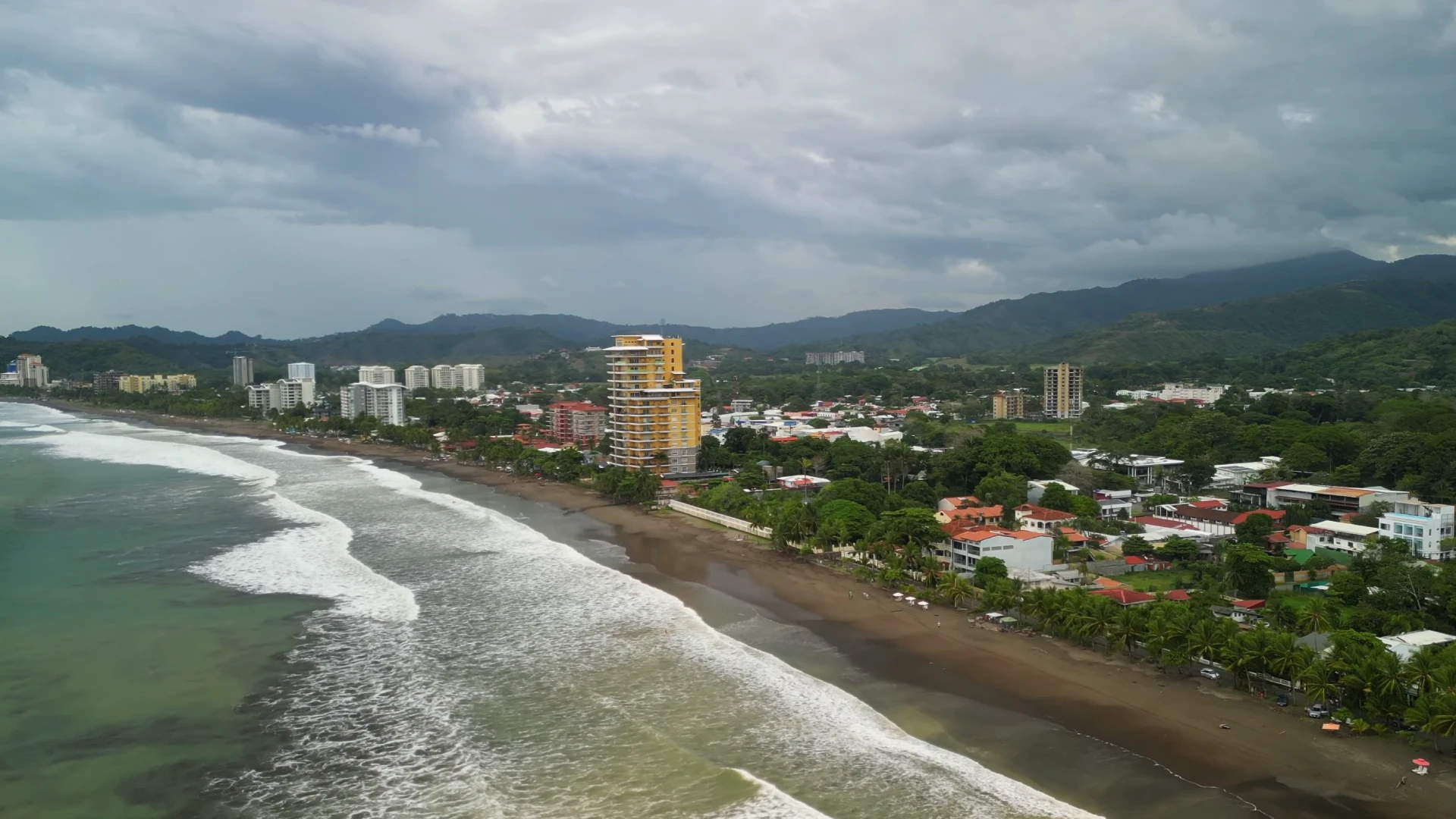
    Jaco has the most developed nightlife of any beach town in Costa Rica. More bars and restaurants per block than anywhere else I’ve walked. The town runs along one main strip parallel to the beach. Everything is walkable if you can handle the heat.

    The beach has year round surf. It’s close to San Jose at about 1.5 hours. If you’re flying into SJO instead of Liberia, this is your easiest Pacific beach option.

    Jaco is a great place for surfing and nightlife. If you’re traveling with kids, check out Best Places For Families blog post.

    The Jaco Experience

    I walked the nightlife strip on a Tuesday night around 10pm. Still pretty lively. Orange Pub and XTC are the well known drinking spots. There’s a casino downtown. Rolling Thunder Saloon had a band practicing when I walked by.

    The liquor store density is insane. You can’t walk more than a block without passing another one. Pizza Hut, KFC, Subway are all here if you need familiar food. Mega Super for groceries. There’s a Viniy convenience store at the main intersection downtown. It’s an easy stop for some basic groceries and things you need for the beach.

    The walk from one end of the strip to the other takes about 20 minutes at a casual pace. Beach access points run along the whole strip. Some of the beach access points have better parking options that are closer to the water.

    Jaco has a ladies of the evening scene. It’s just part of the town. You’ll get solicited walking around at night. The Cocal Casino is known for this. If that’s not your thing, just be aware it’s present.

    Where to Stay in Jaco

    I’ve stayed at the south end of Jaco as well. It’s quieter than downtown but still walkable to restaurants. The south end of the beach is also less crowded. Families with kids will appreciate the vibe and calmer waves at this end of the beach.

    Downtown puts you right in the action. Walking distance to everything. It can get loud at night from the bars. If you’re here for the nightlife scene, stay downtown. If you want to sleep, stay at one of the ends.

    What to Know

    It’s hot and humid in Jaco. I was sweating just walking around at night. Bring light clothing. The heat during the day would be much worse.

    Crowds pick up on weekends. Prices run higher than other beach towns because everything is more developed. You’re paying for the convenience and the scene.

    Security is fine if you’re aware. I walked around at night with camera gear and didn’t have issues. Just don’t be stupid about it. The police presence is visible downtown but there will still be unbecoming behavior.

    Travel Tip: When I’m exploring bustling places like Jaco, I bring my lockable sling backpack. That way I know none of my valuables will wander away when I’m not looking!

    La Fortuna: Best for Adventure Base & Volcano Access

    Why Stay in La Fortuna

    La Fortuna is at the base of Arenal Volcano, about 3 hours from San Jose airport. This is the stopover point between the Pacific and Caribbean coasts. If you’re doing a coast-to-coast trip, you’ll probably spend a night here.

    The town exists because of the volcano and adventure tourism. Tour operators line every street. Hot springs are everywhere. The air feels fresh and cool compared to the beach. It’s a relief after the coastal humidity.

    Arenal Volcano views depend entirely on cloud cover. Most times I’ve been here, clouds hide the volcano. The volcano is best seen in the mornings before the clouds set in, so take a look when you first wake up.

    Landing at SJO Airport and heading to La Fortuna? Visit our blog post about that trip with some great stops along the way.

    Downtown La Fortuna

    The town is clean and well maintained. The central park has sitting areas, a big tree, and Christmas lights during December. Security guards patrol the park at night so families can enjoy it.

    Everything is walkable downtown. Restaurants, tour operators, the church, grocery stores. Shops stay open late because tourists come back from day tours and need to eat or book the next activity.

    There’s a few gyms right in the downtown square, which is great if you’re staying in a nearby hostel. You’ll also find a few large dollar style stores and grocery stores. The municipal bus station is a few streets over if you’re traveling by bus.

    Where to Stay

    When I visit La Fortuna I try to find hostels with private rooms. This gives the best bang for buck, as they usually have full kitchens. You’ll also find a lot of options on Airbnb on the outside of town. I found a nice 2 bedroom apartment about 3 minutes drive from downtown for a fair price.

    Downtown is my preference though, as it puts you walking distance to everything. Restaurants, tour booking, the park. You’ll hear some noise at night but it’s not crazy like Jaco.

    The road heading toward the volcano has resort-style accommodations and hot springs. You’ll need to drive or take tours to get back to town. Trade-off is better views and direct hot spring access.

    What You Can Do

    Free hot springs are down the road toward the town of Nuevo Arenal. Check the Youtube video for a review and tour of that location. There’s a lot of paid hot springs as well. These are resort style with multiple pools and bars, and a higher price.

    Volcano hikes happen when weather permits. Hanging bridges, waterfall tours, all the standard adventure activities operate out of La Fortuna. You’ll have no trouble finding a tour operator to take you on these adventures.

    The town itself has a modest night scene. Restaurants, a few bars, nothing wild. Most people are exhausted from day tours anyway.

    Travel Tip: Don’t underestimate the amount of rain you can get in La Fortuna. It’s what keeps it so lush and green. Bring a high quality umbrella for your exploration.

    If these blog posts and videos help plan your Costa Rica vacation, please support our channel.

    Follow Us

    Keep up with our latest Costa Rica travel videos and guides by subscribing to our YouTube channel. We regularly post new content showing real conditions across different regions and seasons.

    Planning a trip to Costa Rica? Contact us — we help with itineraries, logistics, and finding the spots most tourists miss.

    Frequently Asked Questions

    Where should I stay in Costa Rica for the first time?

    Playas del Coco works best for first-timers. It’s 30 minutes from Liberia Airport on paved roads. You get a real Costa Rican town with supermarkets, restaurants, and nightlife instead of just a resort bubble. Ocotal is 10 minutes away for snorkeling. The infrastructure is solid and you can walk to most things downtown.

    What’s the best beach town near Liberia Airport?

    Playas del Coco is the closest real beach town at 30 minutes from the airport. The drive is straightforward on paved roads. You get actual town infrastructure with banks, grocery stores, and local restaurants. Downtown has nightlife and the beach. Los Palmas has cheaper condos. Ocotal is right next door for better snorkeling.

    Is La Fortuna worth staying overnight?

    Yes, especially if you’re doing a coast-to-coast trip. The town is 3 hours from San Jose and makes a good stopover. You need at least one night to do hot springs and volcano activities. The air is cooler than the beach, which is a relief. Downtown is walkable with good restaurants. Free hot springs are down the road toward the volcano.

    Is it safe to travel to Costa Rica right now?

    Costa Rica is generally safe for tourists. I’ve walked around Jaco at night with camera gear and had no issues. La Fortuna has security guards in the park at night. Downtown Coco has visible police presence. Standard safety rules apply. Don’t be stupid about it. Keep aware of your surroundings. Avoid sketchy areas that locals warn you about.

    What are the best beaches in Costa Rica?

    Ocotal has crystal clear water and excellent snorkeling on both ends. Black sand beach, less crowded than most. Playas del Coco is good for convenience and walkability. Santa Teresa pulls the surf crowd with consistent waves. Jaco has year-round surf but the water isn’t as clear. Each beach serves different purposes. Ocotal for snorkeling, Coco for first-timers, Santa Teresa for surf culture, Jaco for nightlife.

    Do you need a passport to go to Costa Rica?

    Yes, you need a valid passport to enter Costa Rica. Your passport should be valid for at least six months beyond your planned departure date. US and Canadian citizens don’t need a visa for tourist visits up to 90 days. Immigration will ask how long you’re staying and where you’re going. Have a return ticket ready to show them.

    What’s the best time of year to visit Costa Rica?

    December through April is dry season on the Pacific coast. This is peak tourist season. Less rain, more crowds, higher prices. May through November is rainy season but it doesn’t rain all day. Mornings are usually clear. You get better prices and fewer tourists. The Caribbean side has different weather patterns with rain possible year-round.

    Should I stay in one place or move around Costa Rica?

    Depends on trip length. One week or less, pick one base and do day trips. Two weeks, split between beach and mountains works well. Playas del Coco for 4-5 days, then La Fortuna for 2-3 days, then another beach town. Moving around every 2 days gets exhausting. Give yourself at least 3 nights per location to settle in.

    Is Jaco safe for tourists?

    Jaco is safe if you’re aware. Police presence is visible downtown. I walked around at night with camera gear without issues. The ladies of the evening scene is present, especially around Cocal Casino. You’ll get solicited walking around. Just be smart about it. Don’t flash expensive stuff. The nightlife scene attracts some sketchy elements but most tourists have no problems.

  • Porter Airlines Costa Rica to Toronto: Complete Flight Review & Guide (2026)

    Porter Airlines Costa Rica to Toronto: Complete Flight Review & Guide (2026)

    I flew Porter Airlines from Toronto to Liberia Just a few weeks after they launched this route. This flight started in December 2024 with service to Costa Rica. This is Porter’s first flight to Central America, and I wanted to see how it stacked up against Air Canada and WestJet. The flight got delayed by about an hour coming out of Toronto—snow, of course. That’s alright though, because aside from that the whole experience was great.

    Porter now flies this route up to six times a week. They’re using these Embraer E195-E2 jets with that 2×2 seating setup, meaning no middle seats. This is a large selling feature for Porter’s new jet flights. The flight cost about $200 USD for the basic service, but there’s options at higher prices. The whole flight time clocked in around 5 hours and 20 minutes, give or take.

    This guide breaks down everything about flying Porter from Liberia – the airport experience on both ends, what you actually get on the flight, whether it’s worth choosing over other airlines. I’ll also get into the commercial area near the airport (there’s a Starbucks right across the street from LIR) and the closest beaches you can hit after landing. If you want more videos of great destinations in Guanacaste Province of Costa Rica – Check out our Youtube Channel with walking/drone tours.

    Table Of Contents

    Estimated Reading Time: 20 Minutes

    Porter’s New Flights to Costa Rica

    Toronto to Liberia

    Porter kicked off this Toronto-Liberia route on December 4th, 2024. When I talked to the staff at the gate, they mentioned the airline had only been running it for about two weeks—so I was on one of the early flights. Tickets usually run between $150 and $220 CAD one-way if you book around 40 days out, which is pretty competitive with what Air Canada and WestJet charge for the same route.

    The schedule runs up to six times weekly during peak season. I booked through Porter’s website and it was straightforward – none of that multi-page nightmare you sometimes get with other booking systems. You can also use VIPorter points if you’ve got them, starting at 10,000 points one way.

    Ottawa to Liberia

    Porter also added Ottawa service about two weeks after Toronto, launching on December 17th. This route runs twice weekly, which makes sense since it’s a smaller market. Same aircraft, same amenities, just a different departure city. If you’re in Eastern Canada, this beats having to connect through Toronto or drive down to Pearson.

    The Ottawa flights are seasonal, December through April, so they’re timed perfectly for when Canadians are desperate to escape the cold. This is great news if you’d like to try Porter and you’re in Quebec, to avoid a layover at Pearson.

    Part of Bigger Expansion

    This Costa Rican routes are part of Porter’s big push into sun destinations. They’re not just doing Liberia—they also launched routes to Cancun, Puerto Vallarta, Nassau, and Grand Cayman around the same time. All of them using the same Embraer jets with that 2×2 setup.

    The Toronto-Liberia route makes sense when you look at the numbers. Over 140,000 passengers fly between these two cities every year, so there’s clearly demand. Porter’s basically adding another option to a route that was already busy with Air Canada, WestJet, and Air Transat. More competition usually means better prices which I’m very happy to see.

    Liberia Airport Experience

    Arrivals Process

    Landing at Liberia is pretty straightforward. You go through immigration first, where they’ll stamp your passport and might ask a few basic questions – how long you’re staying, where you’re going, that kind of thing. Be sure to have an actual date and departure ticket for leaving Costa Rica. You can use a service like Onward Ticket to hold a flight reservation for about $15, which Immigration will accept as a departure ticket. Most planes land in Costa Rica in the late morning/early afternoon, so your time at Immigration can be very quick or up to an hour. 

    After immigration, you grab your bags at the carousel. Each one has a screen showing the flight number, so you know where to stand. Then you head through customs, where they might glance at your bags or wave you through. Once you’re out, you’ll immediately get hit with offers for taxis and shuttles. Rental car agencies will pick you up at the terminal and drive you to their office nearby.

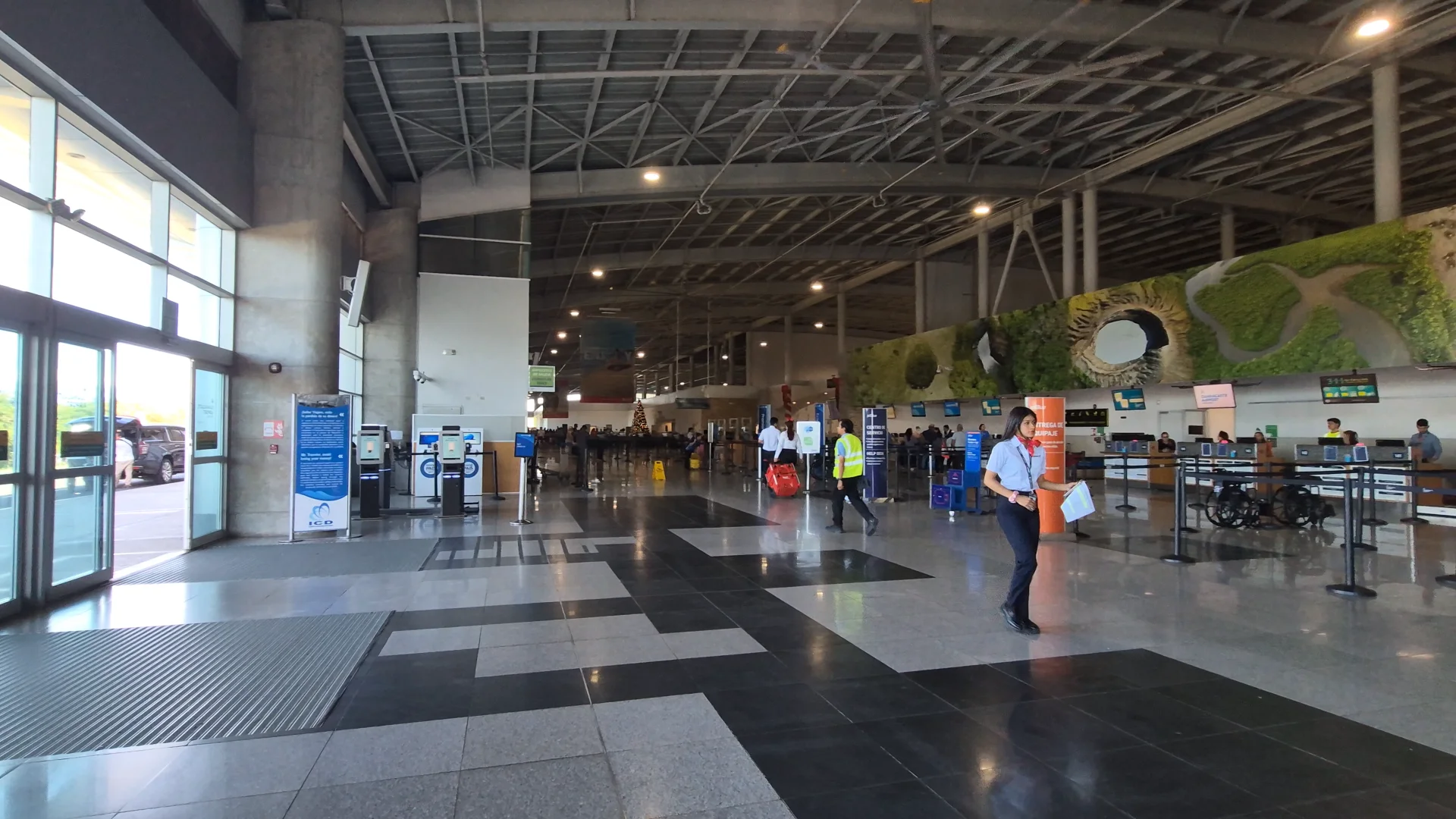
    liberia airport costa rica arrivals and departures area

    This is the public access part of the Liberia Airport. Here’s where you’ll check in for your flight. At the other end is where arrivals exit the airport, lots of taxis and shuttle busses waiting there.

    Departures Process

    I got to the airport about two hours early, which is about the least amount of time you’ll want to have. Porter’s counter was easy to find, right there with JetBlue and the other airlines. Security moved pretty quickly, maybe 5 minutes total. This can be variable, though, as departures can stack in smaller windows through the afternoon. I haven’t seen a security/immigration departure que longer than 20 minutes.

    One thing to note: if you didn’t prepay your departure tax (it’s usually included in your ticket now), there’s a small office to handle that. Confirm this tax is included with your ticket at your airline, so there’s no confusion when proceeding to security.

    Inside the Terminal

    Once you’re through security, the terminal is small. There’s a handful of gates with skybridges, so no boarding from the tarmac. It’ll be interesting to see how more flight volume is handled at LIR in the future.

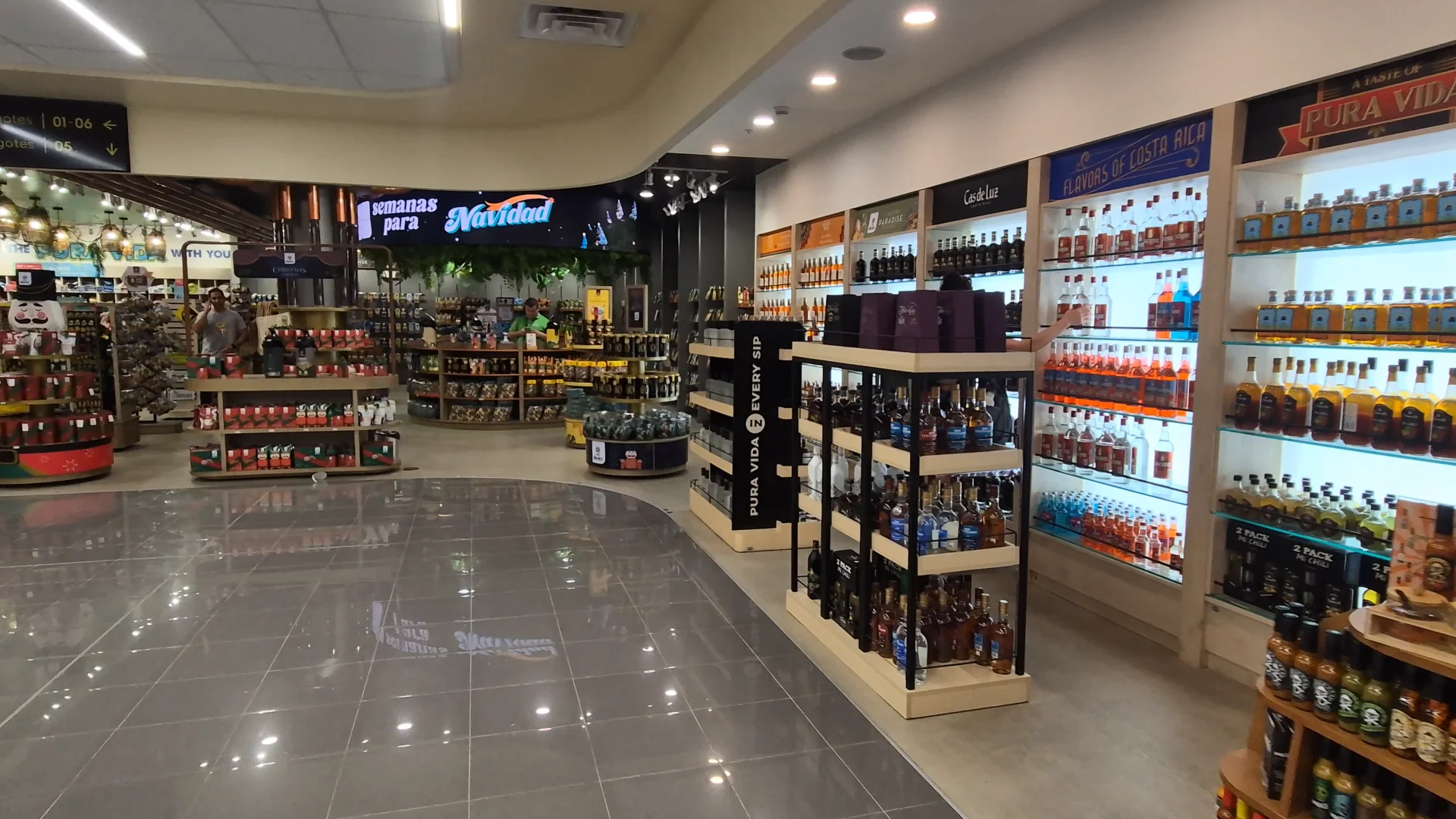
    There’s a decent duty-free section with all the usual stuff – alcohol, perfume, that sort of thing. They’ve got a massive wall of Costa Rican chocolate that’s honestly pretty tempting. Food options are limited and expensive, so consider stopping at a grocery store on the way to the airport for snacks. I ate before the airport, which turned out to be the right call.

    The good news? There’s a water bottle refill station, so bring an empty bottle through security. Free water beats ten dollar water every time.

    inside the liberia airport in costa rica – duty free alcohol and souvenirs

    Here’s the inside of the passenger departures terminal. You’ll find restaurants and souvenir shops. Pick up some Costa Rican duty free alcohol, coffee and other Pura Vida souvenirs.

    Airport Souvenirs & Shopping

    The souvenir shops have everything from t-shirts to hand-painted ceramics. One shop had these traditional Costa Rican rocking chairs that they’ll actually ship for you, which is wild because you obviously can’t carry a rocking chair on the plane. The chocolate wall I mentioned earlier is in the duty-free area. They have tons of Costa Rican brands, different percentages, some with coffee mixed in.

    There’s also a smaller souvenir popup style shop with ‘Pura Vida’ keepsakes: miniature surfboards, magnets, local crafts. Prices are airport prices, so if you forgot to buy gifts, you’ll pay for the convenience.

    Commercial Plaza & Hotels Nearby

    Right across from the airport on the main Highway there’s a commercial plaza with a KFC, Starbucks, and a few local restaurants. I walked over there before my flight because I didn’t want to deal with airport food prices. The Starbucks was busy with travelers doing the same thing. There’s also an AM Convenience store if you need to grab anything last minute.

    For hotels, the Hilton Garden Inn is about 2 minutes drive with a free shuttle. The Hampton Inn is nearby too. This whole area is growing fast. I could see construction everywhere, new commercial plazas going up, lots of development. There’s even a Pricemart (like Costco) if you need to stock up on groceries before heading to the beach. *Pricemart requires a membership to shop.

    From the plane during takeoff, I got this cool night view of all the commercial development around the airport. Way more going on there than I expected.

    The Flight Experience on the Embraer E195-E2

    Aircraft & Seating: 2×2 Configuration

    The biggest difference between Porter and most other airlines on this route is the seating layout. Porter’s Embraer jets have two seats on each side of the aisle, that’s it. No middle seats anywhere on the plane. Compare that to WestJet, which crams three seats on each side in their bigger planes, and you can feel the difference immediately.

    I’m about 6 feet tall, and my knees didn’t touch the seat in front of me. Not by much, but they didn’t touch. The seats are leather with adjustable headrests, which is nice for a flight that’s over five hours. There’s also way more space under the seat in front of you than I expected. My lockable sling backpack fit easily without me having to shove it in there.

    The 2×2 setup just feels less claustrophobic. You’re either at the window or the aisle, never stuck in the middle doing that awkward armrest negotiation with strangers. If you’re traveling with someone, you get your own row. If you’re solo like I was, you’ve got a 50/50 shot at having the row to yourself during off-peak times.

    Every seat has a power outlet, which saved me because my phone was at like 15% when I boarded. The outlets are the regular North American plug style, so no adapter needed.

    inside the porter airlines embrear jet with 2×2 row configuration

    View inside the Embrear jet with Porter’s 2×2 row configuration. Very comfortable arrangement compared to other airlines.

    What’s Included

    Porter includes stuff that other airlines charge extra for. Free WiFi is probably the biggest one—and it actually worked really well. I spent most of the flight watching the flight tracker, which was cool because I could see exactly which cities I was looking at out the window. Flying over Miami at night with the tracker running was especially awesome. You could match up the city lights below with the map on your screen.

    Beer and wine are complimentary too, served in actual glassware instead of plastic cups. They’re big on using Canadian products when they can, which I noticed with the snacks.

    The snack situation is solid for a flight this length. They came around with a basket of premium Canadian snacks. Not just pretzels, actual stuff you’d buy at a store. I grabbed some cookies during the flight. Free coffee, tea, soft drinks, the works. The flight attendants came through multiple times, so you’re not stuck dying of thirst for five hours.

    Flight Quality

    Boarding was quick and easy. Because the plane is smaller than those massive 737s or Airbuses, it doesn’t take forever to get everyone seated. The flight attendants were friendly and attentive throughout the flight.

    The takeoff was smooth, even with the delay we’d had. Once we got up to cruising altitude, the flight was pretty stable. I didn’t feel like I was getting tossed around, which can happen on smaller planes sometimes. The night departure out of Liberia gave me this cool view of the city lights. This is not common as most departures from LIR are in the afternoon. This was a plus of having a delayed departure, I suppose.

    Landing in Toronto was one of the smoother landings I’ve experienced. I was actually hand holding my phone to film it, and the video barely looks shaky. The pilot nailed it.

    The bathrooms stayed pretty clean throughout the flight, which is saying something for a five-hour trip. They’re small—this is still economy—but they’re well-maintained.

    Final Verdict

    Overall Experience

    I’d fly Porter to Liberia again, no question. The whole experience felt more thoughtful than what I’m used to with other Canadian airlines. little things like the glassware for drinks, the lack of middle seats, the Canadian snack selection. This at a time when Westjet compressed their rear rows to add more seats. It’s not business class or anything, but for economy it punches above its weight.

    Price wise, Porter sits right in the middle of what you’d pay with Air Canada or WestJet. I’ve seen all three airlines hit that $150-$220 range depending on when you book. So it really comes down to the experience itself, and Porter wins on that front for me. The 2×2 seating alone is worth considering if you hate middle seats as much as I do.

    The one hour delay didn’t help my first impression, but honestly that was weather in Toronto, not a Porter issue. Once we were in the air, everything ran smoothly. The flight attendants actually seemed happy to be there, which sounds like a low bar but makes a difference on a five hour flight.

    Gateway to Incredible Beaches

    The real win with more flights to Liberia is beach access. You’re landing right in the heart of Guanacaste, which has some of the best beaches in Costa Rica. I’m biased because I love this region, but having another airline option makes it easier and potentially cheaper to get here.

    Playa Hermosa is the closest beach to Liberia airport with solid amenities—about 25 minutes away. You’ll find restaurants, beach clubs, good surf breaks, and a nice stretch of dark sand. It’s not as busy as Tamarindo but has more going on than some of the quieter beaches further north. I’ve got a full video on Playa Hermosa if you want more details on what to do there.

    Beyond Playa Hermosa, you’ve got Playas del Coco about 30 minutes away (great for nightlife and diving), Tamarindo at around an hour (surf town vibes, tons of restaurants), and Playa Flamingo for the luxury resort crowd. The airport location puts you within 90 minutes of pretty much any beach in northern Guanacaste, which is why over 140,000 people fly this route every year.

    More airlines flying to Liberia means more competition, which hopefully keeps prices reasonable. And it gives travelers options—if one airline’s schedule doesn’t work, maybe another one does. Porter adding six flights a week plus the Ottawa route just makes the whole area more accessible for Canadians looking to escape winter.

    If these blog posts and videos help plan your Costa Rica vacation, please support our channel.

    Follow Us

    Keep up with our latest Costa Rica travel videos and guides by subscribing to our YouTube channel. We regularly post new content showing real conditions across different regions and seasons.

    Planning a trip to Costa Rica? Contact us — we help with itineraries, logistics, and finding the spots most tourists miss.

    Frequently Asked Questions

    How long is the Porter flight from Toronto to Liberia?

    The flight takes 5 hours and 20 minutes. This is a direct, nonstop flight with no connections required. My flight left Toronto at night and landed in Liberia around midnight local time.

    Does Porter fly direct to Costa Rica?

    Yes, Porter flies nonstop from Toronto to Liberia up to six times weekly, and from Ottawa to Liberia twice weekly. These are direct flights with no layovers. Liberia is Porter’s first and only destination in Costa Rica.

    What is included in Porter Airlines tickets to Liberia?

    Porter includes free WiFi, complimentary beer and wine served in glassware, premium Canadian snacks, coffee, tea, and soft drinks. Every seat has a power outlet. The basic fare also includes reasonable baggage allowances without the extra fees some budget airlines charge.

    Is Porter better than Air Canada for Costa Rica?

    Porter has some advantages over Air Canada for this route. The 2×2 seating means no middle seats, which makes the flight more comfortable. Porter includes complimentary drinks and WiFi that Air Canada charges extra for. Prices are similar between both airlines, so the choice comes down to schedule and the included amenities.

    What aircraft does Porter use for Liberia flights?

    Porter uses the Embraer E195-E2 aircraft, which seats 132 passengers in a 2×2 configuration. The plane has leather seats with adjustable headrests, power outlets at every seat, and no middle seats anywhere on the aircraft.

    Are there middle seats on Porter flights?

    No, Porter has no middle seats on any of its flights. The Embraer E195-E2 has two seats on each side of the aisle. You’re either at the window or the aisle, which makes the flight less claustrophobic than airlines with 3×3 seating configurations.

    Can I use Porter points for Costa Rica flights?

    Yes, VIPorter loyalty program members can redeem points for flights to Liberia. One-way redemptions start at 10,000 points. You can also earn points on these flights if you’re a VIPorter member.

    Do I need a visa for Costa Rica from Canada?

    Canadian citizens don’t need a visa for tourist visits to Costa Rica. You’ll need a valid passport and a return ticket. Immigration will ask how long you’re staying and where you’re going. The process is quick—I got through in about 15 minutes.

    How early should I arrive at Toronto airport for Porter?

    Porter recommends arriving three hours before international flights. I’d stick to that—security lines at Toronto Pearson can get busy, especially during peak travel times. You’ll also need time for check-in and any potential delays.

    What’s the closest beach to Liberia Airport?

    Playa Hermosa is the closest beach with good amenities, about 25 minutes from the airport. You’ll find restaurants, beach clubs, and surf breaks there. Playas del Coco is 30 minutes away, and Tamarindo is about an hour. Most beaches in northern Guanacaste are within 90 minutes of the airport.

  • Driving Guanacaste to Caribbean Coast: Complete Road Trip Guide

    Driving Guanacaste to Caribbean Coast: Complete Road Trip Guide

    In this post we’ll talk about the trip from Guanacaste’s Pacific beaches to the Caribbean coast. The drive takes about 7 hours on well-maintained highways. This route avoids San José traffic completely by using Highway 4 north of the capital. You’ll pass through mountain scenery, coffee towns, and flat agricultural plains before reaching Limón.

    I recommend spliting this drive up with an overnight stop. I chose to stop in La Fortuna, but there are many other small towns along the way. This creates two manageable 2-3 hour driving days instead of one long haul. La Fortuna has hotels, restaurants, and hot springs for breaking up the journey. You can leave Playa Panama or other Guanacaste beaches in the morning and arrive in La Fortuna by early afternoon.

    The entire route uses paved highways accessible with any rental car. Highway 4 runs north of San José with minimal traffic and scenic mountain views. Highway 32 is a divided two-lane highway connecting to the Caribbean coast. Watch for occasional potholes and ditches near towns, especially when entering Limón.

    Travel Tip: If you’re visiting Costa Rica for a road trip you’ll need a data connection for routes and road conditions. Check out Saily eSim, you won’t need a physical SIM card when you land.

    Table Of Contents

    Estimated Reading Time: 20 Minutes

    Route Overview and Timing

    This cross-country route connects the Pacific and Caribbean coasts while avoiding San José’s notorious traffic. The highways stay in excellent condition with minimal congestion outside major towns.

    Best Route to Avoid San José Traffic

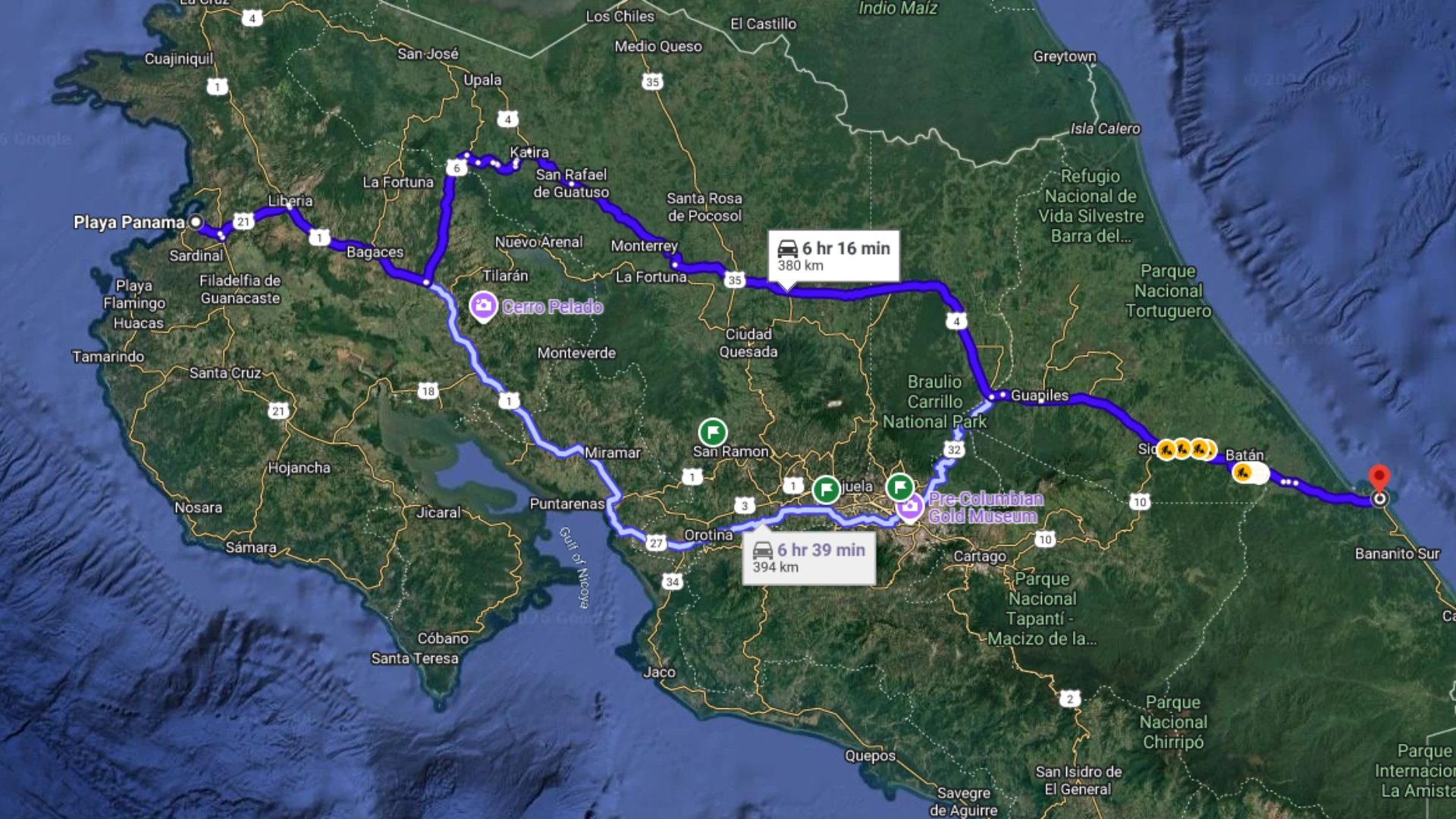
    Highway 4 runs north of San José and eliminates the capital’s traffic completely. From Liberia or Guanacaste beaches, drive east to connect with Highway 4. The highway passes through Upala region with mountain scenery and small towns. You’ll never touch San José traffic or deal with city navigation.

    Puerto Viejo de Sarapiquí marks where Highway 4 meets Highway 32. This intersection connects the northern route with the main highway to Limón. Highway 32 is a divided two-lane highway in excellent condition. The road stays flat through agricultural areas until reaching the Caribbean coast.

    drive from liberia airport to limon in costa rica

    Here is the route we took from Playa Panama to Limon in Costa Rica. This route avoids the often high amounts of traffic in San Jose.

    Total Drive Time and Distances

    Playa Panama to La Fortuna takes 2-3 hours depending on stops. The drive covers about 150 km on Highway 4 with good pavement throughout. Bijagua de Upala is halfway and makes a good coffee stop near Río Celeste.

    La Fortuna to Limón takes 4-5 hours covering approximately 200 km. Puerto Viejo de Sarapiquí is 1 hour 15 minutes from La Fortuna. Guápiles is another hour past that with gas stations and supermarkets. The final hour from Guápiles reaches Limón on the coast. Total trip time is 6-8 hours of driving depending on stops and traffic in towns.

    Liberia to La Fortuna (First Leg)

    The first leg from Guanacaste beaches to La Fortuna takes 2-3 hours on Highway 4. This well-paved route passes through mountain scenery with minimal traffic. Plan to leave in the morning to arrive in La Fortuna with time to explore.

    Starting from Guanacaste Beaches

    Playa Panama is 15-20 minutes from Liberia International Airport in good traffic. Other popular Guanacaste beaches like Playa Hermosa, Playas del Coco, and Tamarindo range from 30-90 minutes from the airport. All connect to Highway 4 via well-maintained roads through Liberia.

    From any Guanacaste beach, drive to Liberia head south on Highway 1. You’ll then turn towards the east into the mountains. Traffic stays light once you leave the Liberia area. The scenic route provides mountain views and passes through small agricultural towns.

    Top Destination: La Fortuna is one of my favorite destinations in Costa Rica. Check out our blog post for more information.

    Highway 1 & 4 Conditions

    Highway 4 maintains excellent pavement throughout the entire route to La Fortuna. The two-lane highway has good sight lines and minimal curves. This highway has scenic views of the mountains around, and you might catch a view of the Arenal Volcano as you get close to La Fortuna.

    Expect occasional construction zones but nothing that significantly slows travel. The road climbs through mountains with scenic views of valleys and farmland. Small towns are every 20-30 minutes with sodas and gas stations. Any rental car handles this route easily without needing 4×4.

    Bijagua Stop and Río Celeste Access

    Bijagua de Upala is about 2 hours from Playa Panama and is about the halfway point to La Fortuna. This small town has a Mega Super grocery store, Super Económico, sodas, and coffee shops. Coffee costs around $1.50 at local cafes. The town makes a perfect stretch break.

    Río Celeste National Park entrance is 5 minutes north of Bijagua. The famous blue river and waterfall are Costa Rica’s most photogenic natural attraction. If you drive 5 minutes past the park entrance, you’ll find a free swimming spot in the blue river. A new restaurant plaza opened near this swimming area for post-hike refreshments.

    La Fortuna Overnight Stop

    I like stopping in La Fortuna for my cross Costa Rica trips. The town has everything you need within walking distance – hotels, restaurants, tour operators, and supermarkets. Arrive by early afternoon and you’ll have time to walk around before heading to the Caribbean the next morning.

    Where to Stay

    Airbnb units just outside downtown cost around $40 per night. These typically include secure parking, kitchenettes, and hot water. I booked mine the night I arrived and had no trouble finding availability. High season fills up faster so book ahead if traveling December through April.

    Hostels with private rooms work if you want to stay downtown. La Fortuna has several within 5 minutes of the central park. Maxi Palí supermarket is on the main road for stocking up on water and snacks before tomorrow’s drive. Gas stations are plentiful if you need to fuel up.

    Downtown at Night

    The central park gets decorated with Christmas lights during December. Security guards patrol the area so families walk around safely. I visited on a Tuesday night around 10 PM and restaurants were still busy with outdoor seating.

    Restaurants line the streets around the park – steakhouses, pizza places, sushi spots, and local sodas. A two-story gym operates above Kris Market if you need a workout. Everything stays walkable. The church dominates the central square with well kept grounds. You can see Arenal Volcano straight down the main street on clear days, though clouds often cover the peak.

    La Fortuna to Limón (Second Leg)

    The second day covers 4-5 hours from La Fortuna to the Caribbean coast. I left around 8 AM and reached Limón by early afternoon. Highway 4 continues east with smooth pavement before connecting to Highway 32. The landscape transitions from mountains to flat agricultural areas as you approach the coast.

    Highway 32 Conditions

    Highway 32 is a divided two-lane highway in both directions. The road quality here beats most Costa Rican highways – smooth surfaces with hardly any potholes to dodge. I passed maybe 10 cars the entire stretch. Construction zones appear occasionally but didn’t slow me down much.

    Puerto Viejo de Sarapiquí is 1 hour 15 minutes from La Fortuna where Highway 4 meets Highway 32. This bigger town has gas stations and fast food for quick stops. The landscape flattens completely after this junction. You’re entering agricultural lowlands with endless pineapple plantations on both sides.

    Guápiles Pit Stop

    Guápiles is about 2 hours from La Fortuna and was the perfect pit stop. I pulled into the Mega Super right off the highway some cold drinks. McDonald’s, KFC, and Taco Bell are near the highway overpass if you want familiar food. 

    The town extends beyond the highway but I just stuck to the commercial zone. Gas stations are plentiful here – fill up if you’re running low. From Guápiles, it’s about a 1 hour drive to Limón. The road stays flat and straight through argicultural areas. The air gets noticeably more humid as you descend toward the Caribbean coast.

    Arriving in Limón

    Limón is Costa Rica’s main Caribbean port city with a different vibe than Pacific beach towns. The town has a large central park, waterfront area, and cruise ship port. I drove about 10 minutes through town to reach the beach area where I set up for exploring.

    What to Expect

    Limón feels more like a working port city than a tourist destination. The central commercial area has shops, restaurants, and a municipal market selling produce and local goods. A large park near the waterfront gets decorated with Christmas lights in December.

    The town has older colonial style buildings mixed with modern commercial development. There’s a small regional airport just outside of town which allows for faster travel from the Capitol. Puerto Viejo beach town is about 1 hour south if you want more tourist infrastructure and beach vibes. Most travelers use Limón as a jumping off point rather than a final destination.

    Road Hazards to Watch

    Watch carefully for ditches and potholes when entering Limón. The roads deteriorate compared to Highway 32’s excellent condition. I hit a ditch on the side of the road and damaged my car’s undercarriage. These ditches often have asphalt covering them making them hard to spot.

    Park carefully and look for attended parking lots charging around $3 per hour. The beachfront road can be confusing – it looks one-way but operates as two-way traffic. Take it slow, watch for oncoming cars, and don’t rush through the beach area. The Caribbean coast rewards careful driving.

    If these blog posts and videos help plan your Costa Rica vacation, please support our channel.

    Follow Us

    Keep up with our latest Costa Rica travel videos and guides by subscribing to our YouTube channel. We regularly post new content showing real conditions across different regions and seasons.

    Planning a trip to Costa Rica? Contact us — we help with itineraries, logistics, and finding the spots most tourists miss.

    Frequently Asked Questions

    How long does it take to drive from Guanacaste to the Caribbean coast?

    The drive takes 6-8 hours total depending on stops. Most travelers split this into two days with an overnight stop in La Fortuna. Day one is 2-3 hours from Guanacaste beaches to La Fortuna. Day two is 4-5 hours from La Fortuna to Limón.

    Can you avoid San José traffic driving to the Caribbean?

    Yes, Highway 4 runs north of San José and completely avoids the capital’s traffic. From Liberia or Guanacaste beaches, take Highway 4 east through the mountains. This route connects to Highway 32 near Puerto Viejo de Sarapiquí without touching San José at all.

    Do you need 4×4 for this route?

    No, any rental car works for this route. Highway 4 and Highway 32 are fully paved and well-maintained. However, watch carefully for ditches and potholes when entering Limón. The roads deteriorate near town compared to the highways.

    Where should you stop for gas on this route?

    Gas stations appear in Bijagua de Upala, La Fortuna, Puerto Viejo de Sarapiquí, and Guápiles. Guápiles is the best stop with multiple stations right off Highway 32. Fill up in Guápiles if you’re low – it’s the last major town before Limón.

    Is La Fortuna worth stopping overnight?

    Yes, La Fortuna makes the perfect overnight stop. The town has hotels starting around $40 per night, restaurants, and hot springs. Splitting the drive into two days eliminates the exhaustion of 7 hours straight. You can explore downtown at night and leave refreshed the next morning.

    Can you visit Río Celeste on this route?

    Yes, Río Celeste is just 5 minutes north of Bijagua de Upala on Highway 4. The national park entrance has the famous blue waterfall. Drive 5 minutes past the park entrance to find a free swimming spot in the blue river. This adds minimal time to your drive.

    What are the road conditions on Highway 32?

    Highway 32 is a divided two-lane highway in excellent condition with smooth pavement and minimal potholes. The road quality beats most Costa Rican highways. Traffic stays very light except near major towns. Construction zones appear occasionally but don’t significantly slow travel.

    Is Limón a good final destination or should you continue to Puerto Viejo?

    Most travelers use Limón as a jumping-off point rather than final destination. Puerto Viejo beach town is 1 hour south with more tourist infrastructure and beach vibes. Limón works better as a lunch stop or quick exploration of the working port city before continuing south to beach towns.

  • Playa Hermosa Guanacaste: Complete Beach Guide for 2026

    Playa Hermosa Guanacaste: Complete Beach Guide for 2026

    Playa Hermosa ranks as one of the best beaches near Liberia Airport in Costa Rica. Located just 30-45 minutes from the airport, this protected bay delivers calm swimming conditions, clean sand, and clear water. The beach stretches wide with plenty of space even during high season.

    Families choose Playa Hermosa for safe swimming and easy accessibility. The protected bay creates gentle waves perfect for children and casual swimmers. Local crews maintain the beach regularly, keeping sand clean and facilities well-maintained. Multiple restaurants line the beachfront with direct sand access.

    This guide covers why Playa Hermosa stands out among Guanacaste beaches, where to stay, and what activities to expect. You’ll learn about nearby beaches worth exploring and practical details for planning your visit.

    Beach Tip: Bring a pair of quality water shoes when you vacation in Playa Hermosa. You’ll be able to walk to the beach from your hotel and explore the tide pools – without leaving your shoes on the beach when you swim. 

    Table Of Contents

    Estimated Reading Time: 15 Minutes

    Why Playa Hermosa Is My Favorite Costa Rica Beach

    Playa Hermosa combines three essential elements: excellent beach conditions, convenient location, and authentic Costa Rican atmosphere. After visiting dozens of beaches throughout the country, this bay consistently delivers the best overall experience for vacation travelers.

    Perfect Beach Conditions

    The protected bay creates calm water ideal for swimming and snorkeling. Waves break gently near shore without the strong currents found at exposed Pacific beaches. Water clarity improves as you move away from shore, revealing sandy bottom and marine life. The beach sand stays clean and well-maintained with local crews cleaning regularly and emptying garbage bins frequently.

    Rock formations at the north end is an excellent snorkeling spot. Fish congregate around these rocks along with occasional puffer fish cruising the sandy bottom. Tide pools form at low tide where kids can explore safely. The beach works for all activity levels from relaxing to active water sports.

    Close to Liberia Airport

    Liberia International Airport is only 30-45 minutes away on well-paved roads. This proximity makes Playa Hermosa one of the closest quality beaches to the airport. You can land, get your rental car, and reach the beach before lunch. The short drive eliminates the exhaustion of 3-4 hour transfers to southern beaches.

    Multiple beach towns surround Playa Hermosa within minutes. Playas del Coco is 5 minutes away with more restaurants and nightlife. The Papagayo Peninsula luxury resorts sit 10 minutes north. You can explore different beaches daily without long drives.

    liberia airport to playa hermosa costa rica

    The Liberia Airport is close to Playa Hermosa. On the way, you’ll pass many restaurants, rental car agencies & hotels.

    Family-Friendly Atmosphere

    The calm bay conditions make Playa Hermosa ideal for families with children. Kids can swim safely without parents worrying about strong currents. The gradual depth change lets children wade comfortably near shore. Multiple accommodation options cater to families at different budgets with beachfront hotels providing direct sand access.

    Jet ski rentals operate from the beach for older kids and adults. Boat tours depart for snorkeling trips and coastal exploration. The beach has enough activities to keep everyone entertained without feeling overcrowded or touristy. Leave me a comment if you’d like a great option for fishing tours out of Hermosa.

    Where to Stay in Playa Hermosa

    Playa Hermosa offers accommodations from budget beachfront hotels to hillside developments with ocean views. Most properties are within walking distance of the beach or provide easy access via short drives.

    Hermosa Heights Development

    Hermosa Heights is on the hillside overlooking Playa Hermosa with units ranging from studios to three-bedroom condos. The development has a pool with waterslides, jacuzzi, and full mini golf course. Units include kitchenettes, air conditioning, and washers. A small commercial area at the entrance has a mini market, wine bar, spa, and seafood shop.

    The hillside location provides ocean views from upper units. Security gate controls access with 24/7 staff. A basketball court doubles as a soccer field for morning workouts or family games. Walk to the beach takes 5-10 minutes down the hill. The development attracts families and groups wanting amenities beyond basic hotel rooms.

    Beachfront Hotels

    El Velero Hotel is directly on the beach with rooms steps from the sand. Roberto’s Hotel provides beachfront location with restaurant, WiFi, and pool access. These properties offer the most convenient beach access without needing to drive or walk far.

    Beachfront hotels typically cost more than hillside properties but eliminate transportation concerns. You can return to your room throughout the day for breaks. Most have on-site restaurants serving breakfast and dinner. Book early for high season as these limited beachfront spots fill quickly.

    Nearby Luxury Options

    The new Waldorf Astoria development opened on Playa Penca just minutes from Playa Hermosa. This luxury property is on the point between beaches with upscale accommodations and resort amenities. The development brought paved road access improving the entire area’s infrastructure.

    Playa Penca itself is an excellent beach with even calmer conditions than Hermosa. The adjacent beaches on Punta Cacique have fantastic snorkeling. Staying near the Waldorf area provides access to multiple pristine beaches while remaining close to Hermosa’s restaurants and services.

    Things to Do at Playa Hermosa

    Playa Hermosa balances relaxation with enough activities to keep everyone entertained. The calm bay conditions and nearby beaches provide options beyond simply lounging on sand.

    Beach Activities and Water Sports

    Swimming in the protected bay works for all skill levels. The calm water and gradual depth make it safe for children and casual swimmers. Adults can swim further out where water clarity improves and depths increase.

    Jet ski rentals operate from the beach during high season. Boat tours depart for snorkeling trips, fishing charters, and coastal exploration. The wide beach provides space for beach volleyball, soccer, or simply walking along the shoreline at sunset.

    Snorkeling Spots

    Rock formations at the north end of Playa Hermosa create the best snorkeling spots. Fish congregate around these rocks including colorful tropical species and occasional puffer fish. Bring your own gear or rent from beach vendors during busy periods.

    The north end of the beach also has a seperate but connected beach tucked away. You’ll have to do a quick jump into the water to access it. You can also snorkel your way around the tide pools, or kayak over to it.

    Nearby Beaches to Explore

    Playa Penca and Playa Calzón de Pobre are just minutes away around the point. Playa Calzón de Pobre translates to “Poor Man’s Underpants” making it possibly the best named beach in Costa Rica. Both beaches have even calmer conditions and excellent snorkeling with crystal clear water.

    Playa Panama is 10 minutes north with a pirate ship restaurant anchored in the bay. Playa Buena is between Hermosa and Panama with quieter atmosphere. Playas del Coco is 5 minutes away with more restaurants, nightlife, and tour operators. You can visit a different beach each day without long drives.

    Restaurants and Amenities

    Playa Hermosa has beachfront restaurants and essential services within the town area. Most dining stays casual with open-air seating and direct beach views.

    Beachfront Dining

    Aqua Sport restaurant operates right on the beach with tables in the sand. La Casita del Mariscos specializes in fresh seafood with ocean views. Roberto’s Hotel restaurant serves breakfast and dinner to hotel guests and walk-ins. These beachfront spots let you eat with your feet in the sand or watch the water from shaded tables.

    El Velero Hotel has a restaurant open to the public. Several small sodas and cafes line the main road serving traditional Costa Rican meals at local prices. Most restaurants welcome beach attire and provide casual family friendly atmospheres.

    Essential Services

    A small supermarket operates near the beach entrance for basic groceries and supplies. The Hermosa Heights commercial area has a mini market, wine bar, Pure Spa, and Panamá Seafood shop. A Banco Nacional ATM is available for cash withdrawals.

    Luperon supermarket is up the main road for larger grocery runs. The main road through Hermosa connects to Playas del Coco where you’ll find more supermarkets, pharmacies, and services. Liberia has major shopping and medical facilities 45 minutes away.

    More To Explore: Visit our list of top beaches in Costa Rica. A few beaches around Playa Hermosa are included in the list.

    If these blog posts and videos help plan your Costa Rica vacation, please support our channel.

    Follow Us

    Keep up with our latest Costa Rica travel videos and guides by subscribing to our YouTube channel. We regularly post new content showing real conditions across different regions and seasons.

    Planning a trip to Costa Rica? Contact us — we help with itineraries, logistics, and finding the spots most tourists miss.

    Frequently Asked Questions

    How far is Playa Hermosa from Liberia Airport?

    Playa Hermosa is 30-45 minutes from Liberia International Airport on well-paved roads. The entire route is easy to navigate making it one of the closest quality beaches to the airport. Any rental car handles the drive without needing 4×4.

    Is Playa Hermosa good for families with kids?

    Yes, Playa Hermosa is excellent for families. The protected bay creates calm water safe for children to swim. Tide pools at low tide let kids explore marine life. The gradual depth and gentle waves make it one of the safest beaches in Guanacaste for young swimmers.

    Can you snorkel at Playa Hermosa?

    Yes, snorkeling is good at both ends of Playa Hermosa around the rock formations. Fish congregate near these rocks including tropical species and puffer fish. For even better snorkeling, visit nearby Playa Penca and Playa Calzón de Pobre which have crystal clear water and excellent visibility.

    What other beaches are near Playa Hermosa?

    Playas del Coco is 5 minutes away with more restaurants and nightlife. Playa Penca and Playa Calzón de Pobre are minutes around the point with calmer water. Playa Panama and Playa Buena are 10 minutes north. You can easily visit multiple beaches in one day without long drives.

    Are there restaurants on Playa Hermosa beach?

    Yes, several beachfront restaurants operate directly on the sand including Aqua Sport and La Casita del Mariscos. Roberto’s Hotel and El Velero Hotel have restaurants open to the public. Most offer casual dining with ocean views and welcome beach attire.

    When is the best time to visit Playa Hermosa?

    December through April is dry season with consistent sunshine and minimal rain. This high season brings more crowds and higher prices. May through November is rainy season with afternoon showers but fewer tourists and better rates. The protected bay keeps water calm year-round.

    Do you need 4×4 to get to Playa Hermosa?

    No, you do not need 4×4 for Playa Hermosa. The entire route from Liberia Airport is paved and well-maintained. Any regular rental car handles the drive easily. Recent road improvements also paved access to nearby Playa Penca making the entire area accessible with standard vehicles.

    Is Playa Hermosa crowded?

    Playa Hermosa gets busier during high season and weekends but never reaches the crowd levels of Tamarindo or Manuel Antonio. The wide beach provides plenty of space even during busy periods. For the quietest experience, visit on weekdays during rainy season or explore nearby Playa Penca.

  • Best Spring Break Destinations in Costa Rica: Complete 2026 Guide

    Best Spring Break Destinations in Costa Rica: Complete 2026 Guide

    Spring break in Costa Rica delivers exactly what you need after months of winter – sunshine, warm beaches, and adventure activities. March and April fall at the end of Costa Rica’s dry season, meaning minimal rain and consistent blue skies. The country offers options for every spring break style, from party beach towns to family adventure destinations.

    Costa Rica attracts two distinct spring break crowds. College students flock to beach towns with active nightlife and surf culture. Families choose destinations that balance adventure activities with relaxation, taking advantage of school breaks to explore the volcanoes, rainforests, and wildlife.

    This guide covers what you need to know about spring break timing and crowds, then breaks down the best destinations by traveler type. Whether you want beachfront parties or family-friendly volcano hikes, you’ll find the right Costa Rica destination for your spring break plans.

    Travel Tip: You don’t need to buy a SIM card when you land in Costa Rica to get data connection. With an eSIM, you’ll be able to configure your data connection before you depart for your vacation. I use the Saily eSIM in Costa Rica.

    Table Of Contents

    Estimated Reading Time: 10 Minutes

    1. Spring Break in Costa Rica: What to Know

    Spring break timing in Costa Rica coincides with peak tourism season. Understanding when crowds hit and how to prepare makes the difference between a smooth trip and logistical headaches.

    Weather and Timing

    March and April mark the end of Costa Rica’s dry season. These months deliver the year’s best weather – sunny days, warm temperatures, and minimal rainfall. Pacific coast beaches stay dry and hot. Mountain regions like La Fortuna have clear volcano views without afternoon clouds.

    North American spring break typically runs mid-March through mid-April. Costa Rican Holy Week (Semana Santa) falls in early to mid-April, usually around Easter. This week creates the year’s busiest domestic travel period as Costa Ricans head to beaches for vacation.

    Temperature varies by elevation. Beach towns like Tamarindo and Jacó hit 85-95°F during the day. Mountain destinations like La Fortuna stay cooler at 75-85°F. Pack accordingly based on your itinerary.

    jaco drone photo

    Drone view of Jaco, Costa Rica. Dry season will have water that’s more clear, but will come with the heat.

    Crowds and Holy Week

    Holy Week transforms Costa Rica’s beaches. Local families pack coastal towns from Thursday before Easter through Easter Monday. Hotels fill completely, beaches get crowded, and prices spike. Bars and alcohol sales stop on Holy Thursday and Good Friday due to Dry Law.

    If you want to avoid the biggest crowds, visit in March before Holy Week begins. Early to mid-March captures excellent weather with moderate tourist numbers. Late March into early April brings both international spring breakers and locals preparing for Holy Week.

    College student spring breakers concentrate in Tamarindo and Jacó. However, they travel in smaller groups than Mexico or Florida destinations. You won’t see massive fraternity takeovers. Families can avoid party scenes by choosing different destinations or staying outside main nightlife areas.

    Travel Tip: When I’m traveling in popular areas I use my lockable sling backpack. This way, I know none of my valuables will wander away!

    Booking and Budget Tips

    Book flights and hotels months in advance for spring break travel. The best properties sell out early, and last-minute options cost significantly more. Aim to book by December or January for March-April travel.

    Budget $150-250 per day per person for mid-range spring break travel. This covers accommodation, food, tours, and ground transportation but not international flights. Party-focused trips in beach towns run cheaper. Family adventure itineraries with multiple tours cost more.

    Private shuttles between destinations book up quickly during spring break. Reserve transfers when you book hotels. Rental cars provide flexibility but require advance reservations during peak season. Consider travel insurance – spring break is non-refundable at most properties.

    Check Expedia for your hotels, rental cars and activities during spring break in Costa Rica.

    2. Best Spring Break Destinations for College Students

    Costa Rica offers two main party destinations for college spring breakers. Both deliver consistent surf, beachfront nightlife, and social atmospheres without the massive crowds of Mexico or Florida spring break hotspots.

    Tamarindo – Top Party Beach Town

    Tamarindo ranks as Costa Rica’s #1 spring break destination for college students. The town combines excellent beginner surf with active nightlife concentrated along one main beachfront strip. Everything stays walkable – surf by day, party by night, repeat.

    The beach stretches wide with gentle waves perfect for learning to surf or boogie boarding. Dozens of surf schools rent boards and offer lessons. At low tide, the beach expands dramatically with tide pools to explore between surf sessions. Water temperature stays warm year-round.

    Nightlife centers on the main beach road packed with bars, restaurants, and clubs. Venues stay open late with music spilling onto the streets. The scene feels energetic but manageable – you can party hard or dial it back depending on your group’s energy. Most establishments have outdoor seating where you can watch the action.

    Accommodations range from budget hostels perfect for meeting other travelers to mid-range hotels with pools. Book early for spring break as the town fills completely. The compact layout means even budget stays put you within walking distance of beaches and nightlife.

    Tamarindo is 90 minutes from Liberia International Airport on well-paved roads. Shuttles run regularly, though private transfers offer more flexibility. Once in town, you can walk everywhere or rent bikes and golf carts.

    Jacó – Non-Stop Nightlife Scene

    Jacó delivers Costa Rica’s most intense party atmosphere. The beach town sits just 90 minutes from San José airport, making it the easiest Pacific beach to reach. The main strip runs parallel to the beach with casinos, clubs, bars, and restaurants operating late into the night.

    The nightlife scene here surpasses Tamarindo in intensity. Multiple clubs pump music until early morning. Casinos stay open 24/7. The party atmosphere dominates the town’s identity more than anywhere else in Costa Rica. If you want non-stop action, Jacó delivers.

    The beach has dark volcanic sand with consistent surf breaks. Waves favor experienced surfers more than beginners, though surf schools still operate for those learning. The water stays murky compared to northern beaches, but the surf crowd doesn’t mind. Strong currents require caution when swimming.

    Beyond partying, Jacó has the infrastructure spring breakers need – multiple supermarkets, gyms, ATMs, and restaurants ranging from budget to upscale. The town feels more developed and less authentic than Tamarindo but offers convenience.

    Budget accommodations concentrate near the town center within walking distance of nightlife. Mid-range hotels sit slightly removed from the loudest areas. Book months ahead as Jacó fills during spring break, especially during Holy Week.

    For more information about Jaco, check out our blog post here.

    3. Best Spring Break Destinations for Families

    Family spring break in Costa Rica works best when you balance adventure with downtime. These two destinations deliver guaranteed experiences kids remember while giving parents the relaxation they need.

    La Fortuna – Adventure for All Ages

    La Fortuna ranks as Costa Rica’s top family destination for spring break. The town combines active adventures with natural hot springs below Arenal Volcano’s dramatic cone. Kids burn energy on morning activities, then everyone soaks in volcanic pools by evening. Hot springs are the main family draw – Tabacón has landscaped pools, Baldi adds waterslides, Eco Termales offers quiet experiences. Budget options like Titoku provide authentic soaks. Most springs allow all ages and stay open until 10 PM.

    La Fortuna Waterfall requires descending 500 steep steps to reach the swimming hole. Kids jump from rocks into clear water. Hanging bridges let families walk through rainforest canopy spotting sloths, toucans, and howler monkeys with guides. Chocolate and coffee farm tours engage kids through hands-on experiences. They pick cacao pods and grind beans. These activities work for ages 5 and up and fill 2-3 hours.La Fortuna is 3 hours from San José airport and 2.5 hours from Liberia airport. The town has compact downtown with restaurants and supermarkets within walking distance. Accommodations range from budget hotels to luxury resorts with their own hot springs. Plan 3-4 days here during spring break.

    Heading to La Fortuna from San Jose? Visit our blog post for this trip and some stops along the way.

    Manuel Antonio – Beach and Wildlife

    Manuel Antonio delivers what families want most during spring break – guaranteed animal sightings combined with beautiful beaches. The compact national park makes spotting monkeys, sloths, and iguanas easy for young children. White-faced capuchins, howler monkeys, and squirrel monkeys all live here. Guides with spotting scopes help kids see sloths sleeping in trees. Iguanas sun on paths. The park has four beaches including Playa Espadilla Sur with calm water and Playa Manuel Antonio in a protected cove.

    Arrive at the park entrance by 7-8 AM during spring break to beat crowds. The park limits daily visitors, so early arrival guarantees entry. Animals stay more active in morning coolness. Short trails connect beaches through rainforest with the main loop taking about 2 hours at kid pace. Outside the park, tour operators offer catamaran cruises, snorkeling trips, and mangrove kayaking for families wanting variety.

    Manuel Antonio is 3.5 hours from San José airport on Highway 34. The small town has a main road lined with restaurants and tour operators. Hotels are on hillsides overlooking the Pacific. Many run shuttles to the park entrance. Plan 3-4 days here for spring break. The park closes Mondays for maintenance.

    If these blog posts and videos help plan your Costa Rica vacation, please support our channel.

    Follow Us

    Keep up with our latest Costa Rica travel videos and guides by subscribing to our YouTube channel. We regularly post new content showing real conditions across different regions and seasons.

    Planning a trip to Costa Rica? Contact us — we help with itineraries, logistics, and finding the spots most tourists miss.

    Frequently Asked Questions

    When is the best time to visit Costa Rica for spring break?

    Early to mid-March offers the best balance of excellent weather and moderate crowds. Late March into April brings both international spring breakers and Costa Ricans preparing for Holy Week. If you can avoid the week of Easter (Semana Santa), you’ll find better availability and slightly lower prices while still enjoying dry season weather.

    How much does a Costa Rica spring break trip cost?

    Budget $150-250 per day per person for mid-range spring break travel including accommodation, food, tours, and ground transportation. Party-focused college trips in beach towns run on the lower end. Family adventure itineraries with multiple tours cost more. International flights, rental cars, and travel insurance are additional expenses. Book early for the best rates.

    Is Costa Rica safe for spring break?

    Yes, Costa Rica is one of Latin America’s safest countries for spring break travelers. Tourist areas have good infrastructure and English-speaking staff. Standard precautions apply – watch your belongings in crowded areas, don’t leave valuables on beaches, and avoid walking alone late at night. Ocean safety matters more than crime – respect strong currents and rip tides.

    What is Holy Week in Costa Rica?

    Holy Week (Semana Santa) is the week before Easter when Costa Ricans take vacation and head to beaches. This creates the year’s busiest domestic travel period. Hotels fill completely, beaches get crowded, and prices spike. Bars and alcohol sales stop on Holy Thursday and Good Friday due to Dry Law. Plan around these dates if you want to avoid the biggest crowds.

    Do I need a rental car for Costa Rica spring break?

    It depends on your itinerary. Single-destination beach trips don’t require rental cars – you can walk or taxi around town. Multi-destination trips benefit from rental cars for flexibility. Private shuttles work well between major destinations like La Fortuna and Manuel Antonio. Book any ground transportation months in advance during spring break as everything fills up.

    Which airport should I fly into for Costa Rica spring break?

    Fly into Liberia (LIR) for Guanacaste beach destinations like Tamarindo. Liberia is 90 minutes from Tamarindo and 30 minutes from other northern beaches. Fly into San José (SJO) for Jacó (90 minutes), Manuel Antonio (3.5 hours), or La Fortuna (3 hours). San José has more international flight options but requires longer drives to beaches.

    Can families avoid the party scene during spring break?

    Yes, easily. Party scenes concentrate in Tamarindo and Jacó town centers. Families can choose La Fortuna and Manuel Antonio which focus on nature activities rather than nightlife. Even in party towns, staying outside the main nightlife strips or choosing family-focused resorts keeps you away from late-night noise and crowds.

    How far in advance should I book Costa Rica spring break?

    Book flights and hotels by December or January for March-April spring break travel. The best properties sell out months in advance during peak season. Last-minute bookings cost significantly more and offer limited options. Tours and private transfers also fill up early, so reserve everything when you book accommodations.

  • Best Places to Visit in Costa Rica with Kids: 2026 Guide

    Best Places to Visit in Costa Rica with Kids: 2026 Guide

    Costa Rica ranks among the world’s top family destinations for good reason. The country packs incredible diversity into a small area – active volcanoes, pristine beaches, abundant wildlife, and adventure activities suitable for all ages. Families can spot monkeys and sloths in the morning, then relax in natural hot springs by afternoon.

    Choosing the right destinations transforms your family trip from stressful to unforgettable. Costa Rica works well for families because it’s safe, English is widely spoken, and distances between destinations stay manageable. Most families split their time between two or three locations to balance adventure with relaxation.

    This guide covers four family-friendly destinations that offer different experiences. From San José’s interactive museums to La Fortuna’s volcano adventures, Manuel Antonio’s wildlife beaches, and Tamarindo’s surf lessons, you’ll find the right combination for your family’s interests and ages.

    Table Of Contents

    Estimated Reading Time: 10 Minutes

    saily esim costa rica bannersaily-banners-affordable-esim-1200×628html

    1. San José – Best for Culture & Kid-Friendly Museums

    Most families skip San José and head straight to beaches or volcanoes. This mistake costs you easy cultural experiences and kid-friendly attractions that break up travel days. The capital offers interactive museums, parks, and authentic Costa Rican culture without tourist crowds.

    San José works perfectly as a one or two-day stop at the start or end of your trip. The airport is just 20 minutes away in Alajuela, making logistics simple. Kids adjust to the time zone while exploring museums designed specifically for children. The city also serves as a launching point for day trips to coffee farms and nearby volcanoes.

    Why Visit San José with Kids

    The Children’s Museum (Museo de los Niños) occupies a converted prison with hands-on science exhibits, planetarium shows, and interactive displays. Kids can touch everything, climb through exhibits, and learn about Costa Rican culture through play. The museum stays busy with local families on weekends, creating an authentic cultural experience.

    Oxígeno Human Playground takes the shopping mall concept and adds adventure. This isn’t your typical mall – it has rock climbing walls, trampolines, obstacle courses, and interactive play areas alongside shops and restaurants. Tired parents can grab coffee while kids burn energy in a safe, supervised environment.

    The National Museum has historic buildings with butterfly gardens and pre-Columbian gold exhibits. The outdoor spaces let kids run around between exhibits. Day trips from San José reach Poás Volcano in 90 minutes, coffee plantations in 30 minutes, and La Paz Waterfall Gardens in an hour.

    Best For

    San José works best for families who want cultural experiences, have museum-loving kids, or need to break up long travel days. It’s perfect for the first or last night of your trip. Families with very young children appreciate having easy city logistics before heading to more remote areas.

    Skip San José if you’re on a short trip and want to maximize beach or nature time. The city doesn’t compete with Costa Rica’s natural attractions, but it serves an important role in well-rounded family itineraries.

    backpack banner

    2. La Fortuna – Best for Adventure Families

    La Fortuna ranks as the #1 family destination in Costa Rica for good reason. The town balances adventure activities with natural relaxation better than anywhere else in the country. Kids can zipline through rainforest canopy in the morning and soak in volcanic hot springs by evening, all with Arenal Volcano dominating the skyline.

    Every age group finds activities here. Young children love easy nature walks and wildlife spotting. Older kids thrive on ziplining, waterfall rappelling, and challenging hikes. Parents appreciate that everything stays within 30 minutes of town, eliminating long drives with restless kids.

    Getting There and What to Expect

    La Fortuna is 3 hours from San José airport and 2.5 hours from Liberia airport. The drive from San José follows good highways through mountain scenery. Most families rent a car for flexibility, though shuttles and private transfers work well too.

    The town has a compact downtown with restaurants, tour operators, and supermarkets within walking distance. Accommodations range from budget hotels to luxury resorts with their own hot springs. You’ll find both authentic local sodas and tourist-friendly restaurants serving familiar foods.

    Arenal Volcano stopped erupting in 2010 but remains the region’s centerpiece. The perfect cone shape creates dramatic photo opportunities. Most activities include volcano views as a bonus.

    Top Family Activities

    Hot springs are the main draw. Tabacón has landscaped pools and gardens but costs more. Baldi Hot Springs offers waterslides alongside natural pools. Eco Termales limits capacity for a quieter experience. Even budget options like Titoku provide authentic hot spring experiences without resort pricing.

    La Fortuna Waterfall requires descending 500 steep steps, but the swimming hole at the bottom rewards the effort. Kids love jumping from rocks into the clear water. The hike back up challenges fitness levels but most children over 5 manage it with breaks.

    Hanging bridges let families walk through rainforest canopy without physical challenges. The well-maintained trails work for all ages. Guides spot sloths, toucans, and howler monkeys that kids would miss on their own. Early morning visits increase wildlife sightings.

    Chocolate and coffee farm tours engage kids through hands-on experiences. They pick cacao pods, grind beans, and taste chocolate at different stages. These tours typically run 2-3 hours and work well for children 5 and up.

    el salto rope jump in la fortuna costa rica

    El Salto rope swing is just outside of downtown La Fortuna. There’s a deep swimming hole you can rope swing into. A shallow area above the falls is great for little kids to splash around.

    Best For

    La Fortuna works best for active families with kids 5 and older who want adventure mixed with relaxation. The variety of activities means you can adjust daily plans based on weather and energy levels. Three to four days here provides enough time to experience highlights without rushing.

    Skip La Fortuna if your family prefers beach time over mountains, or if very young children limit your activity options. The area focuses on active experiences rather than passive relaxation.

    water shoes banner

    3. Manuel Antonio – Best for Beach & Wildlife Combo

    Manuel Antonio delivers what families want most – guaranteed wildlife sightings combined with beautiful beaches. The compact national park makes spotting monkeys, sloths, and iguanas easy even for young children. After morning wildlife viewing, you can spend the afternoon on calm beaches just steps away.

    This destination works exceptionally well for families with younger children. The park has short, well-maintained trails that don’t require serious hiking skills. Animals appear close to paths rather than high in distant trees. Kids get excited seeing monkeys jump between branches right above their heads.

    Getting There and What to Expect

    Manuel Antonio is 3.5 hours from San José airport on Highway 34. The drive takes you through mountains and down to the coast. The final stretch into town winds through hills with ocean views. Most accommodations sit on these hillsides overlooking the Pacific.

    The small town has a main road lined with restaurants, tour operators, and shops. Everything stays walkable, though steep hills make the beach-to-town walk challenging in heat. Taxis are cheap and plentiful. Many hotels run shuttles to the national park entrance.

    The national park limits daily visitors to protect the environment. Arriving early (7-8 AM) gets you in before crowds and increases wildlife sightings. Animals stay more active in morning coolness. The park closes Mondays for maintenance.

    National Park and Beach Activities

    Manuel Antonio National Park guarantees monkey sightings – white-faced capuchins, howler monkeys, and squirrel monkeys all live here. Guides with spotting scopes help kids see sloths sleeping in trees. Iguanas sun themselves on paths. Raccoons and coatis wander the beaches looking for food.

    The park has four beaches with different characteristics. Playa Espadilla Sur has calm water perfect for young swimmers. Playa Manuel Antonio sits in a protected cove with gentle waves. The beaches have white sand and clear water compared to Pacific beaches further north.

    Short trails connect the beaches through rainforest. The main loop takes about 2 hours at kid pace with wildlife stops. Families with toddlers can stick to the shortest beach access trails. The park has bathrooms, picnic areas, and rangers who speak English.

    Outside the park, Playa Espadilla stretches north with surf breaks and beach vendors. Tour operators offer catamaran cruises, snorkeling trips, and mangrove kayaking. The compact area means you can try different activities without long drives between them.

    Best For

    Manuel Antonio works perfectly for families with children under 10 who want easy wildlife viewing without challenging hikes. It’s ideal for first-time visitors to Costa Rica who want guaranteed animal sightings. The beach-wildlife combination keeps everyone happy.

    4. Tamarindo – Best for Learning to Surf

    Tamarindo built its reputation as Costa Rica’s top beginner surf destination. The beach has gentle, rolling waves perfect for first-time surfers. Dozens of surf schools operate daily lessons specifically designed for children and families. Kids as young as 5 can catch their first waves here.

    Beyond surfing, Tamarindo delivers the most developed beach town infrastructure in the country. You’ll find everything from budget accommodations to luxury resorts, casual beach shacks to upscale restaurants. This convenience matters when traveling with kids who need familiar comforts.

    Getting There and What to Expect

    Tamarindo is 90 minutes from Liberia International Airport on well-paved roads. The drive passes through dry Guanacaste countryside before reaching the coast. Most families fly into Liberia rather than San José to minimize driving time.

    The town centers on a main beachfront road packed with restaurants, shops, and tour operators. Everything stays walkable, though traffic gets heavy during high season. Golf carts and bicycles are popular transportation options. The beach stretches wide with plenty of space even during busy periods.

    At low tide, the beach expands dramatically. Tide pools form near rocky areas where kids can explore marine life safely. The water temperature stays warm year-round. The estuary at the south end creates calmer conditions ideal for young swimmers.

    Surf Lessons and Beach Activities

    Surf schools line the beach offering 2-hour beginner lessons starting around $50-80 per person. Instructors wear bright vests making them easy to spot. They work in shallow water helping kids stand up on foam boards. Most children catch at least a few waves during their first lesson.

    The middle section of beach has the gentlest waves. More advanced surfers head to the north end or cross the estuary to Playa Grande for bigger breaks. Board rentals cost about $15 for a few hours if you want to practice independently after lessons.

    Beyond surfing, you’ll find snorkeling tours, sportfishing charters, and catamaran sunset cruises. Jet ski rentals operate from the beach. The nearby Marino Las Baulas National Park protects leatherback turtle nesting sites with nighttime turtle tours during season.

    Multiple tour operators offer day trips to other beaches, zip lining, and ATV adventures. The concentrated services mean you can easily book activities the day before rather than planning everything in advance.

    Best For

    Tamarindo works best for families with kids 6 and older who want to learn surfing in the safest environment possible. It’s perfect for families who value convenience, infrastructure, and activity options over authentic local culture. The developed nature means English is widely spoken and services cater to tourists.

    Skip Tamarindo if you want quiet beaches, budget accommodations, or authentic Costa Rican culture. The town feels touristy and overdeveloped. Traffic congestion frustrates drivers during peak season. Prices run higher than less developed beach towns.

    coffee side banner

    If these blog posts and videos help plan your Costa Rica vacation, please support our channel.

    Follow Us

    Keep up with our latest Costa Rica travel videos and guides by subscribing to our YouTube channel. We regularly post new content showing real conditions across different regions and seasons.

    Leave a comment with your Costa Rica travel questions – we’re happy to help plan your perfect time to visit.

    Frequently Asked Questions

    What is the best place in Costa Rica for families with young kids?

    Manuel Antonio works best for families with young children under 8. The national park has short, easy trails with guaranteed monkey and sloth sightings. The beaches have calm water perfect for young swimmers. Everything stays compact, eliminating long drives between activities.

    How many destinations should families visit in Costa Rica?

    Most families visit 2-3 destinations during a week-long trip. A common itinerary combines La Fortuna for 3-4 days with a beach destination like Manuel Antonio or Tamarindo for 3-4 days. This balances adventure with relaxation while keeping travel days manageable with children.

    Is Costa Rica safe for families with children?

    Yes, Costa Rica ranks as one of Latin America’s safest countries and welcomes millions of family travelers annually. English is widely spoken in tourist areas. The country has excellent healthcare, clean water, and well-maintained tourist infrastructure. Standard travel precautions apply as with any international destination.

    What activities can young children do in Costa Rica?

    Young children enjoy wildlife viewing, hot springs, tide pool exploration, chocolate farm tours, and safari float tours. Most ziplining tours accept children 4-5 years old. Beach time, short nature walks, and interactive museums work well for all ages. Children under 12 typically enter national parks free or at reduced rates.

    When is the best time to visit Costa Rica with kids?

    December through April is dry season with minimal rain and consistent sunshine. This high season coincides with school breaks but brings crowds and higher prices. May through November has afternoon rain showers but fewer tourists and better deals. June and July have a mini dry season with good weather and moderate crowds.

    Do we need a rental car for a Costa Rica family vacation?

    A rental car provides maximum flexibility for families visiting multiple destinations. However, shuttles and private transfers work well for simple 2-location itineraries. Once at beach towns or La Fortuna, you can walk or use taxis for most activities. Consider your comfort level driving in unfamiliar conditions and managing car seats.

    How much does a Costa Rica family vacation cost?

    Budget families can manage $150-200 per day for a family of four including mid-range hotels, local restaurants, and select activities. Mid-range travelers typically spend $250-400 per day with better accommodations and more tours. Luxury family vacations run $500+ daily. Flights, rental cars, and national park fees are additional costs.

    Can teenagers enjoy Costa Rica family vacations?

    Yes, Costa Rica works exceptionally well for families with teenagers. Older kids enjoy challenging activities like whitewater rafting, advanced ziplining, surf lessons, and waterfall rappelling. La Fortuna and Tamarindo both have activities that keep teenagers engaged rather than bored.

  • Top 5 Beach Towns in Costa Rica: Complete Guide for 2026

    Top 5 Beach Towns in Costa Rica: Complete Guide for 2026

    Costa Rica’s Pacific coast stretches over 600 miles and contains dozens of beach towns, each with distinct personalities and attractions. Choosing the right beach town makes the difference between a mediocre vacation and an unforgettable experience. The five towns below represent the best options for different types of travelers, from party seekers to nature lovers.

    These rankings reflect popularity, accessibility, and the unique experiences each town offers. All five towns sit on the Pacific side where dry season runs December through April with minimal rain and consistent sunshine. Each town provides different beach conditions, price points, and activity options that appeal to specific travel styles.

    This guide covers what makes each beach town special, how to get there, and who should visit. You’ll understand which town matches your vacation goals and what to expect when you arrive.

    When I hit the beaches in Costa Rica, I always bring a pair of water shoes. These shoes let you walk to the beach, swim and explore the tide pools without needing to leave them on the beach. Check our Amazon Gear Shop for all the stuff I use when traveling.

    Table Of Contents

    Estimated Reading Time: 20 Minutes

    1. Jacó – Best for Nightlife and Easy Access

    Jacó combines convenient access with active nightlife and consistent surf breaks. The town sits just 90 minutes from San José airport on well-paved Highway 34, making it the easiest Pacific beach to reach. This proximity attracts weekend crowds from San José along with international tourists looking for a party atmosphere.

    The beach stretches for miles with dark volcanic sand and strong waves. Water conditions favor experienced swimmers and surfers rather than casual beach loungers. The town’s main appeal comes from its walkable downtown strip packed with restaurants, bars, shops, and services rather than pristine beach conditions.

    Visit our full guide for Jaco to get more information about this super popular destination.

    Getting There and Beach Overview

    The drive from San José airport takes about 90 minutes on Highway 27 through the mountains, then south on Highway 34 along the coast. The entire route is paved and well-maintained. You’ll pass the famous crocodile bridge at Tárcoles where massive crocodiles gather below.

    Jacó’s main beach runs parallel to the central boulevard where most businesses concentrate. The beach is wide with gravel-like dark sand. Waves break consistently, drawing surfers of all skill levels. The southern end offers calmer conditions for beginners, while the northern section has bigger waves.

    Red flags appear frequently due to strong currents and riptides. Swimming requires caution and awareness of conditions. The water stays murky compared to beaches further north, though this doesn’t deter the surf crowd.

    Nightlife and Activities

    Jacó’s nightlife scene operates year-round with multiple bars, clubs, and casinos concentrated along the main strip. The Green Room serves as a popular restaurant and local art collective. Cocal Hotel and surrounding bars stay busy most nights with music and crowds.

    Surfing dominates daytime activities. Multiple surf shops rent boards and offer lessons for beginners. The beach accommodates all skill levels with different break points. Horseback riding tours operate daily along the beach, providing sunset ride options.

    The town has a well-stocked supermarket, multiple gyms, and all essential services within walking distance. You’ll find everything from budget sodas to upscale restaurants. ATMs, pharmacies, and rental car offices cluster in the downtown area.

    %914K%93 Tour Jaco, Costa Rica _ Beach, Surf & Drone Views #travel #costarica 13-22 screenshot

    Drone view of Jaco beach. The water is great for surfing but not so much for swimming.

    Best For

    Jacó works best for travelers who prioritize nightlife, easy airport access, and don’t mind crowded beaches. Young travelers and groups looking to party find Jacó delivers consistent entertainment. Surfers appreciate the reliable breaks and numerous surf shops.

    Skip Jacó if you want quiet beaches, clear water, or a laid-back atmosphere. Families with young children should consider calmer beach towns. The party scene and strong waves make this town better suited for adults and experienced swimmers.

    2. Tamarindo – Most Popular Surf Town

    Tamarindo ranks as Costa Rica’s most developed beach town with the widest range of accommodations, restaurants, and tour operators. The town evolved from a quiet fishing village into a bustling tourist hub that stays busy year-round. You’ll find everything from budget hostels to luxury resorts concentrated along the main beachfront road.

    The beach itself stretches wide with gentle waves perfect for beginner surfing lessons. Multiple surf schools operate daily, making Tamarindo the top destination for first-time surfers. The town’s popularity means crowds, traffic, and higher prices compared to other beach destinations.

    There’s so much to do in Tamarindo, visit our full blog post to see more.

    Getting There and Beach Overview

    Liberia International Airport sits just 90 minutes from Tamarindo via well-paved roads. The drive takes you through Filadelfia and Belén before reaching the coast at Huacas. You’ll turn at Villarreal and continue straight into town, arriving at the iconic Tamarindo sign at the beach.

    The main beach runs along the central strip where most businesses concentrate. At low tide, the beach expands dramatically with tidal pools forming near the rocks. These pools attract families with kids who can safely explore marine life. The estuary at the south end creates calmer conditions ideal for swimming.

    Water temperature stays warm year-round. The beach has both sandy areas and rocky sections depending on tides. Playa Grande sits across the estuary with bigger waves for advanced surfers.

    Surfing and Water Sports

    Tamarindo built its reputation on beginner-friendly surf conditions. The middle section of the beach has gentle, rolling waves perfect for learning. Surf instructors wearing bright vests work with students throughout the day. Board rentals start around $15 for a few hours.

    More advanced surfers head to the north end of the beach or cross to Playa Grande for bigger breaks. The variety of surf spots within minutes makes Tamarindo appealing for mixed-skill groups. You can progress from beginner to intermediate waves without leaving the area.

    Beyond surfing, you’ll find snorkeling tours, sportfishing charters, and catamaran sunset cruises. Jet ski rentals operate from the beach. The Diria Resort has a convention center, casino, and multiple restaurants. Shops sell everything from souvenirs to high-end beachwear along the main strip.

    tamarindo beach what

    The beach at Tamarindo is always lively. Lots of surfing instructors and vendors are set up along the beach. The sandy area is very wide so it’s great for some soccer.

    Best For

    Tamarindo suits travelers who want infrastructure, nightlife options, and easy access to services. Beginner surfers find this town perfect for learning with numerous schools and forgiving waves. Groups appreciate the variety of restaurants, bars, and activity options concentrated in one walkable area.

    Avoid Tamarindo if you seek quiet, authentic Costa Rican culture, or pristine beaches. The town feels touristy and overdeveloped. Traffic congestion on the main road gets frustrating during high season. Prices run higher than less developed beach towns.

    3. Playas del Coco – Best for Diving and Budget Travelers

    Playas del Coco delivers authentic Costa Rican beach town vibes without the tourist markup. Local families visit on weekends while expats and budget travelers appreciate the reasonable prices and laid-back atmosphere. The town maintains its fishing village roots despite growing popularity among tourists.

    The beach has calm waters protected by the bay, making it ideal for swimming and families with children. Rock formations at low tide create natural pools where kids can explore safely. The town’s central location provides easy access to nearby beaches and the Liberia airport.

    El Coco is my favorite beach town in all of Costa Rica. We have a full blog post about the town and beach here.

    Getting There and Beach Overview

    Liberia International Airport is just 30 minutes from Playas del Coco, making it one of the closest beach towns to international flights. The entire drive follows well-paved roads through the countryside. You’ll reach the main intersection in downtown Coco where restaurants, shops, and services cluster.

    The beach curves in a protected bay with calmer conditions than exposed Pacific beaches. Swimming stays safe year-round with minimal strong currents. The northern end near Los Palmas has clearer water and better swimming than the central beach area. A nice walking path runs along the entire beachfront with benches and shade.

    Rock formations extend into the water creating interesting features along the shoreline. The beach has both sandy sections and rocky areas. A pier extends into the bay where fishing boats and tour operators dock.

    Activities and Amenities

    The Gym operates in central Coco for $10 per day with quality equipment including free weights, cardio machines, and functional training areas. Sidewalks make walking between the beach and downtown easy and safe. Multiple supermarkets including Super Compro provide groceries at local prices.

    Diving tours depart daily from the pier. The waters around Coco access excellent dive sites including the Catalina Islands. Nearby beaches like Playa Penca and Ocotal provide excellent snorkeling in clear water just minutes away by car. Sportfishing charters are easy to arrange. Jet ski rentals operate from the beach. Catamaran sunset cruises visit secluded beaches along the coast.

    Los Palmas condos are a 10-minute walk south with units renting for $60-120 per night. The Sunday market near Garden Bar runs from early morning until noon with local vendors selling produce, crafts, and prepared foods. Coconuts bar and Z Lounge provide nightlife options without the overwhelming party scene of Jacó or Tamarindo.

    the gym in playas del coco, costa rica

    The Gym in Playas del Coco is located right in the middle of town. It has everything you’ll need from weights to machines, and some functional training areas.

    Best For

    Playas del Coco works perfectly for budget-conscious travelers who want authentic local culture and calm swimming conditions. Families appreciate the safe beach and reasonable accommodation prices. Divers find easy access to quality dive sites. The town serves as an excellent base for exploring nearby beaches like Ocotal, Hermosa, and Panama.

    Skip Coco if you want luxury resorts, big waves for surfing, or extensive nightlife. The beach isn’t the most scenic in Costa Rica. Water clarity doesn’t match more remote locations, though it’s perfectly fine for swimming.

    4. Uvita – Best for Nature and Whale Watching

    Uvita combines natural beauty with eco-tourism focus in a small beach town that hasn’t succumbed to overdevelopment. The famous whale’s tail sandbar formation at Marino Ballena National Park draws visitors during low tide when you can walk out on the distinctive shape. Humpback whales migrate through these waters twice yearly, making Uvita Costa Rica’s premier whale watching destination.

    The town maintains a quiet, nature-focused atmosphere compared to party towns like Jacó or Tamarindo. You’ll find yoga retreats, organic markets, and eco-lodges rather than casinos and nightclubs. Mountains rise dramatically behind the coast creating a stunning backdrop.

     Uvita is the gateway to the southern Pacific zone of Costa Rica. There’s so many natural wonders in the area and beyond. Visit our blog post about a trip south here.

    Getting There and Beach Overview

    Uvita is located about 3 hours south of San José airport along Highway 34. The drive takes you down the Pacific coast through Jacó and past Manuel Antonio. The main highway runs directly through Uvita, making navigation simple. Look for signs to the Saturday market or the national park entrance.

    The whale’s tail formation at Marino Ballena National Park is visible at low tide. This natural sandbar extends into the ocean forming the distinctive shape that gives the area its name. The national park protects several beaches with jungle backing right up to the sand. Swimming conditions vary by location and tide.

    The town itself spreads along the highway with businesses and accommodations scattered rather than concentrated. The beach requires a short drive or walk from most hotels. Water temperature stays warm year-round with generally calm conditions protected by the bay.

    Whale’s Tail and Saturday Market

    The Saturday market operates from early morning until early afternoon near the main highway. Local vendors sell organic produce, handmade crafts, artisan breads, goat cheese, and prepared foods. You’ll find wooden spoons and cutting boards made from Costa Rican teak, essential oils, crystals, jewelry, and recycled wood furniture. The market atmosphere feels authentically local rather than touristy.

    Marino Ballena National Park charges a small entrance fee to access the whale’s tail and beaches. Check tide charts before visiting to walk out on the sandbar formation at low tide. The park has facilities, rangers, and marked trails through coastal jungle.

    Humpback whales migrate through these waters from July to November and again from December to April. Multiple tour operators run whale watching boats from Uvita. Success rates for sightings run high during peak migration months. Tours also visit secluded beaches and snorkeling spots along the coast.

    uvita farmers market costa rica

    The weekly farmers market held in Uvita is a great place to meet local vendors.

    Best For

    Uvita works perfectly for nature lovers, whale watchers, and travelers seeking a quiet beach town with eco-tourism focus. The Saturday market attracts visitors interested in organic local products and handmade goods. Families enjoy the calm swimming conditions and natural attractions without the party atmosphere of northern beach towns.

    Skip Uvita if you want nightlife, extensive dining options, or a walkable downtown with shops. The town spreads out along the highway requiring a car to get around easily. Services and infrastructure are more limited than in Tamarindo or Jacó.

    5. Santa Teresa – Best for Advanced Surfing and Bohemian Vibes

    Santa Teresa attracts advanced surfers, yoga enthusiasts, and travelers seeking a bohemian beach vibe. The town spreads along a single main road that runs parallel to the coast with consistent world-class surf breaks. Development has increased in recent years, but Santa Teresa maintains a more laid-back atmosphere than Tamarindo or Jacó.

    The waves here challenge intermediate to advanced surfers with powerful breaks and strong currents. Beach conditions favor experienced ocean swimmers over casual waders. The town draws a younger, international crowd including many European and South American visitors who stay for extended periods.

    For a full blog post about Santa Teresa click here.

    Getting There and Beach Overview

    Santa Teresa requires more effort to reach than northern beach towns. From Liberia airport, you can drive south along the coast for several hours. From San José, many travelers take the Puntarenas ferry to Paquera, then drive across the Nicoya Peninsula. The final stretch into Santa Teresa includes winding hills and some rough road sections.

    The main road runs along the coast with the beach accessible at multiple points. Playa Carmen marks the northern end with slightly calmer conditions. The beach stretches for miles with consistent surf breaks along its length. Sand is lighter colored than Jacó with clearer water conditions.

    Low tide exposes extensive beach area perfect for walking and exploring. The water temperature stays warm year-round. Rocky outcrops create varied surf conditions along different sections of beach.

    Surfing and Beach Scene

    Santa Teresa built its reputation on powerful, consistent surf breaks that attract experienced surfers from around the world. The waves require solid swimming ability and surf experience. Surf schools operate for those looking to advance their skills, but this isn’t the place to learn basics.

    You’ll see surfers carrying boards on ATVs, which are extremely popular for getting around town. Golf carts also dominate the roads. Many visitors don’t bother with helmets, though the police presence stays minimal. The casual enforcement creates a relaxed vibe that appeals to the bohemian crowd.

    The town has grown considerably with new hotels, restaurants, and shops appearing regularly. A Mega Super provides groceries. Enterprise rental cars has a location in town. Multiple yoga studios, healthy restaurants, and juice bars cater to the wellness-focused demographic. Nightlife exists but focuses more on beach bars and sunset gatherings than clubs.

    santa teresa costa rica surfer town

    The beach area at Santa Teresa. Super chill vibes with a great view.

    Best For

    Santa Teresa works best for experienced surfers seeking consistent, challenging waves in a bohemian setting. Digital nomads and long-term travelers appreciate the international community and yoga scene. The town suits travelers comfortable with rough road access and higher prices than mainland beach towns.

    Skip Santa Teresa if you’re a beginner surfer, traveling with young children, or want easy beach swimming. The remote location and rough roads make access more difficult. Prices run higher than more accessible beach towns due to the effort required to transport goods.

    If these blog posts and videos help plan your Costa Rica vacation, please support our channel.

    Follow Us

    Keep up with our latest Costa Rica travel videos and guides by subscribing to our YouTube channel. We regularly post new content showing real conditions across different regions and seasons.

    Planning a trip to Costa Rica? Contact us — we help with itineraries, logistics, and finding the spots most tourists miss.

    Frequently Asked Questions

    Which beach town in Costa Rica is best for families?

    Playas del Coco and Uvita work best for families with children. Coco has calm bay waters perfect for safe swimming and affordable accommodations. Uvita provides nature-focused activities like the whale’s tail formation and Saturday market without the party atmosphere. Both towns have reasonable prices and family-friendly beaches compared to Jacó or Tamarindo.

    What is the best beach town in Costa Rica for surfing?

    Tamarindo is best for beginner surfers with gentle waves and numerous surf schools. Santa Teresa attracts advanced surfers with consistent, powerful breaks and world-class conditions. Jacó works for intermediate surfers who want reliable waves with varying difficulty levels along different beach sections.

    Which Costa Rica beach town is closest to the airport?

    Playas del Coco is just 30 minutes from Liberia International Airport, making it the closest option on this list. Tamarindo is 90 minutes from Liberia. Jacó is 90 minutes from San José airport. The close proximity makes Coco perfect for short trips or travelers who want to minimize driving time.

    What is the cheapest beach town in Costa Rica?

    Playas del Coco offers the best value with accommodations starting around $60 per night and local restaurants at reasonable prices. The town maintains authentic Costa Rican pricing rather than tourist markups. Jacó and Tamarindo cost more due to higher demand. Santa Teresa runs expensive due to its remote location and international crowd.

    When is the best time to visit Costa Rica beach towns?

    December through April is dry season on the Pacific coast with minimal rain and consistent sunshine. This high season brings crowds and higher prices. May through November is rainy season with afternoon showers but fewer tourists and better deals. Uvita’s whale watching peaks from July t