Blog

  • Should I Get a Rental Car in Costa Rica? Complete Guide for 2026

    Should I Get a Rental Car in Costa Rica? Complete Guide for 2026

    One of the most common questions travelers ask about Costa Rica is whether they need a rental car. The answer depends on your itinerary, budget, and comfort level with driving in unfamiliar places. I’ve driven extensively throughout Costa Rica. Having a car opens up possibilities that tours and shuttles simply can’t match.

    A rental car gives you freedom to explore Costa Rica’s incredible microclimate diversity. You can drive from cool mountain cloud forests to hot Pacific beaches in just a couple hours. Stop at roadside fruit stands when you want. Detour to hidden waterfalls you spot from the road. Change your plans on a whim without checking shuttle schedules. This flexibility becomes especially valuable when you want to visit multiple destinations or explore beyond the main tourist routes.

    This guide breaks down when you actually need a rental car versus when alternatives work better. You’ll learn about road conditions throughout the country and whether you need 4×4. I’ll cover which rental companies to consider and what other transportation options exist. By the end, you’ll know exactly whether renting a car makes sense for your Costa Rica trip.

    Table Of Contents

    Estimated Reading Time: 20 Minutes

    Benefits of Having a Rental Car

    Having your own vehicle in Costa Rica transforms your trip from scheduled stops to genuine exploration. You control your timing, your routes, and your spontaneous detours. The country rewards this flexibility with incredible diversity packed into a small area.

    The two biggest advantages of a rental car are accessing Costa Rica’s dramatic climate zones and reaching remote destinations that shuttles don’t serve well. These benefits justify the rental cost for most travelers who want more than a resort stay.

    Freedom to Explore Microclimates

    Costa Rica packs multiple climate zones into short distances thanks to its mountainous terrain. You can start your morning in cool mountain air and end it on a hot Pacific beach within two hours. This variety makes driving one of the best ways to experience the country’s ecological diversity.

    The drive from Perez Zeledon down to Dominical perfectly demonstrates this microclimate shift. You descend from the mountains through cloud forest into tropical heat as you approach the coast. The temperature, vegetation, and even the air moisture change dramatically during the drive. Without a car, you’d fly over this transition or experience it once on a shuttle without the ability to stop and explore.

    Having a car means you can pull over at viewpoints, stop at roadside restaurants serving local food, and detour to attractions you spot along the way. You’re not locked into a shuttle schedule or dependent on tour operators to show you what they think you should see.

    Access to Remote Locations

    Some of Costa Rica’s best destinations require navigating rough roads that make rental cars essential. Places like Nosara, Santa Teresa, and various mountain lodges sit at the end of unpaved roads that can challenge vehicles and drivers. These locations reward the effort with fewer crowds and more authentic experiences.

    Nosara exemplifies why a rental car matters for remote beach towns. The roads leading into Nosara are rough and unpaved for significant stretches. Shuttles run there, but you’re stuck relying on taxis or walking once you arrive. Having your own vehicle lets you explore multiple beaches, visit different restaurants, and come and go on your schedule.

    The same principle applies to mountain properties with ocean views. Many of the most spectacular accommodations sit on steep gravel roads that require careful driving. A rental car gives you access to these places while also letting you explore the surrounding area at your own pace.

    Road Conditions and Vehicle Requirements

    Road quality in Costa Rica varies dramatically depending on where you’re going. Understanding what to expect helps you choose the right vehicle and avoid paying for 4×4 when you don’t need it. Most travelers overestimate how much they need four-wheel drive.

    The good news is that Costa Rica has invested heavily in paving roads to major tourist destinations. The bad news is that some spectacular locations still require navigating challenging unpaved roads. Knowing the difference saves you money and stress.
    driving in costa rica with a rental car do you need 4 x 4

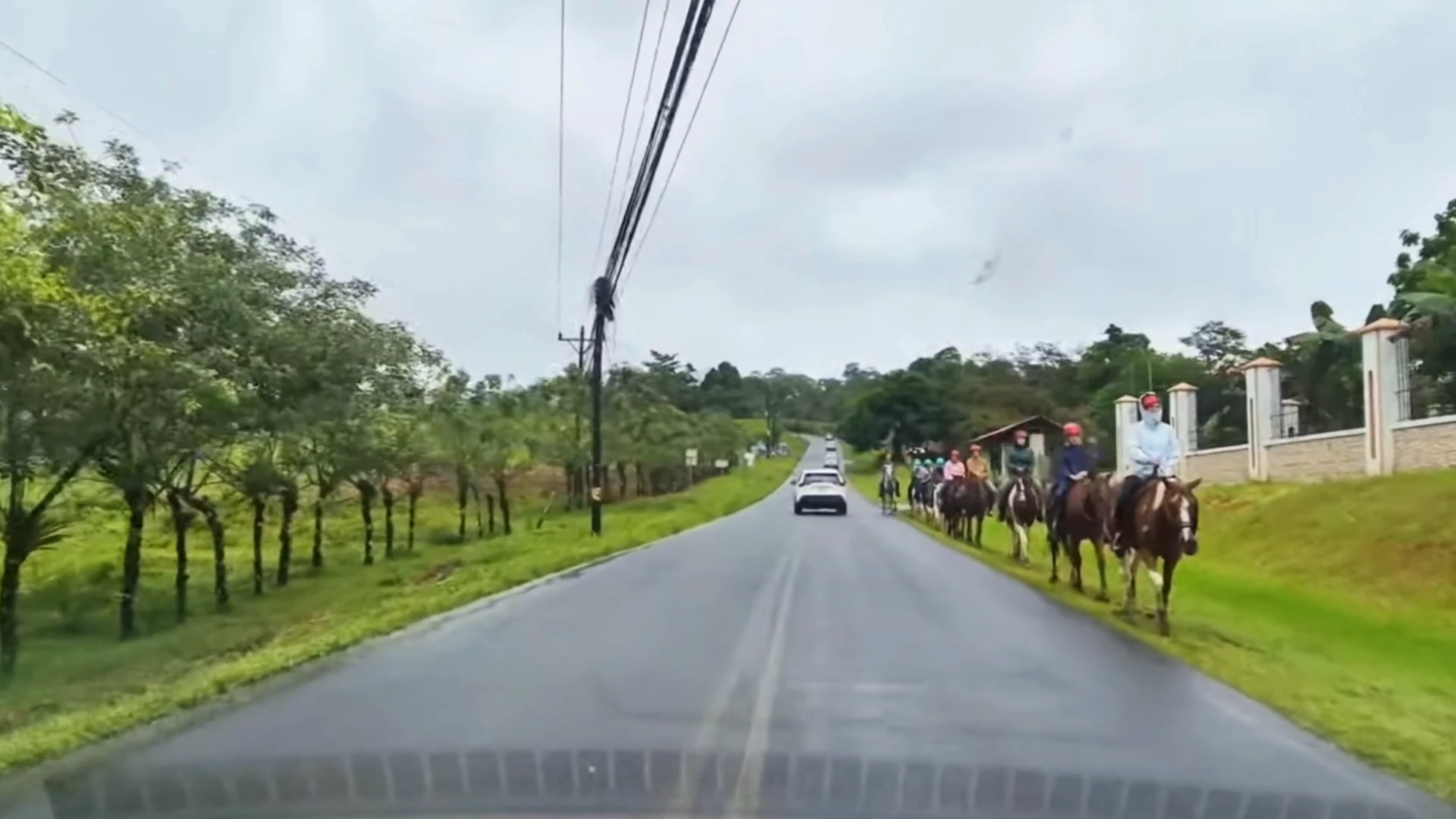
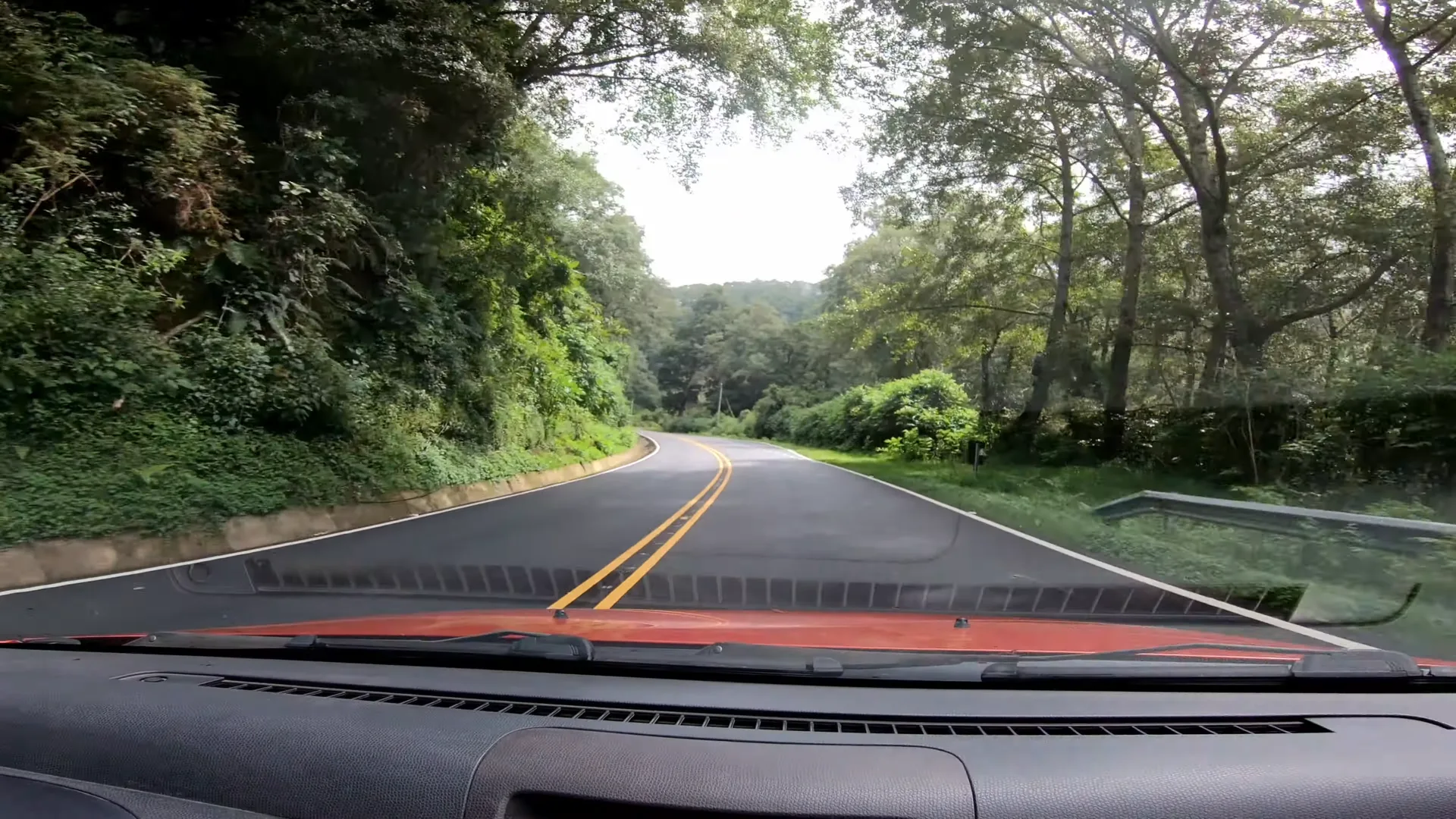
    Most of the roads in Costa Rica between major destinations are paved. You’ll find them in good condition and well marked, like in the photo.

    The main highways and routes to popular tourist destinations are well-paved and maintained. You can drive a regular sedan to places like Manuel Antonio, Tamarindo, La Fortuna, Monteverde, and most Caribbean coast destinations without any issues. The roads connecting these areas to San José airport are paved and in decent condition.

    Highway 1 runs along the Pacific coast and stays paved through Puntarenas, Jacó, and down toward the southern zone. Highway 34 continues south from Jacó to Dominical and Uvita on entirely paved roads. The route from San José to La Fortuna follows good highways through the mountains.

    Even roads that look intimidating on maps often turn out fine. The road to Monteverde has a reputation for being rough, but most of it is now paved. You’ll encounter some gravel and bumpy sections, but a regular car handles it. The same applies to many beach towns in Guanacaste – paved main roads with gravel side streets.

    Rain can temporarily worsen road conditions, but the main routes stay passable in a regular vehicle. Potholes appear after heavy rains, and some unpaved sections turn muddy. Drive slower and you’ll be fine in a standard rental car.

    When You Actually Need 4×4

    Four-wheel drive becomes necessary in specific situations rather than as a blanket requirement. Mountain properties with ocean views often sit on steep gravel roads that get slippery in rain. These driveways can challenge even experienced drivers in regular cars. If your accommodation is up a mountain, ask the property about road conditions.

    Remote beach destinations like Montezuma, Santa Teresa, and parts of the Osa Peninsula have long unpaved stretches. While some travelers make it in regular cars during dry season, 4×4 gives you confidence and safety. The roads can wash out or develop deep ruts that require higher clearance.

    River crossings exist on certain routes, particularly in rural areas and during rainy season. Some mountain roads include multiple stream crossings where 4×4 and high clearance matter. These situations are rare on tourist routes but common if you’re exploring off the beaten path.

    Rainy season from May through November makes 4×4 more valuable. Roads that work fine in dry season can become treacherous when wet. Mud, washouts, and reduced traction make four-wheel drive worth considering if you’re traveling during heavy rains and visiting remote areas.

    For most itineraries focused on popular destinations, save your money and rent a regular car. Upgrade to 4×4 only if your specific accommodations or planned routes require it.

    Rental Car Companies in Costa Rica

    Choosing the right rental company matters as much as deciding whether to rent at all. You’ll find both international chains and local companies at the airport and throughout the country. Each option has trade-offs in price, service, and insurance requirements.

    The key difference between companies often comes down to insurance transparency and customer service rather than vehicle quality. Do your research before booking to understand total costs including mandatory insurance.

    International Chains

    The major international rental companies operate in Costa Rica including Enterprise, Hertz, Budget, and Avis. These companies have airport locations and familiar booking systems. You can often find competitive rates online, though the final price jumps when you add mandatory Costa Rican insurance at pickup.

    International chains provide peace of mind through recognizable brands and standard procedures. However, some travelers report surprise charges and aggressive upselling at Costa Rican locations. Read reviews specific to Costa Rica operations rather than assuming the same experience you’d get in North America.
    driving in santa teresa costa rica

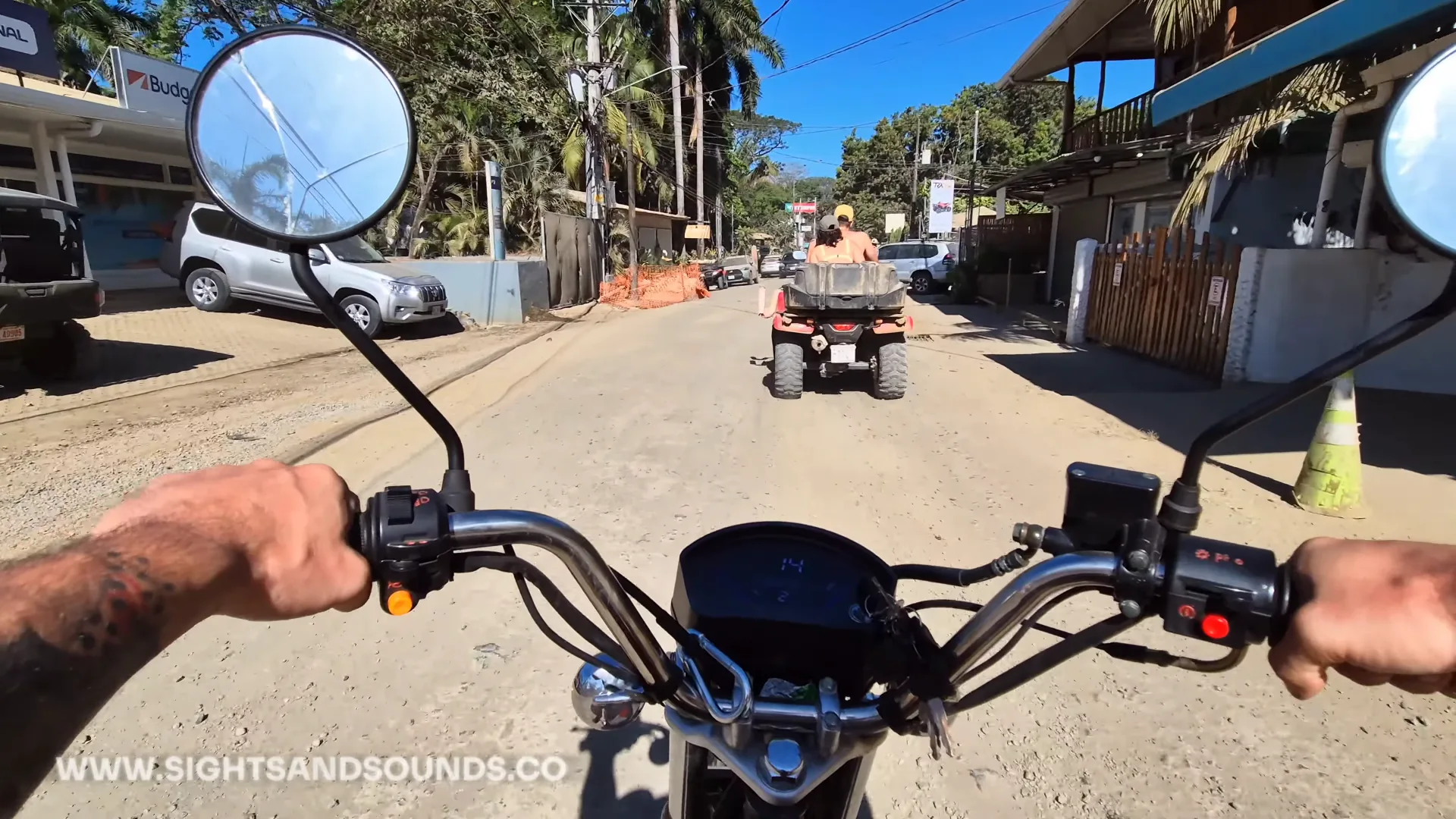
    The roads in Santa Teresa can be a little bumpy on the main strip.

    Reputable Local Companies

    Adobe and Vamos are two highly-regarded local rental companies in Costa Rica. These companies built their reputations on transparent pricing and honest service. They include mandatory insurance in their quotes rather than surprising you at pickup.

    Local companies often provide better customer service and clearer communication about what you’re actually paying. They understand Costa Rican road conditions and can give specific advice about your planned routes. Many travelers report better overall experiences with these local operators compared to international chains.

    Alternative Transportation Options

    Rental cars aren’t your only option in Costa Rica. Several transportation alternatives work well depending on your itinerary and priorities. These options eliminate driving stress and parking concerns while saving money on rental fees and gas.

    The main alternatives are public transportation, ride-sharing apps, and private shuttle services. Each works better for different travel styles and destinations.

    Public Buses and Ride-Sharing Apps

    Costa Rica has an extensive public bus network connecting major towns and tourist destinations. Buses are affordable and reliable, though they run on fixed schedules and can be slow with multiple stops. You’ll find buses going to most places tourists want to visit, from beaches to mountain towns.

    Uber and Didi operate in the San José metropolitan area including the airport. These apps work well for getting around the Central Valley and to nearby destinations. Outside San José, ride-sharing becomes scarce or non-existent. Don’t count on Uber in beach towns or remote areas.

    Public buses combined with local taxis at your destination can work for budget travelers visiting one or two places. This approach requires patience and flexibility with timing.

    Private Drivers and Shuttles

    Private shuttle services connect popular tourist destinations throughout Costa Rica. Companies run scheduled shuttles between places like San José, La Fortuna, Monteverde, Manuel Antonio, and beach towns. You book a specific route and time, and they handle the driving.

    Private drivers offer more flexibility than shuttles. You can hire a driver for a day or your entire trip. This option costs more than shuttles but less than you might expect. The driver knows the roads, speaks Spanish, and can recommend stops along the way.

    Shuttles and private drivers make sense if you’re visiting two or three main destinations without wanting to explore back roads. You avoid rental costs, insurance hassles, and driving stress while still getting where you need to go.

    If these blog posts and videos help plan your Costa Rica vacation, please support our channel.

    Follow Us

    Keep up with our latest Costa Rica travel videos and guides by subscribing to our YouTube channel. We regularly post new content showing real conditions across different regions and seasons.

    Planning a trip to Costa Rica? Contact us — we help with itineraries, logistics, and finding the spots most tourists miss.

    Frequently Asked Questions

    Do I need a rental car if I’m only visiting one beach town?

    Probably not. If you’re staying at one resort or beach town for your entire trip, shuttles or private drivers work fine. You can use local taxis or walk to nearby restaurants and activities. A rental car makes more sense when visiting multiple destinations or wanting to explore surrounding areas freely.

    Should I get a rental car for visiting La Fortuna and Manuel Antonio?

    Yes, a rental car works well for visiting multiple destinations like La Fortuna and Manuel Antonio. The roads between these popular spots are well-paved and easy to navigate. A regular car handles these routes fine without needing 4×4. Having your own vehicle lets you explore at your own pace and stop at attractions along the way.

    Can I explore nearby beaches easily with a rental car?

    Yes, having a rental car makes beach-hopping simple. Roads between nearby beaches are typically well-maintained and easy to drive. For example, you can easily drive from Playas del Coco to nearby Playa Ocotal in just minutes on paved roads. This flexibility lets you find less crowded beaches and explore multiple spots in one day. 

    Is Costa Rica easy to drive in?

    Main routes to popular destinations are straightforward to drive. Roads are well-marked with signs pointing to major towns. GPS works reliably throughout most of the country. The challenges come from potholes, narrow mountain roads, and aggressive drivers. Drive defensively, go slower than you would at home, and avoid night driving on unfamiliar routes.

    How much does it cost to rent a car in Costa Rica?

    Expect to pay $40-80 per day for a regular car including mandatory insurance. 4×4 vehicles cost $60-120 per day. Prices vary by season, with higher rates during peak season from December through April. Always get quotes that include mandatory Costa Rican insurance to understand true costs. Gas prices are similar to the United States.

    What insurance do I need for a rental car in Costa Rica?

    Costa Rica requires mandatory liability insurance that you must purchase locally, even if your credit card covers collision damage. This mandatory insurance typically costs $12-25 per day. Many rental companies push additional coverage. The mandatory liability insurance is required by law and cannot be waived.

    Should I rent a car for my entire Costa Rica trip?

    It depends on your itinerary. Rent a car if you’re visiting multiple destinations, want flexibility to explore, or plan to visit remote locations. Skip the rental if you’re staying at one resort, only visiting two or three places with good shuttle connections, or uncomfortable driving in unfamiliar conditions. Consider renting for just part of your trip if some destinations need a car while others don’t.
  • Fiesta Resort Puntarenas: Complete Guide to Costa Rica’s Budget All-Inclusive

    Fiesta Resort Puntarenas: Complete Guide to Costa Rica’s Budget All-Inclusive

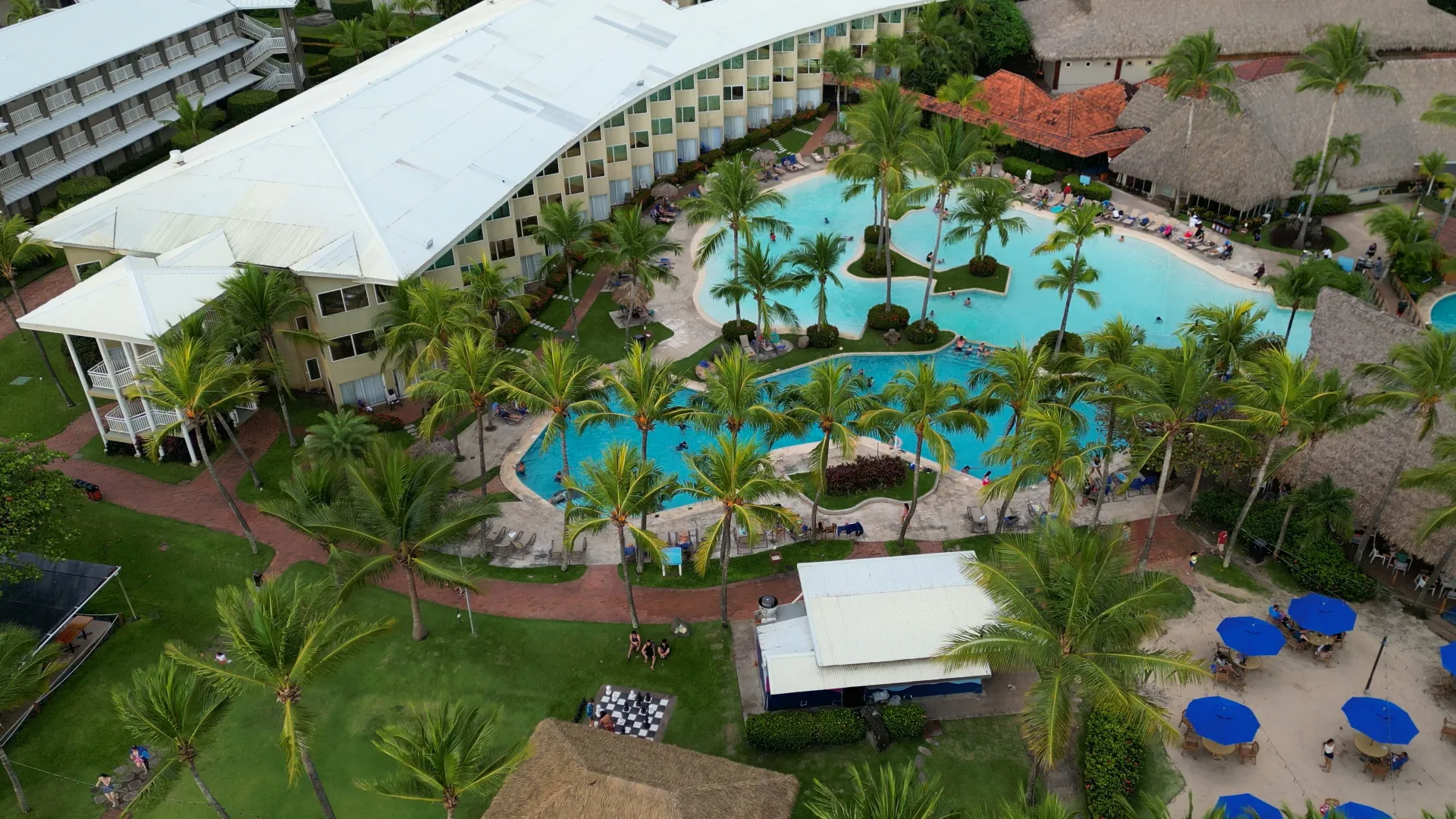
    Fiesta Resort in Puntarenas is a budget friendly all-inclusive option just one hour from San José International Airport. This large resort is right on the Pacific coast with multiple pools, beach access, and a private pier. You’ll find everything from restaurants and bars to mini golf and tennis courts included in your stay.

    The resort attracts families and groups looking for an affordable all-inclusive experience in Costa Rica. Luxury resorts can cost $500-1000 per night. Fiesta Resort delivers solid amenities at less of a price. You get the convenience of all-inclusive dining and activities without the premium price tag.

    This guide covers what you need to know about staying at Fiesta Resort. You’ll learn about the pool areas, beach access, room types, dining options, and practical tips for your visit. The resort is larger than it appears from the road. Multiple buildings, three pool areas, and plenty of activities keep everyone busy. Be sure to watch the walking tour on our Youtube channel to see the resort.

    Table Of Contents

    Estimated Reading Time: 10 Minutes

    What to Expect at Fiesta Resort

    Fiesta Resort spreads across a large property with three distinct pool areas and direct beach access. The main pool area serves as the social hub with poolside bars and regular activities. You’ll hear music and see organized games throughout the day. Weekends bring more crowds when the resort fills up with Costa Rican families.

    The resort caters primarily to families rather than couples seeking a quiet getaway. Expect a lively atmosphere with kids playing and activities happening around the pools. Visit during weekdays for a calmer experience. You can also choose accommodations farther from the main pool for more peace.

    Pools and Beach Access

    The main pool wraps around in a large horseshoe shape with a swim-up bar and plenty of lounge chairs. Two additional pool areas provide more space. One is near the newer condo buildings. Another is a premium adults-only section. The pools stay busy on weekends but offer enough space that you can find a spot.

    The beach access includes a private pier extending into the ocean with its own bar at the end. The pier gives you great sunset views and a spot to watch boats heading to Puntarenas town. The beach itself has brown, murky water typical of this part of Puntarenas. The Barranca River empties nearby, which affects water clarity. Don’t expect crystal clear Caribbean water here. The beach works fine for walking and kids playing in the sand. Swimming conditions are better on the Nicoya Peninsula across the gulf.

    Dining and Activities

    The main buffet restaurant serves breakfast, lunch, and dinner with a variety of options. You’ll find typical resort fare with both international and Costa Rican dishes. Additional food spots include a pizza counter and a burger grill near the pools. Multiple bars throughout the property serve drinks included in the all-inclusive package.

    The gym has basic equipment including dumbbells up to 50 pounds, a few cardio machines, and a cable machine. It’s adequate for maintaining your workout routine but not extensive. Mini golf, tennis courts, and a dedicated kids zone provide activities beyond the pools. The kids building has organized activities. The resort doesn’t require reservations or schedules for most amenities.

    Rooms and Practical Information

    Fiesta Resort has multiple accommodation buildings spread across the property. The resort is larger than it looks from the road, with several three-story buildings housing the rooms. Room types vary, so check with the resort directly about specific configurations and what’s available for your dates.

    Understanding the logistics and what to bring helps you make the most of your stay. The resort provides the basics, but knowing what to expect with transportation and amenities helps you plan better.

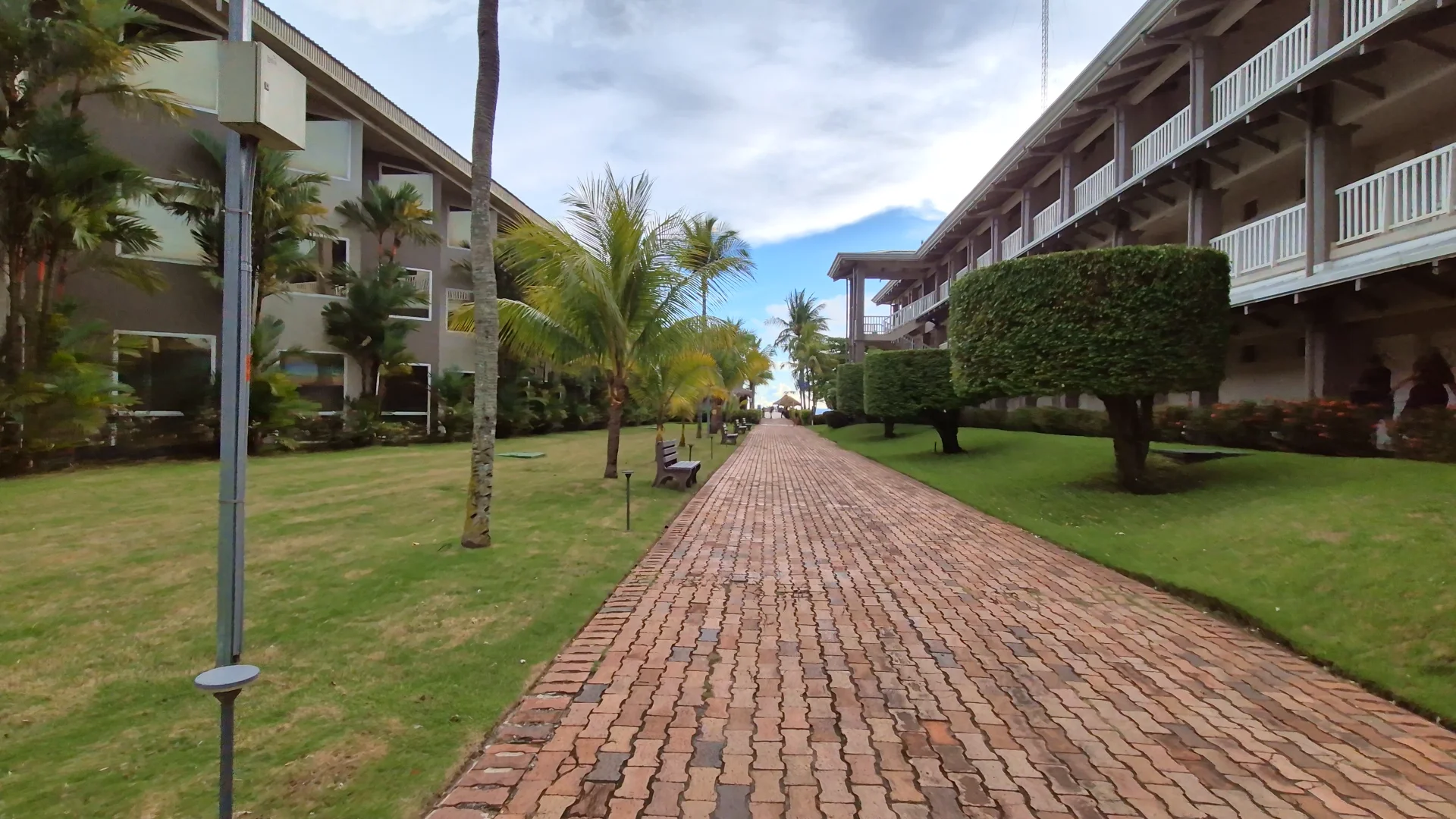
    all inclusive resort costa rica

    Walking path to the beach between two accommodations buildings.

    Accommodations

    The rooms include standard hotel amenities with beds, bathrooms, and air conditioning. You’ll find a small kitchenette area with a coffee maker in the rooms. Many rooms have views overlooking the pool areas. The air conditioning works well, which matters in Puntarenas’ heat.

    The buildings are positioned throughout the property, with some closer to the main pool area and others set back for more quiet. The resort has newer condo-style buildings alongside the original structures. All rooms are accessed via outdoor corridors typical of Costa Rican resort design.

    Getting There and Tips

    Fiesta Resort is located about one hour from San José International Airport in Alajuela. The drive follows well-marked roads through the Central Valley and down to Puntarenas on the Pacific coast. You’ll pass through several towns including the intersection near Auto Mercado where the resort is located.

    Parking is available on-site and was nearly full during an October weekend visit. Bring water shoes if you plan to walk on the beach or rocky areas. The all-inclusive package covers meals and drinks, but verify what’s included when you book. The resort works best for families and groups who want activities and don’t mind a lively atmosphere. If you’re looking for quiet luxury or pristine beach water, consider other options in Costa Rica.

    Travel Tip: Bring a good pair of water shoes if you’re going to visit the beaches near Puntarenas. They’re not as sandy as some others in Costa Rica. 

    If these blog posts and videos help plan your Costa Rica vacation, please support our channel.

    Follow Us

    Keep up with our latest Costa Rica travel videos and guides by subscribing to our YouTube channel. We regularly post new content showing real conditions across different regions and seasons.

    Planning a trip to Costa Rica? Contact us — we help with itineraries, logistics, and finding the spots most tourists miss.

    Frequently Asked Questions

    How far is Fiesta Resort from San José Airport?

    Fiesta Resort is about one hour from San José International Airport (SJO). The drive follows well-marked roads through the Central Valley down to Puntarenas on the Pacific coast. Traffic is generally light outside of rush hours.

    Is the beach water clear at Fiesta Resort?

    No, the beach water at Fiesta Resort is brown and murky. The Tempisque River empties nearby, which affects water clarity in this part of Puntarenas. The beach works fine for walking and kids playing in the sand, but crystal-clear water is found on the Nicoya Peninsula across the gulf instead.

    What’s included in the all-inclusive package at Fiesta Resort?

    The all-inclusive package includes meals at the buffet restaurant, food from the pizza counter and burger grill, and drinks at multiple bars throughout the property. Access to pools, gym, mini golf, tennis courts, and kids zone is also included. Verify specific inclusions when booking.

    Is Fiesta Resort good for families with kids?

    Yes, Fiesta Resort caters primarily to families. The resort has a dedicated kids zone, mini golf, multiple pool areas, and organized activities throughout the day. The lively atmosphere with music and games makes it popular with Costa Rican families, especially on weekends.

    Does Fiesta Resort have a gym?

    Yes, the resort has a gym with basic equipment including dumbbells up to 50 pounds, cardio machines (ellipticals and treadmill), a cable machine, and slam balls. It’s adequate for maintaining your workout routine but not extensive compared to full fitness centers.

    Is there parking at Fiesta Resort?

    Yes, Fiesta Resort has on-site parking for guests. The parking lot can fill up during busy weekends. Parking is included with your stay at the resort.

  • Perfect Grecia Itinerary: 2-Day Stop Between San José Airport and La Fortuna

    Perfect Grecia Itinerary: 2-Day Stop Between San José Airport and La Fortuna

    Grecia is located just 30 minutes north of San José’s international airport in Costa Rica’s green Central Valley mountains. This small town provides the perfect overnight stop if you’re heading to La Fortuna or want to avoid driving at night after your flight lands. The cool mountain climate and accessible location make it an easy first or last stop on your Costa Rica trip.

    Most travelers rush straight from the airport to beach towns or La Fortuna. They don’t realize what they’re missing in this area. Grecia gives you real Costa Rican mountain life without the tourist crowds. You’ll find farmers markets with local vendors, a genuine town square with an iconic metal church, and a stunning waterfall just minutes away.

    This two-day itinerary shows you how to experience Grecia properly. You’ll stay in unique glamping domes with mountain views. You’ll explore both daily and weekly markets. You’ll visit a beautiful waterfall and see the town center. Everything is close together and easy to reach without a 4×4 vehicle.

    Table Of Contents

    Estimated Reading Time: 15 Minutes

    Why Stop in Grecia?

    Grecia makes strategic sense for your Costa Rica travel plans. The town is on the route from San José airport to La Fortuna, one of the most popular tourist destinations in the country. Instead of rushing through a 3-4 hour drive after your international flight, you can stop here for the night and start fresh the next morning.

    The location eliminates the stress of night driving on unfamiliar Costa Rican roads. Landing in the afternoon gives you just 30 minutes to reach Grecia. This beats several hours to La Fortuna or the beaches. You’ll also experience a different side of Costa Rica that beach-focused tourists miss.

    If you’re heading to La Fortuna for your vacation, check out our blog post about how to get there.

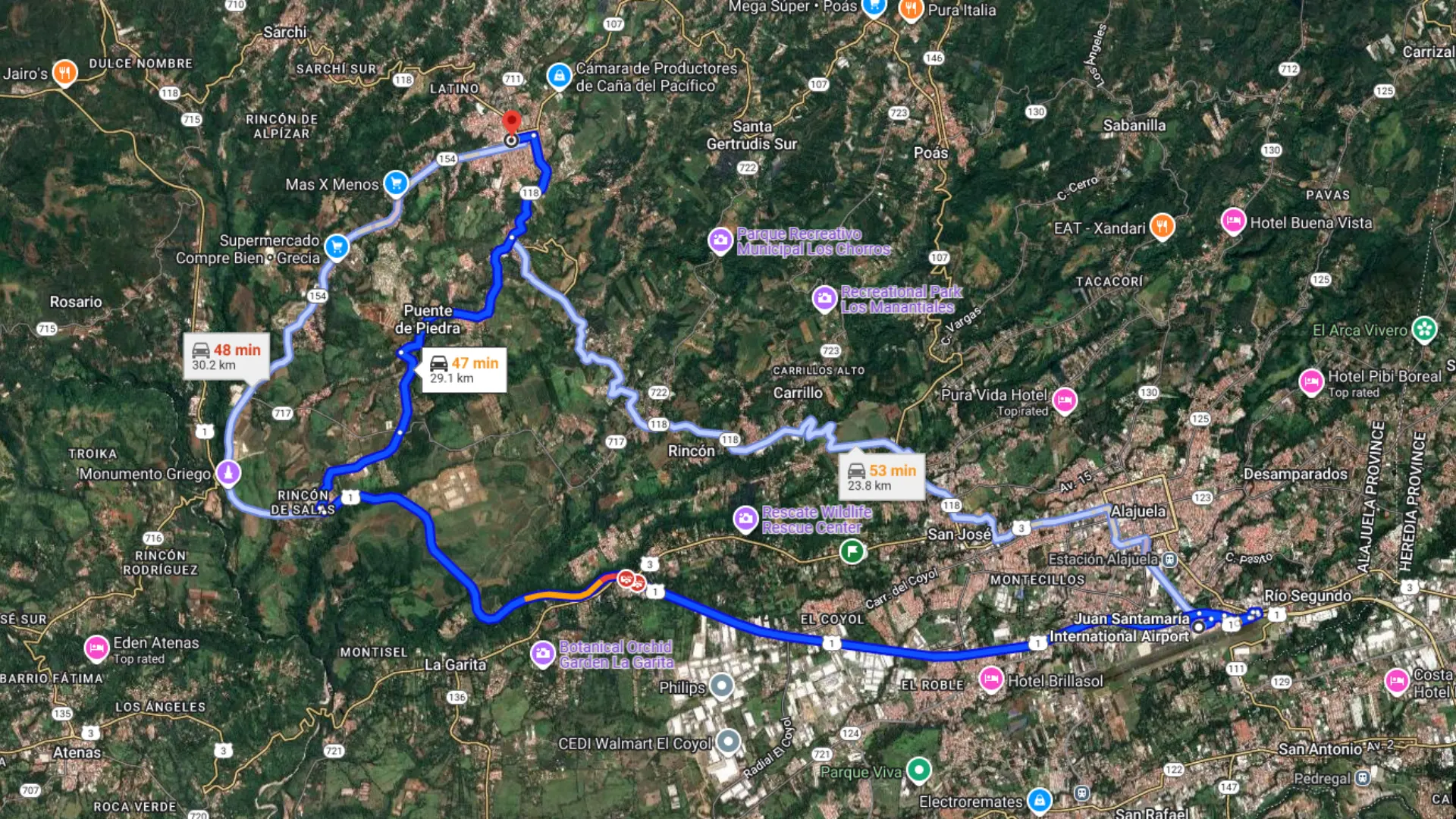
    route from SJO airport to Grecia costa rica

    The route from SJO Airport to Grecia. Time can vary with traffic.

    Perfect Climate and Scenery

    The mountain elevation around Grecia creates comfortable temperatures year-round. You’ll find it cooler here than the coast or lowlands. This makes it pleasant for walking around town and hiking to waterfalls. The climate stays green with regular afternoon rain showers.

    Coffee fields cover the hillsides leading up toward Poás Volcano. The area stays lush and vibrant even during dry season. You can see the mountains from most vantage points in town. Views from accommodations like Tierra Nueva show why this region attracts people looking for mountain properties.

    What Makes It Worth Your Time

    Grecia provides local experiences without tour groups or resort complexes. The Friday farmers market brings together vendors from surrounding farms. They sell organic produce, honey, and prepared foods. The daily municipal market operates year-round with fresh ingredients and local products.

    The town centers around a metal church imported from Belgium in the 1890s. You can walk the entire downtown area in 20 minutes. Catarata El Paraíso waterfall is only 5 minutes away by car. The hike takes just 10 minutes to reach it. Two days here gives you enough time to see everything without feeling rushed.

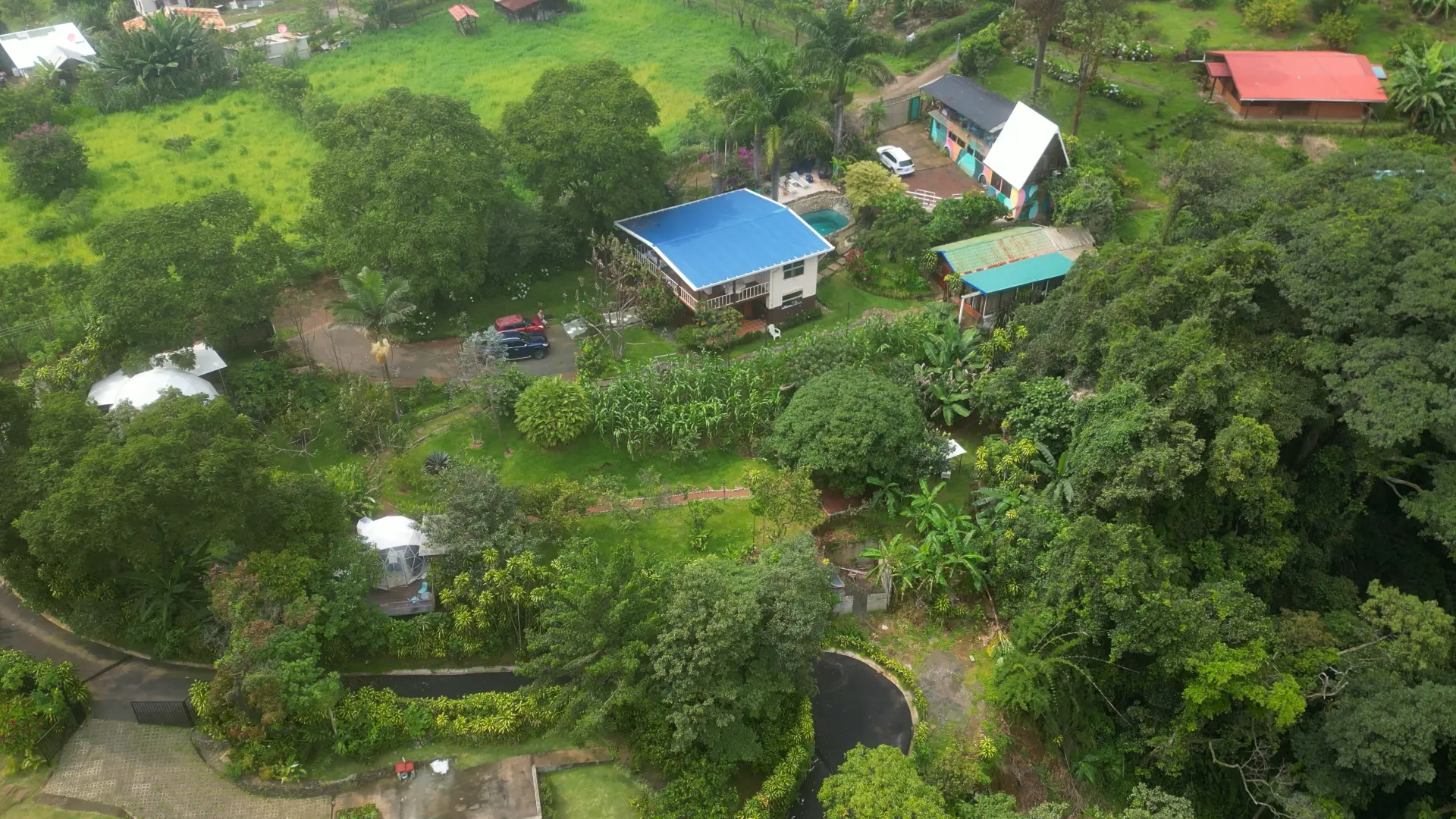
    glamping accommodations in grecia, very green area

    Grecia and the surrounding mountains are green year round.

    Where to Stay – Tierra Nueva Glamping

    Tierra Nueva Glamping provides a unique mountain accommodation experience just 15 minutes from Grecia town center. The property has three geodesic domes scattered across the hillside, each with views of the surrounding coffee fields and mountains. You’ll stay in a comfortable tent structure with real beds, private bathrooms, and outdoor kitchenettes.

    The location works perfectly as your base for exploring the Grecia area. You can reach it in a regular car without needing 4×4 capabilities. The final stretch to the property is gravel, but well-maintained and easy to navigate. From here, you’re close to both town attractions and natural sites like Catarata El Paraíso.

    The Dome Accommodations

    Each dome at Tierra Nueva has its own character and location on the property. The structures combine camping’s connection to nature with hotel-level comfort. You’ll find a proper bed with linens, a full bathroom with a large tub, and a small kitchenette area outside your dome.

    The domes have fans for air circulation and large windows that showcase the mountain views. One dome is tucked under the trees near a river where you can hear the water at night. Another is higher up on the property with more open views. The third has its own secluded spot with a jacuzzi tub setup.

    Property Amenities and Features

    The property includes a swimming pool with curved edges designed for lounging. An old bus has been converted into a restaurant and bar with an upstairs lounge area. You can see the mountains and valley from the dining area, making it a great spot for morning coffee.

    The grounds are well-maintained with walking paths connecting the different domes. You’ll find fruit trees including limes and bananas that guests can pick. The river running through the lower part of the property adds to the peaceful atmosphere, especially at night when you can hear it from certain domes.

    Booking Information

    Pricing at Tierra Nueva varies throughout the year based on season and demand. Contact them directly through their website or social media to check current rates and availability. The property works well for couples or small groups, with each dome accommodating two people comfortably.

    Visit Tierra Nueva Glamping Website

    Day 1 – Exploring Grecia Town

    Your first day in Grecia focuses on the town itself. Both attractions are within walking distance of each other in the compact downtown area. You can cover everything in a few hours. This leaves time to relax at your accommodation or wander around on your own.

    The town follows the typical Costa Rican pattern. You’ll see a central park, church, and commercial area all clustered together. Everything is walkable. You’ll find local restaurants and cafes for meals throughout the day.

    Downtown Grecia and the Church

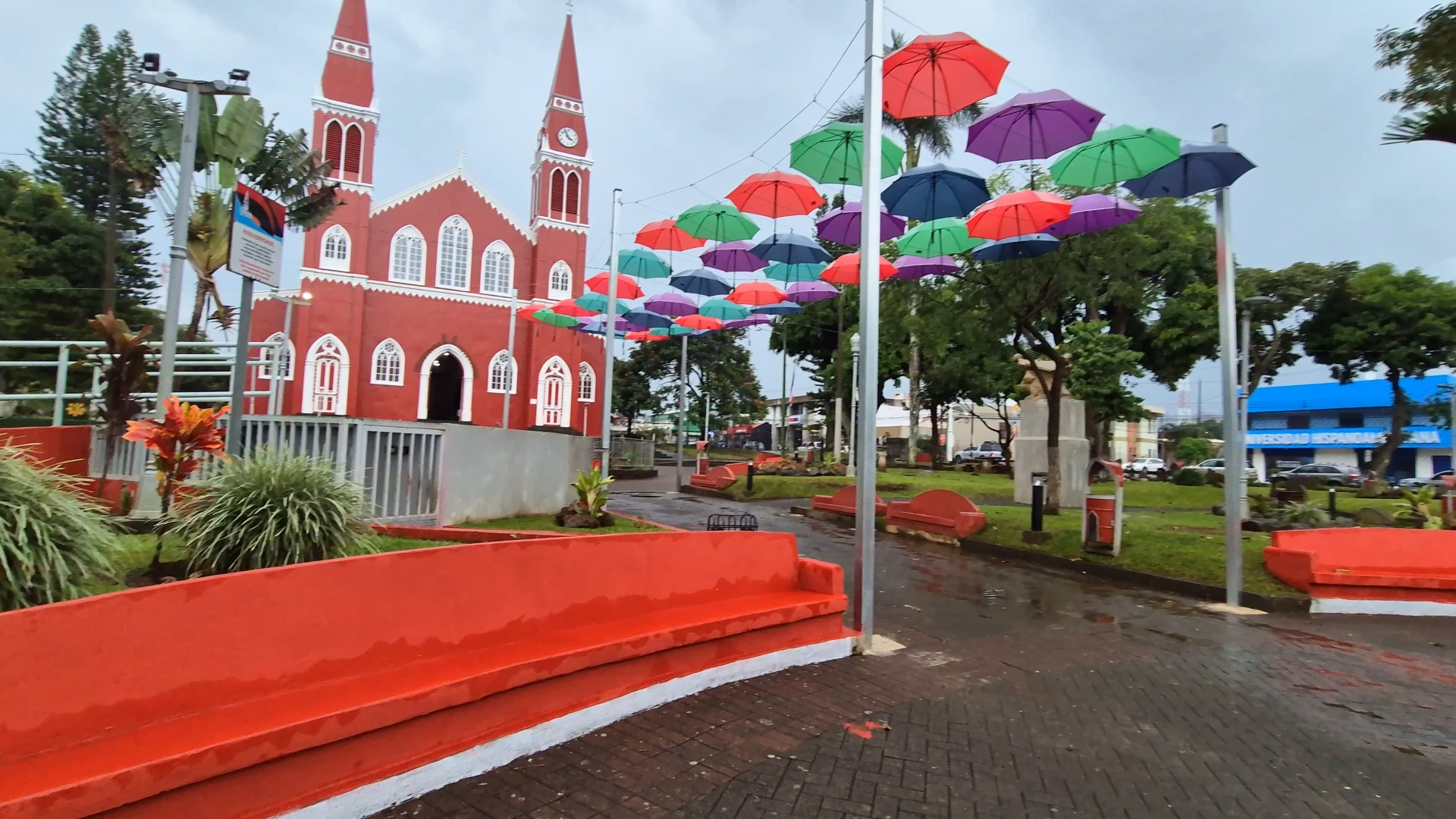
    The centerpiece of Grecia is its metal church. The red metal structure looks completely different from typical Costa Rican churches. It dominates the central square. You can walk inside to see the interior. The park surrounding it has benches and pathways where people hang out.

    The downtown area extends a few blocks in each direction from the church. You’ll find banks, restaurants, pharmacies, and local shops all mixed together. There’s a Pali supermarket nearby if you need supplies. The compact layout means you won’t get lost exploring.

    If you’re trying to decide if you should rent a car to explore Costa Rica, visit our blog post.

    Municipal Market

    The Mercado Municipal operates every day just a few blocks from the central church. Locals shop here for fresh produce, meat, and household goods. Vendors sell fruits, vegetables, plantain chips, and prepared foods at stalls throughout the market.

    The market has a covered structure with different sections. You’ll see produce in one area, meat in another. Prices run lower than supermarkets. The variety of tropical fruits and vegetables shows what grows in this mountain region. It’s worth a quick 20-minute walk-through to see daily Costa Rican life up close.

    Day 2 – Nature and Markets

    Day two takes you outside town to experience the natural side of Grecia. Start your morning at the waterfall before it gets crowded or rainy. If you’re visiting on a Friday, you can catch the weekly farmers market in the afternoon. This day balances outdoor adventure with local culture.

    The waterfall requires some advance planning since you need to contact the owner for access. The farmers market only happens on Fridays, so adjust your itinerary accordingly if you want to see it.

    Catarata El Paraíso Waterfall (Morning)

    Catarata El Paraíso is located about 5 minutes from Tierra Nueva by car. You need to contact the owner Jorge via WhatsApp at +506 8588-4337 to arrange entry. The cost is 3,000 colones (about $6) per person. He’ll meet you at the gate and open it up.

    The hike down takes about 10 minutes on a well-maintained trail. You’ll pass through a camping area with picnic spots and gazebos before reaching the jungle section. The waterfall runs heavy and creates a misty atmosphere at the bottom. There’s even a small water slide that feeds into a pool near the falls.

    The property is best visited in the morning before afternoon rains roll in. Bring water shoes for the trail and swimming if you plan to get in the water. The camping area makes it possible to bring a cooler and spend more time there.

    Friday Farmers Market

    The Friday farmers market is much larger than the daily municipal market. It’s held in a circular building with covered parking around the perimeter. Parking costs 500 colones (about $1), and you pay when you exit.

    Vendors come from surrounding farms to sell organic vegetables, fresh produce, honey, empanadas, and prepared foods. You’ll find everything from hydroponic lettuce to fresh juices to shopping carts full of tropical fruits. Several small restaurants operate inside the market serving local food.

    The market gets busy around mid-morning but stays active through early afternoon. It’s a great place to stock up on fresh ingredients if you have kitchen access at your accommodation. Even if you’re not buying, it’s worth walking through to see the variety.

    Practical Information

    Grecia works year-round, but October through April offers the best weather with less rain. The Friday farmers market is the main reason to time your visit for a specific day. Otherwise, you can visit any day and still see the municipal market and town attractions.

    You’ll need a rental car to get around comfortably. The drive from San José airport takes 30 minutes on paved roads. Parking in town uses an app and costs about $1/hour. The road to Tierra Nueva is mostly paved with a short gravel section that any car can handle.

    Bring an umbrella for afternoon rain showers. Water shoes work well for the waterfall hike and any stream crossings. Have cash in colones for market purchases and the waterfall entry fee. Most restaurants in town accept cards, but smaller vendors prefer cash.

    The elevation makes temperatures cooler than the coast. You might want a light jacket for evenings, especially at the glamping site. The area stays green year-round, so any season works for visiting.

    If these blog posts and videos help plan your Costa Rica vacation, please support our channel.

    Follow Us

    Keep up with our latest Costa Rica travel videos and guides by subscribing to our YouTube channel. We regularly post new content showing real conditions across different regions and seasons.

    Planning a trip to Costa Rica? Contact us — we help with itineraries, logistics, and finding the spots most tourists miss.

    Frequently Asked Questions

    How far is Grecia from San José airport?

    Grecia is about 30 minutes north of San José International Airport (SJO). The drive follows well-paved roads through small towns. It’s one of the closest mountain destinations to the airport, making it perfect for a first or last night in Costa Rica.

    Do I need a 4×4 to reach Tierra Nueva Glamping?

    No, you don’t need a 4×4 vehicle. The road to Tierra Nueva is mostly paved with a short gravel section at the end. Any regular rental car can make the drive. The property is accessible without high clearance vehicles.

    What day is the farmers market in Grecia?

    The large farmers market happens every Friday and runs from morning through early afternoon. The municipal market operates daily if you miss the Friday market. The Friday market is significantly larger with more vendors and variety.

    How do I visit Catarata El Paraíso waterfall?

    Contact the owner Jorge via WhatsApp at +506 8588-4337 before visiting. Entry costs 3,000 colones (about $6) per person. He’ll meet you at the gate to provide access. The hike down to the waterfall takes about 10 minutes on a maintained trail.

    Is Grecia worth visiting if I’m going to La Fortuna?

    Yes, Grecia makes an excellent stopover on the way to La Fortuna. It’s directly on the route and eliminates the need to drive 3-4 hours after landing at the airport. You’ll experience authentic mountain life and avoid night driving on unfamiliar roads.

    What’s the weather like in Grecia?

    Grecia has a cooler mountain climate than the coast or lowlands. Expect comfortable temperatures year-round with afternoon rain showers common. Bring a light jacket for evenings. The area stays green throughout the year, even during dry season.

  • “Complete Guide to Playas del Coco: Sunday Market, Beach & What to Do

    “Complete Guide to Playas del Coco: Sunday Market, Beach & What to Do

    Playas del Coco stands out as one of Costa Rica’s most accessible beach destinations. This beach town in Guanacaste Province combines local culture with tourist amenities just 30 minutes from Liberia International Airport. You’ll find everything from a weekly Sunday market to good beaches and nightlife.

    The town attracts both budget travelers and those seeking nicer accommodations. Los Palmas area has affordable condos with pools, while the main town has restaurants, bars, and shops within walking distance of the beach. The relaxed atmosphere makes it easy to spend days here without feeling rushed.

    What makes Playas del Coco special is its mix of local life and tourist infrastructure. The Sunday market brings together local vendors selling everything from organic vegetables to handmade jewelry. The beach varies from calm swimming areas to spots perfect for water sports. You can easily fill several days exploring the area.

    Table Of Contents

    Estimated Reading Time: 20 Minutes

    Getting to Playas del Coco

    Playas del Coco is located just 30 minutes from Liberia International Airport. This makes it one of the closest beach towns to an international airport in Costa Rica. The drive follows well-maintained roads through rural farmland and small towns. You’ll pass through several communities before reaching the coast.

    Most visitors fly into Liberia and either rent a car or arrange airport transfers. The route is straightforward with clear signage. Traffic can build up during peak season though. Having your own transportation gives you flexibility to explore nearby beaches like Ocotal or visit the Sunday market.

    From Liberia Airport (30 minutes)

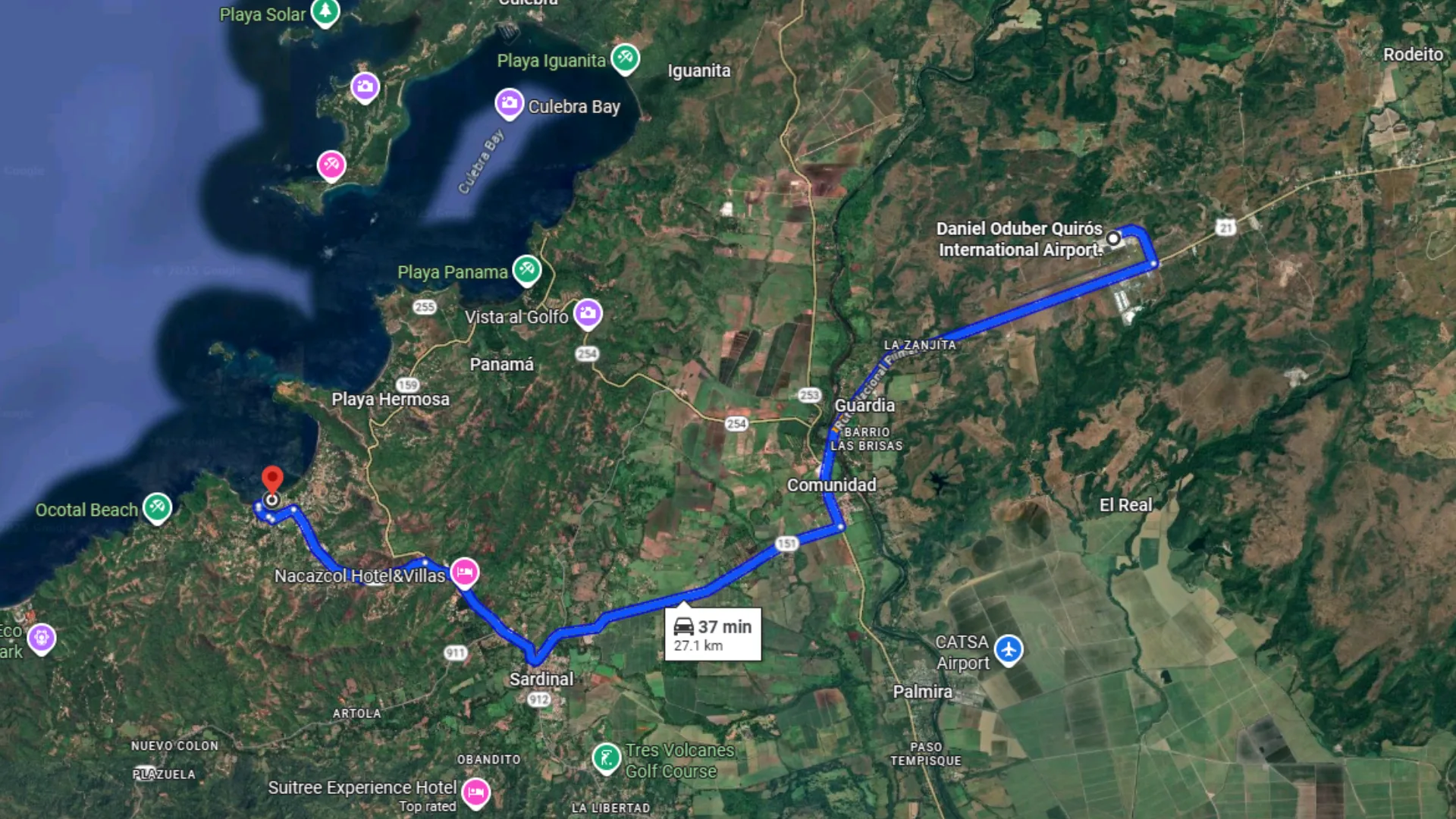
    The drive from Liberia Airport takes you west toward the coast on mostly paved roads. You’ll follow Highway 21 through small towns like Comunidad and Sardinal before reaching the final stretch to Coco. The route is well-marked with signs pointing to “Playas del Coco.” There has been recent construction in Comunidad for easier flow of traffic.

    Rental cars are available at the airport from major companies like Budget, Hertz, and local providers. Airport shuttle services also run regularly to Coco. They cost around $35-50 per person. Private transfers cost more but provide door-to-door service to your accommodation.

    drive between liberia airport in costa rica and playas del coco

    Playas del Coco is a short drive from the LIR airport.

    Where to Stay and Park

    Budget travelers head toward Los Palmas area, about a 10-minute walk from downtown Coco. This area has numerous one and two-bedroom condos with shared pools. Most are within a few hundred meters of the beach. Prices range from $70+ per night depending on season and amenities.

    For upscale accommodations, the Pacifico development has luxury condos and full ocean view houses for rent. These properties come with private pools, modern kitchens, pickleball courts. Expect to pay $300+ per night for these premium rentals. Downtown Coco has hotels and hostels within walking distance of restaurants and bars. Parking is generally free throughout town. Spaces fill up quickly near the beach during weekends though.

    Playas del Coco Sunday Market Experience

    The Sunday market in Playas del Coco brings together local vendors selling everything from organic vegetables to handmade jewelry. The market happens every Sunday near Garden Bar with public parking available. You’ll find a mix of food vendors, artisans, and entrepreneurs selling their products to locals and tourists.

    The market runs from morning until early afternoon, but timing matters for the best experience. Peak activity happens around 10 AM when most vendors are set up and crowds are at their liveliest. By noon, some vendors start packing up and the energy winds down.

    Market Location and Timing

    The market takes place near Garden Bar with clearly marked public parking areas. You can reach it by walking from downtown Coco or taking the shortcut path through the residential area. The location puts you close to Los Palmas condos and other accommodations in the area.

    Arrive around 10 AM for the full market experience with all vendors present and active crowds. By noon, the market becomes quieter with fewer people and some vendors already closing up. The earlier timing also helps you avoid the midday heat while browsing the stalls.

    fresh produce vendor at market in playas del coco

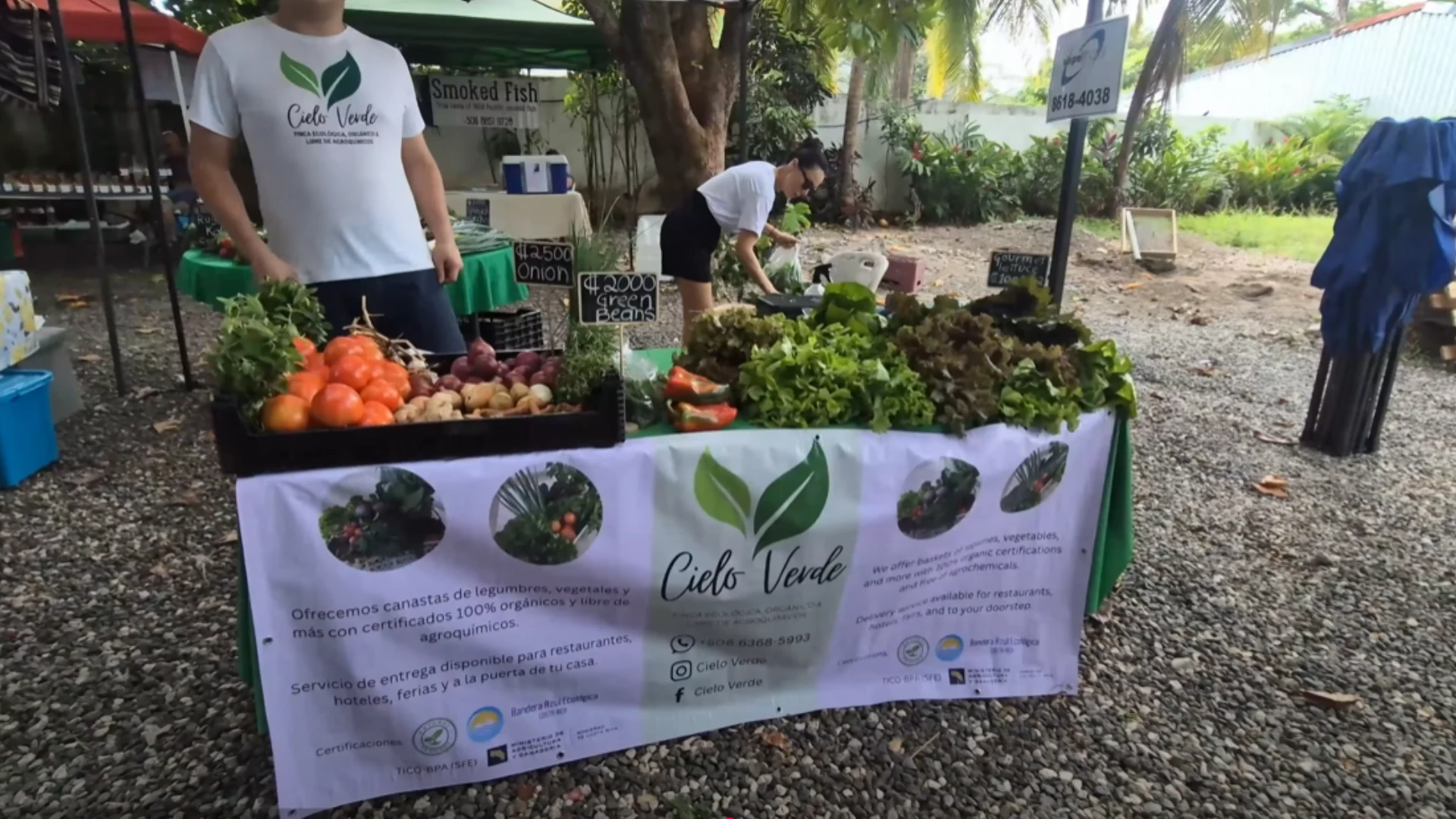
    Fresh produce vendor Cielo Verde, from Escazu.

    Local Vendors and What to Buy

    Glenn sells flavored liquors with over 42 different varieties, including unique options like peanut butter whiskey and coconut spirits. He’s at the market every Sunday and also appears at the Saturday Tamarindo market and Wednesday nights at Playa Grande. You can sample before buying, with small bottles available for reasonable prices.

    Sebastian and his wife run Cielo Verde, an organic vegetable operation on half an acre with eight workers. They grow everything chemical-free including kale, arugula, bok choy, spinach, and herbs like rosemary and cilantro. You can pre-order through their phone number or buy directly at the market. They also deliver to San José for customers staying longer-term.

    Local artisans sell handmade jewelry using volcanic stones, coconut shells, and other natural materials. The young vendors often speak English and create bracelets, necklaces, and earrings with one-year guarantees. Prices are reasonable with deals like two bracelets for 10,000 colones($20).

    Food and Drinks at the Market

    Antonio makes kombucha in flavors like passion fruit, green tea with ginger, and turmeric blends. He also produces fruit wines from dragon fruit, passion fruit, and other tropical ingredients. Small bottles cost around $4, and you can sample different flavors before deciding.

    Ivan, a Colombian who’s lived in Costa Rica for 20 years, creates his own chocolate and nut confections. His specialties include cashew-based alternatives to Nutella, chocolate-covered macadamias, and spicy coconut treats. Everything is his own invention with different price points for various products.

    Venezuelan food vendors sell traditional dishes like arepas filled with chicken and avocado for around 3,000 colones. You’ll also find fresh fruit vendors with local produce, corn chips, strawberries, and other snacks perfect for the beach afterward.

    Beach and Activities

    Playas del Coco has two main beach areas with different characteristics. The central beach near downtown is calmer and has rock formations extending into the water. Los Palmas area, about a 10-minute walk south, has better swimming conditions and cleaner sand.

    The town has plenty of activity options beyond just beach lounging. Water sports, fitness facilities, and boat tours keep visitors busy. You can easily spend several days here without running out of things to do.

    Main Beach vs Los Palmas Area

    The main beach in central Coco is convenient but not ideal for swimming. The water is calmer here due to rock formations, making it good for families with small children. You’ll find more crowds and vendors near the central pier area.

    Los Palmas area has better water quality and swimming conditions. The beach is wider with fewer rocks in the water. Most of the condo developments are located here, putting you steps from better beach access. It’s also less crowded than the main beach. The Pacifico Beach Club is also located at this end of the beach.

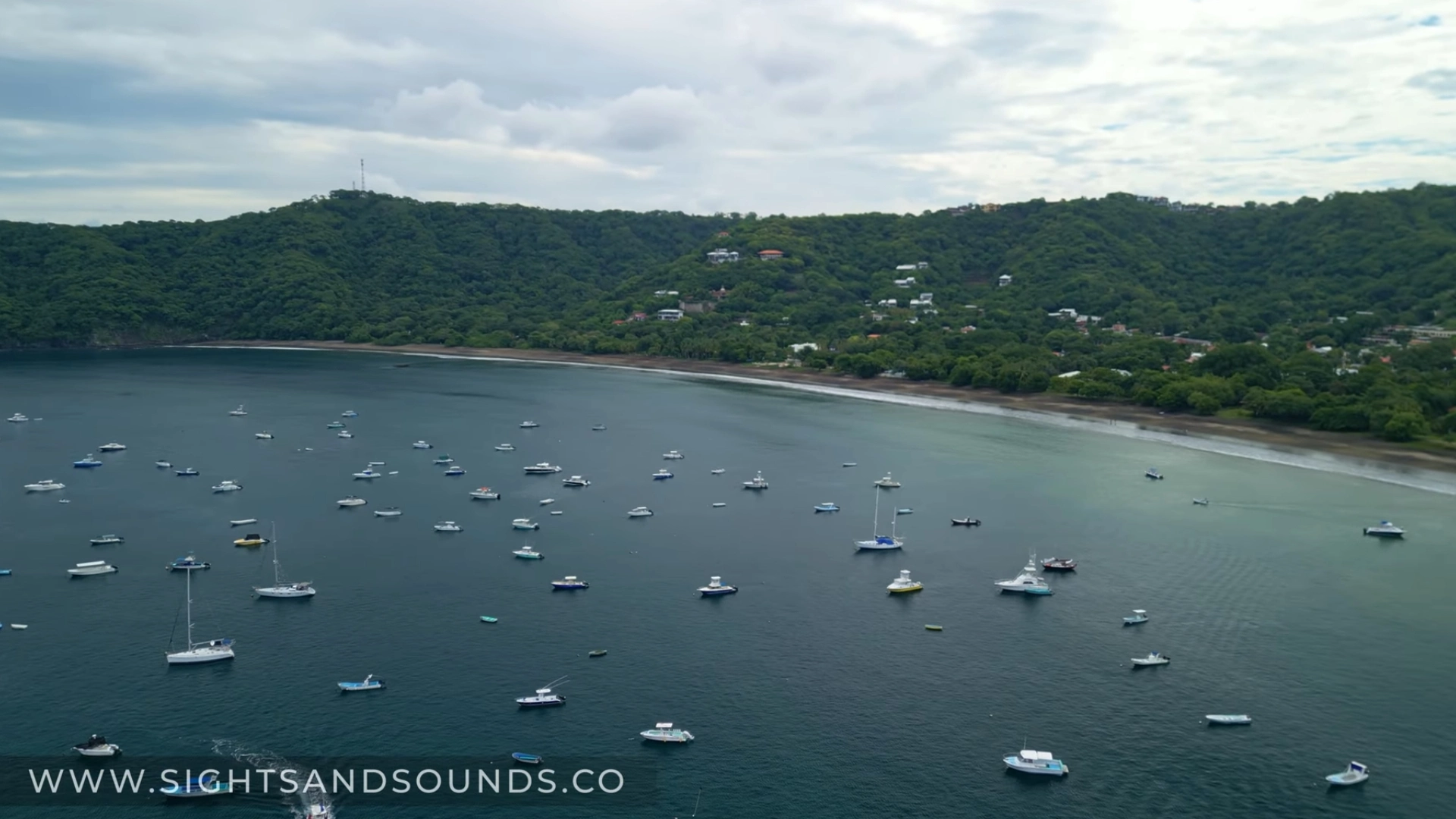
    drone video of playas del coco in costa rica real estate service

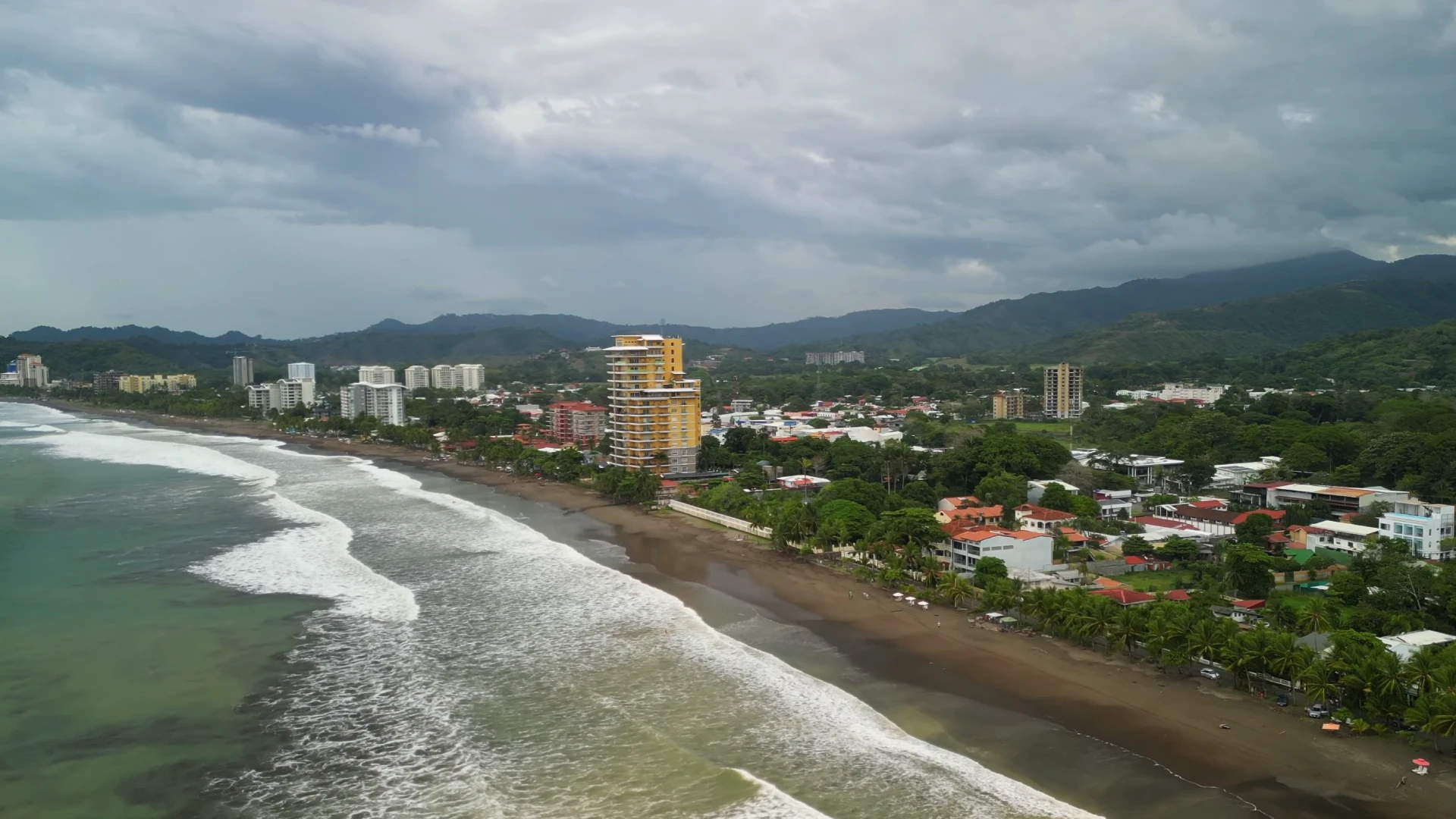
    Drone photo of Playas del Coco showing the bay and the area of Las Palmas.

    Water Sports and Boat Tours

    Jet ski rentals are available right from the main beach. Fishing tours depart from the central pier area – Andy runs excellent fishing charters if you want a local contact. Catamaran tours also leave from here, taking you to more secluded beaches along the coast.

    There are plans for a marina development, though timing remains uncertain. The bay stays calm most days, making it ideal for various water activities. Book tours directly with operators on the beach or through your accommodation.

    The Gym and Fitness Options

    “The Gym” is right in downtown Coco and costs $10 per day. The facility has all basic equipment including dumbbells, cables, cardio machines, and a Smith machine. There’s also a functional training area with bumper plates and slam balls.

    Mario works as a personal trainer there and speaks English well. The gym uses a modern passcode entry system and stays open seven days a week. It’s a solid option if you want to maintain your workout routine while traveling.

    If these blog posts and videos help plan your Costa Rica vacation, please support our channel.

    Follow Us

    Keep up with our latest Costa Rica travel videos and guides by subscribing to our YouTube channel. We regularly post new content showing real conditions across different regions and seasons.

    Planning a trip to Costa Rica? Contact us — we help with itineraries, logistics, and finding the spots most tourists miss.

    Frequently Asked Questions

    What time does the Sunday market start and end?

    The Sunday market in Playas del Coco runs from morning until early afternoon. Peak activity happens around 10 AM when all vendors are set up and crowds are most active. By noon, some vendors start packing up and the market becomes quieter. Arrive by 10 AM for the best selection and energy.

    How far is Playas del Coco from Liberia Airport?

    Playas del Coco is about 30 minutes from Liberia International Airport by car. The drive follows Highway 21 through small towns like Comunidad and Sardinal. The route is well-marked with signs pointing to “Playas del Coco.”

    Which beach area is better for swimming?

    Los Palmas area, about a 10-minute walk south from downtown Coco, has better swimming conditions. The water is cleaner with fewer rocks, and the beach is wider. The main beach near downtown is calmer but not ideal for swimming due to rock formations.

    Can you drink the tap water in Playas del Coco?

    Costa Rica generally has safe tap water, but many visitors stick to bottled water to avoid any stomach issues. You can buy bottled water at local stores like Super Compro or get drinks at restaurants and the Sunday market.

    What should I bring to the Sunday market?

    Bring cash in Costa Rican colones for the best prices, though some vendors accept US dollars. Vendors sell everything from organic vegetables to handmade jewelry, kombucha, and local food. Come hungry and ready to sample different products.

    Is there parking available at the market?

    Yes, there’s public parking available near Garden Bar where the market takes place. Parking is free but can fill up during peak hours around 10 AM. You can also walk from most accommodations in the Los Palmas area or downtown Coco.

  • 3 Best Shopping Malls in San José, Costa Rica: A Guide with Videos

    3 Best Shopping Malls in San José, Costa Rica: A Guide with Videos

    San José surprises many visitors with its modern shopping scene. The Costa Rican capital has world-class malls that rival shopping centers in North America. These spots aren’t just for shopping. They’re entertainment destinations with restaurants, cinemas, and features you won’t expect.

    I’ve explored the three best malls in the San José area. I filmed detailed walkthroughs to show you exactly what to expect. Each mall has its own personality. Each serves different needs, from luxury shopping to family fun. You’ll find familiar international brands and local Costa Rican products.

    This guide covers the practical details you need. You’ll learn parking costs, driving directions from the airport, and food prices. You’ll also discover what makes each mall special. Need high-end shopping, affordable meals, or just want to escape the heat? One of these malls will work perfectly for your San José visit.

    Travel Tip: You don’t need to buy a SIM card when you land in Costa Rica to get data connection. With an eSIM, you’ll be able to configure your data connection before you depart for your vacation. I use the Saily eSIM in Costa Rica.

    Table Of Contents

    Estimated Reading Time: 15 Minutes

    Multiplaza Escazú – Luxury Shopping Experience

    Multiplaza Escazú is San José’s premier luxury shopping destination. This upscale center in the Escazú suburb attracts high end shoppers and tourists looking for international brands. You’ll find designer stores like Calvin Klein, Hugo Boss, Lacoste, and Kenneth Cole alongside electronics retailers and home decor shops.

    This shopping complex is located about 7 kilometers southwest of downtown San José. It’s roughly 45 minutes from Juan Santamaría International Airport depending on traffic. Shopping here feels like visiting a high end center in Miami or Los Angeles. Stores carry the latest fashions at prices you’d pay in the United States.

    Getting There and Parking

    Take the highway toward Santa Ana and follow signs for Escazú from the airport. The route is well marked and mostly on good roads. Traffic can slow you down during rush hours. Plan extra time if you’re traveling between 7-9 AM or 4-6 PM.

    Multiplaza has extensive underground parking with security guards monitoring the area. You’ll pay for parking, but the security and convenience make it worthwhile. The underground location keeps your car cool and protected from tropical weather.

    walking inside the multiplaza in escazu costa rica

    Walking inside the Multiplaza Escazú, as you can see there’s international brands. The mall is very clean with lots of room to walk and browse.

    What to Expect Inside

    The food court includes international chains like McDonald’s and Taco Bell alongside upscale restaurants. You can easily spend half a day here browsing stores, eating, and relaxing. The complex also has a cinema showing both English and Spanish films.

    This destination transforms during holiday seasons with impressive decorations and special attractions. During Christmas, they install a real ice skating rink – actual ice in tropical Costa Rica! Massive decorated trees and elaborate displays make the holidays feel magical. These seasonal extras draw huge crowds but create a festive atmosphere worth experiencing.

    Overall Impressions

    Multiplaza Escazú feels genuinely upscale without being pretentious. The air conditioning is excellent. The stores are well-maintained. The crowd tends to be polite and well-dressed. You’ll hear as much English as Spanish here, especially on weekends.

    Prices match what you’d expect from luxury shopping – not cheap, but reasonable for international brands. The variety is impressive for Costa Rica. You won’t find everything you might in a major US city. This is definitely where you come for special purchases rather than everyday shopping.

    Key Features:

      • International luxury brands – Calvin Klein, Hugo Boss, Lacoste, and other designer stores
      • Secure underground parking – Protected, monitored parking with security guards
      • Seasonal attractions – Real ice skating rink and elaborate holiday decorations
      • Premium dining options – Mix of upscale restaurants and familiar international chains

    Mall San Pedro – Local Favorite Near Downtown

    Mall San Pedro serves as San José’s most accessible shopping destination for both locals and tourists. This compact four-story mall sits just 1.2 miles east of downtown in the university area near UCR (University of Costa Rica). The location gives it a younger, more authentic Costa Rican vibe compared to the luxury malls.

    This shopping center focuses on practical needs rather than high-end fashion. You’ll find over 200 stores, but the emphasis is on everyday shopping with affordable prices that appeal to students and local families. The mall’s compact design makes it easy to navigate, and you can cover everything in a couple of hours.

    mall san pedro walking tour costa rica travel vlog

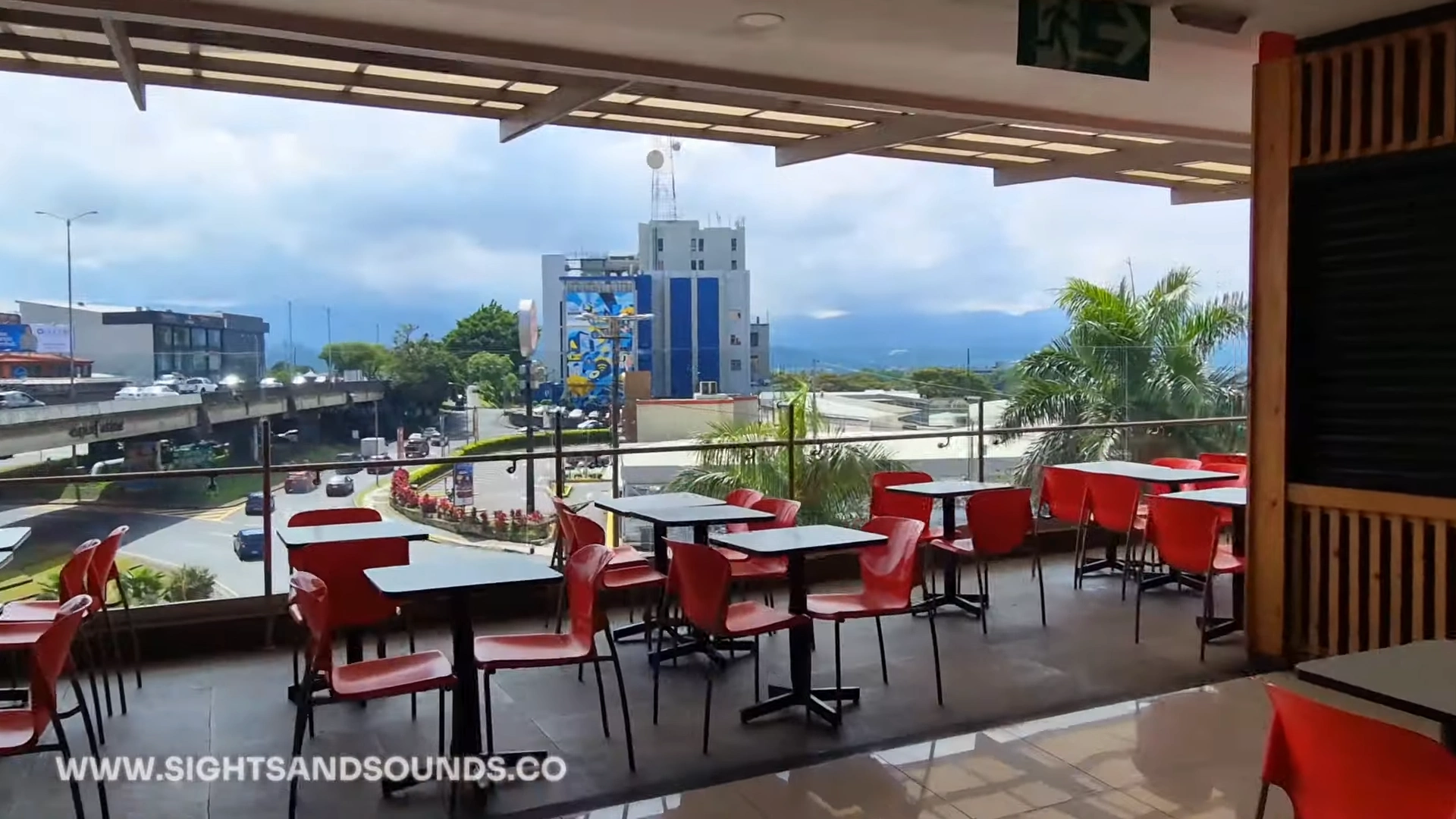
    The view of the town from the food court. This is a very busy part of the metropolitan area.

    Location and Neighborhood Benefits

    Mall San Pedro’s location puts you close to some of San José’s best dining and nightlife areas. The trendy Barrio Escalante with its craft breweries and upscale restaurants is just minutes away. Barrio California’s vibrant nightlife scene is also nearby, making the mall a perfect starting point for exploring the area.

    Getting here from downtown San José takes about 10 minutes by car or taxi. The surrounding university area is safe during the day and bustling with students. You’ll find plenty of local cafés and small restaurants in the neighborhood if you want to eat outside the mall.

    Shopping and Stores

    The mall centers around larger department stores like Ekono, which offers affordable clothing, electronics, and household items at discount prices. This is where locals come for practical shopping rather than luxury purchases. You’ll also find countless small kiosks selling phone accessories, jewelry, and electronics.

    Phone accessory stores seem to occupy every other storefront, reflecting the local market’s needs. Clothing shops focus on casual wear and work attire rather than designer fashion. The variety is impressive for everyday needs, though you won’t find many international luxury brands.

    Underground Parking and Practicalities

    Mall San Pedro has excellent underground parking that keeps your car cool and secure. The parking areas are well-lit with security guards monitoring the space. Rates are reasonable at around 500-1,000 colones for several hours of shopping.

    The food courts deserve special mention for their value. You can get a full meal for around 3,000 colones ($5), including local dishes alongside familiar fast food chains. The mall has two food courts – one on the second floor and another on the fourth floor with better views of the busy intersection below. The fourth-floor location gives you a great view of San José’s traffic and street life.

    Key Features:

      • Large department stores like Ekono for affordable shopping
      • Secure underground parking with reasonable rates
      • Two food courts with meals under $5
      • University area location near trendy Barrio Escalante

    Oxígeno Mall – Modern Shopping with Unique Features

    Oxígeno Mall near the airport combines modern shopping with unique features you won’t find elsewhere in Costa Rica. The design incorporates nature with its central courtyard and rooftop areas. These provide stunning views of the surrounding mountains and San José skyline. This isn’t just a shopping destination – it’s an experience.

    The location makes this mall incredibly convenient for airport travelers. It’s just 10-15 minutes from Juan Santamaría International Airport. The surrounding area has been developed into a modern commercial district with hotels and restaurants. This makes it feel like a destination rather than just a shopping stop.

    Airport Convenience and Location

    Oxígeno’s proximity to the airport makes it perfect for last-minute shopping. It’s also great for killing time before flights. The drive from SJO takes 10-15 minutes on well-maintained roads with clear signage. You’ll find several hotels nearby if you’re staying close to the airport.

    The complex is in a newer development area that feels more spacious and modern than central San José. Parking is abundant with both underground and surface lots at reasonable rates. The area is safe and well-patrolled. This makes it comfortable for tourists with luggage or rental cars.

    oxigeno human playground mall san jose heredia costa rica near airport day trip

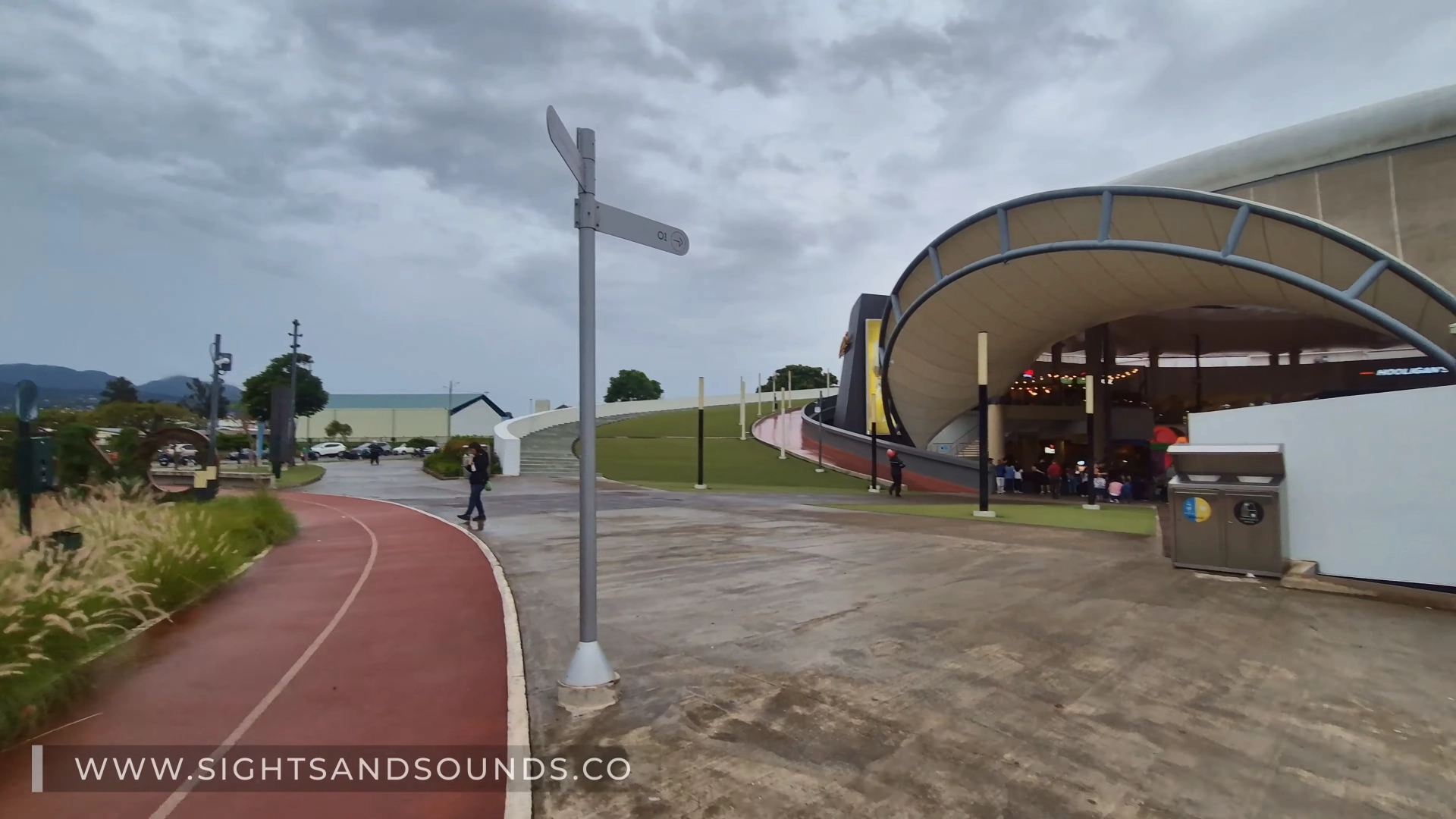
    The front entrance of Oxigeno Mall. There’s a small workout area with a running track. The main entrance to the mall leads right into the food court.

    Rooftop Experience and Views

    What sets Oxígeno apart is its accessible rooftop area. You can walk on top of the structure here. The panoramic views include the surrounding mountains and downtown San José in the distance. You can also see planes landing at the nearby airport. It’s surprisingly peaceful up there despite the urban location.

    The rooftop also houses a unique dog park with obstacle courses and agility equipment for pets. You’ll see local families bringing their dogs to play while enjoying the views. The entire rooftop area incorporates green building design with natural lighting and air circulation.

    Family Entertainment and Adventure Parks

    The complex houses an impressive multi-level adventure park with climbing walls, rope courses, and obstacle challenges. Kids and adults can test themselves on various difficulty levels. The adventure park takes up significant space and could easily occupy a family for several hours.

    Right above the adventure area, you’ll find a separate VR gaming zone. This has virtual reality experiences and arcade games. The two entertainment areas work together but provide different experiences. You get physical challenges downstairs and high-tech gaming upstairs. Combined with a large indoor playground shaped like a tree, families have plenty of options to keep children entertained while adults shop.

    Key Features:

      • Only 10-15 minutes from San José airport
      • Rooftop walkways with mountain and city views
      • Multi-level adventure park and VR gaming zone
      • Unique rooftop dog park with obstacle courses

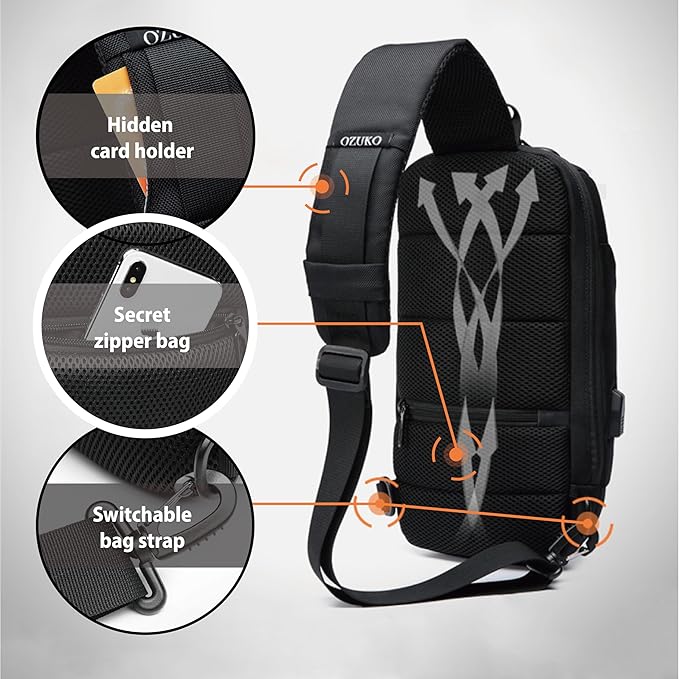
    Travel Tip: When I’m traveling in packed locations like city centers or malls, I always bring my lockable sling backpack. It has a combination lock on the zipper so I know my valuable items won’t walk away!

    If these blog posts and videos help plan your Costa Rica vacation, please support our channel.

    Follow Us

    Keep up with our latest Costa Rica travel videos and guides by subscribing to our YouTube channel. We regularly post new content showing real conditions across different regions and seasons.

    Planning a trip to Costa Rica? Contact us — we help with itineraries, logistics, and finding the spots most tourists miss.

  • Costa Rica’s Hidden Gem Farmers Markets: Local Treasures Beyond the Tourist Trail

    Costa Rica’s Hidden Gem Farmers Markets: Local Treasures Beyond the Tourist Trail

    Costa Rica’s vibrant farmers markets (ferias) will give you a genuine slice of local life. These weekly gatherings showcase the country’s fresh produce and cultural traditions. From busy city markets to small beach town setups, each feria has its own character based on its location.

    These markets are more than shopping spots – they’re community meeting places. Many people come to socialize and catch up with neighbors. For visitors, markets create a perfect chance to meet Costa Ricans vendors. You can practice Spanish, try regional foods, and enjoy the nearby natural destinations. 

    Costa Rican markets stand out because they remain authentic and accessible. While markets in many countries cater mainly to tourists, most Costa Rican ferias still focus on serving local communities. This guide covers standout markets across the country – from beaches to mountain villages. We include practical details to help you add these cultural hotspots to your trip. Food lovers, photographers, and anyone curious about daily Costa Rican life will find these markets worth visiting.

    Travel Tip: You don’t need to buy a SIM card when you land in Costa Rica to get data connection. With an eSIM, you’ll be able to configure your data connection before you depart for your vacation. I use the Saily eSIM in Costa Rica.

    Table Of Contents

    Estimated Reading Time: 20 Minutes

    Uvita Market: Weekend Beach Town Treasure

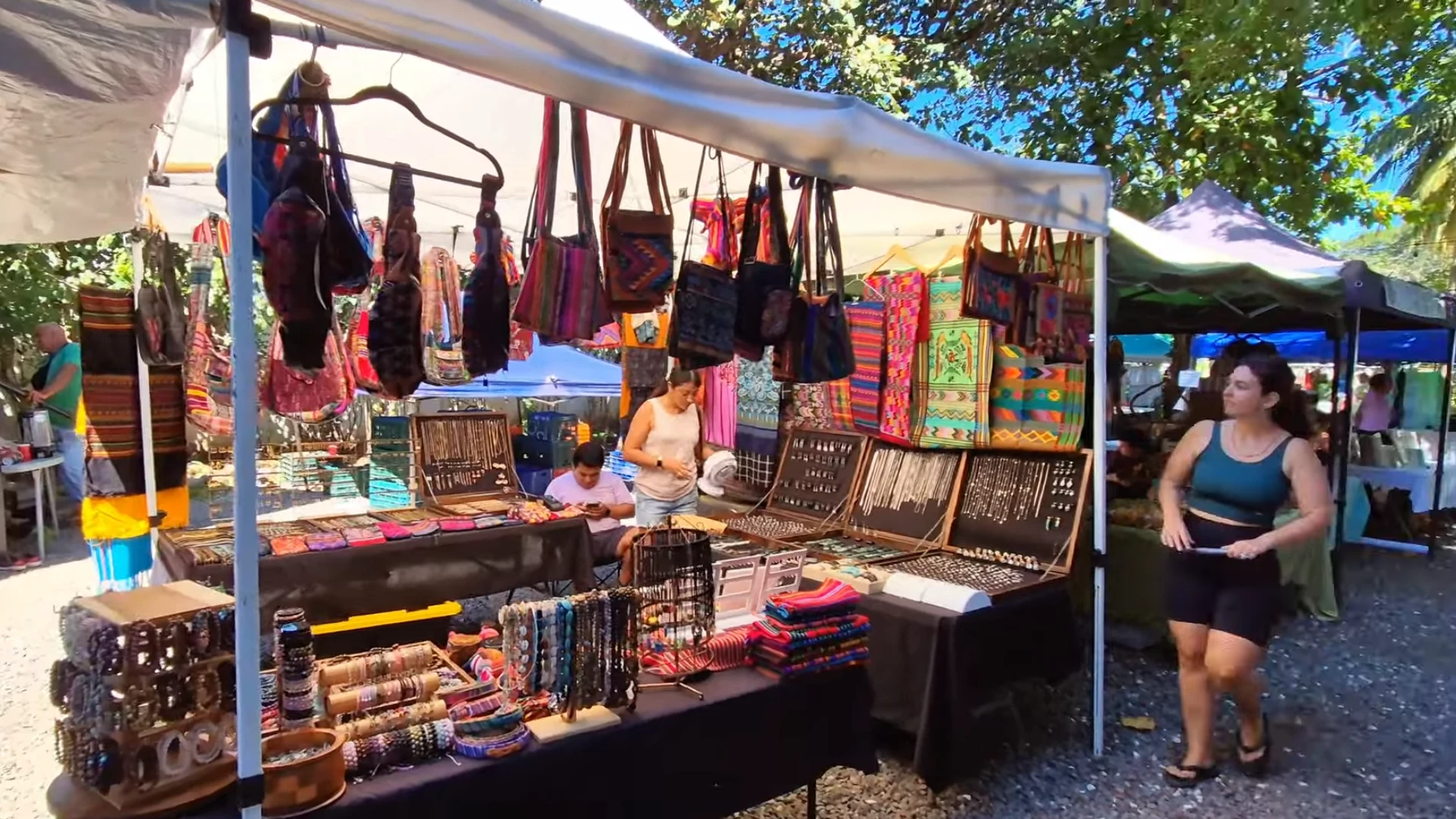
    The Saturday market in Uvita ranks as one of the Pacific coast’s most busy ferias. It’s only minutes from the famous Whale’s Tail beach in Puntarenas Province. Both locals and travelers visit this market each weekend. Mountains rise in the background while the ocean is just a short walk away.

    Uvita’s feria has a relaxed beach town feel unlike bigger city markets. Vendors sell everything from tropical fruits to handcrafted jewelry. The entire market operates under a large covered structure. It runs Saturday mornings from around 7 AM until early afternoon. For best selection, arrive before 10 AM.

    Fresh produce is at the back of the market – pineapples, mangoes, papayas, and lesser-known tropical fruits. Local artisans have handmade crafts, natural products, and unique souvenirs. Several food vendors serve traditional Costa Rican snacks and fresh fruit smoothies.

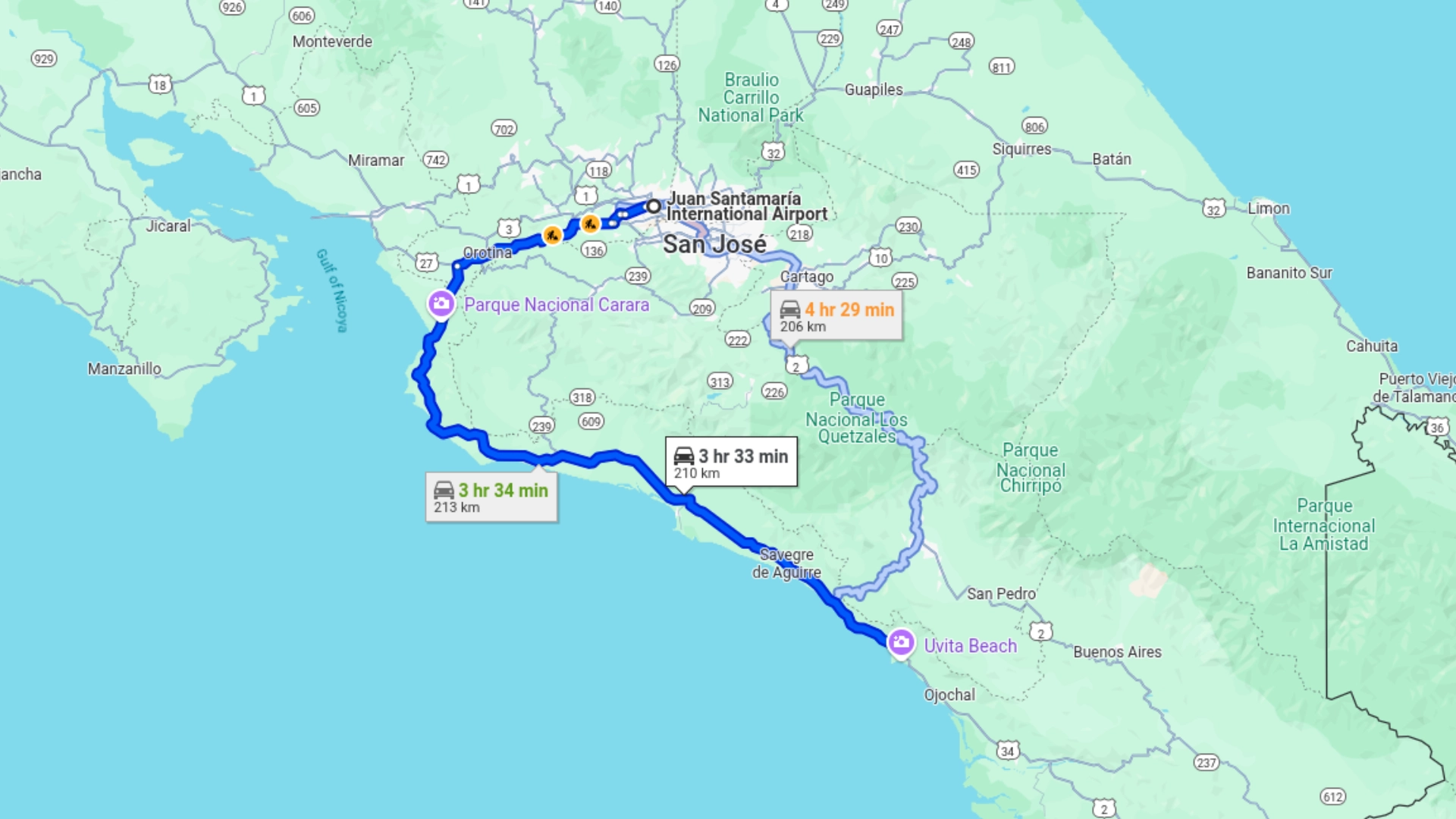
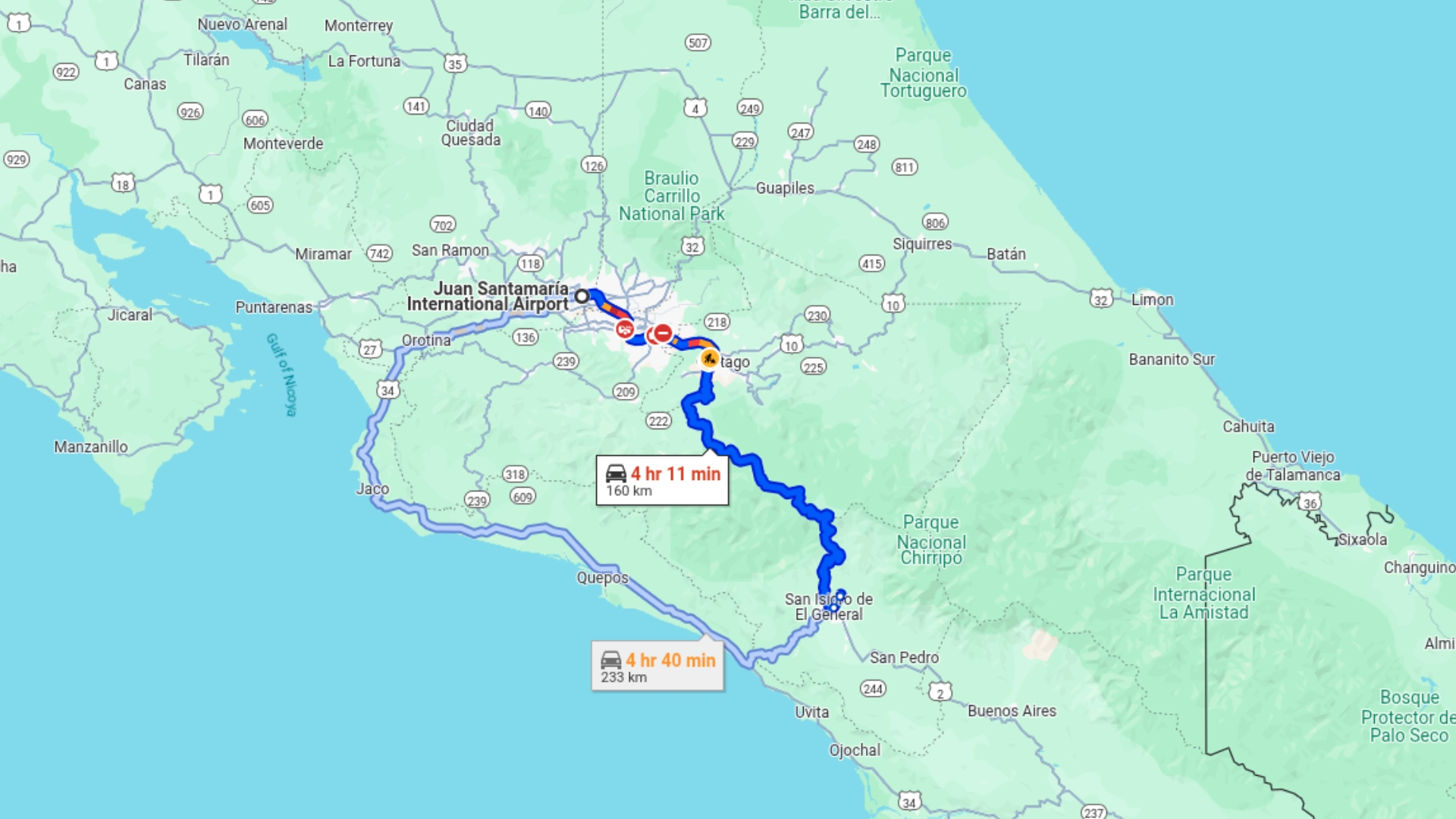
    driving directions from sjo airport to uvita costa rica

    Driving directions from the airport in San José, to Uvita. It’s a long drive but well paved.

    How to Get to Uvita

    The drive from San José to Uvita is about 220 kilometers (136 miles) and takes approximately 3-4 hours depending on traffic. The route follows well maintained highways for the journey, and fairly straight forward. Most rental cars, including standard sedans, handle this trip easily during dry season (December-April). During rainy season (May-November), occasional heavy downpours might slow your progress.

    For the most scenic experience, plan for a daytime drive to enjoy mountain and ocean views along the way. Several small towns between San José and Uvita have convenience stops with restaurants, gas stations, and restrooms. Most travelers make at least one brief stop, typically in Jacó or Quepos, to break up the journey.

    What to Expect

    Farmers will have colorful tables full of fresh produce at prices much lower than supermarkets. A pineapple costs around 500-1000 colones ($1-2) – about half what tourist area stores charge.

    Many vendors speak some English, especially those catering to tourists. Basic Spanish phrases help with price discussions. Bring colones for better rates, though most vendors accept US dollars. Some vendors also accept Bitcoin as well.

    Craft seekers will enjoy seeing handmade jewelry, wooden carvings, and natural skin care products. These items typically cost between 5,000-15,000 colones ($10-30) – much less than resort gift shops charge.

    Alajuela Market: Capital Region’s Convenient Feria

    The Saturday farmers market in Alajuela gives travelers a perfect taste of Costa Rican ferias close to the capital region. It’s just 20 minutes from San José International Airport (SJO), this market draws locals shopping for the week ahead. Its location near the airport makes it perfect for visitors on their first or last day in Costa Rica.

    The market covers several blocks near town center. Vendors set up under a large covered structure that shields the sun and rain. Morning hours fill with activity as families look for weekly groceries. While some markets cater to tourists, Alajuela’s keeps its local character.

    This market stands out for its diverse display of Costa Rica’s agriculture. The higher Central Valley climate grows different crops than coastal areas. You’ll find mountain grown coffee, strawberries, and vegetables alongside tropical fruits from lower elevations.

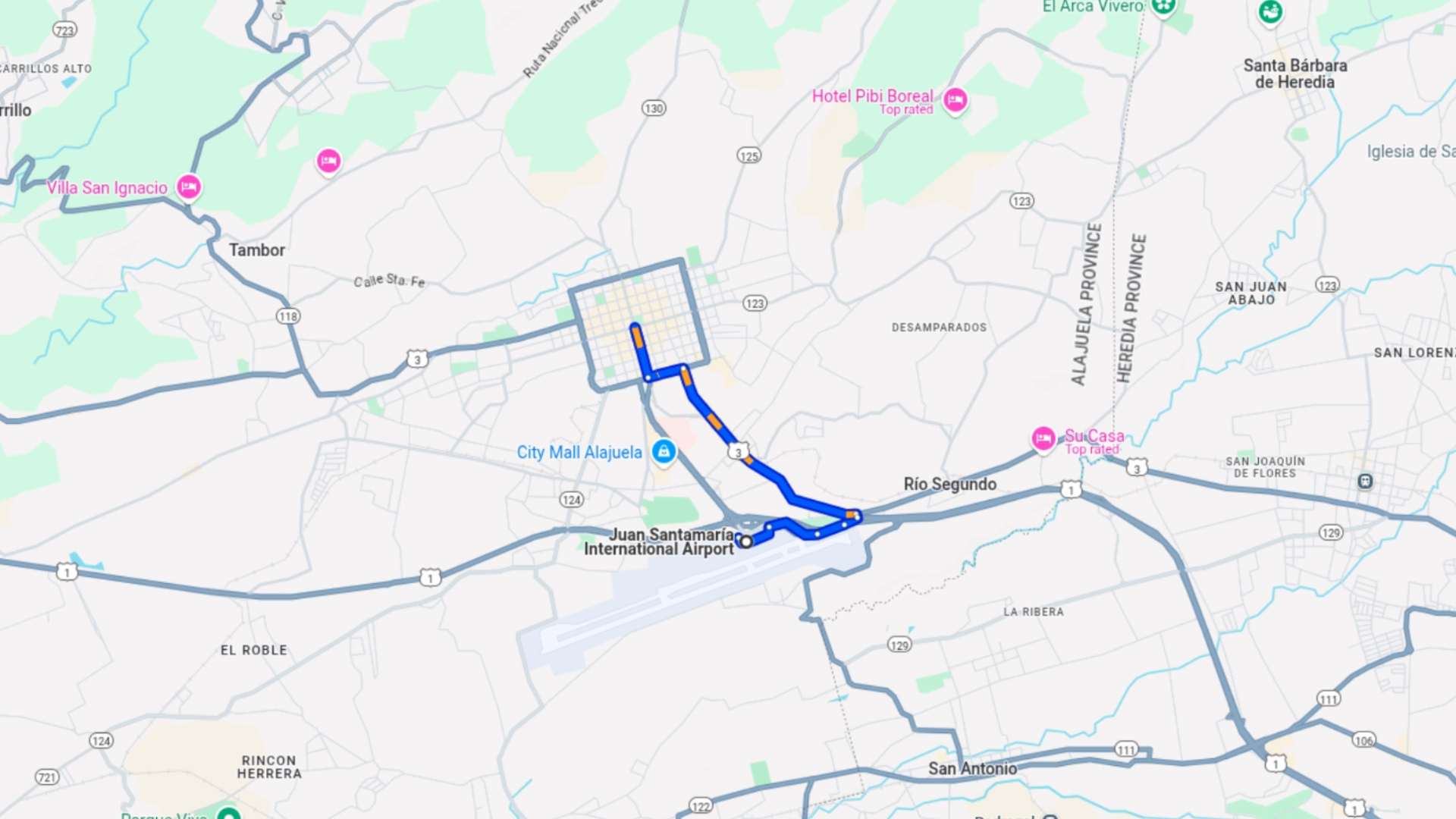
    directions from the san jose airport to alajuela costa rica

    Alajuela is a short drive from the international airport. It could be your first market when you land for vacation.

    How to Get to Alajuela

    The drive from San José to Alajuela is only 20 kilometers (12 miles) and takes about 20 – 30 minutes depending on traffic. From the SJO International Airport, the trip is under 10 minutes by car. The route follows good city and suburban roads accessible by any vehicle.

    Public buses connect San José to Alajuela throughout the day. Many visitors prefer taking a taxi or rideshare from their hotel, especially when buying items they’ll need to carry back. The market is within walking distance of Alajuela’s main plaza and cathedral if you’re staying nearby.

    What to Expect

    Alajuela’s market has fresh produce at prices much lower than supermarkets. Vendors have displays of fruits and vegetables priced by the kilo. Typical prices include:

      • Pineapples: 800-1,000 colones each ($1.60-2.00)
      • Coffee: 2,000-4,000 colones per bag ($4-8) depending on quality
      • Strawberries: 1,500 colones per basket ($3)
      • Tomatoes: 600 colones/kilo ($1.20/kg)
      • Avocados: 1,000 colones each ($2)
      • Mangoes: 200-500 colones each (40¢-$1) depending on variety


    The market feels lively but not crowded. Many vendors know basic English, especially those who often talk with tourists. Bring colones for better prices, most  vendors take US dollars at less favorable rates. Most sales are cash only.

    Beyond produce, you’ll find areas for meats, cheeses, baked goods, and prepared foods. Try traditional Costa Rican breakfast items like chorreadas (corn pancakes) or empanadas from food stalls. Coffee lovers should look for local growers selling fresh beans from nearby mountain farms.

    The Alajuela market works perfectly for travelers wanting to stock vacation rentals with fresh fruit and local coffee. It’s also great for last minute gifts before flying home. The best selection appears between 7-9 AM, though the market stays active until early afternoon.

    cooler pack

    Bring a cooler backpack during your shopping trip to a local market in Costa Rica. Keep your fruits and veggies cool while you explore.

    Cartago Market: Historic City’s Traditional Feria

    The farmers market in Cartago combines tradition and practicality in one of Costa Rica’s oldest colonial cities. About 25 kilometers (15 miles) east of San José, Cartago was the country’s first capital and remains an important cultural center. The market is close to the historic downtown and draws residents from across the eastern Central Valley.

    Unlike tourist focused markets, Cartago’s feria keeps a distinctly local atmosphere. The market uses a dedicated building with both indoor and outdoor sections, making shopping comfortable in any weather. Vendors display their products neatly with clear pricing, helpful even for visitors who speak limited Spanish.

    This market’s special charm comes from its ties to Cartago’s farming heritage. The nearby farmland produces some of Costa Rica’s best potatoes, onions, and cool weather vegetables. You’ll also see tropical fruits from lower elevations, showing off the country’s diverse growing regions.

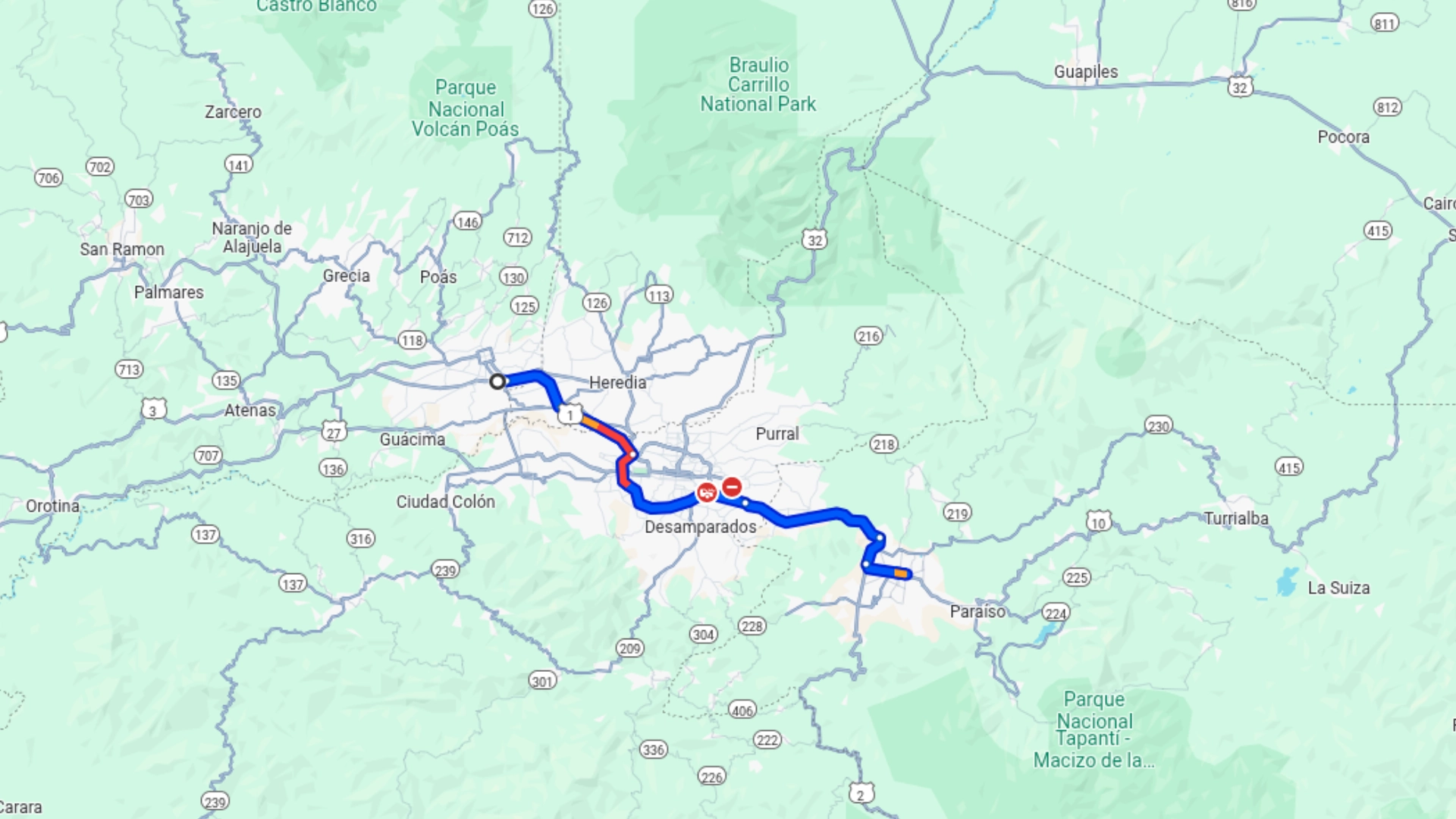
    day trip drive from san jose airport to cartago costa rica

    It’s a short distance from SJO to Cartago, which usually takes an hour of driving. But traffic can impact the drive, especially around 4pm.

    How to Get to Cartago

    The drive from San José to Cartago spans about 25 kilometers (15 miles) and takes 45-60 minutes depending on traffic. The route follows Highway 2, a good road that passes through eastern San José suburbs before crossing mountain areas with valley views. All cars handle this drive easily.

    Public buses run often between San José and Cartago for those without a car. The bus terminal in Cartago is located just a short walk from the market. Plan to arrive early in the morning when the market is busiest and before midday traffic builds for your return trip.

    What to Expect

    Cartago’s market has a wide assortment of fruits and vegetables at a great price. Fresh tomatoes cost about 500 colones per kilo ($1/kg), while large onions sell for 700-800 colones per kilo ($1.40-1.60/kg). The market excels in root vegetables like potatoes grown in the volcanic soil of nearby mountains.

    Beyond produce, the market has sections for fresh meats, dairy products, and prepared foods. Small food stalls serve traditional Costa Rican breakfast and coffee. Don’t miss the cheese section with fresh handmade varieties.

    After the market, visit Cartago’s impressive Basilica de Nuestra Señora de los Ángeles just a short walk away. This important religious site plus the market makes Cartago an excellent day trip from San José. The market is busiest Saturday mornings, though some sections open throughout the week with shorter hours.

    Playas del Coco Market: Closest  Market to Papagayo Peninsula Resorts

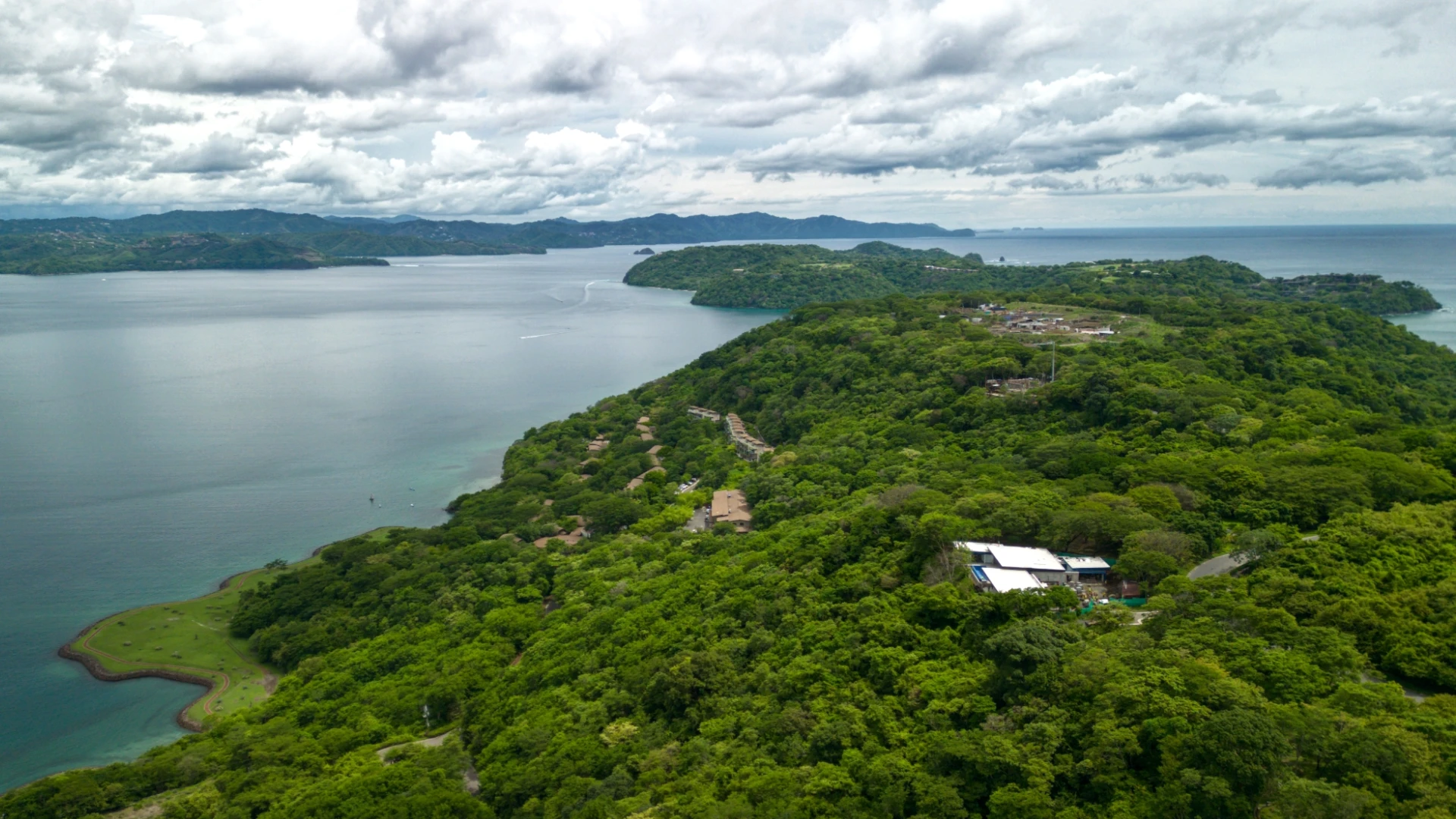
    The Sunday market in Playas del Coco will give you relaxed shopping just minutes from Guanacaste’s popular resort areas. This small market is the closest regular feria to luxury resorts on Papagayo Peninsula, including Four Seasons, Andaz, and Planet Hollywood. Those staying at El Mangroove or Bahia Papagayo in Playa Panama can reach it with a 15 minute drive, perfect for a morning trip.

    Unlike big Central Valley markets, Coco’s market stays small with several dozen vendors instead of hundreds. The setting matches its beach town location with a casual vibe. The market runs Sunday mornings until early afternoon, giving you a nice activity before or after beach time.

    This market stands out by mixing local produce with tourist friendly crafts. The market is located in the hotel called La Puerta del Sol, which has a restaurant called Garden Bar. The restaurant is open during the market so you can grab lunch or a drink while you browse.

    drive from liberia airport to playas del coco costa rica

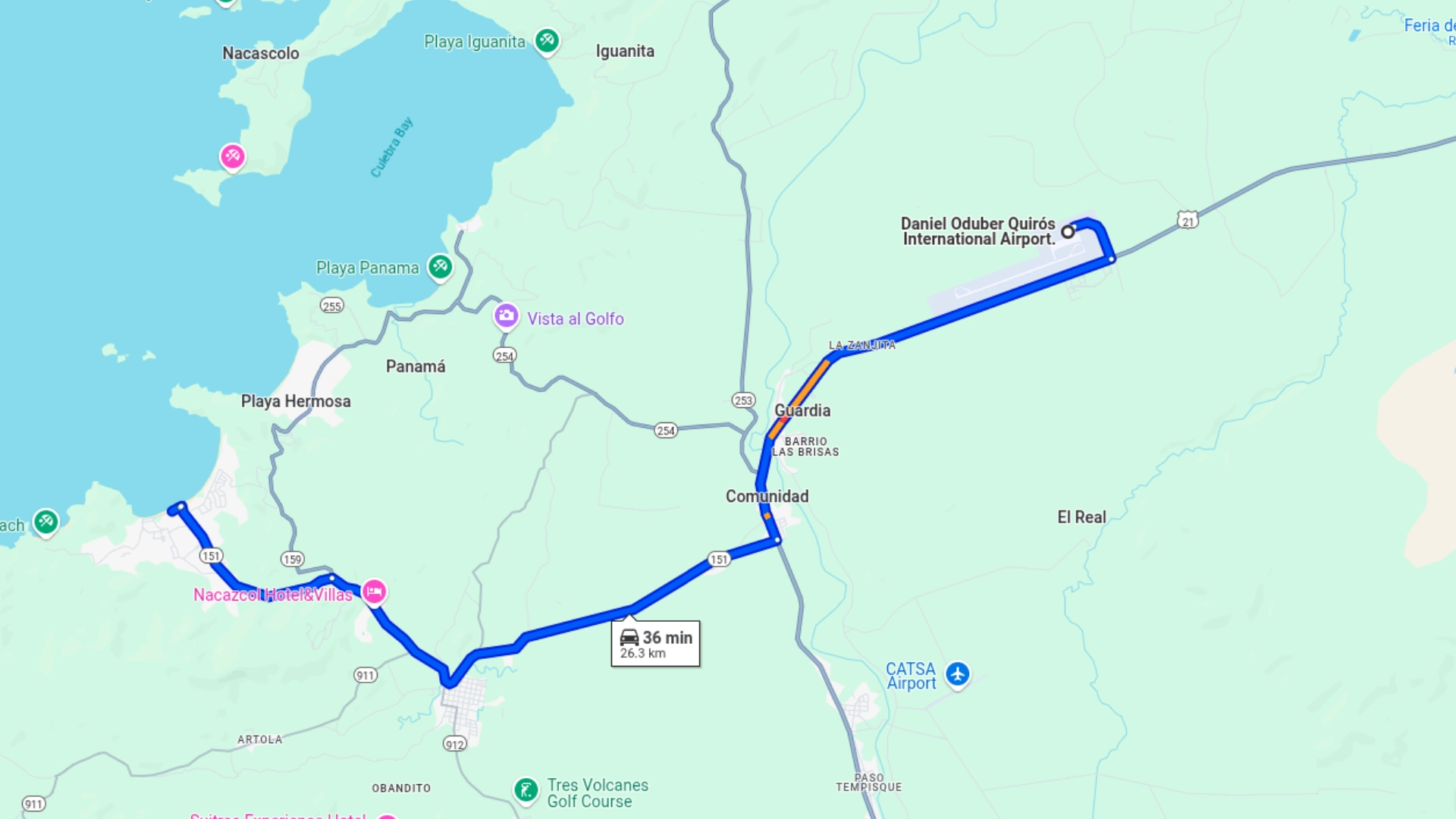
    Driving route from the airport in Liberia to Playas del Coco. Easy trip in your rental car or airport transfer.

    How to Get to Playas del Coco

    The drive from Liberia International Airport to Playas del Coco is about 30 kilometers (19 miles) and takes 30 – 40 minutes. The route has good paved roads the entire way. From the Papagayo Peninsula resorts, the drive takes 30 – 45 minutes depending on where you start.

    If you’re staying in Playas del Coco, the market is between the area of Las Palmas and the downtown strip. Some parking is available across the street from the hotel, or on street. You’ll find the entrance easily as there’ll be many cars lined up on the sides with people walking about.

    playas del coco tourism vacation destination beach town local market costa rica

    The market in Coco is compact and a great place to spend the morning. It’s only a short walk to the beach.

    What to Expect

    The Coco market sells fresh produce, prepared foods, handcrafted items, and some clothing. Though smaller than inland markets, it has a good variety at lower prices than resort shops or supermarkets. Fresh pineapples cost about 1,000-1,500 colones ($2-3) each, while avocados and mangoes run 500-1,000 colones ($1-2) based on size.

    The market attracts local residents, expats, and tourists. Many vendors know some English, especially those selling crafts or food. It’s best to purchase with colones, but you can use USD with a small exchange fee.

    Food stalls sell breakfast items, fresh smoothies, and local snacks. Some vendors have specialty products like homemade kombucha, honey, and artisanal cheeses not found in regular stores. 

    Try to arrive early, around 8-9 AM, when selection is best and temperatures cooler. After shopping, you can walk to nearby cafés along Coco’s main street for breakfast or lunch. Most people will spend about 30 minutes to an hour here. 

    Pérez Zeledón Market: Central Valley’s Large-Scale Feria

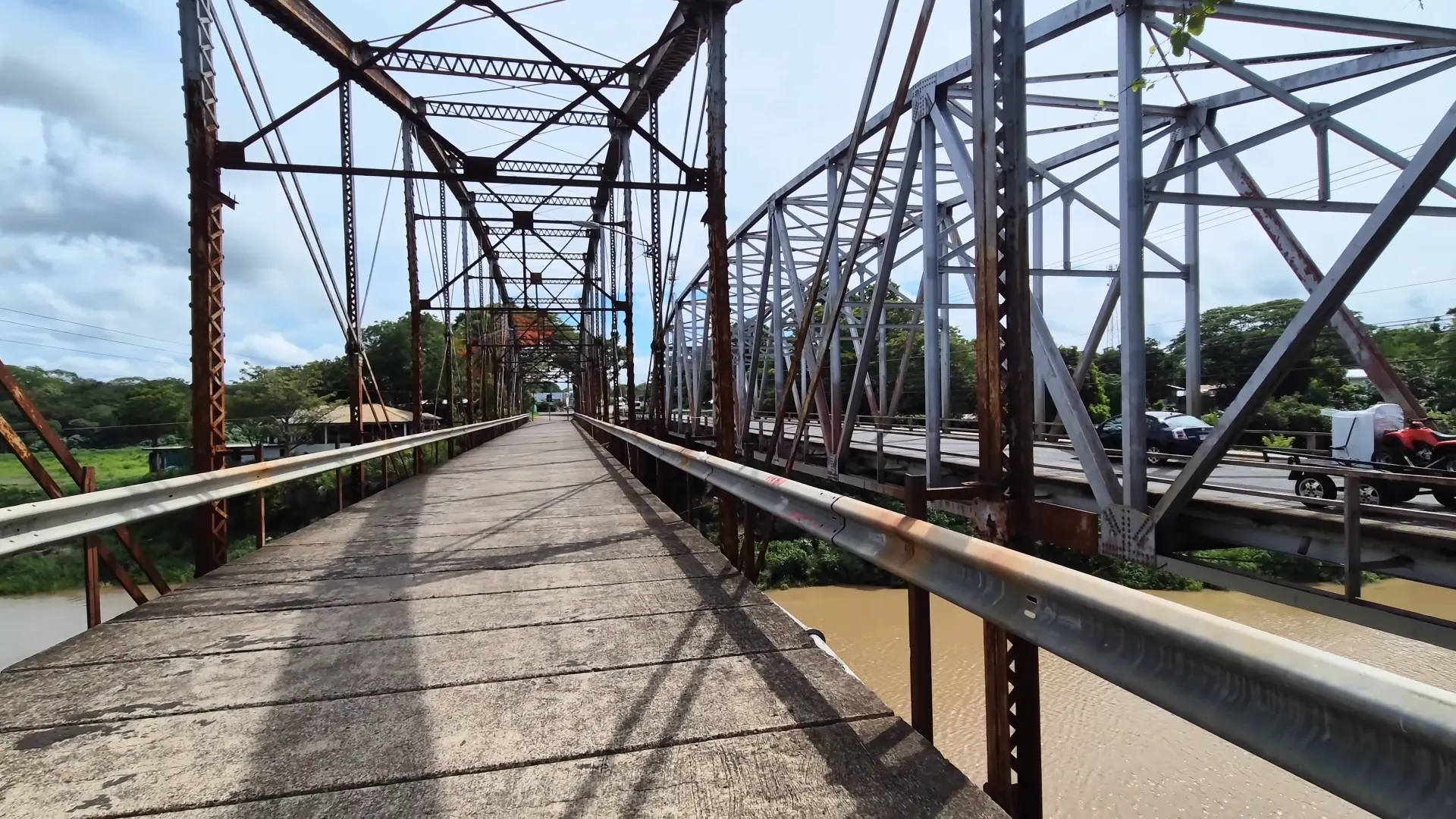
    The Wednesday farmers market in Pérez Zeledón is my favorite farmers market in all of Costa Rica. It fills the main town of Santa Isidro del General, stretching across multiple city blocks. Farmers come from all the surrounding mountains, bringing a diverse selection rarely found at smaller markets.

    The layout follows a simple grid with wide aisles for easy navigation. Vendors cluster by product type – produce in one area, meats in another, with crafts and food stalls mixed throughout. The clean, organized space has covered areas to protect shoppers from sun and rain.

    driving route from sjo to perez zeledon southern zone market costa rica

    The drive from SJO to Pérez Zeledón will take you across the mountains which divide San Jose from the southern area.

    How to Get to Pérez Zeledón

    The drive from San José to Pérez Zeledón covers about 135 kilometers (84 miles) and takes 3 hours. The route goes through the incredible Cerro de la Muerte mountain pass. You’ll reach heights of over 3,000 meters before dropping into the Valley of El General.

    The road is well paved, but fog often covers the mountain pass, making midday driving safer. The route has several viewpoints with amazing photo spots overlooking the valley and mountains.

    What to Expect

    This market has an impressive range of fresh produce, meats, cheeses, and prepared foods. Farmers arrange neat piles of fruits and vegetables, often picked just hours earlier. Lookout for the exotic fruit vendor who usually has some very unique stuff. A typical price list includes:

    • Tomatoes: 500 colones/kilo ($1/kg)
    • Onions: 700 colones/kilo ($1.40/kg)
    • Potatoes: 700 colones/kilo ($1.40/kg)
    • Pineapples: 1,500 colones each ($3 each)
    • Bananas: 300 colones/bunch (60¢/bunch)
    • Eggs: 30 for 6,000 colones (30 for $12)
    • Local cheese: 2,500-4,000 colones/ball ($5-8/ball)
    • Coffee beans: 2,000-3,000 colones/bag ($4-6/bag)


    This part of Costa Rica is less touched by tourism than the coasts, so not all the vendors will speak English. Knowing some basic Spanish will help with inquiring the costs of items. There is a small soda (local restaurant) inside the market which has some basic plates of hot food. If you’d like to find some gallo pinto or casado, there are many larger sodas just a short walk in town.

    If these blog posts and videos help plan your Costa Rica vacation, please support our channel.

    Follow Us

    Keep up with our latest Costa Rica travel videos and guides by subscribing to our YouTube channel. We regularly post new content showing real conditions across different regions and seasons.

    Leave a comment with your Costa Rica travel questions – we’re happy to help plan your perfect time to visit.

    When are farmers markets typically open in Costa Rica?

    Most Costa Rican farmers markets (ferias) operate on weekends, typically starting Friday afternoons or early Saturday mornings and closing by early afternoon. The largest markets run on Saturdays from around 6-7 AM until 1-2 PM. Some larger towns have markets on multiple days, with Wednesday also being common. Each town has its own schedule, so check locally for specific hours. Markets start early, with the best selection available before 9 AM.

    Are Costa Rican farmers markets cheaper than supermarkets?

    Yes, farmers markets in Costa Rica typically offer prices 30-50% lower than supermarkets for fresh produce. A recent study by the National Production Council found some items cost up to 145% less at farmers markets. For example, tomatoes might cost 500 colones/kilo ($1/kg) at a market versus 2,000+ colones at supermarkets. The savings are especially significant on locally grown items like fruits, vegetables, and coffee. Tourist-area markets tend to have slightly higher prices than those in local communities.

    Do vendors at Costa Rican markets accept US dollars?

    Some vendors at Costa Rican markets accept US dollars, especially in tourist areas, but at less favorable exchange rates. For the best prices, bring colones (Costa Rican currency). Most vendors don’t accept credit cards, so cash is essential. ATMs near markets often offer better exchange rates than changing money at the market. Small bills (1,000, 2,000, and 5,000 colones) are most useful for market shopping.

    What should I bring to a farmers market in Costa Rica?

    Bring a reusable shopping bag or backpack, cash in colones (small bills), a water bottle, and sun protection (hat, sunscreen). Basic Spanish phrases for numbers and food items help with transactions. Many shoppers bring small calculators or use phone calculators to confirm prices. Consider bringing a cooler bag if you plan to buy perishables and won’t return to your accommodation immediately. Most vendors provide plastic bags, but bringing your own is more environmentally friendly.

    Can I bargain at Costa Rican farmers markets?

    Unlike some countries, bargaining isn’t common practice at Costa Rican farmers markets, especially for produce. Prices are generally fair and already lower than stores. Some gentle negotiation might be possible when buying multiple items or with craft vendors, but aggressive bargaining is considered impolite. Paying cash sometimes results in small discounts of 5-10% at craft or prepared food stalls.

    What are the best items to buy at Costa Rican markets?

    The best purchases include tropical fruits (like mangoes, pineapples, and less common varieties like rambutan/mamón chino), local coffee directly from growers, fresh cheese (especially the string cheese called palmito), and handcrafted items from artisans. Costa Rican markets excel at seasonal produce, offering varieties not commonly found in North American or European markets. Fresh herbs, honey products, and homemade sauces also make excellent purchases. For visitors staying in accommodations with kitchens, the markets provide affordable, high-quality ingredients for cooking.

    Are farmers markets in Costa Rica safe for tourists?

    Yes, Costa Rican farmers markets are generally very safe for tourists. Most markets have security personnel and well-organized layouts. As with any crowded place, keep valuables secure and be aware of your surroundings. Larger markets in cities like San José can get crowded, so a securable sling/cross-body bag is preferable to a backpack. Food safety standards are good, though it’s advisable to wash all produce before consuming. Many markets have bathroom facilities with hand washing stations (sometimes a fee of 300-500 colones).

    How early should I arrive at a Costa Rican farmers market?

    For the best experience, arrive between 7-9 AM. Early morning offers the freshest selection, coolest temperatures, and less crowded conditions. Farmers begin setting up before dawn, and many of the best products sell out by mid-morning. By noon, some vendors start packing up, and selection becomes limited. Tourist-area markets may start and end slightly later. Weekend markets are typically busiest between 9-11 AM when most locals do their shopping.

  • Exploring Marina Papagayo: Costa Rica’s Premier Yacht Harbor & Hidden Beach Day Trips

    Exploring Marina Papagayo: Costa Rica’s Premier Yacht Harbor & Hidden Beach Day Trips

    Driving along the coastal road to Papagayo, you’ll find one of Costa Rica’s luxury marina tucked into a protected bay. Marina Papagayo is just 30 minutes from Liberia Airport, making it easy to visit even if you’re just starting your Guanacaste trip. The harbor has mega-yachts and allows day visitors who come to see the impressive boats, grab lunch, or jump on a fishing charter. The Marina has space for 180 boats up to 250 feet, clear blue water, and great facilities. It’s the perfect first stop in this beautiful part of Costa Rica.

    I stumbled upon the Papagayo Peninsula during my travels through Guanacaste and found it quite different from other parts of Costa Rica. The marina acts as the center point for exploring this exclusive area. From here, you can drive to hidden beaches with white sand, or hop on a boat to find secluded coves only accessible by water. What makes this place special? The combination of natural beauty and thoughtful development. You’ll find world class resorts and a golf course nearby, but 70% of the peninsula remains undeveloped – a commitment Costa Rica takes seriously.

    Most travelers come to Costa Rica for the beaches or zip lines, but few make time to check out Marina Papagayo. The marina gives you a different view of coastal life here. In this post we’ll go over some details and tips you need – how to get there, where to eat, and which nearby beaches to visit. You don’t need to charter a yacht to enjoy this place (though you certainly can). Even a quick stop to walk around, take photos of the boats, and have lunch makes a worthwhile addition to your Guanacaste adventure.

    Travel Tip: You don’t need to buy a SIM card when you land in Costa Rica to get data connection. With an eSIM, you’ll be able to configure your data connection before you depart for your vacation. I use the Saily eSIM in Costa Rica.

    Table Of Contents

    Estimated Reading Time: 20 Minutes

    saily esim costa rica bannersaily-banners-affordable-esim-1200×628

    Getting to Marina Papagayo

    Marina Papagayo is only 30 minutes from Liberia International Airport in northern Guanacaste. This close proximity makes it one of Costa Rica’s most accessible coastal spots. Even on a tight schedule you can visit the marina, or make it your first stop right after landing.

    The Papagayo Peninsula stands out from other Costa Rican destinations because of this strategic location. Most beautiful spots in Costa Rica require hours of driving. Marina Papagayo gives you luxury and natural beauty without those travel headaches. This easy access adds to its appeal whether you stay at nearby resorts or just visit for the day.

    From Liberia International Airport

    After landing at Liberia Airport, drive toward Highway 21 going south. Look for the Do-It Center hardware store at the main intersection, then turn right onto Route 253. Stay on this road for about 18 kilometers until you see signs for Marina Papagayo. Your drive passes through farmland and cattle ranches before reaching the coast.

    When you turn onto the peninsula road, you’ll spot an immediate change. The roads improve with perfect maintenance and garden landscaping on both sides. Drive past a roundabout with Planet Hollywood Resort, then continue downhill to find the marina entrance on your right. Day visitors can park for free, but spaces fill quickly during peak season.

    route from liberia airport in costa rica to papagayo peninsula

    A bridge on the route between the Liberia Airport and the Papagayo Peninsula. This bridge is just before Communidad, where you’ll find some smaller grocery stores, restaurants and gas stations.

    Road Conditions & Driving Tips

    The journey to Marina Papagayo doesn’t need a 4 x 4 vehicle like many Costa Rican destinations do. The whole route has good paved roads that any rental car can handle. As you approach the marina, you’ll drive on smooth pavement and decorative cobblestone that matches the upscale setting.

    Look out for speed bumps on Route 253, especially near the town of Communidad. Closer to the Marina, you’ll find several pullouts where you can safely stop for photos of the gulf. Cell service works well throughout the drive for navigation apps. If you’re worried about reception, download offline maps before your trip. There are clear signs along the route, so it shouldn’t be hard to reach your destination.

    Marina Papagayo Facilities & Amenities

    Among Costa Rica’s premier yacht harbors, Marina Papagayo is located within the protected waters of Bahía Culebra. This upscale facility everything from small fishing boats to mega yachts. The sheltered location is a safe haven even during the strong Papagayo winds that hit this coastline between December and April.

    You don’t need a boat to enjoy the marina. You’ll be able to walk the boardwalk, watch boats come and go, and relax at waterfront restaurants. The thoughtful design blends with the natural landscape. You can expect to pay premium prices at the Marina, which is to be expected given the high end nature of the development. I paid $6 for a coffee, but it was worth it to enjoy the nice restaurant and scenery.

    Yacht Services & Docking

    Boat owners receive full service treatment at Marina Papagayo. The facility has 24/7 security, fuel delivery, and other services required for boats. The boats are even provided WiFi. The Papagayo Marina can dock larger boats as well, as seen in the Youtube video. 

    The main pier is over 1,000 feet with no obstacles, perfect for the biggest vessels. Yacht captains value the marina’s location, which is 640 nautical miles from the Panama Canal. Many use it as a home base for trips to nearby diving spots or surfing locations like Witch’s Rock. The marina also handles yacht maintenance and can connect owners with qualified local crew members.

    Boat Tours & Sportfishing Charters

    Want to get out on the water without owning a boat? Several charter companies operate from Marina Papagayo. Fishing ranks as the most popular activity, with the Gulf waters home to sailfish, marlin, tuna, and mahi-mahi. Most fishing trips include gear, bait, drinks, and lunch. Half-day trips cost between $800-900, while full days run $1,200-1,400 depending on boat type.

    Sunset catamaran cruises leave daily from the docks. These trips typically stop at quiet beaches for snorkeling, serve drinks and snacks. They return as the sun sets over the Pacific. Wildlife watching adds to the experience as dolphins play in these waters year round. You might spot sea turtles or whales during migration seasons. Diving trips also depart from the marina to explore the rich marine life in nearby waters.

    Restaurants & Shops

    Several dining options are available for both boaters and day trippers at the marina complex. Dive Bar opens at noon, serving coffee drinks and breakfast items with views of the morning boat activity. The main marina restaurant offers fresh seafood and international dishes with waterfront seating. Expect to pay more than in nearby towns – main courses run $15-30, but the quality and location make up for higher prices.

    A small market in the marina sell basic supplies, snacks, and cold drinks. Boaters can order special items through the marina office for longer stays. While shopping remains limited compared to larger harbors, you’ll find everything needed for comfortable day visits. The entire facility maintains the upscale feel of the peninsula, with immaculate grounds and attentive service throughout.

    water shoes for exploring costa rica

    Pick up a pair of these awesome water shoes. I’ve been using them all over Costa Rica during my travels. They have vented soles so water drains right out the bottom! 

    Where to Stay Around Papagayo Peninsula

    The Papagayo Peninsula has some of Costa Rica’s most exclusive accommodations. This stretch of coastline features several world class resorts set among preserved forests and pristine beaches. Thanks to strict development rules, 70% of the peninsula remains undeveloped. This gives guests a unique mix of luxury and natural beauty.

    You’ll find several options for overnight stays, from ultra luxury resorts to boutique properties. Each offers something unique while sharing the peninsula’s spectacular ocean views and access to outdoor activities. The close proximity to Marina Papagayo makes it easy to visit by car or resort shuttle during your stay.

    Luxury Resorts

    The Four Seasons is the original luxury property on the peninsula. This resort spreads across 45 acres between two beaches. They have rooms and suites with both ocean or forest views. Guests enjoy the 18 hole Arnold Palmer golf course, multiple swimming pools, and four restaurants. The property provides shuttle service to Marina Papagayo for guests wanting to book boat tours.

    Andaz Peninsula Papagayo brings a more modern architectural approach to luxury. The buildings feature unique curved roofs inspired by native shells and cocoons. Three restaurants, two beaches, and a spa focus are available to guests. Planet Hollywood Beach Resort is the closest resort to Marina Papagayo. It is an all inclusive option with celebrity themed rooms. This family friendly resort makes as an easy base for marina visits.

    papagayo peninsula with luxuty resorts and beaches

    Drone photo of the Papagayo Peninsula, with the Andaz Resort in the lower left. There’s a lot of nice beaches along the Peninsula.

    Resort Beaches

    Each major resort maintains beach facilities along the coastline. Playa Nacascolo near the Four Seasons has soft white sand and calm, clear waters perfect for swimming. This beach provides basic facilities like restrooms and some natural shade from trees lining the shore.

    Playa Virador, another Four Seasons beach, has more seclusion with darker volcanic sand and incredible sunset views. The Andaz has close access to Playa Sombrero, a small protected cove with gentle waves ideal for children. While all Costa Rican beaches remain public by law, reaching these spots typically requires passing through resort property or arriving by boat from Marina Papagayo.

    Other Accommodation Options

    Not everyone stays at the luxury resorts. Marina Papagayo Suites has apartment style units right at the marina. This is perfect for boaters or visitors wanting convenient access. These accommodations include a pool, gym, and crew lounge at more moderate prices than the major resorts.

    The nearby towns of Playas del Coco and Playa Hermosa (both about 20 minutes from the marina) have numerous hotels, vacation rentals, and boutique properties. These towns have much lower price points than the luxury stays in Papagayo. Staying in these communities gives you a more accessible vacation while keeping Marina Papagayo within easy driving distance. Many travelers combine a few nights at a peninsula resort with a longer stay in these more affordable areas.

    Nearby Hidden Beaches

    While the Papagayo Peninsula’s resort beaches have comfort and convenience, some of the most spectacular beaches in Guanacaste lie just a short drive away. These hidden gems remain largely untouched by development, so they have a natural beach experience. A visit to these beaches makes a perfect day trip from the marina or nearby resorts.

    Each beach in the area has its own character and appeal. Some have white sand and crystal clear waters, while others connect to wildlife refuges offering unique nature experiences. Pack a cooler with drinks and snacks, as most of these beaches have limited or no services available. The extra effort to reach these spots rewards you with uncrowded shores and pristine natural settings.

    Playa Cabuyal: Pristine White Sands

    Just 25 minutes from Marina Papagayo, Playa Cabuyal remains one of Guanacaste’s best kept secrets. This beautiful white sand beach stretches along a wide bay with brilliant blue waters. The beach sits at the end of a partially paved road that becomes dirt for the final stretch. While a 4×4 vehicle isn’t strictly necessary during dry season, it provides more comfort on the bumpy sections.

    Cabuyal has natural shade from trees lining the shore, making it comfortable for a full day visit. The beach has basic facilities like picnic tables and restrooms, as well as a paid parking area with a restaurant. The waves here vary – sometimes calm enough for swimming, other times better to watch from the shore. Watch for signs warning about crocodiles near the estuary at the south end of the beach. Stick to the main beach area for safer swimming. Local families often visit on weekends, but weekdays you might have the entire beach to yourself.

    Playa Iguanita: Wildlife & Natural Beauty

    Playa Iguanita combines a beautiful beach with a wildlife refuge, creating a unique destination about 30 minutes from Marina Papagayo. The beach is within the Iguanita Wildlife Refuge. It’s home to monkeys, iguanas, and numerous bird species. The road to reach Iguanita requires a 4×4 vehicle, especially during rainy season, though recent improvements have paved the steepest section.

    Once you arrive, you’ll find a ranger station with basic facilities including bathrooms and showers. The beach has dark volcanic sand with exceptionally clear, calm waters perfect for swimming. An estuary at the south end attracts wildlife but isn’t suitable for swimming. Many visitors bring kayaks to explore the coastline or spot birds in the estuary. Camping is permitted in designated areas near the beach, making Iguanita popular with Costa Rican families during holidays. The beach rarely gets crowded, so it’s a peaceful escape just minutes from the more developed areas.

    Practical Travel Tips

    Marina Papagayo and the surrounding areas have year round appeal, but a few practical tips can make your visit better. These insights come from personal experience exploring this beautiful corner of Costa Rica. They’ll help you make the most of your time whether you’re visiting for a day or staying longer.

    The Papagayo region blends luxury with nature. You won’t need serious adventure gear, but a few key items will improve your comfort when exploring nearby beaches. Most items can be purchased locally if needed, but expect to pay more than in the U.S. or Canada.

    Best Time to Visit

    Guanacaste’s dry season runs from December through April. You’ll enjoy sunny days and almost no rain. This weather is perfect for boating and beach visits. The water stays clear for snorkeling and diving. The landscape turns golden during these months as the tropical forest adapts to less rainfall. Marina Papagayo runs at full capacity during this time with all services available.

    Perfect weather comes with higher prices and more people. Hotels near Marina Papagayo can cost 30-50% more during dry season, especially during the December-January holidays. Boat charter prices also rise, and you’ll need advance reservations. Consider visiting in November or May for better deals and fewer crowds. Rainy season (May-November) has greener landscapes, lower prices, and humpback whales during their July-October migration.

    What to Bring

    Water shoes are essential for exploring beaches around Marina Papagayo. They protect your feet from hot sand, rocks, and twigs while giving you grip on wet surfaces. Unlike regular sandals, they drain quickly and work well for swimming. Good water shoes make a big difference at natural beaches like Cabuyal and Iguanita.

    Sun protection matters in this region where UV exposure is intense all year. Bring both spray sunscreen for your body and a rub-on sunscreen stick for your face and ears. The stick format keeps sunscreen from getting in your eyes while sweating or swimming. Add a wide-brimmed hat and light long-sleeved shirts for longer outdoor activities.

    Other useful items include a dry bag for boat trips (to keep phones and valuables safe from water), a reusable water bottle, quick-dry clothing, and insect repellent for early morning or evening outings. For beach visits, pack a basic snorkel set if you plan to swim, as rental options can be limited outside resorts.

    planet hollywood resort in guanacaste

    Planet Hollywood Resort, just beside the Marina. It’s rainy season so the hills are lush and green. Playa Iguanita is seen in the distance.

    Safety Considerations

    The Papagayo area is among Costa Rica’s safest regions, but take standard precautions. Never leave valuables visible in your car, even in the marina parking lot. Use the trunk for storage or take valuable items with you. At beaches, take turns swimming so someone watches your belongings, or bring only essentials.

    Respect warning signs about swimming conditions and wildlife at natural beaches. Some estuaries at beaches like Cabuyal and Iguanita have crocodiles, so swim only in designated areas. Strong currents can occur at certain beaches depending on tides and weather. When in doubt, ask locals about safe swimming spots.

    Pay attention to road safety when driving to remote beaches. Keep your phone charged, download offline maps before departing, and try to complete drives to unfamiliar areas during daylight. The road to Marina Papagayo is excellent, but routes to natural beaches may have limited signs. Tell someone about your destination if heading to isolated spots, and consider joining tours for the most remote locations.

    If these blog posts and videos help plan your Costa Rica vacation, please support our channel.

    Follow Us

    Keep up with our latest Costa Rica travel videos and guides by subscribing to our YouTube channel. We regularly post new content showing real conditions across different regions and seasons.

    Leave a comment with your Costa Rica travel questions – we’re happy to help plan your perfect time to visit.

    Frequently Asked Questions

    Is Marina Papagayo worth visiting if I’m not a boat owner?

    Yes, Marina Papagayo makes a worthwhile stop even without a boat. The marina offers beautiful views, waterfront dining, and a chance to admire luxury yachts. Many visitors spend an hour or two walking the docks, having lunch overlooking the harbor, and arranging boat tours or fishing charters. The small but upscale complex gives you a taste of luxury Costa Rica without needing a yacht of your own.

    What’s the best way to get from Liberia Airport to Marina Papagayo?

    The easiest way is renting a car at the airport, as the drive takes just 30 minutes on well-maintained roads. Many visitors appreciate having their own transportation to explore nearby beaches. If you prefer not to drive, pre-arranged private shuttles cost $50-70 one-way. Taxis from the airport run $60-80 depending on time of day. Resort guests can often arrange transportation through their hotel. There’s no public bus service directly to the marina.

    How does Marina Papagayo compare to other marinas in Guanacaste?

    Marina Papagayo stands out as the most luxurious marina in Guanacaste, with superior facilities and services compared to other options like Marina Flamingo. The 180 slips can accommodate larger vessels (up to 250 feet) than other regional marinas, and the protected harbor provides better shelter during Papagayo wind season. The upscale restaurants, shops, and proximity to luxury resorts make it a premium option, though prices reflect this higher standard.

    Are there crocodiles near the beaches around Papagayo Peninsula?

    Some beaches near Marina Papagayo do have crocodiles, particularly in estuary areas where freshwater meets the ocean. Playa Cabuyal and Playa Iguanita both have estuaries where crocodiles occasionally appear. Always respect warning signs, swim only in designated areas, and stay away from estuary mouths. The main resort beaches on Papagayo Peninsula are regularly monitored and generally considered safe for swimming.

    What wildlife might I see during a boat tour from Marina Papagayo?

    Boat tours from Marina Papagayo offer excellent wildlife viewing opportunities. Dolphins are commonly spotted year-round, with spinner and bottlenose dolphins frequently playing in boat wakes. Humpback whales visit during migration seasons (December-April and July-October). Sea turtles, manta rays, and flying fish often appear during crossings. Bird watchers can spot frigatebirds, pelicans, and occasionally blue-footed boobies. Sunset cruises often feature spectacular displays of marine life as fishing activities increase.

    How much do sportfishing charters from Marina Papagayo cost, and what can I catch?

    Sportfishing charters typically range from $800-900 for half-day trips and $1,200-1,400 for full days, depending on boat size and amenities. The Gulf of Papagayo offers world-class fishing for sailfish, marlin, mahi-mahi (dorado), yellowfin tuna, roosterfish, and wahoo. December through April provides the best conditions for sailfish and marlin, while mahi-mahi are abundant from May through November. Most charters include equipment, bait, crew, and basic refreshments.

    What’s the difference between staying on Papagayo Peninsula versus nearby towns like Playas del Coco?

    Staying on Papagayo Peninsula offers exclusive luxury with pristine beaches, upscale resorts, and carefully maintained grounds. You’ll enjoy superior amenities and service but at premium prices ($300-1,000+ per night). Nearby towns like Playas del Coco provide a more authentic Costa Rican experience with local restaurants, shops, and nightlife at much lower prices ($80-200 per night). Many travelers combine both experiences, spending a few days at a peninsula resort before moving to more affordable accommodations while still visiting Marina Papagayo.

    Can I visit the beaches at Four Seasons and Andaz resorts if I’m not a guest?

    All Costa Rican beaches are public by law, including those fronting luxury resorts. However, accessing these beaches can be challenging. The easiest approach is by boat from Marina Papagayo, as several tour operators offer beach-hopping excursions. By land, you’ll need to pass through resort security gates where they’ll often direct you to public access points. Once on the beach, the public has rights to the sand up to the high tide line, but resort facilities are for guests only.

    What’s the best time of year to visit Marina Papagayo for a sportfishing trip?

    For big game fishing (sailfish and marlin), December through April offers the best conditions with calmer seas and higher catch rates. January and February typically provide peak sailfish action. For those targeting mahi-mahi (dorado) and yellowfin tuna, May through November can be excellent despite occasional afternoon showers. The shoulder seasons (November and May) often provide good fishing with fewer crowds and lower charter prices. Water clarity remains good year-round in this region, unlike some other parts of Costa Rica.

    Is the Papagayo Peninsula family-friendly or better for couples?

    The Papagayo Peninsula caters well to both families and couples, with different resorts specializing in each experience. Planet Hollywood and parts of the Four Seasons focus on family-friendly amenities with kids’ clubs, family pools, and activities for all ages. The Andaz and adults-only sections of other resorts provide romantic settings for couples. Marina Papagayo offers boat tours suitable for all ages, from gentle sunset cruises to more adventurous sportfishing. The calm waters around the peninsula make it safer for water activities with children compared to other Costa Rican beaches with stronger currents.

  • San Jose to La Fortuna: Trip to Costa Rica’s Adventure Capital

    San Jose to La Fortuna: Trip to Costa Rica’s Adventure Capital

    La Fortuna is Costa Rica’s adventure capital, sitting right at the base of Arenal Volcano about 2.5 to 3 hours northwest of San José. The whole region is packed with hot springs, waterfalls, zip lines, hanging bridges – basically every outdoor activity you can think of. Drive another hour past La Fortuna and you’ll hit Nuevo Arenal, this quiet mountain town on Costa Rica’s biggest lake where things slow way down.

    I just spent a week in June exploring from La Fortuna all the way to Nuevo Arenal. It rained every afternoon for the trip, but it was well worth the journey. The volcano stayed hidden behind clouds most days. But there’s so much to do here it didn’t even matter. There’s a free hot spring where you can relax in the calm water. A rope swing at El Salto for a free adventure. Lake Arenal has a lakeside part where howler monkeys show up if you’re patient.

    What I love about this area is nothing’s far apart. In La Fortuna you can walk the whole town in 20 minutes. But within 15 minutes you have waterfalls, hot springs, hiking trails. Want a break from tourist prices? Drive another hour to Nuevo Arenal. Quieter town, cheaper food, same incredible views. I’m going to show you the whole route from San José – where to stop, where to park, what’s actually worth your time.

    Travel Tip: You don’t need to buy a SIM card when you land in Costa Rica to get data connection. With an eSIM, you’ll be able to configure your data connection before you depart for your vacation. I use the Saily eSIM in Costa Rica.

    Table Of Contents

    Estimated Reading Time: 20 Minutes

    Getting to La Fortuna from San José

    Most people rent a car at San José airport (SJO) for the drive to La Fortuna – it gives you freedom to explore and costs about $30-50 per day. The rental car desks are right outside customs, but here’s a tip: book online before you arrive. Walk-up rates are crazy expensive. You don’t need a 4×4 for this route, but get the full insurance. Costa Rica roads have potholes that appear overnight, and you don’t want to argue about damage you didn’t cause. Check out our complete rental car guide for Costa Rica before you book.

    If driving isn’t your thing, there are other options. Direct public buses leave from Terminal San Carlos in downtown San José for about $5, but they take 4+ hours with all the stops. Private shuttles cost around $50-60 per person and pick you up right at the airport. Shared shuttles are good middle ground – door to door service, just a few more stops. Some people even fly to La Fortuna’s tiny airport, but at $150+ for a 30-minute flight, it’s pretty steep for the time saved. We cover both airport and transfer options in our Costa Rica airports guide.

    Route 141 Through Zarcero

    Taking Route 141 through Zarcero gives you some interesting stops along the way. From the airport, you’ll head toward Alajuela, then catch Route 3 to Grecia. Stop in Sarchí if you want to see those famous painted ox carts – though honestly, it’s gotten pretty touristy. The real gem is Zarcero, about an hour and a half from the airport.

    Zarcero sits at 1,700 meters elevation where it’s always cool and misty. The town’s famous for its topiary gardens in front of the church – Don Evangelisto has been shaping these bushes into tunnels, animals, and abstract designs since the 1960s. Free to walk through, great coffee at the sodas around the park. Try the local palmito cheese if you see it.

    After Zarcero, Route 141 joins up with Route 702 and you’ll drive through the same cloudy mountain section before dropping down to La Fortuna. The whole drive takes about 2.5 to 3 hours depending on stops. Park near the church but expect to pay a watch man 500 colones or so to keep an eye on your car.

    Route 702 and Bosque Nuboso el Cocora

    Route 702 is the direct path through San Ramón – what your GPS will probably suggest. San Ramón is your last real town for gas and supplies, so stop at the Auto Mercado if you need snacks or water. Everything costs more once you hit the tourist zone. About 20 minutes past San Ramón, you’ll start climbing into the cloud forest area.

    Bosque Nuboso el Cocora is a nice stop if you want to break up the drive. It’s right on the main road – can’t miss the signs. They’ve got a butterfly garden with blue morphos, a small coffee shop, and some short hiking trails through the cloud forest. Entry is pretty reasonable, maybe $10-15 per person. The coffee’s good and it’s a chance to see the cloud forest up close without the windshield in the way.

    Whether you stop or not, this whole section of road is stunning. You’re driving through legitimate cloud forest – misty, cool, with massive trees appearing and disappearing in the fog. The road winds like crazy through here. After about 30 minutes of mountain driving, you’ll start descending toward La Fortuna through pastures and little farming towns.

    Road Conditions and Navigation Tips

    Both routes have good pavement but lots of curves and elevation changes. The trickiest part is that cloud forest section where visibility can drop to nothing in seconds. Drive with your headlights on, even during the day. When locals pass you in the fog (and they will), just let them go. They know every curve by memory.

    Waze is better than Google Maps here – locals update it constantly with police checkpoints, accidents, and road conditions. Download offline maps before you leave San José though. Cell signal gets spotty in the mountains. There’s one section everyone complains about – a rough patch of road right after the cloud forest where potholes multiply after every rain. Go slow, pick your line, don’t swerve suddenly.

    Never drive these routes at night if you can help it. No streetlights, wandering livestock, and fog make it genuinely dangerous after dark. If your flight lands after 3pm, seriously consider staying near the airport and driving fresh in the morning. That said, early morning drives are magical – you’ll catch the sunrise over the mountains and beat all the tour buses to La Fortuna. Both routes take about the same time, so pick based on whether you want to see Zarcero or have a more direct shot.

    roads through costa rica foggy winding san jose to la fortuna

    Winding through the mist – This is Route 702 showing the winding roads over the mountains. You’ll often be driving inside the clouds.

    La Fortuna Town Guide

    La Fortuna is one of those towns that’s completely built around tourism, but in a way that actually works. The whole downtown is maybe six blocks by four blocks, centered around a main park with this big Catholic church. You can walk from one end to the other in about 20 minutes, which is nice when you’re trying to figure out where to eat or looking for tour operators. Just expect to get approached by guys selling tours every time you slow down.

    The town gets busy, especially on weekends when Costa Ricans come up for the hot springs. Restaurants fill up, traffic backs up on the main strip, and finding parking becomes a real pain. But early mornings are magic – I’d walk to the park around 7am and have the whole place to myself. That’s when you get the best volcano views too, before the clouds roll in around 10 or 11.

    Downtown Walking Tour

    Start at Parque Central – the main park with the church. It’s well maintained with nice paths and benches under huge trees. The church itself (Parroquia San Juan Bosco) is worth a peek inside if it’s open. From there, the main tourist strip runs west past all the souvenir shops, tour operators, and restaurants. This is where you’ll find pretty much everything.

    The Mega Super is tucked just behind the main strip near the soda where I ate gallo pinto for breakfast. Good prices on water, snacks, sunscreen – all the stuff that costs triple at hotel gift shops. There’s also a Palí on the edge of town if you need a bigger grocery run. Banks with ATMs are right on the main drag. Banco Nacional never ate my card, so that’s my recommendation.

    Want to escape the tourist bubble? Walk a few blocks in any direction off the main strip. You’ll find local sodas, the public school, regular neighborhoods. I found this great little soda serving casado for 3,500 colones (about $7) just two blocks behind the church. No English menu, no inflated prices, just solid local food.

    If you’re deciding between La Fortuna and the beach, check out our best places to stay in Costa Rica Guide.

    Where to Park and Get Around

    Parking in downtown La Fortuna is tough, especially near the popular restaurants. Most hotels are outside the town center, so you’ll probably drive in for dinner. Street parking is free but fills up fast. There’s usually a guy in a reflective vest who’ll “help” you park and watch your car. Give him 500-1,000 colones when you leave – it’s just how it works.

    If your hotel’s within a kilometer or two, honestly just walk. The roads have decent sidewalks (not always common in Costa Rica), and it’s flat. Plus you avoid the parking hassle. Taxis are everywhere if you need them – figure 2,000-3,000 colones for rides around town. Uber works but isn’t as reliable as in San José.

    For activities outside town, most tour companies include pickup from your hotel. That’s actually pretty convenient – no need to find these places on your own or worry about parking at trailheads. If you’re doing stuff independently like El Salto or the free hot springs, you’ll need your rental car. Both are only 15 minutes from town but not walkable.

    Best Local Sodas and Restaurants

    Let me be clear – you can spend $30 on a meal in La Fortuna or $6. The expensive places aren’t necessarily better, just fancier atmosphere. For cheap local food, I hit up Soda La Parada near where the buses stop. Their gallo pinto with eggs and sausage was 3,000 colones and seriously good. They take credit cards too, which isn’t always the case at sodas.

    Downtown, everyone recommends Restaurante Travesia for nicer meals. Yeah, it’s good – they smoke their own meats and the atmosphere’s nice. But you’re looking at $15-20 per plate. Don Rufino is the fancy option if you want to impress someone. Personally, I’d rather eat casado three times a day and spend the money on activities.

    One place that surprised me was the soda at the Blue Hotel. Manuel, the guy working there, was super friendly and the food was solid. Plus they’ve got that spa if you want to treat yourself after all the hiking. The Italian places downtown are decent if you’re craving pasta – Italiano Taverna is probably the best. But honestly? Stick to Costa Rican food. You can get Italian anywhere; you can only get proper gallo pinto here.

    soda in la fortuna eats

    This is the soda I often get breakfast at when I’m in La Fortuna. They have Gallo Pinto at a great price, and they open early. It’s behind the Mega Super and Bus Station.

    Free Activities Around La Fortuna

    La Fortuna has plenty of free stuff to do if you know where to look. Yeah, the big attractions like zip lines and hanging bridges will run you $50-100 per person, but some of the best experiences don’t cost anything. I spent half my time at free spots and honestly enjoyed them just as much as the paid tours. You just need your rental car and maybe a few bucks for parking.

    The trick is going early or late to avoid crowds. El Salto gets packed by 10am with tour groups, but at 8am you might have it to yourself. Same with the hot springs – late afternoon is a zoo, but early morning is peaceful. Plus, these spots are all within 15 minutes of town, so you can easily hit multiple places in a day.

    El Salto Rope Swing Adventure

    El Salto is this local swimming hole about 3 kilometers from downtown La Fortuna. Take the road toward the volcano, turn left after the church, and follow the signs. The road’s paved the whole way, crosses a couple bridges, then you’ll see cars parked along the road. That’s your spot. You can pay 1,000 colones ($2) to park at Soda Pollo nearby, or find a free spot on the road.

    The main attraction is this rope swing over a deep pool where the river makes a natural swimming hole. When I went in the morning, some local guys were grilling chicken right by the water – said they come here every weekend. The rope’s attached to a tree branch maybe 15 feet up. You grab it from this sketchy platform made of roots and rocks, swing out over the water, and let go. Water’s probably 10-12 feet deep in the middle.

    But here’s what I didn’t expect – there’s also a waterfall you can hike to. It’s maybe 5 minutes downstream, scrambling over some slippery rocks. Definitely wear water shoes for this. The waterfall pounds into another swimming hole, though the current’s stronger here. During rainy season, like when I visited in May, the water can rise fast. I went back one afternoon after heavy rain and the whole area was raging. The rope swing platform was underwater. Don’t even think about swimming when it’s like that.

    Free Hot Springs at Río Tabacón

    About 15 minutes west of La Fortuna on the road to Nuevo Arenal, you’ll find the free hot springs at Río Tabacón. Look for the bridge with “Tabacon” written on it – not the fancy resort entrance, but the actual bridge. Cars line both sides of the road. That’s where everyone parks. Miguel was working as a watch man when I went, charging $4 to watch your car. Worth it for peace of mind.

    The hot springs are just the river itself, heated by underground volcanic activity. There are two main sections. Go left (upstream) from the bridge for the hotter, shallower pools. Local families have built little rock dams to create soaking pools. The water’s legitimately hot up here – like uncomfortably hot in some spots. Perfect for sore muscles after hiking.

    The right side (downstream) is deeper and cooler, better for actually swimming. When I was there around 4pm, it was packed – probably 100 people. But talking to Miguel, he said mornings are way quieter. Just remember this isn’t a resort. No bathrooms, no changing rooms, no facilities at all. There’s a place across the street charging $20 per person for lockers and bathrooms if you need that stuff, but most people just change in their cars.

    Central Park and Church Area

    The heart of La Fortuna doesn’t cost anything to explore. Parque Central is where local life happens, especially in the evenings. The municipality keeps it really well maintained – nice paths, huge shade trees, benches everywhere. Kids play soccer on the basketball court while their parents chat on benches. It’s one of the few places in town that doesn’t feel completely touristy.

    The Catholic church (Parroquia San Juan Bosco) anchors one end of the park. If you catch it open, pop inside – it’s got this cool wooden ceiling and usually pretty quiet. Best volcano views are from right in front of the church, assuming the clouds cooperate. Early morning before 8am is your best shot. By 10am, clouds usually roll in and hide the whole thing.

    What I liked doing was grabbing coffee from one of the sodas around the park and just people watching for a bit. You see the real flow of the town – kids in school uniforms, locals heading to work, tourists looking lost with their giant backpacks. On Sundays, the park fills up with families after church. There’s usually a guy selling raspados (shaved ice) from a cart, and sometimes live music in the gazebo. It’s free entertainment and a good break from all the adventure activities.

    downtown la fortuna walking tour

    Downtown La Fortuna, a compact and very easy to navigate town. You’ll find everything you need in the few blocks around the church and park.

    Continuing to Nuevo Arenal

    After a few days in La Fortuna, I was ready for something quieter. The hour drive to Nuevo Arenal completely changes the vibe – you go from tourist central to this laid-back mountain town where locals still outnumber visitors. The drive itself is worth doing even if you don’t stay in Nuevo Arenal. You’re basically circling Lake Arenal with volcano views on one side and the country’s biggest lake on the other.

    Nuevo Arenal feels like what La Fortuna might have been 20 years ago. There’s one main road through town, a handful of restaurants, couple sodas, and that German bakery everyone talks about. No tour operators chasing you down the street, no overpriced souvenir shops. Just a quiet town where people actually live and work. Plus everything costs about 30% less than La Fortuna.

    The Mountain Drive from La Fortuna

    The road from La Fortuna to Nuevo Arenal is one of those drives where you’ll want to stop every five minutes for photos. Head west out of La Fortuna on Route 142 – same road as the free hot springs. You’ll pass Tabacon Resort, then start climbing into the mountains. The road’s paved and in good shape, just lots of curves and elevation changes.

    About 20 minutes out, you hit these viewpoints where you can see the entire lake spread out below. There’s usually space to pull over safely. Morning drives are best – afternoon wind on the lake can get crazy, and I mean like push-your-car-around crazy. The lake’s known for windsurfing for a reason. Rainy season afternoons also bring thick fog that makes the narrow road pretty sketchy.

    The whole drive takes about an hour if you don’t stop, but who doesn’t stop? Little settlements dot the route, most with at least one soda or pulpería. I grabbed coffee at a place called Lucky Bug about halfway – great lake views from their deck. You’ll also pass the entrance to Arenal National Park from this side, though most people access it from La Fortuna. Keep an eye out for coatis on the road, especially early morning.

    horseback riding in la fortuna

    Spotted on the drive between La Fortuna and Nuevo Arenal, a large group on a horseback riding tour.

    Nuevo Arenal Town Overview

    The town sits about 1,700 meters up in the mountains, so it’s noticeably cooler than La Fortuna. Perfect if you’re tired of sweating all day. Everything happens along the main road – maybe a kilometer of shops, restaurants, and services. There’s a Guardia Rural station, couple banks with ATMs, small supermarkets, even a gym I noticed when walking around.

    For food, I hit up Soda La Parada near the bus terminal. Their gallo pinto with eggs and sausage was 3,000 colones – half what you’d pay in La Fortuna for the same meal. They’ve got a nice covered area where locals hang out drinking coffee. The German Bakery everyone mentions is legit too. Good bread, decent coffee, and it’s become the de facto meeting spot for expats in the area.

    What surprised me was how many expats live around Nuevo Arenal. Lots of Americans and Europeans have built homes in the hills above town. You’ll hear English at the bakery and see foreign license plates around town. But it doesn’t feel overrun like some expat havens. The town still functions primarily for Ticos, which keeps prices reasonable and the atmosphere authentic.

    Lake Arenal Park and Activities

    About 3 kilometers down the hill from town center, there’s a public park right on Lake Arenal. Look for signs to “Lago Park” or just follow the road downhill toward the lake. The park’s free, well-maintained, with picnic tables, bathrooms, and grassy areas perfect for hanging out. When I visited on a Tuesday morning, there were maybe five other people there.

    The lake’s huge – Costa Rica’s largest – and the water’s surprisingly clear. I waded in for the obligatory water temperature test: refreshing but not cold. Locals fish from the shore, mostly catching guapote (rainbow bass). You can swim, though the afternoon winds create serious chop. Morning’s definitely better for water activities. I saw a few kayakers putting in from the park’s boat ramp.

    Best part? The wildlife. I heard howler monkeys in the trees right above the parking area, then actually spotted them after about 10 minutes of looking. Tons of birds too – orioles, great kiskadees, even a toucan flew over while I was there. The park has some short trails along the lakeshore where you can explore. Nothing strenuous, just nice walks with lake views. There’s a cool butterfly garden near the entrance that some local family maintains – they were there working on it when I visited.

    Practical Tips for Your Journey

    After spending a week driving around the La Fortuna area in May, I learned some things the hard way. Rainy season travel is totally doable – honestly, I prefer it because there are fewer tourists and hotels cost half as much. But you need to adjust your expectations and come prepared. The rain’s not constant, but when it comes, it really comes.

    The whole area from La Fortuna to Nuevo Arenal is set up for tourists, which is both good and bad. Good because you can find whatever you need. Bad because people know they can charge tourist prices. Learning a few tricks about parking, timing, and what to bring makes a huge difference in both your budget and enjoyment.

    Rainy Season and Volcano Views

    Here’s the reality about Arenal Volcano during rainy season: you might not see it. I was there five days and got maybe two clear views, both before 8am. The clouds roll in around 10am and just sit there. By afternoon, you can’t even tell there’s a volcano. Don’t plan your whole trip around getting that perfect volcano photo – you’ll just frustrate yourself.

    That said, early mornings are magic. I’d wake up at 6am, grab coffee, and check the volcano. Twice I got lucky with completely clear skies. The light at sunrise hitting that perfect cone shape – worth every early wake-up. Even partial views are cool, with clouds swirling around the peak. Just don’t wait until mid-morning thinking it’ll clear up. It won’t.
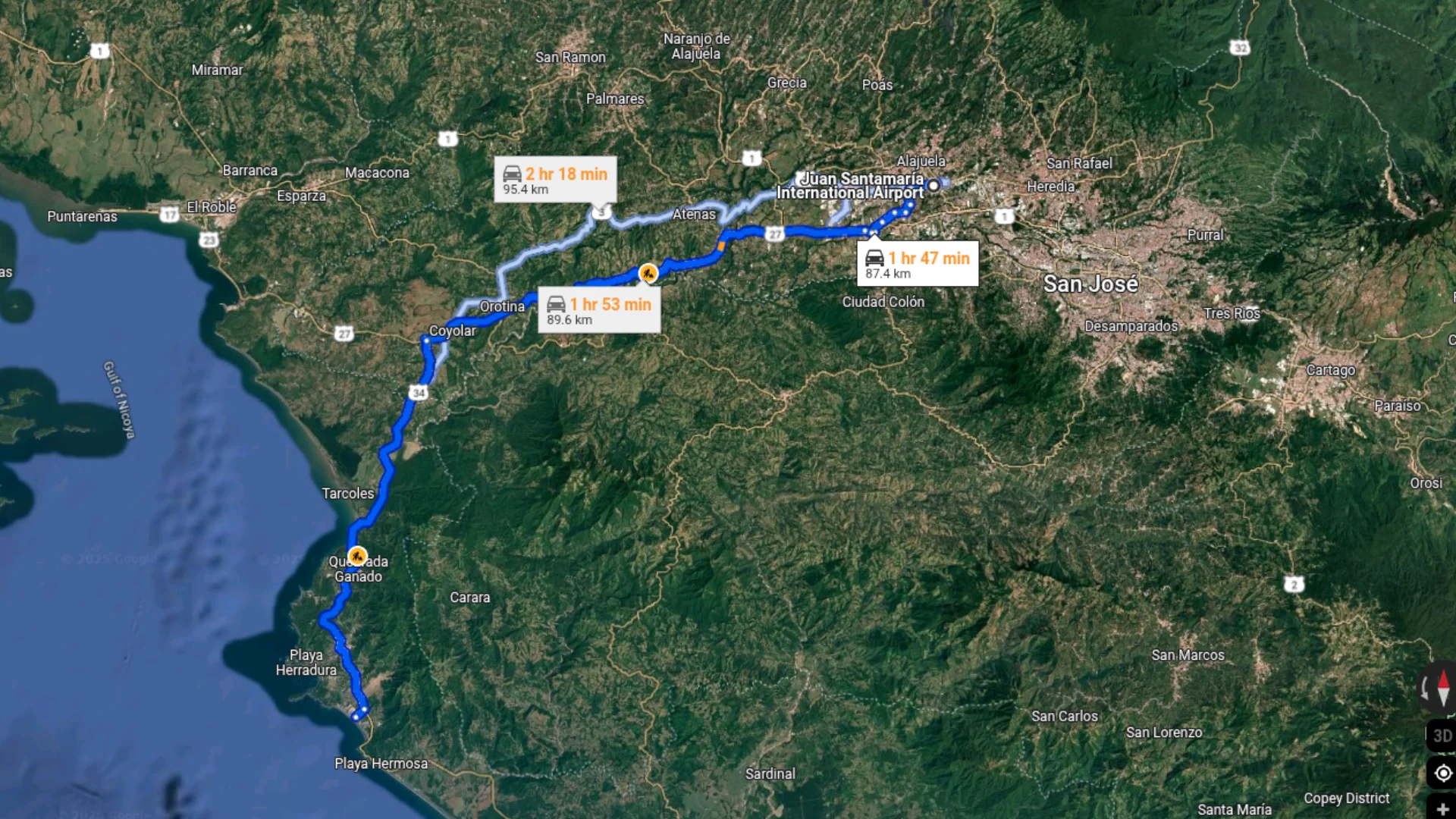
    For rain itself, expect downpours every afternoon starting around 2pm. Not drizzle – proper tropical rain that sounds like hammering on tin roofs. Plan indoor activities or hotel time for afternoons. Mornings are usually dry, so hit the trails and outdoor stuff early. The rain actually makes the hot springs better – sitting in hot water while cool rain hits your face is pretty incredible.

    For a deeper dive on dry vs. rainy season in Costa Rica, visit our blog post about the best time to visit.
    Parking and Watch Men

    Watch men are everywhere in Costa Rica, and the La Fortuna area is no exception. These are guys who “watch” your car while you’re at attractions. It’s not officially required, but it’s part of the culture. At El Salto, free hot springs, even some restaurants – there’s usually someone in a reflective vest ready to help. Standard rate is 500-1,000 colones ($1-2) for a few hours.
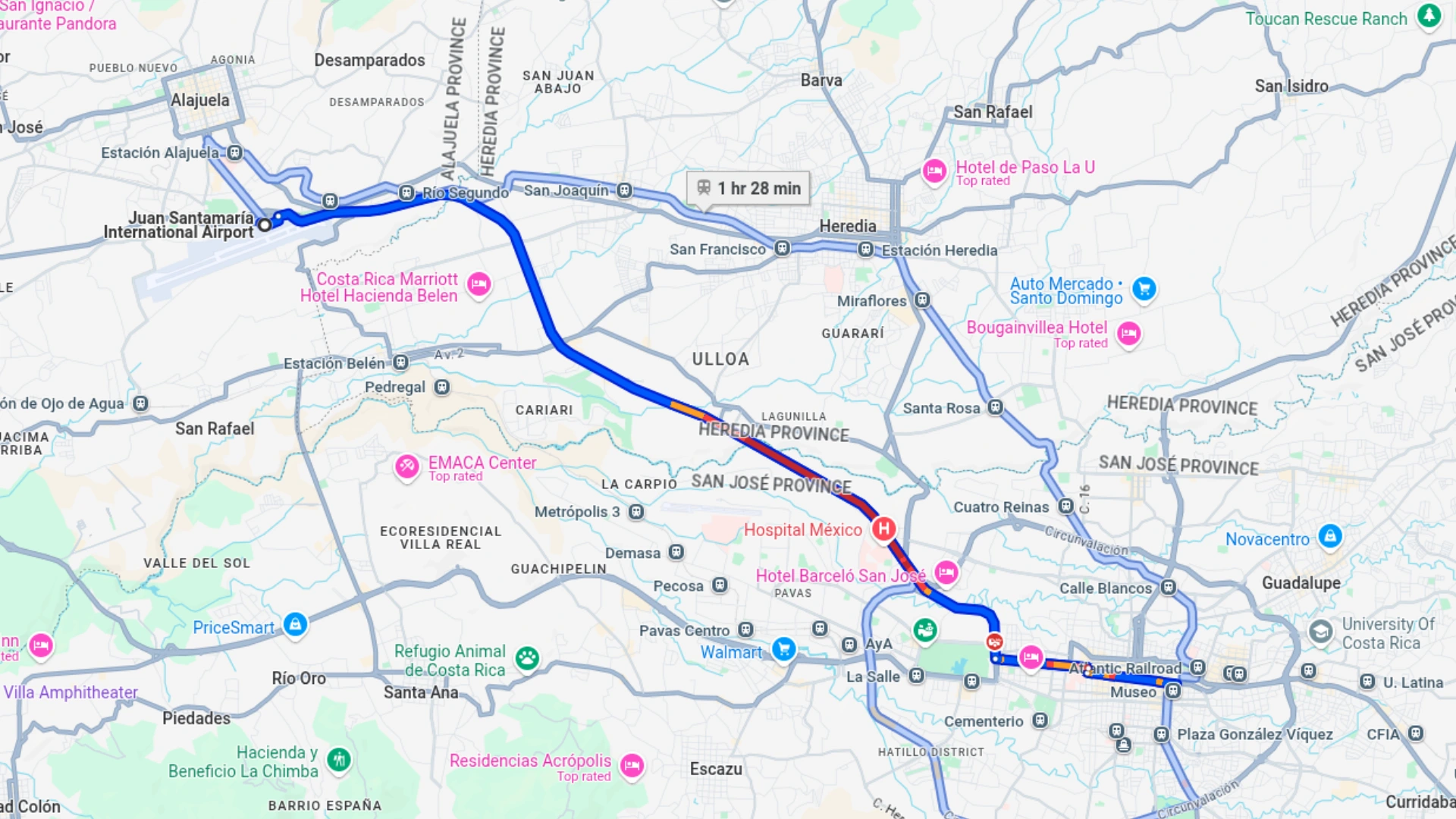
    Are they necessary? Probably not. Will your car be fine without them? Probably yes. But for a dollar or two, you get peace of mind and you’re helping locals make a living. Just make sure you have small bills – these guys rarely have change for a 10,000 colone note. I kept a stash of 500 colone bills just for parking.

    In La Fortuna town, street parking is free but competitive. The watch men there are more aggressive about “helping” you park, even when you don’t need help. Downtown Nuevo Arenal is way more relaxed – often no watch men at all. At popular spots like the free hot springs, expect to pay $3-4 for watched parking. Miguel at Tabacon hot springs was super friendly and I felt good about supporting him.

    If these blog posts and videos help plan your Costa Rica vacation, please support our channel.

    Follow Us

    Keep up with our latest Costa Rica travel videos and guides by subscribing to our YouTube channel. We regularly post new content showing real conditions across different regions and seasons.

    Planning a trip to Costa Rica? Contact us — we help with itineraries, logistics, and finding the spots most tourists miss.

    Frequently Asked Questions

    How long does it take to drive from San José to La Fortuna?

    The drive takes 2.5 to 3 hours via Route 702 or Route 141. Add extra time for stops in towns like Zarcero or if you’re driving during Saturday morning when locals head to the hot springs. First-time drivers in Costa Rica should add 30-60 minutes to GPS estimates.

    Is it safe to drive from San José to La Fortuna at night?

    No, avoid driving this route at night. The mountain sections have no streetlights, heavy fog, sharp curves, and wandering livestock. If your flight lands after 3pm, consider staying near the airport and driving fresh in the morning.

    Do I need a 4×4 to drive to La Fortuna?

    No, you don’t need a 4×4 for the main routes to La Fortuna. The roads are paved but have some rough patches after the cloud forest section. Any regular rental car can handle it if you drive carefully. High clearance helps but isn’t required.

    What are the best free activities in La Fortuna?

    The best free activities include El Salto rope swing (free entry, $2 parking), free hot springs at Río Tabacón ($4 for watched parking), and exploring Central Park and the church. All are within 15 minutes of town and best visited early morning to avoid crowds.

    Where should I stop between San José and La Fortuna?

    Stop in Zarcero to see the famous topiary gardens (free) and grab coffee. If taking Route 702, Bosque Nuboso el Cocora offers a butterfly garden and cloud forest trails for about $10-15. Both stops add 20-30 minutes to your journey.

    When can you actually see Arenal Volcano?

    Early morning before 8am offers the best chance for clear volcano views. Clouds typically roll in by 10am and stay all day, especially during rainy season (May-November). Don’t plan your whole trip around seeing the volcano – even partial views through clouds are impressive.

    How much should I pay for parking in La Fortuna?

    Watch men typically charge 500-1,000 colones ($1-2) in town, while popular attractions like the free hot springs cost $3-4 for watched parking. Always carry small bills as watch men rarely have change. Parking is part of the culture – it’s not required but provides peace of mind.

    Is La Fortuna worth visiting during rainy season?

    Yes, rainy season (May-November) means fewer tourists and hotels cost half as much. Rain typically comes in afternoon downpours starting around 2pm, leaving mornings dry for activities. Hot springs are actually better in the rain, and the landscape is incredibly green.

    How far is Nuevo Arenal from La Fortuna?

    Nuevo Arenal is about an hour’s drive from La Fortuna along Lake Arenal. The mountain road has incredible views but lots of curves. It’s a quieter alternative to La Fortuna with cheaper prices, a German bakery, and easy access to Lake Arenal activities.

    What should I pack for La Fortuna?

    Essential items include good water shoes with drainage and grip (not flip-flops), a cheap umbrella from a local supermarket, quick-dry clothing, reef-safe sunscreen, and bug spray. Bring more cash than you think – many sodas and parking attendants only accept colones.

  • The Perfect Weekend Getaway: Jaco, Herradura & Los Sueños Resort Area

    The Perfect Weekend Getaway: Jaco, Herradura & Los Sueños Resort Area

    The Pacific coast of Costa Rica has many great beach towns. But few areas give you as much variety in one small region as Jaco and Herradura. Just two hours from San Jose, this stretch of coast has world-class surfing and luxury marinas. You also get lively nightlife and quiet beach walks. You can surf in the morning, explore a fancy resort area in the afternoon, and party at night all in the same weekend.

    This three-day trip guide shows you the best of what this area has to give. You’ll start with Jaco’s famous surf breaks and busy town center. Then you’ll head to the more upscale Herradura with its impressive Los Sueños marina. The trip ends back in Jaco for some of Costa Rica’s best nightlife and entertainment. Each day builds on the last, giving you a full taste of Pacific coast life.

    Whether you want adventure sports, beach relaxation, or party scenes, this region has it all without long drives between places. These spots are close together, so you spend more time enjoying activities and less time in a car. Plus, the area works for different budgets. You can find backpacker hostels, luxury resorts, and plenty of mid-range options that give you comfort without costing too much.

    Travel Tip: You don’t need to buy a SIM card when you land in Costa Rica to get data connection. With an eSIM, you’ll be able to configure your data connection before you depart for your vacation. I use the Saily eSIM in Costa Rica.

    Table Of Contents

    Estimated Reading Time: 20 Minutes

    saily esim costa rica bannersaily-banners-affordable-esim-1200×628

    Planning Your Pacific Coast Trip

    The Jaco and Herradura area works well for different types of travelers because it’s easy to reach from San Jose. Unlike some beach spots that need internal flights or long drives on rough roads, this Pacific coast region connects to the capital via good highways. You’ll spend about 2 hours driving from the airport to your hotel. This makes it perfect for weekend trips or as your first stop on a longer Costa Rica adventure.

    The region’s popularity means you have many ways to get around once you arrive. Having your own car gives you the most freedom to explore both towns and nearby attractions at your own pace. But even travelers without cars can enjoy both Jaco and Herradura using local buses, taxis, and organized tours.

    the route from jaco to san jose airport travel vlog

    When you arrive at the airport in San Jose, you’ll head towards the east coast. This trip is along well paved roads and will take about 2 hours.

    Getting There from San Jose Airport

    Rental cars provide the best way to explore this region fully. Popular local companies like Adobe Rent A Car and Vamos often give better rates and service than international chains. These Costa Rican companies know the local roads well. They provide helpful driving tips for the area. You can pick up your car right at Juan Santamaria Airport and be on the beach in under 3 hours.

    The drive from San Jose airport follows well maintained highways for most of the trip. You’ll cross the famous Crocodile Bridge about halfway through. This is a popular stop where you can often spot crocodiles in the river below. The final hour takes you along Highway 34 south. You’ll see several scenic viewpoints and have the option to stop in Playa Herradura before continuing to Jaco.

    If you prefer not to drive, direct buses run from San Jose to Jaco several times daily for about $8 per person. The trip takes around 3 hours and buses are comfortable with air conditioning. Many hotels also arrange airport transfers. These typically cost $80-120 for up to 4 people, which can be cheaper than taxis for groups.

    Best Time to Visit Jaco and Herradura

    Dry season from December through April brings the most reliable weather. But it also brings the highest prices and biggest crowds. During these months, you’ll get sunny days perfect for beach activities. You’ll also get clear conditions for drone photography and marina visits. However, hotel rates can double compared to green season. Popular restaurants often require reservations too.

    Green season from May through November means afternoon rain showers. But it also means much lower prices and fewer tourists. Morning activities like surfing, beach walks, and sightseeing work perfectly even during rainy season. Storms typically arrive after 2 PM. The landscape will be more lush and green, with lots of wildlife to see.

    For the best balance of good weather and reasonable prices, consider visiting during November or early December. You’ll catch the end of green season pricing while weather starts becoming more predictable. Plus, this timing puts you ahead of the holiday crowds but after the heaviest rains of October.

    Day 1: Exploring Jaco Beach

    Your first day in Jaco gives you a perfect introduction to this famous beach town. Start early at the south end of the beach where surfing conditions work best for beginners. This area has gentler waves and fewer rocks. It’s ideal for your first Costa Rican surf session or just relaxing on the sand.

    After morning beach time, head into central Jaco to explore the town’s shops, restaurants, and local culture. The afternoon lets you walk through the main strip and grab lunch at a local restaurant. This schedule also helps you avoid the strongest midday sun while experiencing both sides of Jaco’s personality.

    Morning at South Jaco: Surfing and Beach Time

    Start your day early at the south end of Jaco Beach. The waves break more gently here than the powerful surf in the center of town. This area attracts surf schools and beginners because the conditions stay manageable throughout the day. Even if you don’t surf, this section of beach has the widest sandy areas and fewer rocks. It’s perfect for walking, swimming, or just lounging.

    The south end also has several surf schools where you can rent boards or take lessons for about $50-75 per person. Jaco Surf School and other local operators set up right on the beach each morning. They bring beginner-friendly equipment. If surfing isn’t your thing, this area still gives you the classic Costa Rican beach experience. You’ll find palm trees, sand, and perfect spots for photos.

    Bring water shoes for walking on the beach here. Some sections have rocky areas and small tide pools to explore. The morning hours before 10 AM work best. You get good waves, fewer crowds, and cooler temperatures. You can easily spend 3-4 hours here swimming, walking, and watching surfers before heading into town.

    water shoes for exploring costa rica

    Pick up a pair of these awesome water shoes. I’ve been using them all over Costa Rica during my travels. They have vented soles so water drains right out the bottom! 

    Afternoon in Central Jaco: Town Walk and Dining

    Central Jaco comes alive in the afternoon as surfers finish their morning sessions. Families start exploring the town too. The main strip runs parallel to the beach and has most of the shops, restaurants, and services you’ll need. Walking from one end to the other takes about 20 minutes. This makes it easy to explore on foot.

    For lunch, try one of the local “sodas” or the popular Pollolandia. You can get grilled chicken for about $4. Or splurge at Pizza Pata for what many consider the best pizza in the area. The town has everything from budget meals under $5 to upscale dining at $20+ per person. Most restaurants stay open all day. Arriving between 12-2 PM means you’ll beat the dinner rush.

    The central area also has several supermarkets like Mas x Menos. You can stock up on snacks, drinks, and sunscreen at much better prices than beach vendors. Internet cafes, ATMs, and small shops line the main street. They sell everything from souvenirs to swimwear. This afternoon exploration helps you get your bearings for the next two days while staying out of the intense midday beach sun.

    jaco costa rica tourism town vacation itinerary surfing party nightlife

    View from the drone of the downtown area of Jaco. This is where you’ll find most of the restaurants and nightlife.

    Day 2: Herradura and Los Sueños Adventure

    Day two takes you just five minutes down the coast to Playa Herradura and the impressive Los Sueños Resort area. This day shifts from Jaco’s party atmosphere to a more upscale beach experience. You’ll see one of Central America’s largest marinas and enjoy a calmer beach setting. It’s perfect for families or those wanting a break from Jaco’s energy.

    The beauty of staying in this region is how close everything is to each other. You can drive from your Jaco hotel to Herradura in under 10 minutes. This makes it easy to experience both the laid back luxury of Los Sueños and return to Jaco for dinner and nightlife. Pack a cooler with drinks and snacks since beach vendors are less common here than in Jaco.

    Playa Herradura: Beach Day and Marina Views

    Playa Herradura curves in a perfect horseshoe shape. This creates calmer waters than the open Pacific swells at Jaco. The beach stretches for nearly a kilometer with dark volcanic sand and plenty of space to spread out. Unlike Jaco’s busy beach scene, Herradura feels more relaxed with fewer vendors and a quieter atmosphere.

    The beach has several access points. The main entrance puts you right in front of restaurants like Coco’s where you can grab drinks or meals throughout the day. Parking is free and usually available even on weekends. The water here tends to be slightly murky like the shallow beaches on the Pacific. But it’s still great for swimming and the waves are much gentler than central Jaco.

    From the beach, you get great views of the Los Sueños marina and the mountains behind it. The northern end of the beach connects to the resort area. The southern end stays more natural. This variety lets you choose between a developed beach experience or a quieter natural setting depending on your mood.

    Los Sueños Resort Area: What You Can Access for Free

    Even if you’re not staying at the luxury Los Sueños Resort, you can still enjoy many of its impressive features for free. The marina area is open to the public and gives you a chance to see million-dollar yachts and sportfishing boats up close. Walking through the marina takes about 20 minutes and provides great photo opportunities.

    The marina has several restaurants and bars where you can buy drinks or meals while enjoying the upscale atmosphere. Prices are higher than Jaco, but you’re paying for the setting and service. A beer might cost $5-6 instead of $2-3 in Jaco. But the views and ambiance make it worthwhile for a special lunch or afternoon drink.

    You can also access some of the resort’s beaches and walking paths without paying resort fees. The area has been beautifully landscaped with tropical plants and maintained walkways. While you can’t use the resort pools or facilities, the public areas give you a taste of luxury Costa Rican resort life. The contrast between this polished environment and Jaco’s rough-around-the-edges charm shows you two very different sides of Costa Rican beach culture.

    Day 3: Central Jaco and Nightlife

    Your final day focuses on the heart of Jaco – the central beach area where most of the action happens. This part of town has the most surf schools, the busiest beach scene, and the liveliest atmosphere. During the day you’ll experience Jaco’s main beach culture. Then stick around for the evening to see why this town has Costa Rica’s most famous nightlife scene.

    Central Jaco differs from the gentler south end you visited on day one. Here the waves are bigger, the beach is busier, and the energy is higher. This area attracts serious surfers and party-goers from around the world. Plan to spend your morning on the beach and your evening exploring the bars and restaurants that make Jaco famous after dark.

    nightlife entertainment in jaco costa rica tourism vlog english

    Popular bar in Jaco – The Orange Pub. The downtown sector has lots of options to choose from.

    Central Jaco Beach: Surf Schools and Ocean Action

    Central Jaco Beach stretches right in front of the main town area with direct ocean access and consistent waves year-round. Unlike other beaches with tide pools or rock formations, this is a straightforward sandy beach that drops into powerful Pacific swells. The waves here are bigger and more challenging than the south end. This makes it perfect for intermediate and advanced surfers.

    You’ll find the highest concentration of surf schools along this stretch. Operations like Jaco Surf School, Tortuga Surf School, and several others set up every morning. Lessons typically cost $60-80 and include board rental and instruction. Even if you’re not surfing, watching the action from the beach provides great entertainment. The waves can get quite large, especially during high tide. This creates an impressive show of power.

    The beach here is wide and sandy with no rocks or tide pools to explore. What you get instead is the classic Costa Rican surf beach experience. You get consistent waves, volcanic sand, and an energetic atmosphere. Beach vendors sell everything from cold drinks to grilled corn. You’ll often see pickup volleyball or soccer games happening on the sand. The straight beach-to-ocean setup makes it easy to walk along the shore. But be careful of the stronger waves if you decide to swim.

    Jaco After Dark: Restaurants, Bars and Entertainment

    Jaco’s nightlife scene is legendary throughout Costa Rica. Something happens every night of the week. The main strip comes alive after 8 PM with restaurants, bars, and clubs attracting both locals and tourists. Start your evening with dinner at one of the many restaurants. Try Pizza Pà for casual dining or upscale options for special occasions.

    The bar scene centers around the main strip with venues like Orange Pub, Ecstasy, and Rolling Thunder Saloon providing different vibes. Most bars stay open until 2 AM or later. They have live music, DJ sets, and dancing throughout the week. Cover charges are usually minimal at $5-10. Drinks cost about $3-5 for beer or $6-8 for cocktails. The atmosphere is relaxed and friendly, making it easy to meet other travelers.

    Jaco’s nightlife attracts a diverse crowd, from backpackers to luxury resort guests. This creates an interesting mix of people and energy levels. The town has developed a reputation as Costa Rica’s party capital. So expect things to get lively, especially on weekends. Many visitors end their Costa Rica trips in Jaco specifically for the nightlife scene. If you’re not into the party atmosphere, stick to the restaurant scene. It has plenty of great dining options in a more relaxed setting.

    If these blog posts and videos help plan your Costa Rica vacation, please support our channel.

    Follow Us

    Keep up with our latest Costa Rica travel videos and guides by subscribing to our YouTube channel. We regularly post new content showing real conditions across different regions and seasons.

    Leave a comment with your Costa Rica travel questions – we’re happy to help plan your perfect time to visit.

    Frequently Asked Questions

    How much should I budget for a 3-day trip to Jaco and Herradura?

    Budget travelers can expect to spend $80-120 per day including accommodation, meals, and activities. Mid-range travelers typically spend $150-250 per day, while luxury travelers may spend $300+ per day. Accommodation ranges from $25-40 for hostels, $60-120 for mid-range hotels, and $200+ for luxury resorts. Meals cost $5-15 at local restaurants or $20-40 at upscale venues.

    Is Jaco safe for families with children?

    Yes, Jaco is generally safe for families, especially during daytime hours and in the main tourist areas. The south end of Jaco Beach and Playa Herradura are particularly family-friendly with calmer waters. However, Jaco’s nightlife scene can get quite lively, so families with young children may prefer staying in quieter areas or choosing family-oriented accommodations away from the main party strip.

    What’s the difference between Jaco and Herradura beaches?

    Jaco Beach is more energetic with bigger waves, surf schools, beach vendors, and a party atmosphere. It’s best for surfing and nightlife. Herradura is calmer with gentler waves, fewer crowds, and a more upscale feel due to the nearby Los Sueños Resort. Herradura is better for families, relaxation, and those seeking a quieter beach experience. Both beaches are only 5-10 minutes apart by car.

    Do I need to book surf lessons in advance?

    During high season (December-April), it’s recommended to book surf lessons 1-2 days in advance, especially on weekends. During green season (May-November), you can usually find availability by walking up to surf schools on the beach in the morning. Lessons typically cost $60-80 and include board rental and instruction. Popular schools include Jaco Surf School and Tortuga Surf School.

    Can I visit Los Sueños Resort and Marina without staying there?

    Yes, the Los Sueños marina area is open to the public and you can walk through to see the yachts and sportfishing boats. The marina restaurants and bars are also open to non-guests, though prices are higher than in Jaco town. You can access some resort beaches and walking paths for free, but you cannot use the resort pools, spa, or other exclusive facilities without being a guest.

    What’s the best way to get between Jaco and Herradura?

    The easiest way is by rental car – it’s only a 5-10 minute drive on well-paved roads. Taxis cost about $10-15 for the short trip. Some hotels offer shuttle services between the areas. You can also walk along the beach at low tide, though this takes 45-60 minutes and requires good fitness. Local buses run between the areas but are infrequent and primarily serve locals.

    When is the best time to experience Jaco’s nightlife?

    Jaco’s nightlife is most active on Friday and Saturday nights year-round, with Thursday becoming busy during high season. Most bars and clubs get going around 9-10 PM and stay open until 2 AM or later. Dry season (December-April) has the liveliest nightlife with more tourists and events. Many venues offer live music, DJ sets, and dancing with cover charges typically ranging from $5-10.

  • Day Trips in San Jose: Exploring Costa Rica’s Historical Treasures

    Day Trips in San Jose: Exploring Costa Rica’s Historical Treasures

    Many people skip past San Jose when they visit Costa Rica. But the capital city has great places to visit nearby. You can see old ruins, walk through museums, and enjoy local culture on quick trips. These trips take just a few hours. You can sleep in the same hotel bed each night in San Jose without repacking. This way, you can learn about Costa Rica’s history without long drives to beaches or rainforests.

    You can take a short one-hour bus or car ride to Cartago. There you’ll find beautiful old church ruins and a busy city square. Or you can spend a morning at the National Museum. The museum has ancient stone spheres and golden treasures to see. These trips work well for your first or last days in Costa Rica. When you stay in San Jose, you don’t need to travel far. You can learn about the country’s past and still have time to rest or walk around downtown in the evening.

    This guide shows you where to stay and how to get around on day trips from San Jose. We share tips about when to visit to avoid crowds. We also tell you what to bring with you. You don’t need to go far from the city to enjoy Costa Rican culture. These day trips are easy to do even if you don’t speak Spanish or have a car. With a little planning, you can add these stops to your trip with no stress.

    Travel Tip: You don’t need to buy a SIM card when you land in Costa Rica to get data connection. With an eSIM, you’ll be able to configure your data connection before you depart for your vacation. I use the Saily eSIM in Costa Rica.saily esim costa rica bannersaily-banners-affordable-esim-1200×628

    Table Of Contents

    Estimated Reading Time: 20 Minutes

    From Airport to Downtown: Navigating San Jose

    San Jose’s international airport (Juan Santamaría) is about 20 kilometers from downtown in the city of Alajuela. The trip between them takes 20-40 minutes depending on traffic. Most tourists feel confused about this distance when planning their trip. Knowing your options saves you time and money.

    Many first-time visitors don’t realize how close the city center is to the airport. This proximity makes San Jose ideal for day trips since you spend less time traveling and more time exploring. The main routes between the airport and downtown have good signage and pavement compared to rural roads.

    san jose costa rica airport distance to downtown where restaurants hotels and museums

    The route from the San Jose Airport to the downtown area. As you can see, depending on when you arrive there might be traffic.

    Rental Car: The Convenient Option

    Getting a rental car at the airport gives you the most freedom for day trips. The route into downtown has well-marked highways with signs in both Spanish and English. Most rental cars come with GPS or you can use maps on your phone.

    Parking in downtown San Jose can be tricky but many hotels offer secure parking for guests. For day trips outside the city, having your own car means you can leave early before tour buses arrive at popular spots. You can also stop at roadside viewpoints and local restaurants that bus travelers miss.

    Public Bus: The Budget-Friendly Route

    The bus system from the airport to downtown costs under $2 and runs frequently throughout the day. Look for the “Tuasa” or “Station Wagon” buses that leave directly from outside the airport terminal. The trip takes 35-45 minutes depending on traffic.

    For day trips from San Jose, the main bus terminal at “Coca-Cola” or the newer 7-10 terminal provide service to cities like Cartago. Buses are modern, air-conditioned, and cost a fraction of taxi fares. A round-trip bus ticket to Cartago costs about $4 total, making it perfect for budget travelers. Most major bus routes run hourly from early morning until early evening.

    travel-backpack-costa-rica

    I use this sling backpack when I’m travelling in Costa Rica. It has a zipper lock to secure your stuff. I like the sling as I can flip the bag to the front for easy access.

    Where to Stay in San Jose

    San Jose has many hotels to choose from. Picking one near the city center helps save time and money for day trips. Downtown puts you close to food, museums, and bus stations. You’ll spend less on taxis and have more time to explore.

    Budget travelers get better deals in central San Jose than in the fancy western suburbs. Most downtown hotels include free Wi-Fi, breakfast, and security guards. Many can also help with airport rides or trips to nearby places.

    Costa Rica Guesthouse: Affordable Comfort in the City Center

    The Costa Rica Guesthouse gives you great value for about $30 per night. It’s near the National Museum and only a few blocks from main bus stations. This updated building has clean private rooms with good beds and big bathrooms. The rooms have nice tile floors and big windows that let in plenty of light.

    Each room at Costa Rica Guesthouse has a name from a place in Costa Rica, like “Marino Ballena” or “Isla del Coco.” You get free coffee all day long. They have safe storage for bags and friendly staff who speak English. The only downside is noise from a nearby train that runs until about 10 PM. But most guests think the great location is worth it.

    Other Budget-Friendly Accommodation Options

    Across the street from Costa Rica Guesthouse is Costa Rica Backpackers hostel. It draws younger travelers with its pool, restaurant, and bar. Though run by the same owners, it’s a separate place. Private rooms are available as well, and you’ll get easier access to more social areas.

    Several other cheap places to stay are in this same area. Hotel Aranjuez has nicer rooms in an old building with a garden courtyard. Prices run from $40-60 per night. Hostel Pangea has dorm beds for $15 and private rooms for about $35. It also has a rooftop patio with city views. All these places are a 10-15 minute walk from San Jose’s main sights and bus stations.

    Day Trip to Cartago: The Colonial Ruins

    Cartago was Costa Rica’s first capital city and is just an hour east of San Jose. You’ll love this historic city with its old ruins, pretty church, and relaxed feel. Cartago sees fewer tourists than beach towns or mountain areas, giving you a more real Costa Rican experience.

    The city center looks clean and well-kept with a huge Costa Rican flag in the middle. Visit on weekdays rather than weekends to avoid crowds when local families come to see the ruins. You can enjoy most places in Cartago for free or very cheap, perfect for travelers on a budget who want to learn about Costa Rican history.

    ruins of cartago free tourism activity historical day trip from san jose costa rica vacation

    The Ruins in Cartago is a historical destination you can visit for free. It’s a great place to relax and read about this very old church.

    Getting to Cartago from San Jose

    Buses to Cartago leave from San Jose’s Coca-Cola terminal every 15 minutes all day. Each way costs about $2 and takes 60-75 minutes depending on traffic. Find buses with “Cartago” on the front – they have comfortable seats and often air conditioning.

    Drivers should take Highway 2 east from San Jose toward Cartago. The route has clear signs and follows highways most of the way. Find parking near the central plaza, but expect busy streets during weekdays. The 45-minute drive passes through pretty mountain areas along the way.

    Exploring the Historic Ruins and Plaza

    The top spot in Cartago is the Santiago Apóstol Parish Ruins. Earthquakes damaged this church before workers could finish it. Now it’s an open-air park with stone arches, plants, and ponds full of bright fish. Visit the ruins from 7 AM to 4:30 PM for free.

    The central plaza area has much to see. Look for the tall Costa Rican flag at the center of town, with small shops and food stands on nearby streets. After seeing the ruins, walk a few blocks to the Basilica de Nuestra Señora de los Ángeles, a beautiful church where many Costa Ricans make pilgrimages. The central market offers tasty local snacks and crafts at good prices.

    Eat lunch at a small “soda” (local restaurant) near the central plaza for just $5-7 for a full meal. Tuesday makes a great day to visit – the city feels active but not packed, and all attractions stay open as normal.

    The National Museum: Costa Rica’s Past and Present

    Just blocks from many downtown hotels, the National Museum shows you Costa Rica’s rich history. The building is an old military fort where you can still see bullet holes in the walls. Foreign visitors pay just $11 to enter. The building itself has a story – it was once a military base before Costa Rica ended its army in 1949.

    Plan about 2-3 hours to see the museum’s rooms and gardens. Unlike big museums that make you tired, this one is the right size for a morning visit. Get there when it opens at 8:30 AM and you might have some rooms all to yourself before tour groups show up.

    national museum of costa rica things to do

    The museum has a lot of interesting items on display from various time periods.

    What to Expect at the National Museum

    Your visit begins with a walk through a pretty butterfly garden in the main courtyard. Look up to see bright butterflies flying among the plants. From the garden, you can climb stairs to a tower with nice views of San Jose and the mountains nearby.

    The museum shows both main displays and changing exhibits. You’ll see rooms about early native artifacts, Spanish times, and today’s Costa Rica. Signs are in both Spanish and English to help you understand what you’re looking at. You can go at your own speed and skip any parts you don’t find interesting.

    Highlights Worth Seeing

    Make sure to see the ancient stone spheres – round balls carved by native people long ago. No one knows for sure how they made these perfect round stones without modern tools. The gold room shows amazing metal objects made by early Costa Ricans.

    The history area has good displays about Costa Rica’s growth, like how coffee farming changed the country. One cool surprise is an underground tunnel found only in 2009. The museum also has native items like jade pieces similar to those in the nearby Jade Museum.

    Here’s a tip: go to the top floor to find a balcony with great views of the government building and downtown San Jose. This spot is perfect for photos and helps you get a better sense of the city layout for your other travels.

    view on top of the national museum of costa rica

    There are several spots at the museum to catch a great view of San Jose and the mountains around the city.

    Tips for Day Trips

    Planning ahead makes day trips from San Jose smoother and more fun. With the right timing and a few key items, you can avoid common tourist problems. These tips help you get more from your visits to Cartago and the National Museum.

    Costa Rica’s climate and busy tourist spots need some planning. Choose the right time to visit and bring the right gear. You’ll spend less time fighting crowds and more time enjoying the sights. These tips come from local advice and real travel experiences.

    Best Timing for Museum Visits

    Morning visits beat afternoon trips for museums and historic sites. Get to the National Museum when it opens at 8:30 AM. You’ll enjoy the butterfly garden with fewer people around. Most tour buses come after 10 AM, so early visitors get a more peaceful experience.

    For Cartago, go Tuesday through Thursday mornings. You’ll find a lively feel without weekend crowds. The ruins and basilica fill up on weekends with local families. Skip Cartago during religious holidays, especially August 2nd (Virgin of the Angels Day). Thousands of pilgrims visit the basilica then.

    Rain follows a pattern in Costa Rica. In the Central Valley, mornings stay sunny even in green season (May-November). Afternoon rain often starts after 2 PM. This makes morning the best time to visit outdoor sites like the Cartago ruins all year round.

    Essential Gear for Urban Exploring

    A secure sling backpack works great for city day trips. The OZUKO Anti-Theft Sling Bag keeps your items safe in busy areas. You can swing it to your front on crowded buses or in markets. This keeps your things visible and protected. The bag fits a water bottle, light jacket, and small purchases without bulk.

    Bring a reliable power bank for day trips. The Anker PowerCore 10000 fits in your bag but holds enough charge for 2-3 full phone charges. This helps when taking photos, using maps, or checking bus times all day. Many older buses and some cafes lack power outlets. A power bank keeps you connected during full-day outings.

    Other must-have items include a water bottle (tap water is safe in San Jose and Cartago), sun hat, and a small rain jacket. Many tourists skip rain gear during morning trips. But having it means you can keep exploring if the weather changes quickly.

    If these blog posts and videos help plan your Costa Rica vacation, please support our channel.

    Follow Us

    Keep up with our latest Costa Rica travel videos and guides by subscribing to our YouTube channel. We regularly post new content showing real conditions across different regions and seasons.

    Leave a comment with your Costa Rica travel questions – we’re happy to help plan your perfect time to visit.

    Frequently Asked Questions

    Is one day enough to visit both Cartago and the National Museum?

    It’s possible but rushed. Both sites need 2-3 hours each, plus 1-hour travel time to Cartago each way. For a better experience, visit the National Museum in the morning and Cartago on a separate day. If you must do both in one day, start at the museum at opening time (8:30 AM) and head to Cartago around noon.

    How much does public transportation cost for these day trips?

    Public transportation is very affordable. The bus from San Jose to Cartago costs about $2 each way. Local buses within San Jose to reach the National Museum cost less than $1. A full day of transportation, including getting to and from your hotel, typically costs under $6 total per person.

    Is it safe to walk around downtown San Jose as a tourist?

    Downtown San Jose is generally safe during daylight hours, especially in the main tourist areas near the National Museum and around Central Park. Use normal city precautions: keep valuables out of sight, be aware of your surroundings, and avoid poorly lit areas after dark. The area between downtown hotels and the National Museum is well-traveled and monitored by tourism police.

    Do I need a guide for these day trips?

    No, both the National Museum and Cartago are easy to visit without a guide. The National Museum has signs in English, and the layout makes it simple to explore on your own. Cartago’s ruins and basilica are open public spaces that you can walk through at your own pace. If you want deeper historical context, consider the audio guide at the National Museum ($5) rather than a full guided tour.

    What are the best food options during these day trips?

    For affordable, authentic meals, look for “sodas” (small local restaurants) near the central plaza in Cartago or around Avenida Central in San Jose. These serve typical Costa Rican “casados” (plates with rice, beans, meat, and sides) for $5-7. Near the National Museum, try the Café del Museo for light meals. In Cartago, the Central Market has food stalls serving local dishes at good prices.

    Can I use credit cards at these locations?

    Credit cards are accepted at the National Museum entrance and gift shop, and at most restaurants around both locations. However, small sodas, bus fares, and some market vendors only take cash. For day trips, bring at least 10,000-15,000 colones (about $20-30) in cash for bus fares, small purchases, and backup in case of card issues.