Tag: Puntarenas Province

Stretching along the Pacific, from Manuel Antonio to the Osa Peninsula. Home to world-class surfing, whale watching, and rainforest adventures. Includes popular beach towns and marine parks.

  • Is Costa Rica Expensive To Vacation?

    Is Costa Rica Expensive To Vacation?

    Is Costa Rica expensive? I get this question constantly. The honest answer is: it depends on how you travel.

    Most visitors land, head straight to the tourist zones, eat at beachfront restaurants, and wonder why their wallet is empty by day three. That’s not a Costa Rica problem. That’s a planning problem.

    The travelers who do it right — the ones who eat where locals eat, sleep outside the tourist bubble, and move between towns smart – find that Costa Rica is very affordable. I’ve made the expensive mistakes and the smart ones. This post is built on both.

    Table Of Contents

    Estimated Reading Time: 20 Minutes

    The Real Cost of Traveling Costa Rica

    Why Most Visitors Overpay

    Let me tell you about one of my first trips. I booked a rental car through a third party website before I flew in. It looked fine with a good price, confirmation email, and near the airport. When I arrived at the counter, the car wasn’t available. Not delayed. Just gone. I ended up sorting it out on the spot at a higher rate, and the deposit tied up money I hadn’t planned for.

    That one decision cost me more than it should have. I’ve since stuck to reputable local companies like Vamos or Adobe. Book directly, pay a fair rate, and avoid the chaos at the counter. It’s the kind of thing you only learn by getting it wrong once.

    Tourist areas in Costa Rica are priced for tourists too. Restaurants along the main strips in Tamarindo, Manuel Antonio, and La Fortuna charge two to three times what you’d pay a few blocks off the drag. The car rental story and the restaurant markup are the same lesson: what you pay in Costa Rica has a lot to do with where you’re looking and who you booked with.

    farmers market with lots of fruit in costa rica

    Get fresh fruit at a great price at farmers markets in Costa Rica. These markets often also have sodas with cooked plates for cheap.

    How Locals Actually Travel

    Locals in Costa Rica eat at small family restaurants, drink tap water, and don’t pay tourist rates for accommodation. None of this means roughing it. It just means making different choices about where your money goes.

    The three biggest budget levers are where you eat, where you sleep, and how you get around. Get those three right and Costa Rica becomes one of the more affordable countries in the region. The rest of this post breaks each one down.

    Eat Like a Local, Spend Like One Too

    What Is a Soda?

    A soda is a small, family run restaurant. You’ll find them in almost every town in Costa Rica. They don’t usually have big signs or fancy interiors. What they do have is real Costa Rican food at honest prices.

    I eat at sodas constantly when I’m on the road. Every one I’ve been to has been worth it. They vary a bit. Different sides, different spices, slightly different flavor profiles depending on the owners style. But they always hit the spot, especially after a long drive into a new town. My go-to order is a casado: rice, beans, salad, plantains, and your choice of protein — usually chicken, beef, or fish. The plate comes out hot, the portions are big, and the whole thing costs somewhere between $5 and $8. Try getting a meal that size at a beachfront restaurant without spending at least double.

    If you want to cut your food budget roughly in half, start eating at sodas. It’s the single easiest swap you can make on a Costa Rica trip, and the food is better anyway.
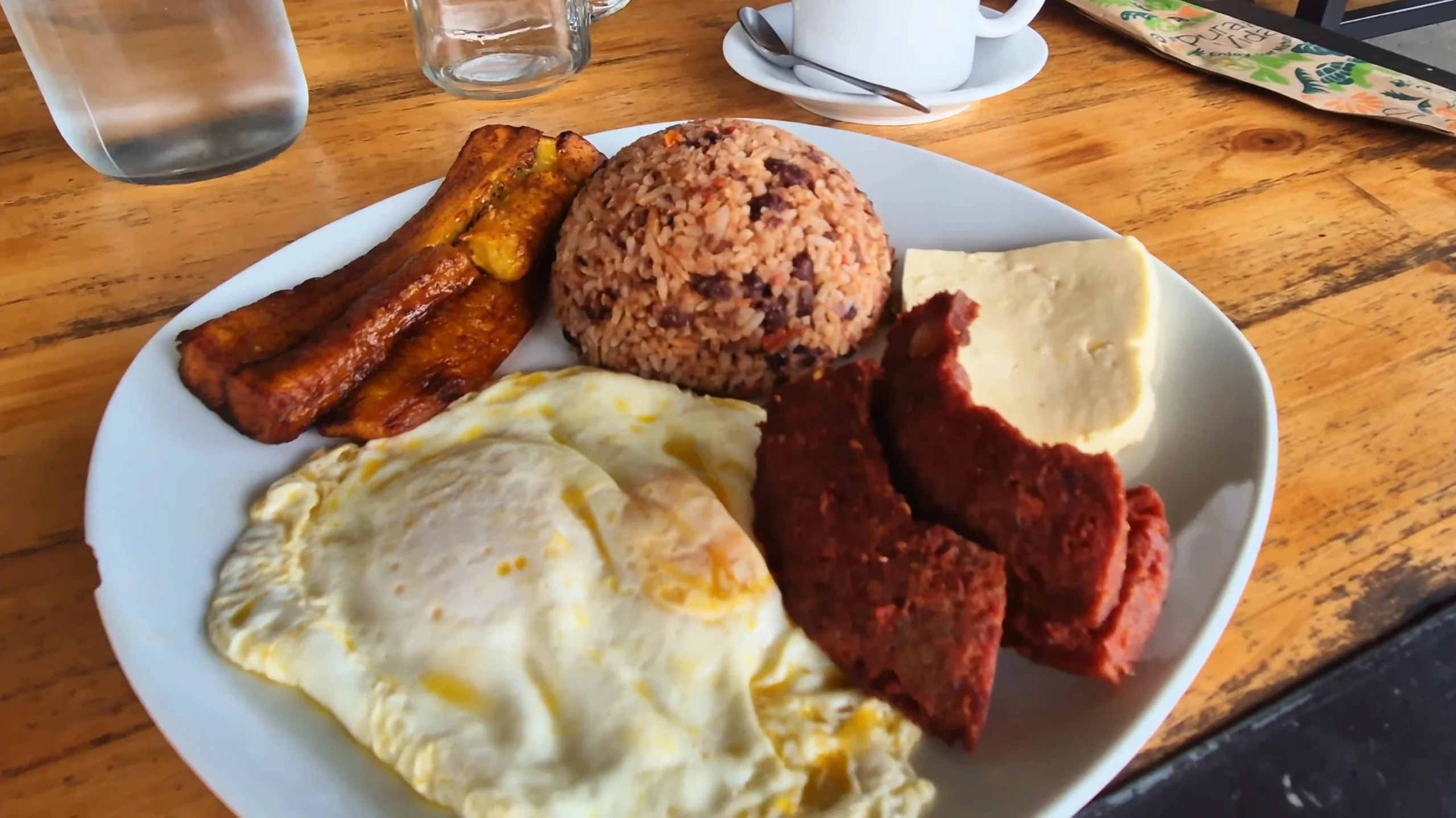
    gallo pinto typical costa rica breakfast dish

    Another great dish is Gallo Pinto, which is a typical Costa Rican breakfast dish. Gallo Pinto is often a bit cheaper than a plate of casado at a soda.

    Is Tap Water Safe in Costa Rica?

    Yes – in most parts of Costa Rica, tap water is safe to drink. This surprises a lot of first time travelers, but Costa Rica has some of the cleanest tap water in Central America. I drink it regularly and have never had an issue in the main tourist destinations.

    Drinking from the tap saves money on bottled water, cuts down on plastic waste, and makes day to day travel easier. You’re not constantly hunting for a tienda(store) every time you’re thirsty. Bring a reusable bottle and refill it at your hotel. A few remote areas are the exception. If you’re unsure about a specific spot, just ask at your hotel. But in the towns covered in this post, the tap is fine.

    Where You Stay Changes Everything

    This is the biggest budget lever most travelers never pull. Staying inside the main tourist zones means paying tourist prices for your room — and that premium spills over into everything around you. Move your base even 15 minutes out and the difference is real.

    Quepos — Your Base for Manuel Antonio

    Manuel Antonio is one of the most visited national parks in Costa Rica. Hotels right outside the park entrance charge premium rates, and the restaurants nearby know it. Quepos is only about 10 minutes from the park entrance, and prices drop noticeably once you’re there. You still get full access to Manuel Antonio — you’re close to restaurants, supermarkets, and transportation. But you won’t have to pay the premium for being right next to the park.

    Quepos has a solid local food scene too. There are sodas right in town where you can eat well for under $10. After a morning in the park, sitting down to a casado in Quepos instead of a tourist priced lunch at the entrance is exactly the kind of small decision that keeps a trip budget on track. For a great restaurant that has more upscale food without a high price, try Sabromar. They serve dishes with freshly caught fish. It’s right before the bridge entrance to Quepos.

    I used the same logic in Guanacaste — except there, the gap between tourist pricing and local pricing is even wider.

    Liberia — The Smart Hub for Guanacaste

    Liberia is my top pick for a budget base when I’m exploring Guanacaste. It’s a real city with local prices, and it puts you within easy reach of some of the best beaches on the Pacific coast. From Liberia, Playas del Coco is about a an hour away. Tamarindo is roughly an hour and thirty minutes. Rincón de la Vieja is about an hour in the other direction. You hit different beaches on different days without paying beach-town hotel rates every night. My favorite free swimming location just 10 minutes from Liberia is Pozas del Cañón.

    I stay at Hotel Primavera when I’m in Liberia. Rooms run about $40 a night and come with AC. The rooms have multiple beds, which makes it a strong option for families who want everyone in one room without paying for two. It’s clean, it’s central, and the price is hard to argue with. For families trying to keep costs down in Guanacaste, the setup of being based in Liberia, day trips to the coast — makes a lot of financial sense. It also connects back to the bus strategy: Liberia has good intercity connections, so you don’t always need a car to make this hub approach work.

    When I’m in bigger cities in Costa Rica, I like using a lockable sling backpack. The sidewalks and stores can be densely packed, and I like knowing my stuff isn’t going to wander away.

    La Fortuna — Sleep Nearby, Drive In Early

    La Fortuna is the main town for Arenal Volcano and the adventure activities in that region. The town center has hotels and restaurants, but prices there reflect how popular it’s become with international visitors. The smarter move is to stay in a smaller nearby town and drive into La Fortuna when you need to. On my last trip through La Fortuna I stayed just a 2 minute drive from downtown. It only cost about $40 for a small 2 bedroom apartment.

    You pay less for your room, you beat the midday crowds, and you still have full access to everything the area has. Getting there early in the morning also improves your odds of seeing the volcano clearly — clouds tend to roll in later in the day and it disappears fast.

    Getting Around Without Burning Your Budget

    Take the Bus

    Here’s something I do that most tourists never consider: I take the bus between towns. Not the cramped, standing room only kind. Between major destinations in Costa Rica, the intercity buses are proper coach style with AC and assigned seating. They’re comfortable, and they’re cheap.

    A longer trip between major towns runs about $10 to $15. Compare that to renting a car, paying for gas, and sitting in stop and go mountain traffic doing clutch/brake for two hours straight. Those mountain roads earn every bit of that reputation. The bus handles all of it while you sit back. For getting between places like San José, La Fortuna, Liberia, or Tamarindo, the intercity bus makes real financial sense. It also pairs directly with the Liberia base strategy, as you can use buses for the longer legs between cities and sort out beach day trips separately.

    Check schedules before you lock in your itinerary. Some routes only run once or twice a day, and that one detail can change how your whole trip flows.

    Ride-Hailing and Timing Your Moves

    Uber and DiDi both operate in Costa Rica and work well for shorter trips. I took an Uber from Jacó to Manuel Antonio once — smooth ride, great driver who spoke English, no problems. It was one of those trips where you realize the app based options here are genuinely reliable, not just a backup plan.

    Both apps are generally cheaper than flagging a taxi on the street. Avoiding peak hours helps too, especially around San José. Morning and evening rush traffic in the capital is rough. Shift your departure by an hour in either direction and you save time and sometimes money. Small calls like that add up across a full trip.
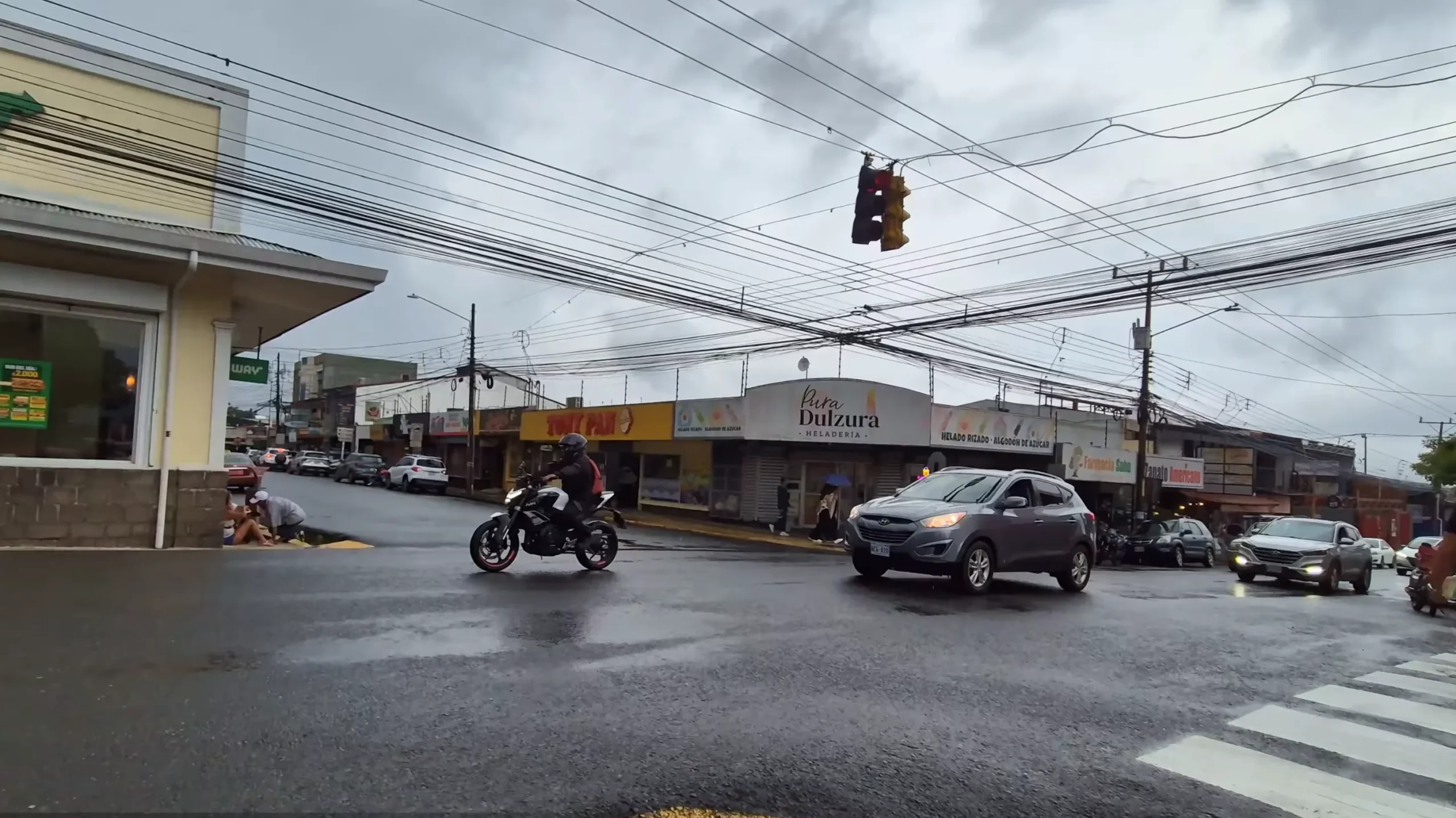
    driving in heredia costa rica downtown

    Using Uber in downtown city centers is much more stressfree than zigzagging in and out of traffic. Motorcycles, one way streets and cars stopping in the road is common. It can be stressful the first time experiencing it.

    Planning Is the Real Budget Hack

    Costa Rica isn’t expensive. Traveling without information is.

    The thing nobody told me before my first trip is how fast the country rewards you for going slightly off script. Not deep off script, you don’t need to avoid the popular spots. You just need to stop treating the tourist infrastructure as the default. The moment I started eating at sodas, basing out of Liberia, and taking the bus on longer stretches, Costa Rica stopped feeling like a place that was draining my account and started feeling like one I could actually afford to come back to. And I do come back.

    One practical note before you finalize anything: check bus schedules on the TRACOPA or Tica Bus websites before you lock in your itinerary. You can show up and buy a ticket, but it’s better to have it booked in advance. That one detail changes how your whole trip flows, and it takes five minutes to look up the night before you fly.

    If these blog posts and videos help plan your Costa Rica vacation, please support our channel.

    Follow Us

    Keep up with our latest Costa Rica travel videos and guides by subscribing to our YouTube channel. We regularly post new content showing real conditions across different regions and seasons.

    Leave a comment with your Costa Rica travel questions – we’re happy to help plan your perfect time to visit.

    Frequently Asked Questions

    Is Costa Rica more expensive than other Central American countries?

    Yes, Costa Rica is generally pricier than neighbors like Nicaragua or Guatemala. But it’s very affordable when you eat at local sodas, stay outside the main tourist zones, and use public buses between towns. Travelers who plan ahead often spend far less than they expected.

    How much does a casado cost at a soda in Costa Rica?

    A casado at a typical soda runs between $5 and $8. You get rice, beans, salad, plantains, and a protein like chicken, beef, or fish. It’s a large, filling plate — and one of the best-value meals you’ll find anywhere in the country.

    Is tap water safe to drink in Costa Rica?

    In most parts of Costa Rica, yes — tap water is safe to drink. Costa Rica has some of the cleanest tap water in Central America. A few remote areas are exceptions, so it’s worth confirming with your hotel if you’re staying somewhere off the main tourist routes.

    How far is Quepos from Manuel Antonio National Park?

    Quepos is about 15 minutes from the entrance to Manuel Antonio National Park. Staying in Quepos instead of right outside the park entrance saves money on accommodation and puts you close to local restaurants, supermarkets, and public transport.

    How much does a bus ride cost in Costa Rica?

    Longer intercity bus trips between major destinations typically cost between $10 and $15. Buses on these routes are comfortable coach-style with AC and assigned seating. It’s one of the cheapest and most practical ways to move between towns like San José, La Fortuna, Liberia, and Tamarindo.

    Is Hotel Primavera in Liberia a good option for families?

    Yes. Hotel Primavera in Liberia runs about $40 a night with AC. The rooms have multiple beds, which makes it practical for families who want everyone in one room without paying for two. Liberia is also a great base for day trips to Guanacaste beaches like Playas del Coco and Tamarindo.

    What is the cheapest way to get around Costa Rica?

    Public buses are the most affordable option for getting between major towns, with longer routes costing $10 to $15. For shorter trips within a city or region, Uber and InDriver are reliable and usually cheaper than traditional taxis. Combining both keeps transportation costs very manageable across a full trip.
  • Best Places To Stay In Costa Rica (2026)

    Best Places To Stay In Costa Rica (2026)

    Picking where to stay in Costa Rica can make or break your trip. The North Pacific coast feels completely different from the South. Beach towns have their own personalities. La Fortuna up in the mountains is nothing like the surf scene in Jaco. You need to match the location to what you actually want out of your vacation.
    I’ve driven all over Costa Rica filming these places for my YouTube channel. I stayed in condos in Playas del Coco. I walked the nightlife strip in Jaco. I dealt with the rough roads getting into Santa Teresa. I woke up early in La Fortuna hoping the clouds would clear off Arenal Volcano. These aren’t just places I researched online. I actually stayed there and figured out what works.

    This guide covers four different areas I know well. Each one serves a different type of traveler. I’ll break down the neighborhoods, tell you what it actually costs, and explain the logistics of getting there. By the end you’ll know exactly which area fits your trip.
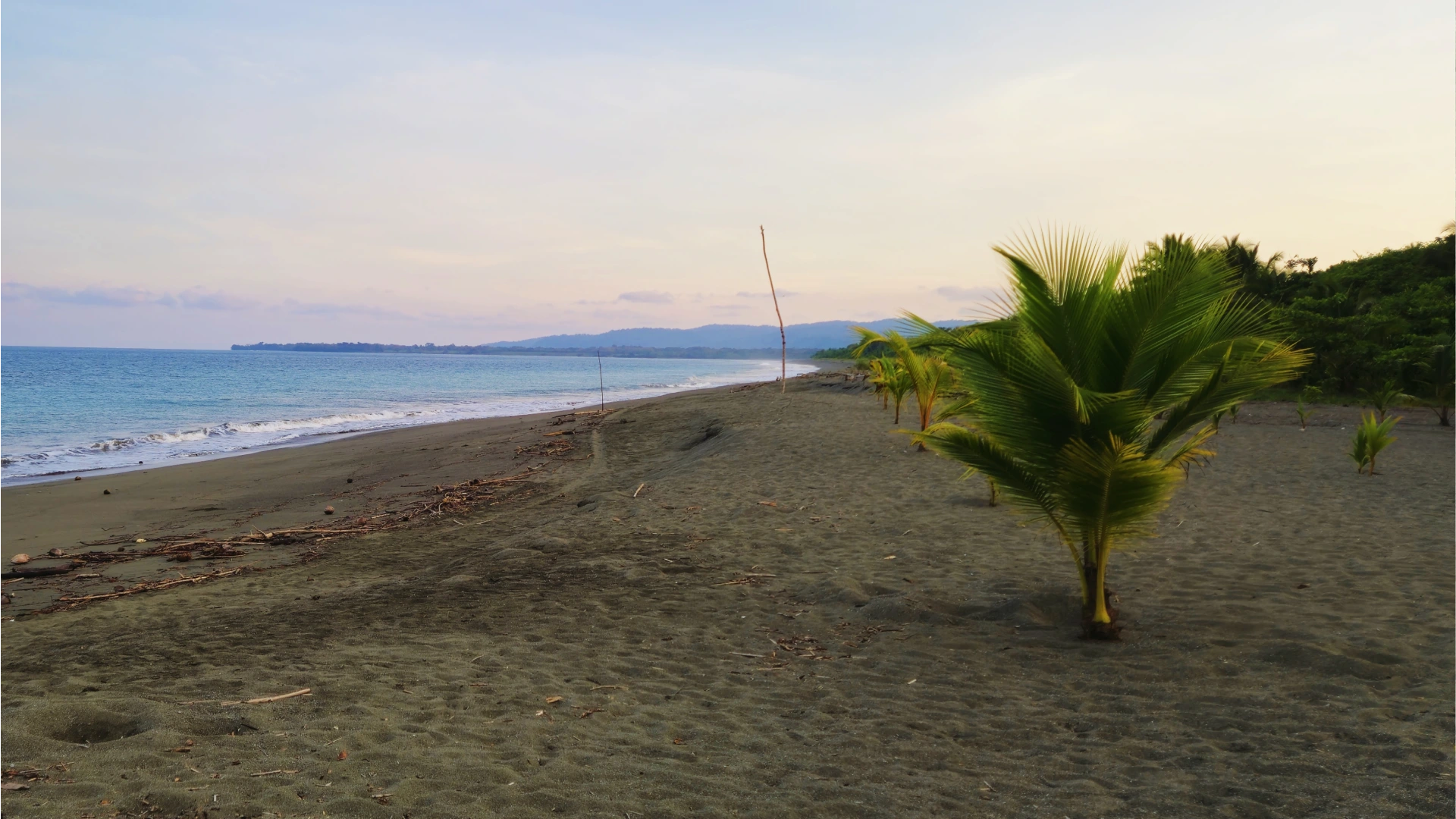
    Table Of Contents

    Estimated Reading Time: 20 Minutes

    Playas del Coco & Ocotal: Best for First-Timers

    Why This Area Works for First-Timers

    Playas del Coco is just 30 minutes from Liberia International Airport on well paved roads. This is the closest real beach town to the airport. Not a resort complex. An actual Costa Rican town with supermarkets, banks and restaurants.

    The area gives you options. Playas del Coco has a variety of dining and nightlife options. Playa Ocotal is 10 minutes away with some of the best snorkeling and quieter beaches. You can stay in one spot and do both.

    If you’d like to read a comprensive guide to Playas del Coco, visit our blog post.

    Where to Stay: Neighborhood Breakdown

    Los Palmas (northern Coco) has cheaper condos close to the beach. Small commercial area with a supermarket, coffee shop, and restaurants. Quieter than downtown at night.

    Downtown Coco puts you in the middle of everything. Main beach strip, restaurants, park. Water isn’t as clear here but you can walk everywhere. Gets busy on weekends. Parking is tight.

    Pacifico is the gated development with higher prices. Auto Mercado is there as a higher end grocer. Pools and maintained grounds. They have a gym in the attached commercial plaza as well.

    Ocotal has black sand, crystal clear water, and excellent snorkeling on both ends. Rough road for the last couple kilometers. Dolce Vita and Serena Suites are the main condo options. Less crowded than Coco but a bit of a drive to get to. You can rent a golf car to go between Coco & Ocotal.

    Practical Details

    The 30 minute drive from Liberia is straightforward until you hit the beach towns. Downtown Coco has paid parking and guys who watch your car for money. The road to Ocotal is mostly paved and a 5-10 minute drive from downtown Coco.

    For groceries I often go to Mega Super across from Pacifico. They have great selection and low prices. The Super Compro on the Ocotal road has cheaper prices as well. There’s a fish market on the road to Ocotal that sells fresh catches.

    Playa Hermosa is 10 minutes away. Tamarindo is an hour south. Both easy day trips if you want to compare beach scenes.

    Travel Tip: Bring a pair of water shoes when you’re exploring the beaches in Costa Rica. They let you keep your shoes on while you walk to the beach, in the water and around the tide pools.

    Jaco: Best for Nightlife & Surf

    Why Stay in Jaco

    Jaco has the most developed nightlife of any beach town in Costa Rica. More bars and restaurants per block than anywhere else I’ve walked. The town runs along one main strip parallel to the beach. Everything is walkable if you can handle the heat.

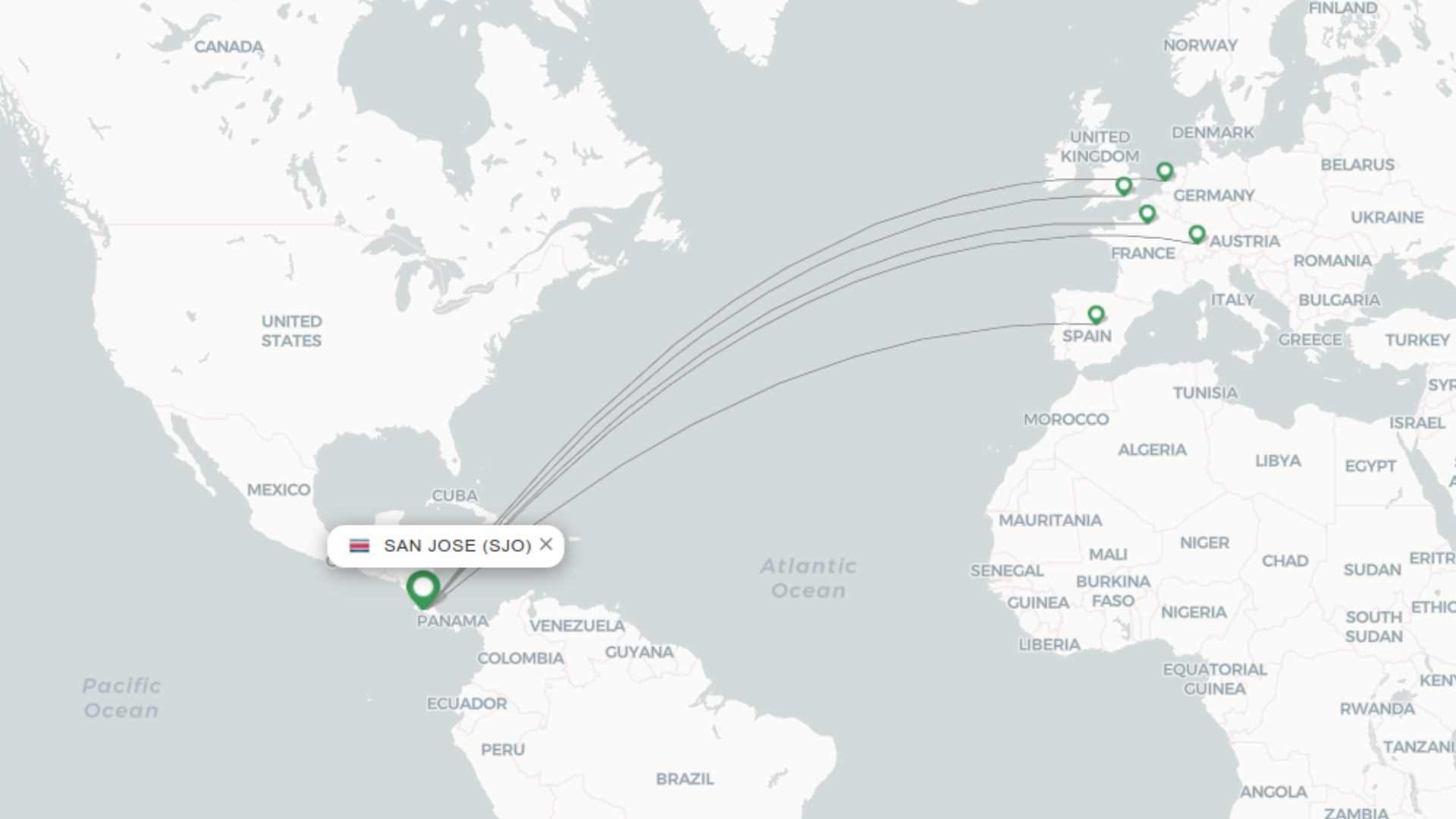
    The beach has year round surf. It’s close to San Jose at about 1.5 hours. If you’re flying into SJO instead of Liberia, this is your easiest Pacific beach option.

    Jaco is a great place for surfing and nightlife. If you’re traveling with kids, check out Best Places For Families blog post.

    The Jaco Experience

    I walked the nightlife strip on a Tuesday night around 10pm. Still pretty lively. Orange Pub and XTC are the well known drinking spots. There’s a casino downtown. Rolling Thunder Saloon had a band practicing when I walked by.

    The liquor store density is insane. You can’t walk more than a block without passing another one. Pizza Hut, KFC, Subway are all here if you need familiar food. Mega Super for groceries. There’s a Viniy convenience store at the main intersection downtown. It’s an easy stop for some basic groceries and things you need for the beach.

    The walk from one end of the strip to the other takes about 20 minutes at a casual pace. Beach access points run along the whole strip. Some of the beach access points have better parking options that are closer to the water.
    Jaco has a ladies of the evening scene. It’s just part of the town. You’ll get solicited walking around at night. The Cocal Casino is known for this. If that’s not your thing, just be aware it’s present.

    Where to Stay in Jaco

    I’ve stayed at the south end of Jaco as well. It’s quieter than downtown but still walkable to restaurants. The south end of the beach is also less crowded. Families with kids will appreciate the vibe and calmer waves at this end of the beach.

    Downtown puts you right in the action. Walking distance to everything. It can get loud at night from the bars. If you’re here for the nightlife scene, stay downtown. If you want to sleep, stay at one of the ends.

    What to Know

    It’s hot and humid in Jaco. I was sweating just walking around at night. Bring light clothing. The heat during the day would be much worse.

    Crowds pick up on weekends. Prices run higher than other beach towns because everything is more developed. You’re paying for the convenience and the scene.

    Security is fine if you’re aware. I walked around at night with camera gear and didn’t have issues. Just don’t be stupid about it. The police presence is visible downtown but there will still be unbecoming behavior.

    Travel Tip: When I’m exploring bustling places like Jaco, I bring my lockable sling backpack. That way I know none of my valuables will wander away when I’m not looking!

    La Fortuna: Best for Adventure Base & Volcano Access

    Why Stay in La Fortuna

    La Fortuna is at the base of Arenal Volcano, about 3 hours from San Jose airport. This is the stopover point between the Pacific and Caribbean coasts. If you’re doing a coast-to-coast trip, you’ll probably spend a night here.

    The town exists because of the volcano and adventure tourism. Tour operators line every street. Hot springs are everywhere. The air feels fresh and cool compared to the beach. It’s a relief after the coastal humidity.

    Arenal Volcano views depend entirely on cloud cover. Most times I’ve been here, clouds hide the volcano. The volcano is best seen in the mornings before the clouds set in, so take a look when you first wake up.

    Landing at SJO Airport and heading to La Fortuna? Visit our blog post about that trip with some great stops along the way.

    Downtown La Fortuna

    The town is clean and well maintained. The central park has sitting areas, a big tree, and Christmas lights during December. Security guards patrol the park at night so families can enjoy it.

    Everything is walkable downtown. Restaurants, tour operators, the church, grocery stores. Shops stay open late because tourists come back from day tours and need to eat or book the next activity.

    There’s a few gyms right in the downtown square, which is great if you’re staying in a nearby hostel. You’ll also find a few large dollar style stores and grocery stores. The municipal bus station is a few streets over if you’re traveling by bus.

    Where to Stay

    When I visit La Fortuna I try to find hostels with private rooms. This gives the best bang for buck, as they usually have full kitchens. You’ll also find a lot of options on Airbnb on the outside of town. I found a nice 2 bedroom apartment about 3 minutes drive from downtown for a fair price.

    Downtown is my preference though, as it puts you walking distance to everything. Restaurants, tour booking, the park. You’ll hear some noise at night but it’s not crazy like Jaco.

    The road heading toward the volcano has resort-style accommodations and hot springs. You’ll need to drive or take tours to get back to town. Trade-off is better views and direct hot spring access.

    What You Can Do

    Free hot springs are down the road toward the town of Nuevo Arenal. Check the Youtube video for a review and tour of that location. There’s a lot of paid hot springs as well. These are resort style with multiple pools and bars, and a higher price.

    Volcano hikes happen when weather permits. Hanging bridges, waterfall tours, all the standard adventure activities operate out of La Fortuna. You’ll have no trouble finding a tour operator to take you on these adventures.

    The town itself has a modest night scene. Restaurants, a few bars, nothing wild. Most people are exhausted from day tours anyway.

    Travel Tip: Don’t underestimate the amount of rain you can get in La Fortuna. It’s what keeps it so lush and green. Bring a high quality umbrella for your exploration.

    If these blog posts and videos help plan your Costa Rica vacation, please support our channel.

    Follow Us

    Keep up with our latest Costa Rica travel videos and guides by subscribing to our YouTube channel. We regularly post new content showing real conditions across different regions and seasons.

    Planning a trip to Costa Rica? Contact us — we help with itineraries, logistics, and finding the spots most tourists miss.

    Frequently Asked Questions

    Where should I stay in Costa Rica for the first time?

    Playas del Coco works best for first-timers. It’s 30 minutes from Liberia Airport on paved roads. You get a real Costa Rican town with supermarkets, restaurants, and nightlife instead of just a resort bubble. Ocotal is 10 minutes away for snorkeling. The infrastructure is solid and you can walk to most things downtown.

    What’s the best beach town near Liberia Airport?

    Playas del Coco is the closest real beach town at 30 minutes from the airport. The drive is straightforward on paved roads. You get actual town infrastructure with banks, grocery stores, and local restaurants. Downtown has nightlife and the beach. Los Palmas has cheaper condos. Ocotal is right next door for better snorkeling.

    Is La Fortuna worth staying overnight?

    Yes, especially if you’re doing a coast-to-coast trip. The town is 3 hours from San Jose and makes a good stopover. You need at least one night to do hot springs and volcano activities. The air is cooler than the beach, which is a relief. Downtown is walkable with good restaurants. Free hot springs are down the road toward the volcano.
    Is it safe to travel to Costa Rica right now?

    Costa Rica is generally safe for tourists. I’ve walked around Jaco at night with camera gear and had no issues. La Fortuna has security guards in the park at night. Downtown Coco has visible police presence. Standard safety rules apply. Don’t be stupid about it. Keep aware of your surroundings. Avoid sketchy areas that locals warn you about.

    What are the best beaches in Costa Rica?

    Ocotal has crystal clear water and excellent snorkeling on both ends. Black sand beach, less crowded than most. Playas del Coco is good for convenience and walkability. Santa Teresa pulls the surf crowd with consistent waves. Jaco has year-round surf but the water isn’t as clear. Each beach serves different purposes. Ocotal for snorkeling, Coco for first-timers, Santa Teresa for surf culture, Jaco for nightlife.

    Do you need a passport to go to Costa Rica?

    Yes, you need a valid passport to enter Costa Rica. Your passport should be valid for at least six months beyond your planned departure date. US and Canadian citizens don’t need a visa for tourist visits up to 90 days. Immigration will ask how long you’re staying and where you’re going. Have a return ticket ready to show them.

    What’s the best time of year to visit Costa Rica?

    December through April is dry season on the Pacific coast. This is peak tourist season. Less rain, more crowds, higher prices. May through November is rainy season but it doesn’t rain all day. Mornings are usually clear. You get better prices and fewer tourists. The Caribbean side has different weather patterns with rain possible year-round.

    Should I stay in one place or move around Costa Rica?

    Depends on trip length. One week or less, pick one base and do day trips. Two weeks, split between beach and mountains works well. Playas del Coco for 4-5 days, then La Fortuna for 2-3 days, then another beach town. Moving around every 2 days gets exhausting. Give yourself at least 3 nights per location to settle in.

    Is Jaco safe for tourists?

    Jaco is safe if you’re aware. Police presence is visible downtown. I walked around at night with camera gear without issues. The ladies of the evening scene is present, especially around Cocal Casino. You’ll get solicited walking around. Just be smart about it. Don’t flash expensive stuff. The nightlife scene attracts some sketchy elements but most tourists have no problems.

  • Best Spring Break Destinations in Costa Rica: Complete 2026 Guide

    Best Spring Break Destinations in Costa Rica: Complete 2026 Guide

    Spring break in Costa Rica delivers exactly what you need after months of winter – sunshine, warm beaches, and adventure activities. March and April fall at the end of Costa Rica’s dry season, meaning minimal rain and consistent blue skies. The country offers options for every spring break style, from party beach towns to family adventure destinations.

    Costa Rica attracts two distinct spring break crowds. College students flock to beach towns with active nightlife and surf culture. Families choose destinations that balance adventure activities with relaxation, taking advantage of school breaks to explore the volcanoes, rainforests, and wildlife.

    This guide covers what you need to know about spring break timing and crowds, then breaks down the best destinations by traveler type. Whether you want beachfront parties or family-friendly volcano hikes, you’ll find the right Costa Rica destination for your spring break plans.

    Travel Tip: You don’t need to buy a SIM card when you land in Costa Rica to get data connection. With an eSIM, you’ll be able to configure your data connection before you depart for your vacation. I use the Saily eSIM in Costa Rica.

    Table Of Contents

    Estimated Reading Time: 10 Minutes

    1. Spring Break in Costa Rica: What to Know

    Spring break timing in Costa Rica coincides with peak tourism season. Understanding when crowds hit and how to prepare makes the difference between a smooth trip and logistical headaches.

    Weather and Timing

    March and April mark the end of Costa Rica’s dry season. These months deliver the year’s best weather – sunny days, warm temperatures, and minimal rainfall. Pacific coast beaches stay dry and hot. Mountain regions like La Fortuna have clear volcano views without afternoon clouds.

    North American spring break typically runs mid-March through mid-April. Costa Rican Holy Week (Semana Santa) falls in early to mid-April, usually around Easter. This week creates the year’s busiest domestic travel period as Costa Ricans head to beaches for vacation.

    Temperature varies by elevation. Beach towns like Tamarindo and Jacó hit 85-95°F during the day. Mountain destinations like La Fortuna stay cooler at 75-85°F. Pack accordingly based on your itinerary.

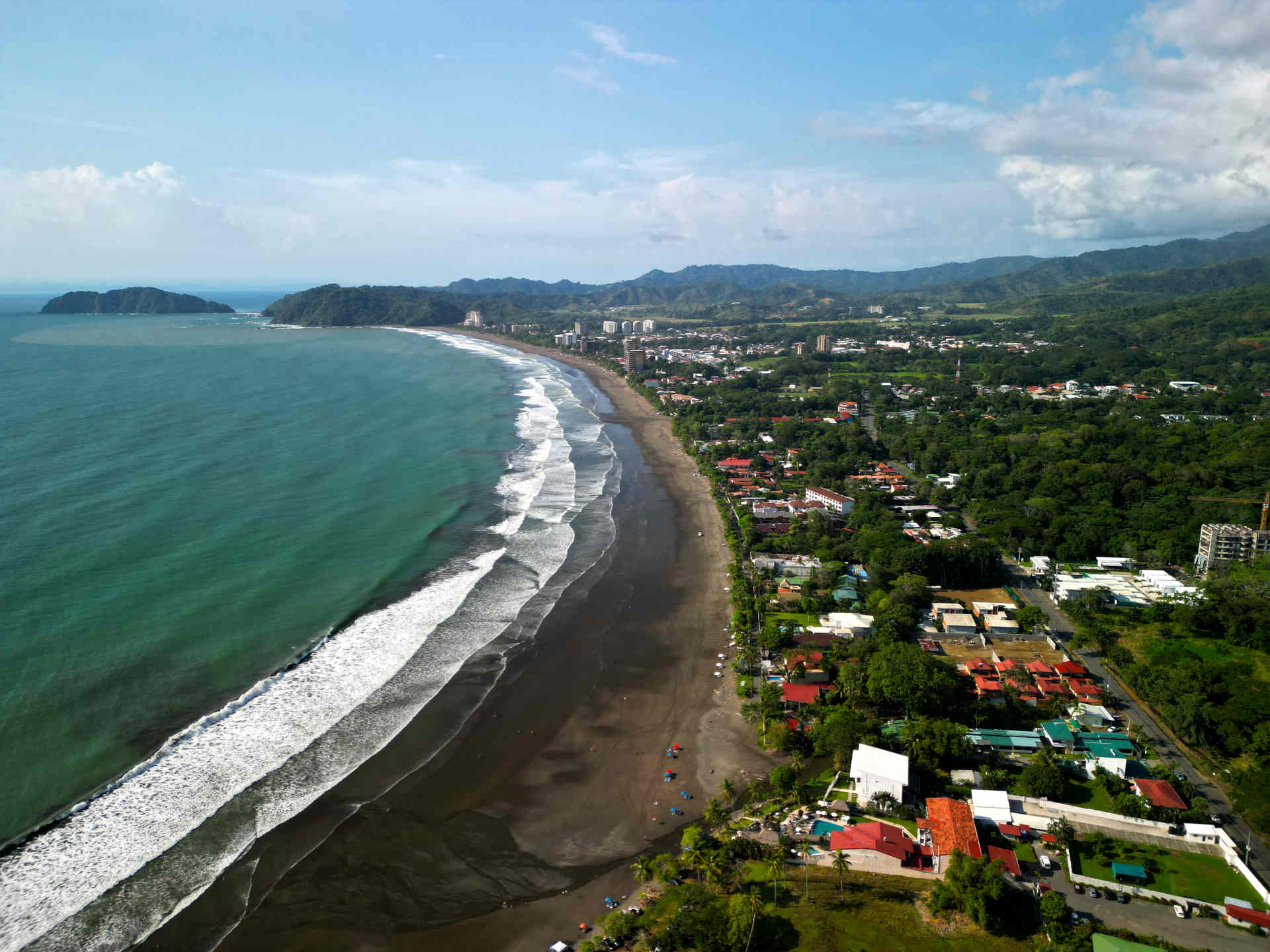
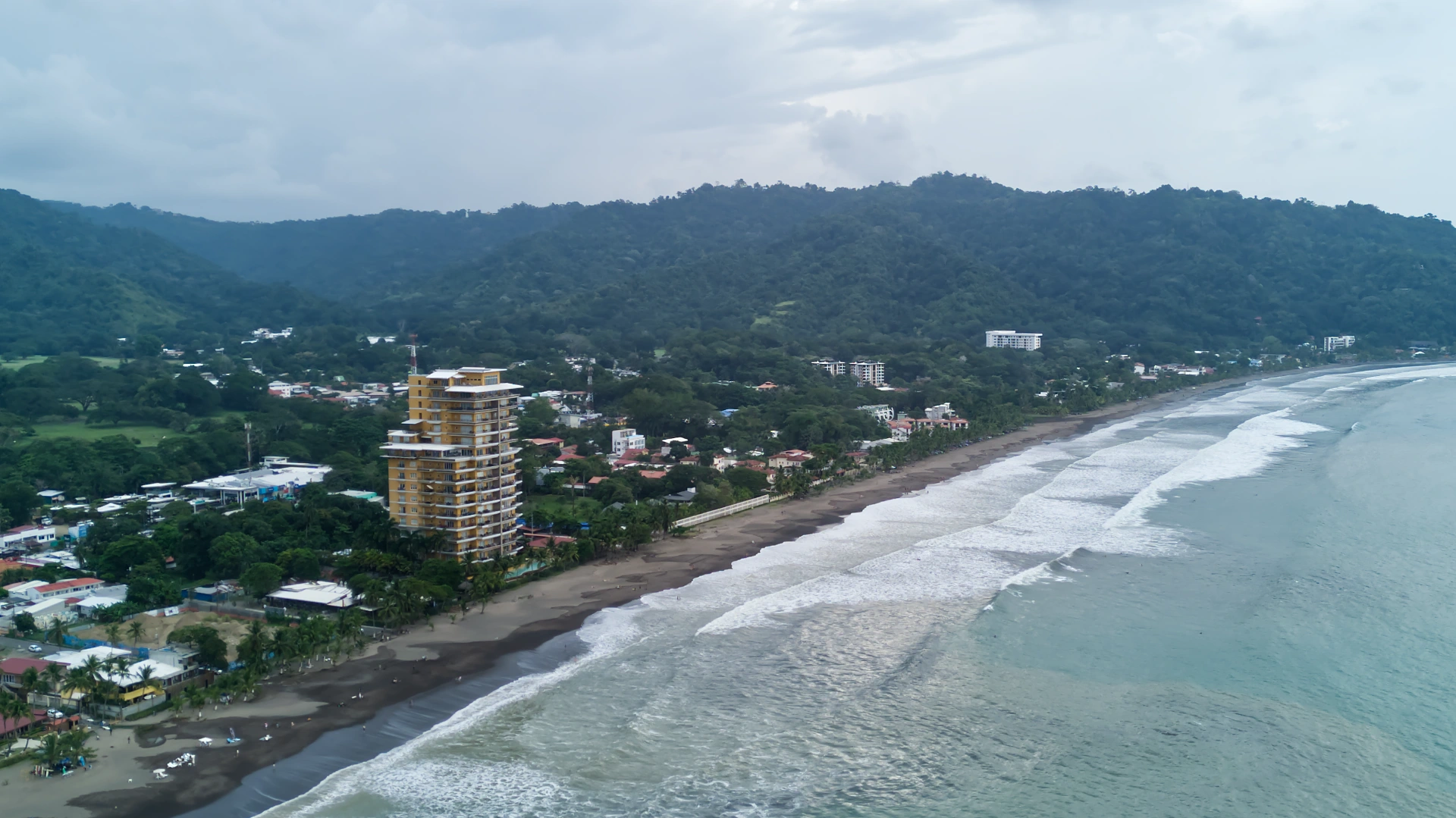
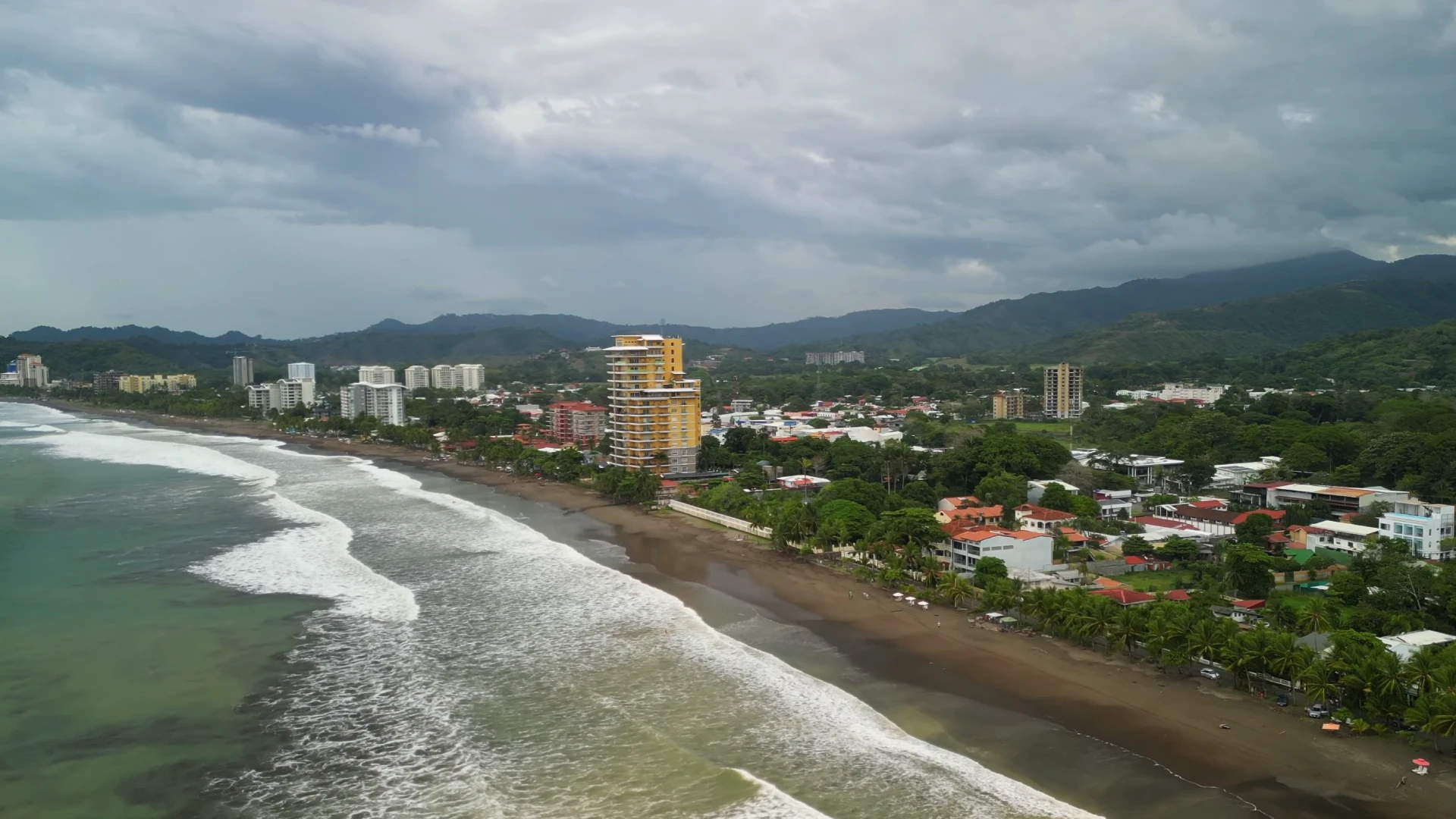
    jaco drone photo

    Drone view of Jaco, Costa Rica. Dry season will have water that’s more clear, but will come with the heat.

    Crowds and Holy Week

    Holy Week transforms Costa Rica’s beaches. Local families pack coastal towns from Thursday before Easter through Easter Monday. Hotels fill completely, beaches get crowded, and prices spike. Bars and alcohol sales stop on Holy Thursday and Good Friday due to Dry Law.

    If you want to avoid the biggest crowds, visit in March before Holy Week begins. Early to mid-March captures excellent weather with moderate tourist numbers. Late March into early April brings both international spring breakers and locals preparing for Holy Week.

    College student spring breakers concentrate in Tamarindo and Jacó. However, they travel in smaller groups than Mexico or Florida destinations. You won’t see massive fraternity takeovers. Families can avoid party scenes by choosing different destinations or staying outside main nightlife areas.

    Travel Tip: When I’m traveling in popular areas I use my lockable sling backpack. This way, I know none of my valuables will wander away!

    Booking and Budget Tips

    Book flights and hotels months in advance for spring break travel. The best properties sell out early, and last-minute options cost significantly more. Aim to book by December or January for March-April travel.

    Budget $150-250 per day per person for mid-range spring break travel. This covers accommodation, food, tours, and ground transportation but not international flights. Party-focused trips in beach towns run cheaper. Family adventure itineraries with multiple tours cost more.

    Private shuttles between destinations book up quickly during spring break. Reserve transfers when you book hotels. Rental cars provide flexibility but require advance reservations during peak season. Consider travel insurance – spring break is non-refundable at most properties.

    Check Expedia for your hotels, rental cars and activities during spring break in Costa Rica.

    2. Best Spring Break Destinations for College Students

    Costa Rica offers two main party destinations for college spring breakers. Both deliver consistent surf, beachfront nightlife, and social atmospheres without the massive crowds of Mexico or Florida spring break hotspots.

    Tamarindo – Top Party Beach Town

    Tamarindo ranks as Costa Rica’s #1 spring break destination for college students. The town combines excellent beginner surf with active nightlife concentrated along one main beachfront strip. Everything stays walkable – surf by day, party by night, repeat.
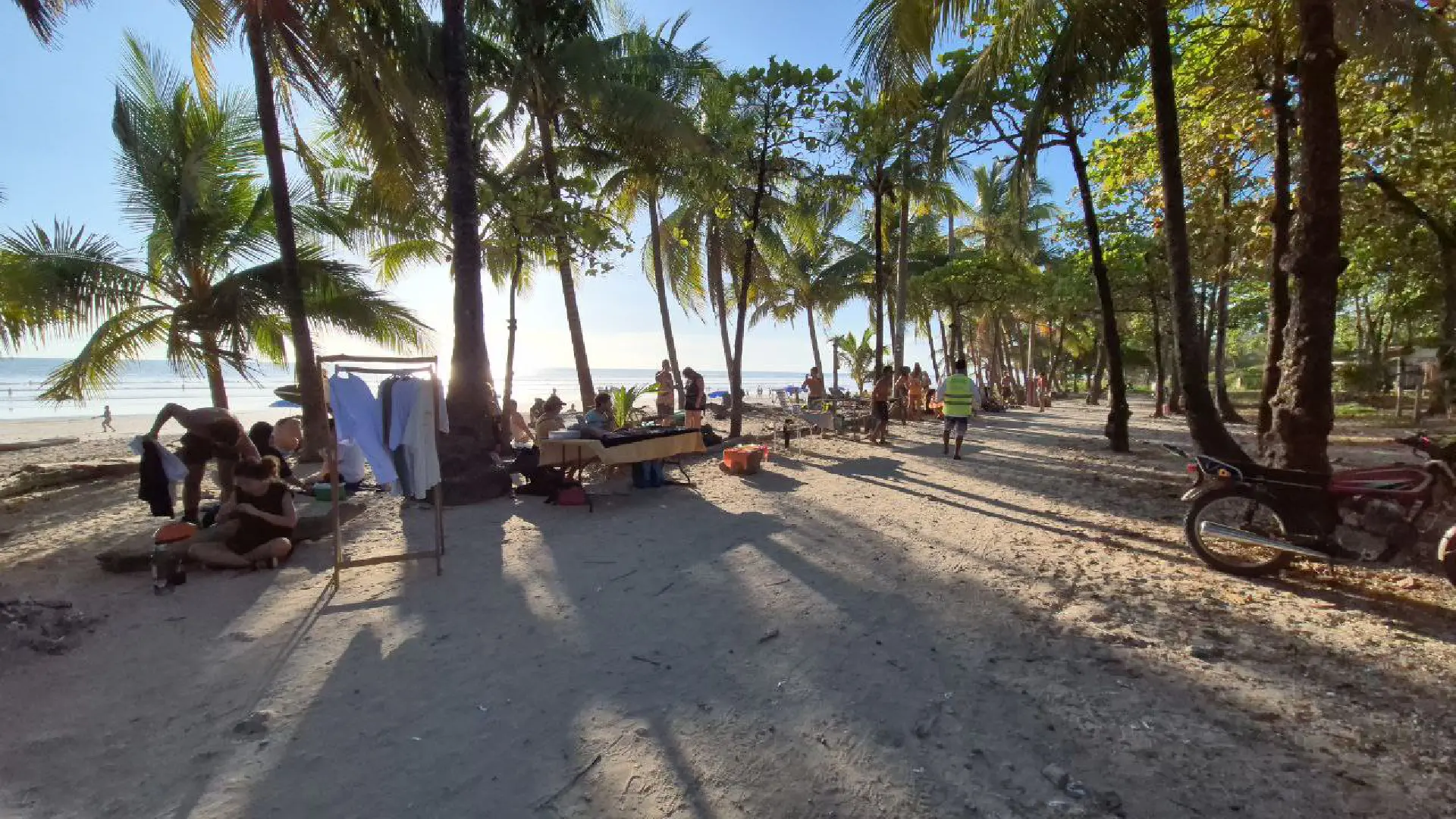
    The beach stretches wide with gentle waves perfect for learning to surf or boogie boarding. Dozens of surf schools rent boards and offer lessons. At low tide, the beach expands dramatically with tide pools to explore between surf sessions. Water temperature stays warm year-round.

    Nightlife centers on the main beach road packed with bars, restaurants, and clubs. Venues stay open late with music spilling onto the streets. The scene feels energetic but manageable – you can party hard or dial it back depending on your group’s energy. Most establishments have outdoor seating where you can watch the action.

    Accommodations range from budget hostels perfect for meeting other travelers to mid-range hotels with pools. Book early for spring break as the town fills completely. The compact layout means even budget stays put you within walking distance of beaches and nightlife.

    Tamarindo is 90 minutes from Liberia International Airport on well-paved roads. Shuttles run regularly, though private transfers offer more flexibility. Once in town, you can walk everywhere or rent bikes and golf carts.

    Jacó – Non-Stop Nightlife Scene

    Jacó delivers Costa Rica’s most intense party atmosphere. The beach town sits just 90 minutes from San José airport, making it the easiest Pacific beach to reach. The main strip runs parallel to the beach with casinos, clubs, bars, and restaurants operating late into the night.

    The nightlife scene here surpasses Tamarindo in intensity. Multiple clubs pump music until early morning. Casinos stay open 24/7. The party atmosphere dominates the town’s identity more than anywhere else in Costa Rica. If you want non-stop action, Jacó delivers.

    The beach has dark volcanic sand with consistent surf breaks. Waves favor experienced surfers more than beginners, though surf schools still operate for those learning. The water stays murky compared to northern beaches, but the surf crowd doesn’t mind. Strong currents require caution when swimming.

    Beyond partying, Jacó has the infrastructure spring breakers need – multiple supermarkets, gyms, ATMs, and restaurants ranging from budget to upscale. The town feels more developed and less authentic than Tamarindo but offers convenience.

    Budget accommodations concentrate near the town center within walking distance of nightlife. Mid-range hotels sit slightly removed from the loudest areas. Book months ahead as Jacó fills during spring break, especially during Holy Week.

    For more information about Jaco, check out our blog post here.

    3. Best Spring Break Destinations for Families

    Family spring break in Costa Rica works best when you balance adventure with downtime. These two destinations deliver guaranteed experiences kids remember while giving parents the relaxation they need.

    La Fortuna – Adventure for All Ages

    La Fortuna ranks as Costa Rica’s top family destination for spring break. The town combines active adventures with natural hot springs below Arenal Volcano’s dramatic cone. Kids burn energy on morning activities, then everyone soaks in volcanic pools by evening. Hot springs are the main family draw – Tabacón has landscaped pools, Baldi adds waterslides, Eco Termales offers quiet experiences. Budget options like Titoku provide authentic soaks. Most springs allow all ages and stay open until 10 PM.

    La Fortuna Waterfall requires descending 500 steep steps to reach the swimming hole. Kids jump from rocks into clear water. Hanging bridges let families walk through rainforest canopy spotting sloths, toucans, and howler monkeys with guides. Chocolate and coffee farm tours engage kids through hands-on experiences. They pick cacao pods and grind beans. These activities work for ages 5 and up and fill 2-3 hours.La Fortuna is 3 hours from San José airport and 2.5 hours from Liberia airport. The town has compact downtown with restaurants and supermarkets within walking distance. Accommodations range from budget hotels to luxury resorts with their own hot springs. Plan 3-4 days here during spring break.

    Heading to La Fortuna from San Jose? Visit our blog post for this trip and some stops along the way.

    Manuel Antonio – Beach and Wildlife

    Manuel Antonio delivers what families want most during spring break – guaranteed animal sightings combined with beautiful beaches. The compact national park makes spotting monkeys, sloths, and iguanas easy for young children. White-faced capuchins, howler monkeys, and squirrel monkeys all live here. Guides with spotting scopes help kids see sloths sleeping in trees. Iguanas sun on paths. The park has four beaches including Playa Espadilla Sur with calm water and Playa Manuel Antonio in a protected cove.

    Arrive at the park entrance by 7-8 AM during spring break to beat crowds. The park limits daily visitors, so early arrival guarantees entry. Animals stay more active in morning coolness. Short trails connect beaches through rainforest with the main loop taking about 2 hours at kid pace. Outside the park, tour operators offer catamaran cruises, snorkeling trips, and mangrove kayaking for families wanting variety.

    Manuel Antonio is 3.5 hours from San José airport on Highway 34. The small town has a main road lined with restaurants and tour operators. Hotels are on hillsides overlooking the Pacific. Many run shuttles to the park entrance. Plan 3-4 days here for spring break. The park closes Mondays for maintenance.

    If these blog posts and videos help plan your Costa Rica vacation, please support our channel.

    Follow Us

    Keep up with our latest Costa Rica travel videos and guides by subscribing to our YouTube channel. We regularly post new content showing real conditions across different regions and seasons.

    Planning a trip to Costa Rica? Contact us — we help with itineraries, logistics, and finding the spots most tourists miss.

    Frequently Asked Questions

    When is the best time to visit Costa Rica for spring break?

    Early to mid-March offers the best balance of excellent weather and moderate crowds. Late March into April brings both international spring breakers and Costa Ricans preparing for Holy Week. If you can avoid the week of Easter (Semana Santa), you’ll find better availability and slightly lower prices while still enjoying dry season weather.

    How much does a Costa Rica spring break trip cost?

    Budget $150-250 per day per person for mid-range spring break travel including accommodation, food, tours, and ground transportation. Party-focused college trips in beach towns run on the lower end. Family adventure itineraries with multiple tours cost more. International flights, rental cars, and travel insurance are additional expenses. Book early for the best rates.

    Is Costa Rica safe for spring break?

    Yes, Costa Rica is one of Latin America’s safest countries for spring break travelers. Tourist areas have good infrastructure and English-speaking staff. Standard precautions apply – watch your belongings in crowded areas, don’t leave valuables on beaches, and avoid walking alone late at night. Ocean safety matters more than crime – respect strong currents and rip tides.

    What is Holy Week in Costa Rica?

    Holy Week (Semana Santa) is the week before Easter when Costa Ricans take vacation and head to beaches. This creates the year’s busiest domestic travel period. Hotels fill completely, beaches get crowded, and prices spike. Bars and alcohol sales stop on Holy Thursday and Good Friday due to Dry Law. Plan around these dates if you want to avoid the biggest crowds.

    Do I need a rental car for Costa Rica spring break?

    It depends on your itinerary. Single-destination beach trips don’t require rental cars – you can walk or taxi around town. Multi-destination trips benefit from rental cars for flexibility. Private shuttles work well between major destinations like La Fortuna and Manuel Antonio. Book any ground transportation months in advance during spring break as everything fills up.

    Which airport should I fly into for Costa Rica spring break?

    Fly into Liberia (LIR) for Guanacaste beach destinations like Tamarindo. Liberia is 90 minutes from Tamarindo and 30 minutes from other northern beaches. Fly into San José (SJO) for Jacó (90 minutes), Manuel Antonio (3.5 hours), or La Fortuna (3 hours). San José has more international flight options but requires longer drives to beaches.

    Can families avoid the party scene during spring break?

    Yes, easily. Party scenes concentrate in Tamarindo and Jacó town centers. Families can choose La Fortuna and Manuel Antonio which focus on nature activities rather than nightlife. Even in party towns, staying outside the main nightlife strips or choosing family-focused resorts keeps you away from late-night noise and crowds.

    How far in advance should I book Costa Rica spring break?

    Book flights and hotels by December or January for March-April spring break travel. The best properties sell out months in advance during peak season. Last-minute bookings cost significantly more and offer limited options. Tours and private transfers also fill up early, so reserve everything when you book accommodations.

  • Top 5 Beach Towns in Costa Rica: Complete Guide for 2026

    Top 5 Beach Towns in Costa Rica: Complete Guide for 2026

    Costa Rica’s Pacific coast stretches over 600 miles and contains dozens of beach towns, each with distinct personalities and attractions. Choosing the right beach town makes the difference between a mediocre vacation and an unforgettable experience. The five towns below represent the best options for different types of travelers, from party seekers to nature lovers.

    These rankings reflect popularity, accessibility, and the unique experiences each town offers. All five towns sit on the Pacific side where dry season runs December through April with minimal rain and consistent sunshine. Each town provides different beach conditions, price points, and activity options that appeal to specific travel styles.

    This guide covers what makes each beach town special, how to get there, and who should visit. You’ll understand which town matches your vacation goals and what to expect when you arrive.

    When I hit the beaches in Costa Rica, I always bring a pair of water shoes. These shoes let you walk to the beach, swim and explore the tide pools without needing to leave them on the beach. Check our Amazon Gear Shop for all the stuff I use when traveling.

    Table Of Contents

    Estimated Reading Time: 20 Minutes

    1. Jacó – Best for Nightlife and Easy Access

    Jacó combines convenient access with active nightlife and consistent surf breaks. The town sits just 90 minutes from San José airport on well-paved Highway 34, making it the easiest Pacific beach to reach. This proximity attracts weekend crowds from San José along with international tourists looking for a party atmosphere.

    The beach stretches for miles with dark volcanic sand and strong waves. Water conditions favor experienced swimmers and surfers rather than casual beach loungers. The town’s main appeal comes from its walkable downtown strip packed with restaurants, bars, shops, and services rather than pristine beach conditions.

    Visit our full guide for Jaco to get more information about this super popular destination.

    Getting There and Beach Overview

    The drive from San José airport takes about 90 minutes on Highway 27 through the mountains, then south on Highway 34 along the coast. The entire route is paved and well-maintained. You’ll pass the famous crocodile bridge at Tárcoles where massive crocodiles gather below.

    Jacó’s main beach runs parallel to the central boulevard where most businesses concentrate. The beach is wide with gravel-like dark sand. Waves break consistently, drawing surfers of all skill levels. The southern end offers calmer conditions for beginners, while the northern section has bigger waves.

    Red flags appear frequently due to strong currents and riptides. Swimming requires caution and awareness of conditions. The water stays murky compared to beaches further north, though this doesn’t deter the surf crowd.

    Nightlife and Activities

    Jacó’s nightlife scene operates year-round with multiple bars, clubs, and casinos concentrated along the main strip. The Green Room serves as a popular restaurant and local art collective. Cocal Hotel and surrounding bars stay busy most nights with music and crowds.

    Surfing dominates daytime activities. Multiple surf shops rent boards and offer lessons for beginners. The beach accommodates all skill levels with different break points. Horseback riding tours operate daily along the beach, providing sunset ride options.

    The town has a well-stocked supermarket, multiple gyms, and all essential services within walking distance. You’ll find everything from budget sodas to upscale restaurants. ATMs, pharmacies, and rental car offices cluster in the downtown area.

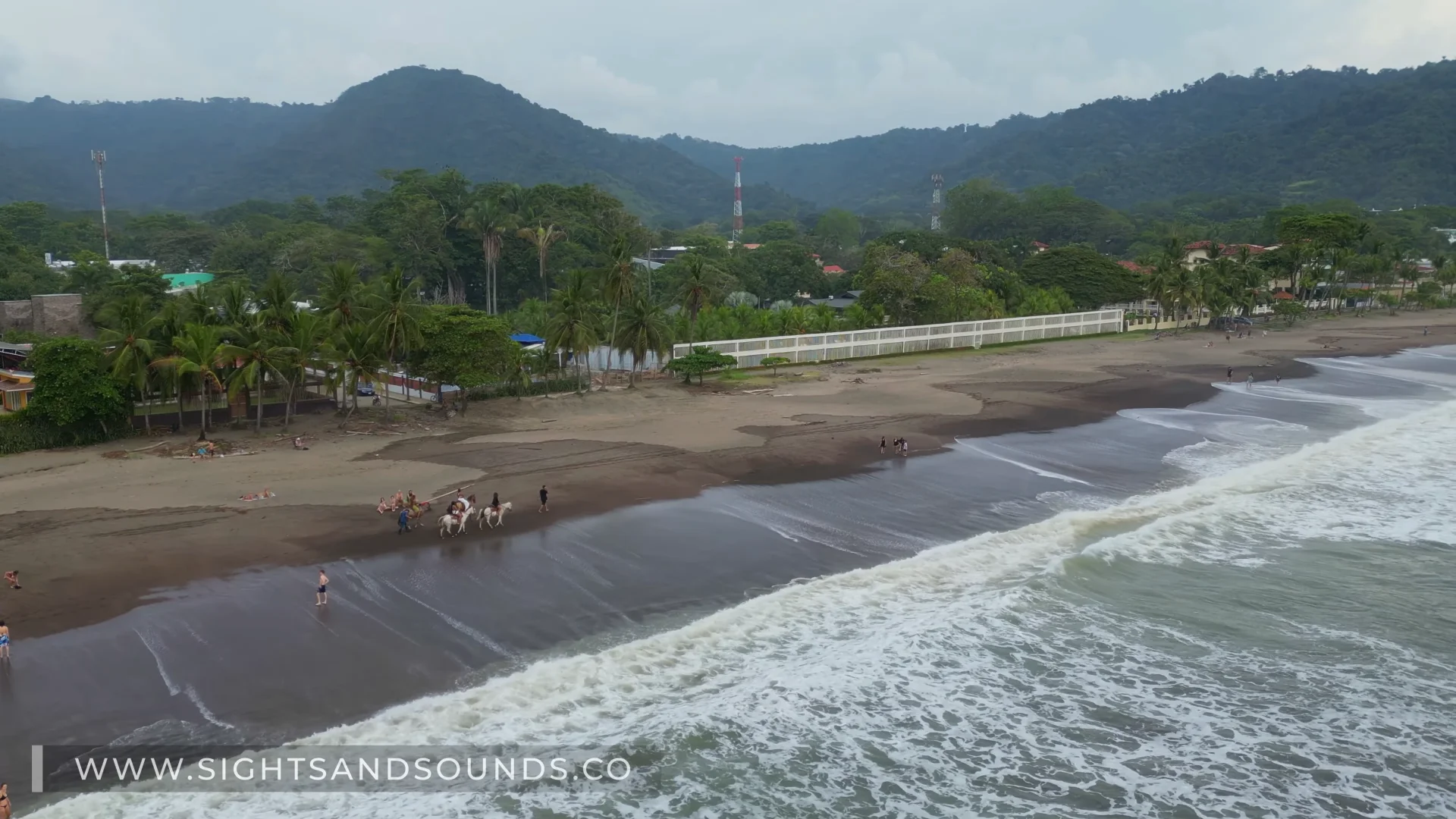
    %914K%93 Tour Jaco, Costa Rica _ Beach, Surf & Drone Views #travel #costarica 13-22 screenshot

    Drone view of Jaco beach. The water is great for surfing but not so much for swimming.

    Best For

    Jacó works best for travelers who prioritize nightlife, easy airport access, and don’t mind crowded beaches. Young travelers and groups looking to party find Jacó delivers consistent entertainment. Surfers appreciate the reliable breaks and numerous surf shops.

    Skip Jacó if you want quiet beaches, clear water, or a laid-back atmosphere. Families with young children should consider calmer beach towns. The party scene and strong waves make this town better suited for adults and experienced swimmers.

    2. Tamarindo – Most Popular Surf Town

    Tamarindo ranks as Costa Rica’s most developed beach town with the widest range of accommodations, restaurants, and tour operators. The town evolved from a quiet fishing village into a bustling tourist hub that stays busy year-round. You’ll find everything from budget hostels to luxury resorts concentrated along the main beachfront road.

    The beach itself stretches wide with gentle waves perfect for beginner surfing lessons. Multiple surf schools operate daily, making Tamarindo the top destination for first-time surfers. The town’s popularity means crowds, traffic, and higher prices compared to other beach destinations.

    There’s so much to do in Tamarindo, visit our full blog post to see more.

    Getting There and Beach Overview

    Liberia International Airport sits just 90 minutes from Tamarindo via well-paved roads. The drive takes you through Filadelfia and Belén before reaching the coast at Huacas. You’ll turn at Villarreal and continue straight into town, arriving at the iconic Tamarindo sign at the beach.

    The main beach runs along the central strip where most businesses concentrate. At low tide, the beach expands dramatically with tidal pools forming near the rocks. These pools attract families with kids who can safely explore marine life. The estuary at the south end creates calmer conditions ideal for swimming.

    Water temperature stays warm year-round. The beach has both sandy areas and rocky sections depending on tides. Playa Grande sits across the estuary with bigger waves for advanced surfers.

    Surfing and Water Sports

    Tamarindo built its reputation on beginner-friendly surf conditions. The middle section of the beach has gentle, rolling waves perfect for learning. Surf instructors wearing bright vests work with students throughout the day. Board rentals start around $15 for a few hours.

    More advanced surfers head to the north end of the beach or cross to Playa Grande for bigger breaks. The variety of surf spots within minutes makes Tamarindo appealing for mixed-skill groups. You can progress from beginner to intermediate waves without leaving the area.

    Beyond surfing, you’ll find snorkeling tours, sportfishing charters, and catamaran sunset cruises. Jet ski rentals operate from the beach. The Diria Resort has a convention center, casino, and multiple restaurants. Shops sell everything from souvenirs to high-end beachwear along the main strip.

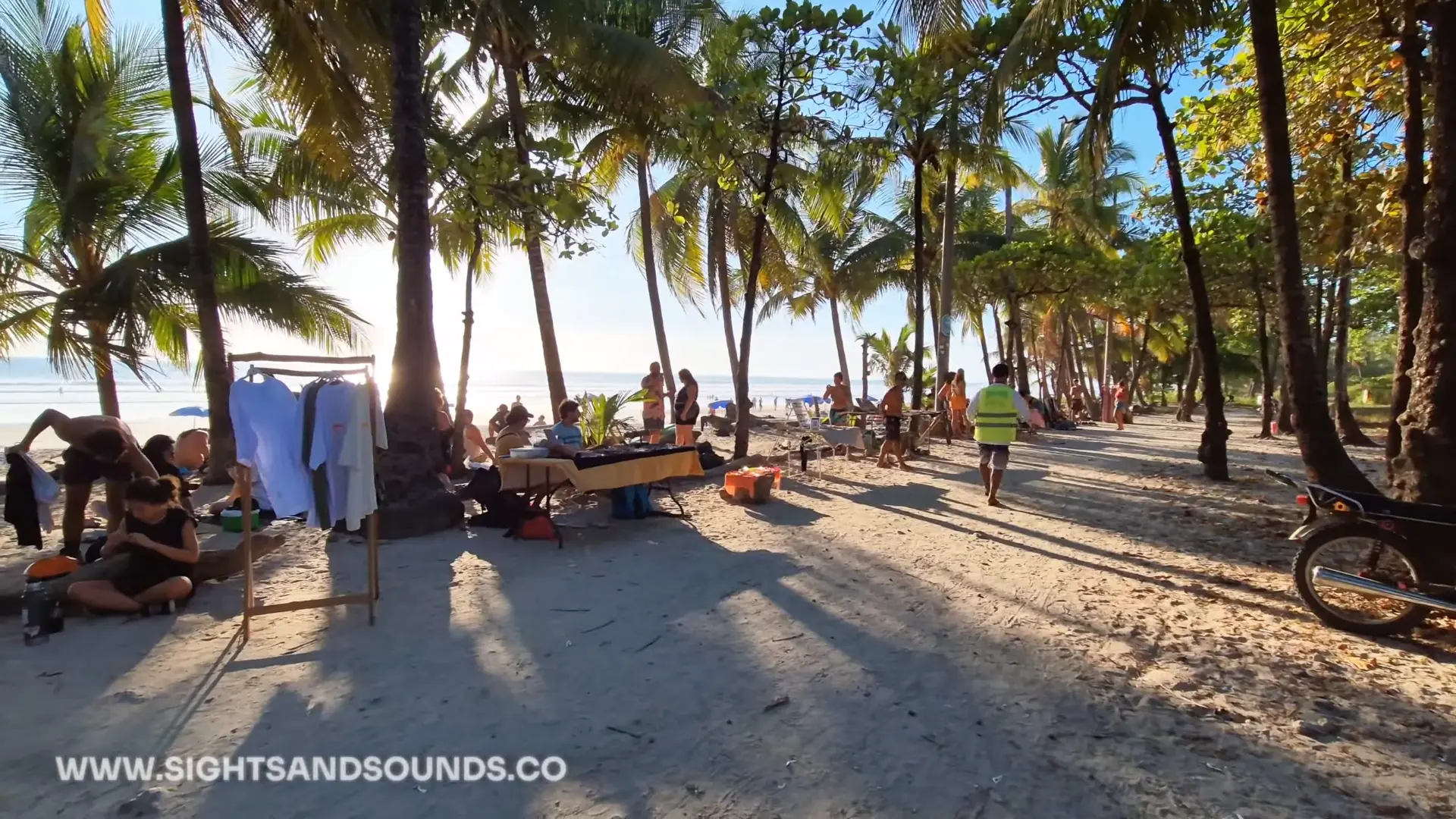
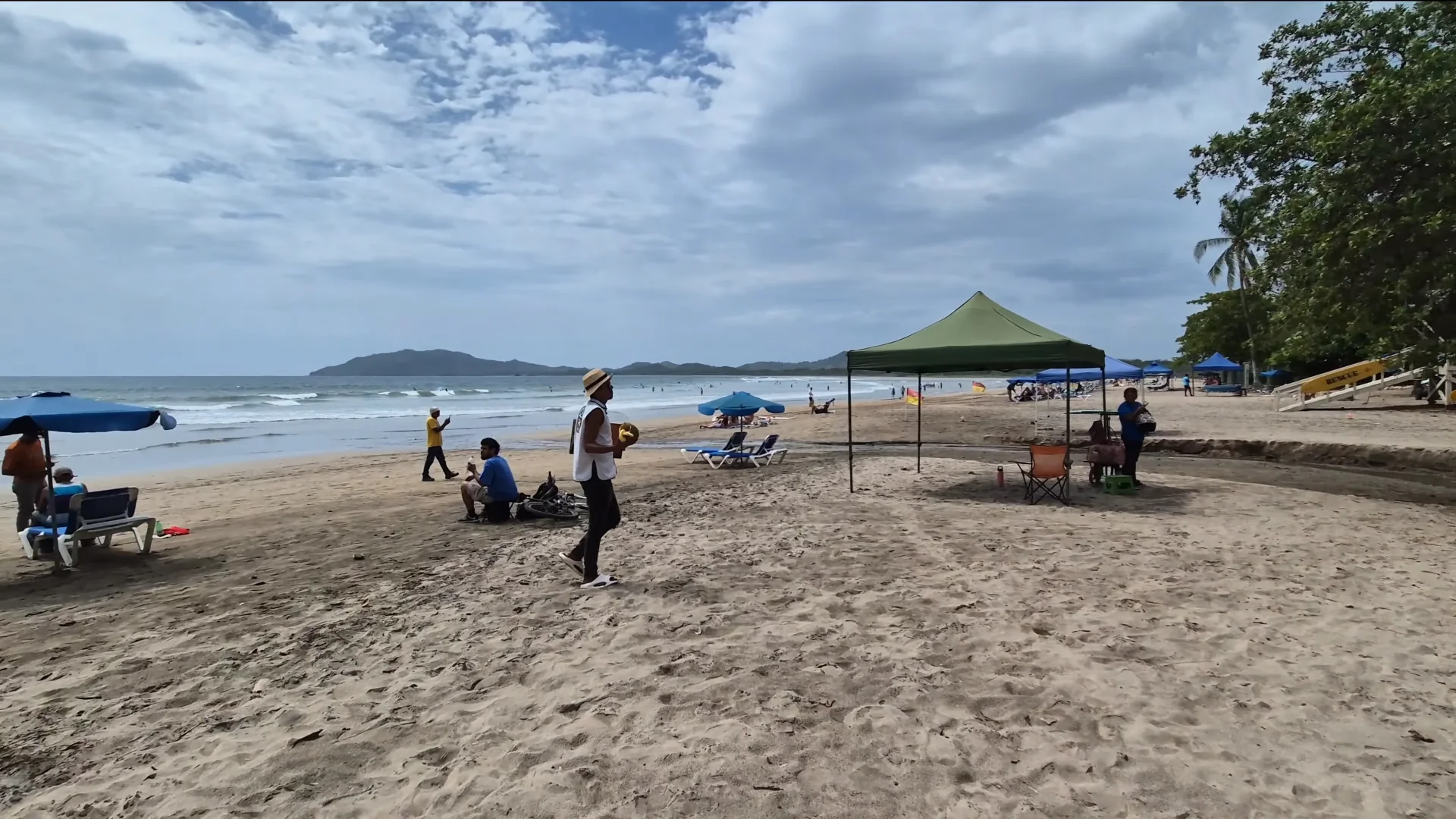
    tamarindo beach what

    The beach at Tamarindo is always lively. Lots of surfing instructors and vendors are set up along the beach. The sandy area is very wide so it’s great for some soccer.

    Best For

    Tamarindo suits travelers who want infrastructure, nightlife options, and easy access to services. Beginner surfers find this town perfect for learning with numerous schools and forgiving waves. Groups appreciate the variety of restaurants, bars, and activity options concentrated in one walkable area.

    Avoid Tamarindo if you seek quiet, authentic Costa Rican culture, or pristine beaches. The town feels touristy and overdeveloped. Traffic congestion on the main road gets frustrating during high season. Prices run higher than less developed beach towns.

    3. Playas del Coco – Best for Diving and Budget Travelers

    Playas del Coco delivers authentic Costa Rican beach town vibes without the tourist markup. Local families visit on weekends while expats and budget travelers appreciate the reasonable prices and laid-back atmosphere. The town maintains its fishing village roots despite growing popularity among tourists.

    The beach has calm waters protected by the bay, making it ideal for swimming and families with children. Rock formations at low tide create natural pools where kids can explore safely. The town’s central location provides easy access to nearby beaches and the Liberia airport.

    El Coco is my favorite beach town in all of Costa Rica. We have a full blog post about the town and beach here.

    Getting There and Beach Overview

    Liberia International Airport is just 30 minutes from Playas del Coco, making it one of the closest beach towns to international flights. The entire drive follows well-paved roads through the countryside. You’ll reach the main intersection in downtown Coco where restaurants, shops, and services cluster.

    The beach curves in a protected bay with calmer conditions than exposed Pacific beaches. Swimming stays safe year-round with minimal strong currents. The northern end near Los Palmas has clearer water and better swimming than the central beach area. A nice walking path runs along the entire beachfront with benches and shade.

    Rock formations extend into the water creating interesting features along the shoreline. The beach has both sandy sections and rocky areas. A pier extends into the bay where fishing boats and tour operators dock.

    Activities and Amenities

    The Gym operates in central Coco for $10 per day with quality equipment including free weights, cardio machines, and functional training areas. Sidewalks make walking between the beach and downtown easy and safe. Multiple supermarkets including Super Compro provide groceries at local prices.

    Diving tours depart daily from the pier. The waters around Coco access excellent dive sites including the Catalina Islands. Nearby beaches like Playa Penca and Ocotal provide excellent snorkeling in clear water just minutes away by car. Sportfishing charters are easy to arrange. Jet ski rentals operate from the beach. Catamaran sunset cruises visit secluded beaches along the coast.

    Los Palmas condos are a 10-minute walk south with units renting for $60-120 per night. The Sunday market near Garden Bar runs from early morning until noon with local vendors selling produce, crafts, and prepared foods. Coconuts bar and Z Lounge provide nightlife options without the overwhelming party scene of Jacó or Tamarindo.

    the gym in playas del coco, costa rica

    The Gym in Playas del Coco is located right in the middle of town. It has everything you’ll need from weights to machines, and some functional training areas.

    Best For

    Playas del Coco works perfectly for budget-conscious travelers who want authentic local culture and calm swimming conditions. Families appreciate the safe beach and reasonable accommodation prices. Divers find easy access to quality dive sites. The town serves as an excellent base for exploring nearby beaches like Ocotal, Hermosa, and Panama.

    Skip Coco if you want luxury resorts, big waves for surfing, or extensive nightlife. The beach isn’t the most scenic in Costa Rica. Water clarity doesn’t match more remote locations, though it’s perfectly fine for swimming.

    4. Uvita – Best for Nature and Whale Watching

    Uvita combines natural beauty with eco-tourism focus in a small beach town that hasn’t succumbed to overdevelopment. The famous whale’s tail sandbar formation at Marino Ballena National Park draws visitors during low tide when you can walk out on the distinctive shape. Humpback whales migrate through these waters twice yearly, making Uvita Costa Rica’s premier whale watching destination.

    The town maintains a quiet, nature-focused atmosphere compared to party towns like Jacó or Tamarindo. You’ll find yoga retreats, organic markets, and eco-lodges rather than casinos and nightclubs. Mountains rise dramatically behind the coast creating a stunning backdrop.

     Uvita is the gateway to the southern Pacific zone of Costa Rica. There’s so many natural wonders in the area and beyond. Visit our blog post about a trip south here.

    Getting There and Beach Overview

    Uvita is located about 3 hours south of San José airport along Highway 34. The drive takes you down the Pacific coast through Jacó and past Manuel Antonio. The main highway runs directly through Uvita, making navigation simple. Look for signs to the Saturday market or the national park entrance.

    The whale’s tail formation at Marino Ballena National Park is visible at low tide. This natural sandbar extends into the ocean forming the distinctive shape that gives the area its name. The national park protects several beaches with jungle backing right up to the sand. Swimming conditions vary by location and tide.

    The town itself spreads along the highway with businesses and accommodations scattered rather than concentrated. The beach requires a short drive or walk from most hotels. Water temperature stays warm year-round with generally calm conditions protected by the bay.

    Whale’s Tail and Saturday Market

    The Saturday market operates from early morning until early afternoon near the main highway. Local vendors sell organic produce, handmade crafts, artisan breads, goat cheese, and prepared foods. You’ll find wooden spoons and cutting boards made from Costa Rican teak, essential oils, crystals, jewelry, and recycled wood furniture. The market atmosphere feels authentically local rather than touristy.

    Marino Ballena National Park charges a small entrance fee to access the whale’s tail and beaches. Check tide charts before visiting to walk out on the sandbar formation at low tide. The park has facilities, rangers, and marked trails through coastal jungle.

    Humpback whales migrate through these waters from July to November and again from December to April. Multiple tour operators run whale watching boats from Uvita. Success rates for sightings run high during peak migration months. Tours also visit secluded beaches and snorkeling spots along the coast.

    uvita farmers market costa rica

    The weekly farmers market held in Uvita is a great place to meet local vendors.

    Best For

    Uvita works perfectly for nature lovers, whale watchers, and travelers seeking a quiet beach town with eco-tourism focus. The Saturday market attracts visitors interested in organic local products and handmade goods. Families enjoy the calm swimming conditions and natural attractions without the party atmosphere of northern beach towns.

    Skip Uvita if you want nightlife, extensive dining options, or a walkable downtown with shops. The town spreads out along the highway requiring a car to get around easily. Services and infrastructure are more limited than in Tamarindo or Jacó.

    5. Santa Teresa – Best for Advanced Surfing and Bohemian Vibes

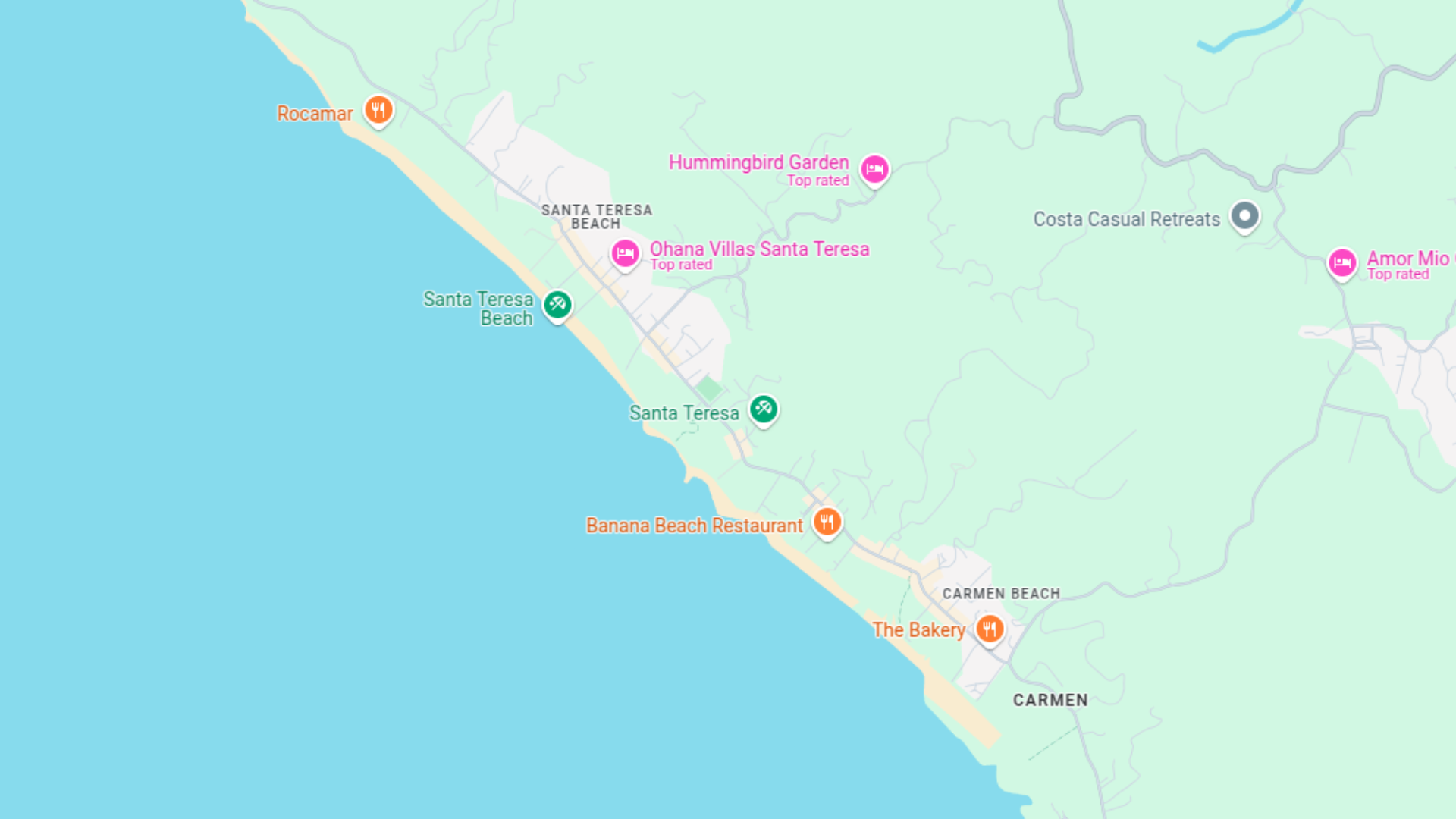
    Santa Teresa attracts advanced surfers, yoga enthusiasts, and travelers seeking a bohemian beach vibe. The town spreads along a single main road that runs parallel to the coast with consistent world-class surf breaks. Development has increased in recent years, but Santa Teresa maintains a more laid-back atmosphere than Tamarindo or Jacó.

    The waves here challenge intermediate to advanced surfers with powerful breaks and strong currents. Beach conditions favor experienced ocean swimmers over casual waders. The town draws a younger, international crowd including many European and South American visitors who stay for extended periods.

    For a full blog post about Santa Teresa click here.

    Getting There and Beach Overview

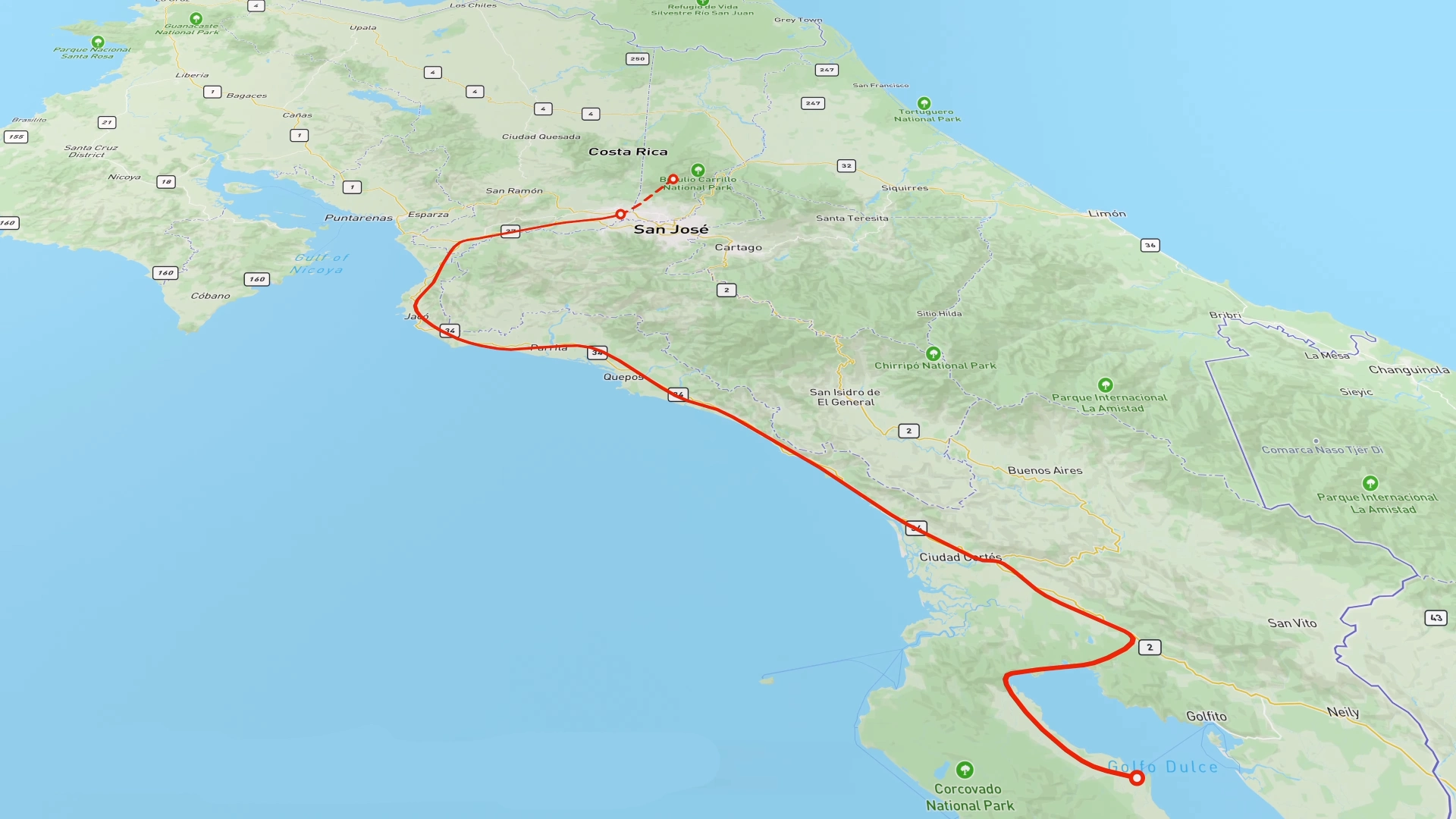
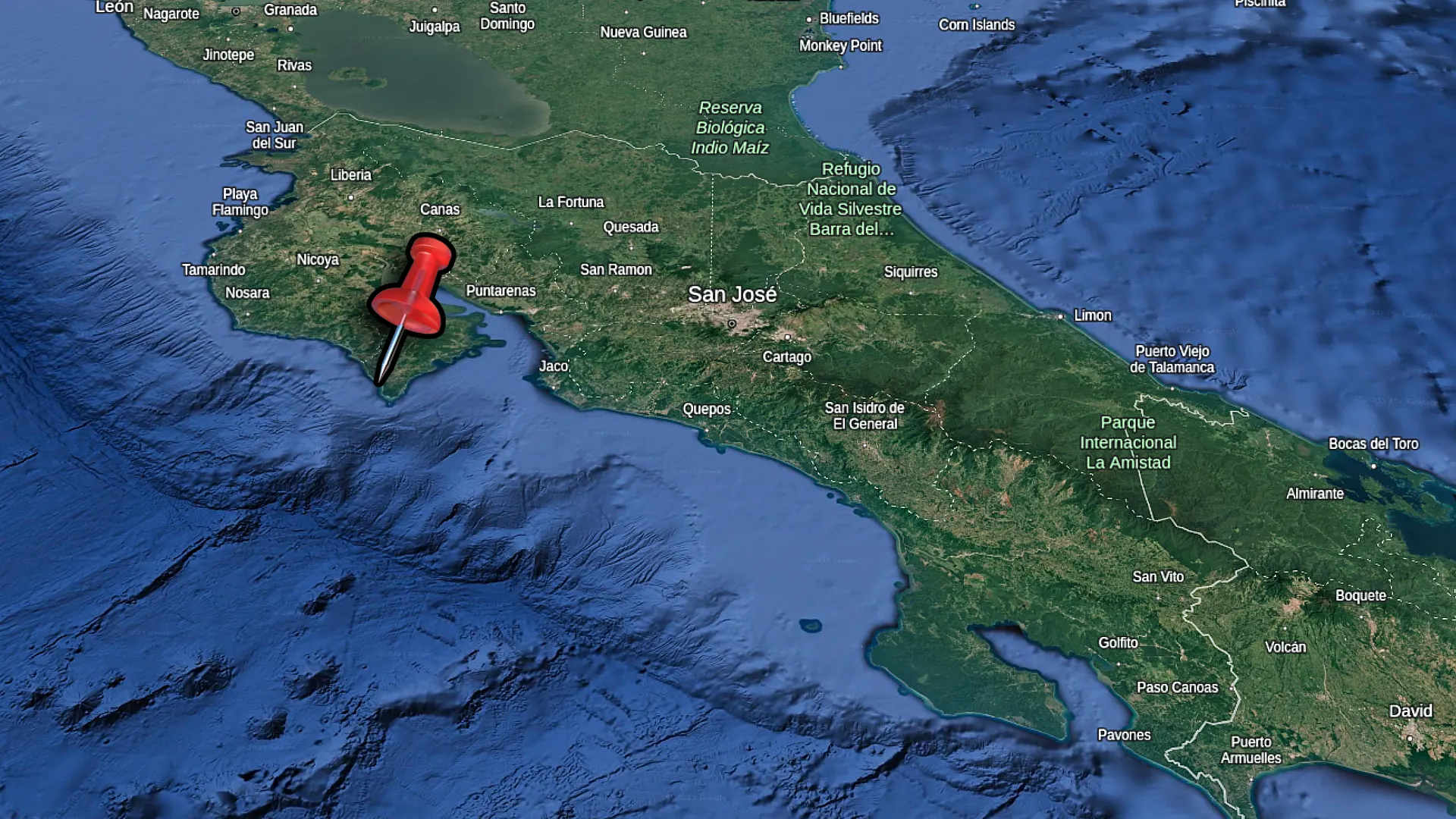
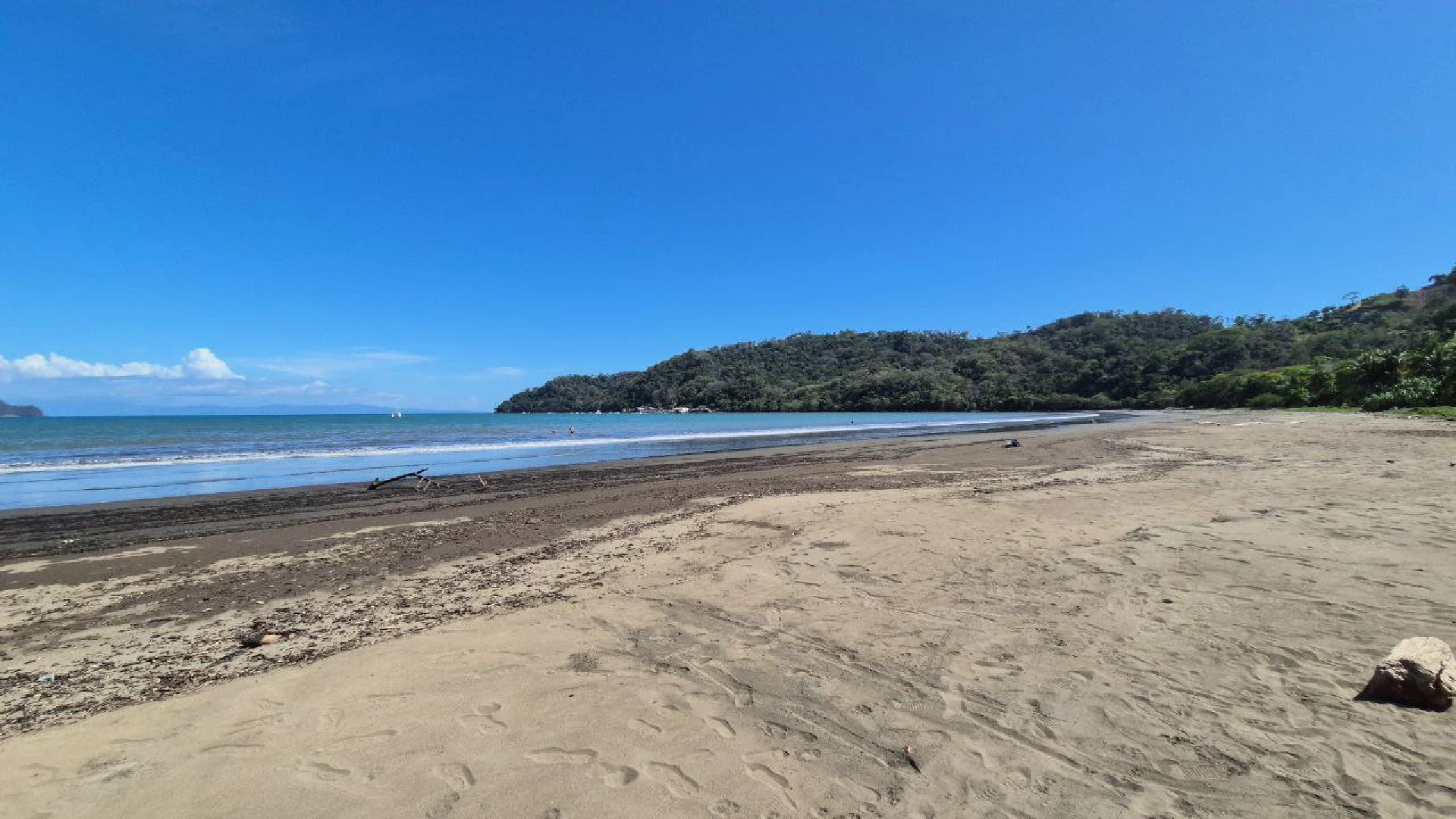
    Santa Teresa requires more effort to reach than northern beach towns. From Liberia airport, you can drive south along the coast for several hours. From San José, many travelers take the Puntarenas ferry to Paquera, then drive across the Nicoya Peninsula. The final stretch into Santa Teresa includes winding hills and some rough road sections.

    The main road runs along the coast with the beach accessible at multiple points. Playa Carmen marks the northern end with slightly calmer conditions. The beach stretches for miles with consistent surf breaks along its length. Sand is lighter colored than Jacó with clearer water conditions.

    Low tide exposes extensive beach area perfect for walking and exploring. The water temperature stays warm year-round. Rocky outcrops create varied surf conditions along different sections of beach.

    Surfing and Beach Scene

    Santa Teresa built its reputation on powerful, consistent surf breaks that attract experienced surfers from around the world. The waves require solid swimming ability and surf experience. Surf schools operate for those looking to advance their skills, but this isn’t the place to learn basics.

    You’ll see surfers carrying boards on ATVs, which are extremely popular for getting around town. Golf carts also dominate the roads. Many visitors don’t bother with helmets, though the police presence stays minimal. The casual enforcement creates a relaxed vibe that appeals to the bohemian crowd.

    The town has grown considerably with new hotels, restaurants, and shops appearing regularly. A Mega Super provides groceries. Enterprise rental cars has a location in town. Multiple yoga studios, healthy restaurants, and juice bars cater to the wellness-focused demographic. Nightlife exists but focuses more on beach bars and sunset gatherings than clubs.

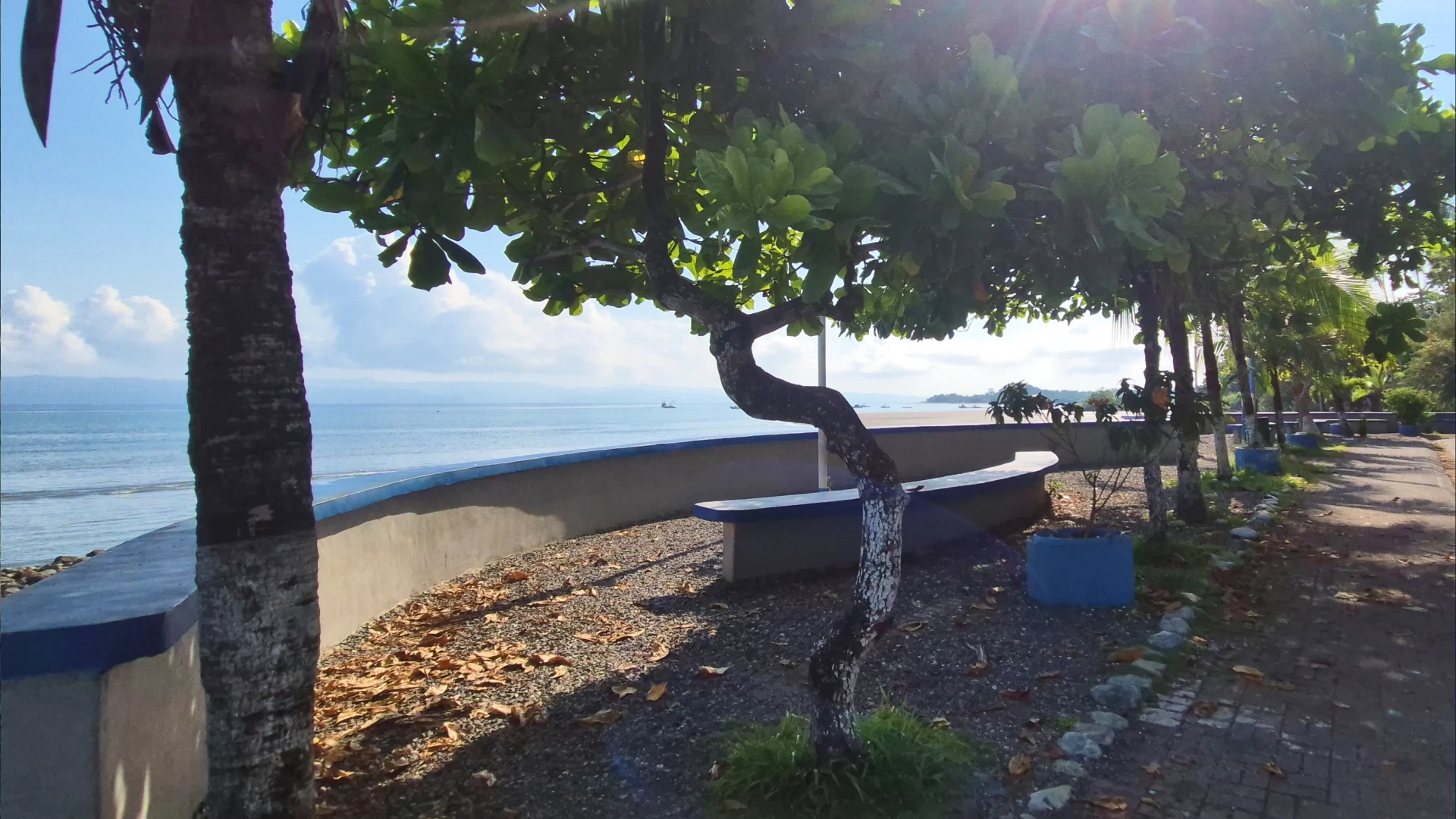
    santa teresa costa rica surfer town

    The beach area at Santa Teresa. Super chill vibes with a great view.

    Best For

    Santa Teresa works best for experienced surfers seeking consistent, challenging waves in a bohemian setting. Digital nomads and long-term travelers appreciate the international community and yoga scene. The town suits travelers comfortable with rough road access and higher prices than mainland beach towns.

    Skip Santa Teresa if you’re a beginner surfer, traveling with young children, or want easy beach swimming. The remote location and rough roads make access more difficult. Prices run higher than more accessible beach towns due to the effort required to transport goods.

    If these blog posts and videos help plan your Costa Rica vacation, please support our channel.

    Follow Us

    Keep up with our latest Costa Rica travel videos and guides by subscribing to our YouTube channel. We regularly post new content showing real conditions across different regions and seasons.

    Planning a trip to Costa Rica? Contact us — we help with itineraries, logistics, and finding the spots most tourists miss.

    Frequently Asked Questions

    Which beach town in Costa Rica is best for families?

    Playas del Coco and Uvita work best for families with children. Coco has calm bay waters perfect for safe swimming and affordable accommodations. Uvita provides nature-focused activities like the whale’s tail formation and Saturday market without the party atmosphere. Both towns have reasonable prices and family-friendly beaches compared to Jacó or Tamarindo.

    What is the best beach town in Costa Rica for surfing?

    Tamarindo is best for beginner surfers with gentle waves and numerous surf schools. Santa Teresa attracts advanced surfers with consistent, powerful breaks and world-class conditions. Jacó works for intermediate surfers who want reliable waves with varying difficulty levels along different beach sections.

    Which Costa Rica beach town is closest to the airport?

    Playas del Coco is just 30 minutes from Liberia International Airport, making it the closest option on this list. Tamarindo is 90 minutes from Liberia. Jacó is 90 minutes from San José airport. The close proximity makes Coco perfect for short trips or travelers who want to minimize driving time.

    What is the cheapest beach town in Costa Rica?

    Playas del Coco offers the best value with accommodations starting around $60 per night and local restaurants at reasonable prices. The town maintains authentic Costa Rican pricing rather than tourist markups. Jacó and Tamarindo cost more due to higher demand. Santa Teresa runs expensive due to its remote location and international crowd.

    When is the best time to visit Costa Rica beach towns?

    December through April is dry season on the Pacific coast with minimal rain and consistent sunshine. This high season brings crowds and higher prices. May through November is rainy season with afternoon showers but fewer tourists and better deals. Uvita’s whale watching peaks from July t

  • Fiesta Resort Puntarenas: Complete Guide to Costa Rica’s Budget All-Inclusive

    Fiesta Resort Puntarenas: Complete Guide to Costa Rica’s Budget All-Inclusive

    Fiesta Resort in Puntarenas is a budget friendly all-inclusive option just one hour from San José International Airport. This large resort is right on the Pacific coast with multiple pools, beach access, and a private pier. You’ll find everything from restaurants and bars to mini golf and tennis courts included in your stay.

    The resort attracts families and groups looking for an affordable all-inclusive experience in Costa Rica. Luxury resorts can cost $500-1000 per night. Fiesta Resort delivers solid amenities at less of a price. You get the convenience of all-inclusive dining and activities without the premium price tag.

    This guide covers what you need to know about staying at Fiesta Resort. You’ll learn about the pool areas, beach access, room types, dining options, and practical tips for your visit. The resort is larger than it appears from the road. Multiple buildings, three pool areas, and plenty of activities keep everyone busy. Be sure to watch the walking tour on our Youtube channel to see the resort.

    Table Of Contents

    Estimated Reading Time: 10 Minutes

    What to Expect at Fiesta Resort

    Fiesta Resort spreads across a large property with three distinct pool areas and direct beach access. The main pool area serves as the social hub with poolside bars and regular activities. You’ll hear music and see organized games throughout the day. Weekends bring more crowds when the resort fills up with Costa Rican families.

    The resort caters primarily to families rather than couples seeking a quiet getaway. Expect a lively atmosphere with kids playing and activities happening around the pools. Visit during weekdays for a calmer experience. You can also choose accommodations farther from the main pool for more peace.

    Pools and Beach Access

    The main pool wraps around in a large horseshoe shape with a swim-up bar and plenty of lounge chairs. Two additional pool areas provide more space. One is near the newer condo buildings. Another is a premium adults-only section. The pools stay busy on weekends but offer enough space that you can find a spot.

    The beach access includes a private pier extending into the ocean with its own bar at the end. The pier gives you great sunset views and a spot to watch boats heading to Puntarenas town. The beach itself has brown, murky water typical of this part of Puntarenas. The Barranca River empties nearby, which affects water clarity. Don’t expect crystal clear Caribbean water here. The beach works fine for walking and kids playing in the sand. Swimming conditions are better on the Nicoya Peninsula across the gulf.

    Dining and Activities

    The main buffet restaurant serves breakfast, lunch, and dinner with a variety of options. You’ll find typical resort fare with both international and Costa Rican dishes. Additional food spots include a pizza counter and a burger grill near the pools. Multiple bars throughout the property serve drinks included in the all-inclusive package.

    The gym has basic equipment including dumbbells up to 50 pounds, a few cardio machines, and a cable machine. It’s adequate for maintaining your workout routine but not extensive. Mini golf, tennis courts, and a dedicated kids zone provide activities beyond the pools. The kids building has organized activities. The resort doesn’t require reservations or schedules for most amenities.

    Rooms and Practical Information

    Fiesta Resort has multiple accommodation buildings spread across the property. The resort is larger than it looks from the road, with several three-story buildings housing the rooms. Room types vary, so check with the resort directly about specific configurations and what’s available for your dates.

    Understanding the logistics and what to bring helps you make the most of your stay. The resort provides the basics, but knowing what to expect with transportation and amenities helps you plan better.

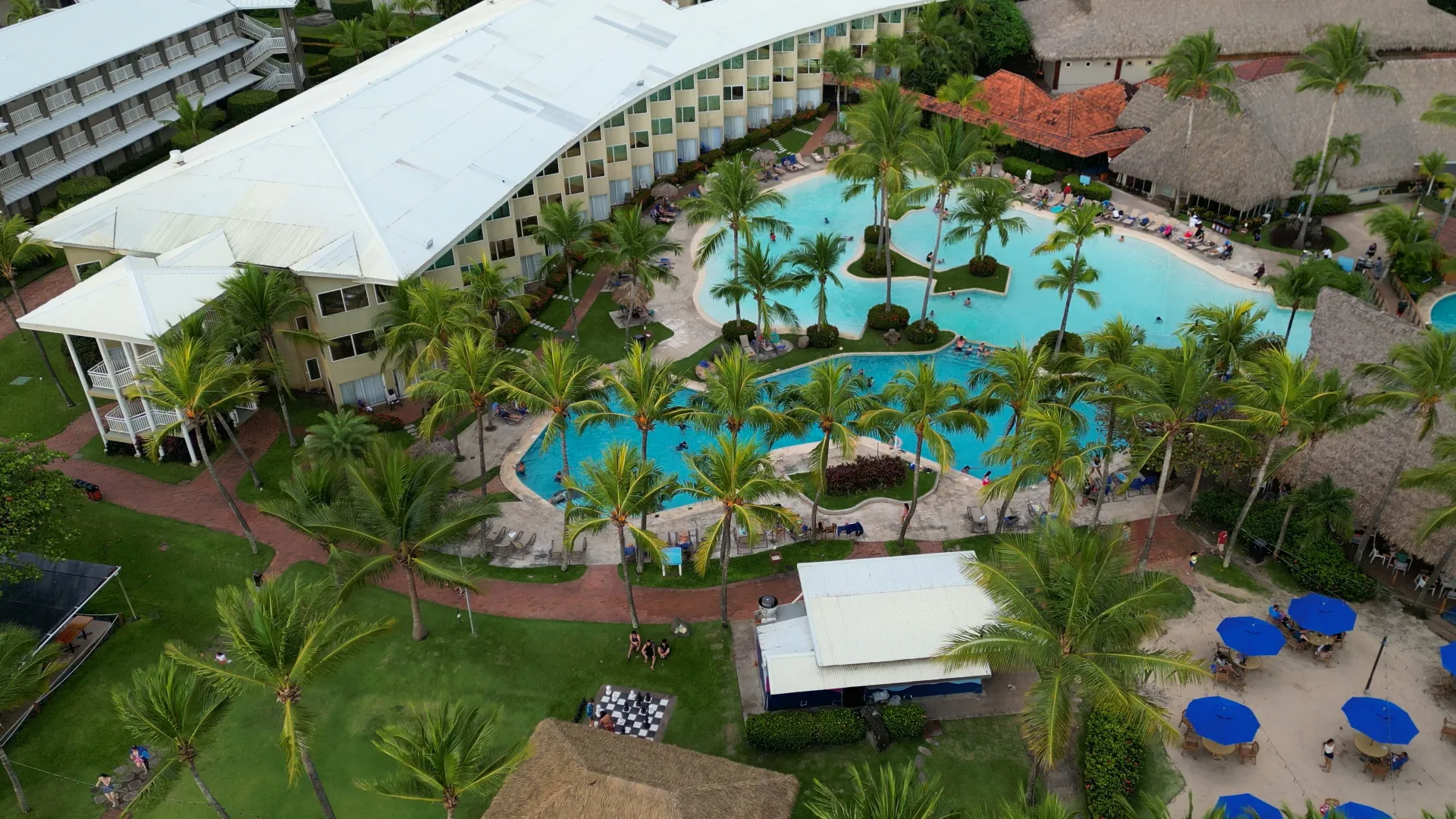
    all inclusive resort costa rica

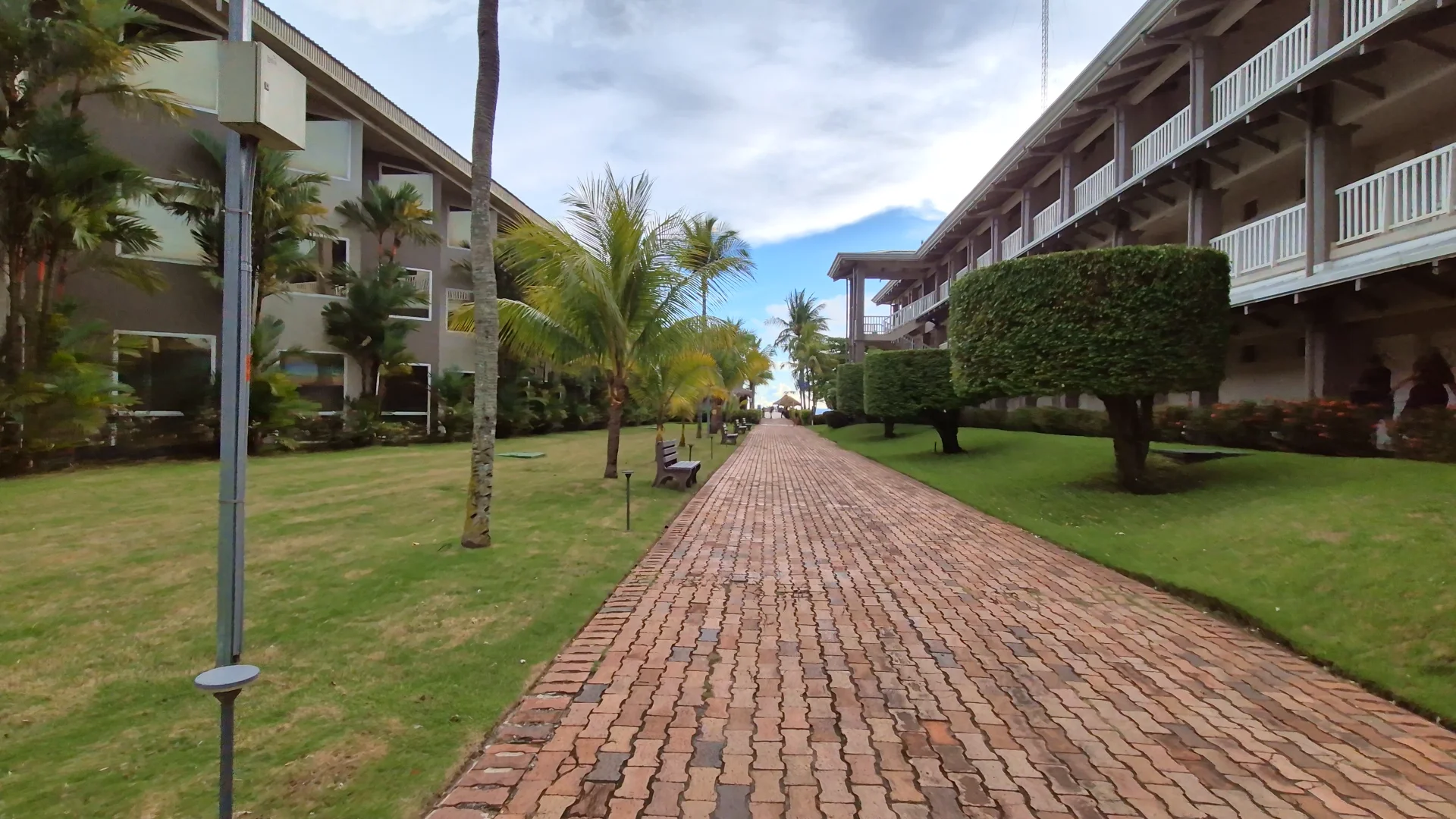
    Walking path to the beach between two accommodations buildings.

    Accommodations

    The rooms include standard hotel amenities with beds, bathrooms, and air conditioning. You’ll find a small kitchenette area with a coffee maker in the rooms. Many rooms have views overlooking the pool areas. The air conditioning works well, which matters in Puntarenas’ heat.

    The buildings are positioned throughout the property, with some closer to the main pool area and others set back for more quiet. The resort has newer condo-style buildings alongside the original structures. All rooms are accessed via outdoor corridors typical of Costa Rican resort design.

    Getting There and Tips

    Fiesta Resort is located about one hour from San José International Airport in Alajuela. The drive follows well-marked roads through the Central Valley and down to Puntarenas on the Pacific coast. You’ll pass through several towns including the intersection near Auto Mercado where the resort is located.

    Parking is available on-site and was nearly full during an October weekend visit. Bring water shoes if you plan to walk on the beach or rocky areas. The all-inclusive package covers meals and drinks, but verify what’s included when you book. The resort works best for families and groups who want activities and don’t mind a lively atmosphere. If you’re looking for quiet luxury or pristine beach water, consider other options in Costa Rica.

    Travel Tip: Bring a good pair of water shoes if you’re going to visit the beaches near Puntarenas. They’re not as sandy as some others in Costa Rica. 

    If these blog posts and videos help plan your Costa Rica vacation, please support our channel.

    Follow Us

    Keep up with our latest Costa Rica travel videos and guides by subscribing to our YouTube channel. We regularly post new content showing real conditions across different regions and seasons.

    Planning a trip to Costa Rica? Contact us — we help with itineraries, logistics, and finding the spots most tourists miss.

    Frequently Asked Questions

    How far is Fiesta Resort from San José Airport?

    Fiesta Resort is about one hour from San José International Airport (SJO). The drive follows well-marked roads through the Central Valley down to Puntarenas on the Pacific coast. Traffic is generally light outside of rush hours.

    Is the beach water clear at Fiesta Resort?

    No, the beach water at Fiesta Resort is brown and murky. The Tempisque River empties nearby, which affects water clarity in this part of Puntarenas. The beach works fine for walking and kids playing in the sand, but crystal-clear water is found on the Nicoya Peninsula across the gulf instead.

    What’s included in the all-inclusive package at Fiesta Resort?

    The all-inclusive package includes meals at the buffet restaurant, food from the pizza counter and burger grill, and drinks at multiple bars throughout the property. Access to pools, gym, mini golf, tennis courts, and kids zone is also included. Verify specific inclusions when booking.

    Is Fiesta Resort good for families with kids?

    Yes, Fiesta Resort caters primarily to families. The resort has a dedicated kids zone, mini golf, multiple pool areas, and organized activities throughout the day. The lively atmosphere with music and games makes it popular with Costa Rican families, especially on weekends.

    Does Fiesta Resort have a gym?

    Yes, the resort has a gym with basic equipment including dumbbells up to 50 pounds, cardio machines (ellipticals and treadmill), a cable machine, and slam balls. It’s adequate for maintaining your workout routine but not extensive compared to full fitness centers.

    Is there parking at Fiesta Resort?

    Yes, Fiesta Resort has on-site parking for guests. The parking lot can fill up during busy weekends. Parking is included with your stay at the resort.

  • The Perfect Weekend Getaway: Jaco, Herradura & Los Sueños Resort Area

    The Perfect Weekend Getaway: Jaco, Herradura & Los Sueños Resort Area

    The Pacific coast of Costa Rica has many great beach towns. But few areas give you as much variety in one small region as Jaco and Herradura. Just two hours from San Jose, this stretch of coast has world-class surfing and luxury marinas. You also get lively nightlife and quiet beach walks. You can surf in the morning, explore a fancy resort area in the afternoon, and party at night all in the same weekend.

    This three-day trip guide shows you the best of what this area has to give. You’ll start with Jaco’s famous surf breaks and busy town center. Then you’ll head to the more upscale Herradura with its impressive Los Sueños marina. The trip ends back in Jaco for some of Costa Rica’s best nightlife and entertainment. Each day builds on the last, giving you a full taste of Pacific coast life.

    Whether you want adventure sports, beach relaxation, or party scenes, this region has it all without long drives between places. These spots are close together, so you spend more time enjoying activities and less time in a car. Plus, the area works for different budgets. You can find backpacker hostels, luxury resorts, and plenty of mid-range options that give you comfort without costing too much.

    Travel Tip: You don’t need to buy a SIM card when you land in Costa Rica to get data connection. With an eSIM, you’ll be able to configure your data connection before you depart for your vacation. I use the Saily eSIM in Costa Rica.

    Table Of Contents

    Estimated Reading Time: 20 Minutes

    saily esim costa rica bannersaily-banners-affordable-esim-1200×628

    Planning Your Pacific Coast Trip

    The Jaco and Herradura area works well for different types of travelers because it’s easy to reach from San Jose. Unlike some beach spots that need internal flights or long drives on rough roads, this Pacific coast region connects to the capital via good highways. You’ll spend about 2 hours driving from the airport to your hotel. This makes it perfect for weekend trips or as your first stop on a longer Costa Rica adventure.

    The region’s popularity means you have many ways to get around once you arrive. Having your own car gives you the most freedom to explore both towns and nearby attractions at your own pace. But even travelers without cars can enjoy both Jaco and Herradura using local buses, taxis, and organized tours.

    the route from jaco to san jose airport travel vlog

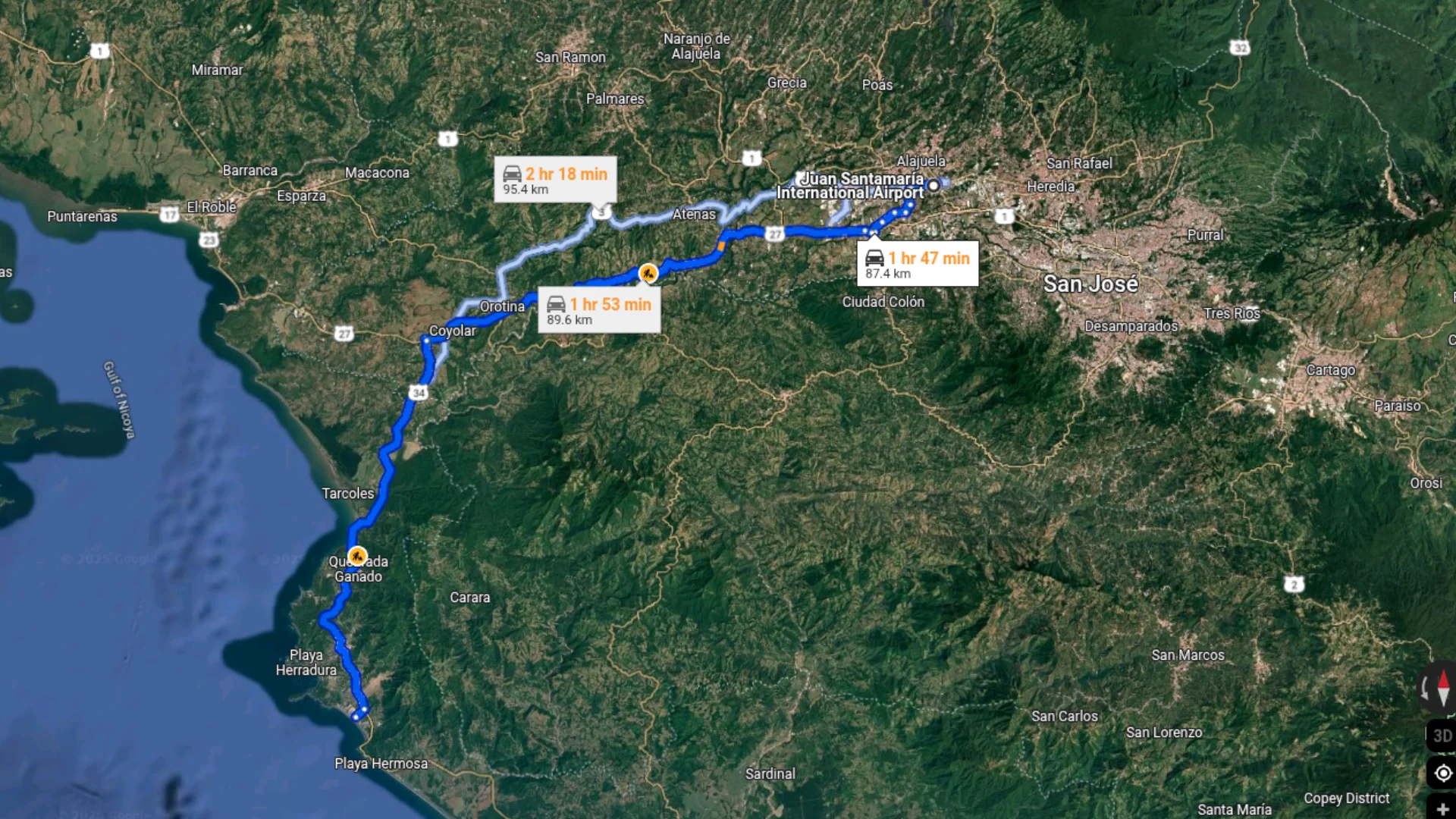
    When you arrive at the airport in San Jose, you’ll head towards the east coast. This trip is along well paved roads and will take about 2 hours.

    Getting There from San Jose Airport

    Rental cars provide the best way to explore this region fully. Popular local companies like Adobe Rent A Car and Vamos often give better rates and service than international chains. These Costa Rican companies know the local roads well. They provide helpful driving tips for the area. You can pick up your car right at Juan Santamaria Airport and be on the beach in under 3 hours.

    The drive from San Jose airport follows well maintained highways for most of the trip. You’ll cross the famous Crocodile Bridge about halfway through. This is a popular stop where you can often spot crocodiles in the river below. The final hour takes you along Highway 34 south. You’ll see several scenic viewpoints and have the option to stop in Playa Herradura before continuing to Jaco.

    If you prefer not to drive, direct buses run from San Jose to Jaco several times daily for about $8 per person. The trip takes around 3 hours and buses are comfortable with air conditioning. Many hotels also arrange airport transfers. These typically cost $80-120 for up to 4 people, which can be cheaper than taxis for groups.

    Best Time to Visit Jaco and Herradura

    Dry season from December through April brings the most reliable weather. But it also brings the highest prices and biggest crowds. During these months, you’ll get sunny days perfect for beach activities. You’ll also get clear conditions for drone photography and marina visits. However, hotel rates can double compared to green season. Popular restaurants often require reservations too.

    Green season from May through November means afternoon rain showers. But it also means much lower prices and fewer tourists. Morning activities like surfing, beach walks, and sightseeing work perfectly even during rainy season. Storms typically arrive after 2 PM. The landscape will be more lush and green, with lots of wildlife to see.

    For the best balance of good weather and reasonable prices, consider visiting during November or early December. You’ll catch the end of green season pricing while weather starts becoming more predictable. Plus, this timing puts you ahead of the holiday crowds but after the heaviest rains of October.

    Day 1: Exploring Jaco Beach

    Your first day in Jaco gives you a perfect introduction to this famous beach town. Start early at the south end of the beach where surfing conditions work best for beginners. This area has gentler waves and fewer rocks. It’s ideal for your first Costa Rican surf session or just relaxing on the sand.

    After morning beach time, head into central Jaco to explore the town’s shops, restaurants, and local culture. The afternoon lets you walk through the main strip and grab lunch at a local restaurant. This schedule also helps you avoid the strongest midday sun while experiencing both sides of Jaco’s personality.

    Morning at South Jaco: Surfing and Beach Time

    Start your day early at the south end of Jaco Beach. The waves break more gently here than the powerful surf in the center of town. This area attracts surf schools and beginners because the conditions stay manageable throughout the day. Even if you don’t surf, this section of beach has the widest sandy areas and fewer rocks. It’s perfect for walking, swimming, or just lounging.

    The south end also has several surf schools where you can rent boards or take lessons for about $50-75 per person. Jaco Surf School and other local operators set up right on the beach each morning. They bring beginner-friendly equipment. If surfing isn’t your thing, this area still gives you the classic Costa Rican beach experience. You’ll find palm trees, sand, and perfect spots for photos.

    Bring water shoes for walking on the beach here. Some sections have rocky areas and small tide pools to explore. The morning hours before 10 AM work best. You get good waves, fewer crowds, and cooler temperatures. You can easily spend 3-4 hours here swimming, walking, and watching surfers before heading into town.

    water shoes for exploring costa rica

    Pick up a pair of these awesome water shoes. I’ve been using them all over Costa Rica during my travels. They have vented soles so water drains right out the bottom! 

    Afternoon in Central Jaco: Town Walk and Dining

    Central Jaco comes alive in the afternoon as surfers finish their morning sessions. Families start exploring the town too. The main strip runs parallel to the beach and has most of the shops, restaurants, and services you’ll need. Walking from one end to the other takes about 20 minutes. This makes it easy to explore on foot.

    For lunch, try one of the local “sodas” or the popular Pollolandia. You can get grilled chicken for about $4. Or splurge at Pizza Pata for what many consider the best pizza in the area. The town has everything from budget meals under $5 to upscale dining at $20+ per person. Most restaurants stay open all day. Arriving between 12-2 PM means you’ll beat the dinner rush.

    The central area also has several supermarkets like Mas x Menos. You can stock up on snacks, drinks, and sunscreen at much better prices than beach vendors. Internet cafes, ATMs, and small shops line the main street. They sell everything from souvenirs to swimwear. This afternoon exploration helps you get your bearings for the next two days while staying out of the intense midday beach sun.

    jaco costa rica tourism town vacation itinerary surfing party nightlife

    View from the drone of the downtown area of Jaco. This is where you’ll find most of the restaurants and nightlife.

    Day 2: Herradura and Los Sueños Adventure

    Day two takes you just five minutes down the coast to Playa Herradura and the impressive Los Sueños Resort area. This day shifts from Jaco’s party atmosphere to a more upscale beach experience. You’ll see one of Central America’s largest marinas and enjoy a calmer beach setting. It’s perfect for families or those wanting a break from Jaco’s energy.

    The beauty of staying in this region is how close everything is to each other. You can drive from your Jaco hotel to Herradura in under 10 minutes. This makes it easy to experience both the laid back luxury of Los Sueños and return to Jaco for dinner and nightlife. Pack a cooler with drinks and snacks since beach vendors are less common here than in Jaco.

    Playa Herradura: Beach Day and Marina Views

    Playa Herradura curves in a perfect horseshoe shape. This creates calmer waters than the open Pacific swells at Jaco. The beach stretches for nearly a kilometer with dark volcanic sand and plenty of space to spread out. Unlike Jaco’s busy beach scene, Herradura feels more relaxed with fewer vendors and a quieter atmosphere.

    The beach has several access points. The main entrance puts you right in front of restaurants like Coco’s where you can grab drinks or meals throughout the day. Parking is free and usually available even on weekends. The water here tends to be slightly murky like the shallow beaches on the Pacific. But it’s still great for swimming and the waves are much gentler than central Jaco.

    From the beach, you get great views of the Los Sueños marina and the mountains behind it. The northern end of the beach connects to the resort area. The southern end stays more natural. This variety lets you choose between a developed beach experience or a quieter natural setting depending on your mood.

    Los Sueños Resort Area: What You Can Access for Free

    Even if you’re not staying at the luxury Los Sueños Resort, you can still enjoy many of its impressive features for free. The marina area is open to the public and gives you a chance to see million-dollar yachts and sportfishing boats up close. Walking through the marina takes about 20 minutes and provides great photo opportunities.

    The marina has several restaurants and bars where you can buy drinks or meals while enjoying the upscale atmosphere. Prices are higher than Jaco, but you’re paying for the setting and service. A beer might cost $5-6 instead of $2-3 in Jaco. But the views and ambiance make it worthwhile for a special lunch or afternoon drink.

    You can also access some of the resort’s beaches and walking paths without paying resort fees. The area has been beautifully landscaped with tropical plants and maintained walkways. While you can’t use the resort pools or facilities, the public areas give you a taste of luxury Costa Rican resort life. The contrast between this polished environment and Jaco’s rough-around-the-edges charm shows you two very different sides of Costa Rican beach culture.

    Day 3: Central Jaco and Nightlife

    Your final day focuses on the heart of Jaco – the central beach area where most of the action happens. This part of town has the most surf schools, the busiest beach scene, and the liveliest atmosphere. During the day you’ll experience Jaco’s main beach culture. Then stick around for the evening to see why this town has Costa Rica’s most famous nightlife scene.

    Central Jaco differs from the gentler south end you visited on day one. Here the waves are bigger, the beach is busier, and the energy is higher. This area attracts serious surfers and party-goers from around the world. Plan to spend your morning on the beach and your evening exploring the bars and restaurants that make Jaco famous after dark.

    nightlife entertainment in jaco costa rica tourism vlog english

    Popular bar in Jaco – The Orange Pub. The downtown sector has lots of options to choose from.

    Central Jaco Beach: Surf Schools and Ocean Action

    Central Jaco Beach stretches right in front of the main town area with direct ocean access and consistent waves year-round. Unlike other beaches with tide pools or rock formations, this is a straightforward sandy beach that drops into powerful Pacific swells. The waves here are bigger and more challenging than the south end. This makes it perfect for intermediate and advanced surfers.

    You’ll find the highest concentration of surf schools along this stretch. Operations like Jaco Surf School, Tortuga Surf School, and several others set up every morning. Lessons typically cost $60-80 and include board rental and instruction. Even if you’re not surfing, watching the action from the beach provides great entertainment. The waves can get quite large, especially during high tide. This creates an impressive show of power.

    The beach here is wide and sandy with no rocks or tide pools to explore. What you get instead is the classic Costa Rican surf beach experience. You get consistent waves, volcanic sand, and an energetic atmosphere. Beach vendors sell everything from cold drinks to grilled corn. You’ll often see pickup volleyball or soccer games happening on the sand. The straight beach-to-ocean setup makes it easy to walk along the shore. But be careful of the stronger waves if you decide to swim.

    Jaco After Dark: Restaurants, Bars and Entertainment

    Jaco’s nightlife scene is legendary throughout Costa Rica. Something happens every night of the week. The main strip comes alive after 8 PM with restaurants, bars, and clubs attracting both locals and tourists. Start your evening with dinner at one of the many restaurants. Try Pizza Pà for casual dining or upscale options for special occasions.

    The bar scene centers around the main strip with venues like Orange Pub, Ecstasy, and Rolling Thunder Saloon providing different vibes. Most bars stay open until 2 AM or later. They have live music, DJ sets, and dancing throughout the week. Cover charges are usually minimal at $5-10. Drinks cost about $3-5 for beer or $6-8 for cocktails. The atmosphere is relaxed and friendly, making it easy to meet other travelers.

    Jaco’s nightlife attracts a diverse crowd, from backpackers to luxury resort guests. This creates an interesting mix of people and energy levels. The town has developed a reputation as Costa Rica’s party capital. So expect things to get lively, especially on weekends. Many visitors end their Costa Rica trips in Jaco specifically for the nightlife scene. If you’re not into the party atmosphere, stick to the restaurant scene. It has plenty of great dining options in a more relaxed setting.

    If these blog posts and videos help plan your Costa Rica vacation, please support our channel.

    Follow Us

    Keep up with our latest Costa Rica travel videos and guides by subscribing to our YouTube channel. We regularly post new content showing real conditions across different regions and seasons.

    Leave a comment with your Costa Rica travel questions – we’re happy to help plan your perfect time to visit.

    Frequently Asked Questions

    How much should I budget for a 3-day trip to Jaco and Herradura?

    Budget travelers can expect to spend $80-120 per day including accommodation, meals, and activities. Mid-range travelers typically spend $150-250 per day, while luxury travelers may spend $300+ per day. Accommodation ranges from $25-40 for hostels, $60-120 for mid-range hotels, and $200+ for luxury resorts. Meals cost $5-15 at local restaurants or $20-40 at upscale venues.

    Is Jaco safe for families with children?

    Yes, Jaco is generally safe for families, especially during daytime hours and in the main tourist areas. The south end of Jaco Beach and Playa Herradura are particularly family-friendly with calmer waters. However, Jaco’s nightlife scene can get quite lively, so families with young children may prefer staying in quieter areas or choosing family-oriented accommodations away from the main party strip.

    What’s the difference between Jaco and Herradura beaches?

    Jaco Beach is more energetic with bigger waves, surf schools, beach vendors, and a party atmosphere. It’s best for surfing and nightlife. Herradura is calmer with gentler waves, fewer crowds, and a more upscale feel due to the nearby Los Sueños Resort. Herradura is better for families, relaxation, and those seeking a quieter beach experience. Both beaches are only 5-10 minutes apart by car.

    Do I need to book surf lessons in advance?

    During high season (December-April), it’s recommended to book surf lessons 1-2 days in advance, especially on weekends. During green season (May-November), you can usually find availability by walking up to surf schools on the beach in the morning. Lessons typically cost $60-80 and include board rental and instruction. Popular schools include Jaco Surf School and Tortuga Surf School.

    Can I visit Los Sueños Resort and Marina without staying there?

    Yes, the Los Sueños marina area is open to the public and you can walk through to see the yachts and sportfishing boats. The marina restaurants and bars are also open to non-guests, though prices are higher than in Jaco town. You can access some resort beaches and walking paths for free, but you cannot use the resort pools, spa, or other exclusive facilities without being a guest.

    What’s the best way to get between Jaco and Herradura?

    The easiest way is by rental car – it’s only a 5-10 minute drive on well-paved roads. Taxis cost about $10-15 for the short trip. Some hotels offer shuttle services between the areas. You can also walk along the beach at low tide, though this takes 45-60 minutes and requires good fitness. Local buses run between the areas but are infrequent and primarily serve locals.

    When is the best time to experience Jaco’s nightlife?

    Jaco’s nightlife is most active on Friday and Saturday nights year-round, with Thursday becoming busy during high season. Most bars and clubs get going around 9-10 PM and stay open until 2 AM or later. Dry season (December-April) has the liveliest nightlife with more tourists and events. Many venues offer live music, DJ sets, and dancing with cover charges typically ranging from $5-10.

  • Dominical, Costa Rica: Budget-Friendly Family Guide to Hidden Gems

    Dominical, Costa Rica: Budget-Friendly Family Guide to Hidden Gems

    Costa Rica’s Pacific coast has countless adventures for travelers, but few areas balance authentic charm and family friendly activities like Dominical. This laid back surf town and its surrounding hidden gems provide budget conscious travelers with amazing experiences. All this without the crowds or high prices found in more touristy destinations.

    Just three hours from San Jose, Dominical is a perfect base for exploring great beaches, wild swimming holes, and local culture. Families particularly love this area for its mix of gentle beach areas where kids can play safely and accessible wildlife viewing opportunities that don’t require expensive tours.

    While Dominical has grown in popularity over recent years, it still maintains its relaxed vibe and has plenty of affordable accommodation, food options, and free natural attractions. In this guide and the Youtube videos, we’ll go over how get around the area, finding the budget friendly spots where your family can create unforgettable Costa Rican memories without emptying your wallet.

    Table Of Contents

    Estimated Reading Time: 10 Minutes

    Getting to Dominical & Surrounding Areas

    Getting to Dominical from San Jose takes about 3 hours by car, making it an accessible destination for families even with young children. The route goes along well maintained highways for most of the journey, with Highway 34 taking you along the coast for the final stretch.

    Having your own transportation is highly recommended for exploring this region, as many of the best spots aren’t available with public transit. While shuttle services are available from San Jose, they limit your ability to discover the hidden gems that make this area special.

    san jose to dominical travel costa rica vlog route how to get there

    The route from San Jose to Dominical will take about 3 hours with minimal traffic. You’ll pass by popular spots like Jaco and Quepos/Manuel Antonio.

    San Jose to Dominical: The Scenic Route

    Your drive begins at San Jose International Airport where you’ll head west toward the Pacific coast. After passing through Orotina, you’ll continue south trhough Jaco and Parrita before driving by Quepos/Manuel Antonio. Each of these towns makes a good rest stop, with Jaco having plenty of family friendly restaurants about halfway through your drive.

    As you approach Dominical, you’ll notice the landscape become increasingly lush and the traffic thin out. The final 30 minutes of driving takes you past beautiful coastal views with several pull offs where you can safely stop for photos. Watch for the Dominical sign at the main entrance to town – it’s a popular spot for a quick picture to mark the start of your adventure.

    Transportation Options & Practical Tips

    Rental cars give you the most flexibility, with 4WD or higher clearance vehicles recommended if you plan to explore beyond the main roads. Budget conscious travelers can opt for a standard sedan if staying primarily on highways and main beach roads, but you’ll miss some of the more secluded spots where rougher roads lead to empty beaches.

    For families traveling on a tight budget, taking the public bus from San Jose to Dominical costs about $15 per person, though the journey takes closer to 4 hours with stops. If you choose this option, consider renting a car locally for just a day or two to visit the harder to reach beaches and swimming holes, then use taxis or walking for exploring the main town area.

    water shoes for exploring costa rica

    Pick up a pair of these awesome water shoes. I’ve been using them all over Costa Rica during my travels. They have vented soles so water drains right out the bottom! 

    Hidden Beach Gems Near Dominical

    While Dominical’s main beach attracts surfers with its consistent waves, families with young children will find more suitable swimming spots at the lesser known beaches nearby. These hidden gems have gentler waters, natural tide pools, and fewer crowds, creating perfect environments for relaxed family beach days.

    Most of these beaches are within a 15-minute drive from Dominical town center, making them easy half day trips. Pack snacks, water, and basic supplies as some have minimal facilities, which helps keep them less crowded and more affordable than developed beach areas.

    Dominicalito: A Tranquil Alternative

    Just 5 minutes south of Dominical, you’ll find Dominicalito Beach – a smaller, more sheltered cove with calmer waters and amazing views. The beach has natural rock formations at both ends that create protected swimming areas where kids can play safely, especially at low tide when shallow pools form among the rocks.

    To reach Dominicalito, there are several turns offs the main highway after you leave Dominical. In the video, I park at one of the more accesible lots which is right off the highway. Some of the other entraces to the beach have variable quality roads which may require a high ground clearance. Once parked, a short path leads you to this peaceful stretch of sand where you’ll find fewer people enjoying the beach.

    saily esim costa rica bannersaily-banners-affordable-esim-1200×628

    Poza Azul & Secret Swimming Holes

    For a refreshing break from saltwater, Poza Azul provides a natural freshwater swimming experience just minutes from Dominical. This river pool has cold river water and is deep enough for swimming in several spots, but also has shallow areas perfect for younger children to splash around safely.

    To find Poza Azul, drive through the small town of Dominicalito and watch for a right turn about 50 meters after crossing a small bridge. Follow the dirt road for a short distance to a parking area where you’ll sometimes find a local parking caretaker (tipping 1000 colones is appreciated). From there, a somewhat steep but short path leads down to the swimming hole where rope swings and jumping rocks add excitement for older kids and teens.

    Budget-Friendly Family Activities

    Dominical may be small, but it packs a surprising number of affordable activities that families can enjoy without breaking the bank. Many of the area’s best experiences cost nothing at all or require only a small fee, giving budget conscious travelers plenty of options.

    One of the keys to keeping costs down in this area is taking advantage of natural attractions like beaches and rivers during mornings and late afternoons, then planning visits to markets and town areas during the midday heat. This approach maximizes enjoyment while minimizing spending on paid cooling activities.

    Dominical Eco Feria: Local Market Experience

    The Dominical Eco Feria (farmers market) runs every Friday from morning until early afternoon near the center of town, bringing together local farmers, artisans, and food vendors. You’ll enjoy sampling fresh tropical fruits that you may never have seen before. 

    Beyond just shopping, the market has a festive atmosphere with occasional live music and a central seating area where you can enjoy fresh juices and prepared foods. Arrive around 10 AM for the fullest experience, and bring small bills and coins for easier transactions. Even if you’re not buying much, this free activity provides authentic cultural immersion and insight into local Costa Rican life.

    Nature Encounters: Rivers, Waterfalls & Wildlife

    The area around Dominical has several spots where wildlife viewing comes at no cost. The estuary at the north end of Dominical beach frequently has scarlet macaws flying overhead, especially in early morning hours. Walk quietly along the paths near the river mouth and you might spot basilisk lizards (often called “Jesus Christ lizards” for their ability to run across water) or families of howler monkeys in the trees.

    Sloth spotting has become a popular activity in Dominical, with these slow-moving mammals often visible in the trees around town. Early mornings and late afternoons tend to be when sloths are most active, though “active” for a sloth might just mean moving from one branch to another. Check the cecropia trees along the main road into town, particularly near Dominical Surf School and the entrance to the beach area, where sloths are frequently spotted. Bring binoculars if you have them, but even without, patient observation of tree canopies can reward you with these gentle creatures’ surprisingly sweet faces.

    If these blog posts and videos help plan your Costa Rica vacation, please support our channel.

    Follow Us

    Keep up with our latest Costa Rica travel videos and guides by subscribing to our YouTube channel. We regularly post new content showing real conditions across different regions and seasons.

    Leave a comment with your Costa Rica travel questions – we’re happy to help plan your perfect time to visit.

    Frequently Asked Questions

    When is the best time to visit Dominical?

    The dry season from December to April has the most reliable weather for beach activities, but comes with higher prices and more crowds. The “green season” from May to November has afternoon showers but fewer tourists and lower prices. September and October see the most rainfall and some businesses may close.

    Is Dominical safe for families?

    Yes, Dominical is generally very safe for family travel. The main precautions include standard beach safety (watching for rip currents), protecting valuables at the beach, and using insect repellent. Locals are friendly and accustomed to tourists.

    Do I need a 4×4 vehicle to explore the Dominical area?

    Not necessarily, but it’s helpful. The main roads are paved and accessible with any vehicle. However, reaching some beaches like Dominicalito and attractions like Poza Azul requires driving on short stretches of gravel or dirt roads that can become rough after rain. A vehicle with higher clearance is recommended but not essential during dry season.

    Where can I find affordable food in Dominical?

    The Eco Feria (Friday market) has the best value for fresh produce and prepared foods. For daily meals, try “sodas” (small local restaurants) like Soda Delicias where a filling casado plate costs around $6-8. The supermarket in town has reasonable prices for self-catering, and many beach accommodations come with kitchens.

    Are there ATMs in Dominical?

    Yes, there’s an ATM at the Banco de Costa Rica in town, but it occasionally runs out of cash during busy periods. It’s wise to bring some cash from larger towns like Uvita or Quepos. Many businesses accept credit cards, but smaller vendors and some restaurants may be cash-only.

    Can I drink the water in Dominical?

    The tap water in most established accommodations is safe to drink. However, if staying in very remote areas or if you have a sensitive stomach, bottled water is readily available. Bringing a reusable water bottle with a filter is both economical and environmentally friendly.

  • Exploring Manuel Antonio: Beaches, Parks, and Everything Between

    Exploring Manuel Antonio: Beaches, Parks, and Everything Between

    I’ve been to Manuel Antonio a few times, and it never gets old. This small stretch of Costa Rica’s Pacific coast somehow fits nice beaches, jungle covered hills, and one of the country’s most popular national parks into just a few miles. Whether you’re into boat/fishing tours at Quepos Marina, sunset views at Parque Nahomi, or spotting monkeys in the national park, it’s all right here.

    The drive from San Jose airport takes about 3 hours. You’ll head west through the mountains, pass through Jaco, and continue south along the coast until you hit Quepos. From there, it’s just another 15 minutes up the winding road to the Manuel Antonio area. A rental car will be the best option to have, but many hotels offer shuttle services if you don’t want to drive.

    What I love most about this area is how different each beach feels. Biesanz Beach is hidden and calm – perfect for swimming. Espadilla is bigger with more action and parasailing. Then there’s the national park beaches that feel totally untouched. You can literally go from having coffee at a marina cafe to watching sloths in the wild in under 30 minutes. Trust me, even if you only have a couple days, you can see a ton here without feeling rushed.

    I recommend bring a pair of water shoes when you visit Manuel Antonio. These shoes keep your feet off the hot sand and they dry fast after a jump in the ocean.

    Table Of Contents

    Estimated Reading Time: 20 Minutes

    Getting to Manuel Antonio

    Most international travelers land at San Jose’s Juan Santamaría Airport. From there, you’re looking at about a 3-hour drive to Quepos. The route takes you west on Highway 27, a toll road with good pavement. After about an hour, you’ll reach Orotina where the highway splits – take Highway 34 south toward Jaco.

    The drive along the coast is pretty straightforward. You’ll pass through Jaco (a good halfway point to stop for food), then continue south through Parrita. Road signs for Quepos are clear, and Google Maps works well in this area. The final stretch brings you right into downtown Quepos, where you’ll find gas stations if you need to fill up.

    driving route san jose airport to quepos

    Driving from San Jose to Quepos is straightforward. Head to the Pacific Coast and then south along the well paved roads.

    From San Jose Airport to Quepos

    If driving isn’t your thing, direct shuttle services run from the airport to Quepos/Manuel Antonio for about $60 per person. These shuttles are comfortable, though they might make stops to pick up other people along the way. The drivers usually know the area well and can point out interesting sights during the journey.

    There’s also a public bus from San Jose’s Tracopa Terminal that takes around 3.5 hours and costs under $10, though you’ll need to get from the airport to the bus terminal first. The buses are surprisingly comfortable with air conditioning, and they run several times daily. Just be prepared for limited bathroom breaks during the trip.

    For the quickest option, look into a direct flight from San Jose to the Quepos Airport which is just outside of town. The most popular airline for this route is Sansa. You can visit their website to check for ticket prices and schedule.

    Getting Around the Area

    Once you’re in the Quepos/Manuel Antonio area, getting around is easy. From downtown Quepos to the entrance of Manuel Antonio National Park is only about 10 kilometers, but there’s a lot packed into that stretch.

    The public bus between Quepos and Manuel Antonio runs every 30 minutes (every 15 minutes in high season) and costs about $1. It’s a great option if you don’t want to deal with parking, which can be difficult near the national park entrance. I’ve taken this bus multiple times and it’s usually filled with a mix of locals and tourists.

    If you have a rental car, the main road between Quepos and Manuel Antonio is well-paved but winding. Parking at beaches and the marina is usually available for a small fee (around $4-6 for the day), often with unofficial parking attendants watching your car. Just make sure not to leave valuables visible inside your vehicle, as you would anywhere.

    Quepos Marina “Pela Vez”

    The Quepos Marina, officially called Marina Pez Vela, is right at the edge of town and makes for a perfect stop in the area. It’s more than just a place for boats – it’s a modern complex with shopping, restaurants, and activities. The marina also has a hospital within it should you find the need.

    What surprised me most about this marina is how clean and well-designed it is. The walkways give you great views of the boats, from small fishing vessels to massive luxury yachts. If you’re lucky, you might catch a fishing tournament happening – they host several major competitions throughout the year.

    Shops and Restaurants

    The marina has a nice collection of shops selling everything from beach gear to high-end clothing. There’s a coffee shop with gelato that makes for a perfect cool-down spot after walking around in the heat. You’ll also find a beauty salon and several souvenir shops if you’re looking to take something home.

    Food options range from casual cafes to multi-story restaurants with ocean views. The restaurants are built on different levels, so even from the second or third floor, you can enjoy panoramic views of the water while eating. Prices are higher than in downtown Quepos, but the setting makes it worthwhile for at least one meal during your stay.

    For cigar enthusiasts, there’s a shop selling Costa Rican cigars made with tobacco from Nicaragua and Cuba. The cigars start around $7, with premium options available if you’re looking to splurge. The main cigar shop is actually just up the road from the marina if you want a wider selection.

    Boats and Activities

    The star attractions at Marina Pez Vela are the boats themselves. Walking along the docks, you’ll likely see some enormous luxury yachts. If you’re into fishing, this is the place to book a charter – Costa Rica is famous for its sportfishing, and the waters off Quepos are particularly good for sailfish and marlin.

    Even if you’re not fishing, you can book boat tours directly from the marina. Options include sunset cruises, whale watching (seasonal), and trips to nearby islands or snorkeling spots. Prices vary widely depending on the type of boat and duration, but expect to pay at least $50-100 per person for most excursions.

    If you’re just visiting, the marina itself is free to walk around and makes for a pleasant hour or two of exploring. The best time to visit is late afternoon when you can watch the fishing boats return with their catch, then stay for dinner as the sun sets over the water.

    quepos marina fishing charters yachts for rent

    Sunset at the marina in Quepos. This is where you’ll catch your fishing charter or rent a yacht to enjoy the ocean.

    Parque Nahomi

    Parque Nahomi is just a short drive or walk from Marina Pez Vela, it’s an easy next stop on your tour through the area. This small park sits on a point overlooking the bay and is known for having some of the best sunset views around Quepos. It’s free to enter and has plenty of palm trees providing shade throughout the day.

    The park is split into two distinct areas – the main park area with grassy spaces and palm trees, and a swimming area down below. Even if you just have 30 minutes to spare, it’s worth stopping by, especially in the late afternoon when the lighting is perfect for photos of the coastline.

    parque nahomi relaxing place near quepos marina puntarenas province

    Parque Nahomi is a large park just outside of Quepos. It’s a wide open area with fences around, allowing for great views.

    Swimming Area and Water Activities

    Below the main park area is a small but pleasant swimming spot. Unlike the bigger beaches in the area, this spot features calm, protected waters that are perfect for families with small children. The water here is typically much calmer than at the more exposed beaches.

    From the swimming area, you can rent kayaks and stand-up paddleboards. It’s an ideal launching point since the bay is protected from large waves. I’ve seen paddle board tours departing from here, with groups heading out to explore the coastline from the water. Prices typically run around $20-30 for a one-hour rental or $40-50 for guided tours.

    If you’re not swimming, you can still walk down to this area for different views of the bay and to watch boats coming and going. There’s something peaceful about this little cove that feels separate from the busier parts of Quepos and Manuel Antonio.

    swimming and snorkeling area behind park nahomi in quepos

    The sheltered cove behind Parque Nahomi is great for swimming, snorkeling and paddleboarding. The waves are much gentler as they break on the other side of the park.

    Sunset Views

    The main draw of Parque Nahomi is undoubtedly the sunset views. The park sits on an elevated position with clear sightlines across the bay. As the sun goes down, you’ll see it sink behind the peninsula across the water, creating stunning silhouettes of the surrounding hills and boats in the harbor.

    There are plenty of space for sunset viewing, and you can simply bring blankets and have picnics on the grass. I’ve visited multiple times, and even during busy periods, the park never feels too crowded. If you’re into photography, arrive about an hour before sunset to claim a good spot and watch how the lighting changes.

    The Hills of Manuel Antonio

    The road between Quepos and Manuel Antonio twists through steep, jungle-covered hills. This 10 kilometer stretch packs in most of the area’s hotels and restaurants, with signs for everything from $30 hostels to $500-a-night luxury spots along both sides of the road. I’ve stayed up in these hills a few times, and while the roads are steep, the payoff is those Pacific Ocean views.

    If you stay in these hills you’ll be right in the midst of wildlife. You’ll hear howler monkeys before you see them – their deep, rumbling calls echo through the hills especially in early morning. White-faced monkeys are bolder, and during one stay they actually came right up to my balcony. There’s something surreal about watching these monkeys swing through trees just feet away from your accommodations.

    Resorts and Accommodations

    Most hotels here are built into the hillsides, using terraced designs that step down the slopes. Tulemar Resort is one of the most well known, with its private beach access and bungalows  throughout 33 acres of jungle. Los Altos Resort has spacious apartment style accommodations with full kitchens and massive balconies facing the ocean. Makanda by the Sea is adults only with more private, intimate villas and one of the most Instagram worthy infinity pools in the area.

    What I like about staying in the hills rather than down in Quepos is the temperature difference. You catch better breezes up here, and many rooms face west for those sunset ocean views. Most places include breakfast, which typically means fresh fruit, eggs, and gallo pinto (rice and beans). After a day at the beach, it’s nice to come back to a hotel pool for a cold drink and watch the sun go down.

    biesanz beach quepos costa rica white sand swimming

    Biesanz Beach is between Manuel Antonio Park and Quepos. It’s a hidden spot with a short hike to get to, but totally worth the visit.

    Biesanz Beach (Playa Biesanz)

    Biesanz Beach is my favorite spot in the area. Unlike the bigger beaches, this small cove stays calm even when the surf is up elsewhere. The water is clear enough to see fish swimming around your feet. Even on a Sunday when I visited it wasn’t overly crowded.

    Finding it is tricky. Look for a gap in the fence near Hotel Parador, about halfway between Quepos and Manuel Antonio park. There’s usually a guy watching cars by the road – they have signs asking for $4 to watch your car. The path down takes about 5 minutes and though it’s not particularly steep, it is uneven with exposed roots and rocks. You might want to wear decent shoes instead of flip-flops.

    The beach itself is perfect for swimming – no big waves, no strong currents. A few locals rent chairs and umbrellas for around $5, and sometimes there’s a guy selling fresh coconuts and ceviche. While relaxing on the beach, I saw scarlet macaws flying overhead. You’ll hear them sqauwking, keep and eye out for  their bright red feathers standing out against the blue sky. Their squawking calls are unmistakable once you’ve heard them. Morning is best if you want it quiet. By afternoon, more people find their way down. Bring cash, water, and snacks since there aren’t proper stores nearby.

    Espadilla Beach

    As you approach Manuel Antonio National Park, you’ll come to Espadilla Beach (Playa Espadilla), the main public beach in the area. This wide, very nice stretch of sand runs for about 1.6 kilometers and is divided into Espadilla Norte (North) and Espadilla Sur (South). The national park entrance near the southern end. The waves here are bigger than at Biesanz – good enough for surfing but still okay for swimming if you’re careful.

    When I visited, even though it was high season, the beach is long enough that it didn’t feel packed. The northern part has more going on – restaurants, rentals, vendors walking by. As you walk south toward the park, things quiet down a bit. The whole beach has this amazing backdrop of green hills that makes you remember you’re in Costa Rica, not just any beach.

    espadilla beach at manuel antonio national park

    Playa Espadilla on a Sunday. Even though it’s busy you can see there’s still a lot of space on the beach to relax and rent a chair/umbrella.

    Parasailing and Water Sports

    If you’re into water activities, this is the place. From the beach, you can watch parasailers going up and down. They hook you to a parachute, then a boat pulls you along the coast. It costs around $60-75 for a 15-minute ride.

    You can also rent surfboards here. It’s about $10-15 per hour or $25-30 for the whole day. The waves aren’t huge, so it’s actually pretty good for learning.  Jet ski rentals are available too, though they’re pricier and sometimes get restricted depending on conditions or season. Most water sport vendors cluster at the north end of the beach, and you can just walk up and book on the spot. No need to reserve ahead unless it’s Christmas or Easter week when things get really busy.

    Food and Amenities

    One thing I like about Espadilla compared to the smaller beaches is having actual restaurants right there. You can rent beach chairs and umbrellas (usually around $10 for the day), and people walk by selling coconuts, cold drinks, and snacks. 

    There are bathrooms along the beach, though you’ll pay about 500 colones (roughly $1) to use them. Most places have outdoor showers to rinse off the salt and sand. If you forgot sunscreen or need a beach toy, there are small shops at the north end, but you’ll pay about twice what you would in Quepos. I learned that lesson with a $20 bottle of sunscreen on my first visit. I recommend bringing your own sunscreen to save money, like this sunstick available on Amazon.

    lizard wildlife sight seeing at playa espadilla near manuel antonio

    Good boy! This lizard was sunbathing at the beach, and understood the modeling assignment!

    Manuel Antonio National Park

    Manuel Antonio might be Costa Rica’s smallest national park, but what it lacks in size it makes up for in wildlife. I’ve been here twice now, and I’m still amazed at how many animals you can spot in just a few hours. The park is at the end of the road, just past Espadilla Beach, and has a $18 entrance fee for foreigners. It’s closed Mondays, so plan around that.

    My tip? Get there by 7:30 AM when they open. The park limits daily visitors, and in high season, tickets sell out by mid-morning. Buy them at the official booth across from the entrance, not from the guys approaching you on the street claiming to work for the park.

    Entrance Information

    The ticket system can be confusing. You need to buy at the official booth or online through SINAC, then take your receipt to the actual entrance gate. If someone offers to “help” you buy tickets, they’re probably trying to upsell you a tour.

    The tours run about $50-60 per person. Pricey, but the guides have these amazing spotting scopes and find wildlife you might otherwise miss. On my first visit I walked the park on my own without a guide. I saw many groups watching far away wildlife with the guides scopes – worth the expense.

    The main trail is an easy 1.3 km walk to the first beach. Most of it’s flat and even wheelchair accessible. Bring water in a reusable bottle (no disposable plastics allowed), some snacks, and bug spray.

    Wildlife to Spot

    The wildlife here is incredible. You can see three types of monkeys, two sloths, raccoons, coatis, iguanas, and dozens of birds – all in about two hours. The capuchin monkeys are little thieves, so watch your stuff. They know how to unzip backs and will take your belongings up into the trees.

    Sloths are harder to find without a guide. They look like fuzzy balls high in the trees, barely moving. A good strategy is to look for groups of people staring up at something – that usually means there’s a sloth or monkey spotted.

    The howler monkeys sound scary, but they’re actually chill. Their calls carry for miles, especially in the morning. If you hear what sounds like a monster in the jungle, it’s probably just a howler monkey announcing its territory.

    manuel antonio beach inside the park

    The beach inside Manuel Antonio Park is very nice. It’s a hike to get to but much less busy than Playa Espadilla nearby.

    Beaches Inside the Park

    The beaches inside the park are worth the entrance fee alone. Manuel Antonio Beach is this perfect white crescent with forest on both sides. The water’s usually calm and great for swimming.

    Unlike the public beaches, there are no vendors, restaurants, or rental chairs here – just pure beach. There are basic bathrooms and changing rooms, but that’s it. Bring what you need and take everything back out with you.

    The park closes at 4 PM, and rangers start clearing the beaches around 3:30. I found mid-morning (after seeing wildlife) to early afternoon was perfect for beach time. Just enough time to swim, dry off, and make the walk back to the entrance.

    If these blog posts and videos help plan your Costa Rica vacation, please support our channel.

    Follow Us

    Keep up with our latest Costa Rica travel videos and guides by subscribing to our YouTube channel. We regularly post new content showing real conditions across different regions and seasons.

    Planning a trip to Costa Rica? Contact us — we help with itineraries, logistics, and finding the spots most tourists miss.

    Frequently Asked Questions

    What’s the best time of year to visit Manuel Antonio?

    The best time to visit Manuel Antonio is during the dry season from December to April. You’ll get sunny days perfect for beaches and wildlife viewing. January to March tends to be the busiest (and most expensive). If you don’t mind occasional afternoon showers, May and November are great shoulder months with fewer crowds and lower prices. September and October see the most rainfall, but accommodations offer their deepest discounts then.

    Do I need a rental car in Manuel Antonio?

    You don’t necessarily need a rental car in Manuel Antonio. The public bus between Quepos and Manuel Antonio runs every 30 minutes (15 minutes in high season) for less than $1 each way. Taxis are readily available for $8-10 per ride. However, a car gives you freedom to explore hidden beaches like Biesanz and nearby attractions at your own pace. If you do rent a car, be prepared for steep, winding roads and limited parking near the national park.

    How many days should I spend in Manuel Antonio?

    I recommend spending at least 3 days in Manuel Antonio to experience everything without rushing. This gives you one day for the national park, one day to enjoy the beaches outside the park, and one day to explore Quepos Marina and Parque Nahomi. If you want a more relaxed pace or plan to do activities like sportfishing, zip-lining, or mangrove tours, 4-5 days would be ideal.

    Is Manuel Antonio safe for tourists?

    Manuel Antonio is generally very safe for tourists. The biggest issues are petty theft and natural hazards. Never leave valuables unattended on beaches or in your car. Be careful of rip currents when swimming, especially at Espadilla during high tide. In the national park, don’t feed wildlife and watch for monkeys trying to grab your belongings. Use normal travel precautions, especially at night in Quepos, and you’ll likely have a trouble-free visit.

    Do I need a guide for Manuel Antonio National Park?

    A guide isn’t required but is highly recommended, especially for first-time visitors. Guides cost around $50-60 per person but they have spotting scopes and trained eyes to find wildlife you’d likely miss on your own – particularly sloths and camouflaged animals. If you’re on a budget, you can explore independently, but consider bringing binoculars and joining other groups when they spot something interesting. I’ve done both guided and self-guided visits, and saw significantly more wildlife with a guide.

    What should I pack for Manuel Antonio?

    For Manuel Antonio, pack lightweight clothing, swimwear, a rain jacket (even in dry season), hiking shoes or sturdy sandals, water shoes for rocky beaches, sunscreen, insect repellent, and a reusable water bottle (plastic bottles aren’t allowed in the national park). Don’t forget binoculars for wildlife spotting, a waterproof phone case or bag for beach days, and a small backpack for day trips. Most hotels provide beach towels, so you can save that space in your luggage.

  • Osa Peninsula Adventure: Puerto Jimenez, Gold Panning Tour & Hidden Beaches

    Osa Peninsula Adventure: Puerto Jimenez, Gold Panning Tour & Hidden Beaches

    Puerto Jimenez is the primary town in Costa Rica’s wild Osa Peninsula, giving adventure lovers a great home base for exploring one of the country’s most wildlife-rich regions. This coastal port connects you to empty beaches, gold panning adventures, and amazing wildlife watching without the tourist crowds you’ll find in more popular spots. Puerto Jimenez feels completely different from the busy capital of San Jose – the pace is slower, the streets are quieter, and you’re right next door to Corcovado National Park.

    What I love about Puerto Jimenez is how many different things you can do without traveling far. In the morning, you might see scarlet macaws flying right over the town center. By lunch, you could be panning for gold in a jungle stream. And before sunset, you’ll have time to relax on beaches that are less visited. The town faces the beautiful Golfo Dulce (Sweet Gulf), where you can spot dolphins, paddle a kayak, or swim in surprisingly calm waters. Unlike Tamarindo or Jaco, Puerto Jimenez keeps its local character with family run restaurants, small markets, and fishermen bringing in the day’s catch at the town pier.

    Getting to Puerto Jimenez takes some time, which is exactly why it remains so unspoiled. The road from the main highway winds through mountains and farm country before dropping down to the Osa Peninsula, where you should definitely stop at the roadside lookout for amazing views across the entire gulf. This far distance makes Puerto Jimenez perfect for travelers who want to experience the real Costa Rica away from big tour groups and all-inclusive resorts. You’ll still find comfortable places to stay, good food options, and guides who can show you the incredible natural surroundings.

    Travel Tip: You don’t need to buy a SIM card when you land in Costa Rica to get data connection. With an eSIM, you’ll be able to configure your data connection before you depart for your vacation. I use the Saily eSIM in Costa Rica.

    Table Of Contents

    Estimated Reading Time: 20 Minutes

    Getting to Puerto Jimenez

    Getting to Puerto Jimenez takes some effort, but that’s part of what makes this place special. This remote town on the Osa Peninsula can be reached a few different ways depending on your budget, time, and how much you enjoy road trips. The journey itself is pretty incredible regardless of how you choose to travel.

    how to drive to puerto jimenez costa rica

    The most direct driving route from the San Jose Airport (SJO) to Puerto Jimenez in the Osa Peninsula.

    By Road from San Jose

    Driving from San Jose to Puerto Jimenez takes about 6+ hours if you don’t make stops, and covers roughly 400 kilometers. You’ll head south on Highway 27, which eventually becomes Highway 34 (the Costanera) as it runs along the Pacific coast. After you pass Jaco and continue south, you’ll eventually see signs for the Osa Peninsula turnoff.

    The final hour from the highway to Puerto Jimenez includes one of the best parts of the trip – an amazing lookout point with views across the entire Golfo Dulce. We spotted toucans in the trees at this viewpoint, and you’ll likely see scarlet macaws flying around too. Surprisingly, the roads are in great shape the whole way, with good pavement extending all the way into Puerto Jimenez itself.

    If you’re driving yourself, plan to make a day of it with some stops along the way. Try to leave San Jose by 7 AM to avoid traffic and give yourself time for breaks. You’ll pass through several beach towns where you can grab food, including Jaco and Uvita. Make sure to fill up with gas at Palmar Norte, as stations become scarce after that point.

    Ferry Options from Golfito

    If you’re planning to visit Golfito, you can combine driving with a boat trip. Many people drive or bus to Golfito (about 6 hours from San Jose), then take the ferry across the gulf to Puerto Jimenez. The boat ride only takes about 30 minutes and costs around $10 per person.

    The ferry usually runs several times each day, with morning and afternoon options. Schedules can change though, so it’s good to check ahead of time. The crossing gives you great views of the gulf and mountains, and you might spot dolphins along the way. You can try integrating a trip to Golfito and Puerto Jimenez with rental cars in either location, as the ferry is for passengers only.

    Domestic Flights to Puerto Jimenez

    The quickest way to get to Puerto Jimenez is by plane. Sansa Airlines flies daily from San Jose International Airport to Puerto Jimenez’s small airstrip. The flight only takes about 50 minutes and gives you amazing views of the countryside, coastline, and peninsula from above.

    Tickets usually run between $80-150 one-way depending on when you travel. The small planes have strict baggage limits (usually 30 pounds total), so pack light. Book well in advance, especially during high season (December-April) when flights fill up fast. The nice thing about flying is that the Puerto Jimenez airstrip is within walking distance of town.

    For travelers short on time or traveling light, flying saves you a full day of driving. The views from the plane window are incredible and give you a great first look at the vast wilderness you’re about to explore.

    Exploring Puerto Jimenez Town

    Puerto Jimenez feels totally different from tourist hotspots like Tamarindo or Manuel Antonio. The town runs along the gulf with a few main streets where most of the action happens. What I love about this place is how it’s still a real working town with local businesses, small hotels, and tour companies that serve both the people who live here and visitors like us.

    You can easily walk everywhere in town – nothing is more than about 15 minutes away on foot. The gas station at the north end is a good landmark to get your bearings, and the pier area to the east has some beautiful views across the Golfo Dulce. Everyone moves at a slower pace here, and locals are generally friendly to travelers who’ve made the effort to reach this far corner of Costa Rica.

    Town Layout & Main Attractions

    The town is pretty simple – there’s one main street running parallel to the coast with restaurants, mini-markets, and tour companies lining it. You’ll find BM supermarket and MaxiPali for groceries if you’re staying somewhere with a kitchen. There are a bunch of small local restaurants (sodas) and coffee shops too. Kids play soccer at the field by the elementary school most afternoons.

    The town pier is both a working dock and where the ferry to Golfito comes and goes. When the tide goes out, all the boats just sit on the exposed beach waiting for the water to come back – it makes for some cool photos. This spot is especially pretty for sunrise and sunset shots with mountains in the background across the gulf.

    There’s a small park in the center of town where people hang out, and you can walk along several paths by the water. The town beach isn’t great for swimming (it’s mostly thin gravel), but it’s a perfect home base for reaching amazing beaches just a short drive away. You’ll also find the basics you need – an ATM, pharmacy, and a small clinic for emergencies.

    puerto jimenez beach area

    A nice sitting area at the beach of Puerto JImenez. You can see out across the bay, and at night the lights of Golfito.

    Accommodations & Dining Options

    You won’t find big resorts in Puerto Jimenez, just small locally-owned places to stay. Cabinas Las Palmas has simple but comfortable rooms near the water. There are fancier options both in town and just outside it if that’s more your style.

    If you’re on a tight budget, hostels have dorm beds starting around $15 a night. Mid-range places run about $50-80 for nice rooms, usually with AC (you’ll want it – it gets hot and humid here). Airbnb has some cool options too, including a few with amazing views of the gulf and jungle.

    The food scene focuses on fresh seafood and typical Costa Rican dishes. Agua Luna has nice waterfront dining with fish caught the same day. For cheaper meals, look for “sodas” serving traditional casados (plates with rice, beans, meat, and sides) for around $5-7. There are several little bakeries and coffee shops for breakfast and snacks. For such a remote place, the food options are surprisingly good, though most kitchens close up pretty early.

    cool insect in osa peninsula

    An interesting insect spotted in the Osa Peninsula. This area has lots of biodiversity.

    Wildlife Viewing Around Town

    The biggest draw with Puerto Jimenez is seeing wildlife right in town without even trying. Scarlet macaws are everywhere – pairs of these incredible red, blue, and yellow birds fly overhead all day long. You’ll probably hear their loud squawking before you actually see them. These aren’t zoo birds – they’re completely wild but have gotten used to living near people.

    Early morning and late afternoon are best for spotting macaws when they’re flying around looking for food. They love to eat from the almond trees along the shore and in town. I saw at least six or seven pairs just during a short morning walk through the center. This is honestly one of the easiest places in the country to see these amazing birds without paying park entrance fees.

    Besides macaws, you’ll spot tons of other birds around town. Toucans hang out in trees near the mirador lookout point on the road into town. Green parakeets, hummingbirds, and all kinds of tropical birds live in gardens and trees throughout Puerto Jimenez. With ocean, forest, and town all coming together, it creates this perfect environment for wildlife, making even a quick walk to the store feel like a mini nature tour.

    Gold Panning in Dos Brazos de Tigre

    One of the Osa Peninsula’s most unique activities is gold panning in the rivers near Puerto Jimenez. The area has a long history of gold mining, with small scale prospectors (called “oreros” locally) still working the rivers today. The small community of Dos Brazos de Tigre, about 20-30 minutes from Puerto Jimenez, is the center for this authentic Costa Rican experience that few tourists ever discover.

    Gold panning tours offer a fascinating glimpse into both local culture and the natural environment. Unlike commercial tourist activities, these experiences connect you with local guides who have often spent their lives searching for gold in these same rivers. The combination of adventure, cultural exchange, and the thrill of possibly finding gold creates a memorable experience that highlights a different side of Costa Rica beyond the typical tourist trail.

    Booking a Gold Prospecting Tour

    We found and booked our Prospecting Tour through our Airbnb host. This is probably most reliable way to arrange this experience. Many guesthouse and Airbnb hosts have connections with local guides in Dos Brazos de Tigre who offer these tours. Prices typically range from $40-60 per person for a half-day experience.

    You won’t find fancy tour buses here—transportation is often simple, with guides meeting you in Dos Brazos if you have your own vehicle. The road from Puerto Jimenez starts as well-paved but transitions to gravel as you approach the small community. While generally accessible with a standard car during dry season, the roads can become more challenging after heavy rains.

    When booking, be prepared for a flexible experience that might not have the polished organization of tours in more developed areas. This authentic quality is part of the charm, but it helps to clarify details like duration, what’s included, and what to bring. Basic Spanish skills can be helpful, though many guides have enough English to communicate the essentials of gold panning techniques.

    gold panning in osa peninsula

    Gold panning in the river near Puerto Jimenez. A family on a nature tour farther up river stopped by to try it out.

    The Gold Panning Experience

    The gold panning begins with a short hike to reach the river. The walking portion involves crossing small streams (sometimes multiple times), so water shoes are highly recommended. The trail passes through beautiful forest areas where guides often point out wildlife and plant species along the way.

    Upon reaching the river, your guide demonstrates traditional gold panning techniques that have changed little over generations. The process starts with digging material from promising locations in the riverbed, then using a combination of simple tools to separate gold from sand and rocks. The key tool is the “sluice” or “sleuth,” a metal channel with ridges that trap heavier gold particles while allowing lighter materials to wash away.

    The gold panning process is hands-on and physical, expect to get wet and muddy as you dig, carry materials, and work in the river. Guides typically help construct small dams and catchment areas to improve gold recovery, explaining how the river flow and geology determine where gold deposits might be found. When tiny gold flakes eventually appear among the black sand at the bottom of your pan, it’s pretty exciting. They might be small, but they’re real gold particles worth a few dollars even in their minimal quantities.

    gold flakes in the pan mixed with some river dirt

    Gold flakes found after running loads of gravel and dirt through the pan. These were extracted with a small bottle.

    Wildlife Encounters During the Tour

    While gold panning was our main activity, the journey to and from the river is an excellent wildlife viewing opportunity. The Osa Peninsula contains some of Costa Rica’s most intact rainforest, and the rivers attract diverse animal species. During gold panning tours, you may spot wildlife that might otherwise require expensive guided hikes in national parks.

    The rivers themselves host numerous species. If you’re observant, you might spot basilisk lizards (commonly called “Jesus Christ lizards” for their ability to run across water) along the riverbanks. The clear waters sometimes reveal freshwater fish, crabs, and crayfish moving among the rocks. Watch out for spiders underneath the river rocks!

    The surrounding forest areas support even more biodiversity. Troops of monkeys—including howler, spider, or white-faced capuchins can be seen moving through the canopy above the rivers. Vibrat poison dart frogs can sometimes be spotted near damp areas along the trail.  Your guide, having spent years in these forests, can typically identify most species you encounter, adding an impromptu nature tour to the gold panning adventure.

    Best Beaches Near Puerto Jimenez

    While Puerto Jimenez itself isn’t known for swimming beaches, some of Costa Rica’s most spectacular and uncrowded stretches of sand lie just a short drive away. The area’s beaches offer a different experience than the popular tourist beaches on the Pacific coast – here, you’ll often find yourself completely alone or sharing miles of coastline with just a handful of other visitors. These beaches combine beautiful tropical settings with the wild, untamed character that defines the Osa Peninsula.

    Most beaches near Puerto Jimenez lack extensive facilities, preserving their natural beauty and tranquil atmosphere. Pack anything you might need for the day, including water, snacks, and sun protection. The reward for this lack of infrastructure is experiencing pristine coastal environments that feel worlds away from Costa Rica’s more developed beach destinations.

    Playa Preciosa and Playa Platanares

    Just 2 kilometers south of Puerto Jimenez, Playa Preciosa lives up to its name (“Precious Beach”) with a long stretch of dark sand lined with palm trees and almond trees that provide natural shade. The beach curves gently along the Golfo Dulce, with typically calm waters perfect for swimming. The shallow entry and minimal waves make this beach suitable for families and less confident swimmers.

    Continuing north past Playa Preciosa, Playa Platanares runs for several more kilometers, essentially forming one continuous beach system. The transition between the two beaches is barely noticeable, but Platanares tends to be even less crowded. Leatherback and olive ridley sea turtles nest on these beaches between July and December. If you’re visiting during nesting season, be especially respectful of marked nesting areas.

    The road to these beaches is generally accessible with a standard vehicle, though some sections can become muddy/sandy. Limited facilities exist along these beaches, with a few small restaurants and lodges scattered along the shore. Matapalo Surf Lodge and Iguana Lodge are landmarks in the area offering food and drinks even for non-guests. Both beaches have beautiful sunrise views across the gulf and excellent walking opportunities along their extensive shorelines.

    playa preciosa near puerto jimenez in osa peninsula

    Playa Preciosa with a view to the southwest. This is at the end of the Osa Peninsula, and has calmer waves with great sandy beaches.

    Other Hidden Beaches Worth Exploring

    If you’re willing to venture a bit further from Puerto Jimenez, there’s a few even further options. Playa Colibri, reached by a somewhat challenging road requiring a 4×4 vehicle during rainy season, is a pristine beach that rarely sees tourists. The difficult access ensures solitude and unspoiled beauty.

    On the Pacific side of the peninsula, Playa Carate has is a black sand beach where the rainforest meets the ocean. Located about a 45-minute drive from Puerto Jimenez, this remote beach is near an entrance to Corcovado National Park. Strong currents make swimming challenging at times, but the wild beauty and diversity of wildlife make it worth the visit. 

    For a truly special experience, consider hiring a boat in Puerto Jimenez to reach some of the isolated beaches along Golfo Dulce that have no road access. These hidden coves and have the ultimate private beach experience, sometimes with special features like natural palm tree arches or unusual rock formations. Local boat operators can recommend spots based on your interests, whether that’s snorkeling, wildlife viewing, or simply finding the most secluded stretch of paradise.

    Practical Travel Tips

    The remote nature of Puerto Jimenez requires some additional planning compared to Costa Rica’s more accessible destinations. With proper preparation, your visit to this unique corner of the Osa Peninsula will be smooth and enjoyable, allowing you to focus on the extraordinary natural experiences rather than logistical challenges.

    Weather patterns, transportation options, and available services differ from more developed tourist areas, making advance research especially valuable. These practical considerations will help you maximize your time in this special region while avoiding common pitfalls that can affect travelers to remote destinations.

    Best Time to Visit

    The Osa Peninsula experiences two distinct seasons: the dry season (December through April) and the rainy season (May through November). Each offers different advantages, affecting both your experience and your budget.

    Dry season has consistent sunshine and easier road conditions, making it ideal for beach time and exploring. However, this coincides with Costa Rica’s high tourist season, meaning slightly higher prices for accommodations. Flight prices to Costa Rica also peak during this period, with tickets from major US cities to San Jose typically ranging from $500-800 round-trip compared to $350-500 during green season. From Europe, dry season flights generally start around €700-900 from major hubs like Madrid, London, or Frankfurt, while rainy season can see prices drop to €550-700.

    The rainy (or “green”) season offers several advantages despite afternoon showers. The landscape becomes lushly verdant, wildlife viewing can be exceptional as animals concentrate around water sources, and prices drop significantly. September and October see the heaviest rainfall and some businesses close temporarily, but May-August and November offer a good balance of decent weather and lower costs. You may find May and November to be ideal months, with the best combination of reasonable weather, fewer crowds, and lower prices.

    flights san jose costa rica to europs

    There are several flight routes from Europe to San Jose in Costa Rica. When you land, you can drive a rental car, take a shuttle or opt for the fastest route – a regional flight to Osa.

    What to Pack

    The Osa Peninsula’s hot, humid climate and remote location require thoughtful packing. Lightweight, quick-drying clothing is essential, with long sleeves and pants recommended for dawn/dusk to prevent insect bites. Pack at least one set of clothes that can get thoroughly wet and muddy during activities like gold panning.

    For footwear, I’ve found Saucony Excursion TR trail running shoes the best for the Osa Peninsula. They’re lightweight enough for everyday wear but provide necessary traction for muddy trails and river crossings. Unlike heavy hiking boots, they dry quickly after water crossings and don’t become burdensome in the heat. For water activities and gold panning, dedicated water shoes are worth bringing.

    A high-quality bug spray containing DEET is non-negotiable in this region. The combination of rainforest and coastal environments creates perfect conditions for mosquitoes and other biting insects. I recommend at least 20% DEET concentration for effective protection, applied regularly, especially around dawn and dusk.

    For photography and video, the Samsung Galaxy series phones perform remarkably well in the varied lighting conditions. The videos in this guide were shot entirely on a Samsung Galaxy. The phone’s water resistance gives peace of mind during sudden rain showers or activities near water.

    Additional essentials include a good sun hat, reef-safe sunscreen (minimum SPF 30), a reusable water bottle, a small daypack, and a headlamp or flashlight as power outages can occur. Cash is important as ATMs are limited and many smaller businesses don’t accept cards.

    Getting Around

    Once in Puerto Jimenez, you have several transportation options for exploring the surrounding area. A rental car provides the most flexibility, with several agencies operating in town offering both standard vehicles and 4×4 options. During dry season, most locations around Puerto Jimenez are accessible with standard cars, but rainy season often necessitates 4×4 capability, especially for reaching more remote beaches and the gold panning area.

    For those without a vehicle, motorcycle and ATV rentals are popular alternatives, with daily rates significantly lower than car rentals. These options are particularly well-suited to the area’s roads and provide a fun way to explore. Basic models start around $40-50 per day, with more powerful options available at higher prices.

    Shuttle services connect Puerto Jimenez with popular destinations in the area, including beaches and trails. These can be arranged through accommodations or tour operators in town. For shorter distances, local taxis operate within Puerto Jimenez and to nearby destinations, with standard rates to common locations.

    For exploring the gulf side, consider hiring boats from the main pier. Local captains offer trips to destinations around Golfo Dulce, including otherwise inaccessible beaches and snorkeling spots. These can be arranged directly at the pier or through accommodations, with prices varying based on distance and duration.

    If these blog posts and videos help plan your Costa Rica vacation, please support our channel.

    Follow Us

    Keep up with our latest Costa Rica travel videos and guides by subscribing to our YouTube channel. We regularly post new content showing real conditions across different regions and seasons.

    Leave a comment with your Costa Rica travel questions – we’re happy to help plan your perfect time to visit.

    Frequently Asked Questions

    Is Puerto Jimenez safe for tourists?

    Puerto Jimenez is generally safe for tourists, with crime rates lower than in larger Costa Rican cities. As in any destination, take basic precautions like not displaying valuables, being aware of your surroundings, and securing your accommodations at night. The biggest safety concerns are actually environmental – pay attention to currents when swimming, wildlife encounters, and road conditions during rainy season. The community is small and close-knit, which tends to enhance safety for visitors.

    How many days should I spend in Puerto Jimenez?

    For a satisfying visit to Puerto Jimenez and the surrounding Osa Peninsula, plan to stay at least 3-4 days. This allows time for tours, beach exploration, wildlife viewing in town, and potentially a day trip to Corcovado National Park or a boat excursion. Given the significant travel time to reach Puerto Jimenez (6+ hours from San Jose), shorter visits don’t justify the journey. Many visitors end up extending their stay once they experience the area’s relaxed pace and natural beauty.

    Can you keep the gold you find during gold panning tours?

    Yes, tourists are typically allowed to keep the small amount of gold they find during guided gold panning tours. The quantity is usually minimal – tiny flakes that might be worth a few dollars at most. Guides often provide small vials to store your gold flakes as souvenirs. However, independent gold prospecting is regulated in Costa Rica, and commercial mining requires permits. The experience and cultural exchange are the real values of these tours, rather than any significant gold discovery.

    Are there ATMs in Puerto Jimenez?

    Puerto Jimenez has a limited number of ATMs. There’s an ATM at the Banco de Costa Rica branch in town that generally works well. It’s advisable to bring enough cash from larger cities, as many small businesses, tour operators, and restaurants in Puerto Jimenez don’t accept credit cards.

    Is it worth visiting Puerto Jimenez during rainy season?

    Visiting Puerto Jimenez during the early or late rainy season (May-July and November) can be well worth it. These months offer lush landscapes, fewer tourists, lower prices, and excellent wildlife viewing. The typical pattern brings sunny mornings with afternoon showers, still allowing for plenty of activities. September and October experience the heaviest rainfall and are best avoided unless you don’t mind significant rain. The rainy season also coincides with turtle nesting season on nearby beaches, providing unique wildlife encounters that aren’t possible during dry months.

    Do I need a 4×4 vehicle in Puerto Jimenez?

    During dry season (December-April), a standard vehicle can access most areas around Puerto Jimenez, including the main road to Playa Preciosa and Platanares. However, a 4×4 is strongly recommended during rainy season (May-November) when roads can become muddy and develop washouts. Regardless of season, a 4×4 is necessary to access more remote locations like Playa Carate or for the gold panning area in Dos Brazos de Tigre. If you’re planning to stick mainly to Puerto Jimenez town and the closest beaches during dry season, a standard car will suffice.

  • Santa Teresa Area Guide: Beaches, Hostels & Getting Around

    Santa Teresa Area Guide: Beaches, Hostels & Getting Around

    Santa Teresa and Playa Carmen stretch along the southern tip of Costa Rica’s Nicoya Peninsula. A single road connects these beach communities, running about 7 kilometers from the crossroads at Playa Carmen to the northern edge of Santa Teresa. All along this road the jungle meets the sandy beaches of the Pacific coastline.

    The Playa Carmen area is essentially at the center point between Santa Teresa to the north and Mal País to the south. This spot is as a tourism hub with its central location and shops, restaurants, and hostels. You’ll find larger grocery stores in this area so you can get your essentials for your stay.

    Travel Tip: You don’t need to buy a SIM card when you land in Costa Rica to get data connection. With an eSIM, you’ll be able to configure your data connection before you depart for your vacation. I use the Saily eSIM in Costa Rica.

    Table Of Contents

    Estimated Reading Time: 15 Minutes

    Getting Here and Area Layout

    Santa Teresa is at the southern tip of Costa Rica’s Nicoya Peninsula, about 150 kilometers west of the San José International Airport. Getting here means first driving to the port city of Puntarenas, catching a ferry across the gulf, then winding through the peninsula on a mix of paved and uneven roads. The extra travel time keeps visitor numbers lower than more accessible beach towns.

    The Santa Teresa area spreads along a single coastal road that connects several beach communities. Starting at the Playa Carmen intersection, this main dirt road runs north for about 7 kilometers through Santa Teresa before reaching Playa Hermosa. To the south, it connects to the fishing village of Mal País. The entire strip has stayed relatively undeveloped with thick jungle running right up to the beach.location of santa teresa on map of costa rica

    Map of Costa Rica showing the location of Santa Teresa. This town is within Puntarenas Province, and the Province is Guanacaste is to the north.

    The Ferry Route from San José

    The drive from San José International Airport to the Puntarenas ferry takes about 2 hours. You’ll head west on Highway 1 through the mountains until you reach the long peninsula that is the town of Puntarenas. The ferry terminal is at the far end of Puntarenas, you’ll see the vehicle loading area with large infrastructure for the ferries.

    Ferries run several times daily between Puntarenas and Paquera. The first boat leaves Puntarenas at about 5:30 AM and the last one at 8:30 PM. The crossing takes about 70 minutes. You’ll want to arrive at least an hour early to buy tickets and get your car in line. During busy seasons and holidays, showing up an hour early is crucial.

    *Note: There is another ferry which goes from Puntarenas to Naranjo. This location is farther north along the Nicoya Peninsula, which will result in a longer drive to Santa Teresa. Be sure to get on the Paquera ferry.

    Once you reach Paquera, the drive to Santa Teresa takes about 1.5 hours. The road starts out paved as you head toward Cobano, then turns to uneven pavement/gravel portions for the final stretch to the beach. Most rental cars can handle this route fine in dry season, but 4×4 vehicles make the journey more comfortable.

    The Peninsula Drive

    From Paquera, you’ll follow the signs toward Cobano on a paved two-lane road. The route winds through hills and farmland for about 45 minutes. Cobano is the last major town before the beach, with several grocery stores and gas stations where you can stock up on supplies.

    If you’d like to stop at a beach along the way to Cobano, check out Playa Tambor. This quiet beach is great for swimming and has a few restaurants at the beach. It’s also directly off the main road towards Santa Teresa. Here’s a video profile of Playa Tambor.playa tambor on the way to santa teresa

    Playa Tambor is a sheltered cove beach between the ferry landing and Santa Teresa.

    After Cobano, the road is unevenly paved/gravel for the final 25-minute drive to Playa Carmen. This stretch can get bumpy and dusty in dry season or muddy during rains. You’ll pass through the small town of Delicias before the final descent toward the coast. When you arrive at Playa Carmen you’ll see a built up area with grocery stores and shops, along with the ocean one block away.

    Most GPS apps work fine for navigation but cell service can get spotty on the final stretch. The route is well marked with signs pointing to Santa Teresa and Mal País at major turns. If you’re arriving after dark, take it slow – the dirt roads have lots of dips and occasional potholes that are hard to spot at night.

    Santa Teresa Area

    The main road through Santa Teresa runs parallel to the beach, connecting several distinct areas. Starting at Playa Carmen, it heads north for about 7 kilometers to Playa Hermosa. This single dirt road gets busy with ATVs, motorcycles, and cars kicking up dust during dry season.

    Playa Carmen marks the start of the strip, with a busy intersection near Super Ronny and the soccer field. As you head north, you’ll pass surf shops, cafes, and hotels tucked into the jungle on both sides of the road. The road stays close to the beach the whole way, with paths leading to different beach access points.

    Side roads branch off toward the beach and up into the hills, where many hotels sit on the hillside overlooking the ocean. The main road gets rougher and steeper as you head north, with some sections requiring 4×4 during rainy season. The area has kept its natural feel, with monkeys and iguanas often visible in trees along the road.

    beach layout of santa teresa and playa carmen

    Map showing the layout of the Santa Teresa area. Playa Carmen(bottom) is more built up with commercial areas.

    Beaches and Areas

    The beaches along Santa Teresa stretch for several kilometers, each with its own character. Playa Carmen sits at the center, marked by consistent waves and a busy beach scene. As you move north toward Santa Teresa beach, the sand gets whiter and the crowd spreads out. Further north, Playa Hermosa lives up to its name with clear waters and a quieter vibe.

    Small roads lead to hidden beaches on either end of the strip. To the south, Playa Mal País offers rocky tide pools and fishing boats. To the north, beaches like Manzanillo and Majagua take more effort to reach but reward you with nearly empty stretches of sand. The entire coastline faces west, bringing surfers and sunset watchers to the beach every evening.

    Playa Carmen Beach

    Playa Carmen forms the heart of the area where the main road meets the beach. The wide sand beach has good waves for both beginners and experienced surfers. Several surf schools set up here in the mornings, and you’ll see their students practicing in the whitewash while more experienced surfers head out to the break.

    This beach gets busy during mid-day. Surf shops near the beach rent boards and offer lessons. The Super Ronny grocery store sits just back from the sand, making it easy to grab drinks and snacks. Local vendors often set up stands selling fresh coconuts and fruits.

    The beach has plenty of shade from almond trees along the sand. The southern end near Mal País has good tide pools for swimming when the surf is big. Most people gather here for sunset, with groups spreading out on the beach or grabbing drinks at the beachfront restaurants.

    Santa Teresa Beach

    Santa Teresa’s main beach runs north from Playa Carmen for about 3 kilometers. The sand here is whiter than Playa Carmen, and the beach gets wider as you head north. Rocky points break up the beach into smaller sections, each with different waves and swimming conditions.

    Several paths lead from the main road to the beach. Signs mark public access points, though some go through hotel properties. The water here breaks harder than at Playa Carmen, drawing more experienced surfers. During low tide, the beach gets wide enough for football games and running.

    This stretch has less shade than Playa Carmen but also fewer people. The northern end near Playa Hermosa has some good snorkeling spots around the rocks during calm days. Watch out for strong currents, especially around the rocky points – lifeguards mark dangerous areas with red flags.

    Nearby Beaches

    North of Santa Teresa, smaller beaches like Manzanillo and Majagua offer a different experience. These beaches take more effort to reach, with rough dirt roads leading through the hills. Manzanillo sits about 15 minutes north by car, while Majagua is another 10 minutes past that. The roads need 4×4 in wet season.

    Playa Manzanillo has clear water and good snorkeling around its rocky points. The beach forms a protected bay with gentler waves than Santa Teresa. A small fishing village sits at the south end of the beach, with boats heading out early each morning. The beach has good shade and usually just a handful of people.

    Playa Majagua stays almost empty most days. The long beach has white sand and breaks up into small coves at high tide. Getting here means a bumpy drive and a short walk through the forest, but the privacy makes it worth it. There are no facilities at this beach, so bring what you need for the day.

    playa manzanillo near santa teresa

    Playa Manzanillo is a perfect sandy beach just north of the area of Santa Teresa.

    Where to Stay

    Santa Teresa offers lodging options spread along the entire strip, from Mal País through Playa Carmen and up to Playa Hermosa. Most places sit either right on the beach or up in the hills with ocean views. The Playa Carmen area has the highest concentration of hostels and mid-range hotels, making it a good base for first-time visitors.

    Prices vary widely across the area. Hostels start around $15 for dorm beds, while mid-range hotels run $50-100 per night. High-end villas in the hills can cost several hundred dollars nightly. Dry season (December-April) sees prices increase by 30-50%, and many places require minimum stays of 3-5 nights during this period.

    Playa Carmen Hostels

    Playa Carmen has most of the area’s budget options, with over a dozen hostels within walking distance of the beach. These range from simple dorm setups to more social hostels with pools and bars. Most hostels cluster along the main road or on the side streets just off the beach.

    El Gato Rojas sits near the Playa Carmen intersection, just a two-minute walk from the beach. The hostel has both shared dorms and private rooms built around a central courtyard with hammocks. The shared kitchen and common areas make it easy to meet other travelers, while the location puts you close to grocery stores and restaurants. I stayed at this hostel and paid about $80 USD for an airconditioned private room.

    Other popular hostels include Selina with its coworking space, Lost Boyz with its party atmosphere, and Somos with its yoga deck. Most hostels offer surfboard rentals or discounted lessons through partner schools. During high season, booking at least a week ahead is necessary, especially for private rooms.

    Santa Teresa Accommodations

    The main Santa Teresa strip offers more mid-range and upscale options. Small hotels with 5-10 rooms make up most of the accommodations here. Many have pools and gardens, with rooms built into the hillside for ocean views. The beach access points are less obvious here, so check the walking distance before booking.

    Many places fall into the “rustic luxury” category – think outdoor showers and natural materials but with quality beds and good WiFi. Air conditioning becomes important in this area, as the hills can block the sea breeze. Most hotels include breakfast, often featuring local fruits and Costa Rican coffee.

    For longer stays, rental homes and apartments become good options. These often come with kitchens and more space, starting around $700 weekly. Rental agencies in town can help with these bookings, or you can find them through booking sites. Many repeat visitors start in hostels then move to longer-term rentals as they get to know the area.

    Some photos of the beach area at Playa Carmen, where local vendors will set up stalls and tables with goods.

    Follow Us

    Keep up with our latest Costa Rica travel videos and guides by subscribing to our YouTube channel. We regularly post new content showing real conditions across different regions and seasons.

    Leave a comment with your Costa Rica travel questions – we’re happy to help plan your perfect time to visit.

    BONUS VIDEO: Check out our Ambient Costa Rica channel on Youtube where we upload walking and driving tours. This video will show the uncut drive on a moto between Playa Carmen and Santa Teresa.

    Frequently Asked Questions

    Here are answers to common questions about visiting Santa Teresa and Playa Carmen. These will help you plan your trip to this part of the Nicoya Peninsula.

    Do you need a 4×4 vehicle to get to Santa Teresa?

    A 4×4 is highly recommended for Santa Teresa, especially during green season (May-November). The final 25 kilometers from Cobano to the beach are unpaved with occasional steep sections. In dry season, standard cars can make it but will have a rougher ride. The main road through Santa Teresa is also unpaved with potholes and water crossings after rain.

    What is the difference between Playa Carmen and Santa Teresa?

    Playa Carmen is the central area where the main road meets the beach, with more businesses, hostels, and a busier atmosphere. Santa Teresa refers to both the entire strip and specifically the area north of Playa Carmen, which becomes progressively quieter as you head north. Playa Carmen has more budget accommodations while Santa Teresa has more upscale options.

    How long is the ferry from Puntarenas to Paquera?

    The ferry crossing takes approximately 70 minutes each way. Ferries run roughly every 2 hours during daylight, with the first departure from Puntarenas at 5:30 AM and the last at 8:30 PM. During high season (December-April), arrive at least 60 minutes early to secure a spot, especially if traveling with a vehicle.

    Is Santa Teresa good for beginner surfers?

    Playa Carmen has the best conditions for beginner surfers, with gentler waves and several surf schools. The main Santa Teresa beach has more powerful breaks better suited for intermediate surfers. Morning sessions (6-9 AM) typically have cleaner conditions for learning. Surf lessons cost $40-60 for a two-hour group session including board rental.

    How many days should you spend in Santa Teresa?

    Most visitors stay 4-7 days in Santa Teresa. The area deserves at least 3 full days due to the effort required to reach it. The laid-back atmosphere and variety of beaches make it easy to extend your stay. Many travelers plan 3 days but end up staying longer. If you’re coming primarily to surf, 5-7 days gives you time to experience different breaks and conditions.

    What is the best time of year to visit Santa Teresa?

    December through April offers the most reliable weather with sunny days and minimal rain. January and February have the best combination of good weather and manageable crowds. May through November brings afternoon showers but fewer tourists and greener landscapes. September and October see the heaviest rainfall, with some businesses closing temporarily.