Costa Rica’s main international gateway in Alajuela, near San José. Major entry point for visitors to the Central Valley, Caribbean coast, and southern regions. Features car rental facilities, accommodation options, and transportation connections to popular destinations like La Fortuna and Manuel Antonio.
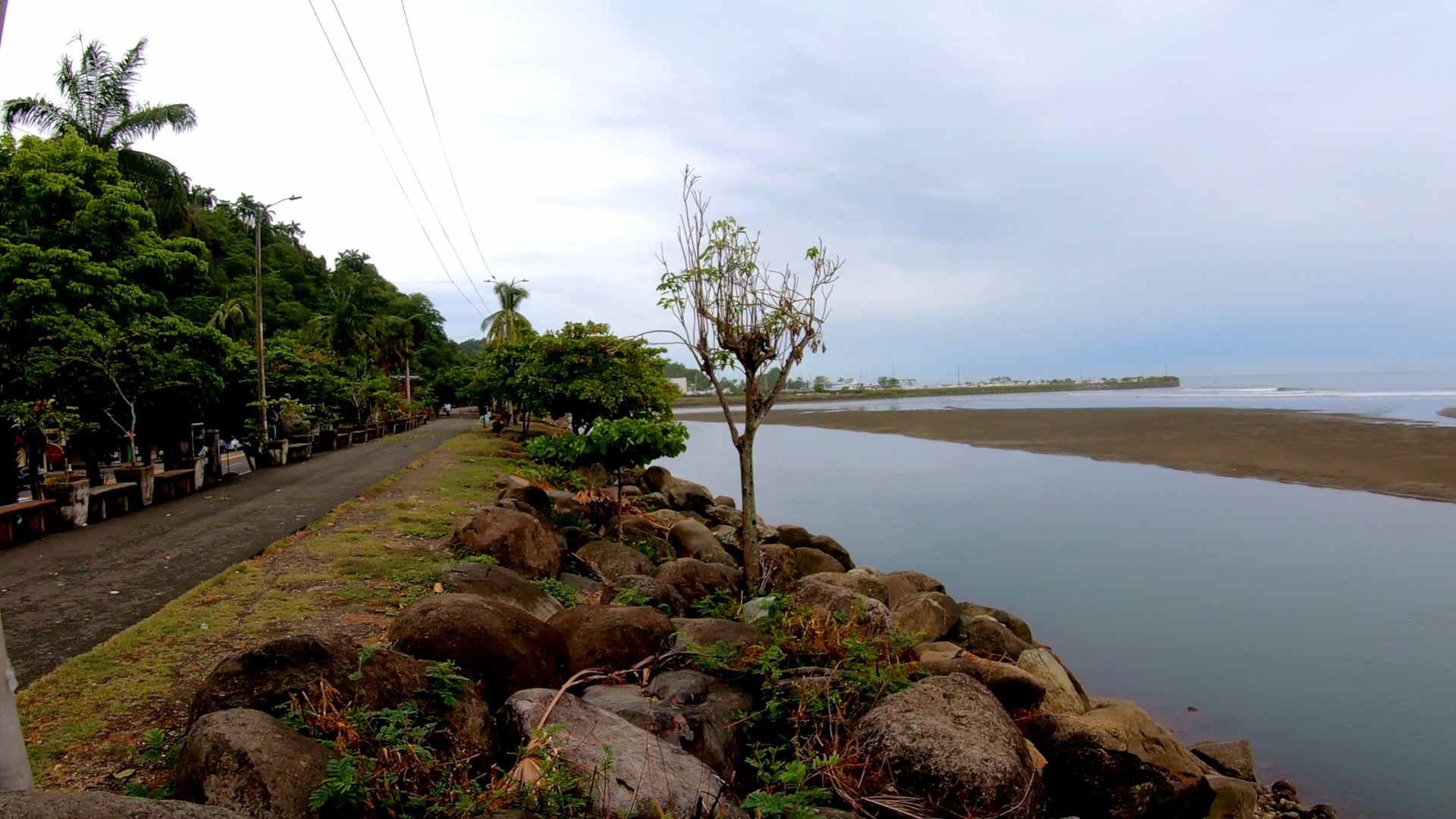
Quepos is a great fishing town located in the Puntarenas Province of Costa Rica. It’s on the Pacific Coast, and a very popular location due to its proximity to Manuel Antonio National Park. In Quepos you’ll find plenty of accommodations, restaurants and shops.
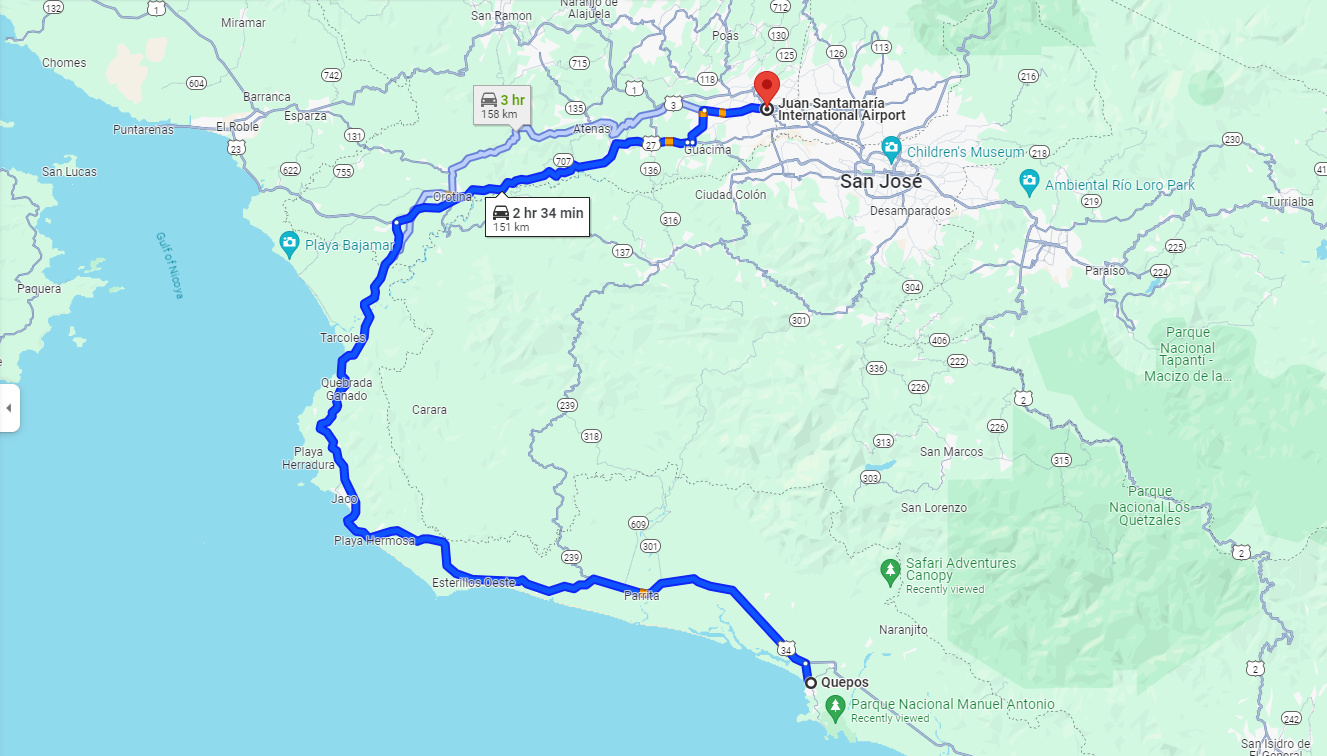
Quepos is located about 2.5 hours drive away from the San José. To reach Quepos, you’ll head west from the airport and start driving south along the Pacific Coast. Passing through the popular town of Jacó, you’ll arrive at Quepos about 1 hour later. The drive to Quepos is well paved and usually not congested. Rainy conditions or accidents can increase the trip time.
Quepos has a small airport which services flights from San José. Check with Sansa Airlines for availability. A flight between these airport will on average cost $100 USD. The best part is the flight is only 30 minutes.
Before you visit Costa Rica, check out ourShop Pagefor a great packing list. These are things that I use while I’m travelling and filming our Youtube videos.
When To Visit Quepos
The hottest time for tourism in Quepos and surrounding area is during the dry season. This is between December and April. There’s more travelers from the north when it’s cold, so you can expect to pay more for your vacation during this time. You’ll find that there’s lots of activities in Quepos during the dry season. The marina in Quepos has fishing charters which are very popular.
If you decide to visit during the rainy season in Costa Rica, you’ll be paying much less for your services and accommodations. The coastal area will be more lush during this time, and there’s more likelihood of seeing animals in their habitats. Most of the time rainy season will have a few showers. Sometimes it’s unlucky and it’ll rain for most of the day.
Whenever you decide to visit Quepos, I recommend bringing a securable backpack. I likethis sling style bagas I can access my stuff without removing the pack. This bag is especially useful at the nearby Manuel Antonio National Park, where the monkeys like to steal visitors stuff.
Nature, Wildlife And Water
If you’re into fishing then Quepos is a great location for you vacation. You don’t even need a boat to catch some fish. As the tide comes in, the main bridge going into town will have fishing opportunities. You’ll see many people fishing right off the bridge and nearby rocky ledges.
Only a short drive away, Manuel Antonio National Park is renowned for its wildlife and amazing beaches. For a small fee you can access the park which is a full day activity. You’ll hike through mangroves, see monkeys and be able to access a tall wooden tower that brings you to tree height. Quepos is a perfect place to stay for your vacation if you’re planning on visiting this incredible national park.
When you arrive in Quepos you’ll see mountains more inland. In this area the trees become more dense and there’s lots of adventures to have. You can try ATVing, ziplining and rappelling down waterfalls. You’ll also spot lots of cool animals in these areas. I most often spot scarlet macaws flying around in packs. They’re large red birds that travel all over the coastal region.
I use this sling backpack when I’m travelling in Costa Rica. It has a zipper lock to secure your stuff. I like the sling as I can flip the bag to the front for easy access.
Follow Us!
Be sure to Subscribe to our Youtube Channel, and leave a comment with your thoughts about this location or request a video in other cool destinations around Costa Rica.
We also upload ambient videos and walking tours of the locations that we visit, check out that channelHere.
Quepos, Puntarenas FAQ
1. How far is Quepos from Manuel Antonio National Park? Quepos is only about a 10-minute drive from Manuel Antonio National Park. It’s the closest town to the park, making it a convenient base for those looking to visit.
2. What is the best time of year to visit Quepos? The best time to visit Quepos is during the dry season, from December to April, when you can enjoy sunny days and clear skies. However, the rainy season from May to November still offers lush landscapes and fewer crowds.
3. Is Quepos a good place for fishing? Yes, Quepos is famous for its sport fishing. The marina offers various fishing charters, and you can expect to catch species like marlin, sailfish, and tuna.
4. Are there good places to eat in Quepos? Yes, Quepos has a variety of dining options, ranging from casual local sodas serving traditional Costa Rican food to more upscale restaurants offering seafood and international cuisine.
5. Can I rent a car in Quepos? Yes, there are car rental agencies in Quepos. Renting a car can be a convenient option for exploring the surrounding areas, including Manuel Antonio and nearby beaches. Dominical and Uvita are a short drive south.
6. Is there public transportation from Quepos to Manuel Antonio? Yes, there are regular buses that run between Quepos and Manuel Antonio, making it easy and affordable to travel between the two locations.
7. What outdoor activities can I do in Quepos? In Quepos, you can enjoy a variety of outdoor activities like hiking, zip-lining, ATV tours, and horseback riding. The town is also a gateway for water activities such as kayaking, snorkeling, and surfing.
8. Is Quepos family-friendly? Yes, Quepos is a family-friendly destination with plenty of activities for all ages. Families can enjoy beach days, wildlife tours, and visits to nearby Manuel Antonio National Park.
9. What is the weather like in Quepos? Quepos has a tropical climate, with warm temperatures year-round. The dry season is hot and sunny, while the rainy season sees afternoon or evening showers with humid conditions.
10. Are there ATMs and banks in Quepos? Yes, Quepos has several ATMs and banks where visitors can withdraw money or exchange currency.
The Massive Farmers Market: Pérez Zeledón Grows So Much Food
When it comes to accessing fresh produce, unique products, and a vibrant community atmosphere, farmers markets are an excellent choice. In the large city of San Isidro de El General, residents and tourists have the opportunity to experience the value of shopping at local farmers markets. In this post we’ll discuss this great market, and some videos on Youtube showing it off as well.
Travel Tip: You don’t need to buy a SIM card when you land in Costa Rica to get data connection. With an eSIM, you’ll be able to configure your data connection before you depart for your vacation. I use the Saily eSIM in Costa Rica.
San Isidro de El General
If you’re visiting Costa Rica, you may find that discussing the town of ‘San Isidro’ will often have people thinking of San José. In fact, there’s two other ‘San Isidro’ towns in the Capital City. San Isidro de El General is the large city in the district of Pérez Zeledón. In my experience, referencing the district of Pérez Zeledón is much easier in explaining where you’ll be going, as it’s well known. It’s also the district which serves the massive mountain range of Chirripó.
Chirripó means ‘land of eternal waters’ in the local Indigenous language. It’s no surprise that the lands around Chirripó are so fertile. Many people will train for the long hike to the summit of Chirripó, which is difficult due to the thin air and distance. On a clear day it’s said that one can see both the Caribbean and Pacific oceans from the summit.
San Isidro de El General is about a 3 hour drive south of the San Jose International Airport. You can drive directly south through the winding hill and national parks for a scenic route. This route is called Highway #2 and it’s well marked on Google Maps. You can also drive to the Pacific Coast where you’ll pass through Jaco, Quepos(Manuel Antonio), and Dominical. This route will give you a chance to stop at these beach towns.
Fresh Produce and Organic Options
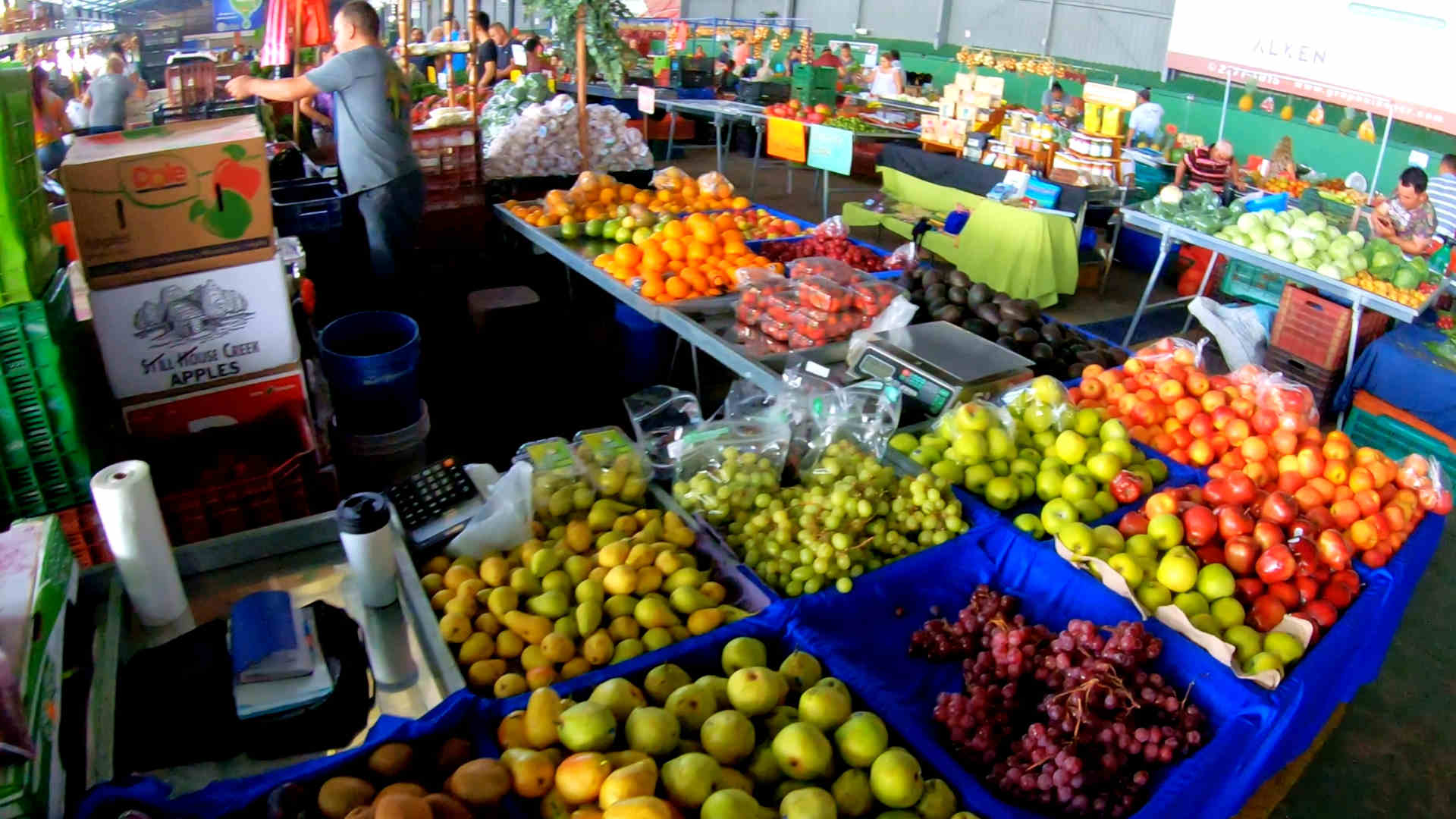
The main attraction of the farmers market is the availability of fresh and seasonal produce. In the San Isidro de El General’s market, shoppers can find an array of incredible fruits and vegetables, harvested at the peak of their freshness. Many vendors prioritize organic farming practices, ensuring that customers have access to healthy and pesticide-free options.
In addition to fresh produce, the market offers a range of unique products and artisanal goods. Local artisans display their craftsmanship, presenting handmade items such as pottery, textiles, and jewelry. These markets provide an opportunity to support local artists and find very unique items.
The economic benefits of this market cannot be overlooked. By purchasing directly from local farmers and producers, money remains circulating within the community. This financial support helps farmers and small businesses thrive, creating a stronger local economy and reducing dependence on imported goods.
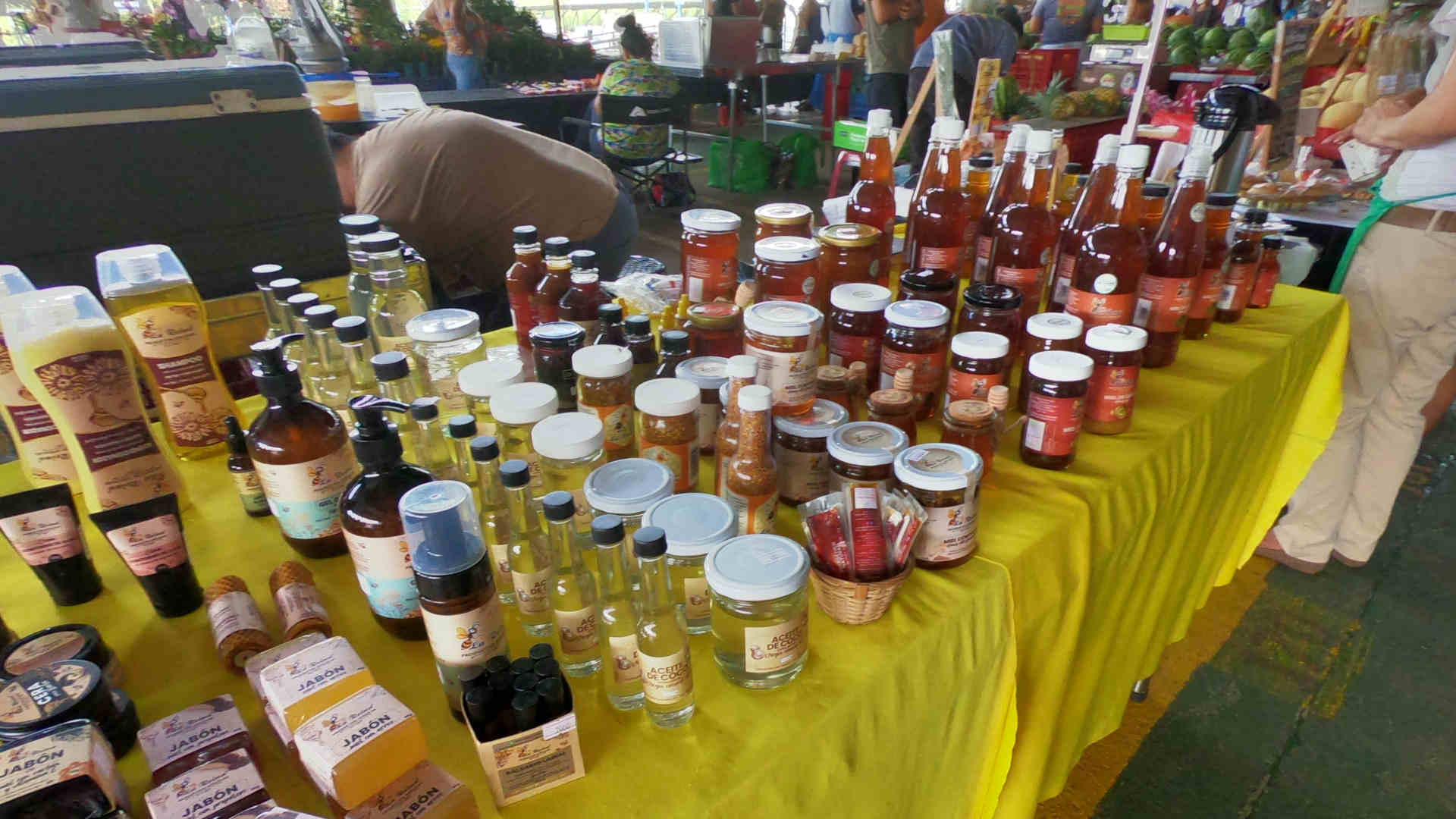
Here’s a vendor with an assortment of honeys and oils. There’s a strong focus on natural and organic products at the market.
Tips For Enjoying The Farmers Market
To make the most of your visit to farmers markets in Pérez Zeledón, consider the following tips:
Arrive early to find the best selection of products.
Bring your reusable bags to reduce plastic waste.
Feel free to ask questions of the vendors about their products.
Try new fruits, vegetables, and locally made goods.
Costa Rica has incredible natural experiences without requiring a luxury budget. Despite its reputation as an expensive destination in Central America, savvy travelers can explore this bio-diverse country for a fraction of typical vacation costs. From free beaches with wildlife viewing to affordable public transportation, budget-friendly options exist throughout the country.
The key to affordable travel in Costa Rica lies in making smart choices about when to visit, how to move around, and which activities to prioritize. While tourist hotspots like Manuel Antonio and Tamarindo have higher price tags, equally beautiful but less marketed areas provide similar experiences at lower costs. Local transportation, seasonal timing, and free natural attractions can save your wallet.
In this guide, I’ll share practical strategies for experiencing Costa Rica’s highlights without breaking the bank. We’ll cover flight options to both international airports, public transportation routes that connect major destinations, free natural attractions across different regions, and local markets where you can find affordable food and souvenirs. Videos of these experiences show that Costa Rica’s most memorable moments often come with the smallest price tags.
Travel Tip: You don’t need to buy a SIM card when you land in Costa Rica to get data connection. With an eSIM, you’ll be able to configure your data connection before you depart for your vacation. I use the Saily eSIM in Costa Rica.
Flights to Costa Rica don’t have to empty your wallet if you know when and how to book. The country has two main international airports – San José (SJO) and Liberia (LIR) – each with different flight patterns, prices, and connections. Understanding the differences between these options can save you hundreds of dollars before your trip begins.
Flight costs to Costa Rica vary dramatically by season, with prices sometimes doubling (or more) during the peak dry months (December-April). By being flexible with your travel dates and planning ahead, you can often find deals that leave more money for experiences once you arrive. Let’s break down the options for both airports and how to find the best routes for your budget.
San José vs. Liberia Airports
San José’s Juan Santamaría International Airport (SJO) is the busier of Costa Rica’s two international airports, with more flight options and typically lower fares. From the US, you’ll find direct flights from Miami, Atlanta, Houston, New York, and Los Angeles. These routes run daily or several times weekly, giving you more flexibility when searching for deals. During low season, I’ve seen flights from Miami to SJO for under $200 round-trip.
Liberia’s Daniel Oduber Quirós International Airport (LIR) is in Guanacaste’s beach region and has fewer connections. It still has direct flights from Dallas, Los Angeles, and Miami. Liberia usually runs $50-100 more expensive than San José for similar routes since it’s closer to popular beach destinations. The trade-off is that you’ll save on transportation once you arrive if you’re heading to beaches like Tamarindo or Playas del Coco.
Here’s where your trip planning matters: flights to both airports jump $100-200 during the dry season (December-April) when most tourists visit. If you can travel during the “green season” (May-November), you’ll find fares up to 30% cheaper. Just remember that May through November brings afternoon rain showers, though mornings are typically clear for activities.
Maps showing flights from San Jose Airport and Liberia Airport to destinations in the USA.
European Flight Options
For European travelers, direct flight options are more limited but increasing each year. British Airways has seasonal flights from London Gatwick to San José (October-March), while Air France connects from Paris, Iberia from Madrid, and Lufthansa from Frankfurt. Direct flights to Liberia are rarer from Europe, with mostly seasonal charters from London and Amsterdam.
The best budget strategy for Europeans is often to book connecting flights. Consider flying to a major US hub like Miami or Atlanta, then continuing to Costa Rica on a separate ticket. This approach can save €100-200 compared to direct options. Alternatively, connections through Panama City with Copa Airlines or Mexico City with Aeroméxico can be competitive.
Timing matters even more for European travelers. Book 2-3 months ahead for the best fares, and aim for shoulder seasons (late April or early November) when prices drop but weather remains relatively good. During high season, expect to pay €500-700 for round-trips to San José from major European cities, while low season fares can drop to €300-450.
There are many more direct flights to San Jose in Costa Rica from Europe, than to Liberia.
Pick up a pair of these awesome water shoes. I’ve been using them all over Costa Rica during my travels. They have vented soles so water drains right out the bottom!
Getting Around Costa Rica on a Budget
Once you’ve arrived in Costa Rica, transportation costs can add up quickly if you’re not careful. Rental cars often run $100+ per day during high season, not including insurance or fuel. Fortunately, Costa Rica has excellent public transportation options that can take you to most popular destinations for a fraction of the cost. Using these local transportation methods not only saves money but also gives you a more authentic travel experience.
The country’s public transportation network includes buses connecting most towns and cities, ferries serving coastal areas, and shared shuttle services between tourist destinations. By combining these options, you can create affordable itineraries to almost anywhere in Costa Rica without needing to rent a vehicle.
Public Bus System
Costa Rica’s bus network is extensive, affordable, and connects virtually every town in the country. Intercity buses are typically comfortable, air-conditioned coaches with assigned seating similar to airlines. As shown in the video, these buses often travel through scenic mountain routes and coastal highways, making the journey itself part of the experience.
The bus from San Isidro de El General (Perez Zeledon) to San Jose costs around $10 for a 3.5-hour journey through stunning mountain scenery. These long distance buses typically make a rest stop halfway through the trip, where you can purchase snacks, use bathrooms, or grab a quick meal. Tickets can be purchased online for many routes or directly at the bus terminal, though booking ahead is recommended for popular routes.
Most major bus companies in Costa Rica have their own terminals in larger cities. For example, in San Jose, different bus companies operate from various terminals around the city rather than from one central station. Before your trip, confirm which terminal serves your route and how to get there. Many intercity buses also offer package shipping services, which locals frequently use.
Taking the Ferry
The ferry system in Costa Rica provides both a practical transportation option and a scenic experience, particularly for travelers heading to the Nicoya Peninsula. The most popular route runs between Puntarenas and Paquera, saving hours of driving around the Gulf of Nicoya. You can also get a ferry from Puntarenas to Naranjo, which is a bit farther north on the Nicoya Peninsula.
The video below will show the Puntarenas-Paquera ferry, which costs approximately 810 colones (about $1.50) for foot passengers, 2,200 colones for bicycles, and 3,400 colones for motorcycles. Standard vehicles cost more but still offer excellent value compared to the fuel and time required to drive around the gulf(especially if there’s traffic). The crossing takes about 70 minutes each way, with ferries departing roughly every two hours during daylight hours.
The newer ferries have comfortable amenities including air conditioned lounges, cafeteria service with reasonably priced food and coffee and outdoor viewing decks. Many travelers use the crossing time to relax, enjoy the scenery, and spot marine wildlife. When arriving at either port, you’ll find connecting buses waiting to take foot passengers to nearby towns and beaches.
View of the vehicle loading area on the ferry, and great scenery in the background.
Free Local Markets and Shopping
One of the best ways to experience Costa Rica’s culture while keeping costs down is visiting the local markets. These markets, known as “ferias” or “mercados,” happen weekly in most towns. They have everything from fresh produce to handmade crafts at prices significantly lower than tourist shops or supermarkets. Beyond saving money, these markets provide authentic cultural experiences that cost nothing to enjoy.
The variety of markets across Costa Rica means you can find them almost anywhere you travel. From small roadside fruit stands to massive farmer’s markets covering multiple blocks, these gatherings serve as social hubs where locals and visitors mix freely. Most vendors are happy to let you sample fruits or explain their products even if you don’t make a purchase.
Tamarindo Market Experience
The Tamarindo Market runs Wednesdays and Saturdays from 8am to 2pm, it’s a perfect free activity in this otherwise expensive beach town. As shown in the video, this market stretches across several blocks with covered stalls selling everything from fresh produce to handcrafted souvenirs.
What makes the Tamarindo Market special is its international influence. You’ll find traditional Costa Rican foods alongside items catering to the town’s expat community and tourists. Vendors sell organic coffee, handmade soaps, locally crafted jewelry, and freshly pressed juices. Many artisans speak English, making it easy to learn about their products and Costa Rican culture without booking an expensive tour.
The market surrounds a small park with basketball courts and a skate park, creating a community atmosphere where you can spend several hours without spending money. Live music adds to the experience, making this a great place to relax and enjoy a sunny day.
Farmers Markets in Small Towns
For a more authentic and even more affordable experience, venture into the farmers markets of smaller towns like San Isidro de El General. These massive markets, like the one shown in our video, aren’t geared towards tourism, so you’ll find lower prices and a wider variety of regional produce.
The San Isidro market spans multiple city blocks with lots of vendors selling fruits, vegetables, cheeses, and meats at prices often half what you’d pay in tourist areas. A full bag of oranges for fresh juice costs around $3, while a freshly squeezed cup of juice sells for just $1.50. These markets also have an educational experience, introducing you to exotic Costa Rican fruits and vegetables you won’t find in typical grocery stores.
Beyond food, these regional markets feature vendors selling medicinal herbs, handmade clothing, and household items. Many vendors are passionate about their products and happy to explain their uses, even offering impromptu lessons about traditional Costa Rican remedies or cooking techniques. While knowing some Spanish helps, pointing and smiling works well too, making these markets accessible to all travelers regardless of language skills.
I use this sling backpack when I’m travelling in Costa Rica. It has a zipper lock to secure your stuff. I like the sling as I can flip the bag to the front for easy access.
Free Natural Attractions
Costa Rica’s biggest draw is its incredible biodiversity and natural landscapes, which you can experience without spending a single dollar. While guided tours offer expertise and convenience, many visitors don’t realize how accessible Costa Rica’s natural attractions are for independent travelers. From pristine beaches to jungle wildlife viewing, some of the country’s most memorable experiences come without an entrance fee.
The key to enjoying free natural attractions is knowing where to look. While popular national parks charge entrance fees ($15-25 per person), many equally impressive natural areas remain free to the public. Local knowledge and timing are essential. Visiting beaches during weekdays or arriving at popular spots early in the morning ensures both smaller crowds and better wildlife viewing opportunities.
Public beaches bordered by trees often host wildlife, particularly in early morning or late afternoon hours. The white-faced capuchin monkeys shown in the RIU Hotel beach video demonstrate how these intelligent creatures have adapted to areas with human presence. While it’s important not to feed wildlife, simply observing from a respectful distance costs nothing and provides authentic wildlife encounters.
For successful wildlife viewing, bring binoculars if you have them and walk slowly while scanning the trees. Listen for rustling leaves or distinctive calls – howler monkeys can often be heard before they’re seen. Beaches with forested areas nearby, like Playa Matapalo near the RIU Hotel or Manuel Antonio’s public beach, offer excellent opportunities to spot monkeys, sloths, and tropical birds without paying for a guide.
Swimming Holes and Waterfalls
Costa Rica is home to hundreds of free swimming holes and waterfalls that have a refreshing natural experience without entrance fees. Poza Azul near Dominical, featured in the video, exemplifies these locations. A short walk down some stairs leads to a pristine swimming area with crystal clear water and a rope swing.
Another excellent example is Poza Los Coyotes near Liberia, which costs just 2,000 colones (about $4) to enter. This complex of pools, waterfalls and caves provides a full day of adventures for less than the price of a burger at McDonalds. The clear blue water and multiple swimming areas make it popular with local families who bring picnics and spend the entire day exploring the different sections.
When visiting these free or low cost natural swimming areas, arrive early to beat crowds, especially on weekends. Wearing water shoes (like these ones from Amazon) makes navigating slippery rocks much safer. Check out our channel for more river and waterfall swimming locations across Costa Rica.
Beach Access
All beaches in Costa Rica are public by law, meaning even those fronting luxury resorts like the RIU Guanacaste must maintain public access. As we show in our RIU beach video, you can enjoy the same white sand beaches as resort guests paying hundreds per night, often with the same wildlife experiences.
Finding public access points can sometimes require local knowledge. Look for small parking areas near beach restaurants or public paths between properties. In beach towns like Tamarindo or Playas del Coco, clearly marked beach access paths make reaching the sand straightforward. Even at more exclusive beaches like those near the RIU, there’s usually a public access road nearby.
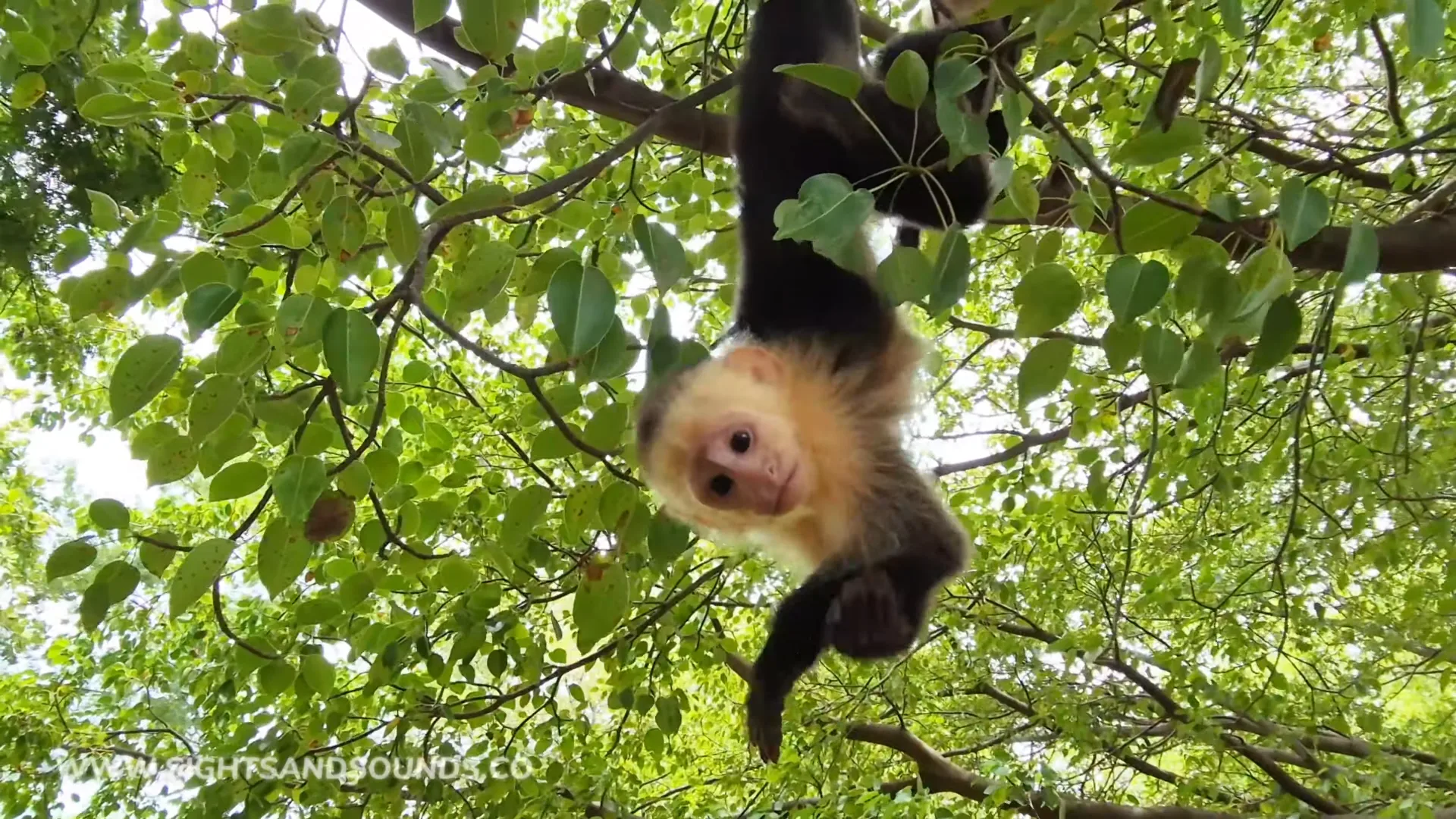
Monkey seen at Playa Matapalo, which is the beach located at the Riu Resort, Guanacaste.
Beach facilities vary widely, but many popular beaches have small vendors selling refreshments and renting chairs or umbrellas for minimal cost. For a truly budget experience, bring your own supplies and look for natural shade from beach side trees. The early morning hours not only offer cooler temperatures but also better opportunities to spot wildlife along beach edges without competing with crowds.
If these blog posts and videos help plan your Costa Rica vacation, please support our channel.
Follow Us
Keep up with our latest Costa Rica travel videos and guides by subscribing to our YouTube channel. We regularly post new content showing real conditions across different regions and seasons.
Leave a comment with your Costa Rica travel questions – we’re happy to help plan your perfect time to visit.
Frequently Asked Questions
Is Costa Rica expensive to visit on a budget?
Costa Rica is more expensive than its Central American neighbors, but budget travel is definitely possible. Expect to spend $50-100 per day with basic accommodations, public transportation, and eating at local “sodas.” The biggest expenses are typically organized tours and car rentals, which you can minimize by using public transportation and finding free natural attractions.
What’s the cheapest time to visit Costa Rica?
The rainy season (May through November) has the lowest prices for flights and accommodations. September and October see the heaviest rainfall and have the best deals, but some businesses in popular tourist areas close during these months. The “shoulder season” (May-June or November) gives you a good balance of decent weather and lower prices.
How can I get around Costa Rica without renting a car?
Costa Rica has an extensive public bus network connecting most towns and cities for a fraction of car rental costs. Intercity buses have assigned seating and cost around $10 for 3-4 hour journeys. For coastal areas, public ferries like the Puntarenas-Paquera route provide scenic and affordable transportation. Shared shuttles between tourist destinations are more expensive than buses but still cheaper than car rentals.
What are the best free things to do in Costa Rica?
Costa Rica has many free or low cost attractions. All beaches are public, even those in front of resorts. Free swimming holes and waterfalls like Poza Azul near Dominical provide natural experiences without entrance fees. Local farmers markets give you a taste of authentic culture while allowing you to buy inexpensive fresh food. Self guided wildlife watching on public beaches or near forested areas can yield sloth and monkey sightings without paying for guided tours.
Where can I find cheap food in Costa Rica?
Local restaurants called “sodas” serve traditional Costa Rican meals (casados) for $5-7. Farmers markets sell fresh produce at low prices – a week’s worth of fruit can cost under $20. Many hostels and budget accommodations have shared kitchens where you can prepare your own meals. For quick, inexpensive meals, bakeries (panaderías) sell filled pastries and sandwiches starting around $1-2.
Which airport should I fly into to save money?
San José (SJO) typically has cheaper flights than Liberia (LIR), with fares running $50-100 less on average. Flying into SJO makes sense if you’re planning to visit central or southern Costa Rica. If your destination is northern Guanacaste beaches, the time and transportation costs from SJO might outweigh the flight savings. Check both airports and factor in ground transportation costs when making your decision.
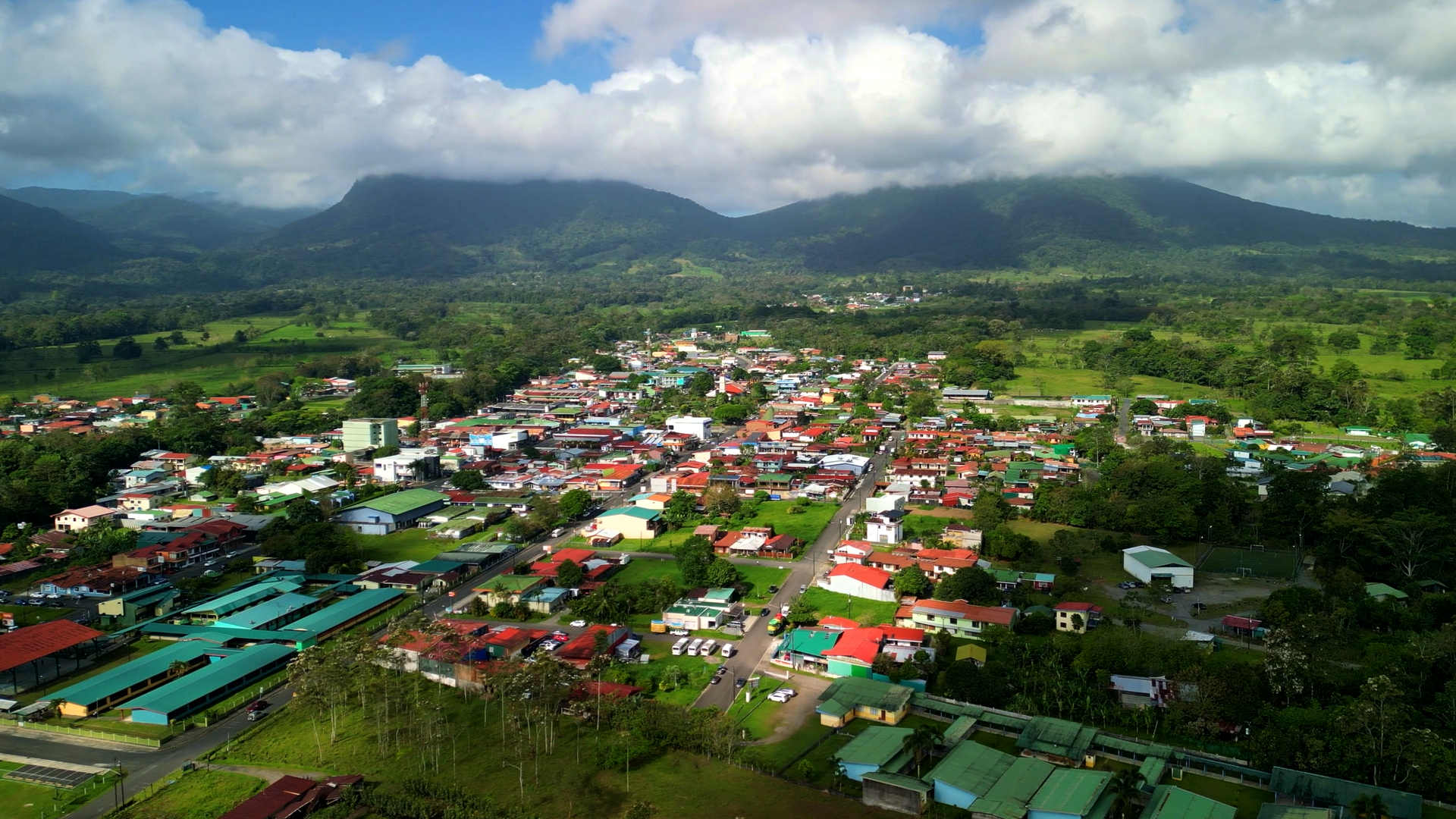
La Fortuna, Costa Rica is a must-visit destination in Costa Rica . Visit if you’re looking for an adventure-filled vacation surrounded by breathtaking nature. Explore lush rainforests and soak in hot springs. All while catching stunning views of the Arenal volcano. There’s no shortage of things to do in La Fortuna.
Check out ourShop Pagewith a great packing list of items for your trip to La Fortuna. Don’t forget the bug spray in this area as you’ll be exploring some dense forest and jungle!
How To Get To La Fortuna
La Fortuna has so much to offer as it’s in the central area of Costa Rica. But that comes with a bit of a drive from either airport. Whichever airport you’re landing at, all the roads to La Fortuna are paved and in good order. You’ll find a lot of stores and supermarkets along the way for your convenience.
If you’re coming from Liberia, you can expect about a 3 hour drive. The highway leaving Liberia to Canas is proper highway that’s rarely congested. Once you turn towards the mountains it’s country driving. This route is very scenic and will give you an opportunity to drive by Rio Celeste. I recommend checking out the free swimming area there (video here).
If you’re heading to La Fortuna from San José, it’s a bit shorter drive. That is, at least on the map. Driving through San José can be very congested at times and add significant time delays. Once you’re out of San José, it’s mostly easy country driving. If you decide to take Route702(pictured above in light blue), you’ll drive by El Cocora, which is a hiking area/butterfly dome. It’s a great place to stop and get a coffee (video here).
Lots To Do In La Fortuna
Once you arrive in La Fortuna, you’ll find out why it’s considered the adventure capital of Costa Rica. Here’s some things you can do:
Hiking in Arenal Volcano National Park
Arenal Volcano is one of the most active volcanoes in the world, and hiking through the national park that surrounds it is an unforgettable experience. The park offers several trails, ranging from easy walks to challenging hikes, so there’s something for every level of hiker. Along the way, you’ll have the opportunity to see wildlife, lush vegetation, and stunning views of the volcano.
Soaking in Hot Springs
La Fortuna is famous for its hot springs, which are heated by the Arenal Volcano. The warm water and natural surroundings create a relaxing and rejuvenating experience. There are several hot spring resorts in the area, each with its own unique features and amenities. Some have water slides and picnic areas to enjoy.
I use this sling backpack when I’m travelling in Costa Rica. It has a zipper lock to secure your stuff. I like the sling as I can flip the bag to the front for easy access.
Canopy Tours
For the adrenaline seekers, La Fortuna offers thrilling zip line and canopy tours that allow you to fly above the rainforest canopy. You’ll get an up-close view of the lush vegetation and may even spot some wildlife.
Visit La Fortuna Waterfall
The La Fortuna Waterfall is a popular and well visited attraction in the area. The 230-foot waterfall drops into a stunning pool, surrounded by the forest. The hike down to the waterfall is steep, but it’s worth it for the views.
Go on a Wildlife Tour
La Fortuna is home to a wide variety of wildlife, including sloths, monkeys, toucans, and more. Taking a guided wildlife tour is a great way to learn about the local flora and fauna and get a chance to see some of these amazing creatures up close.
La Fortuna FAQ: Arenal Volcano Town Guide
Q: Where is La Fortuna located? A: Northern Costa Rica, 3 hours from San Jose. Base town for Arenal Volcano visits. Gateway to rainforest and hot springs region. Town center offers direct volcano views.
Q: What activities exist? A: Hot springs visits. Waterfall rappelling. Hanging bridges walks. Volcano hikes. Lake kayaking. Night wildlife tours. Rainforest adventures. Zip lines through forest.
Q: What facilities exist? A: Full tourist town services. Large supermarkets. Banks with ATMs. Medical clinics. Tour offices throughout. International restaurants. Regular shuttle services.
Q: How’s transportation? A: Regular shuttles from major cities. Local taxis available. Tour companies provide pickups. Public bus service. Easy walking in town center. Rental cars common.
Q: What’s the weather like? A: Tropical rainforest climate. Morning sun common. Afternoon showers typical. Year-round warm temperatures. Best volcano views early morning. More rain than Pacific coast.
Q: Where to stay? A: Town center budget options. Hot springs resorts. Volcano view hotels. Rainforest lodges. Farm stays available. Price ranges for all budgets.
Q: When to visit? A: Year-round destination. December-April driest. May-November greener landscapes. Best volcano views early morning. Less crowded September-November.
The Jade Museum rises six stories above downtown San Jose, housing Central America’s largest collection of pre-Columbian artifacts. More than jade carvings, the museum reveals how ancient peoples lived, worked, and celebrated across Costa Rica’s diverse regions.
First, you’ll need to get to San Jose. The San Jose Airport is a short drive from the city center. There are several tolled highways that arrive downtown if you’re driving from the west coast.
Once you’re in the city, getting to the museum is easy. The museum is located in the center of the city, so you should be able to get there by taxi or public transportation. Be sure to check the schedule and routes before you go by bus
The museum is within walking distance of many major hotels. Check out Hotel Balmoral or Presidente for the closest to the Jade Museum.
What You’ll Find
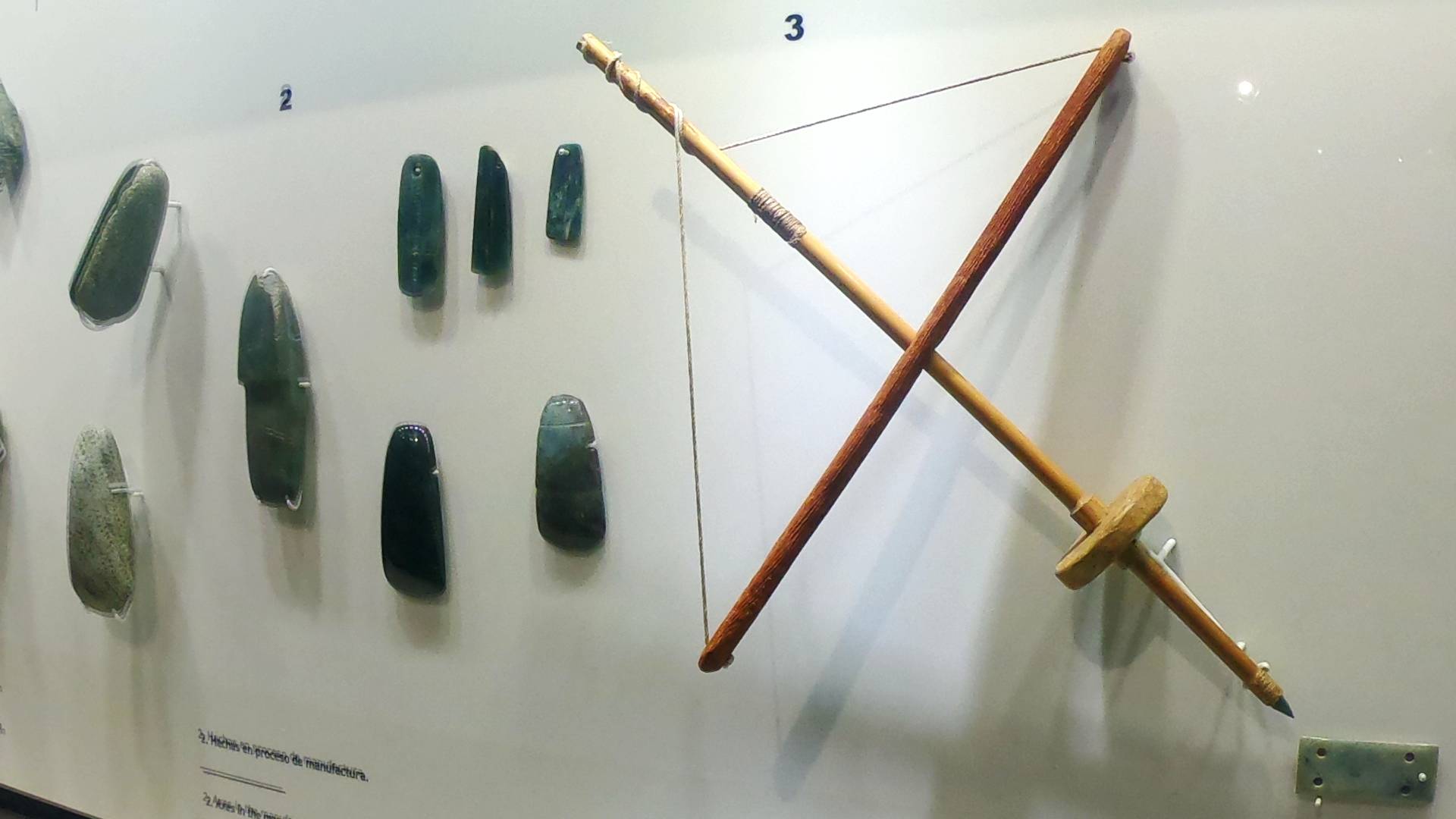
From simple tools and weapons to intricate sculptures and jewelry, the Jade Museum has a wide variety of jade objects on display. The jade on display comes from all over Costa Rica and represents a variety of different cultures and time periods.
At the Jade Museum, visitors will find a diverse collection of jade artifacts that showcase the skill and artistry of ancient Costa Rican cultures. The museum’s pre-Columbian jade collection is particularly impressive, featuring some of the oldest examples of jade craftsmanship in the world. In addition to the pre-Columbian jade, the museum also has a large collection of jade objects from the Mayan civilization, as well as from other ancient cultures in Central and South America. The museum’s collection of jade artifacts provides a fascinating glimpse into the history and culture of Costa Rica and the surrounding region.
I use this sling backpack when I’m travelling in Costa Rica. It has a zipper lock to secure your stuff. I like the sling as I can flip the bag to the front for easy access.
Jade, Clay & Stone
The museum is home to a vast collection of jade artifacts and sculptures. Jade is a beautiful and valuable stone that has been prized for centuries. for its unique color and durability. At the museum, you can see an assortment of jade objects. From ancient artifacts and jewelry to modern sculptures and carvings. It’s interesting to see how different cultures have used jade throughout history. The Museum does a great job of explaining each piece in detail to provide context.
The Museum also has exhibits on clay and stone. These exhibits showcase the art and craftsmanship of indigenous cultures in Costa Rica. You can see all sorts of clay and stone pottery, sculptures, and other objects. Various cultures created these objects throughout history. It’s an interesting and informative look at the art and history of these regions.
The Museum also hosts temporary exhibitions that showcase the work of contemporary artists. These exhibitions change regularly, so there’s always something new to see. Past exhibitions have featured everything from traditional indigenous crafts to modern artworks. It’s a great way to see the work of local artists and get a sense of the contemporary art in Costa Rica.
The Jade Museum is an awesome place to visit if you’re interested in art, history, and indigenous cultures. While you’re in the area be sure to check out the nearby shopping districts and parks.
Follow Us!
Be sure to Subscribe to our Youtube Channel, and leave a comment with your thoughts about this location or request a video in other cool destinations around Costa Rica.
Jade Museum San Jose FAQ: Ancient Artifacts Guide
Q: Where is the museum located? A: Downtown San Jose near Plaza de la Democracia. Six-story modern building. Walking distance from National Museum. Easy access from main pedestrian boulevard.
Q: What’s inside the museum? A: Five floors of exhibits. Central America’s largest jade collection. Pre-Columbian artifacts. Indigenous tools and art. Interactive displays. Modern technology exhibits.
Q: How long should you visit? A: 2-3 hours typical visit. Each floor needs 30-45 minutes. Start at top floor, work down. Guided tours available. Audio guides offered.
Q: What makes it special? A: Largest jade collection Americas. Modern interactive displays. Complete cultural context. Dramatic exhibit design. Sound and lighting effects. Hands-on learning areas.
Q: What facilities exist? A: Museum shop. Clean restrooms. Elevator access. Information desk. Air conditioning throughout. Seating areas each floor. Security lockers.
Q: How’s access and parking? A: Near main bus routes. Taxis readily available. Parking garages nearby. Walking distance from downtown hotels. Well-marked entrance.
Q: When to visit? A: Opens Tuesday-Sunday. Less crowded mornings. Tour groups common mid-day. Closed Mondays. Allow time for security check. Check holiday schedules.
Walking around in downtown San José, Costa Rica is a must-do for any visitor to the city. With its charming colonial-style architecture, vibrant culture, and bustling streets, downtown San José offers something for everyone.
One of the best ways to experience downtown San José is on foot. As you stroll through the streets, you’ll be able to take in the sights and sounds of the city at a leisurely pace. You’ll also be able to stop and explore the many interesting shops, cafes, and restaurants that line the streets.
A great place to start is your visit in downtown San José is the Plaza de la Cultura. Located in the heart of the city, this square is a popular gathering place for locals and visitors alike. Surrounded by impressive colonial-style buildings, the Plaza de la Cultura is a great place to people-watch and take in the vibes.
Great Museums
If you’re a fan of museums, be sure to visit the Museo de Oro Precolombino. Located in the historic Bellavista neighborhood, this museum houses a fascinating collection of pre-Columbian gold artifacts. The museum’s exhibitions showcase the rich history and culture of the indigenous peoples of Costa Rica.
The Jade Museum is a must-see for anyone interested in Costa Rica’s rich history and culture. The museum houses the largest collection of pre-Columbian jade artifacts in the world, with more than 7,000 pieces on display. Visitors to the museum can learn about the importance of jade to the indigenous peoples of Costa Rica and see a wide variety of beautifully crafted jade objects, including jewelry, sculpture, and ceremonial objects. In addition to its impressive collection of jade artifacts, the museum also features temporary exhibitions and educational programs. Whether you’re a history buff or simply looking to learn more about Costa Rican culture, the Jade Museum is a fascinating and rewarding destination.
I use this sling backpack when I’m travelling in Costa Rica. It has a zipper lock to secure your stuff. I like the sling as I can flip the bag to the front for easy access.
Grab A Bite To Eat
After a day of exploring downtown San José, be sure to grab a bite to eat at one of the many excellent restaurants in the area. From traditional Costa Rican cuisine to international fare, you’ll find something to satisfy your appetite in downtown San José.
One of the most popular restaurants in San José is Restaurante Wong’s 皇朝. Located in the heart of the city, this restaurant offers a unique blend of traditional Costa Rican cuisine and Chinese flavors. The menu features a wide variety of dishes, including Costa Rican favorites like ceviche and casado, as well as Chinese specialties like dim sum and Peking duck. The restaurant’s stylish décor and friendly service make it a favorite among locals and visitors alike.
A great restaurant near the Plaza de la Cultura is La Esquina de Buenos Aires. Located just a few blocks from the square, this restaurant is known for its delicious Argentinean cuisine and cozy atmosphere. The menu features a wide variety of dishes, including Argentinean favorites like empanadas and churrasco. The restaurant also offers an extensive wine list and a beautiful outdoor patio for al fresco dining. With its friendly service and delicious food, La Esquina de Buenos Aires is a must-dine.
A Longer Walk // Ambient
Check out our other YouTube channel with Ambient videos. We did another walk through downtown San Jose to show off how busy it is. You’ll see some other locations that we didn’t get to in the walking tour. Including:
Metropolitan Cathedral of San José
Parque Central de San José
Pague Menos (large department store with lots of shopping options)
Overall, a day spent walking around in downtown San José is an unforgettable experience. With its rich culture, fascinating history, and vibrant atmosphere, the city has something to offer everyone. Whether you’re a first-time visitor or a seasoned traveler, be sure to add downtown San José to your itinerary.
Follow Us!
Be sure to Subscribe to our Youtube Channel, and leave a comment with your thoughts about this location or request a video in other cool destinations around Costa Rica.
Downtown San Jose FAQ: Capital City Guide
Q: What’s downtown’s layout? A: Central Avenue pedestrian boulevard runs east-west. National Theater marks center. Museums and plazas between Avenidas 7-10. Most sites within walking area. Easy grid system.
Q: What major sites exist? A: National Theater, Central Market food halls, Gold Museum, Jade Museum, National Museum, Central Park, Metropolitan Cathedral. Plaza Culture central gathering point.
Q: What facilities exist? A: Major bus terminals north and south. Banking centers. Medical clinics. Government offices. Shopping districts. Tourist police. Multiple universities.
Q: How’s transportation? A: Red taxis official service. Public buses all directions. Walking good in center. Main pedestrian zones. Marked crosswalks. Well-lit main streets.
Q: When to visit? A: Weekdays busy with workers. Saturday markets active. Museums close Mondays. Morning hours best. Most sites active 8 AM – 5 PM.
Q: What about safety? A: Stay on main streets. Use official red taxis. Watch belongings in crowds. Police present central areas. Well-lit until evening. Avoid quiet areas after dark.
Q: Where to find local food? A: Central Market courts. Small sodas off main street. Coffee shops historic district. Food vendors near markets. International restaurants theater district.