Tag: SJO (Juan Santamaría International Airport)

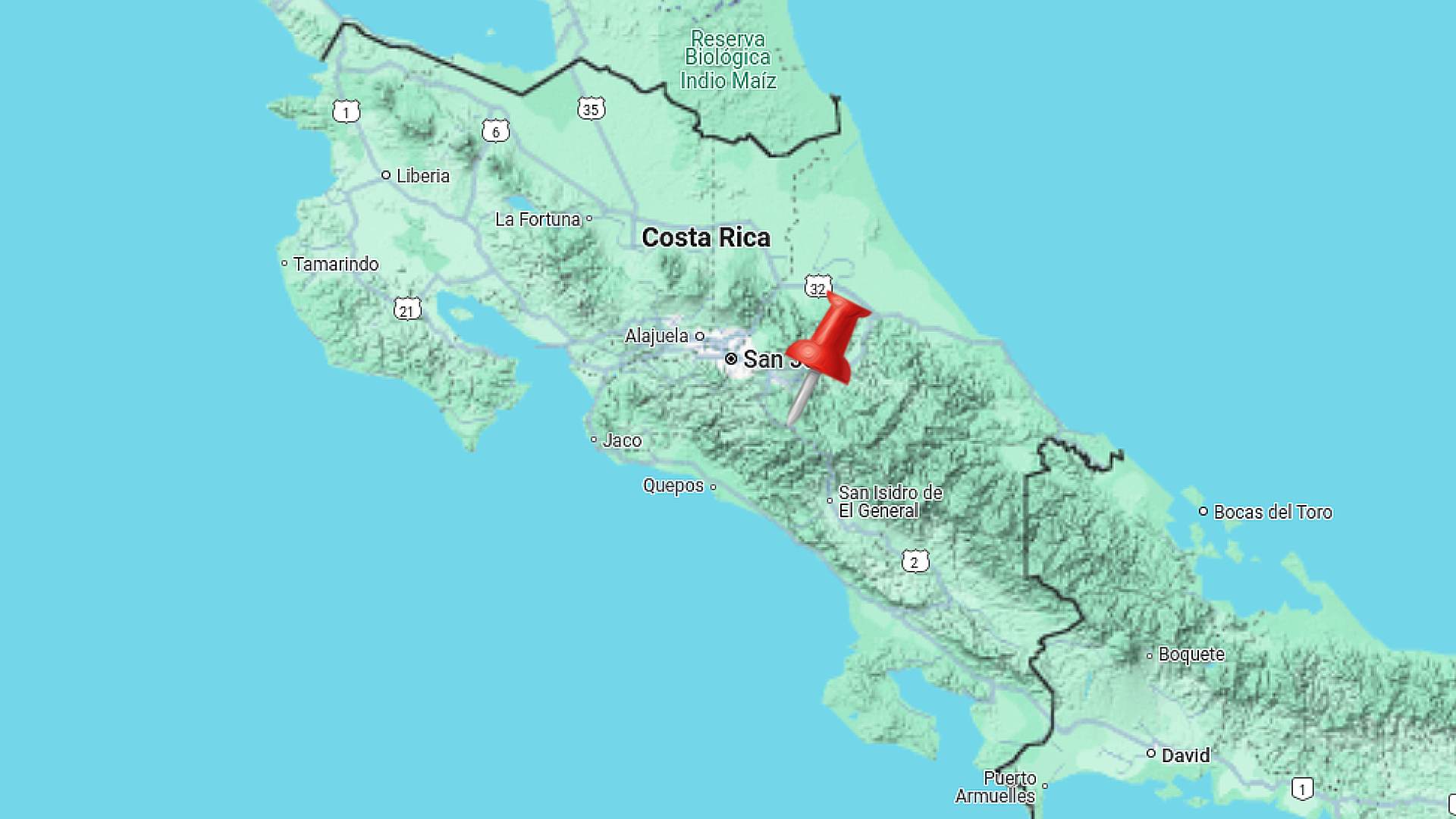
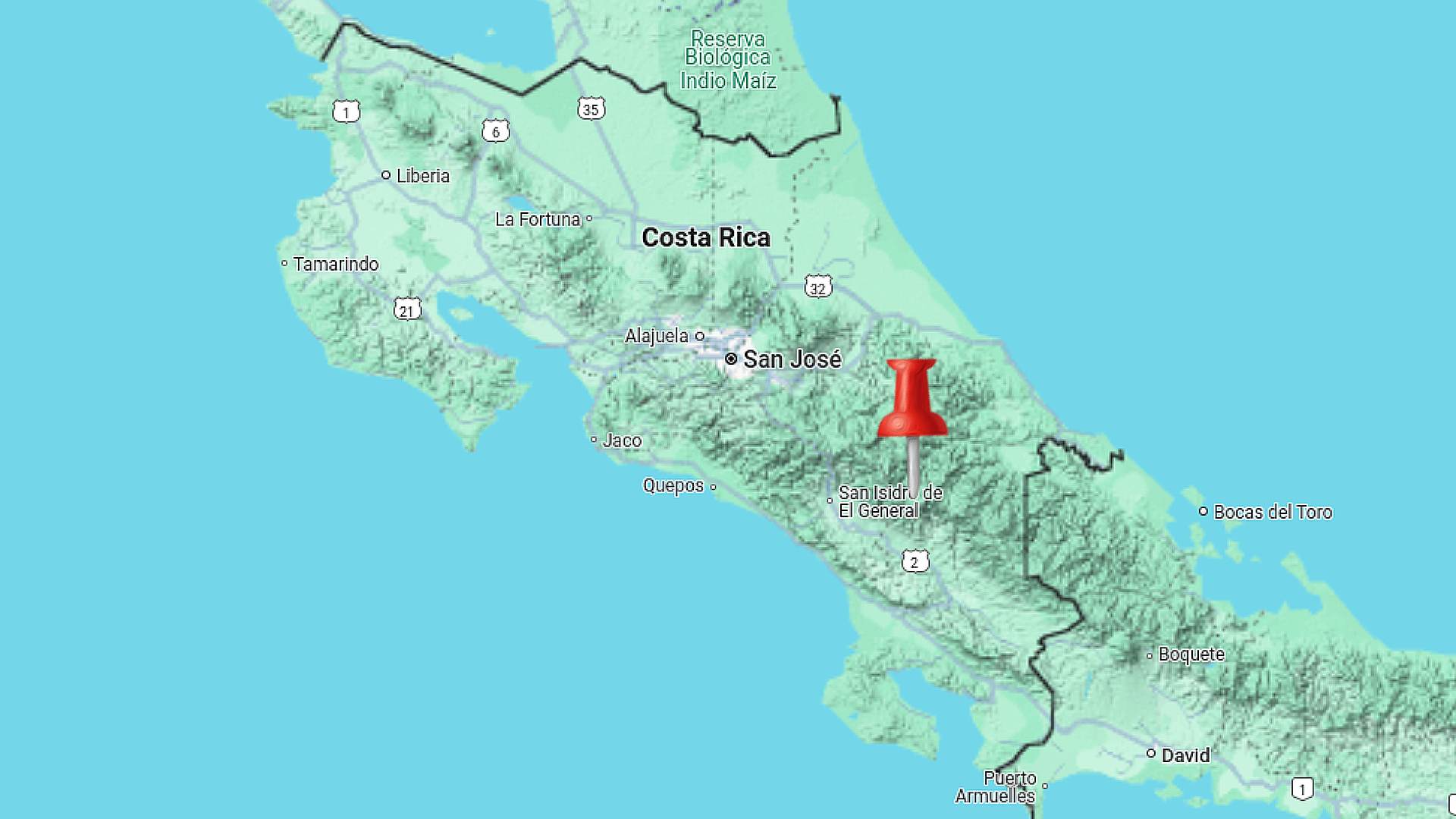
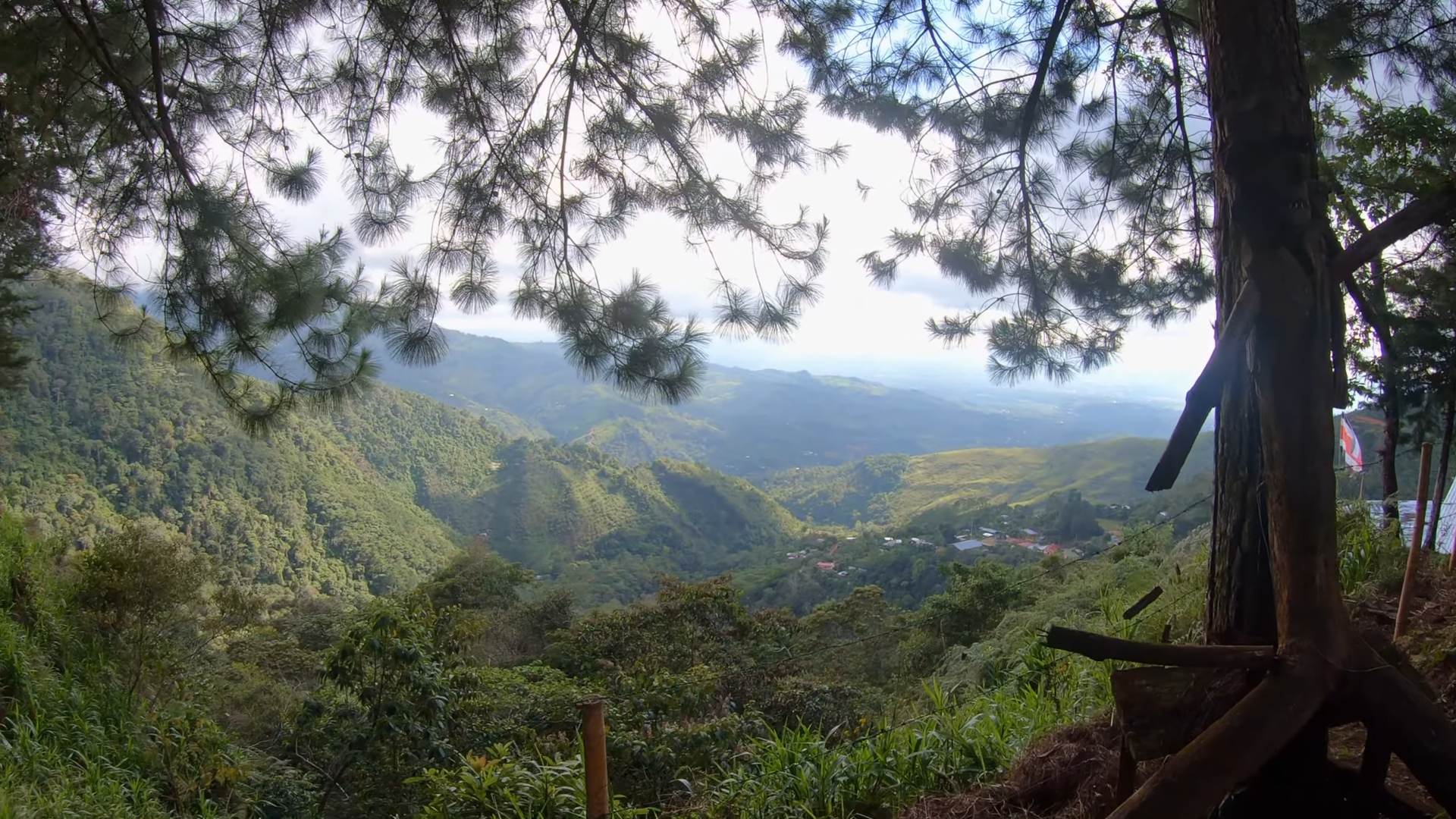
Costa Rica’s main international gateway in Alajuela, near San José. Major entry point for visitors to the Central Valley, Caribbean coast, and southern regions. Features car rental facilities, accommodation options, and transportation connections to popular destinations like La Fortuna and Manuel Antonio.

  • Costa Rica Entry Requirements: Visa, Return Ticket & Immigration Guide (2026)

    Costa Rica Entry Requirements: Visa, Return Ticket & Immigration Guide (2026)

    When you arrive in Costa Rica, immigration will ask you three things: your passport, proof of where you’re staying, and proof that you’re leaving the country. Most travelers focus on booking their accommodation and forget about that third requirement until they’re standing at the immigration counter. Whether you’re flying into Liberia or San José, or crossing the border by bus from Nicaragua or Panama, you need to show a return ticket or onward travel reservation before they’ll stamp you in.

    Costa Rica requires proof of onward travel to ensure tourists don’t overstay their visa-free period. You can enter Costa Rica without a visa for up to 180 days if you’re from the US, Canada, EU countries, or most other Western nations. But that entry stamp comes with a condition – you need to prove you have plans to leave. Immigration officers check for this at airports and land borders, and they will turn people away without it.

    I’ve seen this requirement stop travelers at the border firsthand. On a bus trip back from Managua, a guy from China nearly got denied entry because he didn’t have a booked departure. He was traveling through Central America on a loose timeline and told the officer “maybe in a month I’ll continue to Colombia.” I helped him book an Onward Ticket reservation right there at the border within minutes. Immigration accepted it and he continued on the bus. This guide covers Costa Rica’s visa requirements, what documents you need, and how to handle the return ticket requirement without locking yourself into rigid travel plans.

    Table Of Contents

    Estimated Reading Time: 20 Minutes

    Do You Need a Visa for Costa Rica?

    Good news – if you’re reading this from the US, Canada, or most of Europe, you don’t need to apply for a visa before your trip. You just show up at the airport or border with your passport and immigration stamps you in for 180 days. This changed in 2024 from the old 90-day limit, which is great for anyone planning a longer stay or multiple trips throughout the year.

    Visa-Free Countries (180-Day Tourist Entry)

    I’ve entered Costa Rica dozens of times and never had to apply for a visa in advance. The visa-free entry works for citizens from about 70 countries including the US, Canada, UK, all EU countries, Australia, New Zealand, and most of South America. You land, they stamp your passport, and you’re good for six months. The clock starts the day you arrive.

    When I’m at immigration, the whole process takes maybe two minutes. They check my passport, ask where I’m staying, verify I have a return ticket, and stamp me through. No fees, no paperwork, no visa application stress.

    Countries Requiring Visas

    Some countries do need a visa before arrival – mainly visitors from China, India, Russia, and parts of Africa and the Middle East. If that’s you, you’ll need to apply through a Costa Rican embassy in your home country before you book your flights. Processing times vary but plan for at least a few weeks.

    There’s a workaround though. If you have a valid US, Canadian, or Schengen visa in your passport, Costa Rica might let you in visa-free even if your country normally requires one. The visa needs at least six months validity left on it. Check with your nearest Costa Rican embassy to confirm.

    How Long Can You Stay

    The 180-day stamp gives you six months in Costa Rica without any extensions or extra paperwork. You can stay the full six months or leave earlier – it’s up to you. I usually bounce between Costa Rica and neighboring countries, so I rarely use the full 180 days in one stretch.

    Your passport needs to be valid for at least six months past when you plan to leave. Immigration checks this at the counter. I’ve seen people get turned away because their passport was expiring in four months even though their trip was only two weeks. Don’t let that be you.

    Costa Rica Return Ticket Requirement

    Here’s the part that catches people off guard – Costa Rica requires proof that you’re leaving the country before they let you in. This isn’t optional or something they only check sometimes. Every single time I’ve entered Costa Rica, whether flying into Liberia or crossing the border by bus, immigration asks to see my return ticket or onward travel reservation.

    Why Immigration Requires Proof of Onward Travel

    Costa Rica wants to make sure you’re not planning to overstay your 180-day tourist visa. The return ticket requirement forces you to demonstrate you have plans to leave within that timeframe. It’s their way of preventing people from entering as tourists and then staying indefinitely without proper residency status.

    I get why this frustrates travelers with open-ended plans. Maybe you’re not sure if you’ll head to Panama next or fly back home. Maybe you want to see how much you like Costa Rica before committing to a departure date. Doesn’t matter – immigration needs to see something showing you’re leaving.

    porter airlines review costa rica to toronto

    When arriving by airplane in Costa Rica, you’ll have to show your departure ticket at the airport of departure. Here’s a plane arriving at LIR(Guanacaste).

    What Counts as Proof

    Immigration accepts several types of onward travel proof. A flight reservation leaving Costa Rica works – it can be a return flight to your home country or a one-way ticket to anywhere else. Bus tickets out of the country count too, which is what most people use when traveling overland to Panama or Nicaragua. Ferry tickets to other countries also qualify, though that’s less common.

    The ticket doesn’t have to be fully paid and confirmed. A reservation or booking confirmation is enough. This is where services like Onward Ticket come in handy – you can book a real flight reservation for $16 that’s valid for 48 hours, show it to immigration, and then let it expire if your plans change. I use this every time I travel through Central America with flexible plans.

    When You’ll Be Asked

    Airlines check for onward tickets before you even board your flight to Costa Rica. I’ve watched airline staff at the gate turn people away who couldn’t show proof of return travel. They’re strict about this because if Costa Rica denies you entry, the airline has to fly you back at their expense.

    Immigration officers at Liberia and San José airports verify your return ticket when you go through the entry line. At land borders like Peñas Blancas from Nicaragua or Paso Canoas from Panama, border officials check before stamping you in. There’s no way around this requirement – you need proof of onward travel to enter Costa Rica.

    onward ticket banner

    My Experience: Helping a Traveler at the Nicaragua Border

    On a bus trip back from Managua last year, I saw exactly what happens when you don’t have proof of onward travel. We pulled up to the Peñas Blancas border crossing on the Costa Rica side and everyone filed off to go through immigration. Most people breezed through in a few minutes, but one guy got stopped at the counter.

    He was from China, spoke some English but no Spanish, and the immigration officer was asking him questions he clearly didn’t understand. I could hear the officer asking “¿Cuándo sale de Costa Rica?” – when are you leaving Costa Rica. The guy kept saying he wasn’t sure, maybe in a month he’d continue to Colombia. That’s not what immigration wanted to hear.

    I walked over and translated between them. The officer explained he needed to see a booked departure from Costa Rica – a flight, a bus ticket, something showing he had plans to leave. The traveler had nothing. He was backpacking through Central America on a loose timeline and hadn’t thought about booking an exit before arriving at the border.

    The guy was getting stressed. The officer wasn’t being mean about it, but he was clear – no proof of onward travel, no entry stamp. I showed the traveler Onward Ticket on my phone and explained how it works. He pulled out his phone, went to the site, and booked a flight reservation to Colombia for about $16. The whole process took maybe five minutes.

    He showed the reservation to immigration. The officer looked it over, nodded, and stamped his passport. The guy got back on the bus and we continued into Costa Rica. If he hadn’t been able to book that reservation right there, he would have been stuck at the border and had to turn back to Nicaragua.

    That’s why I always tell people about Onward Ticket when they’re planning trips to Costa Rica or anywhere in Central America. Having that backup option means you don’t get caught at immigration without proof of departure.

    Onward Ticket: The Solution for Open-Ended Travel

    I’ve used Onward Ticket for years and it solves the biggest problem with the return ticket requirement – you don’t have to lock yourself into firm travel plans just to satisfy immigration. You book a real flight reservation that shows up in the airline system, immigration accepts it, and then the reservation expires after 48 hours if you don’t use it.

    How Onward Ticket Works

    You go to their website, pick a flight leaving Costa Rica within your visa period, and pay $16 for the reservation. They book it through the airline’s actual system, so it’s a legitimate reservation with a confirmation code. You get the booking details instantly via email. Show that to immigration and you’re good.

    The reservation stays active for 48 hours. If your plans firm up and you want to keep that flight, you can pay the full ticket price and convert it to a real ticket. If not, just let it expire. No refund hassles, no cancellation fees, no calling the airline to explain why you’re not using the ticket.
    26 01 30 nicaragua costa rica border immigration building with tica bus

    This is the immigration building for Costa Rica at the Nicaragua Border. Tica Bus is one of the transnational bus lines that make this journey daily.

    Why I Use It for My Costa Rica Trips

    I travel to Costa Rica multiple times a year and I never know exactly when I’m leaving. Sometimes I extend my stay, sometimes I head to Nicaragua or Panama, sometimes I fly home early. Booking actual return flights and then changing them costs way more than $16 in change fees and fare differences.

    Onward Ticket gives me flexibility while keeping immigration happy. I book the reservation before I fly to Costa Rica, show it at check-in and at immigration, and then make my actual departure plans once I’m in the country. It’s worked every single time.

    Cost vs Full Ticket Refund Process

    A refundable ticket to the US from Costa Rica runs $400-600 minimum. Even if you get your money back, most airlines take 7-10 business days to process the refund. Some charge restocking fees. Some only give you airline credit instead of cash back.

    For $16, Onward Ticket eliminates all that hassle. You’re not tying up hundreds of dollars waiting for a refund. You’re not dealing with airline customer service. You’re not gambling on whether your “refundable” ticket actually gives you cash back or just a voucher. You pay $16, get your proof of onward travel, and move on with your trip.

    If these blog posts and videos help plan your Costa Rica vacation, please support our channel.

    Follow Us

    Keep up with our latest Costa Rica travel videos and guides by subscribing to our YouTube channel. We regularly post new content showing real conditions across different regions and seasons.

    Planning a trip to Costa Rica? Contact us — we help with itineraries, logistics, and finding the spots most tourists miss.

    Frequently Asked Questions

    Do I need a visa to enter Costa Rica?

    Most visitors don’t need a visa for Costa Rica. Citizens from the US, Canada, UK, EU countries, Australia, and about 70 other countries get visa-free entry for up to 180 days. You just show up with your passport and get stamped in at the airport or border. Some countries including China, India, and Russia do require applying for a visa in advance through a Costa Rican embassy.

    Does Costa Rica require a return ticket?

    Yes, Costa Rica requires proof of onward travel before they let you enter the country. This can be a return flight, a bus ticket to Panama or Nicaragua, or a flight reservation to another country. Immigration checks for this at airports and land borders every time. Airlines also verify you have a return ticket before letting you board flights to Costa Rica.

    Can I extend my 180-day stay in Costa Rica?

    You can’t extend the 180-day tourist visa from inside Costa Rica. If you want to stay longer, you need to leave the country and re-enter to get a new 180-day stamp. Many travelers do a quick trip to Nicaragua or Panama for a few days and then come back. Alternatively, you can apply for residency if you’re planning to live in Costa Rica long-term.

    What happens if I don’t have proof of onward travel?

    Immigration will deny you entry to Costa Rica without proof of onward travel. I’ve seen this happen at the Peñas Blancas border where a traveler had to turn back to Nicaragua because he couldn’t show a departure ticket. Airlines also won’t let you board your flight to Costa Rica without proof of a return or onward ticket. You need this documentation before you start your trip.

    How much does Onward Ticket cost?

    Onward Ticket costs $16 for a 48-hour flight reservation. This gives you a real booking confirmation that shows up in the airline system and satisfies immigration requirements. The reservation expires after 48 hours unless you convert it to a full ticket. This is much cheaper than buying a refundable ticket for $400-600 and waiting for the refund to process.

    Does immigration accept Onward Ticket reservations?

    Yes, Costa Rica immigration accepts Onward Ticket reservations. I’ve used them multiple times entering Costa Rica and immigration has never questioned it. The reservation is a real booking in the airline system with a valid confirmation code, which is what immigration is looking for. I also helped a traveler at the Nicaragua border use Onward Ticket and the officer accepted it immediately.

    Can I enter Costa Rica by bus from Nicaragua or Panama?

    Yes, you can enter Costa Rica by bus from Nicaragua at Peñas Blancas border or from Panama at Paso Canoas border. The immigration process is the same as arriving by air – you need your passport, proof of onward travel, and your passport must be valid for at least six months. Border officials check these documents before stamping you into Costa Rica. The bus stops at the border and everyone goes through immigration on foot.
  • Perfect Grecia Itinerary: 2-Day Stop Between San José Airport and La Fortuna

    Perfect Grecia Itinerary: 2-Day Stop Between San José Airport and La Fortuna

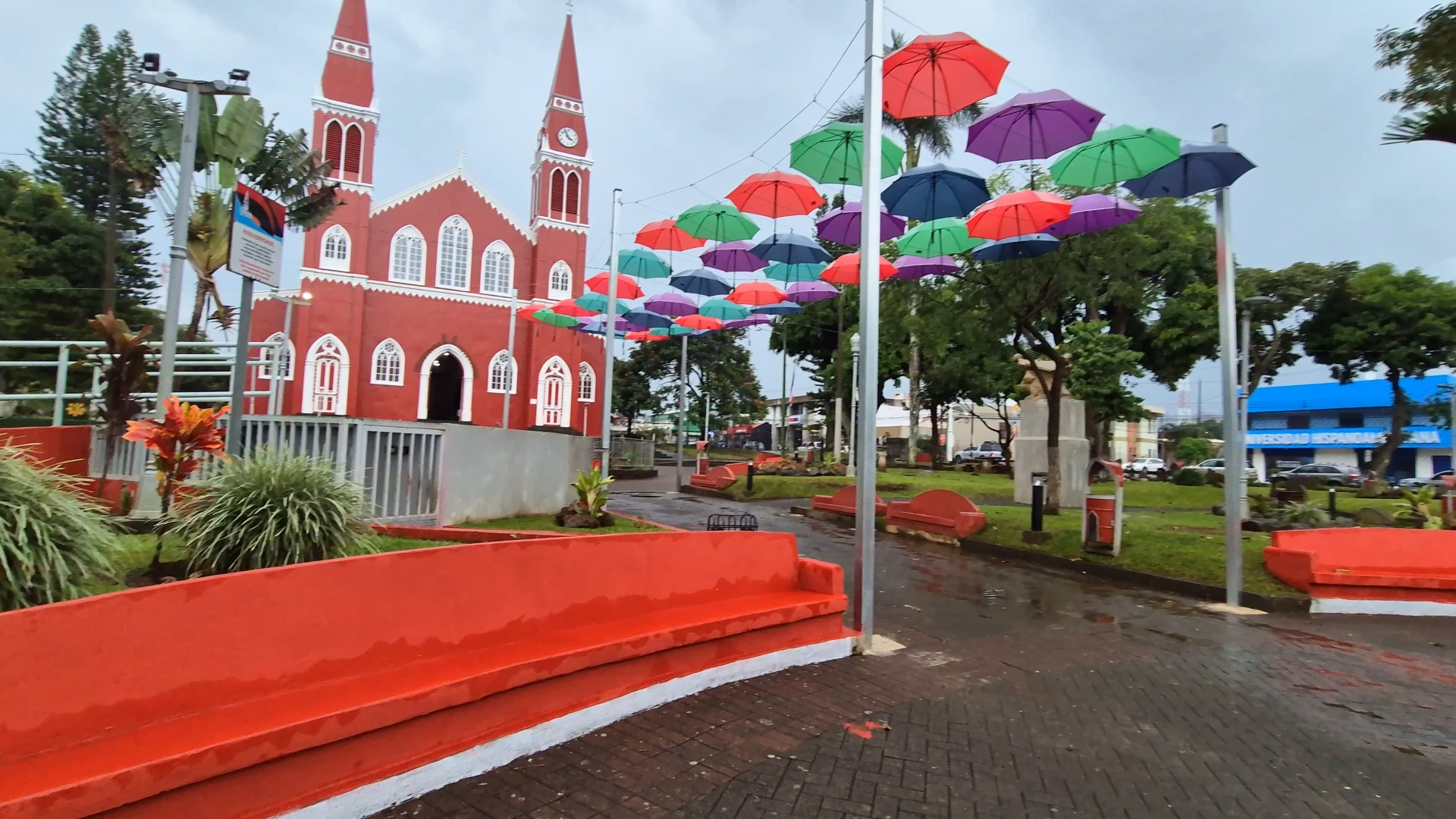
    Grecia is located just 30 minutes north of San José’s international airport in Costa Rica’s green Central Valley mountains. This small town provides the perfect overnight stop if you’re heading to La Fortuna or want to avoid driving at night after your flight lands. The cool mountain climate and accessible location make it an easy first or last stop on your Costa Rica trip.

    Most travelers rush straight from the airport to beach towns or La Fortuna. They don’t realize what they’re missing in this area. Grecia gives you real Costa Rican mountain life without the tourist crowds. You’ll find farmers markets with local vendors, a genuine town square with an iconic metal church, and a stunning waterfall just minutes away.

    This two-day itinerary shows you how to experience Grecia properly. You’ll stay in unique glamping domes with mountain views. You’ll explore both daily and weekly markets. You’ll visit a beautiful waterfall and see the town center. Everything is close together and easy to reach without a 4×4 vehicle.

    Table Of Contents

    Estimated Reading Time: 15 Minutes

    Why Stop in Grecia?

    Grecia makes strategic sense for your Costa Rica travel plans. The town is on the route from San José airport to La Fortuna, one of the most popular tourist destinations in the country. Instead of rushing through a 3-4 hour drive after your international flight, you can stop here for the night and start fresh the next morning.

    The location eliminates the stress of night driving on unfamiliar Costa Rican roads. Landing in the afternoon gives you just 30 minutes to reach Grecia. This beats several hours to La Fortuna or the beaches. You’ll also experience a different side of Costa Rica that beach-focused tourists miss.

    If you’re heading to La Fortuna for your vacation, check out our blog post about how to get there.

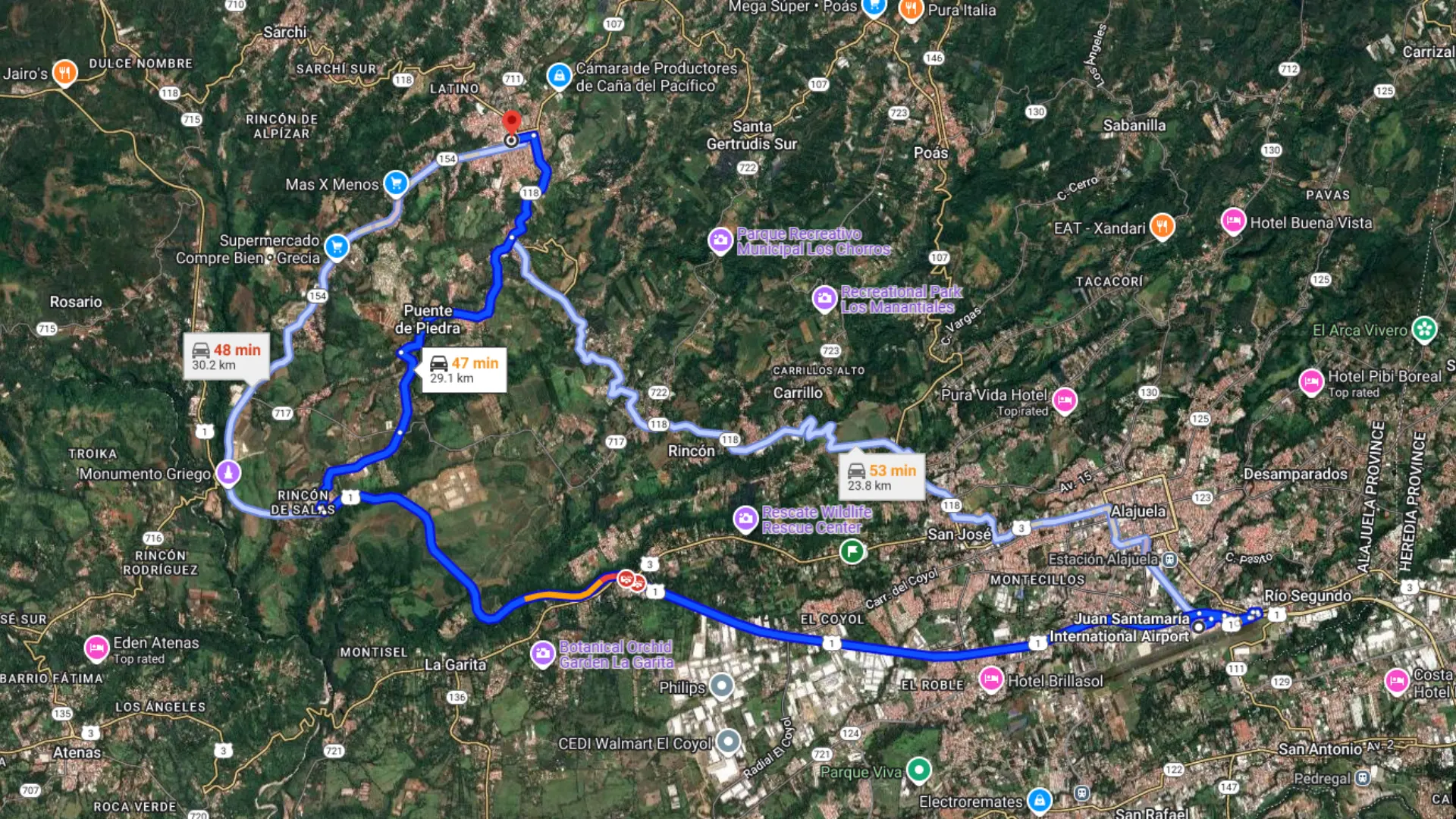
    route from SJO airport to Grecia costa rica

    The route from SJO Airport to Grecia. Time can vary with traffic.

    Perfect Climate and Scenery

    The mountain elevation around Grecia creates comfortable temperatures year-round. You’ll find it cooler here than the coast or lowlands. This makes it pleasant for walking around town and hiking to waterfalls. The climate stays green with regular afternoon rain showers.

    Coffee fields cover the hillsides leading up toward Poás Volcano. The area stays lush and vibrant even during dry season. You can see the mountains from most vantage points in town. Views from accommodations like Tierra Nueva show why this region attracts people looking for mountain properties.

    What Makes It Worth Your Time

    Grecia provides local experiences without tour groups or resort complexes. The Friday farmers market brings together vendors from surrounding farms. They sell organic produce, honey, and prepared foods. The daily municipal market operates year-round with fresh ingredients and local products.

    The town centers around a metal church imported from Belgium in the 1890s. You can walk the entire downtown area in 20 minutes. Catarata El Paraíso waterfall is only 5 minutes away by car. The hike takes just 10 minutes to reach it. Two days here gives you enough time to see everything without feeling rushed.

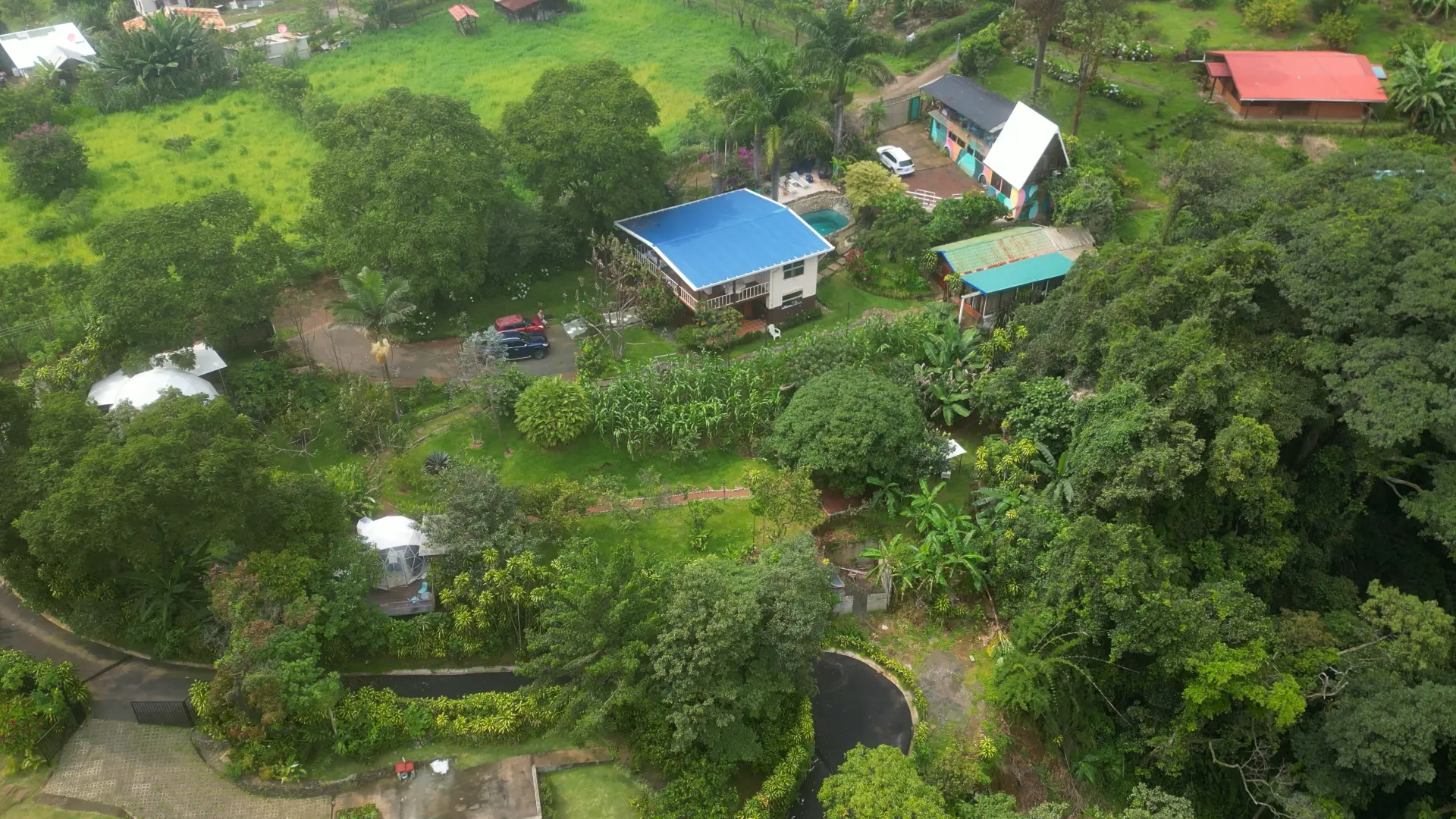
    glamping accommodations in grecia, very green area

    Grecia and the surrounding mountains are green year round.

    Where to Stay – Tierra Nueva Glamping

    Tierra Nueva Glamping provides a unique mountain accommodation experience just 15 minutes from Grecia town center. The property has three geodesic domes scattered across the hillside, each with views of the surrounding coffee fields and mountains. You’ll stay in a comfortable tent structure with real beds, private bathrooms, and outdoor kitchenettes.

    The location works perfectly as your base for exploring the Grecia area. You can reach it in a regular car without needing 4×4 capabilities. The final stretch to the property is gravel, but well-maintained and easy to navigate. From here, you’re close to both town attractions and natural sites like Catarata El Paraíso.

    The Dome Accommodations

    Each dome at Tierra Nueva has its own character and location on the property. The structures combine camping’s connection to nature with hotel-level comfort. You’ll find a proper bed with linens, a full bathroom with a large tub, and a small kitchenette area outside your dome.

    The domes have fans for air circulation and large windows that showcase the mountain views. One dome is tucked under the trees near a river where you can hear the water at night. Another is higher up on the property with more open views. The third has its own secluded spot with a jacuzzi tub setup.

    Property Amenities and Features

    The property includes a swimming pool with curved edges designed for lounging. An old bus has been converted into a restaurant and bar with an upstairs lounge area. You can see the mountains and valley from the dining area, making it a great spot for morning coffee.

    The grounds are well-maintained with walking paths connecting the different domes. You’ll find fruit trees including limes and bananas that guests can pick. The river running through the lower part of the property adds to the peaceful atmosphere, especially at night when you can hear it from certain domes.

    Booking Information

    Pricing at Tierra Nueva varies throughout the year based on season and demand. Contact them directly through their website or social media to check current rates and availability. The property works well for couples or small groups, with each dome accommodating two people comfortably.

    Visit Tierra Nueva Glamping Website

    Day 1 – Exploring Grecia Town

    Your first day in Grecia focuses on the town itself. Both attractions are within walking distance of each other in the compact downtown area. You can cover everything in a few hours. This leaves time to relax at your accommodation or wander around on your own.

    The town follows the typical Costa Rican pattern. You’ll see a central park, church, and commercial area all clustered together. Everything is walkable. You’ll find local restaurants and cafes for meals throughout the day.

    Downtown Grecia and the Church

    The centerpiece of Grecia is its metal church. The red metal structure looks completely different from typical Costa Rican churches. It dominates the central square. You can walk inside to see the interior. The park surrounding it has benches and pathways where people hang out.

    The downtown area extends a few blocks in each direction from the church. You’ll find banks, restaurants, pharmacies, and local shops all mixed together. There’s a Pali supermarket nearby if you need supplies. The compact layout means you won’t get lost exploring.

    If you’re trying to decide if you should rent a car to explore Costa Rica, visit our blog post.

    Municipal Market

    The Mercado Municipal operates every day just a few blocks from the central church. Locals shop here for fresh produce, meat, and household goods. Vendors sell fruits, vegetables, plantain chips, and prepared foods at stalls throughout the market.

    The market has a covered structure with different sections. You’ll see produce in one area, meat in another. Prices run lower than supermarkets. The variety of tropical fruits and vegetables shows what grows in this mountain region. It’s worth a quick 20-minute walk-through to see daily Costa Rican life up close.

    Day 2 – Nature and Markets

    Day two takes you outside town to experience the natural side of Grecia. Start your morning at the waterfall before it gets crowded or rainy. If you’re visiting on a Friday, you can catch the weekly farmers market in the afternoon. This day balances outdoor adventure with local culture.

    The waterfall requires some advance planning since you need to contact the owner for access. The farmers market only happens on Fridays, so adjust your itinerary accordingly if you want to see it.

    Catarata El Paraíso Waterfall (Morning)

    Catarata El Paraíso is located about 5 minutes from Tierra Nueva by car. You need to contact the owner Jorge via WhatsApp at +506 8588-4337 to arrange entry. The cost is 3,000 colones (about $6) per person. He’ll meet you at the gate and open it up.

    The hike down takes about 10 minutes on a well-maintained trail. You’ll pass through a camping area with picnic spots and gazebos before reaching the jungle section. The waterfall runs heavy and creates a misty atmosphere at the bottom. There’s even a small water slide that feeds into a pool near the falls.

    The property is best visited in the morning before afternoon rains roll in. Bring water shoes for the trail and swimming if you plan to get in the water. The camping area makes it possible to bring a cooler and spend more time there.

    Friday Farmers Market

    The Friday farmers market is much larger than the daily municipal market. It’s held in a circular building with covered parking around the perimeter. Parking costs 500 colones (about $1), and you pay when you exit.

    Vendors come from surrounding farms to sell organic vegetables, fresh produce, honey, empanadas, and prepared foods. You’ll find everything from hydroponic lettuce to fresh juices to shopping carts full of tropical fruits. Several small restaurants operate inside the market serving local food.

    The market gets busy around mid-morning but stays active through early afternoon. It’s a great place to stock up on fresh ingredients if you have kitchen access at your accommodation. Even if you’re not buying, it’s worth walking through to see the variety.

    Practical Information

    Grecia works year-round, but October through April offers the best weather with less rain. The Friday farmers market is the main reason to time your visit for a specific day. Otherwise, you can visit any day and still see the municipal market and town attractions.

    You’ll need a rental car to get around comfortably. The drive from San José airport takes 30 minutes on paved roads. Parking in town uses an app and costs about $1/hour. The road to Tierra Nueva is mostly paved with a short gravel section that any car can handle.

    Bring an umbrella for afternoon rain showers. Water shoes work well for the waterfall hike and any stream crossings. Have cash in colones for market purchases and the waterfall entry fee. Most restaurants in town accept cards, but smaller vendors prefer cash.

    The elevation makes temperatures cooler than the coast. You might want a light jacket for evenings, especially at the glamping site. The area stays green year-round, so any season works for visiting.

    If these blog posts and videos help plan your Costa Rica vacation, please support our channel.

    Follow Us

    Keep up with our latest Costa Rica travel videos and guides by subscribing to our YouTube channel. We regularly post new content showing real conditions across different regions and seasons.

    Planning a trip to Costa Rica? Contact us — we help with itineraries, logistics, and finding the spots most tourists miss.

    Frequently Asked Questions

    How far is Grecia from San José airport?

    Grecia is about 30 minutes north of San José International Airport (SJO). The drive follows well-paved roads through small towns. It’s one of the closest mountain destinations to the airport, making it perfect for a first or last night in Costa Rica.

    Do I need a 4×4 to reach Tierra Nueva Glamping?

    No, you don’t need a 4×4 vehicle. The road to Tierra Nueva is mostly paved with a short gravel section at the end. Any regular rental car can make the drive. The property is accessible without high clearance vehicles.

    What day is the farmers market in Grecia?

    The large farmers market happens every Friday and runs from morning through early afternoon. The municipal market operates daily if you miss the Friday market. The Friday market is significantly larger with more vendors and variety.

    How do I visit Catarata El Paraíso waterfall?

    Contact the owner Jorge via WhatsApp at +506 8588-4337 before visiting. Entry costs 3,000 colones (about $6) per person. He’ll meet you at the gate to provide access. The hike down to the waterfall takes about 10 minutes on a maintained trail.

    Is Grecia worth visiting if I’m going to La Fortuna?

    Yes, Grecia makes an excellent stopover on the way to La Fortuna. It’s directly on the route and eliminates the need to drive 3-4 hours after landing at the airport. You’ll experience authentic mountain life and avoid night driving on unfamiliar roads.

    What’s the weather like in Grecia?

    Grecia has a cooler mountain climate than the coast or lowlands. Expect comfortable temperatures year-round with afternoon rain showers common. Bring a light jacket for evenings. The area stays green throughout the year, even during dry season.

  • 3 Best Shopping Malls in San José, Costa Rica: A Guide with Videos

    3 Best Shopping Malls in San José, Costa Rica: A Guide with Videos

    San José surprises many visitors with its modern shopping scene. The Costa Rican capital has world-class malls that rival shopping centers in North America. These spots aren’t just for shopping. They’re entertainment destinations with restaurants, cinemas, and features you won’t expect.

    I’ve explored the three best malls in the San José area. I filmed detailed walkthroughs to show you exactly what to expect. Each mall has its own personality. Each serves different needs, from luxury shopping to family fun. You’ll find familiar international brands and local Costa Rican products.

    This guide covers the practical details you need. You’ll learn parking costs, driving directions from the airport, and food prices. You’ll also discover what makes each mall special. Need high-end shopping, affordable meals, or just want to escape the heat? One of these malls will work perfectly for your San José visit.

    Travel Tip: You don’t need to buy a SIM card when you land in Costa Rica to get data connection. With an eSIM, you’ll be able to configure your data connection before you depart for your vacation. I use the Saily eSIM in Costa Rica.

    Table Of Contents

    Estimated Reading Time: 15 Minutes

    Multiplaza Escazú – Luxury Shopping Experience

    Multiplaza Escazú is San José’s premier luxury shopping destination. This upscale center in the Escazú suburb attracts high end shoppers and tourists looking for international brands. You’ll find designer stores like Calvin Klein, Hugo Boss, Lacoste, and Kenneth Cole alongside electronics retailers and home decor shops.

    This shopping complex is located about 7 kilometers southwest of downtown San José. It’s roughly 45 minutes from Juan Santamaría International Airport depending on traffic. Shopping here feels like visiting a high end center in Miami or Los Angeles. Stores carry the latest fashions at prices you’d pay in the United States.

    Getting There and Parking

    Take the highway toward Santa Ana and follow signs for Escazú from the airport. The route is well marked and mostly on good roads. Traffic can slow you down during rush hours. Plan extra time if you’re traveling between 7-9 AM or 4-6 PM.

    Multiplaza has extensive underground parking with security guards monitoring the area. You’ll pay for parking, but the security and convenience make it worthwhile. The underground location keeps your car cool and protected from tropical weather.

    walking inside the multiplaza in escazu costa rica

    Walking inside the Multiplaza Escazú, as you can see there’s international brands. The mall is very clean with lots of room to walk and browse.

    What to Expect Inside

    The food court includes international chains like McDonald’s and Taco Bell alongside upscale restaurants. You can easily spend half a day here browsing stores, eating, and relaxing. The complex also has a cinema showing both English and Spanish films.

    This destination transforms during holiday seasons with impressive decorations and special attractions. During Christmas, they install a real ice skating rink – actual ice in tropical Costa Rica! Massive decorated trees and elaborate displays make the holidays feel magical. These seasonal extras draw huge crowds but create a festive atmosphere worth experiencing.

    Overall Impressions

    Multiplaza Escazú feels genuinely upscale without being pretentious. The air conditioning is excellent. The stores are well-maintained. The crowd tends to be polite and well-dressed. You’ll hear as much English as Spanish here, especially on weekends.

    Prices match what you’d expect from luxury shopping – not cheap, but reasonable for international brands. The variety is impressive for Costa Rica. You won’t find everything you might in a major US city. This is definitely where you come for special purchases rather than everyday shopping.

    Key Features:

      • International luxury brands – Calvin Klein, Hugo Boss, Lacoste, and other designer stores
      • Secure underground parking – Protected, monitored parking with security guards
      • Seasonal attractions – Real ice skating rink and elaborate holiday decorations
      • Premium dining options – Mix of upscale restaurants and familiar international chains

    Mall San Pedro – Local Favorite Near Downtown

    Mall San Pedro serves as San José’s most accessible shopping destination for both locals and tourists. This compact four-story mall sits just 1.2 miles east of downtown in the university area near UCR (University of Costa Rica). The location gives it a younger, more authentic Costa Rican vibe compared to the luxury malls.

    This shopping center focuses on practical needs rather than high-end fashion. You’ll find over 200 stores, but the emphasis is on everyday shopping with affordable prices that appeal to students and local families. The mall’s compact design makes it easy to navigate, and you can cover everything in a couple of hours.

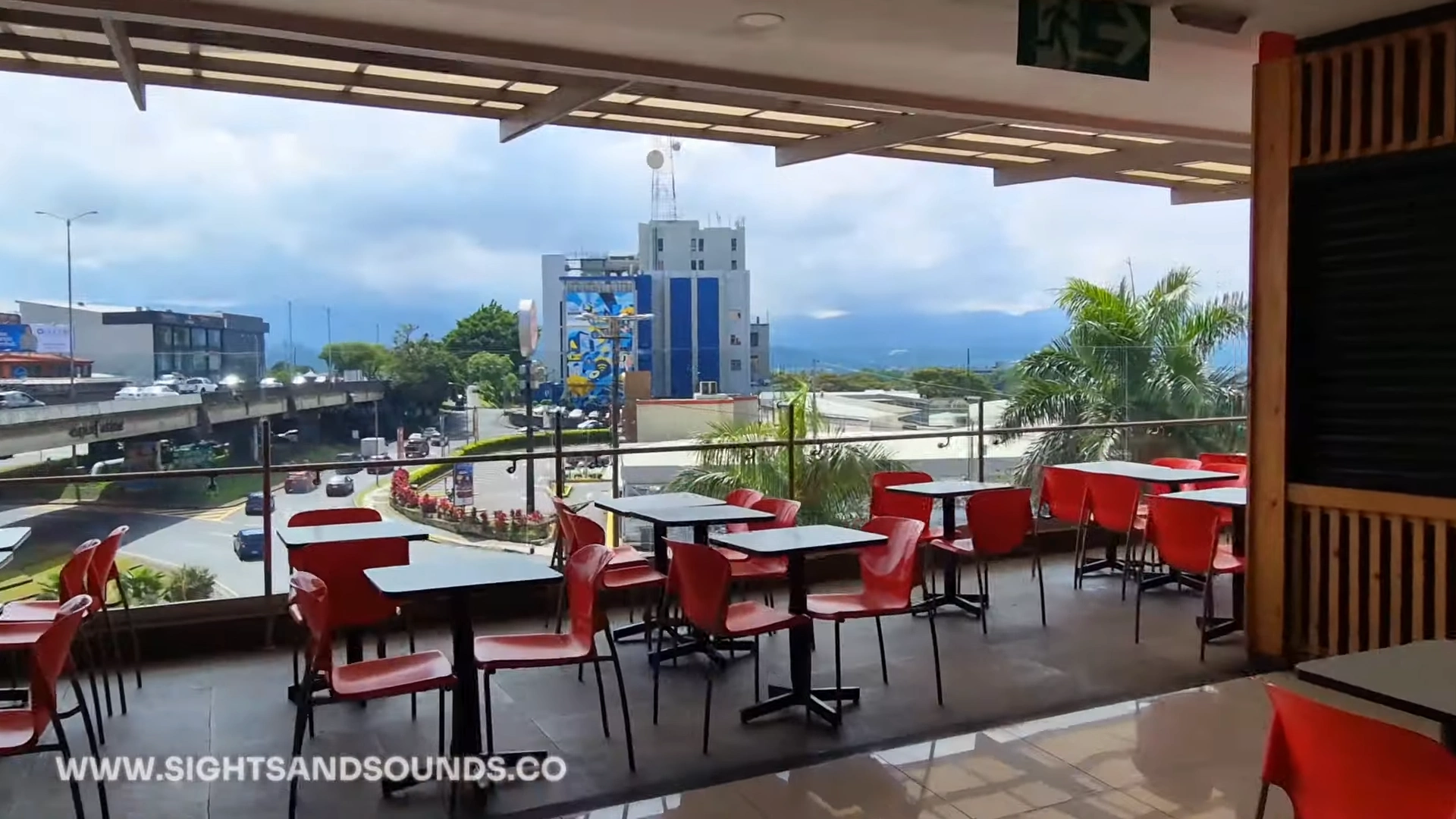
    mall san pedro walking tour costa rica travel vlog

    The view of the town from the food court. This is a very busy part of the metropolitan area.

    Location and Neighborhood Benefits

    Mall San Pedro’s location puts you close to some of San José’s best dining and nightlife areas. The trendy Barrio Escalante with its craft breweries and upscale restaurants is just minutes away. Barrio California’s vibrant nightlife scene is also nearby, making the mall a perfect starting point for exploring the area.

    Getting here from downtown San José takes about 10 minutes by car or taxi. The surrounding university area is safe during the day and bustling with students. You’ll find plenty of local cafés and small restaurants in the neighborhood if you want to eat outside the mall.

    Shopping and Stores

    The mall centers around larger department stores like Ekono, which offers affordable clothing, electronics, and household items at discount prices. This is where locals come for practical shopping rather than luxury purchases. You’ll also find countless small kiosks selling phone accessories, jewelry, and electronics.

    Phone accessory stores seem to occupy every other storefront, reflecting the local market’s needs. Clothing shops focus on casual wear and work attire rather than designer fashion. The variety is impressive for everyday needs, though you won’t find many international luxury brands.

    Underground Parking and Practicalities

    Mall San Pedro has excellent underground parking that keeps your car cool and secure. The parking areas are well-lit with security guards monitoring the space. Rates are reasonable at around 500-1,000 colones for several hours of shopping.

    The food courts deserve special mention for their value. You can get a full meal for around 3,000 colones ($5), including local dishes alongside familiar fast food chains. The mall has two food courts – one on the second floor and another on the fourth floor with better views of the busy intersection below. The fourth-floor location gives you a great view of San José’s traffic and street life.

    Key Features:

      • Large department stores like Ekono for affordable shopping
      • Secure underground parking with reasonable rates
      • Two food courts with meals under $5
      • University area location near trendy Barrio Escalante

    Oxígeno Mall – Modern Shopping with Unique Features

    Oxígeno Mall near the airport combines modern shopping with unique features you won’t find elsewhere in Costa Rica. The design incorporates nature with its central courtyard and rooftop areas. These provide stunning views of the surrounding mountains and San José skyline. This isn’t just a shopping destination – it’s an experience.

    The location makes this mall incredibly convenient for airport travelers. It’s just 10-15 minutes from Juan Santamaría International Airport. The surrounding area has been developed into a modern commercial district with hotels and restaurants. This makes it feel like a destination rather than just a shopping stop.

    Airport Convenience and Location

    Oxígeno’s proximity to the airport makes it perfect for last-minute shopping. It’s also great for killing time before flights. The drive from SJO takes 10-15 minutes on well-maintained roads with clear signage. You’ll find several hotels nearby if you’re staying close to the airport.

    The complex is in a newer development area that feels more spacious and modern than central San José. Parking is abundant with both underground and surface lots at reasonable rates. The area is safe and well-patrolled. This makes it comfortable for tourists with luggage or rental cars.

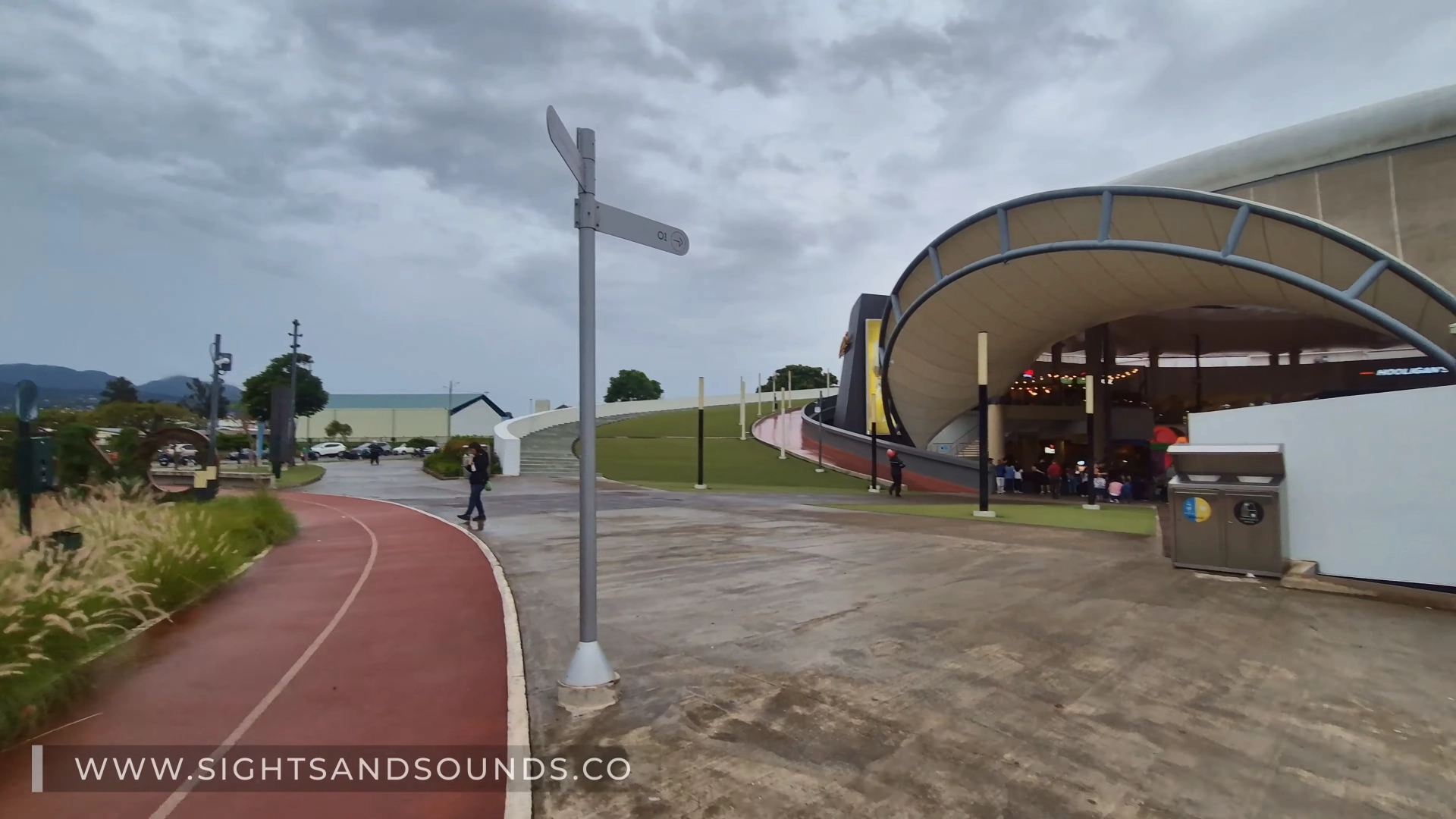
    oxigeno human playground mall san jose heredia costa rica near airport day trip

    The front entrance of Oxigeno Mall. There’s a small workout area with a running track. The main entrance to the mall leads right into the food court.

    Rooftop Experience and Views

    What sets Oxígeno apart is its accessible rooftop area. You can walk on top of the structure here. The panoramic views include the surrounding mountains and downtown San José in the distance. You can also see planes landing at the nearby airport. It’s surprisingly peaceful up there despite the urban location.

    The rooftop also houses a unique dog park with obstacle courses and agility equipment for pets. You’ll see local families bringing their dogs to play while enjoying the views. The entire rooftop area incorporates green building design with natural lighting and air circulation.

    Family Entertainment and Adventure Parks

    The complex houses an impressive multi-level adventure park with climbing walls, rope courses, and obstacle challenges. Kids and adults can test themselves on various difficulty levels. The adventure park takes up significant space and could easily occupy a family for several hours.

    Right above the adventure area, you’ll find a separate VR gaming zone. This has virtual reality experiences and arcade games. The two entertainment areas work together but provide different experiences. You get physical challenges downstairs and high-tech gaming upstairs. Combined with a large indoor playground shaped like a tree, families have plenty of options to keep children entertained while adults shop.

    Key Features:

      • Only 10-15 minutes from San José airport
      • Rooftop walkways with mountain and city views
      • Multi-level adventure park and VR gaming zone
      • Unique rooftop dog park with obstacle courses

    Travel Tip: When I’m traveling in packed locations like city centers or malls, I always bring my lockable sling backpack. It has a combination lock on the zipper so I know my valuable items won’t walk away!

    If these blog posts and videos help plan your Costa Rica vacation, please support our channel.

    Follow Us

    Keep up with our latest Costa Rica travel videos and guides by subscribing to our YouTube channel. We regularly post new content showing real conditions across different regions and seasons.

    Planning a trip to Costa Rica? Contact us — we help with itineraries, logistics, and finding the spots most tourists miss.

  • Day Trips in San Jose: Exploring Costa Rica’s Historical Treasures

    Day Trips in San Jose: Exploring Costa Rica’s Historical Treasures

    Many people skip past San Jose when they visit Costa Rica. But the capital city has great places to visit nearby. You can see old ruins, walk through museums, and enjoy local culture on quick trips. These trips take just a few hours. You can sleep in the same hotel bed each night in San Jose without repacking. This way, you can learn about Costa Rica’s history without long drives to beaches or rainforests.

    You can take a short one-hour bus or car ride to Cartago. There you’ll find beautiful old church ruins and a busy city square. Or you can spend a morning at the National Museum. The museum has ancient stone spheres and golden treasures to see. These trips work well for your first or last days in Costa Rica. When you stay in San Jose, you don’t need to travel far. You can learn about the country’s past and still have time to rest or walk around downtown in the evening.

    This guide shows you where to stay and how to get around on day trips from San Jose. We share tips about when to visit to avoid crowds. We also tell you what to bring with you. You don’t need to go far from the city to enjoy Costa Rican culture. These day trips are easy to do even if you don’t speak Spanish or have a car. With a little planning, you can add these stops to your trip with no stress.

    Travel Tip: You don’t need to buy a SIM card when you land in Costa Rica to get data connection. With an eSIM, you’ll be able to configure your data connection before you depart for your vacation. I use the Saily eSIM in Costa Rica.saily esim costa rica bannersaily-banners-affordable-esim-1200×628

    Table Of Contents

    Estimated Reading Time: 20 Minutes

    From Airport to Downtown: Navigating San Jose

    San Jose’s international airport (Juan Santamaría) is about 20 kilometers from downtown in the city of Alajuela. The trip between them takes 20-40 minutes depending on traffic. Most tourists feel confused about this distance when planning their trip. Knowing your options saves you time and money.

    Many first-time visitors don’t realize how close the city center is to the airport. This proximity makes San Jose ideal for day trips since you spend less time traveling and more time exploring. The main routes between the airport and downtown have good signage and pavement compared to rural roads.

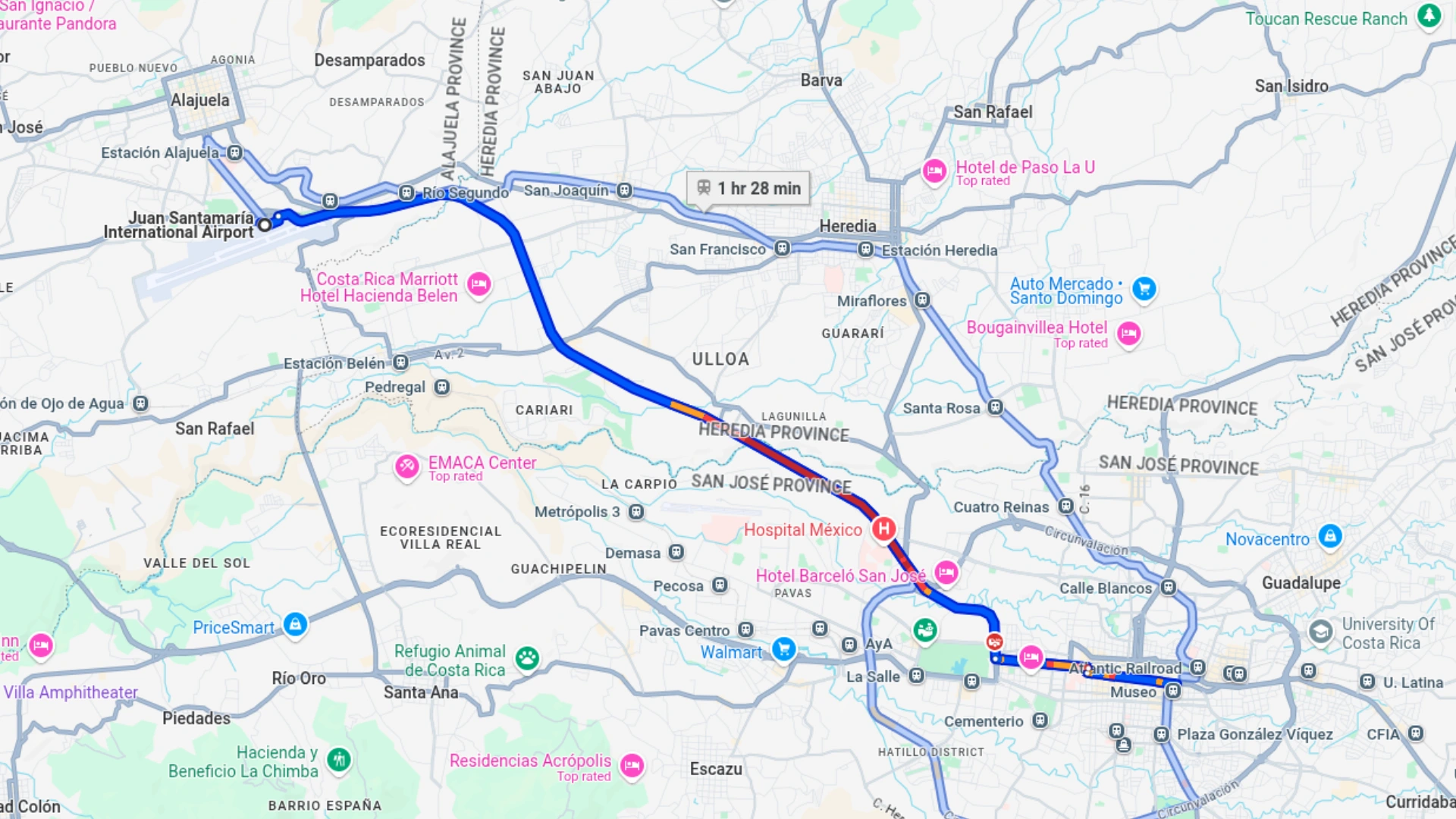
    san jose costa rica airport distance to downtown where restaurants hotels and museums

    The route from the San Jose Airport to the downtown area. As you can see, depending on when you arrive there might be traffic.

    Rental Car: The Convenient Option

    Getting a rental car at the airport gives you the most freedom for day trips. The route into downtown has well-marked highways with signs in both Spanish and English. Most rental cars come with GPS or you can use maps on your phone.

    Parking in downtown San Jose can be tricky but many hotels offer secure parking for guests. For day trips outside the city, having your own car means you can leave early before tour buses arrive at popular spots. You can also stop at roadside viewpoints and local restaurants that bus travelers miss.

    Public Bus: The Budget-Friendly Route

    The bus system from the airport to downtown costs under $2 and runs frequently throughout the day. Look for the “Tuasa” or “Station Wagon” buses that leave directly from outside the airport terminal. The trip takes 35-45 minutes depending on traffic.

    For day trips from San Jose, the main bus terminal at “Coca-Cola” or the newer 7-10 terminal provide service to cities like Cartago. Buses are modern, air-conditioned, and cost a fraction of taxi fares. A round-trip bus ticket to Cartago costs about $4 total, making it perfect for budget travelers. Most major bus routes run hourly from early morning until early evening.

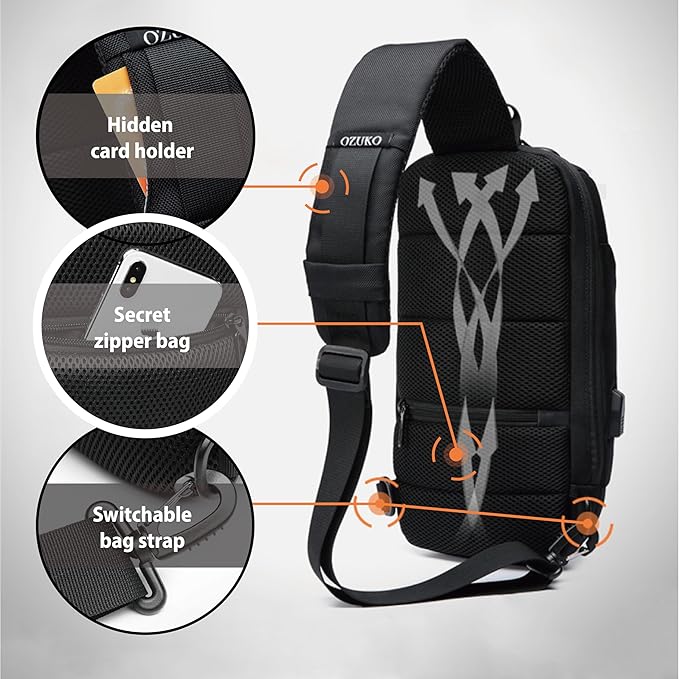
    travel-backpack-costa-rica

    I use this sling backpack when I’m travelling in Costa Rica. It has a zipper lock to secure your stuff. I like the sling as I can flip the bag to the front for easy access.

    Where to Stay in San Jose

    San Jose has many hotels to choose from. Picking one near the city center helps save time and money for day trips. Downtown puts you close to food, museums, and bus stations. You’ll spend less on taxis and have more time to explore.

    Budget travelers get better deals in central San Jose than in the fancy western suburbs. Most downtown hotels include free Wi-Fi, breakfast, and security guards. Many can also help with airport rides or trips to nearby places.

    Costa Rica Guesthouse: Affordable Comfort in the City Center

    The Costa Rica Guesthouse gives you great value for about $30 per night. It’s near the National Museum and only a few blocks from main bus stations. This updated building has clean private rooms with good beds and big bathrooms. The rooms have nice tile floors and big windows that let in plenty of light.

    Each room at Costa Rica Guesthouse has a name from a place in Costa Rica, like “Marino Ballena” or “Isla del Coco.” You get free coffee all day long. They have safe storage for bags and friendly staff who speak English. The only downside is noise from a nearby train that runs until about 10 PM. But most guests think the great location is worth it.

    Other Budget-Friendly Accommodation Options

    Across the street from Costa Rica Guesthouse is Costa Rica Backpackers hostel. It draws younger travelers with its pool, restaurant, and bar. Though run by the same owners, it’s a separate place. Private rooms are available as well, and you’ll get easier access to more social areas.

    Several other cheap places to stay are in this same area. Hotel Aranjuez has nicer rooms in an old building with a garden courtyard. Prices run from $40-60 per night. Hostel Pangea has dorm beds for $15 and private rooms for about $35. It also has a rooftop patio with city views. All these places are a 10-15 minute walk from San Jose’s main sights and bus stations.

    Day Trip to Cartago: The Colonial Ruins

    Cartago was Costa Rica’s first capital city and is just an hour east of San Jose. You’ll love this historic city with its old ruins, pretty church, and relaxed feel. Cartago sees fewer tourists than beach towns or mountain areas, giving you a more real Costa Rican experience.

    The city center looks clean and well-kept with a huge Costa Rican flag in the middle. Visit on weekdays rather than weekends to avoid crowds when local families come to see the ruins. You can enjoy most places in Cartago for free or very cheap, perfect for travelers on a budget who want to learn about Costa Rican history.

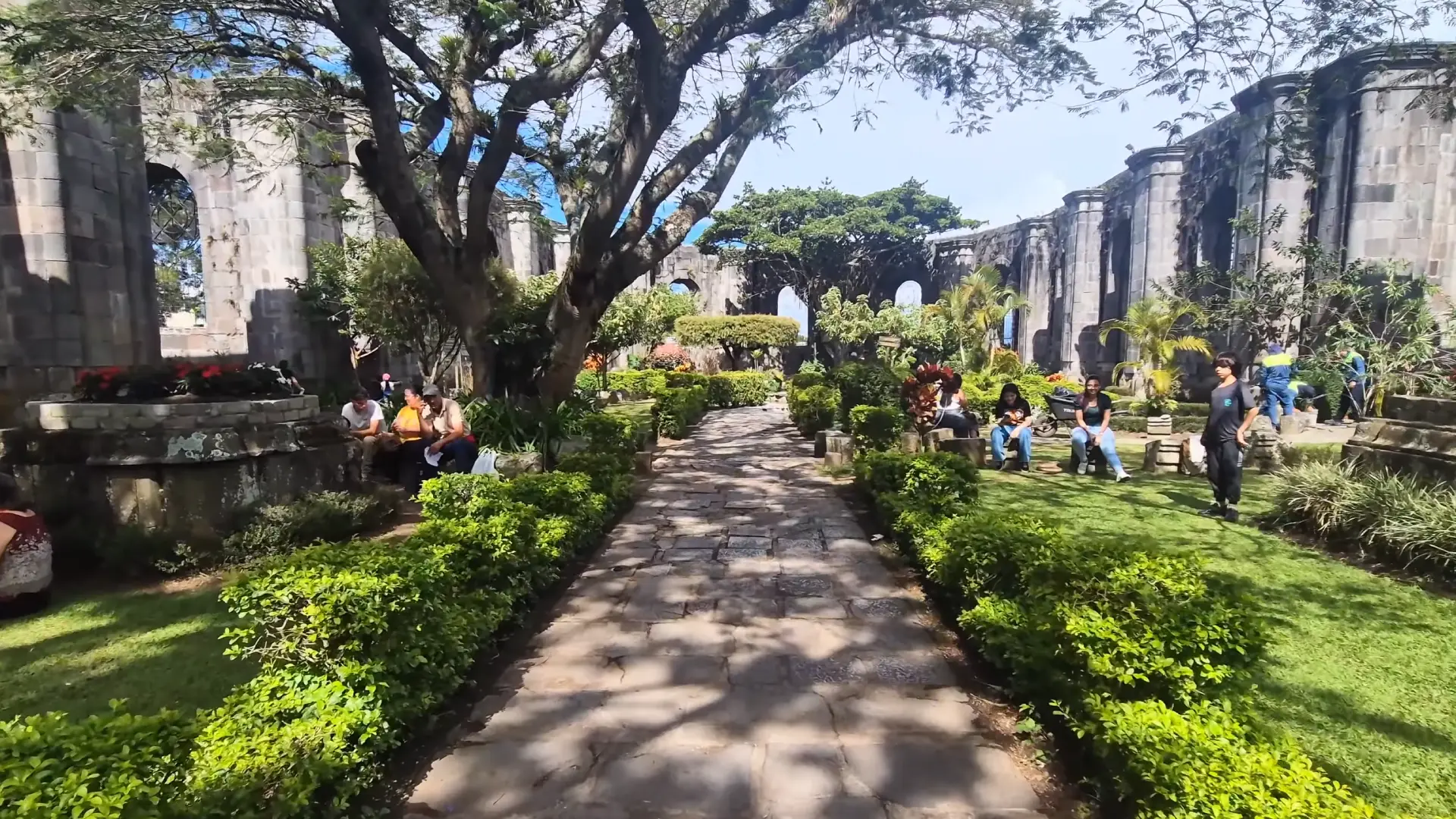
    ruins of cartago free tourism activity historical day trip from san jose costa rica vacation

    The Ruins in Cartago is a historical destination you can visit for free. It’s a great place to relax and read about this very old church.

    Getting to Cartago from San Jose

    Buses to Cartago leave from San Jose’s Coca-Cola terminal every 15 minutes all day. Each way costs about $2 and takes 60-75 minutes depending on traffic. Find buses with “Cartago” on the front – they have comfortable seats and often air conditioning.

    Drivers should take Highway 2 east from San Jose toward Cartago. The route has clear signs and follows highways most of the way. Find parking near the central plaza, but expect busy streets during weekdays. The 45-minute drive passes through pretty mountain areas along the way.

    Exploring the Historic Ruins and Plaza

    The top spot in Cartago is the Santiago Apóstol Parish Ruins. Earthquakes damaged this church before workers could finish it. Now it’s an open-air park with stone arches, plants, and ponds full of bright fish. Visit the ruins from 7 AM to 4:30 PM for free.

    The central plaza area has much to see. Look for the tall Costa Rican flag at the center of town, with small shops and food stands on nearby streets. After seeing the ruins, walk a few blocks to the Basilica de Nuestra Señora de los Ángeles, a beautiful church where many Costa Ricans make pilgrimages. The central market offers tasty local snacks and crafts at good prices.

    Eat lunch at a small “soda” (local restaurant) near the central plaza for just $5-7 for a full meal. Tuesday makes a great day to visit – the city feels active but not packed, and all attractions stay open as normal.

    The National Museum: Costa Rica’s Past and Present

    Just blocks from many downtown hotels, the National Museum shows you Costa Rica’s rich history. The building is an old military fort where you can still see bullet holes in the walls. Foreign visitors pay just $11 to enter. The building itself has a story – it was once a military base before Costa Rica ended its army in 1949.

    Plan about 2-3 hours to see the museum’s rooms and gardens. Unlike big museums that make you tired, this one is the right size for a morning visit. Get there when it opens at 8:30 AM and you might have some rooms all to yourself before tour groups show up.

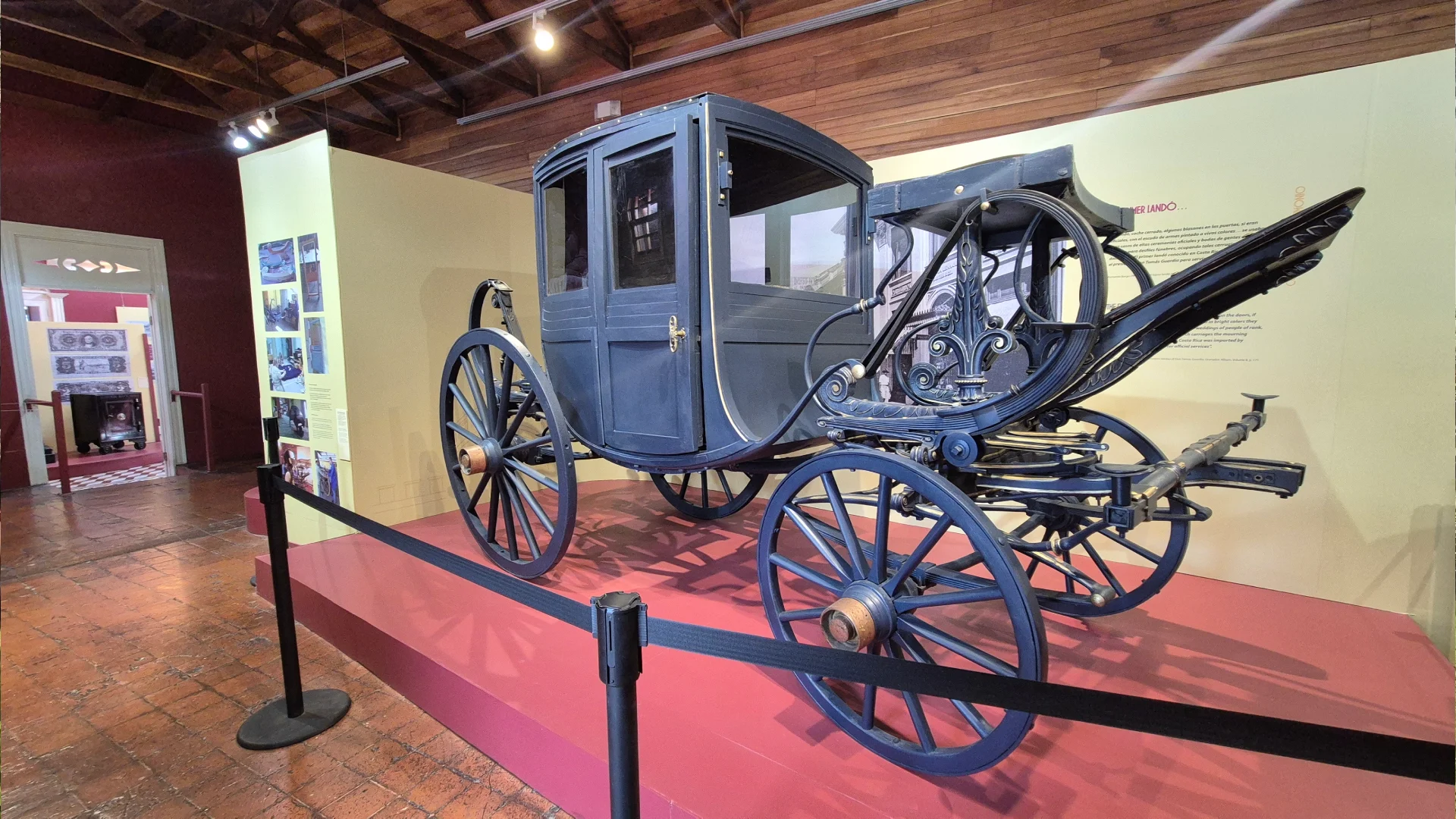
    national museum of costa rica things to do

    The museum has a lot of interesting items on display from various time periods.

    What to Expect at the National Museum

    Your visit begins with a walk through a pretty butterfly garden in the main courtyard. Look up to see bright butterflies flying among the plants. From the garden, you can climb stairs to a tower with nice views of San Jose and the mountains nearby.

    The museum shows both main displays and changing exhibits. You’ll see rooms about early native artifacts, Spanish times, and today’s Costa Rica. Signs are in both Spanish and English to help you understand what you’re looking at. You can go at your own speed and skip any parts you don’t find interesting.

    Highlights Worth Seeing

    Make sure to see the ancient stone spheres – round balls carved by native people long ago. No one knows for sure how they made these perfect round stones without modern tools. The gold room shows amazing metal objects made by early Costa Ricans.

    The history area has good displays about Costa Rica’s growth, like how coffee farming changed the country. One cool surprise is an underground tunnel found only in 2009. The museum also has native items like jade pieces similar to those in the nearby Jade Museum.

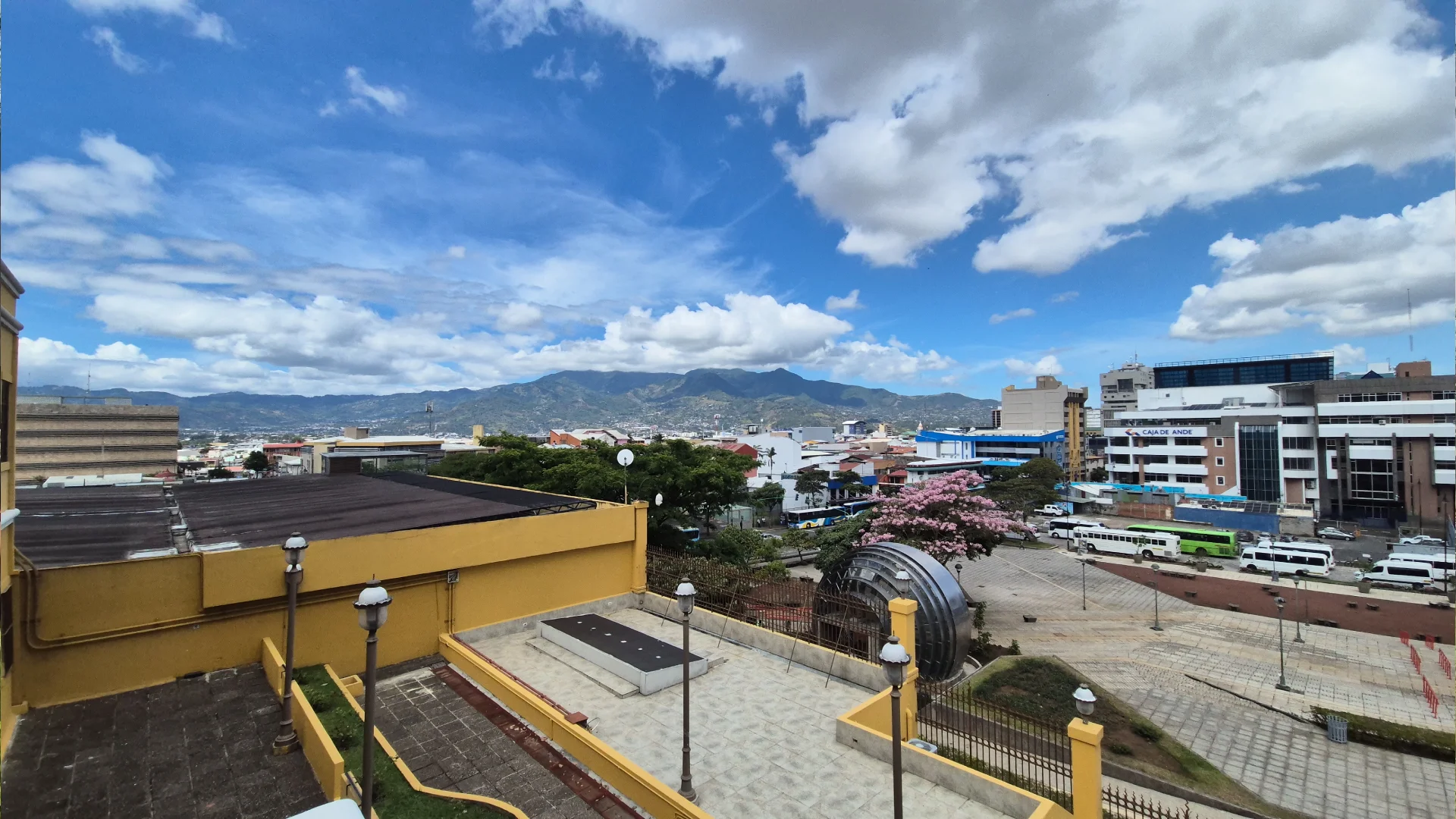
    Here’s a tip: go to the top floor to find a balcony with great views of the government building and downtown San Jose. This spot is perfect for photos and helps you get a better sense of the city layout for your other travels.

    view on top of the national museum of costa rica

    There are several spots at the museum to catch a great view of San Jose and the mountains around the city.

    Tips for Day Trips

    Planning ahead makes day trips from San Jose smoother and more fun. With the right timing and a few key items, you can avoid common tourist problems. These tips help you get more from your visits to Cartago and the National Museum.

    Costa Rica’s climate and busy tourist spots need some planning. Choose the right time to visit and bring the right gear. You’ll spend less time fighting crowds and more time enjoying the sights. These tips come from local advice and real travel experiences.

    Best Timing for Museum Visits

    Morning visits beat afternoon trips for museums and historic sites. Get to the National Museum when it opens at 8:30 AM. You’ll enjoy the butterfly garden with fewer people around. Most tour buses come after 10 AM, so early visitors get a more peaceful experience.

    For Cartago, go Tuesday through Thursday mornings. You’ll find a lively feel without weekend crowds. The ruins and basilica fill up on weekends with local families. Skip Cartago during religious holidays, especially August 2nd (Virgin of the Angels Day). Thousands of pilgrims visit the basilica then.

    Rain follows a pattern in Costa Rica. In the Central Valley, mornings stay sunny even in green season (May-November). Afternoon rain often starts after 2 PM. This makes morning the best time to visit outdoor sites like the Cartago ruins all year round.

    Essential Gear for Urban Exploring

    A secure sling backpack works great for city day trips. The OZUKO Anti-Theft Sling Bag keeps your items safe in busy areas. You can swing it to your front on crowded buses or in markets. This keeps your things visible and protected. The bag fits a water bottle, light jacket, and small purchases without bulk.

    Bring a reliable power bank for day trips. The Anker PowerCore 10000 fits in your bag but holds enough charge for 2-3 full phone charges. This helps when taking photos, using maps, or checking bus times all day. Many older buses and some cafes lack power outlets. A power bank keeps you connected during full-day outings.

    Other must-have items include a water bottle (tap water is safe in San Jose and Cartago), sun hat, and a small rain jacket. Many tourists skip rain gear during morning trips. But having it means you can keep exploring if the weather changes quickly.

    If these blog posts and videos help plan your Costa Rica vacation, please support our channel.

    Follow Us

    Keep up with our latest Costa Rica travel videos and guides by subscribing to our YouTube channel. We regularly post new content showing real conditions across different regions and seasons.

    Leave a comment with your Costa Rica travel questions – we’re happy to help plan your perfect time to visit.

    Frequently Asked Questions

    Is one day enough to visit both Cartago and the National Museum?

    It’s possible but rushed. Both sites need 2-3 hours each, plus 1-hour travel time to Cartago each way. For a better experience, visit the National Museum in the morning and Cartago on a separate day. If you must do both in one day, start at the museum at opening time (8:30 AM) and head to Cartago around noon.

    How much does public transportation cost for these day trips?

    Public transportation is very affordable. The bus from San Jose to Cartago costs about $2 each way. Local buses within San Jose to reach the National Museum cost less than $1. A full day of transportation, including getting to and from your hotel, typically costs under $6 total per person.

    Is it safe to walk around downtown San Jose as a tourist?

    Downtown San Jose is generally safe during daylight hours, especially in the main tourist areas near the National Museum and around Central Park. Use normal city precautions: keep valuables out of sight, be aware of your surroundings, and avoid poorly lit areas after dark. The area between downtown hotels and the National Museum is well-traveled and monitored by tourism police.

    Do I need a guide for these day trips?

    No, both the National Museum and Cartago are easy to visit without a guide. The National Museum has signs in English, and the layout makes it simple to explore on your own. Cartago’s ruins and basilica are open public spaces that you can walk through at your own pace. If you want deeper historical context, consider the audio guide at the National Museum ($5) rather than a full guided tour.

    What are the best food options during these day trips?

    For affordable, authentic meals, look for “sodas” (small local restaurants) near the central plaza in Cartago or around Avenida Central in San Jose. These serve typical Costa Rican “casados” (plates with rice, beans, meat, and sides) for $5-7. Near the National Museum, try the Café del Museo for light meals. In Cartago, the Central Market has food stalls serving local dishes at good prices.

    Can I use credit cards at these locations?

    Credit cards are accepted at the National Museum entrance and gift shop, and at most restaurants around both locations. However, small sodas, bus fares, and some market vendors only take cash. For day trips, bring at least 10,000-15,000 colones (about $20-30) in cash for bus fares, small purchases, and backup in case of card issues.

  • Santa Teresa Area Guide: Beaches, Hostels & Getting Around

    Santa Teresa Area Guide: Beaches, Hostels & Getting Around

    Santa Teresa and Playa Carmen stretch along the southern tip of Costa Rica’s Nicoya Peninsula. A single road connects these beach communities, running about 7 kilometers from the crossroads at Playa Carmen to the northern edge of Santa Teresa. All along this road the jungle meets the sandy beaches of the Pacific coastline.

    The Playa Carmen area is essentially at the center point between Santa Teresa to the north and Mal País to the south. This spot is as a tourism hub with its central location and shops, restaurants, and hostels. You’ll find larger grocery stores in this area so you can get your essentials for your stay.

    Travel Tip: You don’t need to buy a SIM card when you land in Costa Rica to get data connection. With an eSIM, you’ll be able to configure your data connection before you depart for your vacation. I use the Saily eSIM in Costa Rica.

    Table Of Contents

    Estimated Reading Time: 15 Minutes

    Getting Here and Area Layout

    Santa Teresa is at the southern tip of Costa Rica’s Nicoya Peninsula, about 150 kilometers west of the San José International Airport. Getting here means first driving to the port city of Puntarenas, catching a ferry across the gulf, then winding through the peninsula on a mix of paved and uneven roads. The extra travel time keeps visitor numbers lower than more accessible beach towns.

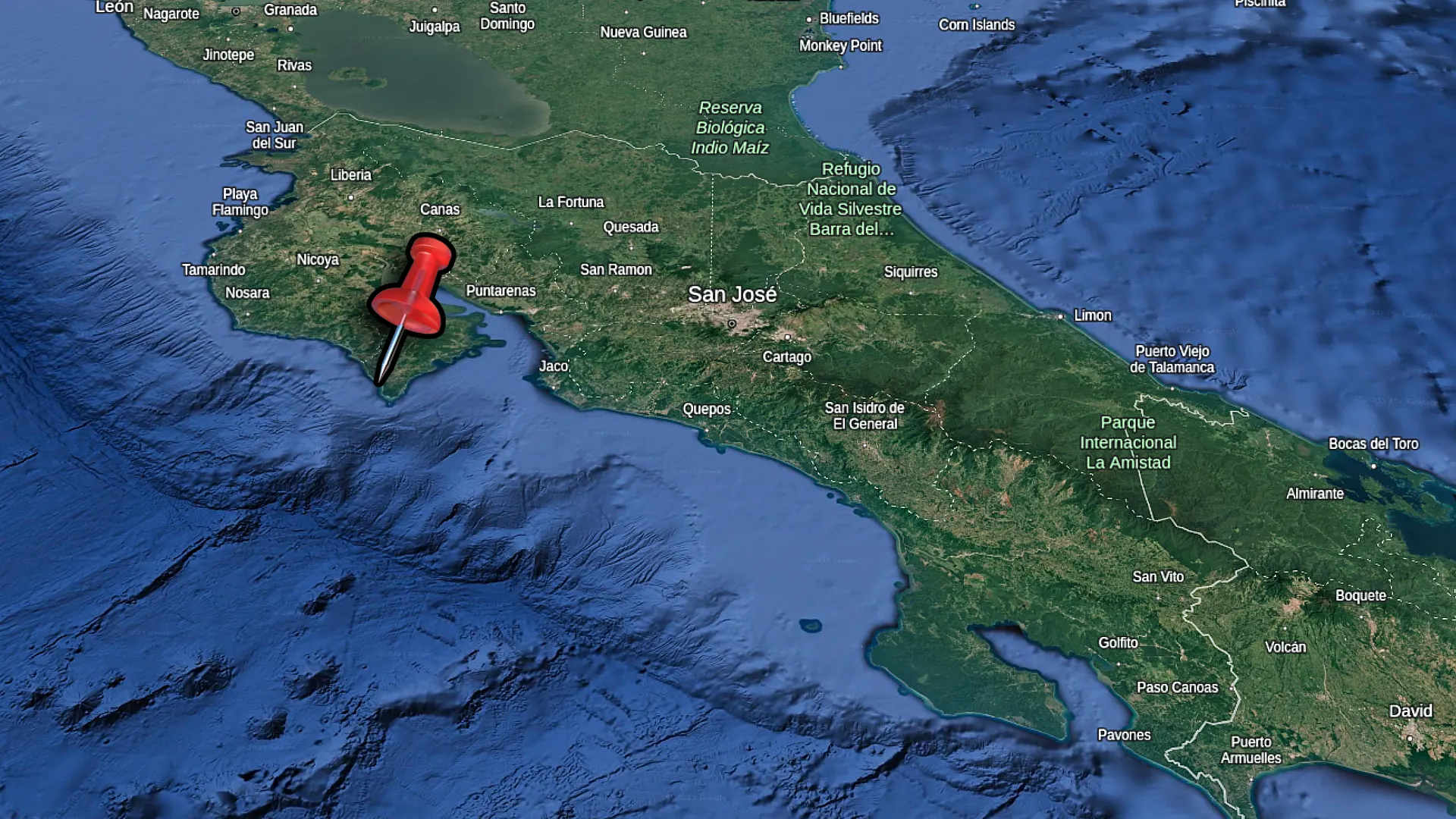
    The Santa Teresa area spreads along a single coastal road that connects several beach communities. Starting at the Playa Carmen intersection, this main dirt road runs north for about 7 kilometers through Santa Teresa before reaching Playa Hermosa. To the south, it connects to the fishing village of Mal País. The entire strip has stayed relatively undeveloped with thick jungle running right up to the beach.location of santa teresa on map of costa rica

    Map of Costa Rica showing the location of Santa Teresa. This town is within Puntarenas Province, and the Province is Guanacaste is to the north.

    The Ferry Route from San José

    The drive from San José International Airport to the Puntarenas ferry takes about 2 hours. You’ll head west on Highway 1 through the mountains until you reach the long peninsula that is the town of Puntarenas. The ferry terminal is at the far end of Puntarenas, you’ll see the vehicle loading area with large infrastructure for the ferries.

    Ferries run several times daily between Puntarenas and Paquera. The first boat leaves Puntarenas at about 5:30 AM and the last one at 8:30 PM. The crossing takes about 70 minutes. You’ll want to arrive at least an hour early to buy tickets and get your car in line. During busy seasons and holidays, showing up an hour early is crucial.

    *Note: There is another ferry which goes from Puntarenas to Naranjo. This location is farther north along the Nicoya Peninsula, which will result in a longer drive to Santa Teresa. Be sure to get on the Paquera ferry.

    Once you reach Paquera, the drive to Santa Teresa takes about 1.5 hours. The road starts out paved as you head toward Cobano, then turns to uneven pavement/gravel portions for the final stretch to the beach. Most rental cars can handle this route fine in dry season, but 4×4 vehicles make the journey more comfortable.

    The Peninsula Drive

    From Paquera, you’ll follow the signs toward Cobano on a paved two-lane road. The route winds through hills and farmland for about 45 minutes. Cobano is the last major town before the beach, with several grocery stores and gas stations where you can stock up on supplies.

    If you’d like to stop at a beach along the way to Cobano, check out Playa Tambor. This quiet beach is great for swimming and has a few restaurants at the beach. It’s also directly off the main road towards Santa Teresa. Here’s a video profile of Playa Tambor.playa tambor on the way to santa teresa

    Playa Tambor is a sheltered cove beach between the ferry landing and Santa Teresa.

    After Cobano, the road is unevenly paved/gravel for the final 25-minute drive to Playa Carmen. This stretch can get bumpy and dusty in dry season or muddy during rains. You’ll pass through the small town of Delicias before the final descent toward the coast. When you arrive at Playa Carmen you’ll see a built up area with grocery stores and shops, along with the ocean one block away.

    Most GPS apps work fine for navigation but cell service can get spotty on the final stretch. The route is well marked with signs pointing to Santa Teresa and Mal País at major turns. If you’re arriving after dark, take it slow – the dirt roads have lots of dips and occasional potholes that are hard to spot at night.

    Santa Teresa Area

    The main road through Santa Teresa runs parallel to the beach, connecting several distinct areas. Starting at Playa Carmen, it heads north for about 7 kilometers to Playa Hermosa. This single dirt road gets busy with ATVs, motorcycles, and cars kicking up dust during dry season.

    Playa Carmen marks the start of the strip, with a busy intersection near Super Ronny and the soccer field. As you head north, you’ll pass surf shops, cafes, and hotels tucked into the jungle on both sides of the road. The road stays close to the beach the whole way, with paths leading to different beach access points.

    Side roads branch off toward the beach and up into the hills, where many hotels sit on the hillside overlooking the ocean. The main road gets rougher and steeper as you head north, with some sections requiring 4×4 during rainy season. The area has kept its natural feel, with monkeys and iguanas often visible in trees along the road.

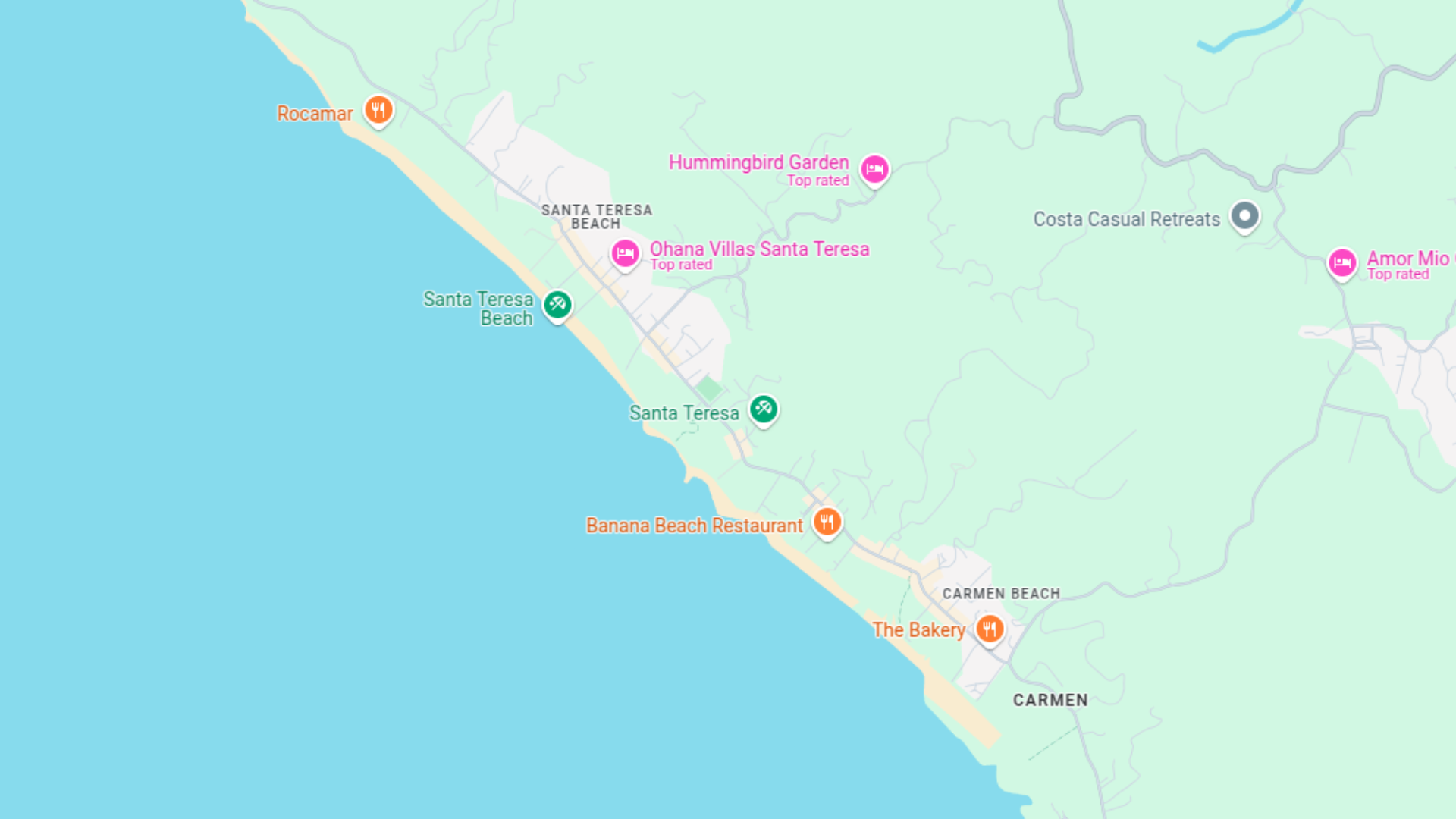
    beach layout of santa teresa and playa carmen

    Map showing the layout of the Santa Teresa area. Playa Carmen(bottom) is more built up with commercial areas.

    Beaches and Areas

    The beaches along Santa Teresa stretch for several kilometers, each with its own character. Playa Carmen sits at the center, marked by consistent waves and a busy beach scene. As you move north toward Santa Teresa beach, the sand gets whiter and the crowd spreads out. Further north, Playa Hermosa lives up to its name with clear waters and a quieter vibe.

    Small roads lead to hidden beaches on either end of the strip. To the south, Playa Mal País offers rocky tide pools and fishing boats. To the north, beaches like Manzanillo and Majagua take more effort to reach but reward you with nearly empty stretches of sand. The entire coastline faces west, bringing surfers and sunset watchers to the beach every evening.

    Playa Carmen Beach

    Playa Carmen forms the heart of the area where the main road meets the beach. The wide sand beach has good waves for both beginners and experienced surfers. Several surf schools set up here in the mornings, and you’ll see their students practicing in the whitewash while more experienced surfers head out to the break.

    This beach gets busy during mid-day. Surf shops near the beach rent boards and offer lessons. The Super Ronny grocery store sits just back from the sand, making it easy to grab drinks and snacks. Local vendors often set up stands selling fresh coconuts and fruits.

    The beach has plenty of shade from almond trees along the sand. The southern end near Mal País has good tide pools for swimming when the surf is big. Most people gather here for sunset, with groups spreading out on the beach or grabbing drinks at the beachfront restaurants.

    Santa Teresa Beach

    Santa Teresa’s main beach runs north from Playa Carmen for about 3 kilometers. The sand here is whiter than Playa Carmen, and the beach gets wider as you head north. Rocky points break up the beach into smaller sections, each with different waves and swimming conditions.

    Several paths lead from the main road to the beach. Signs mark public access points, though some go through hotel properties. The water here breaks harder than at Playa Carmen, drawing more experienced surfers. During low tide, the beach gets wide enough for football games and running.

    This stretch has less shade than Playa Carmen but also fewer people. The northern end near Playa Hermosa has some good snorkeling spots around the rocks during calm days. Watch out for strong currents, especially around the rocky points – lifeguards mark dangerous areas with red flags.

    Nearby Beaches

    North of Santa Teresa, smaller beaches like Manzanillo and Majagua offer a different experience. These beaches take more effort to reach, with rough dirt roads leading through the hills. Manzanillo sits about 15 minutes north by car, while Majagua is another 10 minutes past that. The roads need 4×4 in wet season.

    Playa Manzanillo has clear water and good snorkeling around its rocky points. The beach forms a protected bay with gentler waves than Santa Teresa. A small fishing village sits at the south end of the beach, with boats heading out early each morning. The beach has good shade and usually just a handful of people.

    Playa Majagua stays almost empty most days. The long beach has white sand and breaks up into small coves at high tide. Getting here means a bumpy drive and a short walk through the forest, but the privacy makes it worth it. There are no facilities at this beach, so bring what you need for the day.

    playa manzanillo near santa teresa

    Playa Manzanillo is a perfect sandy beach just north of the area of Santa Teresa.

    Where to Stay

    Santa Teresa offers lodging options spread along the entire strip, from Mal País through Playa Carmen and up to Playa Hermosa. Most places sit either right on the beach or up in the hills with ocean views. The Playa Carmen area has the highest concentration of hostels and mid-range hotels, making it a good base for first-time visitors.

    Prices vary widely across the area. Hostels start around $15 for dorm beds, while mid-range hotels run $50-100 per night. High-end villas in the hills can cost several hundred dollars nightly. Dry season (December-April) sees prices increase by 30-50%, and many places require minimum stays of 3-5 nights during this period.

    Playa Carmen Hostels

    Playa Carmen has most of the area’s budget options, with over a dozen hostels within walking distance of the beach. These range from simple dorm setups to more social hostels with pools and bars. Most hostels cluster along the main road or on the side streets just off the beach.

    El Gato Rojas sits near the Playa Carmen intersection, just a two-minute walk from the beach. The hostel has both shared dorms and private rooms built around a central courtyard with hammocks. The shared kitchen and common areas make it easy to meet other travelers, while the location puts you close to grocery stores and restaurants. I stayed at this hostel and paid about $80 USD for an airconditioned private room.

    Other popular hostels include Selina with its coworking space, Lost Boyz with its party atmosphere, and Somos with its yoga deck. Most hostels offer surfboard rentals or discounted lessons through partner schools. During high season, booking at least a week ahead is necessary, especially for private rooms.

    Santa Teresa Accommodations

    The main Santa Teresa strip offers more mid-range and upscale options. Small hotels with 5-10 rooms make up most of the accommodations here. Many have pools and gardens, with rooms built into the hillside for ocean views. The beach access points are less obvious here, so check the walking distance before booking.

    Many places fall into the “rustic luxury” category – think outdoor showers and natural materials but with quality beds and good WiFi. Air conditioning becomes important in this area, as the hills can block the sea breeze. Most hotels include breakfast, often featuring local fruits and Costa Rican coffee.

    For longer stays, rental homes and apartments become good options. These often come with kitchens and more space, starting around $700 weekly. Rental agencies in town can help with these bookings, or you can find them through booking sites. Many repeat visitors start in hostels then move to longer-term rentals as they get to know the area.

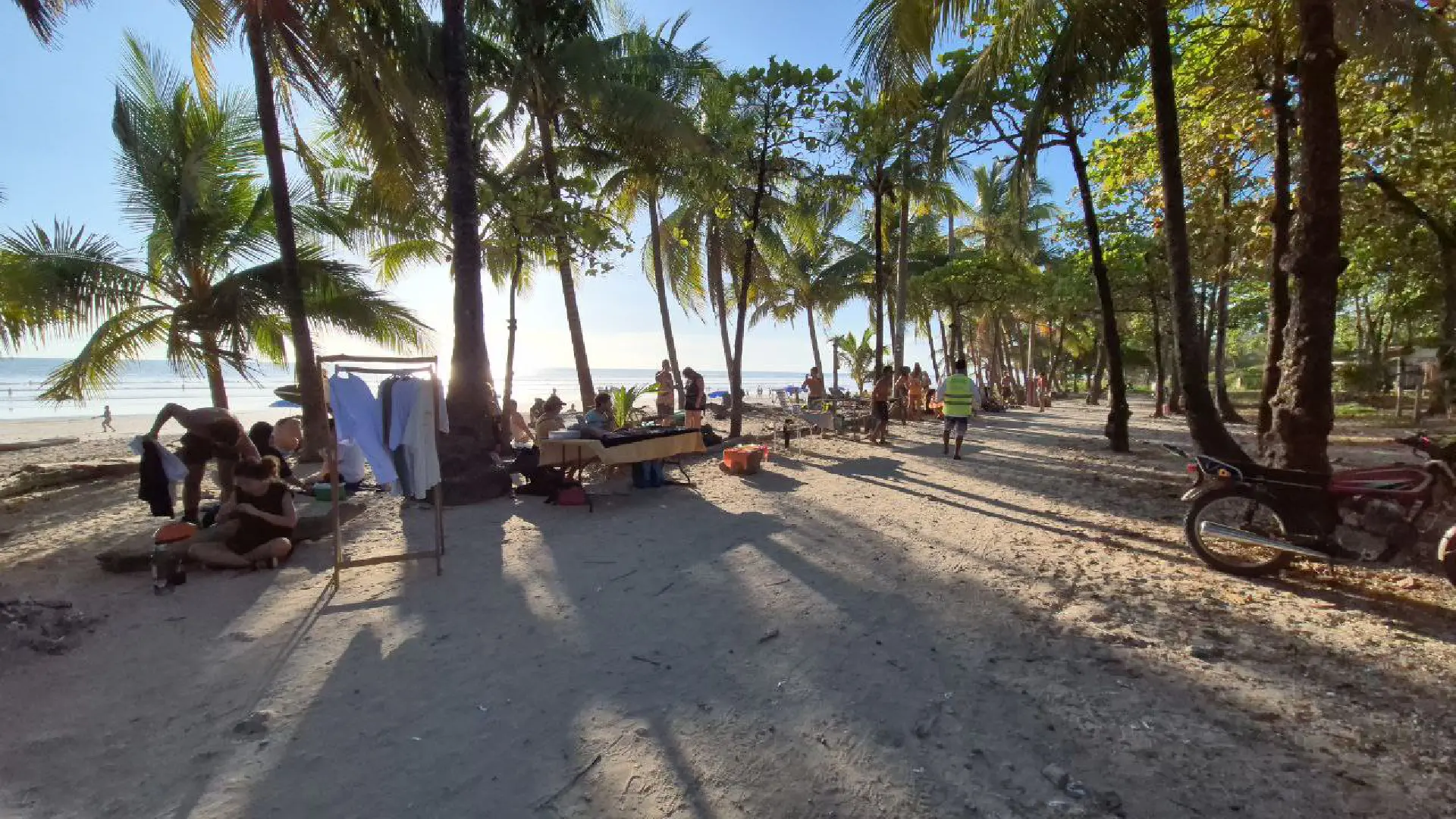
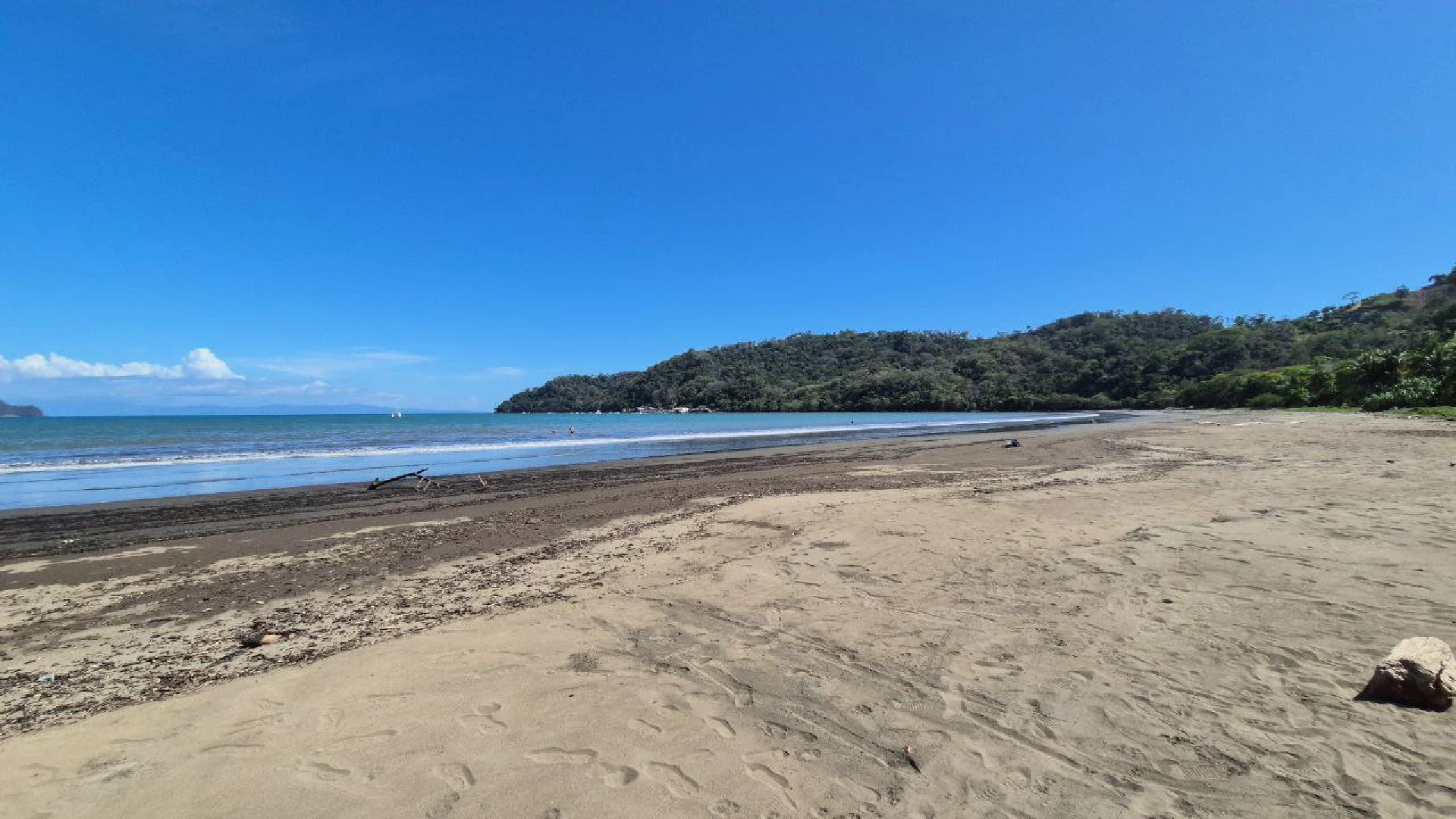
    Some photos of the beach area at Playa Carmen, where local vendors will set up stalls and tables with goods.

    Follow Us

    Keep up with our latest Costa Rica travel videos and guides by subscribing to our YouTube channel. We regularly post new content showing real conditions across different regions and seasons.

    Leave a comment with your Costa Rica travel questions – we’re happy to help plan your perfect time to visit.

    BONUS VIDEO: Check out our Ambient Costa Rica channel on Youtube where we upload walking and driving tours. This video will show the uncut drive on a moto between Playa Carmen and Santa Teresa.

    Frequently Asked Questions

    Here are answers to common questions about visiting Santa Teresa and Playa Carmen. These will help you plan your trip to this part of the Nicoya Peninsula.

    Do you need a 4×4 vehicle to get to Santa Teresa?

    A 4×4 is highly recommended for Santa Teresa, especially during green season (May-November). The final 25 kilometers from Cobano to the beach are unpaved with occasional steep sections. In dry season, standard cars can make it but will have a rougher ride. The main road through Santa Teresa is also unpaved with potholes and water crossings after rain.

    What is the difference between Playa Carmen and Santa Teresa?

    Playa Carmen is the central area where the main road meets the beach, with more businesses, hostels, and a busier atmosphere. Santa Teresa refers to both the entire strip and specifically the area north of Playa Carmen, which becomes progressively quieter as you head north. Playa Carmen has more budget accommodations while Santa Teresa has more upscale options.

    How long is the ferry from Puntarenas to Paquera?

    The ferry crossing takes approximately 70 minutes each way. Ferries run roughly every 2 hours during daylight, with the first departure from Puntarenas at 5:30 AM and the last at 8:30 PM. During high season (December-April), arrive at least 60 minutes early to secure a spot, especially if traveling with a vehicle.

    Is Santa Teresa good for beginner surfers?

    Playa Carmen has the best conditions for beginner surfers, with gentler waves and several surf schools. The main Santa Teresa beach has more powerful breaks better suited for intermediate surfers. Morning sessions (6-9 AM) typically have cleaner conditions for learning. Surf lessons cost $40-60 for a two-hour group session including board rental.

    How many days should you spend in Santa Teresa?

    Most visitors stay 4-7 days in Santa Teresa. The area deserves at least 3 full days due to the effort required to reach it. The laid-back atmosphere and variety of beaches make it easy to extend your stay. Many travelers plan 3 days but end up staying longer. If you’re coming primarily to surf, 5-7 days gives you time to experience different breaks and conditions.

    What is the best time of year to visit Santa Teresa?

    December through April offers the most reliable weather with sunny days and minimal rain. January and February have the best combination of good weather and manageable crowds. May through November brings afternoon showers but fewer tourists and greener landscapes. September and October see the heaviest rainfall, with some businesses closing temporarily.

  • Airports in Costa Rica: Your Complete Travel Guide

    Airports in Costa Rica: Your Complete Travel Guide

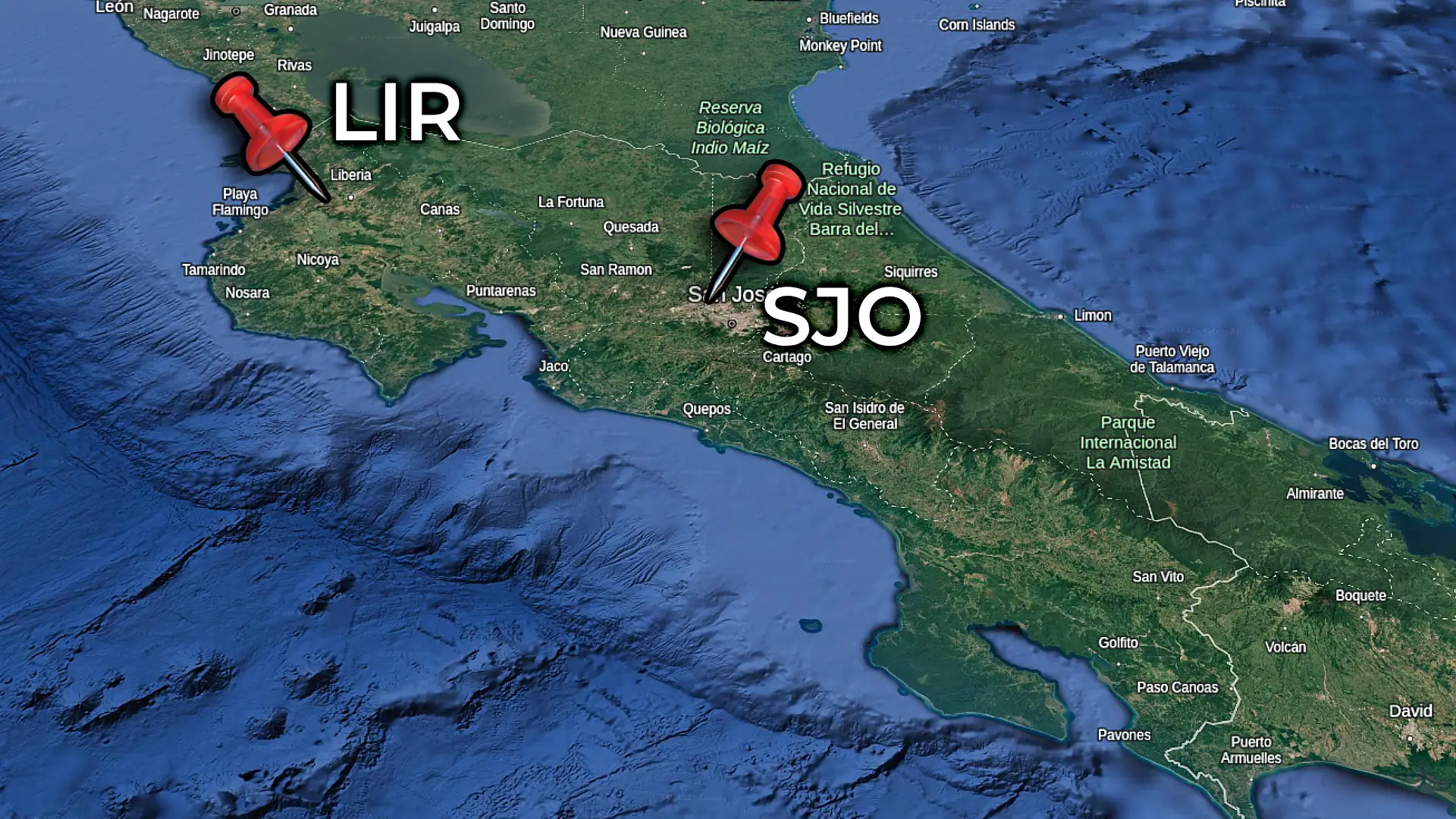
    Costa Rica has two main international airports that put you close to different parts of the country. You’ll find Juan Santamaría International Airport (SJO) in Alajuela near the capital city, while Daniel Oduber Quirós International Airport (LIR) in Liberia gets you straight to the beaches of Guanacaste. Which airport you pick will affect your travel time and shape your route through Costa Rica.

    From SJO in the Central Valley near San José, you can quickly reach Manuel Antonio, Jacó, and the southern Pacific coast. If you’re heading to beach towns like Tamarindo or Playas del Coco, flying into LIR cuts your drive time from 5 hours to just 1 hour. Most European flights land at SJO, while LIR sees more traffic from the US and Canada, especially during high season.

    You can also hop on SANSA Airlines from either airport to reach smaller spots around Costa Rica. Their planes fly to places like Nosara, Quepos, and La Fortuna – turning long car rides into quick flights. These local flights make it easier to see more of Costa Rica, letting you spend less time on the road and more time exploring.

    airports in costa rica

    Map of Costa Rica showing the relative locations of the international airports.

    Table Of Contents

    Estimated Reading Time: 20 Minutes

    SJO – Juan Santamaria International Airport

    Juan Santamaria International Airport (SJO) brings you right into center of Costa Rica. It’s only about a 20 minute drive to central San Jose. This airport handles about 5 million passengers each year and has direct flights from cities in North America and Europe. You’ll find food shops, money exchange, rental cars, and tour operators right in the terminal.

    The airport is right between the beach towns of the Central Pacific and the Caribbean coast. It’s a great option for trips to either coast. Most flights land in the morning or early afternoon, so you’ll have time to depart for your destination before it gets dark.

    Why Fly Into SJO

    Flying into SJO puts you closer to many of Costa Rica’s popular spots. You can reach the surf town of Jaco in about 2 hours. A bit farther, you can reach Manuel Antonio in 3 hours. The Caribbean coast towns of Puerto Viejo and Cahuita are 4 hours east, all on well maintained highways.

    The roads from SJO spread out in all directions, so you’ll also be able to drive south to the region of Perez Zeledon or north to La Fortuna. If you’re planning to visit multiple areas during your trip, starting at SJO lets you make a loop through the country without backtracking.

    Accommodation Options Nearby

    The areas around SJO have hotels for every budget, from $30 rooms to luxury resorts. Escazu is a town 15 minutes from the airport, and has high-end options like the Marriott and InterContinental, plus great restaurants and the boutique shopping center – Multiplaza.

    Right next to the airport, you’ll find cheaper places to stay in La Garita and Alajuela. These spots work well for late arrivals or early departures. Many include breakfast and have restaurants within walking distance. One option that I enjoy staying at is a 5 minute drive from the airport, featured in this video:

    Flights from Europe

    SJO gets daily flights from major European cities like London, Paris, Madrid, and Frankfurt. These flights usually land in the afternoon, making connections to other parts of Costa Rica easy to plan. The airport has special immigration lines for international arrivals, speeding up the entry process during peak times.

    The European routes to SJO run year-round, unlike some seasonal flights to LIR. This consistent schedule makes SJO more reliable for planning trips, especially during shoulder season. Most European carriers partner with local airlines, letting you book your whole trip, including domestic flights, on one ticket.

    travel-backpack-costa-rica

    I use this sling backpack when I’m travelling in Costa Rica. It has a zipper lock to secure your stuff. I like the sling as I can flip the bag to the front for easy access.

    LIR – Daniel Oduber Quiros International Airport

    Daniel Oduber Quiros International Airport (LIR) in Liberia connects you directly to Guanacaste’s beach destinations. This modern airport expanded in 2012 to handle more international flights. It has comfortable facilities with air conditioning, duty-free shopping and several food options.

    The terminal design is simple enough and usually pretty quick. It’s a straight walk from your plane through immigration to baggage claim and customs. Many hotels in Guanacaste arrange shuttle service directly from LIR. All the major rental car companies have desks in the terminal and offices nearby the airport.

    Why Fly Into LIR

    Flying into LIR puts you within an hour from popular beach towns like Tamarindo, Playa Flamingo, and Playas del Coco. The roads from Liberia are well maintained and clearly marked. This makes it easy to navigate to your destinations at the beach. You can also reach the cloud forests in Monteverde in about 3 hours.

    La Fortuna and Arenal Volcano are also about 3 hours from LIR on well maintained and rarely busy highways. While SJO is slightly closer to these attractions, LIR works well if you’re combining Arenal with beach time in Guanacaste.

    Accommodation Options

    You can find several hotels within 5 minutes of LIR, perfect for late arrivals or early departures. The Hilton Garden Inn is right beside the terminal, while budget options in Liberia town are just 15 minutes away.

    Many of these airport hotels offer free shuttles and have restaurants on site. The city of Liberia is close by, giving you access to restaurants, supermarkets, and medical facilities if needed. Here’s a video tour featuring my favorite budget spot in Liberia:

    Seasonal Flights

    Liberia sees a big jump in flights during high season (December to April) when airlines add routes from Canada and the US. Airlines like United, American, and Air Canada increase their service during this time. Some others like Air Tranat only fly to Liberia during these peak months.

    During low season, you’ll find fewer direct flight options but often at better prices. Major US hubs like Miami, Houston, and Atlanta maintain year-round service to Liberia. The airport stays quieter than San Jose, meaning you can usually expect a shorter line at immigration.

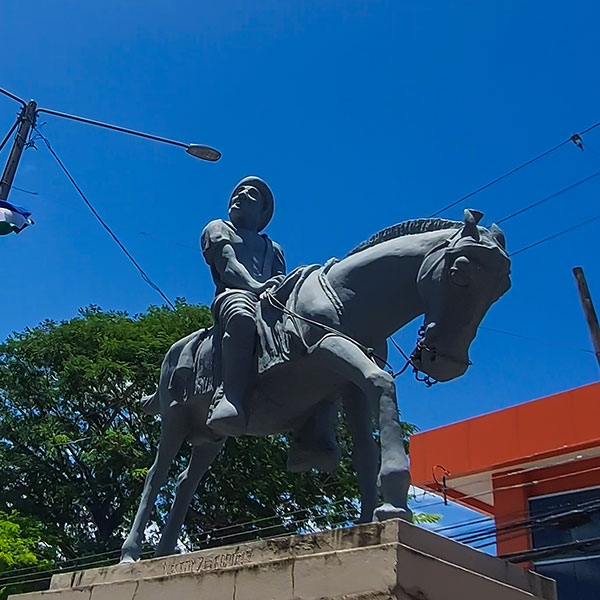
    liberia costa rica

    A cool statue located along the main street going into Liberia.

    Regional Flights

    SANSA is a regional airline flies small planes to smaller cities in Costa Rica, from both international airports. They use smaller Cessnas that fly lower than big jets, so you get amazing views of the landscape below. Most flights cost between $100-200 depending on where you’re going and what time of year you book.

    As their planes are smaller, you can’t bring as much as you can on a jet. Each person gets one small carry-on and one checked bag. They’ll weigh you and your bags right at check-in. If you show up with too much stuff, you’ll either pay extra or need to leave things behind.

    Finding the SANSA terminal is easy. At San Jose airport, it’s right beside the main terminal. In Liberia, it’s a short distance outside the terminal to their separate building. Make sure you get there an hour early. Most flights take off in the morning because the weather’s usually better then.

    Nosara

     You can catch a SANSA flight from Liberia to Nosara for about $130. It’s a quick 30 minute flight that will save you from 4 hour drive. The last driving stretch into Nosara is quite bumpy. The Nosara airstrip is right in town, just a few minutes from the beach.

    Nosara is a chill surf town with dirt roads and plenty of yoga studios. The beaches here stay quiet because there’s no big development right on the water. That is, except for sunset when all the surfers in town descend on the beach. You’ll find most restaurants and shops in the Guiones area. Here’s a walking tour that shows you around:

    Tamarindo

    Flights to Tamarindo from San Jose are about $160. The flight takes about 45 minutes, compared to a 4-5 hour drive. The local airport is small and is only about 5 minutes drive from downtown Tamarindo.

    Tamarindo is one of the busier beach towns in Guanacaste. It has a main strip along the beach with shops, restaurants, and bars. The waves here work for both beginner and experienced surfers. Check out this walking tour of the town:

    Quepos (Manuel Antonio)

    San Jose to Quepos costs around $100 and takes about 30 minutes. The Quepos airport is right outside town. If you’re heading to Manuel Antonio, you can grab a taxi which will take 15 minutes.

    Quepos is the closest town to Manuel Antonio National Park. The town has a marina, plenty of restaurants, and a busy main street. Most tourists stay up on the hill between Quepos and Manuel Antonio beach. Here’s a tour of the area:

    La Fortuna

    Flying from Liberia to La Fortuna costs about $190 and takes 40 minutes. You land at a small airport about 10 minutes from downtown La Fortuna.

    La Fortuna sits at the base of Arenal Volcano. It’s the main hub for activities like hot springs, waterfall hikes, and volcano tours. The town has plenty of hotels and restaurants right in the center. Here’s a walking tour around La Fortuna:

    water shoes for exploring costa rica

    Pick up a pair of these awesome water shoes. I’ve been using them all over Costa Rica during my travels. They have vented soles so water drains right out the bottom! 

    Follow Us

    Keep up with our latest Costa Rica travel videos and guides by subscribing to our YouTube channel. We regularly post new content showing real conditions across different regions and seasons. Leave a comment with your Costa Rica travel questions – we’re happy to help plan your perfect time to visit.

    FAQ About Costa Rica Airports & Flights

    Q: Which Costa Rica airport is better – SJO or LIR?

    A: It depends where you’re going. SJO is better for Manuel Antonio, the Caribbean coast, and southern Costa Rica. LIR is better for Guanacaste beaches like Tamarindo and Playas del Coco. For La Fortuna/Arenal, both airports work since it’s about 3 hours from either one.

    Q: How long should I allow for immigration at the airports?

    A: SJO typically takes 30-45 minutes during peak times. LIR is usually quicker, around 15-20 minutes. Both airports can be much faster in low season or if you arrive when no other flights are landing.

    Q: Do I need to arrange airport transportation in advance?

    A: Yes, especially if you’re arriving at night. Both airports have official taxi stands, but shuttle services and private transfers often cost the same or less. Most car rental companies have desks at both airports but might close early.

    Q: Is it worth taking regional flights within Costa Rica?

    A: If you’re short on time or want to avoid long drives on mountain roads, yes. SANSA flights save hours of travel time. But they’re more expensive than driving and have strict baggage limits. For example, a 4-hour drive to Tamarindo becomes a 45-minute flight.

    Q: What’s the best time of year to find cheap flights to Costa Rica?

    A: Low season (May to November) usually has better deals, especially to LIR. European carriers fly to SJO year-round with consistent pricing. More North American airlines add routes to LIR in high season (December to April), but prices go up.

    Q: Can I fly between different regions of Costa Rica?

    A: Yes, SANSA connects major tourist spots like Tamarindo, Quepos, and La Fortuna. Flights run mostly in the morning and cost between $100-200. You can’t fly between SJO and LIR though – that’s a 4-5 hour drive.

    Q: Do I need to book regional flights in advance?

    A: Yes, especially in high season. SANSA uses small planes with only 13 seats, and popular routes often sell out. You’ll also get better prices booking early. If you’re flexible, sometimes you can find last-minute deals in low season.

  • Colonial Costa Rica: Three City Walking Guide

    Colonial Costa Rica: Three City Walking Guide

    Costa Rica’s original colonial centers offer a glimpse into the country’s past through preserved architecture, historic plazas, and traditional markets. Three cities in the Central Valley – Cartago, San Jose, and Heredia – each tell different stories about the nation’s development from colonial times through modern growth.

    The original capital Cartago maintains its religious heritage centered around the Basilica. San Jose shows how the coffee boom transformed a small town into a bustling capital with grand theaters and public spaces. Heredia preserves its university town character with colonial buildings around a traditional central park.

    These walking routes connect historic sites while passing through active city centers where daily life continues among colonial architecture. Each city offers distinct perspectives on Costa Rican culture, from Cartago’s pilgrimage traditions to San Jose’s theater district to Heredia’s student life mixed with coffee history.

    Travel Tip: You don’t need to buy a SIM card when you land in Costa Rica to get data connection. With an eSIM, you’ll be able to configure your data connection before you depart for your vacation. I use the Saily eSIM in Costa Rica.

    Cartago

    Cartago’s historic center preserves Costa Rica’s original colonial capital, where narrow streets lead to landmark buildings and traditional markets. The walking route starts at the iconic Basilica of Our Lady of the Angels, a masterpiece of religious architecture that draws pilgrims from across the country.

    The city’s grid layout makes exploration easy, with most historic sites within a few blocks of the central plaza. Notable stops include the ruins of Santiago Apostol Parish, destroyed in the 1910 earthquake but preserved as a public park, the Municipal Museum’s colonial exhibits, and the central market where local life continues much as it has for generations.

    Where to Stay in Cartago


    The Historic Center

    Several small hotels operate near the Basilica, giving easy walking access to main attractions. This area offers the full historic atmosphere with morning church bells and market sounds. Most accommodations here provide basic but clean rooms in restored buildings, ideal for pilgrims and history enthusiasts.

    The Western Zone

    Modern hotels line the main highway entering Cartago, about 10-15 minutes walking from downtown. These offer standard amenities like parking, wifi, and restaurants on site. The area provides quick access to both historic sites and shopping centers, with regular buses passing to downtown.

    The Orosi Road Area

    Just outside town on the road to Orosi Valley, several boutique hotels and B&Bs offer mountain views and cooler temperatures. While requiring transport to reach downtown, these properties provide peaceful settings and easy access to both city sites and valley attractions.

    cartago market

    Things to Do in Cartago


    The Municipal Museum (Free Entry)

    Located in colonial-era building near central park, this free museum displays city history through artifacts and photographs. The exhibits show Cartago’s evolution from colonial capital through earthquake rebuilding. Local art exhibitions rotate through regularly.

    Santiago Apostol Ruins

    The preserved ruins of the original parish church create a peaceful park in city center. Stone walls and arches remain from the 1910 earthquake, now surrounding gardens and walkways. Good spot for photos and understanding local history.

    Central Market

    Traditional market building houses local food vendors and small restaurants. Morning hours bring produce sellers and coffee shops to life. Try traditional meals at food stalls or shop for local products.

    Downtown San Jose

    San Jose’s historic center spans roughly 20 blocks, where colonial architecture meets modern city life around the pedestrian boulevards of Central Avenue. The walking area connects major landmarks like the National Theater, Central Market, and various museums, each telling different parts of Costa Rica’s development from small coffee town to capital city.

    The heart of downtown centers on Plaza Culture, where the underground Gold Museum and the iconic National Theater anchor the historic district. From here, pedestrian zones branch out to historic neighborhoods, busy markets, and plazas where locals gather throughout the day. The grid system makes navigation simple, with most attractions within a few blocks of Central Avenue.

    Where to Stay in San Jose

    Downtown Historic District

    Located around National Theater and Plaza Culture, this area puts you walking distance to main museums and historic sites. Hotels range from restored historic buildings to modern business hotels. Best for cultural activities and market visits. Active during day, quieter at night.

    Barrio Amon/Otoya

    Historic neighborhoods filled with restored mansions from coffee baron era. Boutique hotels and B&Bs operate in converted Victorian homes. Tree-lined streets good for walking. Close to downtown but quieter atmosphere. Popular with architecture enthusiasts.

    In the video, I show a budget but very nice hotel option in this neighborhood.

    Paseo Colon Area

    Modern hotel zone along wide avenue west of downtown. Major chain hotels offer full amenities. Easy access to both historic center and western suburbs. Good transport connections. Business district atmosphere with restaurants and services nearby.

    downtown san jose

    Things to Do in Downtown San Jose

    Jade Museum Experience

    Located in modern six-story building near Plaza Democracia, this museum houses Central America’s largest collection of pre-Columbian jade. Each floor tells different stories about ancient life, from spiritual practices to daily tools. Interactive displays and dramatic lighting bring artifacts to life, while top floor offers city views.

    Historic Buildings Walking Route

    Start at National Theater’s ornate façade, then explore surrounding historic structures. Notable stops include Gran Hotel Costa Rica, Post Office Building, and Metropolitan Cathedral. Many buildings showcase different architectural periods, from colonial era through coffee boom years. Yellow plaques on buildings detail historical significance.

    Barrio California Night Scene

    East of downtown, this neighborhood transforms evenings into San Jose’s main social district. Local bars, live music venues, and restaurants fill restored buildings. Area stays active until late, especially Thursday through Saturday. Mix of traditional bars and modern craft beer spots. Good area for meeting locals and experiencing urban culture.

    Heredia

    Heredia’s historic center clusters around Central Park, where the colonial-era church towers above one of Costa Rica’s best-preserved traditional plazas. Known as the “City of Flowers,” Heredia maintains its university town character while preserving architecture from its coffee-growing golden age.

    The walkable downtown grid connects historic sites with modern student life, as the National University’s influence spreads through surrounding streets. Coffee processing plants converted to cultural spaces, colonial buildings housing cafes, and traditional markets still serving local produce create a mix of old and new Costa Rica. The central area’s layout makes it easy to explore by foot, with most points of interest within a few blocks of the main square.

    Where to Stay in Heredia

    Central Historic District

    Surrounding Central Park and the historic church, small hotels operate in restored buildings. Perfect for exploring colonial architecture and market areas by foot. University atmosphere keeps area lively during day. Most accommodations offer basic but comfortable rooms with traditional character.
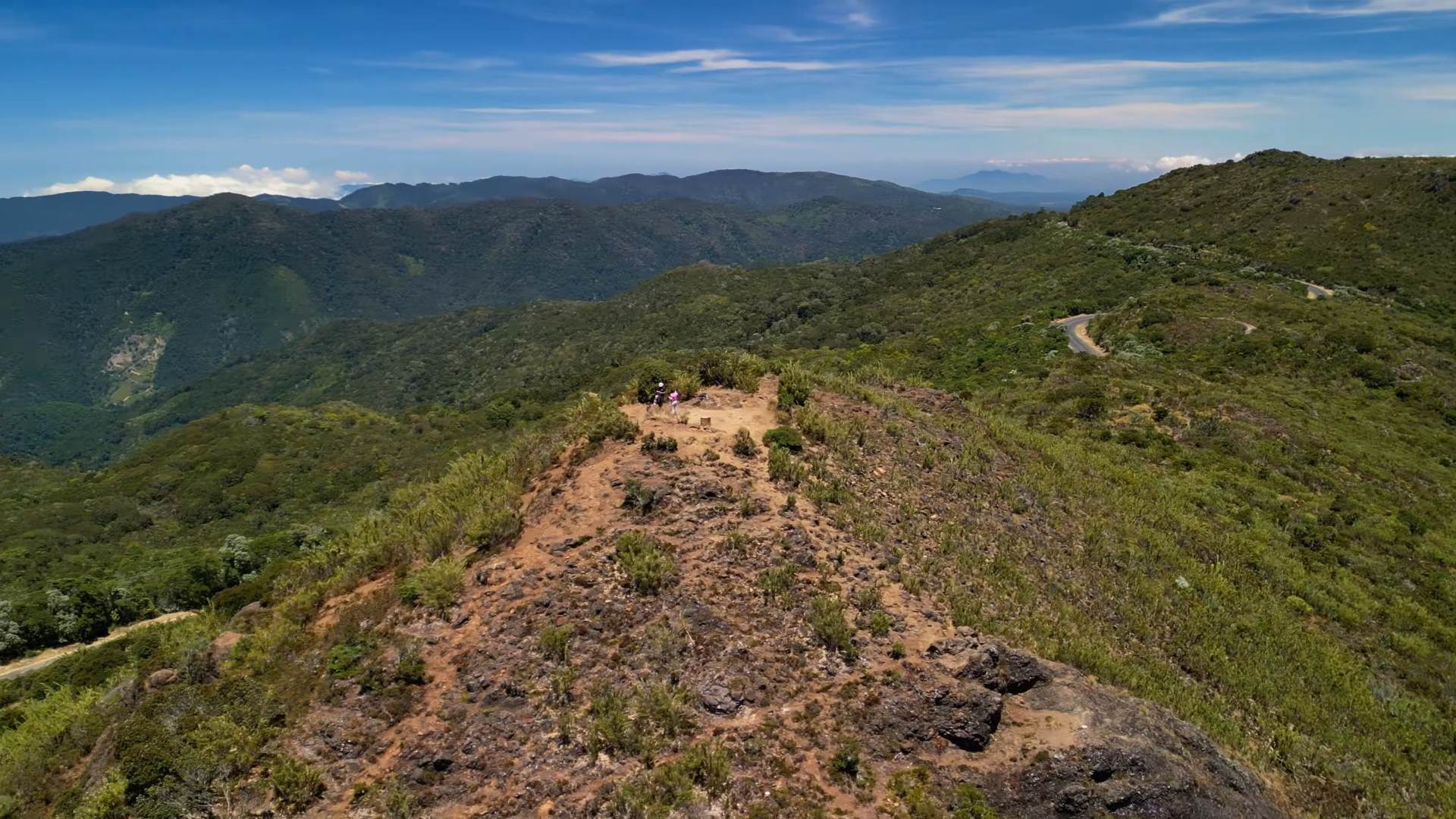
    University Zone

    Near National University, modern hotels cater to visiting academics and families. Walking distance to both campus and historic center. Student-friendly cafes and restaurants nearby. More residential feeling than downtown, but still convenient to attractions.

    Western Heredia

    Newer hotels along the highway to San Joaquin offer modern amenities and mountain views. Quick bus or taxi ride to center. Close to shopping malls and business district. Good base for exploring both city and surrounding coffee towns.
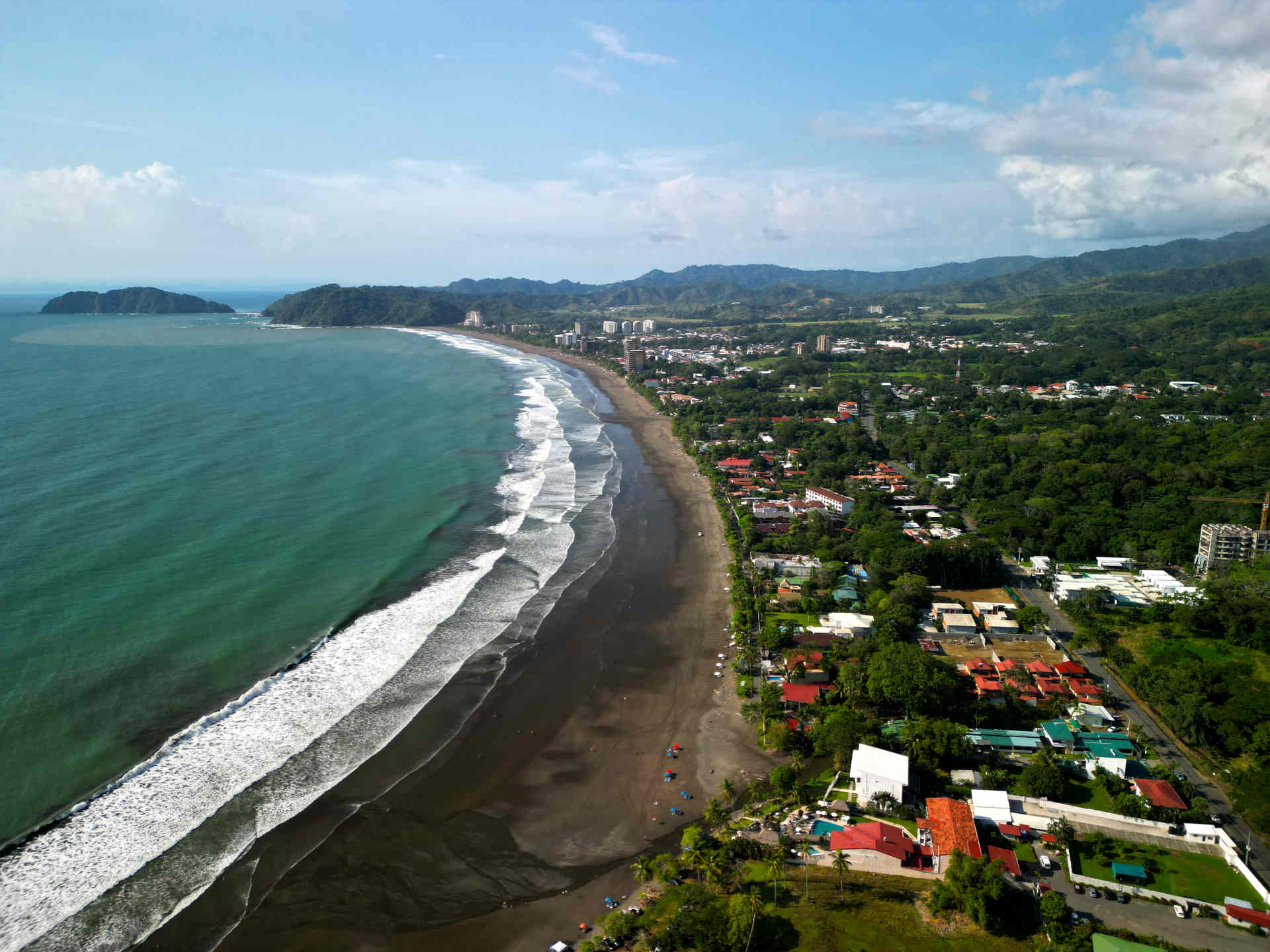
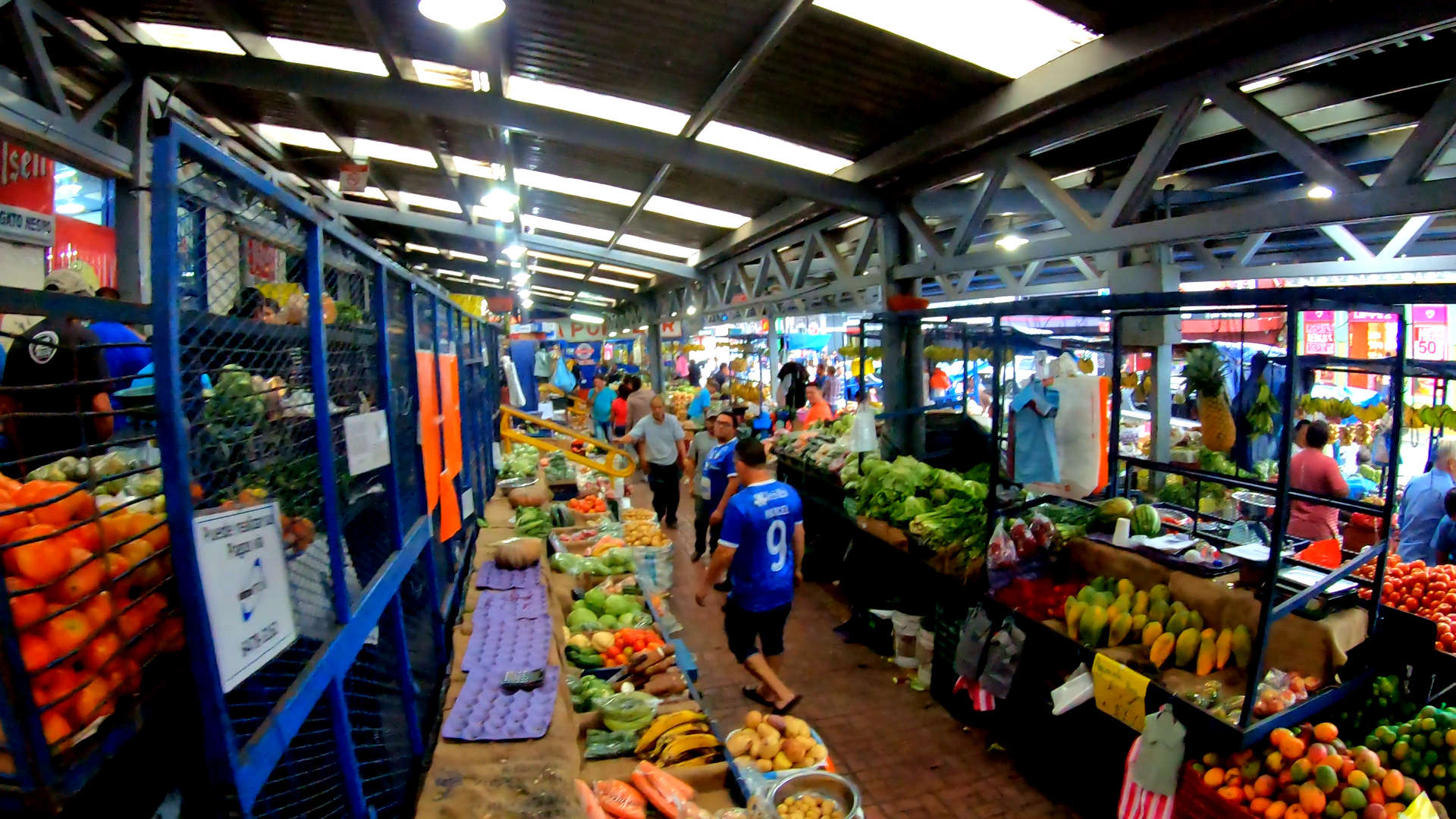
    heredia market

    Things to Do in Heredia

    Central Market Experience

    Located one block from main square, Heredia’s traditional market buzzes with local life. Morning hours bring produce vendors, small food courts serving traditional breakfast, and coffee sellers. The covered market maintains original architecture while housing modern shops. Best visited early when locals do their shopping.

    Historic Church and Central Park

    The colonial-era Inmaculada Concepcion Church dominates the plaza with its unique architecture and earthquake-resistant design. The surrounding park serves as the city’s social center, where students and locals gather throughout the day. Traditional architecture frames all four sides of plaza.

    University Cultural Center

    The National University campus includes several museums and cultural spaces open to public. Former buildings from coffee processing era now house art galleries and performance spaces. Regular events and exhibitions showcase student and local talent.

    Ambient Walking Tour

    Check out our Ambient Costa Rica channel for a walking tour of downtown Heredia. These videos are great for virtual treadmill walks, or to just get the sense of the town.

    These three historic cities in Costa Rica’s Central Valley each offer unique perspectives on the country’s colonial and cultural heritage. Cartago maintains its religious significance centered around the basilica, while San Jose’s museums and theaters showcase the nation’s artistic growth, and Heredia preserves its scholarly character around the university.

    All three cities are easily walkable, with well-preserved historic districts that tell different parts of Costa Rica’s story. Whether exploring religious architecture in Cartago, cultural institutions in San Jose, or coffee history in Heredia, each city provides distinct walking experiences through Costa Rica’s past and present.

    Follow Us!

    Be sure to Subscribe to our Youtube Channel, and leave a comment with your thoughts about this location or request a video in other cool destinations around Costa Rica.

    GAM (Greater Metropolitan Area) San Jose FAQ: Urban Guide

    Q: What is the GAM?
    A: Greater Metropolitan Area includes San Jose, Alajuela, Heredia, and Cartago cities. Spans central valley region. Main population center of Costa Rica. Major business and cultural hub.

    Q: How’s transportation in GAM?
    A: Public buses connect all cities. Train service weekday rush hours. Major highways link areas. Taxis operate throughout. Ride shares available. Walking good in city centers.

    Q: What facilities exist?
    A: Complete urban services: Major hospitals, Shopping malls, Universities, International airport, Government offices, Banking centers, Cultural venues.

    Q: What makes GAM unique?
    A: Mountain valley setting. Coffee regions surround cities. Mix of colonial and modern. Cultural center of country. International business hub. Educational center.

    Q: How’s weather different?
    A: Cooler than coast (15-25°C). Morning sun common. Afternoon clouds typical. Less rain than other regions. Year-round spring climate. Mountain breezes.

    Q: What activities exist?
    A: Cultural events, Shopping districts, Historic tours, Coffee tours, Museum visits, Theater shows, Sports events, University activities.

    Q: When to visit?
    A: Year-round moderate climate. Dry season (December-April) most reliable. Cultural events throughout year. Rush hours busy weekdays. Weekend markets active.

  • Top Hiking Trails In Costa Rica

    Top Hiking Trails In Costa Rica

    Hiking in Costa Rica means watching the landscape change as you move through different elevations. Each altitude brings its own climate, creating pockets where specific plants and animals have made their homes. The southern Pacific region shows this off well, with trails running from beach level up into the high mountain passes.

    The microclimates here shape how you hike. Early starts help with coastal heat, while mountain trails need planning around afternoon clouds. Weather patterns change fast with elevation – you might need sunscreen and a rain jacket in the same backpack. Wildlife adapts to these changes too, with different birds and animals active at each level.

    These elevation shifts mean you’ll see something different on every hike. Beach trails have their morning monkey troops and macaw flocks. Mid-elevation paths wind through dense forest where oaks and wild avocados grow. The highest trails break through the treeline into open air where winds sweep across mountain peaks. Each trail tells its own story about how Costa Rica’s mountains meet the sea.

    trail shoes for costa rica

    I use these versatile trail runners on my hikes in Costa Rica. The aggressive grip tackles steep terrain while maintaining comfort for long days on mountain paths.

    El Miro: Jaco’s Hidden Viewpoint Trail

    jaco hike

    The El Miro trail starts at the south end of Jaco beach, climbing steeply through forest to a dramatic clifftop viewpoint. From here, the entire curve of Jaco Bay stretches north, while the coastline south towards Playa Hermosa disappears into the distance. The morning light shows surfers catching waves below, while late afternoon brings spectacular sunsets.

    Getting to the trailhead takes just minutes from central Jaco. Park near the south beach access, where a marked path leads into the trees. The climb takes 30-45 minutes, with some rope-assisted sections on the steeper parts. Early morning or late afternoon hikes avoid the midday heat.

    This short but rewarding hike offers a completely different perspective on Jaco. While most visitors stick to the beach, this elevated viewpoint reveals how the mountains meet the Pacific. Macaws often fly past at eye level, and the breeze at the top provides relief from the beach heat below.

    jaco hike location

    This hike is located at the south end of Jaco beach. You’ll cross the main highway and find the entrance across from Puddlefish.

    At a brisk pace the hike will take 20 – 30 minutes. You can take some stops to spot wildlife and enjoy the art, and spend about 1 hour on the trail.

    The trail is mostly moderate with a couple washed out areas that are rutted. Not recommended for those with mobility issues. Children can complete the hike under supervision.

    Early morning before the heat or 2-3 hours before sunset for best views. Sunrise offers clearest ocean views, while sunset provides dramatic lighting across Jaco bay.

    Water bottle, good walking shoes, camera for views. Phone for safety. Small backpack useful.

    Hike with others when possible. Tell someone your plans. Watch footing on steep sections. Bring water even for short hike. Return before dark if hiking for sunset.

    El Ascensión: Cloud Forest Peak Trail

    muerte

    The trail starts near the Pan-American Highway’s highest point, where clouds regularly sweep across the continental divide. This high-altitude hike offers rare access to Costa Rica’s páramo ecosystem, where stunted trees and unique vegetation adapt to life at 3,300 meters (11,000 feet).

    Hidden behind a small restaurant at the mountain pass, this trail climbs through cloud forest before emerging into open páramo landscape. The stark transition from dense forest to alpine-like conditions shows how elevation shapes Costa Rica’s diverse environments.

    The summit trail reveals both Caribbean and Pacific slopes on clear mornings, though clouds often roll in by mid-day. This ecosystem hosts unique highland species like the volcano junco and timberline wren, found nowhere else in Costa Rica.

    cerro de la muerte hike

    Located at KM 89 of the Pan-American Highway (Cerro de la Muerte). There’s a wide parking area at the roadside. Trailhead starts at the road with 3,300 meters of elevation.

    20 – 30 minutes to reach the summit at a steady pace. Plan for 1-2 hours total to enjoy views and return. Extra time needed for photography and bird watching.

    High altitude makes this moderate trail more challenging. Some steep/very vertical sections near top. Trail clearly marked but rocky in parts. Take time to adjust to elevation before starting.

    Early morning before clouds roll in (usually by 10 AM). Check weather as conditions change quickly. Clearest views December-April. Bring warm layers any time of year.

    Warm jacket and layers (temps can drop below 10°C), hiking shoes with good grip, water, snacks, camera. Rain gear recommended year-round. Hat and sunscreen despite cool temps.

    Watch for altitude symptoms. Start slow and stay hydrated. Tell someone your plans. Check weather before starting. Cell service available at trailhead. Return if weather turns bad.

    Los Gigantes: Valley View Trail

    gigantes

    High in the mountains above San Isidro del General, the Los Gigantes trail network winds through working coffee farms into pristine forest. The trails offer sweeping views across the Perez Zeledon valley, where on clear days you can see all the way to the Pacific Ocean.

    These paths started as coffee farm access routes but have evolved into maintained hiking trails. As you climb, the landscape shifts from sun-drenched coffee plants to cool forest shade. The elevation gain reveals how the valley’s patchwork of farms gives way to forest-covered peaks.

    Multiple viewpoints along the way showcase the region’s agricultural heritage. Morning fog often fills the valley below before burning off to reveal the expanse of San Isidro and the surrounding mountains. Local farmers still use parts of these trails, making this a unique mix of working land and natural space.

    gigantes screenshot

    Located in Perez Zeledon’s mountain region. Turn off the Inter-American Highway at San Isidro, follow signs toward Cerro Chirripo. Trail network starts near the community of Quebradas.

    Main loop takes 2-3 hours at steady pace. Multiple trail options ranging from 1-4 hours. Worth taking time at viewpoints and rest areas.

    Moderate with steady elevation gain. Well-maintained trails through farms and forest. Some steeper sections but regular rest spots available. Good for varied skill levels. You can drive to the top and walk across mostly level terrain to the giant trees.

    Early morning before heat and for best valley views. Clouds typically move in afternoon. Dry season (December-April) offers clearest visibility.

    Water, sun protection, light jacket for elevation, good walking shoes, camera for views, snacks. Cash for local stores if needed.

    Tell someone your plans. Stay on marked trails to respect farm boundaries. Watch weather as afternoon rains common. Carry enough water as sources limited.

    Subscribe For More

    These three hikes show different sides of Costa Rica’s southern Pacific region, each offering unique views and experiences. From beach town overlooks to high mountain passes, and agricultural valleys, the diversity of landscapes here creates endless hiking possibilities.

    Remember that conditions change throughout the year, so checking recent trail reports helps with planning. Each of these hikes works well as a half-day adventure, leaving time to explore the surrounding areas.

    Subscribe to the YouTube channel for more Costa Rica hiking videos, trail updates, and hidden spots across the southern Pacific region.

  • Guide To Jaco: Surfing & Nightlife

    Guide To Jaco: Surfing & Nightlife

    Welcome to Jacó, Costa Rica, a vibrant coastal town along the Pacific that’s gaining popularity for its sun, surf, and adventure. Located about 55 miles southwest of San Jose, Jacó is a popular locations for beach enthusiasts and outdoor seekers. With its easily accessible location, Jacó is a busy town. From great surfing waves to lush hikes through mountain landscapes, Jacó offers a adventure without straying too far from the beaten path.

    In this blog post, we’ll show some things to do in and around Jacó. There’s lots of places to stay, nearby beaches and hikes to enjoy. Check out our Shop Page with some necessities for your trip.

    jaco drone photo

    The Main Strip

    Jacó’s main strip is a very busy road that runs parallel along the beach. You’ll find it to be vibrant and varied, with restaurants serving both Costa Rican and international dishes. There’s plenty of quick/fast food options to fill up during your day at the beach. At night, you’ll find many sit down restaurants with varying price points.

    If you need groceries, check out Mas x Menos. This supermarket is owned by Walmart and is essential a mini one. Grab all your essentials for the beach, or to cook dinner. It’s located right downtown.

    I suggest carrying local currency while you’re vacationing in Costa Rica. Some street vendors and small shops don’t accept credit card. To pull out cash, I usually go to the national bank called ‘BN’, which is Banco Nacional. They have always been reliable and have very low fees to take cash out of a credit card. The BN in Jacó is on the main strip of the town as well.

    While I’m travelling in Costa Rica, I use a secure sling backpack. I like the confidence of being able to lock my stuff in my pack, and the convenience of being able to pull the bag to the front. Check this one out on Amazon.

    water shoes for exploring costa rica

    Pick up a pair of these awesome water shoes. I’ve been using them all over Costa Rica during my travels. They have vented soles so water drains right out the bottom! 

    Where To Stay

    Heading down to the southern stretch of Jacó Beach, you’ll discover a chill spot where the waves are more mellow, making it great for swimming and just soaking. It’s also better for young kids to jump in the ocean. There’s loads of places to stay at this end of the beach. You can find boutique hotels, family friendly developments with pools, and large houses. The south end of the beach is great for relaxing and walking into town for the excitement when you’d like.

    If you’re a beginner looking for surfing lessons, the south end of Jacó is likely where you’ll start. The easier, rolling waves are great to learn how to get your footing and positioning on the board. If you have a accommodations in the south end of the beach, you can simply rent a surf board and you can practice as much as you’d like.

    The Crocodile Bridge

    Just a short drive from Jacó, the Crocodile Bridge in Costa Rica is a fun and free place to stop and see these massive creatures. It’s on the highway from the San Jose Airport, before you arrive in Jacó. This bridge spans the Tarcoles River, which is a larger and murkier river than some others. Along the riverbanks you can spot crocodiles of lengths up to 15 feet. They bask in the sun, creating great opportunities for photos. It’s a unique opportunity to safely witness these cool creatures.

    If you decide to stop for a bit longer at the bridge, you’ll find an assortment of dining options. I’ll often grab a locally sourced coffee and the cafe. You can also find a ‘POPS’, which is a ice cream shop that is present throughout all of Costa Rica.

    Hike To El Miro

    Situated right in Jacó, the El Miro hike is great workout, and a great way to see nature. Along the trail, you will often see animals like scarlet macaws, toucans and even monkeys. Be sure to bring a camera or phone that can zoom in, as they’re often in the dense brush high in the trees.

    The trail is long, but not especially steep or difficult in terrain. Be sure to bring water along with you, enough for a couple hours of activity. Kids can easily complete to journey to the lookout at the top, it’ll just take a little longer. Grab a snack a Mas x Menos before heading out with them.

    The highlight of the El Miro hike is the chance to explore an abandoned house at the top of the hill. This structure offers a unique vantage point, providing an excellent view of Jacó Beach and the surrounding area. There’s cool graffiti painted all over this abandoned house, some of which is very incredible art. 

    When I’m doing hikes like this, I prefer to bring hiking running shoes. I find that boots would be too heavy for the simple paths, but I still like some additional grip. Try these Saucony Trail Runners, available on Amazon.

    Relax At Esterillos Oeste

    Just a short drive from Jacó to the south you’ll find the beach town of Esterillos Oeste.  It’s a laid-back coastal beach with its own unique charm. This beach town is easily accessible, making it a convenient destination for realxation away from Jacó. Esterillos Oeste known for its iconic landmark — the mermaid sculpture off shore in the tidepools. At low tide, you can walk right out to the statue for some great pictures. Tidepools are also great for little ones to swim in and try to spot tiny fish.

    If you have a rental car, Esterillos Oeste is a great option to rent a place. This way, you can head into Jacó, or south to Quepos whenever you feel. You’ll be able to relax on a tranquil beach for most of your trip.

    Follow Us!

    Be sure to Subscribe to our Youtube Channel, and leave a comment with your thoughts about this location or request a video in other cool destinations around Costa Rica.


    FAQ For Visiting Jaco

    1. Where is Jaco located?

    Jaco is located on the Pacific coast of Costa Rica, approximately 55 miles southwest of San Jose, in the Puntarenas province.

    2. What is there to do on Jaco’s main strip?

    Jaco’s main strip offers a variety of local and international restaurants, shops, and a vibrant atmosphere perfect for exploring Costa Rican culture and cuisine.

    3. Where should I stay in Jaco?

    Options range from cozy beachfront spots to family-friendly rentals and boutique hotels, especially around the southern stretch of Jaco Beach, which is ideal for a laid-back experience.

    4. What surfing opportunities are available in Jaco?

    The south end of Jaco Beach is perfect for beginners with its mellow waves, making it an excellent spot for taking surfing lessons and practicing.

    5. What can I see at the Crocodile Bridge?
    Just a short drive from Jaco, the Crocodile Bridge spans the Tarcoles River, where you can safely view large crocodiles sunbathing along the riverbanks.

    6. What is the El Miro hike?
    The El Miro hike in Jaco offers a well-marked trail suitable for all skill levels, featuring potential sightings of monkeys and toucans and ending at an abandoned house with panoramic views of Jaco Beach.

    7. What is special about Esterillos Oeste?
    Esterillos Oeste is a laid-back beach town near Jaco, known for its relaxed vibes and the iconic mermaid sculpture on the shoreline, making it a great spot for a peaceful escape.

  • Cartago: Costa Rica’s Outdoor Hub

    Cartago: Costa Rica’s Outdoor Hub

    Cartago is located in the heart of Costa Rica’s Central Valley. It’s a town rich in history and cultural significance. Surrounded by picturesque mountain landscapes, Cartago offers a unique blend of past and present.

    Located to the east of San José, it will likely take about 1 hour to drive from the Juan Santamaría International Airport to Cartago. This large town is located on the drive towards Limon and Puerto Viejo de Talamanca, which are popular tourism destinations on the Caribbean Coast.

    If you’re visiting Costa Rica for vacation, skip the hassle of finding a SIM Card when you land. Try out a Saily eSIM, which you can program on your phone before you even land. 

    Big Farmers Market

    One of its standout attractions is the large farmers’ market right in the center of town. This is where you can explore an array of fresh produce, artisanal goods, and traditional Costa Rican cuisine. It’s a vibrant hub of activity with shops and vendors to meet every need. Given that it’s right downtown, it’s great to walk through the market and explore the surrounding area.

    In our YouTube video, we start our walking tour at the market so you can get a first hand look at what to expect during your trip to Cartago. Given that it’s in the Central Valley area, you will always be able to find the freshest produce.

    Church Ruins

    At the heart of Cartago’s historical significance lies the ruins of the Santiago Apostol Parish Church. These ancient church was constructed in the early days of Spanish colonization. It was destroyed by earthquakes in the 18th century, and the ruins now stand as a historical monument. Surrounded by gardens, you’ll be able to see the  Irazú Volcano as a backdrop.  

    Cartago’s location, central in the lush landscapes of the Central Valley, also makes it a gateway to exploring the natural wonders of the region. From its vibrant markets to its historical treasures and access to Costa Rica’s beautiful countryside, Cartago invites vacationers to experience the essence of this diverse and captivating country.

    One such location is the valley of Orosi. Just about 20 minutes drive outside of Cartago, this is like the cottage country of Costa Rica. You’ll find abundant coffee plantations, hot springs and incredible landscapes.

    travel-backpack-costa-rica

    I use this sling backpack when I’m travelling in Costa Rica. It has a zipper lock to secure your stuff. I like the sling as I can flip the bag to the front for easy access.

    Follow Us!

    Be sure to Subscribe to our Youtube Channel, and leave a comment with your thoughts about this location or request a video in other cool destinations around Costa Rica.

    Frequently Asked Questions (FAQ) about Cartago, Costa Rica

    How far is Cartago from San José, Costa Rica?
    Cartago is about 25 kilometers (15.5 miles) east of San José. It takes roughly 45 minutes to an hour to drive, depending on traffic.

    What is the best way to get from San José to Cartago?
    You can drive or take a public bus from San José to Cartago. The bus ride typically takes about 45 minutes and is a convenient option for travelers without a car.

    What can I do at the Irazú Volcano?
    Visitors can hike to viewpoints overlooking the craters of Irazú Volcano, where you can enjoy views and spot wildlife like hummingbirds and armadillos​.

    Are there any cultural landmarks to visit in Cartago?
    Yes, you can visit landmarks like the Basilica of Our Lady of the Angels, Las Ruinas de la Parroquia, and the Cartago Municipal Museum​.

    What traditional food can I try in Cartago?
    You can try traditional dishes like “casado,” “gallo pinto,” and “olla de carne.” For dessert, try the “tres leches” cake​.

    Is Cartago a good place for families?
    Yes, Cartago offers family-friendly activities such as exploring the Lankester Botanical Gardens and educational tours at local coffee plantations​.

    Can you visit coffee plantations in Cartago?
    Yes, several coffee plantations offer guided tours where you can learn about the coffee-making process and enjoy tastings​.

    What are the Prusia Forest and Cerro de la Muerte?
    Prusia Forest is part of Irazú Volcano National Park, offering hiking and nature trails. Cerro de la Muerte is a stunning natural area south of Cartago, great for hiking and birdwatching​.