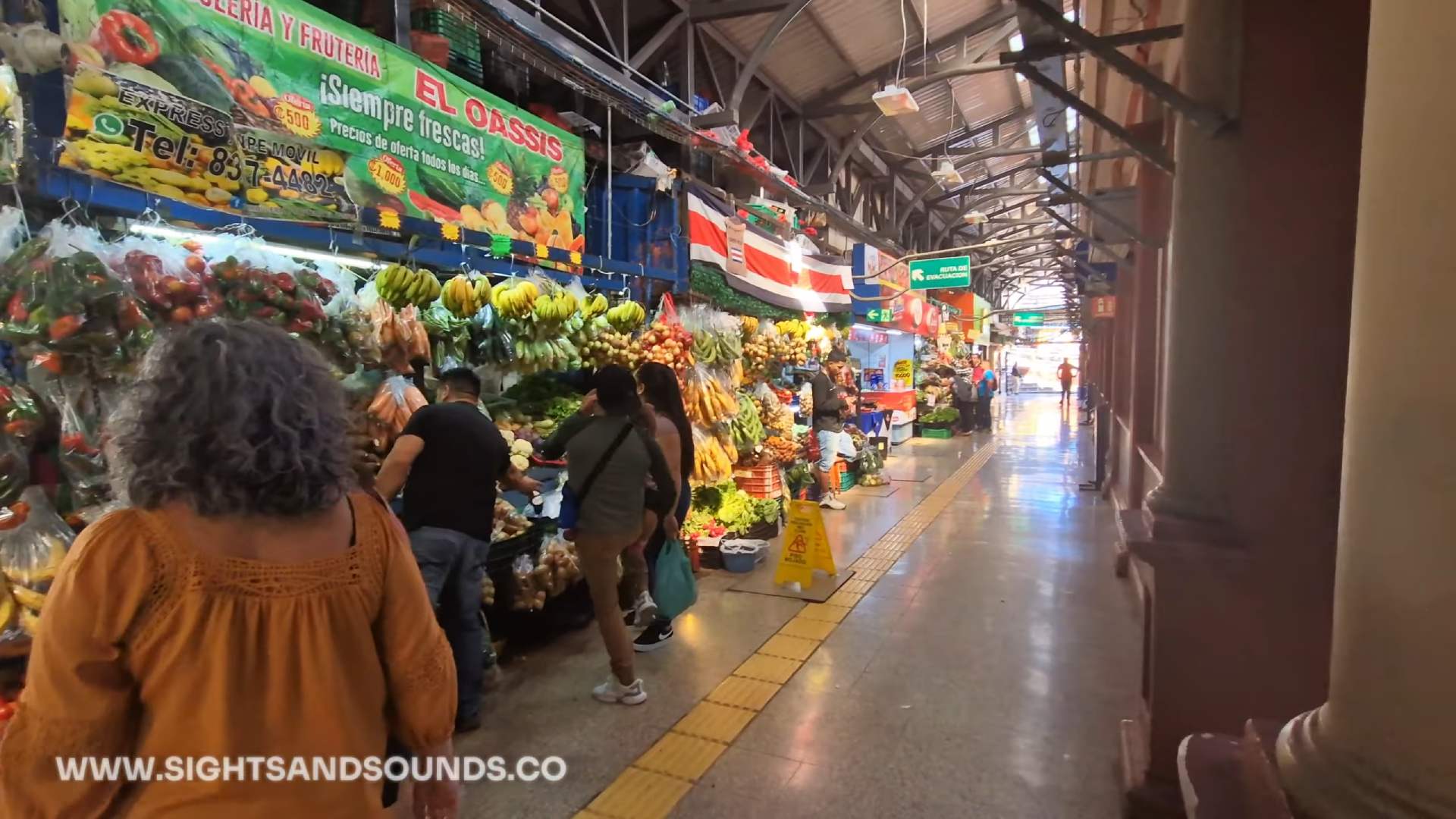
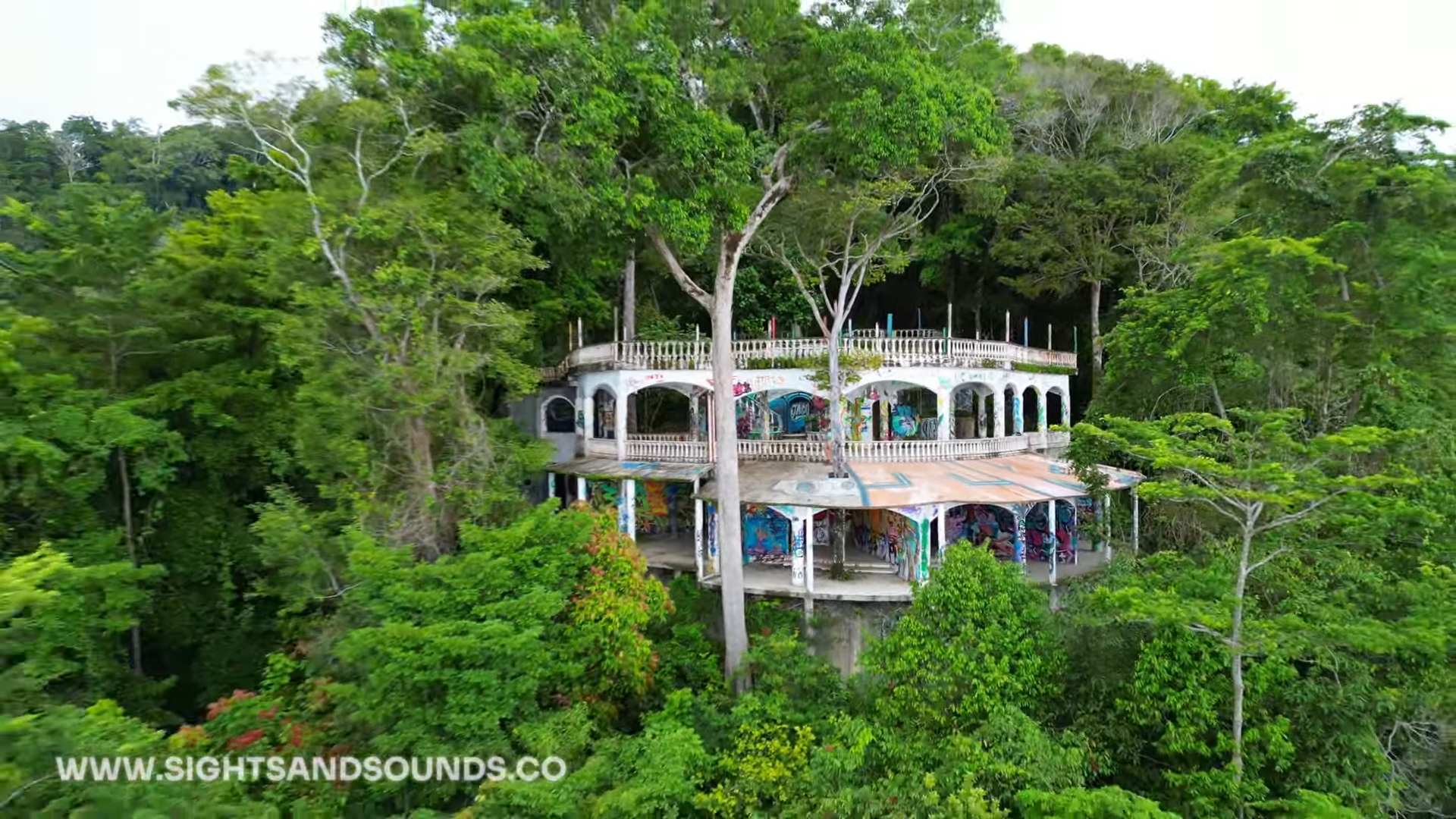
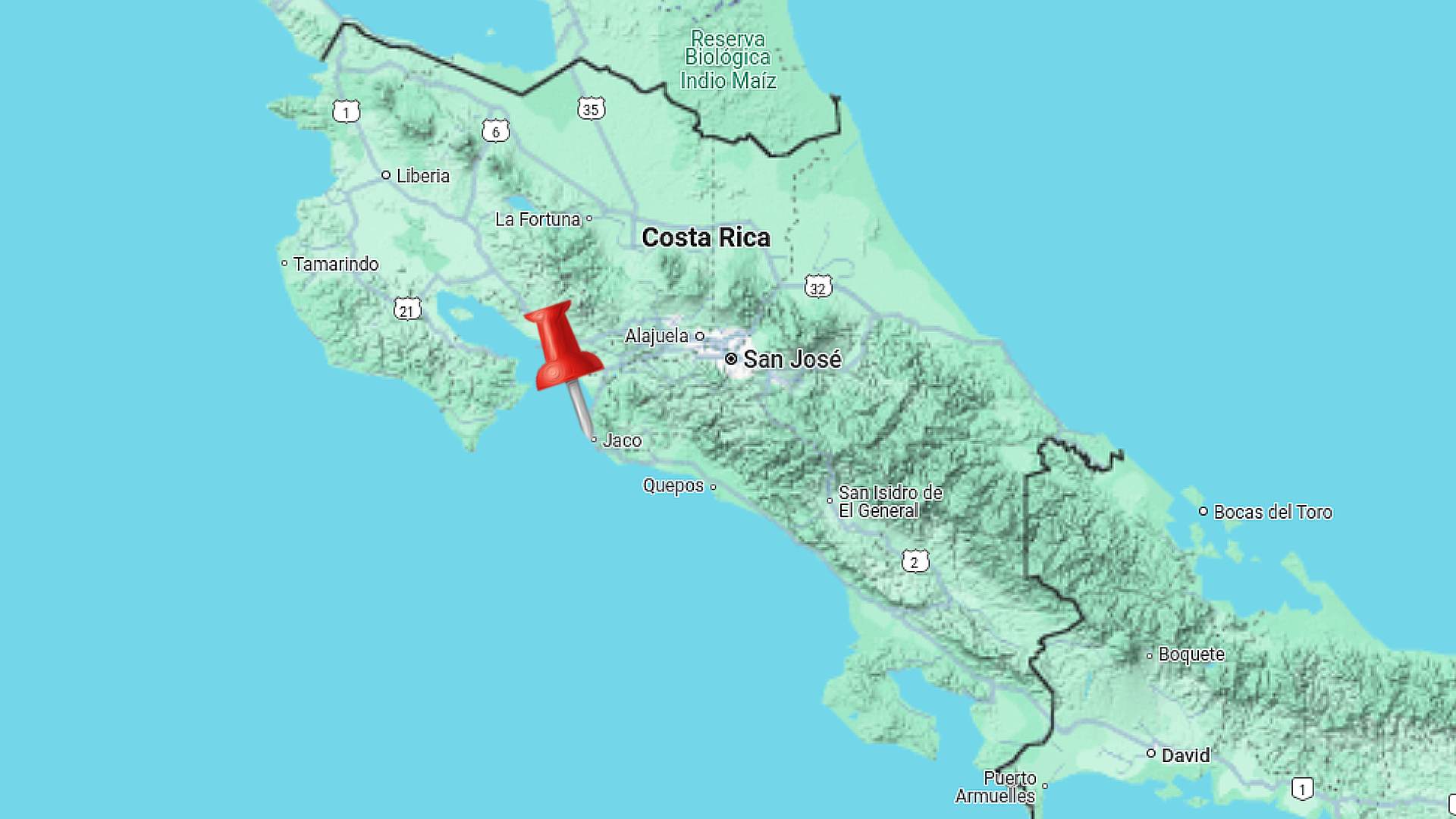
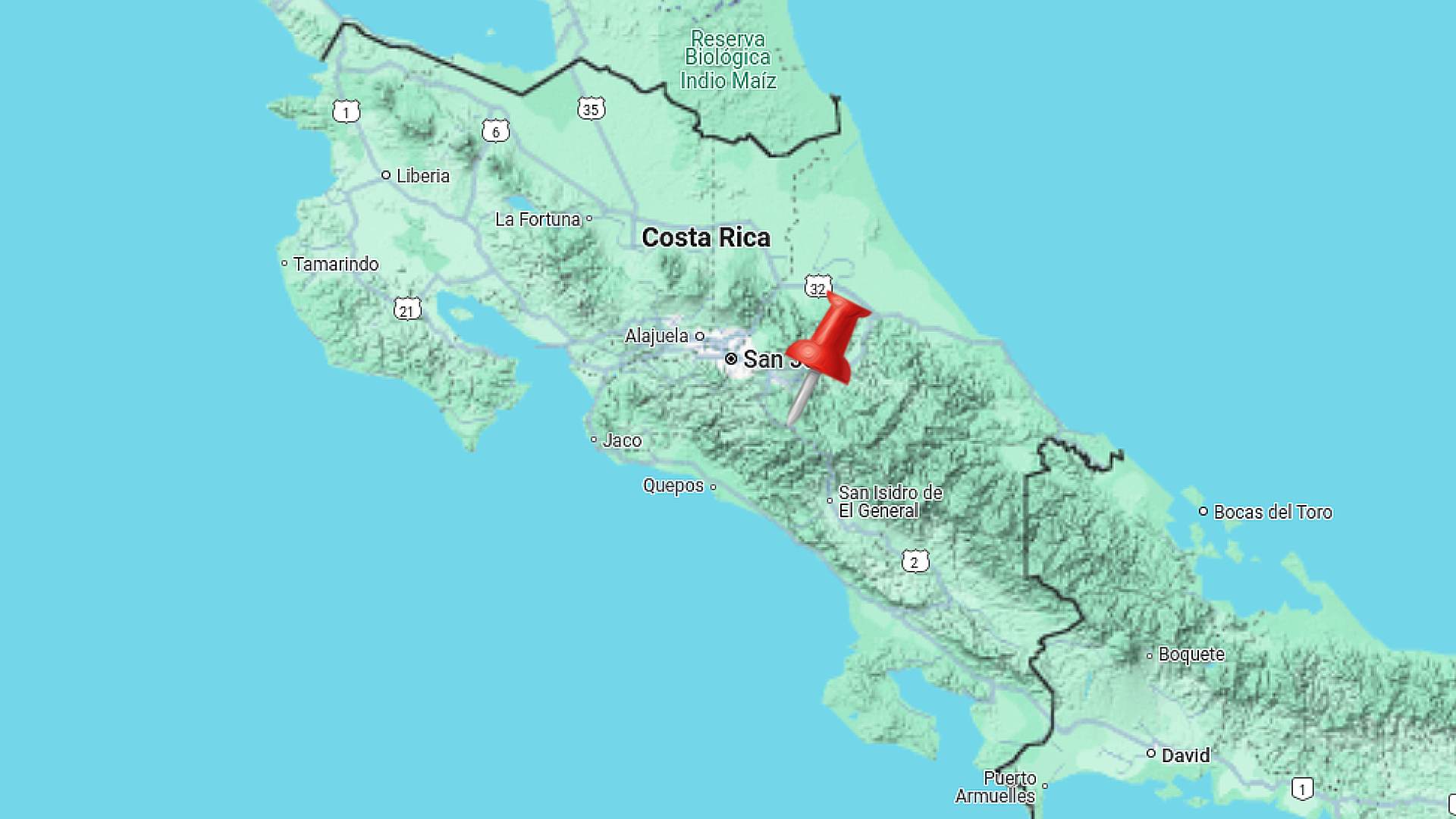
Costa Rica’s capital province, home to urban culture, museums, and markets. Gateway to the Central Valley with SJO airport, colonial architecture, and mountain views. Includes day trips to Poás Volcano and coffee plantations.
San José surprises many visitors with its modern shopping scene. The Costa Rican capital has world-class malls that rival shopping centers in North America. These spots aren’t just for shopping. They’re entertainment destinations with restaurants, cinemas, and features you won’t expect.
I’ve explored the three best malls in the San José area. I filmed detailed walkthroughs to show you exactly what to expect. Each mall has its own personality. Each serves different needs, from luxury shopping to family fun. You’ll find familiar international brands and local Costa Rican products.
This guide covers the practical details you need. You’ll learn parking costs, driving directions from the airport, and food prices. You’ll also discover what makes each mall special. Need high-end shopping, affordable meals, or just want to escape the heat? One of these malls will work perfectly for your San José visit.
Travel Tip: You don’t need to buy a SIM card when you land in Costa Rica to get data connection. With an eSIM, you’ll be able to configure your data connection before you depart for your vacation. I use the Saily eSIM in Costa Rica.
Multiplaza Escazú is San José’s premier luxury shopping destination. This upscale center in the Escazú suburb attracts high end shoppers and tourists looking for international brands. You’ll find designer stores like Calvin Klein, Hugo Boss, Lacoste, and Kenneth Cole alongside electronics retailers and home decor shops.
This shopping complex is located about 7 kilometers southwest of downtown San José. It’s roughly 45 minutes from Juan Santamaría International Airport depending on traffic. Shopping here feels like visiting a high end center in Miami or Los Angeles. Stores carry the latest fashions at prices you’d pay in the United States.
Getting There and Parking
Take the highway toward Santa Ana and follow signs for Escazú from the airport. The route is well marked and mostly on good roads. Traffic can slow you down during rush hours. Plan extra time if you’re traveling between 7-9 AM or 4-6 PM.
Multiplaza has extensive underground parking with security guards monitoring the area. You’ll pay for parking, but the security and convenience make it worthwhile. The underground location keeps your car cool and protected from tropical weather.
Walking inside the Multiplaza Escazú, as you can see there’s international brands. The mall is very clean with lots of room to walk and browse.
What to Expect Inside
The food court includes international chains like McDonald’s and Taco Bell alongside upscale restaurants. You can easily spend half a day here browsing stores, eating, and relaxing. The complex also has a cinema showing both English and Spanish films.
This destination transforms during holiday seasons with impressive decorations and special attractions. During Christmas, they install a real ice skating rink – actual ice in tropical Costa Rica! Massive decorated trees and elaborate displays make the holidays feel magical. These seasonal extras draw huge crowds but create a festive atmosphere worth experiencing.
Overall Impressions
Multiplaza Escazú feels genuinely upscale without being pretentious. The air conditioning is excellent. The stores are well-maintained. The crowd tends to be polite and well-dressed. You’ll hear as much English as Spanish here, especially on weekends.
Prices match what you’d expect from luxury shopping – not cheap, but reasonable for international brands. The variety is impressive for Costa Rica. You won’t find everything you might in a major US city. This is definitely where you come for special purchases rather than everyday shopping.
Key Features:
International luxury brands – Calvin Klein, Hugo Boss, Lacoste, and other designer stores
Secure underground parking – Protected, monitored parking with security guards
Seasonal attractions – Real ice skating rink and elaborate holiday decorations
Premium dining options – Mix of upscale restaurants and familiar international chains
Mall San Pedro – Local Favorite Near Downtown
Mall San Pedro serves as San José’s most accessible shopping destination for both locals and tourists. This compact four-story mall sits just 1.2 miles east of downtown in the university area near UCR (University of Costa Rica). The location gives it a younger, more authentic Costa Rican vibe compared to the luxury malls.
This shopping center focuses on practical needs rather than high-end fashion. You’ll find over 200 stores, but the emphasis is on everyday shopping with affordable prices that appeal to students and local families. The mall’s compact design makes it easy to navigate, and you can cover everything in a couple of hours.
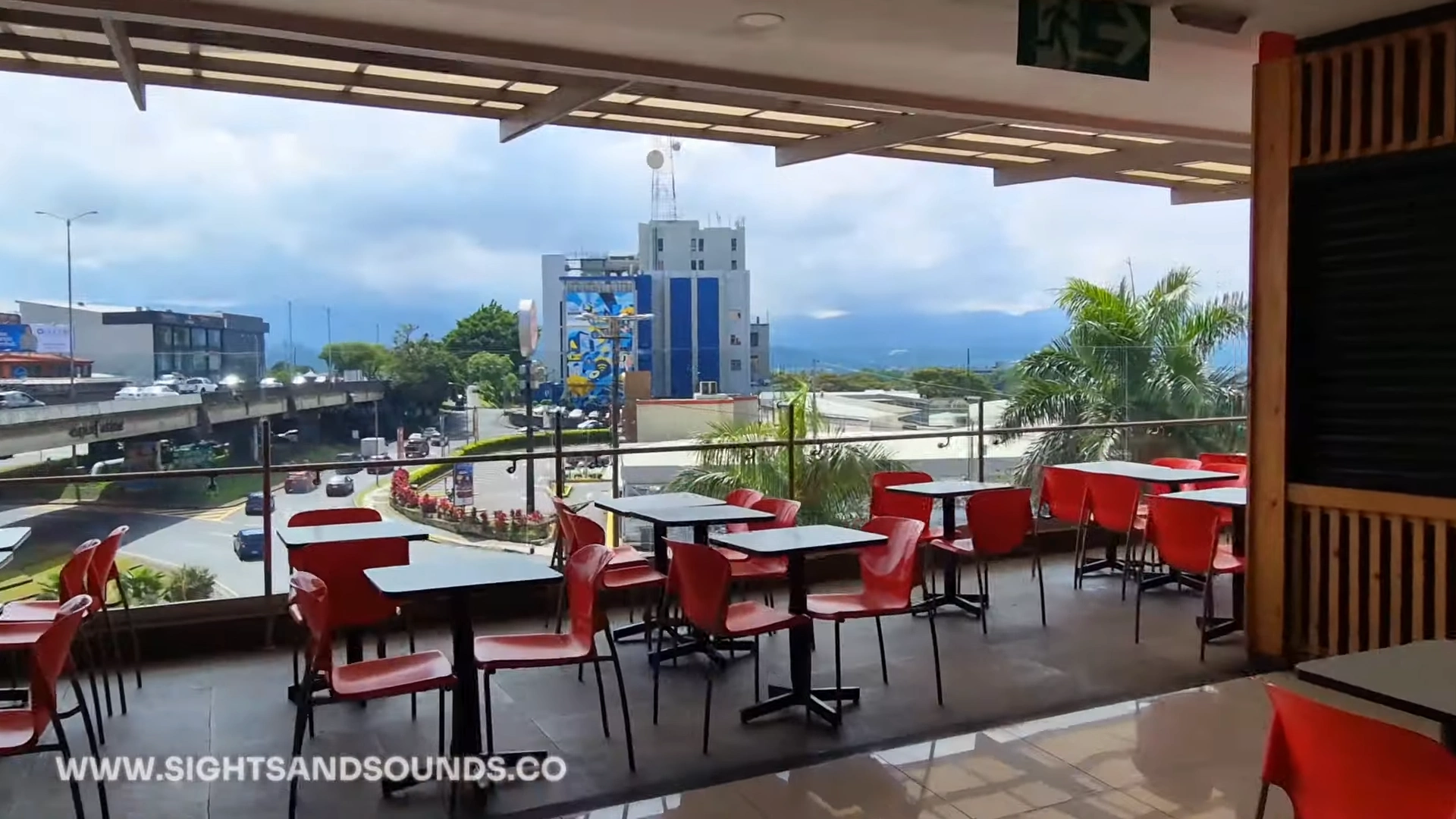
The view of the town from the food court. This is a very busy part of the metropolitan area.
Location and Neighborhood Benefits
Mall San Pedro’s location puts you close to some of San José’s best dining and nightlife areas. The trendy Barrio Escalante with its craft breweries and upscale restaurants is just minutes away. Barrio California’s vibrant nightlife scene is also nearby, making the mall a perfect starting point for exploring the area.
Getting here from downtown San José takes about 10 minutes by car or taxi. The surrounding university area is safe during the day and bustling with students. You’ll find plenty of local cafés and small restaurants in the neighborhood if you want to eat outside the mall.
Shopping and Stores
The mall centers around larger department stores like Ekono, which offers affordable clothing, electronics, and household items at discount prices. This is where locals come for practical shopping rather than luxury purchases. You’ll also find countless small kiosks selling phone accessories, jewelry, and electronics.
Phone accessory stores seem to occupy every other storefront, reflecting the local market’s needs. Clothing shops focus on casual wear and work attire rather than designer fashion. The variety is impressive for everyday needs, though you won’t find many international luxury brands.
Underground Parking and Practicalities
Mall San Pedro has excellent underground parking that keeps your car cool and secure. The parking areas are well-lit with security guards monitoring the space. Rates are reasonable at around 500-1,000 colones for several hours of shopping.
The food courts deserve special mention for their value. You can get a full meal for around 3,000 colones ($5), including local dishes alongside familiar fast food chains. The mall has two food courts – one on the second floor and another on the fourth floor with better views of the busy intersection below. The fourth-floor location gives you a great view of San José’s traffic and street life.
Key Features:
Large department stores like Ekono for affordable shopping
Secure underground parking with reasonable rates
Two food courts with meals under $5
University area location near trendy Barrio Escalante
Oxígeno Mall – Modern Shopping with Unique Features
Oxígeno Mall near the airport combines modern shopping with unique features you won’t find elsewhere in Costa Rica. The design incorporates nature with its central courtyard and rooftop areas. These provide stunning views of the surrounding mountains and San José skyline. This isn’t just a shopping destination – it’s an experience.
The location makes this mall incredibly convenient for airport travelers. It’s just 10-15 minutes from Juan Santamaría International Airport. The surrounding area has been developed into a modern commercial district with hotels and restaurants. This makes it feel like a destination rather than just a shopping stop.
Airport Convenience and Location
Oxígeno’s proximity to the airport makes it perfect for last-minute shopping. It’s also great for killing time before flights. The drive from SJO takes 10-15 minutes on well-maintained roads with clear signage. You’ll find several hotels nearby if you’re staying close to the airport.
The complex is in a newer development area that feels more spacious and modern than central San José. Parking is abundant with both underground and surface lots at reasonable rates. The area is safe and well-patrolled. This makes it comfortable for tourists with luggage or rental cars.
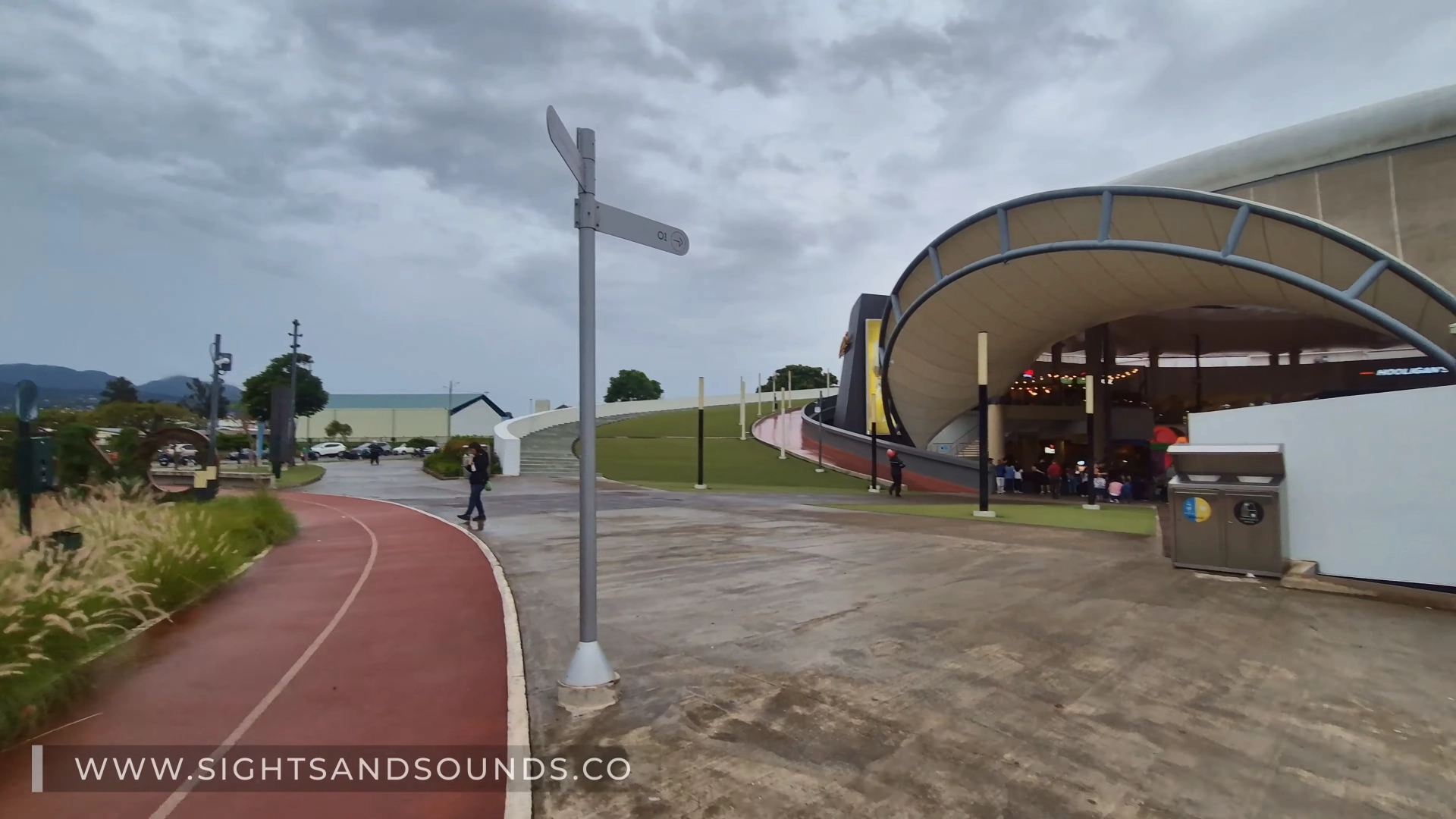
The front entrance of Oxigeno Mall. There’s a small workout area with a running track. The main entrance to the mall leads right into the food court.
Rooftop Experience and Views
What sets Oxígeno apart is its accessible rooftop area. You can walk on top of the structure here. The panoramic views include the surrounding mountains and downtown San José in the distance. You can also see planes landing at the nearby airport. It’s surprisingly peaceful up there despite the urban location.
The rooftop also houses a unique dog park with obstacle courses and agility equipment for pets. You’ll see local families bringing their dogs to play while enjoying the views. The entire rooftop area incorporates green building design with natural lighting and air circulation.
Family Entertainment and Adventure Parks
The complex houses an impressive multi-level adventure park with climbing walls, rope courses, and obstacle challenges. Kids and adults can test themselves on various difficulty levels. The adventure park takes up significant space and could easily occupy a family for several hours.
Right above the adventure area, you’ll find a separate VR gaming zone. This has virtual reality experiences and arcade games. The two entertainment areas work together but provide different experiences. You get physical challenges downstairs and high-tech gaming upstairs. Combined with a large indoor playground shaped like a tree, families have plenty of options to keep children entertained while adults shop.
Key Features:
Only 10-15 minutes from San José airport
Rooftop walkways with mountain and city views
Multi-level adventure park and VR gaming zone
Unique rooftop dog park with obstacle courses
Travel Tip: When I’m traveling in packed locations like city centers or malls, I always bring my lockable sling backpack. It has a combination lock on the zipper so I know my valuable items won’t walk away!
If these blog posts and videos help plan your Costa Rica vacation, please support our channel.
Follow Us
Keep up with our latest Costa Rica travel videos and guides by subscribing to our YouTube channel. We regularly post new content showing real conditions across different regions and seasons.
Planning a trip to Costa Rica? Contact us — we help with itineraries, logistics, and finding the spots most tourists miss.
Many people skip past San Jose when they visit Costa Rica. But the capital city has great places to visit nearby. You can see old ruins, walk through museums, and enjoy local culture on quick trips. These trips take just a few hours. You can sleep in the same hotel bed each night in San Jose without repacking. This way, you can learn about Costa Rica’s history without long drives to beaches or rainforests.
You can take a short one-hour bus or car ride to Cartago. There you’ll find beautiful old church ruins and a busy city square. Or you can spend a morning at the National Museum. The museum has ancient stone spheres and golden treasures to see. These trips work well for your first or last days in Costa Rica. When you stay in San Jose, you don’t need to travel far. You can learn about the country’s past and still have time to rest or walk around downtown in the evening.
This guide shows you where to stay and how to get around on day trips from San Jose. We share tips about when to visit to avoid crowds. We also tell you what to bring with you. You don’t need to go far from the city to enjoy Costa Rican culture. These day trips are easy to do even if you don’t speak Spanish or have a car. With a little planning, you can add these stops to your trip with no stress.
Travel Tip: You don’t need to buy a SIM card when you land in Costa Rica to get data connection. With an eSIM, you’ll be able to configure your data connection before you depart for your vacation. I use the Saily eSIM in Costa Rica.
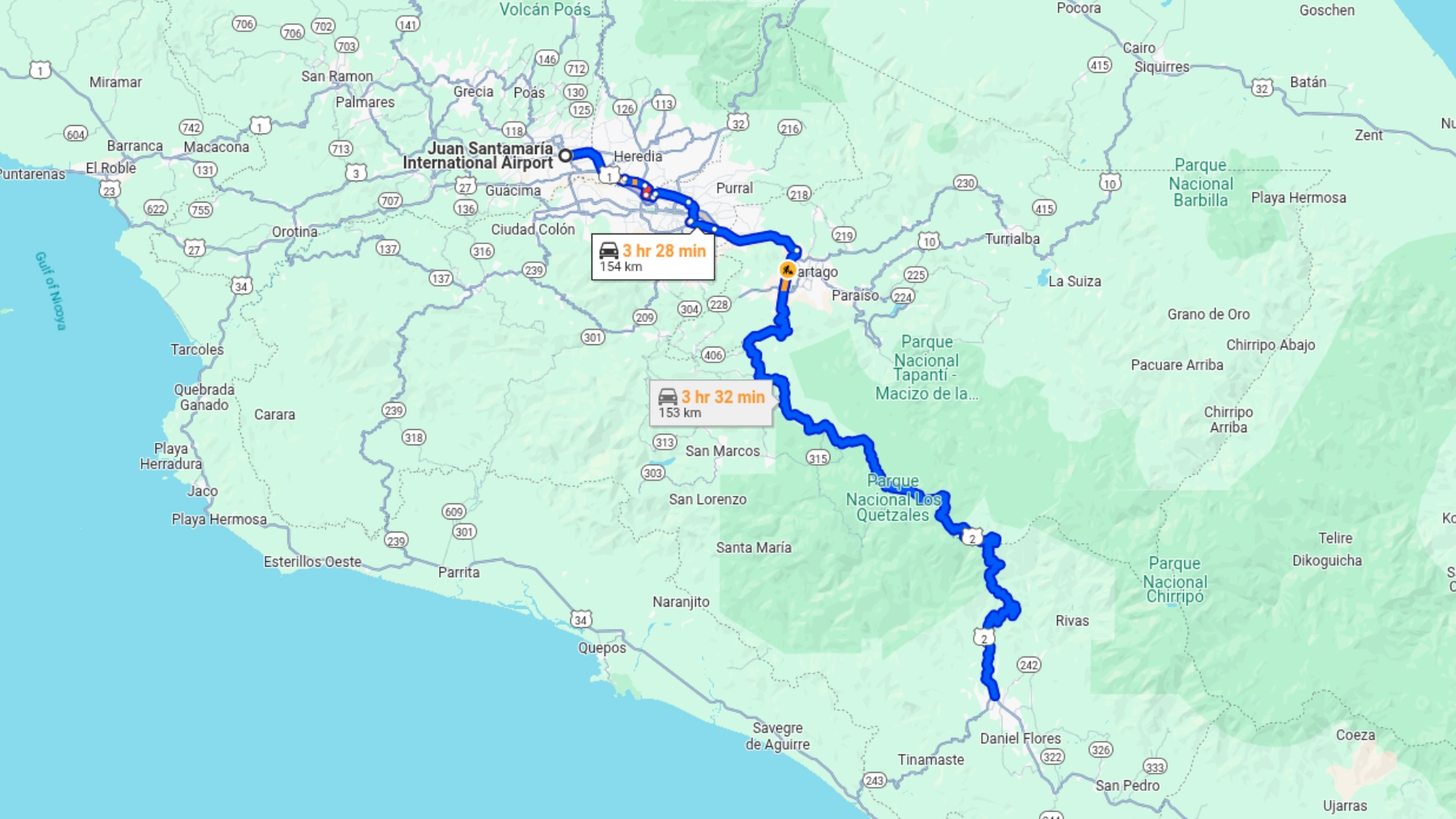
San Jose’s international airport (Juan Santamaría) is about 20 kilometers from downtown in the city of Alajuela. The trip between them takes 20-40 minutes depending on traffic. Most tourists feel confused about this distance when planning their trip. Knowing your options saves you time and money.
Many first-time visitors don’t realize how close the city center is to the airport. This proximity makes San Jose ideal for day trips since you spend less time traveling and more time exploring. The main routes between the airport and downtown have good signage and pavement compared to rural roads.
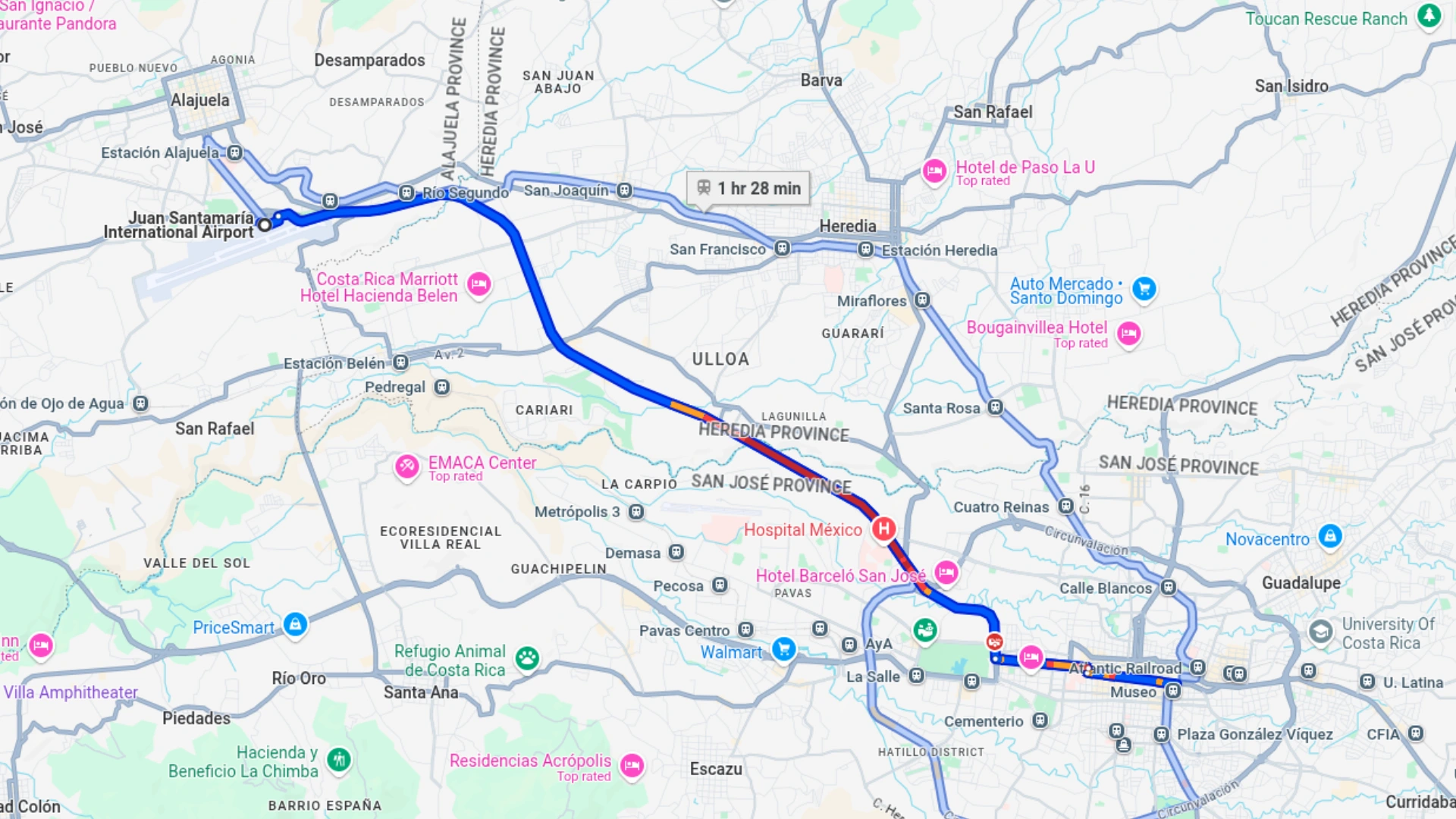
The route from the San Jose Airport to the downtown area. As you can see, depending on when you arrive there might be traffic.
Rental Car: The Convenient Option
Getting a rental car at the airport gives you the most freedom for day trips. The route into downtown has well-marked highways with signs in both Spanish and English. Most rental cars come with GPS or you can use maps on your phone.
Parking in downtown San Jose can be tricky but many hotels offer secure parking for guests. For day trips outside the city, having your own car means you can leave early before tour buses arrive at popular spots. You can also stop at roadside viewpoints and local restaurants that bus travelers miss.
Public Bus: The Budget-Friendly Route
The bus system from the airport to downtown costs under $2 and runs frequently throughout the day. Look for the “Tuasa” or “Station Wagon” buses that leave directly from outside the airport terminal. The trip takes 35-45 minutes depending on traffic.
For day trips from San Jose, the main bus terminal at “Coca-Cola” or the newer 7-10 terminal provide service to cities like Cartago. Buses are modern, air-conditioned, and cost a fraction of taxi fares. A round-trip bus ticket to Cartago costs about $4 total, making it perfect for budget travelers. Most major bus routes run hourly from early morning until early evening.
I use this sling backpack when I’m travelling in Costa Rica. It has a zipper lock to secure your stuff. I like the sling as I can flip the bag to the front for easy access.
Where to Stay in San Jose
San Jose has many hotels to choose from. Picking one near the city center helps save time and money for day trips. Downtown puts you close to food, museums, and bus stations. You’ll spend less on taxis and have more time to explore.
Budget travelers get better deals in central San Jose than in the fancy western suburbs. Most downtown hotels include free Wi-Fi, breakfast, and security guards. Many can also help with airport rides or trips to nearby places.
Costa Rica Guesthouse: Affordable Comfort in the City Center
The Costa Rica Guesthouse gives you great value for about $30 per night. It’s near the National Museum and only a few blocks from main bus stations. This updated building has clean private rooms with good beds and big bathrooms. The rooms have nice tile floors and big windows that let in plenty of light.
Each room at Costa Rica Guesthouse has a name from a place in Costa Rica, like “Marino Ballena” or “Isla del Coco.” You get free coffee all day long. They have safe storage for bags and friendly staff who speak English. The only downside is noise from a nearby train that runs until about 10 PM. But most guests think the great location is worth it.
Other Budget-Friendly Accommodation Options
Across the street from Costa Rica Guesthouse is Costa Rica Backpackers hostel. It draws younger travelers with its pool, restaurant, and bar. Though run by the same owners, it’s a separate place. Private rooms are available as well, and you’ll get easier access to more social areas.
Several other cheap places to stay are in this same area. Hotel Aranjuez has nicer rooms in an old building with a garden courtyard. Prices run from $40-60 per night. Hostel Pangea has dorm beds for $15 and private rooms for about $35. It also has a rooftop patio with city views. All these places are a 10-15 minute walk from San Jose’s main sights and bus stations.
Day Trip to Cartago: The Colonial Ruins
Cartago was Costa Rica’s first capital city and is just an hour east of San Jose. You’ll love this historic city with its old ruins, pretty church, and relaxed feel. Cartago sees fewer tourists than beach towns or mountain areas, giving you a more real Costa Rican experience.
The city center looks clean and well-kept with a huge Costa Rican flag in the middle. Visit on weekdays rather than weekends to avoid crowds when local families come to see the ruins. You can enjoy most places in Cartago for free or very cheap, perfect for travelers on a budget who want to learn about Costa Rican history.
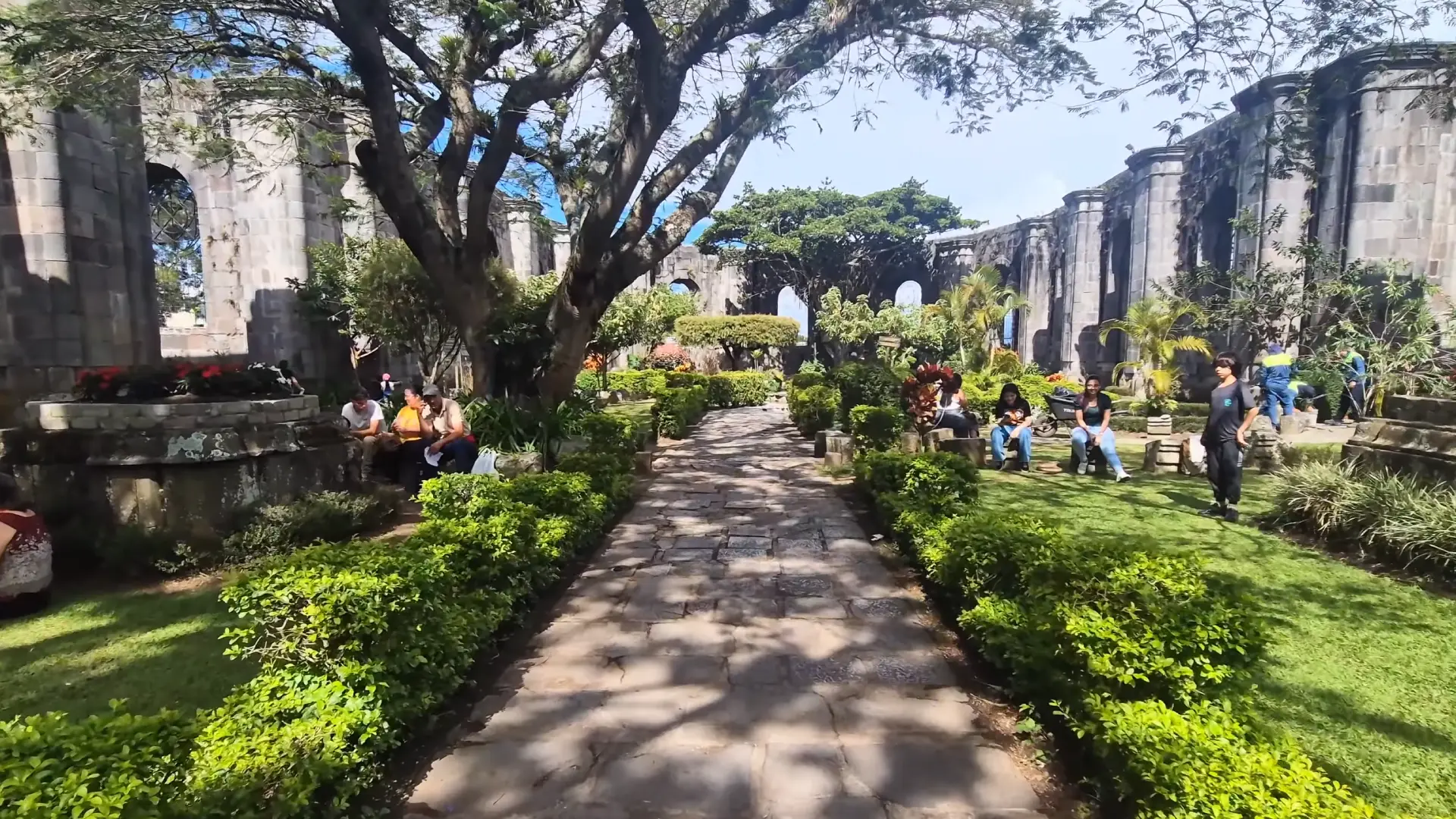
The Ruins in Cartago is a historical destination you can visit for free. It’s a great place to relax and read about this very old church.
Getting to Cartago from San Jose
Buses to Cartago leave from San Jose’s Coca-Cola terminal every 15 minutes all day. Each way costs about $2 and takes 60-75 minutes depending on traffic. Find buses with “Cartago” on the front – they have comfortable seats and often air conditioning.
Drivers should take Highway 2 east from San Jose toward Cartago. The route has clear signs and follows highways most of the way. Find parking near the central plaza, but expect busy streets during weekdays. The 45-minute drive passes through pretty mountain areas along the way.
Exploring the Historic Ruins and Plaza
The top spot in Cartago is the Santiago Apóstol Parish Ruins. Earthquakes damaged this church before workers could finish it. Now it’s an open-air park with stone arches, plants, and ponds full of bright fish. Visit the ruins from 7 AM to 4:30 PM for free.
The central plaza area has much to see. Look for the tall Costa Rican flag at the center of town, with small shops and food stands on nearby streets. After seeing the ruins, walk a few blocks to the Basilica de Nuestra Señora de los Ángeles, a beautiful church where many Costa Ricans make pilgrimages. The central market offers tasty local snacks and crafts at good prices.
Eat lunch at a small “soda” (local restaurant) near the central plaza for just $5-7 for a full meal. Tuesday makes a great day to visit – the city feels active but not packed, and all attractions stay open as normal.
The National Museum: Costa Rica’s Past and Present
Just blocks from many downtown hotels, the National Museum shows you Costa Rica’s rich history. The building is an old military fort where you can still see bullet holes in the walls. Foreign visitors pay just $11 to enter. The building itself has a story – it was once a military base before Costa Rica ended its army in 1949.
Plan about 2-3 hours to see the museum’s rooms and gardens. Unlike big museums that make you tired, this one is the right size for a morning visit. Get there when it opens at 8:30 AM and you might have some rooms all to yourself before tour groups show up.
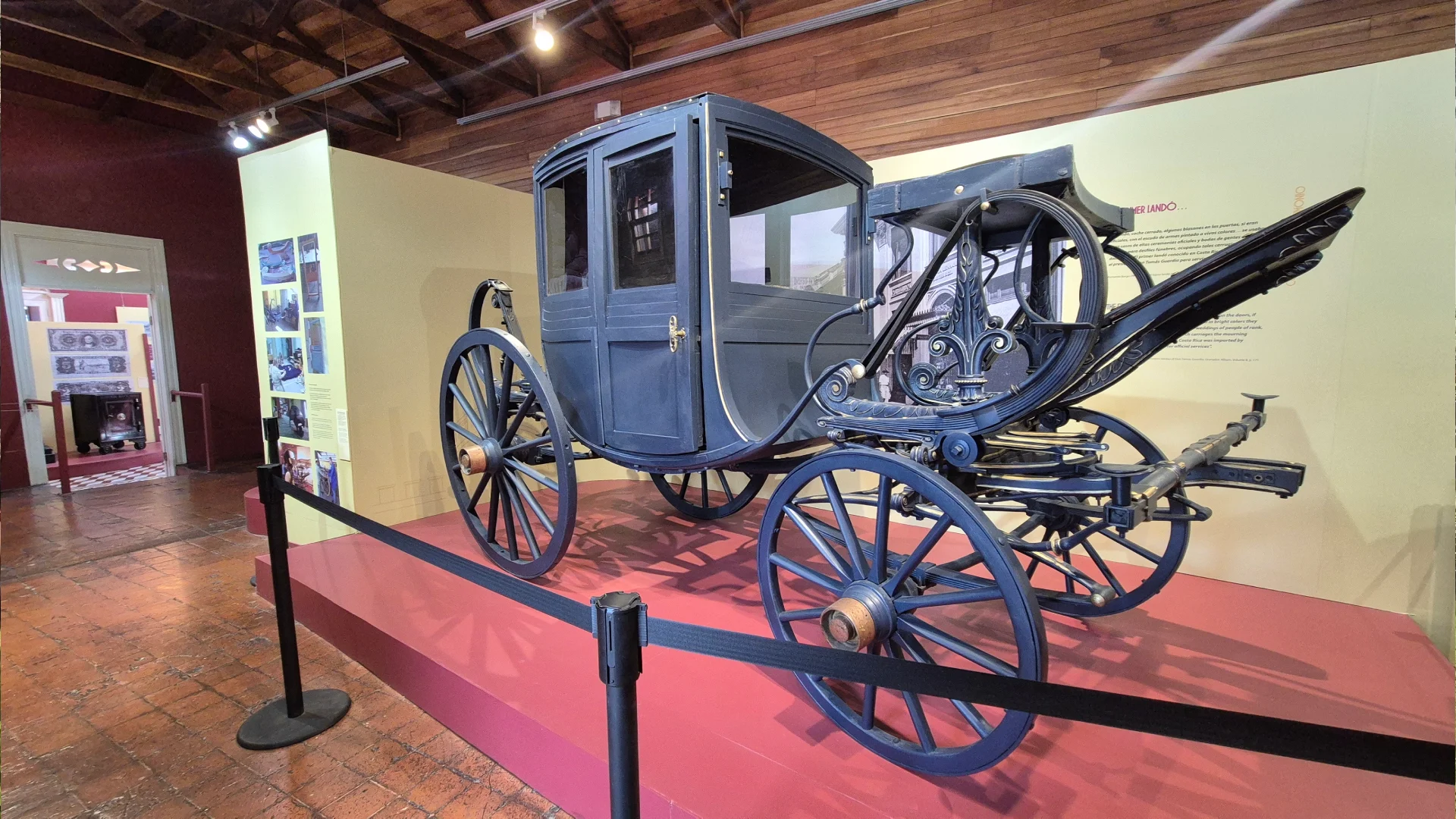
The museum has a lot of interesting items on display from various time periods.
What to Expect at the National Museum
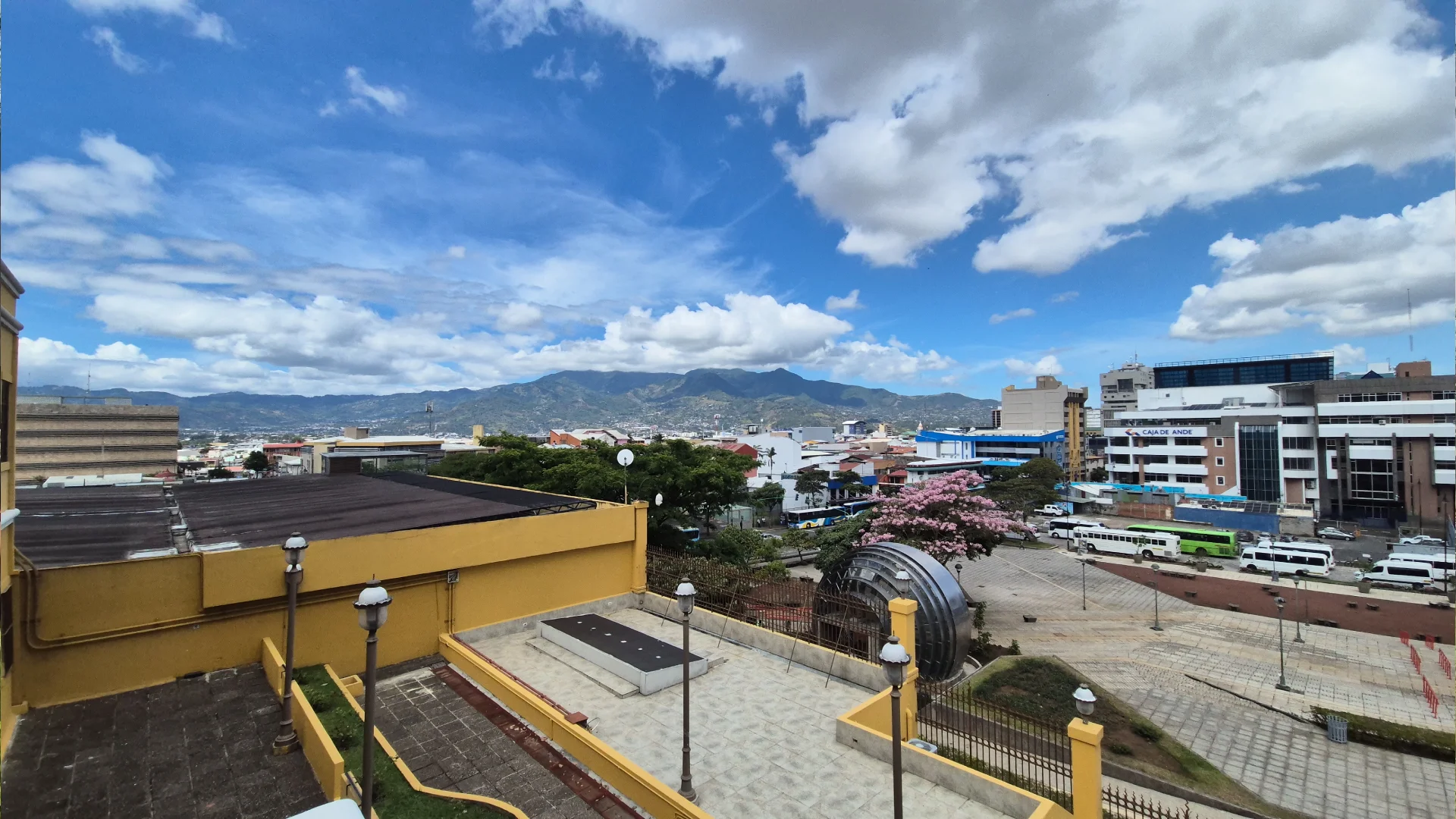
Your visit begins with a walk through a pretty butterfly garden in the main courtyard. Look up to see bright butterflies flying among the plants. From the garden, you can climb stairs to a tower with nice views of San Jose and the mountains nearby.
The museum shows both main displays and changing exhibits. You’ll see rooms about early native artifacts, Spanish times, and today’s Costa Rica. Signs are in both Spanish and English to help you understand what you’re looking at. You can go at your own speed and skip any parts you don’t find interesting.
Highlights Worth Seeing
Make sure to see the ancient stone spheres – round balls carved by native people long ago. No one knows for sure how they made these perfect round stones without modern tools. The gold room shows amazing metal objects made by early Costa Ricans.
The history area has good displays about Costa Rica’s growth, like how coffee farming changed the country. One cool surprise is an underground tunnel found only in 2009. The museum also has native items like jade pieces similar to those in the nearby Jade Museum.
Here’s a tip: go to the top floor to find a balcony with great views of the government building and downtown San Jose. This spot is perfect for photos and helps you get a better sense of the city layout for your other travels.
There are several spots at the museum to catch a great view of San Jose and the mountains around the city.
Tips for Day Trips
Planning ahead makes day trips from San Jose smoother and more fun. With the right timing and a few key items, you can avoid common tourist problems. These tips help you get more from your visits to Cartago and the National Museum.
Costa Rica’s climate and busy tourist spots need some planning. Choose the right time to visit and bring the right gear. You’ll spend less time fighting crowds and more time enjoying the sights. These tips come from local advice and real travel experiences.
Best Timing for Museum Visits
Morning visits beat afternoon trips for museums and historic sites. Get to the National Museum when it opens at 8:30 AM. You’ll enjoy the butterfly garden with fewer people around. Most tour buses come after 10 AM, so early visitors get a more peaceful experience.
For Cartago, go Tuesday through Thursday mornings. You’ll find a lively feel without weekend crowds. The ruins and basilica fill up on weekends with local families. Skip Cartago during religious holidays, especially August 2nd (Virgin of the Angels Day). Thousands of pilgrims visit the basilica then.
Rain follows a pattern in Costa Rica. In the Central Valley, mornings stay sunny even in green season (May-November). Afternoon rain often starts after 2 PM. This makes morning the best time to visit outdoor sites like the Cartago ruins all year round.
Essential Gear for Urban Exploring
A secure sling backpack works great for city day trips. The OZUKO Anti-Theft Sling Bag keeps your items safe in busy areas. You can swing it to your front on crowded buses or in markets. This keeps your things visible and protected. The bag fits a water bottle, light jacket, and small purchases without bulk.
Bring a reliable power bank for day trips. The Anker PowerCore 10000fits in your bag but holds enough charge for 2-3 full phone charges. This helps when taking photos, using maps, or checking bus times all day. Many older buses and some cafes lack power outlets. A power bank keeps you connected during full-day outings.
Other must-have items include a water bottle (tap water is safe in San Jose and Cartago), sun hat, and a small rain jacket. Many tourists skip rain gear during morning trips. But having it means you can keep exploring if the weather changes quickly.
If these blog posts and videos help plan your Costa Rica vacation, please support our channel.
Follow Us
Keep up with our latest Costa Rica travel videos and guides by subscribing to our YouTube channel. We regularly post new content showing real conditions across different regions and seasons.
Leave a comment with your Costa Rica travel questions – we’re happy to help plan your perfect time to visit.
Frequently Asked Questions
Is one day enough to visit both Cartago and the National Museum?
It’s possible but rushed. Both sites need 2-3 hours each, plus 1-hour travel time to Cartago each way. For a better experience, visit the National Museum in the morning and Cartago on a separate day. If you must do both in one day, start at the museum at opening time (8:30 AM) and head to Cartago around noon.
How much does public transportation cost for these day trips?
Public transportation is very affordable. The bus from San Jose to Cartago costs about $2 each way. Local buses within San Jose to reach the National Museum cost less than $1. A full day of transportation, including getting to and from your hotel, typically costs under $6 total per person.
Is it safe to walk around downtown San Jose as a tourist?
Downtown San Jose is generally safe during daylight hours, especially in the main tourist areas near the National Museum and around Central Park. Use normal city precautions: keep valuables out of sight, be aware of your surroundings, and avoid poorly lit areas after dark. The area between downtown hotels and the National Museum is well-traveled and monitored by tourism police.
Do I need a guide for these day trips?
No, both the National Museum and Cartago are easy to visit without a guide. The National Museum has signs in English, and the layout makes it simple to explore on your own. Cartago’s ruins and basilica are open public spaces that you can walk through at your own pace. If you want deeper historical context, consider the audio guide at the National Museum ($5) rather than a full guided tour.
What are the best food options during these day trips?
For affordable, authentic meals, look for “sodas” (small local restaurants) near the central plaza in Cartago or around Avenida Central in San Jose. These serve typical Costa Rican “casados” (plates with rice, beans, meat, and sides) for $5-7. Near the National Museum, try the Café del Museo for light meals. In Cartago, the Central Market has food stalls serving local dishes at good prices.
Can I use credit cards at these locations?
Credit cards are accepted at the National Museum entrance and gift shop, and at most restaurants around both locations. However, small sodas, bus fares, and some market vendors only take cash. For day trips, bring at least 10,000-15,000 colones (about $20-30) in cash for bus fares, small purchases, and backup in case of card issues.
Costa Rica’s Southern Zone is a perfect mix of stunning Pacific beaches, misty mountains, and authentic towns still untouched by mass tourism. While many visitors to Costa Rica stick to the popular destinations in Guanacaste or the Central Valley, if you venture south you’ll be rewarded with fewer crowds, lower prices, and some of the country’s most breathtaking scenery.
The journey through this region takes you from the surfing beaches of Dominical to the large commercial center of San Isidro de El General. Further south you’ll find the indigenous heartland around Buenos Aires. Along the way, you’ll drive through mountains where pine trees and palms can be seen within a single hour’s drive. Pass by countless rivers flowing from the mountains and spot roadside sodas serving up delicious casados for a fraction of resort prices.
Whether you’re planning a surf trip, looking to explore hot springs within indigenous territories, or simply want to see a less busy side of Costa Rica – the Southern Zone is for you. The roads might be winding and the towns less polished, but that’s exactly what makes this region special for travelers willing to go beyond the familiar tourist path.
Travel Tip: You don’t need to buy a SIM card when you land in Costa Rica to get data connection. With an eSIM, you’ll be able to configure your data connection before you depart for your vacation. I use the Saily eSIM in Costa Rica.
The Southern Zone of Costa Rica runs along the Pacific coast and inland mountains south of the Central Valley. This region stretches from Manuel Antonio and Dominical down to the Panamanian border, including both coastal areas and the interior highlands. Unlike the more developed northern Pacific region of Guanacaste, the Southern Zone maintains a rawer, less commercialized feel that many travelers find refreshing.
To reach this region, you’ll likely start at San José International Airport. From there, you’ll head south over what locals sometimes call the “winding Hill of Death” (don’t worry, it’s just a dramatic name for the mountain pass). The drive from San José to San Isidro takes about 3 hours, while continuing to Dominical on the coast adds another hour. If you’re heading to Buenos Aires, you’ll drive about 4 hours from San José through agricultural lands and indigenous territories.
What makes the Southern Zone unique is how quickly the landscape changes. Within a single hour’s drive, you can go from cool mountain pine forests to hot, humid coastal jungles. The region is home to the Talamanca Mountain Range, which is the backbone of southern Costa Rica and creates dramatic valleys, rivers, and microclimates throughout the area.
When to Visit the Southern Zone
The Southern Zone has distinct weather patterns that differ from other parts of Costa Rica. The dry season runs from December through April, offering sunny days perfect for beach activities in Dominical and easier driving conditions on mountain roads. January and February tend to be the busiest months, though even then, this region sees far fewer tourists than Guanacaste or Manuel Antonio.
Rainy season (or “green season”) runs from May through November, with September and October typically seeing the heaviest rainfall. During these months, expect afternoon downpours that can make mountain roads more challenging.
However, mornings are often clear, and the landscapes turn incredibly lush. The rain also brings out wildlife and creates powerful waterfalls throughout the region. If you visit during these months, plan outdoor activities for morning hours and keep flexible afternoon plans.
Temperature varies dramatically with elevation in the Southern Zone. Coastal Dominical stays hot year-round (around 27-32°C). San Isidro at 2,300 feet elevation enjoys a pleasant “eternal spring” climate with temperatures between 18-27°C. As you climb the mountains between towns, temperatures can drop significantly, so pack layers if you plan to explore different elevations. Many visitors notice the temperature change immediately when driving through this region – you’ll feel the humidity and heat hit you suddenly as you descend from the mountains toward the coast.
I use this sling backpack when I’m travelling in Costa Rica. It has a zipper lock to secure your stuff. I like the sling as I can flip the bag to the front for easy access.
Dominical: Surf Town by the Pacific
Dominical has a way of sticking with you. Arriving after winding down from the mountains, you’re immediately greeted by that distinct coastal heat and humidity. This small beach town consists of one main road running towards powerful waves breaking on a dark sand beach. You won’t find major resorts here. Instead, Dominical has a mix of surf shops, family owned restaurants, and a diverse crowd. Surfers, travelers, and local families enjoying the Pacific shore.
The town has grown gradually over the years without losing its character. The addition of the BM supermarket outside town is a welcome convenience for stays of more than a day or two. Vendors still set up along the beach road daily, selling handcrafted items, jewelry, and clothing. What makes Dominical truly special is the dramatic backdrop – surfing here means looking up at green mountains that rise sharply from the coastline, creating a striking contrast between ocean blue and jungle green.
Getting to Dominical
Two routes lead to Dominical, each having different experiences. From San José, take Highway 27 west toward Jacó, then turn south on Highway 34 along the coast. This journey typically takes about 3.5 hours on well maintained roads, with pleasant ocean views accompanying the southern portion of the drive.
The mountain route from San Isidro is a more scenic ride. This winding road takes you through the highlands and small towns like Tinamastes and Platanillo, with the climate changing noticeably as you descend. The temperature starts cooler in San Isidro, then gradually warms as you approach the coast. Several lookout points along the way provide panoramic views of the coastline on clear days. The drive is roughly 45 minutes without stops, but allowing time for viewpoints is worthwhile.
Upon reaching Dominical, navigation becomes simple. The town spans just a few blocks, making it entirely walkable. Parking can become challenging during peak season, especially on weekends when visitors from nearby towns arrive for beach days.
Top Activities in Dominical
Surfing is Dominical’s primary draw. The consistent waves have built the town’s reputation among surf enthusiasts. The main beach has stronger breaks that attract experienced surfers, while beginners find more forgiving conditions slightly north of town. Several schools offer lessons ranging from $50-60, with instructors providing hands on guidance to newcomers.
The beach itself deserves attention even for non-surfers. While not the pristine white sand type found in travel brochures, Dominical’s shoreline has its own character. At low tide, natural rock pools form to the south end, creating safe areas for children to enjoy the water away from the powerful waves. The addition of lifeguards during busy periods provides essential safety given the strong currents.
Wildlife viewing opportunities are both in and around town. You can occasionally spot sloths in trees near the beach area, particularly after rain showers. The nearby Hacienda Barú wildlife refuge offers more structured nature experiences, and whale watching tours operate during migration seasons (December-April and July-November), providing opportunities to observe these magnificent marine mammals in their natural habitat.
Mountain Routes: The Drive to San Isidro
The mountain roads connecting the Pacific coast to San Isidro de El General offer some of Costa Rica’s most dramatic scenery. This route takes you from sea level up through cloud forests and back down into a fertile valley, with the landscape changing dramatically as you climb. It’s not just transportation—it’s an experience that gives you a true sense of Costa Rica’s diverse microclimates and topography.
Route Options and Road Conditions
The main route between Dominical and San Isidro follows Highway 243 up from the coast through Platanillo and Tinamastes before connecting with Highway 2 into San Isidro. The road is fully paved but extremely winding as it navigates the mountainous terrain. Road conditions are generally good, though heavy rains during green season (May-November) can occasionally cause delays from minor landslides or fallen trees.
Driving these mountain roads requires heightened attention. Drivers often pass on blind corners or rush up behind slower vehicles. It’s best to drive defensively, use turnouts when available to let faster traffic pass, and keep to your lane on curves. The drive includes several one-lane bridges where you’ll need to yield to oncoming traffic if you see the “CEDA” (yield) sign. Rental car agencies typically recommend SUVs for this region, though standard vehicles can manage during dry season.
The journey includes several notable stops. About halfway between Dominical and San Isidro, you’ll find viewpoints where, on clear days, you can see all the way to the Pacific Ocean. These spots often have small cafes or fruit stands selling fresh produce and coffee. The town of Tinamastes has a popular farmers market on Tuesdays, worth timing your drive to experience local produce, crafts, and organic products.
Stunning Mountain Views
What makes this drive truly special are the panoramic vistas that appear around seemingly every bend. As you climb from the coast, you’ll reach viewpoints at about 3,000 feet elevation that have sweeping views of the coastline stretching north and south.
The changes in vegetation as you climb are remarkable. Starting with coastal palm trees and tropical flora near Dominical, you’ll transition through dense rainforest mid-mountain, and in the highest parts of the drive, you might be surprised to see pine trees and other highland vegetation. The temperature drops noticeably with each thousand feet of elevation gain—plan to feel a 10-15°F difference between Dominical and the highest point of your journey.
Weather changes quickly in these mountains. You might start in sunshine on the coast, drive through clouds or rain mid-mountain, and emerge into sunshine again on the other side. This creates stunning light conditions for photography, particularly in the morning when mist often hangs in the valleys between mountain ridges.
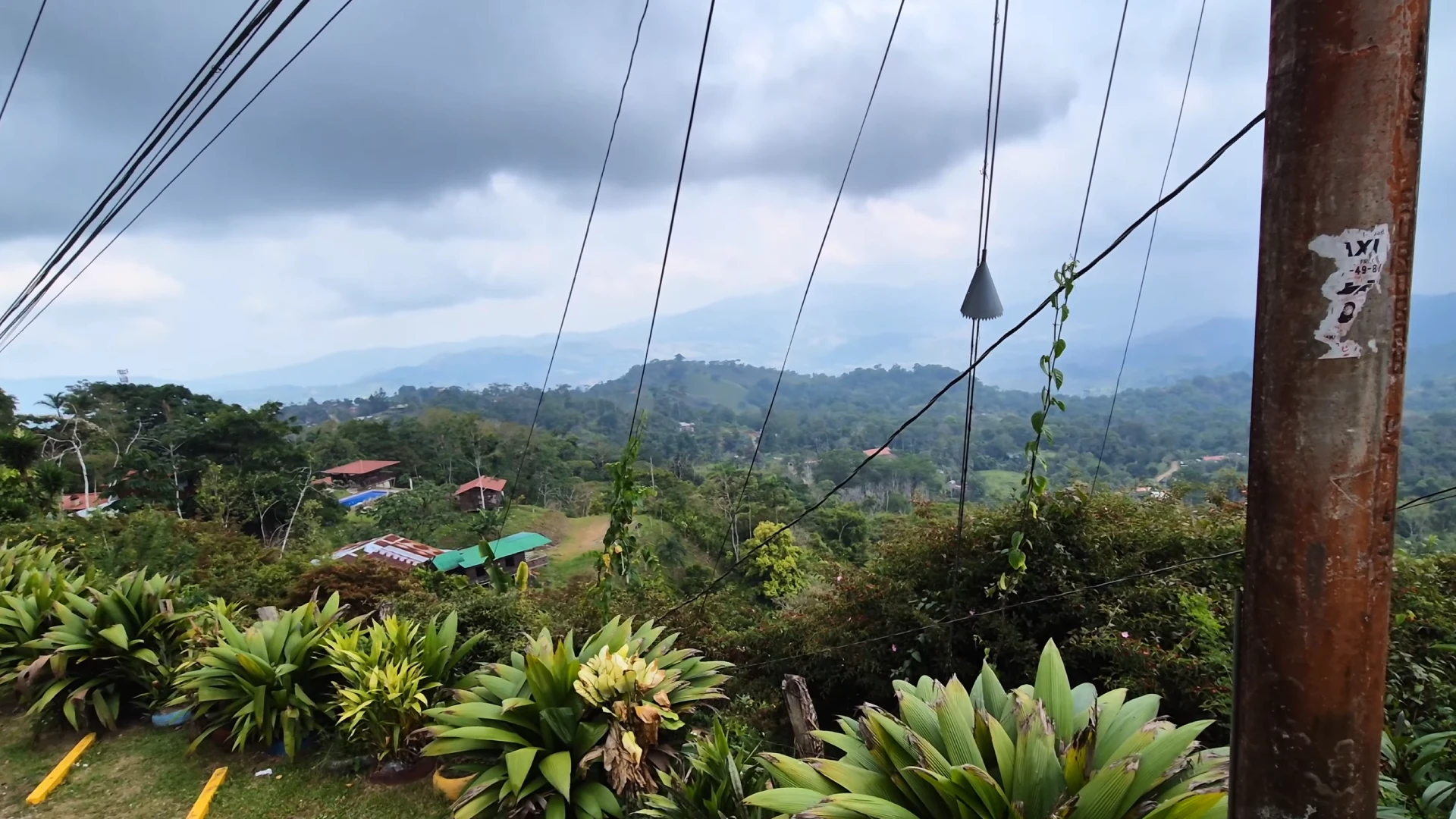
This is one stop that has a nice elevated lookout towards the Pacific Ocean. There’s a small restaurant and fruit market here as well.
Small Towns Along the Way
Several small communities dot the mountain route, each with its own character. Platanillo serves as the first significant settlement as you climb from Dominical, offering a few local restaurants and basic services. It’s a good spot to fuel up before tackling the mountain roads.
Tinamastes has developed into something of a hub for organic farming and sustainable living. Besides its Tuesday market, you’ll find several eco-friendly businesses, organic cafés, and retreats. The town attracts both expats and Costa Ricans interested in alternative lifestyles, creating an interesting cultural blend.
Further along, the road passes by the entrance to Nauyaca Waterfall, one of the region’s most impressive natural attractions. A 4km hike (or horseback ride) leads to twin cascades with a natural swimming pool—well worth the detour if you have half a day to spare. Several tour companies in Dominical offer guided excursions, or you can visit independently for a small entrance fee.
As you approach San Isidro, the landscape opens up into a wide agricultural valley surrounded by mountains on all sides. Small farms and ranches line the roadside, with cattle grazing on impossibly steep hillsides—a testament to the resourcefulness of local farmers who have adapted their agricultural practices to this challenging terrain.
San Isidro de El General
San Isidro de El General is the commercial center of Costa Rica’s Southern Zone. Unlike tourism focused coastal towns, San Isidro is a working city where locals outnumber visitors. This gives you a more authentic experience for Costa Rica. You’ll find stocked markets, local eateries, and a non-touristy atmosphere.
Located at about 700 meters in elevation, it’s in a valley surrounded by mountains, so the climate here is fairly consistant and cooler than the coast. Daytime temperatures typically range from 21-29°C, so it’s comfortable to explore on foot all year round. The central area is organized in a grid pattern, with the main commercial district stretching about 10 blocks in each direction from the central park and church.
The Commercial Hub of the South
San Isidro functions as the primary service center for the entire Southern Zone. Locals from surrounding towns and rural areas come here for everything from banking and medical care to shopping and government services. You’ll find practical resources here too, including supermarkets, hardware stores, automotive services, and regional bus connections.
The downtown area centers around the main park (Parque Central) and the blue church (Iglesia de San Isidro Labrador) that anchors the city. From this central point, you’ll see banks with ATMs, pharmacies, clothing stores, and numerous sodas (small local restaurants). Several major supermarkets, including Maxi Pali and BM, have wider selections than you’ll find in coastal towns. For import selection visit the Luferz Supermarket which is on the main highway at the McDonald’s intersection.
If you need to resupply, repair equipment, or access services, San Isidro has everything you might need during your journey through the Southern Zone. Many people use the city as a base for exploring the region or as a stopover when traveling between the coast and San José. Hotel options range from simple hostels to mid-range business hotels, most with good value compared to tourist areas.
Local Markets and Shopping
The Municipal Market (Mercado Municipal) is San Isidro’s commercial primary commercial destination. This indoor market has dozens of small vendors selling fresh produce, meats, cheeses, spices, and prepared foods. It’s the perfect place to sample local specialties like chorreadas (corn pancakes), fresh fruit smoothies, or regional cheeses. The market runs daily but is busiest in the mornings and on weekends.
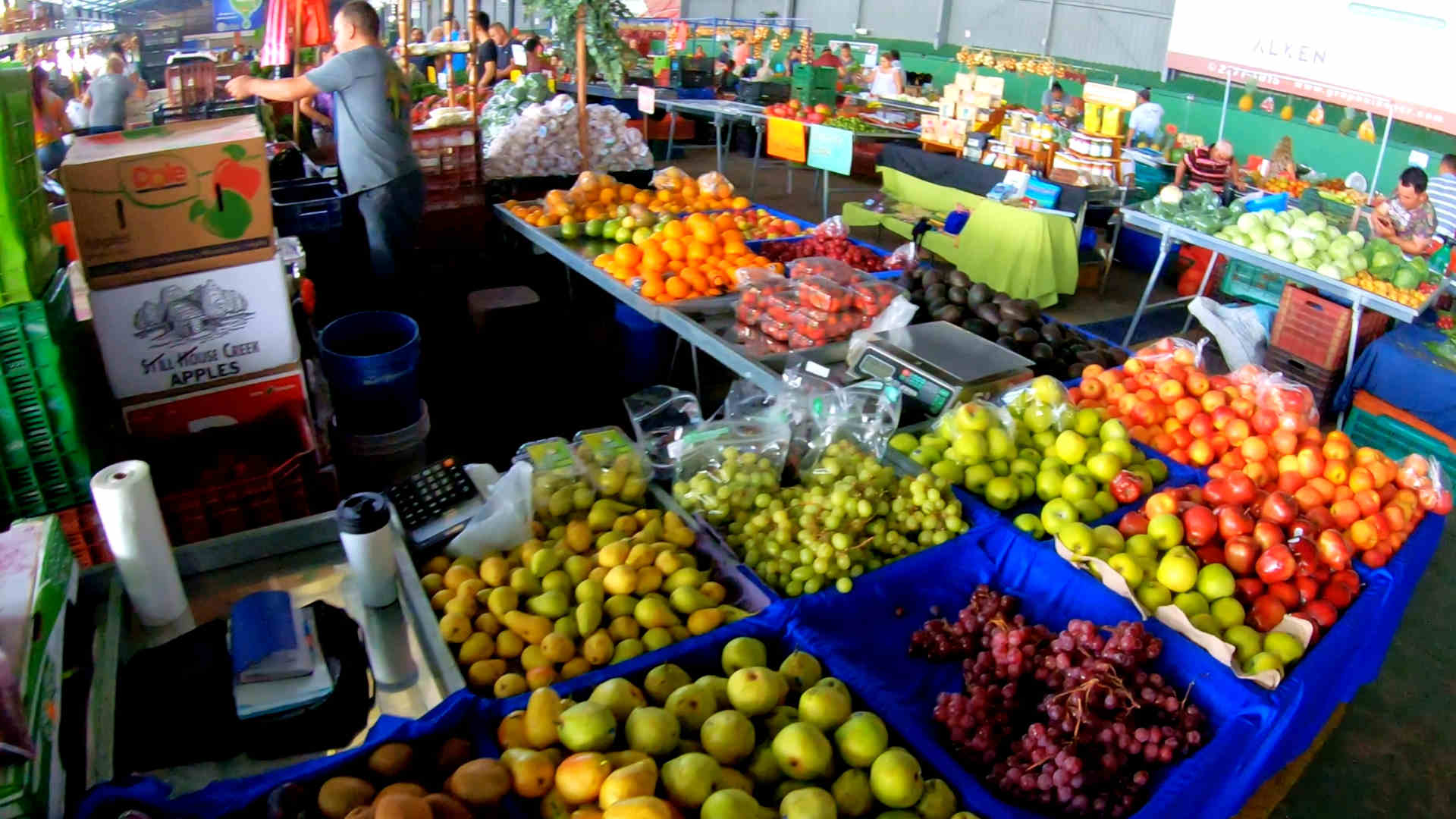
Every Thursday & Friday, the city has a farmers market (feria) where regional producers bring their goods directly to consumers. Here you’ll see an impressive variety of tropical fruits, many of which don’t appear in standard supermarkets. This is also an excellent opportunity to purchase local coffee directly from the families who grow it, often at better prices than elsewhere. This market is held in a large covered building near the main highway.
Shopping in San Isidro focuses on practical items rather than souvenirs, though you can find some artisanal products at the Mercado Municipal and various shops near the central park. Farther along the stretch of Highway #2, you’ll find more spread out shopping options like Walmart, CoopeAgri and some indoor malls.
Day Trips from San Isidro
San Isidro’s central location makes it an ideal base for exploring nearby attractions. To the west, the mountain route to Dominical leads to waterfall hikes, wildlife viewing, and beach access. Nauyaca Waterfall is about 40 minutes from the city.
Heading east takes you to Chirripó National Park, home to Costa Rica’s highest peak at 3,820 meters. For adventure seekers, the area has white water rafting options from family friendly Class II-III rapids to more challenging Class IV sections.
Several coffee farms around San Isidro allow you to learn about growing and processing Costa Rica’s famous coffee beans, providing insight into the agricultural foundation of the region’s economy.
I use these versatile trail runners on my hikes in Costa Rica. The aggressive grip tackles steep terrain while maintaining comfort for long days on mountain paths.
Buenos Aires: Off the Tourist Trail
I drove into Buenos Aires after passing miles of pineapple fields, and immediately noticed how different it felt from coastal tourist towns. This agricultural hub is about 4 hours south of San José and 45 minutes south of San Isidro. You won’t find many international tourists here. Instead, the central park fills with local families in the evenings, small sodas serve cheap casados, and Spanish dominates both conversation and signage.
The town isn’t fancy – just a simple grid of streets around a central park with a church and municipal buildings. Prices reflect the local economy rather than tourist demand. You can expect to pay lower prices at restaurants, as compared to popular tourist towns like Uvita. The surrounding mountains create a dramatic backdrop, especially in the morning when clouds hang low over the ridges.
Indigenous Culture and History
Buenos Aires borders several indigenous territories, including the Boruca and Térraba reservations. These communities have maintained their cultural practices despite centuries of outside pressure. In the town park, you’ll notice distinctive round stones created by pre-Columbian indigenous peoples – similar stones appear throughout the Southern Zone.
The indigenous lands house natural springs and rivers flowing from the mountains. When I visited a hot springs in the indigenous territory, I met the owner Arnold who manages the property. It had both hot and cold pools fed by natural springs. We picked lemons growing on trees around the property and squeezed them into our drinking water – a simple experience that felt worlds away from commercial tourist attractions.
If you’re here in late December or early January, try to catch the Juego de los Diablitos (Game of the Little Devils) celebration by the Boruca people. Local men wear hand-carved masks representing “devils” (the indigenous people) who battle against a bull (representing Spanish colonizers). After days of ceremony, they burn the bull effigy, symbolizing indigenous resistance.
Hot Springs and Natural Attractions
The mountains around Buenos Aires contain several hot springs from the region’s geothermal activity. These aren’t developed resorts – most are simple pools with minimal facilities. The water temperatures vary between spots, but all offer a rustic bathing experience that costs a fraction of what you’d pay in tourist areas.
From town, you can see the slopes of the Talamanca Mountain Range, part of which forms Parque Internacional La Amistad spanning the Panama border. Rivers flowing down these mountains create small waterfalls and swimming holes throughout the area, many are listed on Google Maps but many aren’t. Exploring the area with a rental car is a great option.
The drive to Buenos Aires passes through extensive pineapple plantations – rows upon rows of spiky plants stretching to the horizon. Around town, small farms raise cattle, sugar cane, and various fruits. It’s amazing to see cattle grazing on hillsides so steep they seem to defy gravity. The farmers have adapted their techniques to this challenging terrain, clearing narrow paths that zigzag up the mountains.
If you want to experience Costa Rica beyond the tourist trail, Buenos Aires has a genuine look at rural life, indigenous heritage, and natural attractions that most visitors never see. It makes a perfect stopover when traveling between the Central Valley and points further south, or as a base for exploring the surrounding mountains.
If these blog posts and videos help plan your Costa Rica vacation, please support our channel.
Follow Us
Keep up with our latest Costa Rica travel videos and guides by subscribing to our YouTube channel. We regularly post new content showing real conditions across different regions and seasons.
Leave a comment with your Costa Rica travel questions – we’re happy to help plan your perfect time to visit.
Frequently Asked Questions
How long should I stay in the Southern Zone?
Plan for at least 4-5 days to properly experience the Southern Zone. This allows time for 1-2 days in Dominical for beach activities and surfing, 1 day for the mountain drive with stops at viewpoints and small towns, 1-2 days based in San Isidro to explore the valley and nearby attractions, and potentially a day trip to Buenos Aires if you’re interested in indigenous culture. You could spend a week or more in this region, using it as a base to explore attractions further south like the Osa Peninsula.
What’s the best time of year to visit the Southern Zone?
The dry season (December through April) has the most reliable weather for exploring the Southern Zone. January and February are ideal months with clear skies, though this is also peak tourist season. The shoulder seasons (May/June and November) can be good compromises, with fewer visitors and intermittent rain that typically falls in the afternoons. During the green season (July through October), morning activities are usually fine, but heavy afternoon rains are common.
Do I need a 4×4 vehicle to explore the Southern Zone?
While a standard vehicle can manage the main roads between Dominical, San Isidro, and Buenos Aires during the dry season, a 4×4 or high clearance vehicle provides more flexibility for exploring side roads and accessing natural attractions. During the rainy season (May-November), a 4×4 is strongly recommended, especially for mountain roads where landslides or washouts may occur. If you’re planning to visit indigenous territories or remote hot springs around Buenos Aires, a 4×4 is essential year-round.
Is the Southern Zone safe for travelers?
The Southern Zone is generally considered safe, with lower crime rates than more touristy destinations. Standard precautions apply: don’t leave valuables visible in parked cars, be cautious with belongings at beaches, and avoid isolated areas after dark. San Isidro and smaller towns have a strong local community presence, and violent crime targeting tourists is rare. The biggest safety concerns in this region tend to be related to road conditions, strong ocean currents in Dominical, and occasional flash flooding during heavy rains.
How does the Southern Zone compare to more popular destinations like Guanacaste?
The Southern Zone has a more authentic Costa Rican experience than heavily developed areas like Guanacaste. You’ll find fewer all-inclusive resorts, international restaurant chains, and organized tours, but more opportunities to interact with locals and experience daily Costa Rican life. Prices tend to be lower, crowds smaller, and natural attractions less commercialized. The beaches are less manicured but often more dramatic, with jungle-covered mountains at the shoreline. The climate is generally wetter than Guanacaste, resulting in more lush vegetation and varied ecosystems.
Can I get by with only English in the Southern Zone?
In tourist areas like Dominical, most businesses that cater to visitors have English-speaking staff. However, as you move inland to San Isidro and especially Buenos Aires, Spanish becomes increasingly important. Basic Spanish phrases for ordering food, asking directions, and handling transportation will significantly enhance your experience. In indigenous territories, some older residents may speak native languages in addition to Spanish.
What are the best food experiences in the Southern Zone?
Don’t miss the opportunity to try a traditional casado (a plate with rice, beans, plantains, salad, and your choice of protein) at local sodas, which have authentic food at reasonable prices. In San Isidro, the Municipal Market houses small food stalls serving regional specialties and fresh tropical fruits you won’t find elsewhere. Coffee lovers should try locally grown beans from the mountains around San Isidro, which have distinct flavor profiles from the better-known Central Valley coffees. Along the coast, fresh seafood features prominently on menus, while inland restaurants tend to focus on beef, chicken, and pork dishes.
Orosi offers one of the most rewarding day trips from San Jose, located just 35 kilometers southeast of the capital in the green Orosi Valley. This historic town combines colonial architecture, coffee culture, and spectacular mountain scenery – without the crowds you’ll find at more popular Costa Rica destinations. The short 90 minute drive from San Jose makes it a top destination for a day trip.
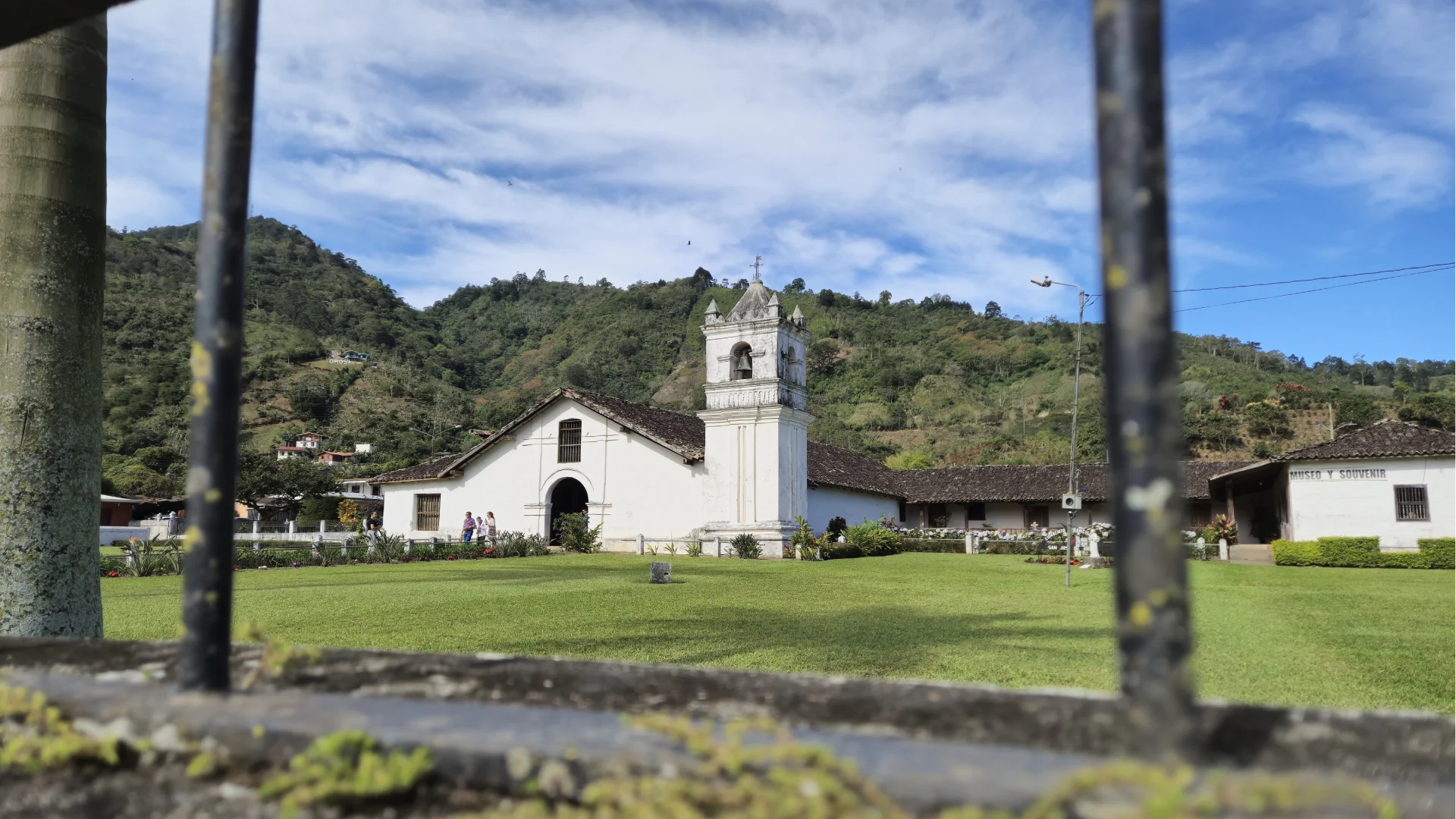
What makes Orosi stand out among Costa Rica’s beautiful places is its authentic charm and unspoiled natural setting. Unlike tourist heavy destinations, Orosi maintains its local character with a central park where residents gather, colorful traditional buildings, and surrounding coffee plantations that climb the valley walls. The panoramic views from the Mirador lookout point show the entire valley, with the winding Orosi River cutting through green mountains. You’ll see farms and the colonial church standing prominently in the town center of Orosi.
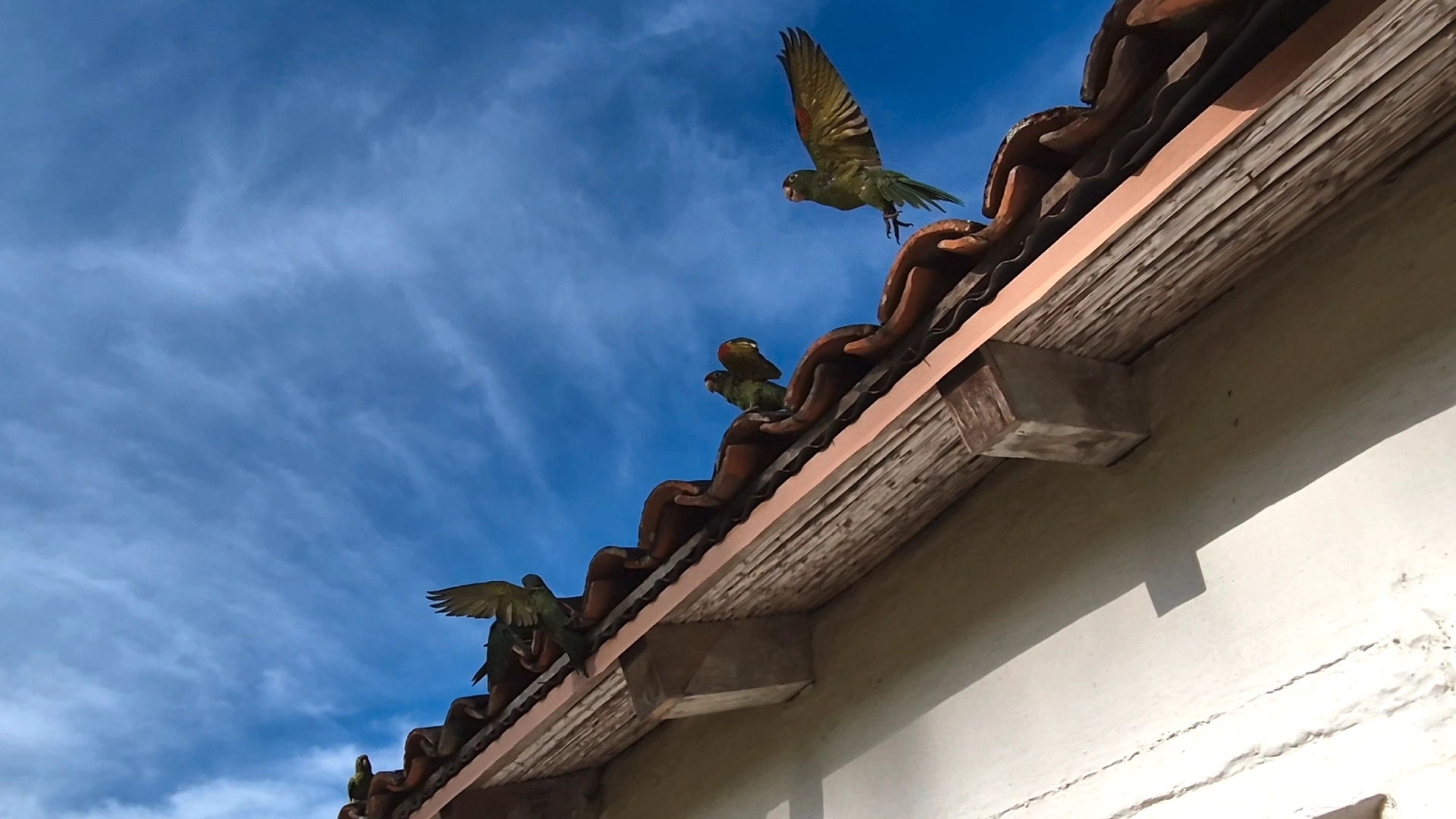
An Orosi walking tour covers three main attractions that can easily be explored in a single day. Start at the Mirador for incredible valley views and photo opportunities, then head down to explore the historic Iglesia de San José de Orosi. This is one of Costa Rica’s oldest colonial churches dating back to the 1700s. Complete your visit with a walk through the town center, where you can sample locally grown coffee, enjoy traditional Costa Rican cuisine, and watch small green parakeets fly around the central park’s trees and church tower.
Reaching Orosi from San Jose is straightforward, with several transportation options depending on your travel style and budget. The journey takes you through the former capital city of Cartago before winding into the valley, with scenic views along the route. You can make Orosi a day trip, though the peaceful and cool atmosphere might tempt you to stay overnight.
Driving Directions & Route
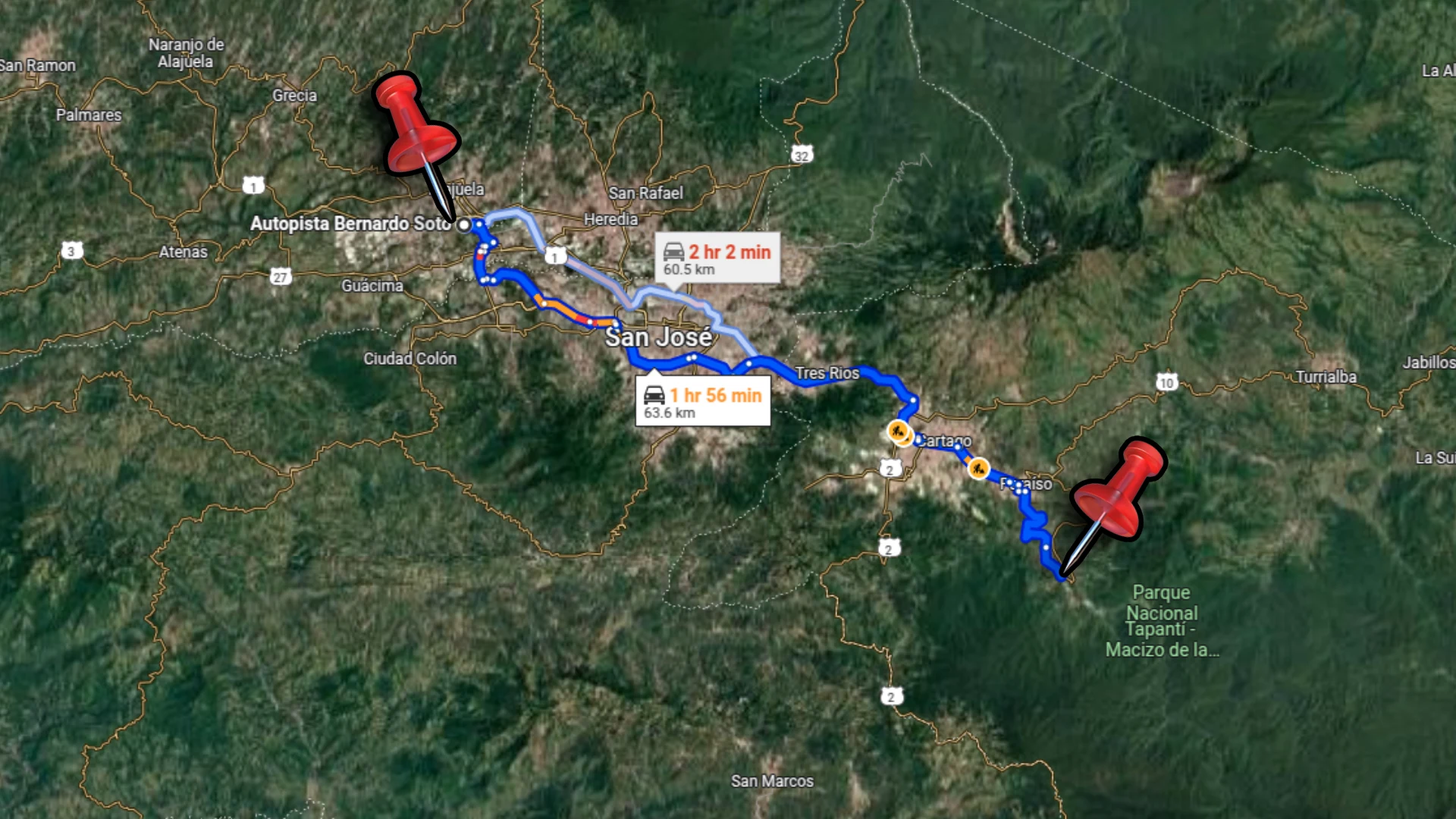
The most direct route from San Jose to Orosi follows Highway 2 southeast to Cartago, then continues on Route 224 through Paraíso and into the Orosi Valley. From central San Jose, head east on Highway 2 (also called the Interamerican Highway) toward Cartago. After reaching Cartago (about 45 minutes from San Jose), follow signs for Paraíso, then continue on to Orosi.
The roads are generally well maintained and fully paved until you reach the town itself. Some of the streets in Orosi are narrower, but still accessible with standard vehicles. The drive offers beautiful scenery as you descend into the valley, with views of coffee plantations and mountains along the way. Total driving time from San Jose is approximately 90 minutes, though morning traffic leaving the capital can add 15 – 30 minutes.
Parking in Orosi is readily available, with spaces near the central park and church. If you stop at the Mirador viewpoint above town, there’s a designated lot with security staff where you’ll need to sign in with your name and passport number, though entrance is free.
Route between San Jose Airport and Orosi. Easy to navigate if you rent a car for your vacation.
Public Transportation Options
If you’re traveling without a car, public buses run regularly from San Jose to Orosi. First, take a bus from San Jose to Cartago from the Terminal Atlantico Norte (on Calle Central, Avenida 11). These buses depart every 10 – 15 minutes and take about an hour to reach Cartago. From Cartago’s central bus terminal, catch a connection to Orosi, which runs approximately once per hour and takes about 30 minutes.
The complete journey by public transportation costs a few dollars and takes around 2 hours each way. While this option saves money, it reduces flexibility for exploring the area beyond the town center. The last bus returning from Orosi to Cartago typically leaves around 7:00 PM, so check the schedule carefully to avoid missing your return connection.
Tour Companies vs. Self-Guided Visit
Several tour companies in San Jose offer day trips that include Orosi, often bundled with visits to nearby attractions like the Lankester Botanical Gardens or Ujarrás ruins. These organized tours typically cost $80-120 per person and include transportation, guide service, and sometimes lunch at a local restaurant.
A self guided visit offers more flexibility and significant cost savings, especially if you’re traveling with others. With your own transportation, you can spend as much time as you want at each location and explore lesser known spots. The main attractions in Orosi are easy to find and don’t require guided explanation, making this an ideal destination for independent travelers. If you’re comfortable navigating Costa Rican roads, the self guided option provides the best value and freedom to explore at your own pace.
I use this sling backpack when I’m travelling in Costa Rica. It has a zipper lock to secure your stuff. I like the sling as I can flip the bag to the front for easy access.
Mirador Orosi – Spectacular Valley Views
The Mirador Orosi viewpoint sits just above town and gives you some of the best views in the area. This lookout point is a good first stop before heading down into the valley. Many people skip this spot and go straight to the downtown area, but taking time here helps you understand the layout of the valley from above.
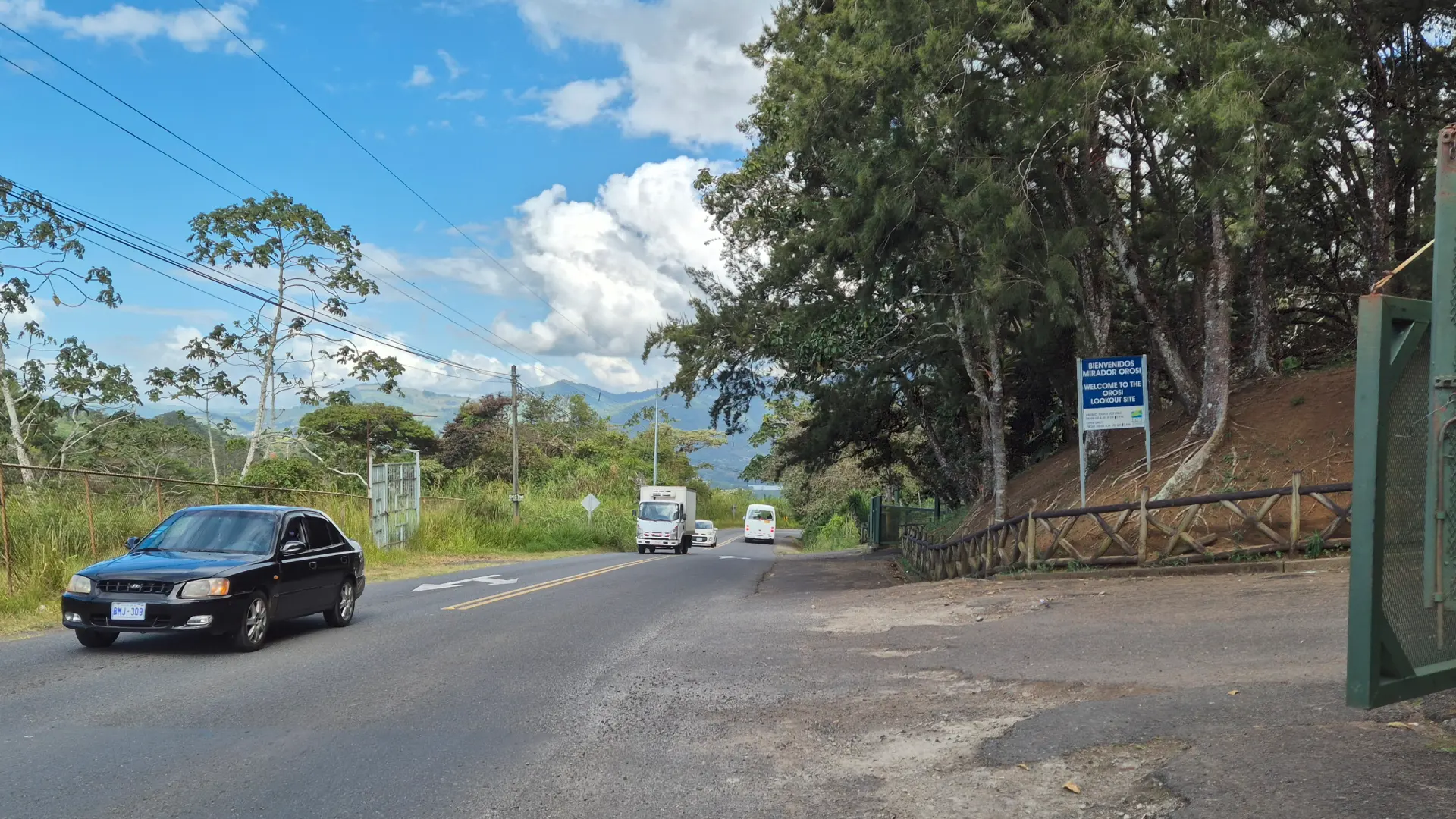
You’ll find the viewpoint on the road connecting Cartago to Orosi. It’s free to enter and open daily from 8:00 AM to 4:30 PM. There’s security on site, and you’ll need to sign in when you arrive. If you’re driving up from Orosi town, it takes about 10 minutes on a winding road with signs marking the entrance.
Look for the entrance to Mirador Orosi just before going down the hill into town.
What to See at the Lookout Point
From the Mirador, you can see the whole town of Orosi with its church standing out in the center. Coffee plantations cover the surrounding hills, and the Orosi River cuts through the valley. On clear days, you might spot Irazú Volcano in the distance, though mornings usually have better visibility before clouds move in.
The main viewing area has signs that point out landmarks and explain a bit about the region’s history, especially its role in Costa Rica’s coffee industry. Beyond Orosi itself, you can see neighboring towns and mountains spread across the valley.
The view changes throughout the day as the light shifts. Morning sun lights up the eastern slopes, while afternoon light hits the western side of the valley. If you have time, it’s worth seeing these changes, especially if you’re staying nearby.
Facilities & Activities
The Mirador has more than just places to look at the view. There are several picnic tables with roofs, making it a nice spot to eat lunch while enjoying the scenery. Restrooms are located near the entrance, and there are water fountains scattered around.
If you’re visiting with kids, there’s a playground with swings and slides set back from the edge. Parents can watch their children while still enjoying the views. Short walking paths go through pine trees and flowering plants if you want to stretch your legs.
The grounds are kept clean by staff who work there daily. Unlike some public viewpoints, this one has plenty of trash cans that get emptied regularly. The whole area feels like a small park where you can spend time relaxing rather than just taking a quick photo.
Some photos of what you can expect at the lookout park. Nice picnic benches, groomed path and exquisit looking chickens.
Photography Tips for Valley Views
The wide view of Orosi Valley can be tricky to capture in photos. Try using your phone’s panorama mode or take multiple shots that you can combine later. The Samsung Galaxy phone works well here, especially with its wide-angle lens that can fit more of the view in one shot.
Coming in the morning (8-10 AM) usually gives you clearer views before clouds build up later in the day. If you’re serious about photography, early morning sometimes has light fog in the valley that makes for interesting photos as it clears. During the rainy season (May-November), plan to visit in the morning when there’s less chance of rain blocking the view.
Some photos from the lookout, both of Orosi town and some of the valleys. There are great opportunites to capture the landscape with fences and trees in the foreground for depth.
For better photos, try including some foreground elements like trees or the lookout railings to frame the valley. This adds depth to your pictures. Don’t just take wide shots – zoom in on details like the church tower, the winding river, or the patterns of coffee farms on the hillsides.
Orosi Walking Tour: Historic Church
The main attraction in Orosi is the historic Iglesia de San José de Orosi, one of the oldest buildings still standing in Costa Rica. Built in the 1700s, this church shows off the town’s colonial past and religious roots. You can spot its white walls and bell tower from all over the valley – it’s the landmark most people recognize when they think of Orosi.
You’ll find the church right off the main plaza in the center of town. It’s an easy walk from anywhere in Orosi. The church still holds regular services for locals but welcomes visitors who want to learn about its history.
Colonial Architecture & History
Franciscan missionaries built this church in 1767. There aren’t many colonial-era buildings left in Costa Rica, which makes this one special. The walls are thick adobe painted white, standing out against the green mountains behind it. They built it using materials and methods that were common during colonial times but adapted to what was available locally.
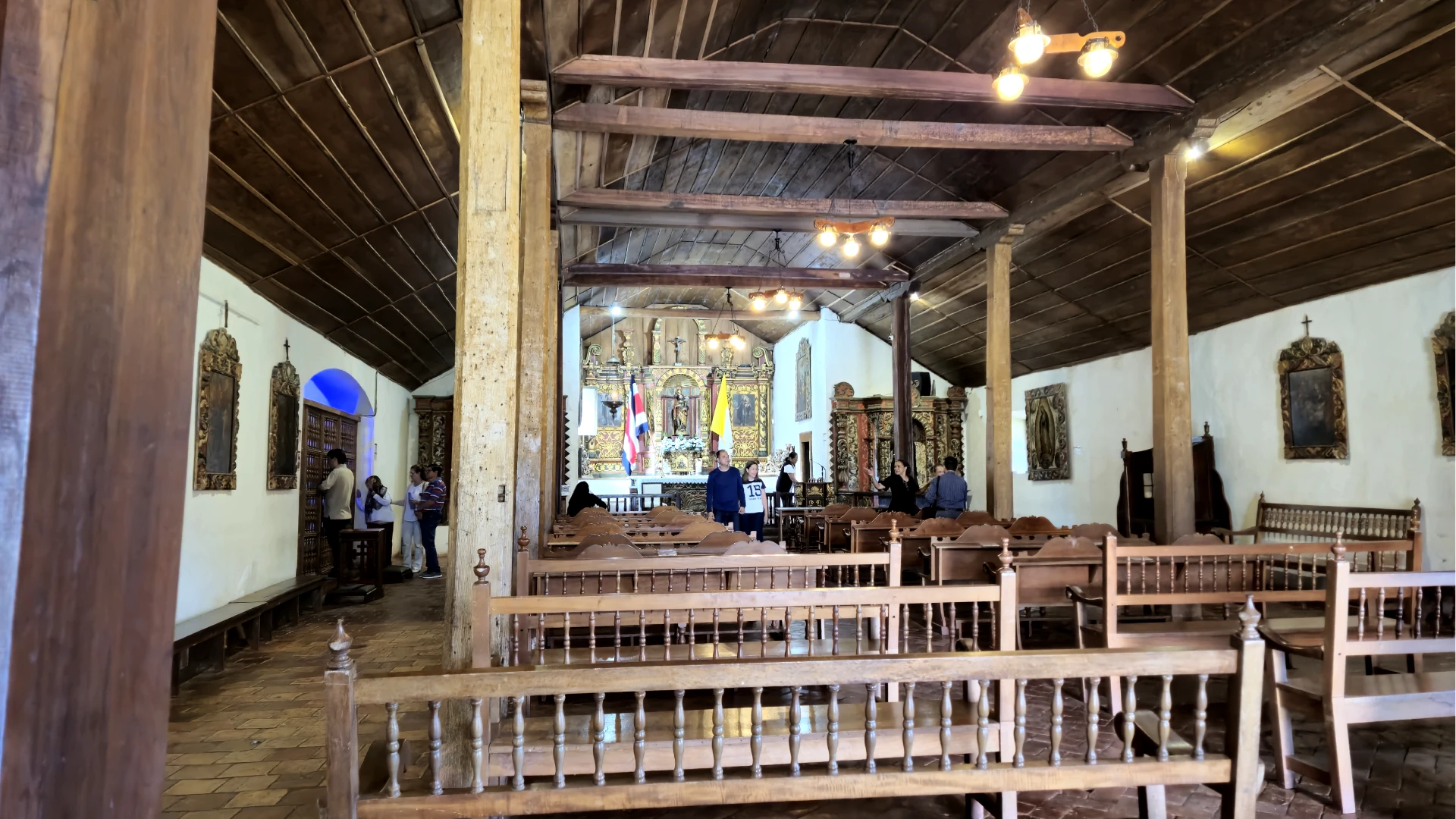
When you step inside, you’ll notice how much of the original character is still there. The wooden altar and religious items are hundreds of years old, with detailed craftsmanship that’s much fancier than the plain outside walls. Dark wooden beams run across the ceiling, and small windows let in just enough light to create a peaceful mood.
This church was more than just a building – it was one of the first Catholic centers in Costa Rica and helped the Spanish establish their presence here. There used to be a Franciscan monastery next to the church where missionaries lived while trying to convert local indigenous people.
Historical church in the town center of Orosi. This church dates back to the 1700’s.
Religious Art Museum
Next to the church, there’s a small museum called the Museo de Arte Religioso that displays items from colonial times. It’s housed in what used to be part of the monastery. Tickets cost about 1,000 colones ($2 USD) for adults, and kids under six can enter free.
The museum has religious paintings, sculptures, and ceremonial objects from the 1700s. The carved wooden saints, gold and silver church items, and old furniture are especially interesting. There are cards in Spanish and English that explain what everything is and why it matters.
The museum is open from 9:00 AM to 5:00 PM Tuesday through Sunday. They don’t allow photos in some areas to protect the old artifacts. You’ll probably spend about half an hour looking around the small collection.
View inside the historical church in Orosi.
Parakeets & Wildlife at the Church
Something unexpected at the Orosi church is the group of small green parakeets that were hanging out around the buildings. These birds are Crimson-fronted Parakeets. You’ll see them flying around the church tower and gathering in nearby trees, especially early in the morning and late afternoon.
The parakeets make lots of noise and put on quite a show with their flying. If you like taking wildlife photos, you’ll have plenty of chances right in the middle of town. Their bright green feathers look great against the sky. They’re most active around sunrise and before sunset, but you might see them at any time of day.
Besides parakeets, the area around the church and central park attracts other birds and small animals. Look up into the trees and you might spot hummingbirds, blue-gray tanagers, and sometimes even toucans in the early morning. It’s pretty cool to see both historic buildings and wildlife in the same place.
Orosi Walking Tour: Town Center
After visiting the mirador and church, spend time exploring Orosi’s charming town center. Unlike tourist heavy destinations in Costa Rica, Orosi maintains an authentic local atmosphere where everyday life continues largely unchanged by tourism. The compact town center makes it easy to explore on foot, with most points of interest within a 10-15 minute walk of each other.
The town’s layout follows the traditional Spanish colonial grid pattern, with the church and central plaza forming its heart. As you walk through town, you’ll notice how life centers around this main square, where locals gather throughout the day. The relaxed pace and friendly atmosphere make Orosi an enjoyable place to simply wander and observe daily life.
Main Square & Layout
Orosi’s central plaza sits directly in front of the historic church, creating the classic colonial town center layout found throughout Latin America. The plaza has well-maintained gardens and benches under shade trees. During weekends and evenings, the plaza becomes a social hub where families stroll and neighbors chat.
The streets extending from the plaza contain most of Orosi’s businesses and services. You’ll find small supermarkets, hardware stores, pharmacies, and other shops. Several walking routes from the plaza offer interesting perspectives on the town. Head uphill for views back toward the church and valley, or follow the road that parallels the river for a nice walk with mountain views.
Coffee Culture & Local Cafes
Orosi Valley has produced coffee since the early 19th century, and this agricultural heritage remains visible today. Coffee plantations surround the town, climbing the hillsides in neat rows. Several local cafes showcase beans grown within kilometers of where you’re sitting, offering some of the freshest coffee experiences in Costa Rica.
Café Cristina, located just outside the town center, has both excellent coffee and tours of their organic coffee farm. Their knowledgeable staff can explain the growing and roasting process while you sample their products. For something right in town, try Soda La Casita or Soda y Restaurante El Cas, where local coffee is served alongside traditional Costa Rican meals.
The coffee from this region is known for its bright acidity and clean finish, characteristics influenced by the valley’s altitude and climate. When ordering coffee in Orosi, try it black (café negro) at least once to appreciate the full flavor. Most cafes offer various preparation methods, from standard drip to chorreador (traditional Costa Rican coffee sock method).
If these blog posts and videos help plan your Costa Rica vacation, please support our channel.
Follow Us
Keep up with our latest Costa Rica travel videos and guides by subscribing to our YouTube channel. We regularly post new content showing real conditions across different regions and seasons.
Leave a comment with your Costa Rica travel questions – we’re happy to help plan your perfect time to visit.
Frequently Asked Questions
How much time should I allow for visiting Orosi?
Orosi works well as a day trip from San Jose, requiring about 4-6 hours to explore comfortably. This allows time to visit the mirador viewpoint, tour the historic church and museum, and wander the town center. If you want to include nearby attractions like Lankester Botanical Gardens or Ujarrás ruins, consider a full day (8+ hours) or even an overnight stay to avoid rushing.
Can you visit Orosi on public transportation?
Yes, you can reach Orosi using public buses. Take a bus from San Jose to Cartago (running every 10-15 minutes), then transfer to an Orosi-bound bus from Cartago’s bus terminal (running approximately hourly). The total trip takes about 2 hours each way. Once in Orosi, the town center is small enough to explore on foot, though you’ll need a taxi to reach the mirador viewpoint above town.
What is the best time of day to visit the Orosi Mirador?
Morning between 8-10am is the best time to visit the Mirador for clearest views of the valley. During this time, there’s typically less cloud cover and better visibility of distant landmarks like Irazú Volcano. Morning light also creates beautiful shadows across the valley. If you visit later, afternoon clouds often roll in, especially during the rainy season from May to November.
Is Orosi worth visiting with children?
Orosi is family-friendly with several attractions children will enjoy. The Mirador viewpoint has a playground and picnic areas where kids can play while adults enjoy the views. The central plaza also has play equipment and open spaces. Children often enjoy spotting the green parakeets around the church and exploring the grounds. For older children, the Religious Art Museum may be of interest, though younger kids might find it less engaging.
Are there good hikes near Orosi?
Yes, Orosi is close to excellent hiking opportunities. Tapantí National Park is just 15 minutes from town and offers several trails through cloud forest with waterfalls and river views. The paths to the ruins of Ujarrás provide an easy walking route with historical context. For more challenging hikes, locals can direct you to trails ascending the valley walls, though these are less formally marked. Many coffee plantations around Orosi also offer walking tours through their properties.
What should I bring for a day trip to Orosi?
For visiting Orosi, bring a light jacket or sweater as the elevation makes it cooler than coastal areas, especially in the morning and evening. Good walking shoes are helpful for exploring the town and viewpoints. A camera is essential for the scenic views from the Mirador. Sunscreen and a hat are recommended even on cloudy days, and a small umbrella or rain jacket is wise during the rainy season. Cash is useful as smaller establishments may not accept cards.
Costa Rica hosts over 1,200 butterfly species, accounting for approximately 18% of the world’s known butterfly varieties within its small geographic area. This incredible diversity makes the country a premier destination for butterfly enthusiasts and casual visitors alike. From the vibrant electric blue morpho to rare specialized species found nowhere else on earth, Costa Rica’s butterfly population represents one of the most concentrated collections of these winged insects anywhere in the world.
Butterfly domes, locally known as “mariposarios,” have become popular attractions throughout Costa Rica’s various regions. These specialized enclosures recreate the perfect micro-climate for various butterfly species to thrive. This will allow you to observe their behavior up close. Most mariposarios also function as research and conservation centers, where staff breed native species and educate visitors about their ecological importance and life cycles. Butterfly domes are a great budget friendly option for families with children to enjoy.
While Costa Rica offers numerous paid butterfly experiences in tourist hubs like La Fortuna and Monteverde, some of the most authentic and immersive butterfly encounters can be found in less-traveled regions. The butterfly domes featured in this guide – in San Ramón and Perez Zeledón – have intimate encounters with dozens of native species. The butterfly’s are found in settings that showcase Costa Rica’s commitment to both conservation and visitor education. Entrance fees typically range from $10-15 per person, making these experiences both accessible and educational highlights of any Costa Rica itinerary.
Travel Tip: You don’t need to buy a SIM card when you land in Costa Rica to get data connection. With an eSIM, you’ll be able to configure your data connection before you depart for your vacation. I use the Saily eSIM in Costa Rica.
Costa Rica’s butterfly domes range from large commercial operations to smaller family-run sanctuaries, each having unique perspectives on these fascinating creatures. While popular tourist areas feature well advertised butterfly exhibits, some of the most authentic experiences can be found in less traveled locations. These two spots showcase distinctly different environments and butterfly species, giving visitors a broader appreciation for Costa Rica’s incredible biodiversity.
El Cocora Butterfly Garden
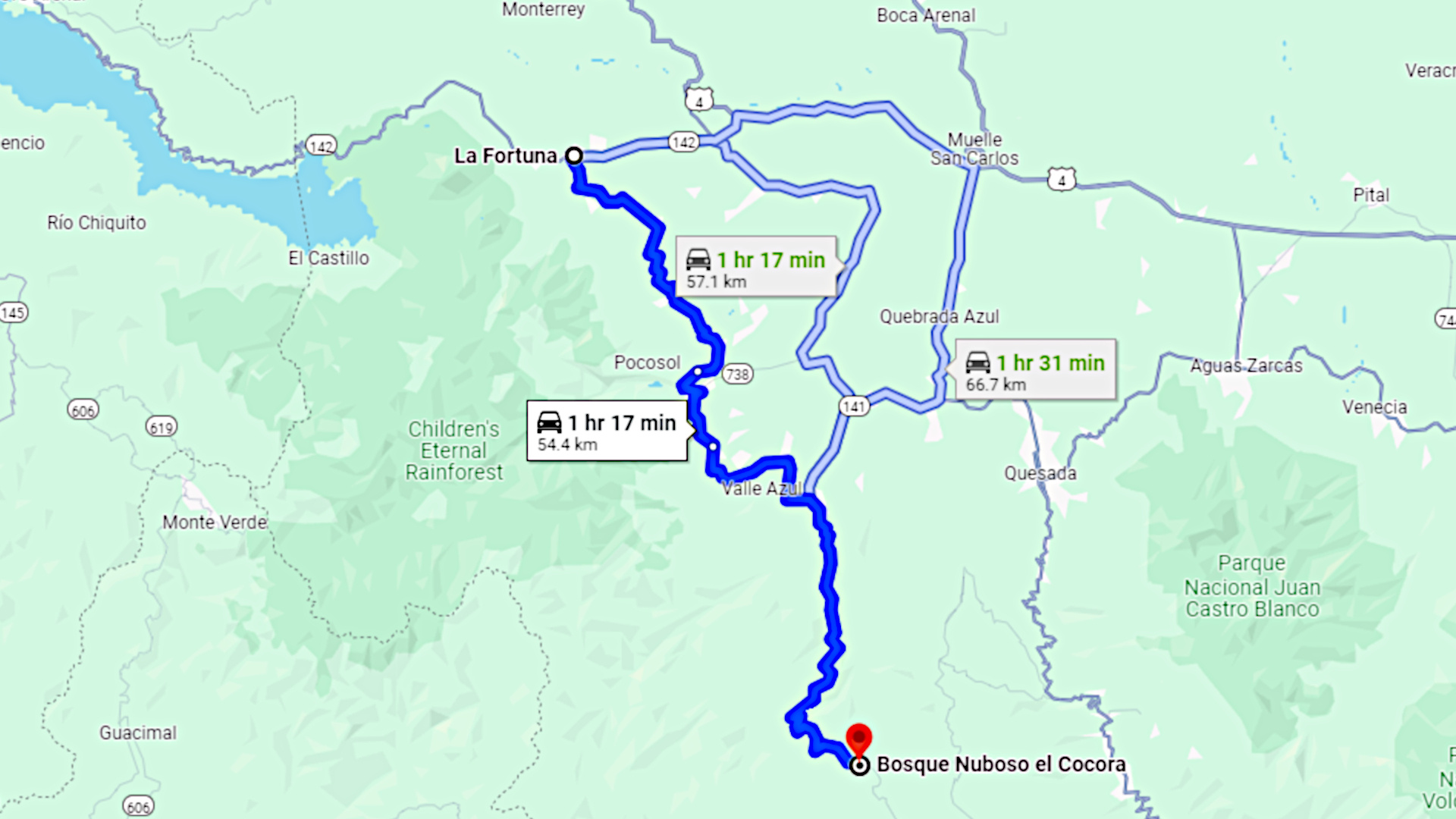
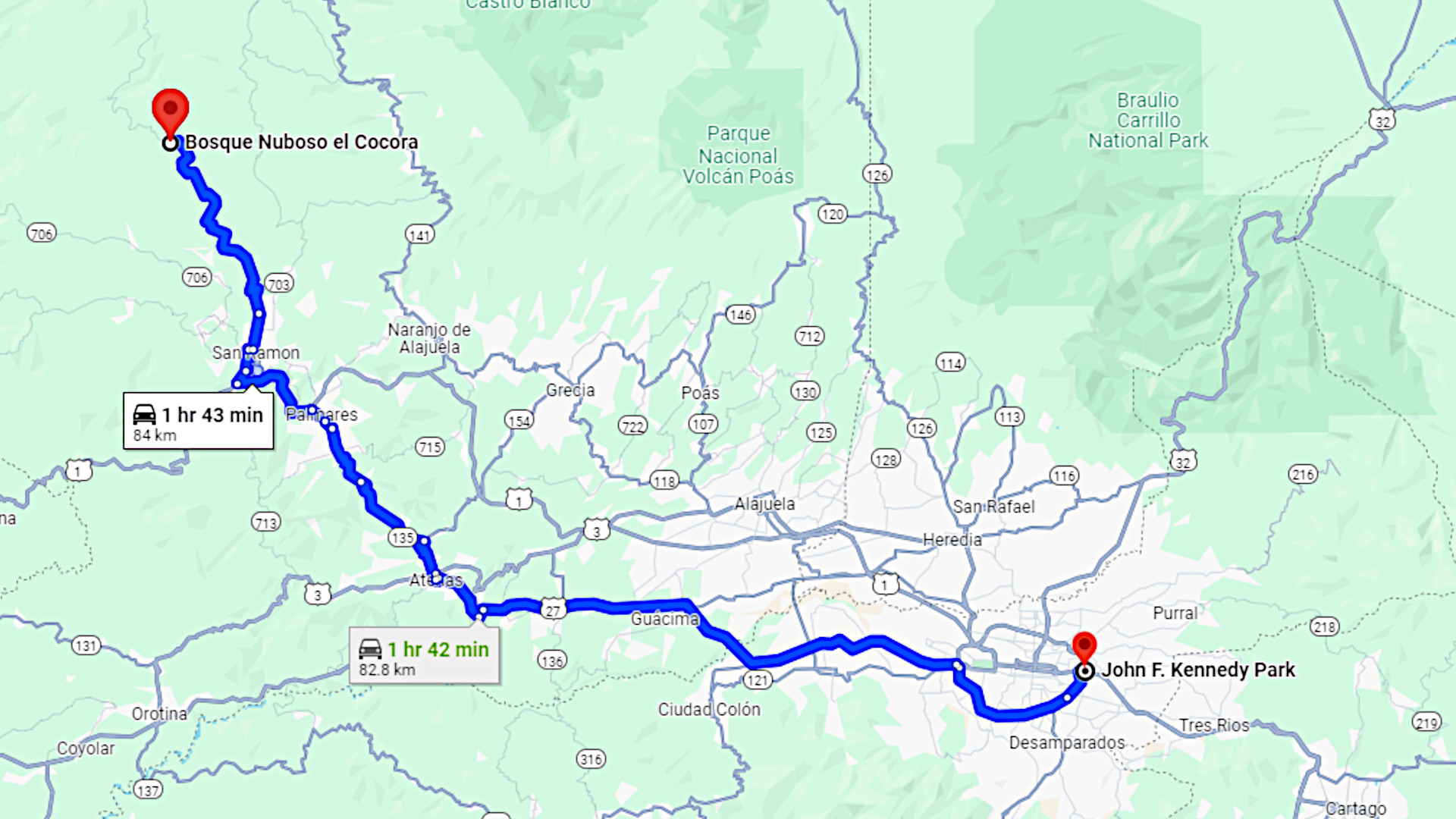
Located along Highway 702 in the mountains between La Fortuna and San José, El Cocora butterfly garden is a perfect place to take a break during the mountainous drive. The facility is within the cloud forest zone, creating ideal conditions for a variety of butterfly species. Despite being reasonably close to San José (about 1.5 hours northwest), the elevation provides cooler temperatures and misty conditions that many butterfly species thrive in.
El Cocora is part of a larger eco-tourism complex that includes hiking trails, hummingbird gardens, and a small cafe which serves excellent Costa Rican coffee. Entrance costs approximately 6,000 colones ($12), and there’s additional options for guided tours. The facility includes multiple attractions beyond butterflies, making it worth a longer stop.
What makes this location special is its integration with the surrounding cloud forest environment. You can explore well maintained hiking trails through the property, check out a fascinating leaf-cutter ant colony, and watch multiple species of hummingbirds before entering the main butterfly enclosure. The cooler mountain climate creates a refreshing atmosphere, particularly welcome for travelers coming from hotter coastal areas.
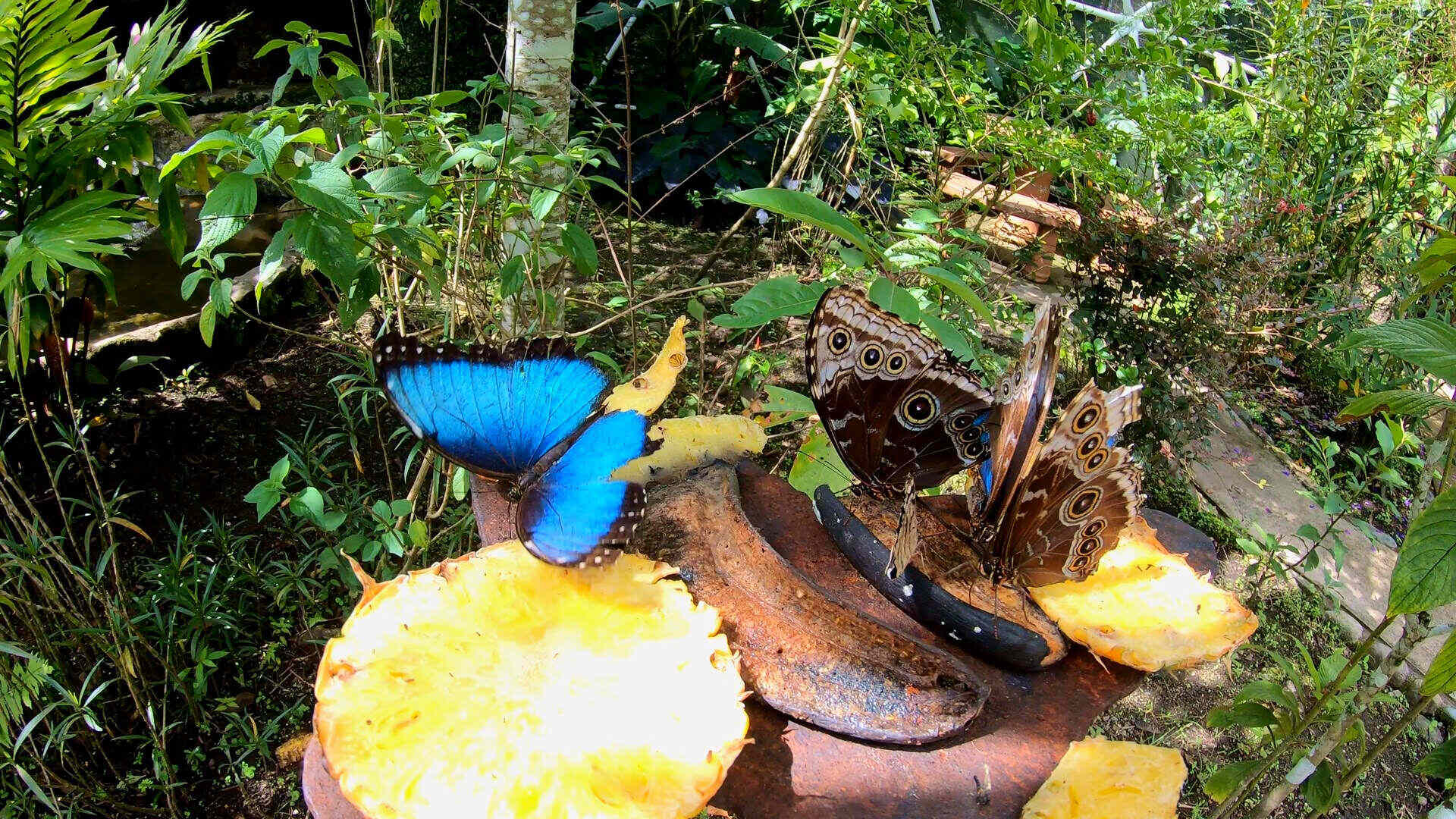
Inside the butterfly dome, you’ll see numerous species, including the striking blue morpho butterflies that Costa Rica is famous for. The dome design includes plenty of feeding stations where butterflies congregate, making photography easier. During my visit, the yellow and black swallowtails were particularly active, while the blue morphos would periodically flash their brilliant blue wings before settling to reveal their camouflaged undersides.
Casa Alegría in Perez Zeledón
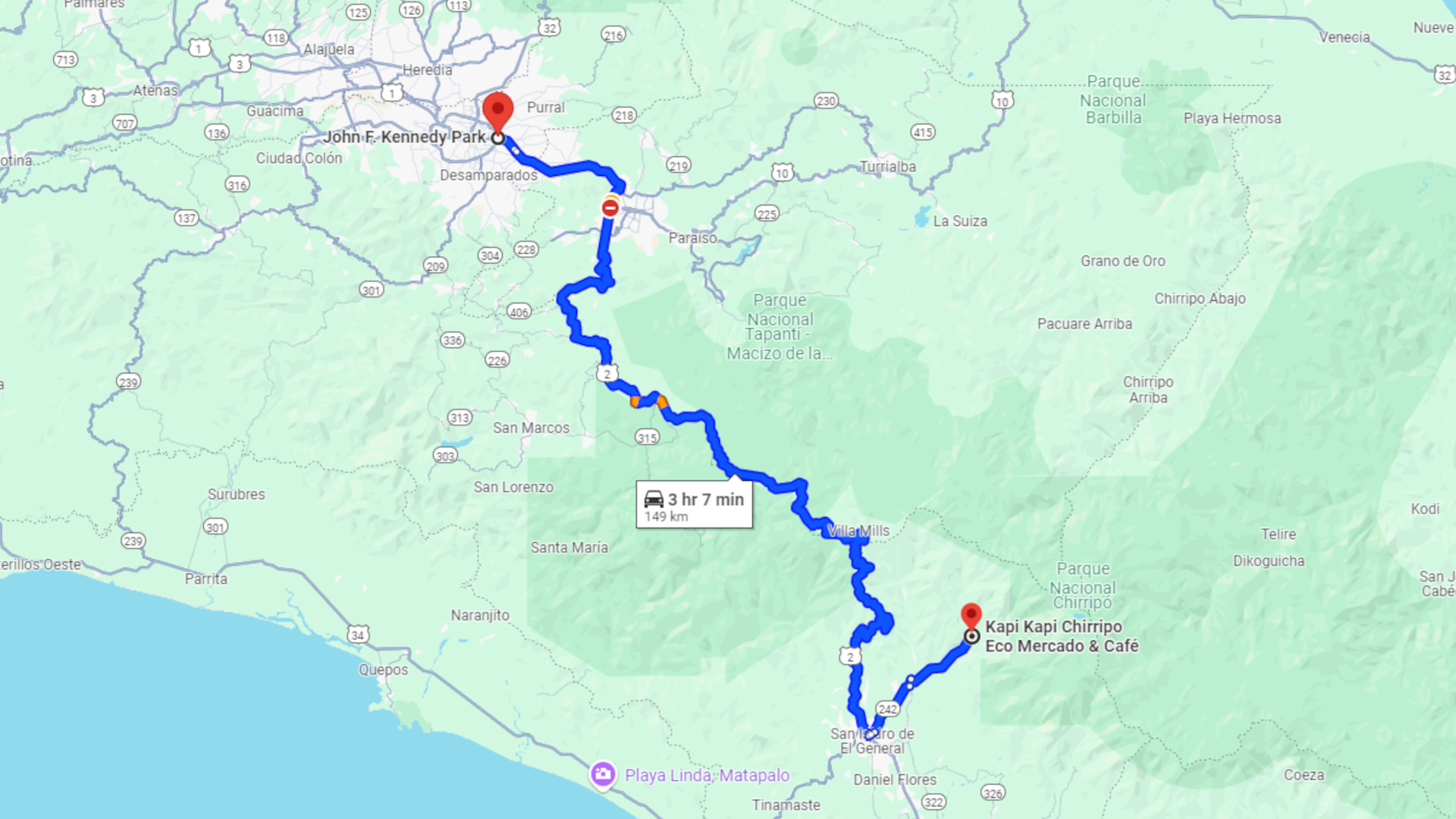
Located in the mountains of Perez Zeledón near the small town of Canaan, Casa Alegría has a more intimate butterfly experience away from mainstream tourist routes. It’s located about an hour from San Isidro de El General, sitting in the shadow of Chirripó – Costa Rica’s highest non-volcanic mountain. The backdrop of cloud covered mountains creates a spectacular setting for butterfly viewing.
Casa Alegría charges an entrance fee of about 6,000 colones ($12) that includes access to the butterfly dome, restaurant facilities, children’s play areas, and viewing platforms overlooking a deep river canyon. The property balances a natural setting with visitor amenities, making it suitable for both serious butterfly enthusiasts and families looking for a nice day trip from San Isidro.
What distinguishes Casa Alegría is its laboratory (laboratorio), where you can observe the butterfly life cycle in progress. The scientific approach adds an educational element, with displays showing butterfly eggs and caterpillars. This will give you insights into butterfly conservation efforts and breeding programs that many facilities don’t provide.
The butterfly dome itself features a variety of species, from tiny white butterflies to larger owl butterflies with their distinctive eye patterns. During my visit, the red striped butterflies were particularly calm and easy to photograph, while the orange species remained more active. Casa Alegría is a peaceful environment where you can sit and observe these creatures with leisure, the butterflies frequently will be landing on feeding platforms of bananas and other fruits.
I use this sling backpack when I’m travelling in Costa Rica. It has a zipper lock to secure your stuff. I like the sling as I can flip the bag to the front for easy access.
Featured Costa Rican Butterflies
Costa Rica’s 1,200+ butterfly species include some of the most visually striking insects in the world. While butterfly domes typically showcase dozens of species, certain butterflies tend to capture visitors’ attention due to their size, color, or distinctive patterns. These three species represent some of Costa Rica’s most commonly spotted butterflies, each having different evolutionary adaptations and behaviors.
88 Butterfly (Diaethria anna)
The 88 Butterfly, sometimes called the “Numerals” butterfly, gets its name from the distinctive white pattern on the underside of its hind wings that resembles the number 88 (or 89, depending on the viewing angle). The top sides of the wings display a striking black coloration with brilliant red and white bands, creating one of the most visually distinctive butterflies in Costa Rica.
Significantly smaller than many tropical butterflies with a wingspan of just 1.5-2 inches, these butterflies are sometimes overlooked despite their unique markings. They’re relatively common in Costa Rica’s mid-elevation forests, particularly around the Casa Alegría area in Perez Zeledón. During my visits there, these curious butterflies repeatedly landed on us, showing an unusual level of comfort around humans. Unlike many butterfly species that avoid human contact, the 88 Butterfly almost seems inquisitive, occasionally perching on shoulders, hats, or outstretched hands.
Despite their small size, 88 Butterflies are frequently photographed due to their patterns and somewhat tame demeanor compared to larger, more active species. They tend to feed on rotting fruit and tree sap rather than flower nectar, which is why you’ll often spot them at fruit feeding stations within butterfly domes.
A 88 Buttefly spotted in Perez Zeledon. These butterfly’s have very interesting patterns.
Giant Swallowtail (Papilio cresphontes)
The Giant Swallowtail is one of the most dramatic butterflies you’ll encounter in Costa Rica, with its bold black wings adorned with bright yellow markings. This impressive butterfly has a wingspan reaching up to 6 inches, making it one of the largest butterfly species in North and Central America. The distinctive “tails” on its hindwings give all swallowtail butterflies their common name.
While often seen in butterfly domes, Giant Swallowtails also flourish in natural settings throughout Costa Rica. I spotted a few of them flying along the shoreline at Playa Bonita in Guanacaste, where they seemed especially active during mid-morning hours. These coastal sightings aren’t unusual – Giant Swallowtails are highly adaptable and can be found from sea level up to elevations of about 2,000 meters.
Giant Swallowtails are strong, fast fliers that rarely stay in one place for long, making them challenging to photograph. Unlike some butterfly species that prefer shade, these butterflies are sun lovers. They’ll often be seen resting with wings spread wide on rocks or open ground. Their caterpillars, sometimes called “orange dogs,” feed on citrus plants.
These buttefly’s are easy to spot on the beach during daylight hours.
Owl Butterfly (Caligo eurilochus)
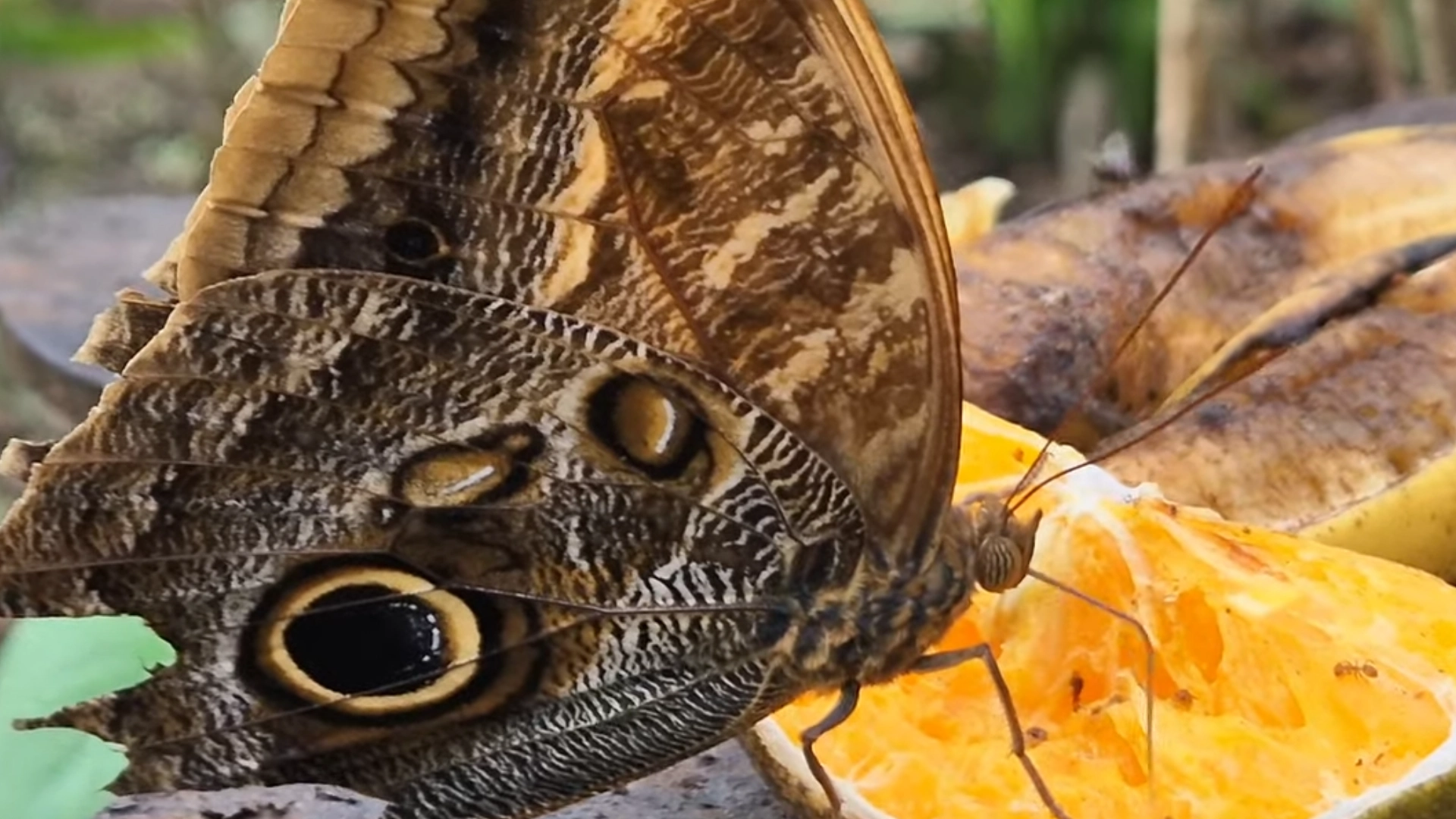
The Owl Butterfly is immediately recognizable by the large eyespot pattern on its wings that looks like an owl’s eye – an evolutionary adaptation that helps deter predators. When a potential predator approaches, the butterfly can flash these owl-like patterns, startling the threat momentarily and providing a chance to escape. These butterflies are predominantly brown with interesting patterns that create a bark like camouflage when wings are closed.
With wingspans reaching up to 8 inches, Owl Butterflies are among Costa Rica’s largest butterfly species. Unlike many butterflies that are active during daylight hours, Owl Butterflies are most active during dawn and dusk. This behavior, combined with their owl like eye spots, gives them their common name. Their preference for low light conditions means they’re often seen in shadier parts of butterfly domes.
Owl Butterflies are a common sight at virtually all butterfly domes throughout Costa Rica. They’re particularly drawn to fermenting fruit, especially bananas and oranges as shown in the photo. In butterfly domes, they’re frequently seen feeding on fruit platforms, where they extend their proboscis into the softest parts of the fruit. Their relatively slow movement while feeding makes them excellent subjects for close-up photography, allowing you to appreciate the intricate details of their wing patterns.
You’ll often find the Own Butterfly in the middle of the dome, eating some fruits.
Planning Your Visit
Timing and preparation can significantly enhance your butterfly viewing experience in Costa Rica. From seasonal considerations to proper equipment, a few simple preparations will help you make the most of your visit to these remarkable sanctuaries.
Best Time to Visit Butterfly Domes
Costa Rica’s butterfly activity varies throughout the year, with certain seasons offering better viewing opportunities than others. The dry season (December through April) typically provides more consistent butterfly activity due to greater sunshine and flower abundance. During these months, butterflies are more visible and active throughout the day, especially from 9am to 2pm when temperatures are optimal.
The green season (May through November) shouldn’t be dismissed, however. While afternoon rains are common, mornings typically remain clear, and the increased humidity during these months can actually stimulate butterfly emergence from chrysalises. Some species are more abundant during the transitional months of May-June and November when flowering plants respond to changing rainfall patterns.
For the most species diversity, the “shoulder seasons” of April-May and November tend to have the best of both worlds – fewer tourists but still good weather conditions. Regardless of when you visit, plan your butterfly dome visits for earlier in the day when butterflies are most active and before afternoon rains potentially arrive.
What to Bring for Photography & Gear
Capturing these colorful insects requires the right equipment and approach. I’ve found the Samsung S24+ to be an exceptional tool for butterfly photography without requiring professional camera gear. The phone’s auto bokeh effect creates beautiful background blur that makes butterflies stand out sharply against their surroundings. The optical image stabilization is particularly valuable when tracking moving butterflies while walking through dome pathways.
The S24+’s slow motion video capability has been invaluable for recording butterfly flight patterns, even in the slightly dimmer conditions inside butterfly domes. Many butterfly behaviors happen too quickly for the human eye to appreciate, but slow motion footage reveals the intricate wing movements and feeding behaviors in great detail. The phone’s ability to maintain focus on small subjects while adjusting to varying light conditions makes it ideal for butterfly dome environments.
Proper footwear is equally important when visiting butterfly domes, which often feature natural terrain with varying surfaces. I consistently rely on Saucony TR series trail running shoes for these visits. They provide excellent grip on potentially muddy or slippery surfaces while offering the comfort of a running shoe for extended walking. Unlike heavier hiking boots, these trail runners are lightweight enough for all-day wear while still providing the traction needed for outdoor paths and viewing areas.
Follow Us
Keep up with our latest Costa Rica travel videos and guides by subscribing to our YouTube channel. We regularly post new content showing real conditions across different regions and seasons.
Leave a comment with your Costa Rica travel questions – we’re happy to help plan your perfect time to visit.
If these blog posts and videos help plan your Costa Rica vacation, please support our channel.
Frequently Asked Questions
How much do butterfly domes cost to visit in Costa Rica?
Most butterfly domes in Costa Rica cost between 5,000-7,000 colones (approximately $10-14 USD) per adult. El Cocora and Casa Alegría both charge around 6,000 colones ($12). Children’s tickets typically cost 1,000-2,000 colones less than adult admission. Some locations offer family packages that provide better value for groups.
Are butterfly domes suitable for children?
Yes, butterfly domes are excellent activities for children. Most facilities are designed with families in mind, featuring easy walking paths and interactive elements. Both El Cocora and Casa Alegría have additional attractions like hummingbird gardens and hiking trails that keep children engaged. The controlled environment makes butterfly domes a great wildlife viewing opportunity for kids of all ages.
What’s the difference between butterfly domes and seeing butterflies in the wild?
Butterfly domes provide guaranteed sightings and close-up viewing opportunities that are rare in the wild. While Costa Rica’s natural areas have abundant butterflies, they’re often flying high in the canopy or moving quickly. Domes concentrate multiple species in accessible settings, allow viewing of feeding behaviors, and often include educational displays about butterfly life cycles. Wild butterfly viewing requires more patience but can provide exciting moments of discovery.
When is the best time of day to visit a butterfly dome?
Morning hours between 9am and noon are typically best for butterfly activity. Butterflies become more active as temperatures rise but before the day’s peak heat. This timing also helps avoid afternoon rainstorms during green season. Some species, like Owl Butterflies, are more active in lower light conditions during early morning or late afternoon hours.
Can I touch the butterflies in Costa Rican butterfly domes?
While it’s best not to intentionally handle butterflies, many species (especially the 88 Butterfly) may land on visitors naturally. If a butterfly lands on you, enjoy the moment but avoid touching their wings, which can damage the delicate scales that give them their colors and flight capabilities. Some facilities offer specific interactive experiences where staff may help facilitate safe butterfly interactions.
Are there butterflies in Costa Rica year-round?
Yes, Costa Rica has active butterfly populations throughout the year. The tropical climate supports continuous butterfly life cycles without the hibernation periods seen in temperate regions. Species diversity and abundance may shift seasonally, with some species more common during certain months. Butterfly domes maintain consistent populations year-round through their breeding programs, making them reliable attractions regardless of when you visit.
Costa Rica’s original colonial centers offer a glimpse into the country’s past through preserved architecture, historic plazas, and traditional markets. Three cities in the Central Valley – Cartago, San Jose, and Heredia – each tell different stories about the nation’s development from colonial times through modern growth.
The original capital Cartago maintains its religious heritage centered around the Basilica. San Jose shows how the coffee boom transformed a small town into a bustling capital with grand theaters and public spaces. Heredia preserves its university town character with colonial buildings around a traditional central park.
These walking routes connect historic sites while passing through active city centers where daily life continues among colonial architecture. Each city offers distinct perspectives on Costa Rican culture, from Cartago’s pilgrimage traditions to San Jose’s theater district to Heredia’s student life mixed with coffee history.
Travel Tip: You don’t need to buy a SIM card when you land in Costa Rica to get data connection. With an eSIM, you’ll be able to configure your data connection before you depart for your vacation. I use the Saily eSIM in Costa Rica.
Cartago
Cartago’s historic center preserves Costa Rica’s original colonial capital, where narrow streets lead to landmark buildings and traditional markets. The walking route starts at the iconic Basilica of Our Lady of the Angels, a masterpiece of religious architecture that draws pilgrims from across the country.
The city’s grid layout makes exploration easy, with most historic sites within a few blocks of the central plaza. Notable stops include the ruins of Santiago Apostol Parish, destroyed in the 1910 earthquake but preserved as a public park, the Municipal Museum’s colonial exhibits, and the central market where local life continues much as it has for generations.
Where to Stay in Cartago
The Historic Center
Several small hotels operate near the Basilica, giving easy walking access to main attractions. This area offers the full historic atmosphere with morning church bells and market sounds. Most accommodations here provide basic but clean rooms in restored buildings, ideal for pilgrims and history enthusiasts.
The Western Zone
Modern hotels line the main highway entering Cartago, about 10-15 minutes walking from downtown. These offer standard amenities like parking, wifi, and restaurants on site. The area provides quick access to both historic sites and shopping centers, with regular buses passing to downtown.
The Orosi Road Area
Just outside town on the road to Orosi Valley, several boutique hotels and B&Bs offer mountain views and cooler temperatures. While requiring transport to reach downtown, these properties provide peaceful settings and easy access to both city sites and valley attractions.
Things to Do in Cartago
The Municipal Museum (Free Entry)
Located in colonial-era building near central park, this free museum displays city history through artifacts and photographs. The exhibits show Cartago’s evolution from colonial capital through earthquake rebuilding. Local art exhibitions rotate through regularly.
Santiago Apostol Ruins
The preserved ruins of the original parish church create a peaceful park in city center. Stone walls and arches remain from the 1910 earthquake, now surrounding gardens and walkways. Good spot for photos and understanding local history.
Central Market
Traditional market building houses local food vendors and small restaurants. Morning hours bring produce sellers and coffee shops to life. Try traditional meals at food stalls or shop for local products.
Downtown San Jose
San Jose’s historic center spans roughly 20 blocks, where colonial architecture meets modern city life around the pedestrian boulevards of Central Avenue. The walking area connects major landmarks like the National Theater, Central Market, and various museums, each telling different parts of Costa Rica’s development from small coffee town to capital city.
The heart of downtown centers on Plaza Culture, where the underground Gold Museum and the iconic National Theater anchor the historic district. From here, pedestrian zones branch out to historic neighborhoods, busy markets, and plazas where locals gather throughout the day. The grid system makes navigation simple, with most attractions within a few blocks of Central Avenue.
Where to Stay in San Jose
Downtown Historic District
Located around National Theater and Plaza Culture, this area puts you walking distance to main museums and historic sites. Hotels range from restored historic buildings to modern business hotels. Best for cultural activities and market visits. Active during day, quieter at night.
Barrio Amon/Otoya
Historic neighborhoods filled with restored mansions from coffee baron era. Boutique hotels and B&Bs operate in converted Victorian homes. Tree-lined streets good for walking. Close to downtown but quieter atmosphere. Popular with architecture enthusiasts.
In the video, I show a budget but very nice hotel option in this neighborhood.
Paseo Colon Area
Modern hotel zone along wide avenue west of downtown. Major chain hotels offer full amenities. Easy access to both historic center and western suburbs. Good transport connections. Business district atmosphere with restaurants and services nearby.
Things to Do in Downtown San Jose
Jade Museum Experience
Located in modern six-story building near Plaza Democracia, this museum houses Central America’s largest collection of pre-Columbian jade. Each floor tells different stories about ancient life, from spiritual practices to daily tools. Interactive displays and dramatic lighting bring artifacts to life, while top floor offers city views.
Historic Buildings Walking Route
Start at National Theater’s ornate façade, then explore surrounding historic structures. Notable stops include Gran Hotel Costa Rica, Post Office Building, and Metropolitan Cathedral. Many buildings showcase different architectural periods, from colonial era through coffee boom years. Yellow plaques on buildings detail historical significance.
Barrio California Night Scene
East of downtown, this neighborhood transforms evenings into San Jose’s main social district. Local bars, live music venues, and restaurants fill restored buildings. Area stays active until late, especially Thursday through Saturday. Mix of traditional bars and modern craft beer spots. Good area for meeting locals and experiencing urban culture.
Heredia
Heredia’s historic center clusters around Central Park, where the colonial-era church towers above one of Costa Rica’s best-preserved traditional plazas. Known as the “City of Flowers,” Heredia maintains its university town character while preserving architecture from its coffee-growing golden age.
The walkable downtown grid connects historic sites with modern student life, as the National University’s influence spreads through surrounding streets. Coffee processing plants converted to cultural spaces, colonial buildings housing cafes, and traditional markets still serving local produce create a mix of old and new Costa Rica. The central area’s layout makes it easy to explore by foot, with most points of interest within a few blocks of the main square.
Where to Stay in Heredia
Central Historic District
Surrounding Central Park and the historic church, small hotels operate in restored buildings. Perfect for exploring colonial architecture and market areas by foot. University atmosphere keeps area lively during day. Most accommodations offer basic but comfortable rooms with traditional character.
University Zone
Near National University, modern hotels cater to visiting academics and families. Walking distance to both campus and historic center. Student-friendly cafes and restaurants nearby. More residential feeling than downtown, but still convenient to attractions.
Western Heredia
Newer hotels along the highway to San Joaquin offer modern amenities and mountain views. Quick bus or taxi ride to center. Close to shopping malls and business district. Good base for exploring both city and surrounding coffee towns.
Things to Do in Heredia
Central Market Experience
Located one block from main square, Heredia’s traditional market buzzes with local life. Morning hours bring produce vendors, small food courts serving traditional breakfast, and coffee sellers. The covered market maintains original architecture while housing modern shops. Best visited early when locals do their shopping.
Historic Church and Central Park
The colonial-era Inmaculada Concepcion Church dominates the plaza with its unique architecture and earthquake-resistant design. The surrounding park serves as the city’s social center, where students and locals gather throughout the day. Traditional architecture frames all four sides of plaza.
University Cultural Center
The National University campus includes several museums and cultural spaces open to public. Former buildings from coffee processing era now house art galleries and performance spaces. Regular events and exhibitions showcase student and local talent.
Ambient Walking Tour
Check out our Ambient Costa Rica channel for a walking tour of downtown Heredia. These videos are great for virtual treadmill walks, or to just get the sense of the town.
These three historic cities in Costa Rica’s Central Valley each offer unique perspectives on the country’s colonial and cultural heritage. Cartago maintains its religious significance centered around the basilica, while San Jose’s museums and theaters showcase the nation’s artistic growth, and Heredia preserves its scholarly character around the university.
All three cities are easily walkable, with well-preserved historic districts that tell different parts of Costa Rica’s story. Whether exploring religious architecture in Cartago, cultural institutions in San Jose, or coffee history in Heredia, each city provides distinct walking experiences through Costa Rica’s past and present.
Follow Us!
Be sure toSubscribe to our Youtube Channel, and leave a comment with your thoughts about this location or request a video in other cool destinations around Costa Rica.
GAM (Greater Metropolitan Area) San Jose FAQ: Urban Guide
Q: What is the GAM? A: Greater Metropolitan Area includes San Jose, Alajuela, Heredia, and Cartago cities. Spans central valley region. Main population center of Costa Rica. Major business and cultural hub.
Q: How’s transportation in GAM? A: Public buses connect all cities. Train service weekday rush hours. Major highways link areas. Taxis operate throughout. Ride shares available. Walking good in city centers.
Q: What facilities exist? A: Complete urban services: Major hospitals, Shopping malls, Universities, International airport, Government offices, Banking centers, Cultural venues.
Q: What makes GAM unique? A: Mountain valley setting. Coffee regions surround cities. Mix of colonial and modern. Cultural center of country. International business hub. Educational center.
Q: How’s weather different? A: Cooler than coast (15-25°C). Morning sun common. Afternoon clouds typical. Less rain than other regions. Year-round spring climate. Mountain breezes.
Q: What activities exist? A: Cultural events, Shopping districts, Historic tours, Coffee tours, Museum visits, Theater shows, Sports events, University activities.
Q: When to visit? A: Year-round moderate climate. Dry season (December-April) most reliable. Cultural events throughout year. Rush hours busy weekdays. Weekend markets active.
Hiking in Costa Rica means watching the landscape change as you move through different elevations. Each altitude brings its own climate, creating pockets where specific plants and animals have made their homes. The southern Pacific region shows this off well, with trails running from beach level up into the high mountain passes.
The microclimates here shape how you hike. Early starts help with coastal heat, while mountain trails need planning around afternoon clouds. Weather patterns change fast with elevation – you might need sunscreen and a rain jacket in the same backpack. Wildlife adapts to these changes too, with different birds and animals active at each level.
These elevation shifts mean you’ll see something different on every hike. Beach trails have their morning monkey troops and macaw flocks. Mid-elevation paths wind through dense forest where oaks and wild avocados grow. The highest trails break through the treeline into open air where winds sweep across mountain peaks. Each trail tells its own story about how Costa Rica’s mountains meet the sea.
I use these versatile trail runners on my hikes in Costa Rica. The aggressive grip tackles steep terrain while maintaining comfort for long days on mountain paths.
El Miro: Jaco’s Hidden Viewpoint Trail
The El Miro trail starts at the south end of Jaco beach, climbing steeply through forest to a dramatic clifftop viewpoint. From here, the entire curve of Jaco Bay stretches north, while the coastline south towards Playa Hermosa disappears into the distance. The morning light shows surfers catching waves below, while late afternoon brings spectacular sunsets.
Getting to the trailhead takes just minutes from central Jaco. Park near the south beach access, where a marked path leads into the trees. The climb takes 30-45 minutes, with some rope-assisted sections on the steeper parts. Early morning or late afternoon hikes avoid the midday heat.
This short but rewarding hike offers a completely different perspective on Jaco. While most visitors stick to the beach, this elevated viewpoint reveals how the mountains meet the Pacific. Macaws often fly past at eye level, and the breeze at the top provides relief from the beach heat below.
This hike is located at the south end of Jaco beach. You’ll cross the main highway and find the entrance across from Puddlefish.
At a brisk pace the hike will take 20 – 30 minutes. You can take some stops to spot wildlife and enjoy the art, and spend about 1 hour on the trail.
The trail is mostly moderate with a couple washed out areas that are rutted. Not recommended for those with mobility issues. Children can complete the hike under supervision.
Early morning before the heat or 2-3 hours before sunset for best views. Sunrise offers clearest ocean views, while sunset provides dramatic lighting across Jaco bay.
Water bottle, good walking shoes, camera for views. Phone for safety. Small backpack useful.
Hike with others when possible. Tell someone your plans. Watch footing on steep sections. Bring water even for short hike. Return before dark if hiking for sunset.
El Ascensión: Cloud Forest Peak Trail
The trail starts near the Pan-American Highway’s highest point, where clouds regularly sweep across the continental divide. This high-altitude hike offers rare access to Costa Rica’s páramo ecosystem, where stunted trees and unique vegetation adapt to life at 3,300 meters (11,000 feet).
Hidden behind a small restaurant at the mountain pass, this trail climbs through cloud forest before emerging into open páramo landscape. The stark transition from dense forest to alpine-like conditions shows how elevation shapes Costa Rica’s diverse environments.
The summit trail reveals both Caribbean and Pacific slopes on clear mornings, though clouds often roll in by mid-day. This ecosystem hosts unique highland species like the volcano junco and timberline wren, found nowhere else in Costa Rica.
Located at KM 89 of the Pan-American Highway (Cerro de la Muerte). There’s a wide parking area at the roadside. Trailhead starts at the road with 3,300 meters of elevation.
20 – 30 minutes to reach the summit at a steady pace. Plan for 1-2 hours total to enjoy views and return. Extra time needed for photography and bird watching.
High altitude makes this moderate trail more challenging. Some steep/very vertical sections near top. Trail clearly marked but rocky in parts. Take time to adjust to elevation before starting.
Early morning before clouds roll in (usually by 10 AM). Check weather as conditions change quickly. Clearest views December-April. Bring warm layers any time of year.
Warm jacket and layers (temps can drop below 10°C), hiking shoes with good grip, water, snacks, camera. Rain gear recommended year-round. Hat and sunscreen despite cool temps.
Watch for altitude symptoms. Start slow and stay hydrated. Tell someone your plans. Check weather before starting. Cell service available at trailhead. Return if weather turns bad.
Los Gigantes: Valley View Trail
High in the mountains above San Isidro del General, the Los Gigantes trail network winds through working coffee farms into pristine forest. The trails offer sweeping views across the Perez Zeledon valley, where on clear days you can see all the way to the Pacific Ocean.
These paths started as coffee farm access routes but have evolved into maintained hiking trails. As you climb, the landscape shifts from sun-drenched coffee plants to cool forest shade. The elevation gain reveals how the valley’s patchwork of farms gives way to forest-covered peaks.
Multiple viewpoints along the way showcase the region’s agricultural heritage. Morning fog often fills the valley below before burning off to reveal the expanse of San Isidro and the surrounding mountains. Local farmers still use parts of these trails, making this a unique mix of working land and natural space.
Located in Perez Zeledon’s mountain region. Turn off the Inter-American Highway at San Isidro, follow signs toward Cerro Chirripo. Trail network starts near the community of Quebradas.
Main loop takes 2-3 hours at steady pace. Multiple trail options ranging from 1-4 hours. Worth taking time at viewpoints and rest areas.
Moderate with steady elevation gain. Well-maintained trails through farms and forest. Some steeper sections but regular rest spots available. Good for varied skill levels. You can drive to the top and walk across mostly level terrain to the giant trees.
Early morning before heat and for best valley views. Clouds typically move in afternoon. Dry season (December-April) offers clearest visibility.
Water, sun protection, light jacket for elevation, good walking shoes, camera for views, snacks. Cash for local stores if needed.
Tell someone your plans. Stay on marked trails to respect farm boundaries. Watch weather as afternoon rains common. Carry enough water as sources limited.
Subscribe For More
These three hikes show different sides of Costa Rica’s southern Pacific region, each offering unique views and experiences. From beach town overlooks to high mountain passes, and agricultural valleys, the diversity of landscapes here creates endless hiking possibilities.
Remember that conditions change throughout the year, so checking recent trail reports helps with planning. Each of these hikes works well as a half-day adventure, leaving time to explore the surrounding areas.
Subscribe to the YouTube channel for more Costa Rica hiking videos, trail updates, and hidden spots across the southern Pacific region.
A Journey Through Costa Rica: Beaches, Markets, and Mountain Adventures
Costa Rica is an incredible country with a wide array of destinations and attractions to visit on your vacation. I recently embarked on a road trip across Costa Rica, where I explored some of the country’s most stunning and diverse spots. From a quiet beach with soft sands to a vibrant city full of history. I came across a crystal clear blue water swimming spot and wandered through a misty forest filled with butterflies. Afterwards I visited a bustling local market in San José. As you come along this journey, I’ll include the routes I took between each destination, so you can decide if it’s worth adding to your vacation itinerary.
Before you book your tickets, check out our Shop Page with some necessities for your trip. We have a packing list for some items that I find useful when I’m travelling in Costa Rica.
STOP #1:Exploring Playa Calzón de Pobre: A Serene Spot Near Playas del Coco
Playa Calzón de Pobre in Guanacaste is a small & beautiful beach that attracts many visitors for its clear waters and tranquility. It’s located between Playa Hermosa and Playas del Coco. It’s also right next to Playa Penca and the new Waldorf Astoria development. The road has recently been paved, so it’s easily accessible. The beach is surrounded by lush greenery and the sand is perfectly clean. Due to it’s position, it has calmer water than many of the nearby beaches, and it’s often crystal clear.
Tourists often head to Calzón de Pobre for its excellent snorkeling opportunities. The clear water allows for great visibility, and you can often see a variety of fish and other marine life close to the shore.Check out this snorkel set which is perfect to bring to Costa Rica. The beach’s peaceful environment also makes it a great spot to hang out for the day, with plenty of shade provided by the surrounding trees.
Parking at Calzón de Pobre is convenient, with a small parking area just before your hike. The hike is about 10 minutes and is over a wide, gravel pathway. The beach is less crowded than some of the more popular beaches in the region. You’ll often find it to be more laid back and relaxing. Whether you’re looking to snorkel, swim, or simply relax, Playa Calzón de Pobre is a great option for a beach day in Guanacaste.
If you’re vacation itinerary brings you to the area of Calzón de Pobre, there’s lots of other great beaches in the area to check out. Of course, Playa Penca is just up the road. At the time of writing this blog, there’s a great deal of construction, but the beach itself is still accessible.
To the north one beach, you’ll find Playa Hermosa. This beach has incredible sand and water, along with great views. You’ll find Hermosa to be pretty laid back and relaxed, but still has many options for accommodations and restaurants.
To the south is Playas del Coco, which is a bustling town. The north end of the beach is great for swimming, and features a (small) waterfall when the rains picks up. You’ll find El Coco to be plentiful in dining, accommodations and nightlife.
Continue to the south from El Coco, and you’ll be at Playa Ocotal. This black sand beach is renowned for calm water and scenery. I’ve seen monkeys on many occasions at this beach. I’ve also had the opportunity to snorkel both ends of the beach and saw incredible sea life. Try the hiking trails above Ocotal for a great view of the beach and Pacific.
Pick up a pair of these awesome water shoes. I’ve been using them all over Costa Rica during my travels. They have vented soles so water drains right out the bottom!
STOP #2:Discovering Liberia: The Gateway to Guanacaste’s Best Adventures
Liberia, known as the “White City” of Costa Rica, is the capital of Guanacaste Province and a step off to the northwest region. With its colonial architecture and busy streets, Liberia has a blend of history and amenities. The city is a convenient starting point for exploring nearby attractions such as the Rincon de la Vieja National Park and the beaches of the Pacific coast. Many tourists will land at the nearby international airport to begin their vacation at towns like Playas del Coco, Samara and Tamarindo.
The Museo de Guanacaste in Liberia is a popular attraction that provides a look into the region’s history and culture. Located in an old prison/barracks, the museum will occasionally feature exhibits on pre-Columbian artifacts, colonial history, and local art. The Museo is a great place to check out if you’re staying in Liberia or just passing through.
You’ll also find many restaurant options around the central park. My favorite is ‘Casero Express’, which is a small buffet style Soda with great food and friendly staff. Before you head to the beaches you can also stock up on essentials at bigger stores like Walmart, Pequeno Mundo and El Rey.
Heading to the next destination, we’ll be riding north on Ruta 918 from Liberia. This route is an exciting and scenic journey through Guanacaste which is enjoyed by cyclists. There’s mostly smooth roads and incredible landscapes. There’s many locations to stop and take some photos with the rolling hills behind. Some parts of the route are bumpy and pitted, so taking a small car is not advised.
One of the great reasons to ride along Ruta 918 is the proximity to several natural reserves and parks. You’ll pass by Santuario Santa Rosa de Lima. The park offers a great place to take a break, stretch your legs, and enjoy the scenery. Additionally, the ride provides opportunities to spot local wildlife.
The next stop is on the way towards La Fortuna. Río Celeste is one of the top tourist attractions in Costa Rica. It’s known for having incredible blue water and a super photogenic waterfall. When you visit, don’t miss the free swimming location just outside the main park area. Although swimming isn’t allowed in the national park(where the waterfall is), this spot allows you to jump in the refreshing water. There’s also no entrance fee or lineups to enter. This natural pool is surrounded by lush rainforest, making it a perfect spot to unwind and soak in the natural beauty of Costa Rica.
I just so happened to see a Coatimundi crossing the main bridge when I arrived. These creatures are referred to as ‘Pizotes’ in Costa Rica, and they’re very often seen in the area around Lake Arenal. I’ve often spotted them in packs near the roads, so be sure to drive cautiously in these areas.
The trail to this swimming spot is easy to navigate, making it accessible for all ages. Just park on either side of the bridge along the road. On the side closest to Río Celeste, there’s often vendors set up with food and souvenirs. This is the side of the bridge where you can walk down to the swimming spot. On the other side of the bridge, there’s another more rugged trail, but it’s still only about 20 meters.
If you have the time to stop in nearby Bijagua de Upala, pick up some extra food and drinks at the supermarket to enjoy the river for a bit longer. The cool, clear water is ideal for swimming, you’ll surely feel refreshed after a hike. This location provides a more laid-back alternative to the more regulated parts of the Río Celeste area. Check it out to swim, relax, or explore.
This part of Costa Rica can have quickly changing weather. It’s very important to bring sunscreen if you’re going to spend some time outside, like at this river.Try this sunscreenbar with roll on application. I find it’s great to not overuse, like cream. It’s also solid so much easier to bring at the airport
STOP #4:Exploring La Fortuna: Volcano Views, Hot Springs, and More
Visitors who are stopping by or staying in La Fortuna will often head towards Rio Celeste on their vacation. This is the route I took to travel between the two destinations. These roads are all paved and in very good condition. You won’t need a 4×4 to go along.
If you’re driving in Costa Rica, both Waze and Google Maps work pretty well for driving between well established destinations like these. Sometimes off the beaten path, either app could land you on a difficult back road. Costa Rica has done a fantastic job of ensuring that travelling to the popular locations is easy and smooth.
La Fortuna is a popular destination known for its stunning natural beauty and outdoor activities. It’s located inland within the Province of Alajuela. One of the main attractions is the Arenal Volcano, which towers over the town and provides a breathtaking backdrop from most locations in the area. Tourists can enjoy a variety of activities such as hiking, zip-lining, and horseback riding. The nearby Arenal Volcano National Park is highly recommended sight to see. The area offers a chance to explore diverse wildlife and lush rainforest.
Another major draw to La Fortuna is its hot springs. The geothermal activity from the Arenal Volcano heats the waters, creating natural hot springs that are perfect for relaxing for the day. Places like Tabacón Hot Springs and Baldi Hot Springs are highly recommended for their beautiful settings and therapeutic waters. Hot spring water is soothing and there’s often a variety of pool temperatures available. Check outour visit to a local hot springpool on Youtube.
La Fortuna is also known for its busy town center, which is full of great shops, restaurants, and markets. The town is very walkable, with many accommodations options being a short distance to the center. I stayed at a hostel/hotel called Selina, which has shared and private rooms. There is a kitchen, pool and co-working space, all a great value for the price.
STOP #5:A Day at Bosque Nuboso El Cocora: Butterflies, Hummingbirds, and Coffee
I departed La Fortuna heading towards San José in the morning, and decided to take the less travel route. This route is mountainous and winding about half way through, which was exciting. I enjoy these roads through the mountains as you’ll never know what you’ll see. It can also get quite chilly!
Which is exactly what happened. Driving through the clouds and fog on a moto makes for cold hands, so I started looking for a place to grab a hot coffee. It just so happens I caught a glimpse of a coffee sign at Bosque Nuboso El Cocora. I stopped here after driving about 1.5 hours from La Fortuna.
Bosque Nuboso El Coroca is in Alajuela Province. It’s is a popular spot for exploring the cloud forest. The trails here are relatively easy to navigate, and you can enjoy the scenic views of the forest and its wildlife. You’ll be able to spot birds, frogs, and the occasional coati along the paths. Since the area is a cloud forest, expect cooler, misty conditions, which many find refreshing compared to the warmer lowlands of Costa Rica. One of the highlights of the visit is butterfly garden. There’s a variety of different butterflies roaming the shrubs and plants. You’ll see them flying around you and some of the species will stop for a good period. This makes for some great photos.
In this video and for these photos I’m using the Samsung S24+. I like the lenses on this camera and the ability to do slow motion videos. Kids will love seeing and taking photos of the butterflies. The onsite café and gift shop provide a convenient stop for those wanting a break after their hike. The café serves locally sourced coffee, which many is incredible. The small gift shop has souvenirs like handmade crafts. I highly recommend checking out this location when you visit Costa Rica.
I use these versatile trail runners on my hikes in Costa Rica. The aggressive grip tackles steep terrain while maintaining comfort for long days on mountain paths.
STOP #6:To The Market In San José: Great Food And Cool Vendors
I continued my journey south through the mountains. Eventually I arrived at a fairly busy town called San Ramon. Once there, I only made a quick stop there for some lunch before continuing on south towards San José.
I decided to stop at a hostel/hotel that I frequently stay at. It’s called Hotel Finca Escalate. You can find a previous video profiling this cool placeHere OnYoutube. Escalante is a neighborhood which is within walking distance east of downtown San José. It’s a great place to stay for a day if you’re planning on exploring the Costa Rican Capital City.
The next morning I simply searched Google Maps for a cool spot to film in the area. Luckily it was Sunday, and there was a small market being held just a 5 minute drive away.
The market is at the John F. Kennedy Park in San Josés. The market usually starts early in the morning, and you can find a variety of items ranging from fresh produce to homemade crafts. It’s a popular place to pick up fruits and vegetables, especially if you’re looking for local options. You can also visit for the atmosphere, there’s always something happening, whether it’s people socializing or street vendors setting up.
In addition to the vendors, there’s food and refreshments being served to enjoy while you browse. You’ll find affordable prices for the selection available. Given that the market has a casual, laid-back vibe, it’s great to relax and browse for an hour or two.
Parking around the park on street so it’s better to arrive early. There are a few spots around the park, but there’s many people parking for the nearby church as well. You can also take a bus or walk if you’re nearby. The market tends to get more crowded as the morning goes on, so earlier is better if you prefer activity.
STOP #7:Eco Market Kapi Kapi: In The Shadow Of The Massive Chirripó Mountain
The next leg of this journey will take us further south in Costa Rica. Leaving San José, you’ll shortly pass through the large town of Cartago. Here you’ll find lots of amenities like grocery stores, historical sites and a large shopping mall. Cartago is a great place to stay for a vacation and visit the nearby towns like Orosi.
I’ll only stop in Cartago for a snack and continue on south. Between the towns of Cartago and San Isidro de El General, you’ll cross a mountain range that is incredible. There’s scenic views of the surrounding hills and plant life which is unlike any other in Costa Rica. Towards the top there’s abundant pine trees and moss that I’m used to seeing in northern Canada.
Along the way there’s stopping locations with restaurants and coffee shops. There is a portion of the highway which runs through a national park called Tapantí. For about 30 minutes you’ll be passing through this area that has no stops or amenities. Due to the high altitude and often low temperatures/fog, the route is called “Cerro de La Muerte”. This translates to The Hill Of Death, but don’t worry. The name came about when the road first opened, and would require a multiday journey on horseback or foot. Travelers could succumb to the elements during the trip. Now, it’s a well paved and marked roadway that I regard as very safe.
Once I arrived at the bottom of the mountain range in San Isidro de El General, I drove back towards the mountains in the east. I passed through many small villages like Rivas, which is a great place to stop and grab some food. Keep an eye out on these routes for farmers markets which will be open on various days.
My final destination in this trip is an eco market called Kapi Kapi. This is a great store which I frequently visit. They have all kinds of hard to find health foods, custom tea blends and great coffee. They have a very cool sitting area which is on the side of a giant boulder, overlooking the river below.
Kapi Kapi is just a short drive from the entrance to the hike to Chirripó, the largest mountain in Costa Rica. It’s a very popular place for adventures to ascend, as on a clear day you’ll be able to see both the Pacific and Caribbean coasts.
Follow Us!
I hope you enjoyed this vlog about this journey through Costa Rica. There will be more to come!
Be sure to Subscribe to our Youtube Channel, and leave a comment with your thoughts about this location or request a video in other cool destinations around Costa Rica.
FAQ For Traveling In Costa Rica
How easy is it to travel around Costa Rica?
Traveling across Costa Rica is pretty straightforward, but road conditions can vary. Main highways are paved, while rural areas might have dirt roads. Most people either rent a car or take buses, which are affordable and widely available.
Is it safe to drive in Costa Rica?
Driving in Costa Rica is generally safe, though some roads are narrow or have potholes, especially in rural areas. Watch out for weather conditions like rain, which can make driving trickier. It’s common to rent a 4×4 for better control on rough roads.
Can you travel Costa Rica without a car?
Yes, many travelers get around using public buses, shuttles, or private taxis. Buses are cheap and cover most of the country, though routes may take longer. Some people also choose to fly between major cities to save time.
How long does it take to drive across Costa Rica?
It typically takes 8 to 10 hours to drive from one side of the country to the other, depending on traffic and road conditions. The distance between San José (the capital) and popular beaches like Tamarindo or Puerto Viejo can range from 4 to 6 hours.
Are there toll roads in Costa Rica?
Yes, some highways around San José and other major routes have tolls. Keep small change handy, as most toll booths only accept cash in Costa Rican colones.
Do you need GPS or maps for driving?
Using a GPS or map app like Google Maps is highly recommended. Some road signs may be unclear, especially in rural areas, so having navigation can help prevent getting lost.
Is public transportation reliable in Costa Rica?
Public buses are reliable but can be slow due to frequent stops and indirect routes. Long-distance buses are more comfortable and a good option for budget travelers. If you’re in a rush, private shuttles are faster but more expensive.
What’s the best time to travel across Costa Rica?
The dry season, from December to April, is the easiest time to travel as roads are in better condition. During the rainy season, some areas may flood or become muddy, making travel more difficult, especially in rural regions.
Can you travel between Costa Rica’s major cities by air?
Yes, domestic flights are available between cities like San José, Liberia, and Quepos. These small flights can save time, especially if you’re traveling from one end of the country to the other.
Do you need to speak Spanish to get around Costa Rica?
While knowing some basic Spanish is helpful, especially in rural areas, most people in tourist spots speak enough English to help. Having a translation app or learning simple phrases can make things easier.
Traveling to the Pérez Zeledón region in Costa Rica is a wonderful experience for those who want to enjoy the beauty of nature and experience the local culture. Located in the heart of the country’s Central Valley, Pérez Zeledón offers a mix of stunning landscapes, lush rainforests, and charming towns.
During your trip you can explore the region’s waterfalls, go on hikes through the forests, and see a variety of wildlife. There’s lots of rivers to check out as well, with so much water coming down from the mountains. Whether you love adventure, nature, or learning about different cultures, a trip to the Pérez Zeledón region will be worth it.
In this blog post we’ll explore the main city of San Isidro de El General and some of the surrounding destinations. If you’re planning on adding Pérez Zeledón to your travel itinerary, I suggest picking up aneSIM from Saily. This is an app that allows you to connect to your cellphone’s wireless network without having to buy a physical SIM card.
Capital City: San Isidro de El General
San Isidro de El General is a lively town situated in the heart of the Pérez Zeledón region. It’s a fairly busy town with lots to see and do. Being so large it has many grocery and department stores for you to stock up during your trip. Some popular stores in the area are Walmart, Pequeno Mundo, and BM (higher end grocery store).
Whether you’re leisurely strolling through the town’s charming park, immersing yourself in its warm and friendly atmosphere, or using it as a starting point for further adventures, San Isidro de El General invites you to embrace the inviting allure and captivating charm of this remarkable region.
I use this sling backpack when I’m travelling in Costa Rica. It has a zipper lock to secure your stuff. I like the sling as I can flip the bag to the front for easy access.
San Isidro Farmers Market
The farmers market in San Isidro de El General is a bustling and lively gathering place that highlights the abundant agricultural of the Pérez Zeledón. Every week, fresh produce, handcrafted goods, and cultural delights are sold in this massive covered market.
From vibrant fruits and vegetables to herbs and spices, the market offers a large taste of everything that’s grown in Costa Rica. Farmers present their organic crops, while artisans showcase their items like pottery, textiles, and traditional crafts.
This farmers market is my favorite in all of Costa Rica. One of my favorite fruits to buy is the starfruit. It’s grown locally on trees, and a very health addition to a smoothie. Instead of buying pre-packaged bottles of orange juice, I buy bags of oranges and make the orange juice at home. It’s incredible fresh and amazing with a splash of pipa juice.
Accommodations: Heaven And Earth Sanctuary
Heaven and Earth Sanctuary, located in Rivas just outside San Isidro de El General, is a peaceful retreat center with various houses, a river side yoga deck, and amazing mountain views.
Surrounded by the natural beauty of the area, this sanctuary provides a tranquil setting for those seeking relaxation. With its lush gardens, quiet spaces for meditation, and awe-inspiring mountain vistas, Heaven and Earth Sanctuary is my recommended accommodation option in the area.
The sanctuary hosts a variety of retreats and workshops focused on holistic well-being, including yoga, meditation, and personal development. Guests have the opportunity to immerse themselves in rejuvenation and connect with like-minded individuals.
Heaven and Earth is a short drive outside of San Isidro de El General. Parque Nacional Chirripó is just beyond Heaven and Earth on the same road that winds through the mountains. The river water coming off these mountains is incredibly fresh and cold. Chirripó is the largest non-volcanic mountain range in Central America!
Check Out Butterflies!
Casa Alegría – The Butterfly Dome, is an incredible attraction situated just a short 5-minute drive from Heaven and Earth Sanctuary in Rivas. This location offers visitors an opportunity to explore this very big butterfly dome.
As you step inside the dome, you’ll be greeted by a vibrant display of colors as countless butterflies gracefully flutter around you. The serene ambiance and lush tropical foliage create the perfect habitat for these delicate creatures to thrive. Visitors can observe the fascinating life cycle of butterflies, from their early stages as caterpillars to their breathtaking transformation into magnificent winged beings.
Casa Alegría provides not only an educational experience but also a place relaxation, where the captivating beauty of nature comes to life. Whether you’re a nature enthusiast, a lover of photography, or simply seeking a tranquil and magical retreat, a visit to Casa Alegría promises an unforgettable encounter with the extraordinary world of butterflies.
Pick up a pair of these awesome water shoes. I’ve been using them all over Costa Rica during my travels. They have vented soles so water drains right out the bottom!
Nearest Beach Town: Domincal
The beach of Dominical is a very popular surfing location on the Pacific Side of Costa Rica. It’s only about a 45 minute drive from San Isidro de El General. The picturesque stretch of coastline provides an ideal getaway for beach enthusiasts and those looking to relax at the ocean.
The town of Dominical is simple, with a few cafes, surf shops, and small hotels, making it popular with surfers and travelers who prefer a low-key environment. Dominical offers easy access to the beach and nearby natural attractions, like waterfalls and hiking trails. It’s a good place for visitors looking for a quieter, more casual spot without the commercial feel of larger tourist towns.
Follow Us!
Be sure to Subscribe to our Youtube Channel, and leave a comment with your thoughts about this location or request a video in other cool destinations around Costa Rica.
We also upload ambient videos and walking tours of the locations that we visit, check out that channelHere. This channel has Ambient Walks fromSan Isidro de El GeneralandThe Butterfly Dome.
Check the links in the Youtube video for Google Maps pins for all of these stores.
FAQ About San Isidro de El General
1. What’s the best way to get to San Isidro de El General? San Isidro de El General is most easily reached by car or bus. It’s about a three-hour drive from San José. Buses run regularly from San José to San Isidro, making it accessible without a car.
2. What’s the weather like in San Isidro? The weather in San Isidro is warm year-round, with more rain from May to November. Temperatures usually range between 70°F to 85°F, depending on the season.
3. What kind of activities are available in San Isidro? San Isidro is known for its proximity to outdoor activities like hiking, visiting waterfalls, and exploring nearby national parks like Chirripó. The town itself has a local market and a laid-back vibe.
4. Are there any good places to eat in San Isidro? Yes, there are a few good places to eat in San Isidro. You’ll find local Costa Rican food as well as some international options. The town is known for affordable dining, with many places serving traditional meals.
5. What’s the vibe like in San Isidro? San Isidro has a more local, authentic feel compared to the larger tourist towns. It’s less commercial, with a mix of rural and small-town life. The pace is slower, and the atmosphere is relaxed.
6. Is San Isidro a good base for visiting nearby attractions? Yes, San Isidro is a good central location for exploring nearby attractions. It’s close to the mountains, beaches like Dominical, and national parks, making it a convenient base for day trips.
7. What’s the main market like in San Isidro? The San Isidro farmer’s market, held weekly, is one of the largest in the area. You’ll find fresh produce, local goods, and handmade crafts. It’s a great place to experience the local culture.
8. Is there a lot of tourism in San Isidro? San Isidro isn’t as heavily visited as some of Costa Rica’s beach towns or national parks. You’ll find more locals than tourists, so it offers a quieter experience without the crowds.
9. What kind of accommodations are available in San Isidro? There are a variety of accommodations in San Isidro, from budget hotels to guesthouses. Most places are simple and affordable, catering to travelers who don’t need luxury.
10. Can I use San Isidro as a stopover to Chirripó National Park? Yes, San Isidro is often used as a stopover for those planning to hike Chirripó, Costa Rica’s highest peak. The park’s entrance is a short drive away, making it a convenient spot to rest before starting the hike.
The Massive Farmers Market: Pérez Zeledón Grows So Much Food
When it comes to accessing fresh produce, unique products, and a vibrant community atmosphere, farmers markets are an excellent choice. In the large city of San Isidro de El General, residents and tourists have the opportunity to experience the value of shopping at local farmers markets. In this post we’ll discuss this great market, and some videos on Youtube showing it off as well.
Travel Tip: You don’t need to buy a SIM card when you land in Costa Rica to get data connection. With an eSIM, you’ll be able to configure your data connection before you depart for your vacation. I use the Saily eSIM in Costa Rica.
San Isidro de El General
If you’re visiting Costa Rica, you may find that discussing the town of ‘San Isidro’ will often have people thinking of San José. In fact, there’s two other ‘San Isidro’ towns in the Capital City. San Isidro de El General is the large city in the district of Pérez Zeledón. In my experience, referencing the district of Pérez Zeledón is much easier in explaining where you’ll be going, as it’s well known. It’s also the district which serves the massive mountain range of Chirripó.
Chirripó means ‘land of eternal waters’ in the local Indigenous language. It’s no surprise that the lands around Chirripó are so fertile. Many people will train for the long hike to the summit of Chirripó, which is difficult due to the thin air and distance. On a clear day it’s said that one can see both the Caribbean and Pacific oceans from the summit.
San Isidro de El General is about a 3 hour drive south of the San Jose International Airport. You can drive directly south through the winding hill and national parks for a scenic route. This route is called Highway #2 and it’s well marked on Google Maps. You can also drive to the Pacific Coast where you’ll pass through Jaco, Quepos(Manuel Antonio), and Dominical. This route will give you a chance to stop at these beach towns.
Fresh Produce and Organic Options
The main attraction of the farmers market is the availability of fresh and seasonal produce. In the San Isidro de El General’s market, shoppers can find an array of incredible fruits and vegetables, harvested at the peak of their freshness. Many vendors prioritize organic farming practices, ensuring that customers have access to healthy and pesticide-free options.
In addition to fresh produce, the market offers a range of unique products and artisanal goods. Local artisans display their craftsmanship, presenting handmade items such as pottery, textiles, and jewelry. These markets provide an opportunity to support local artists and find very unique items.
The economic benefits of this market cannot be overlooked. By purchasing directly from local farmers and producers, money remains circulating within the community. This financial support helps farmers and small businesses thrive, creating a stronger local economy and reducing dependence on imported goods.
Here’s a vendor with an assortment of honeys and oils. There’s a strong focus on natural and organic products at the market.
Tips For Enjoying The Farmers Market
To make the most of your visit to farmers markets in Pérez Zeledón, consider the following tips:
Arrive early to find the best selection of products.
Bring your reusable bags to reduce plastic waste.
Feel free to ask questions of the vendors about their products.
Try new fruits, vegetables, and locally made goods.