Tag: Wildlife

Costa Rica’s diverse animal species and viewing opportunities. From monkeys and sloths to toucans and frogs. Best spots for wildlife encounters and photography.

  • Playa Ocotal: Costa RIca Clear Water Snorkeling

    Playa Ocotal: Costa RIca Clear Water Snorkeling

    Playa Ocotal’s protected cove creates some of Guanacaste’s clearest waters for snorkeling, just minutes south of Playas del Coco. The black sand beach curves between rocky points where tropical fish gather in the calm, clear water.

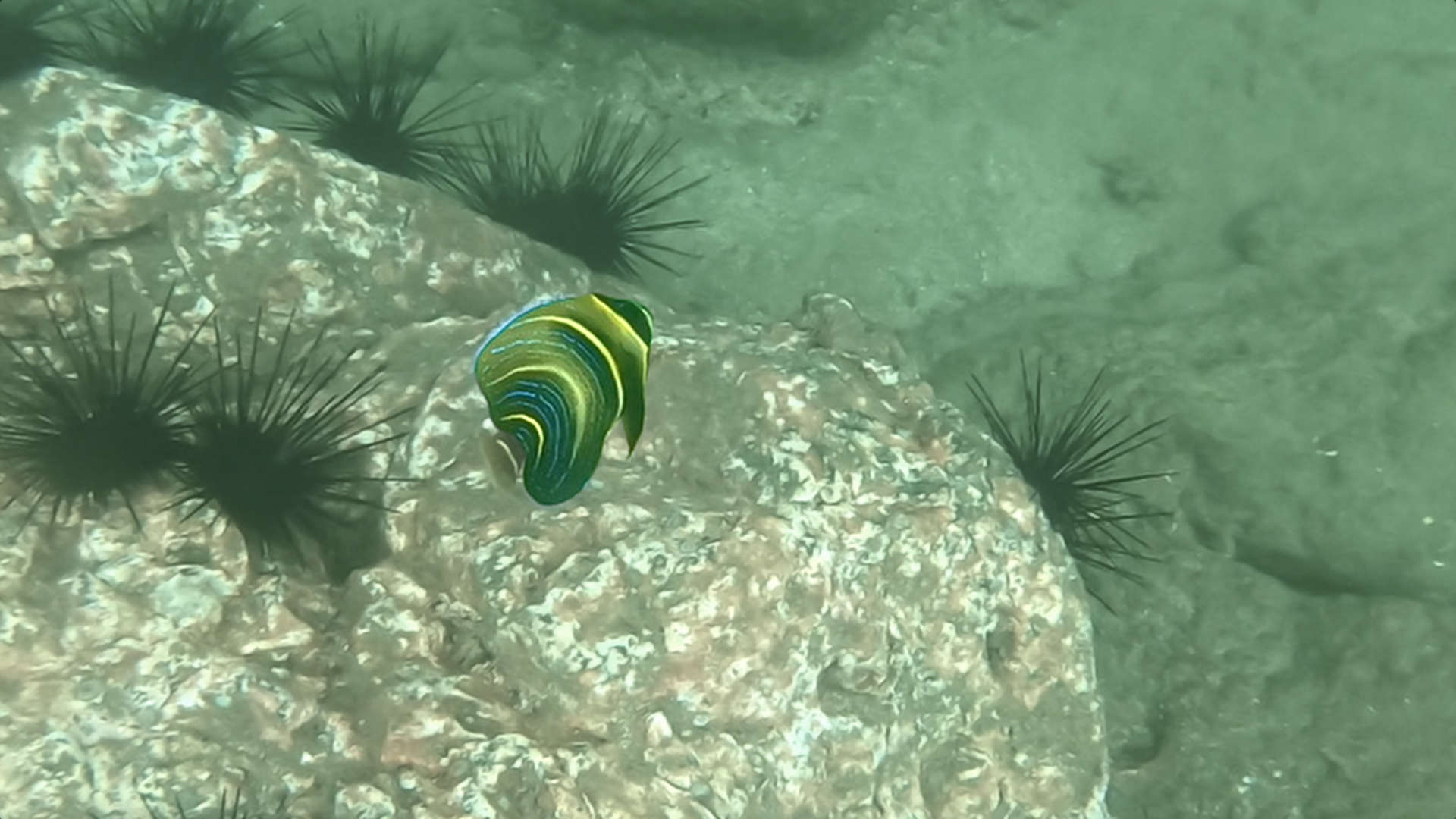
    The best snorkeling spots lie at both ends of the beach where natural rock formations extend into the bay. Here, angelfish, parrotfish, and even rays glide through the waters near the rocks. Early mornings typically offer the calmest conditions and best visibility.

    Unlike many beaches in the area, Ocotal’s protected location and rocky points create ideal conditions for viewing marine life year-round. The gentle slope of the beach provides easy entry points for snorkelers of all levels, while deeper areas near the rocks attract more varied sea life.

    Ocotal Beach

    Today we’ll be checking out Ocotal for some snorkeling. When we arrived at the beach, it started raining lightly. Fortunately this didn’t result in lots of wind which would have caused waves. We always prefer to snorkel in water that’s calmer, as most of the fish are near rocks and features which you don’t want to get tossed into!

    Be sure to assess the water conditions before deciding to head out. The water in Costa Rica is generally very calm, but rip currents can develop. We always have floatation devices in the water for the kids, and someone on shore monitoring.

    With the safety covered, let’s snorkel!
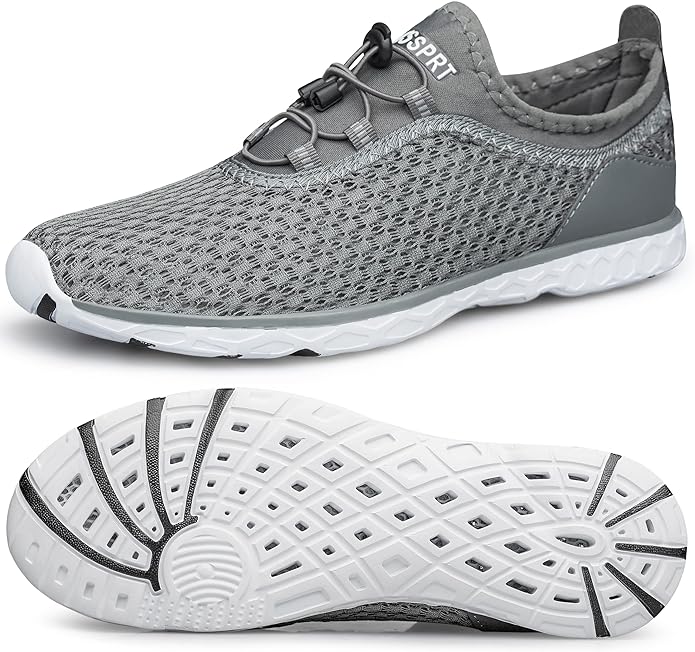
    water shoes for exploring costa rica

    Pick up a pair of these awesome water shoes. I’ve been using them all over Costa Rica during my travels. They have vented soles so water drains right out the bottom! 

    Get There

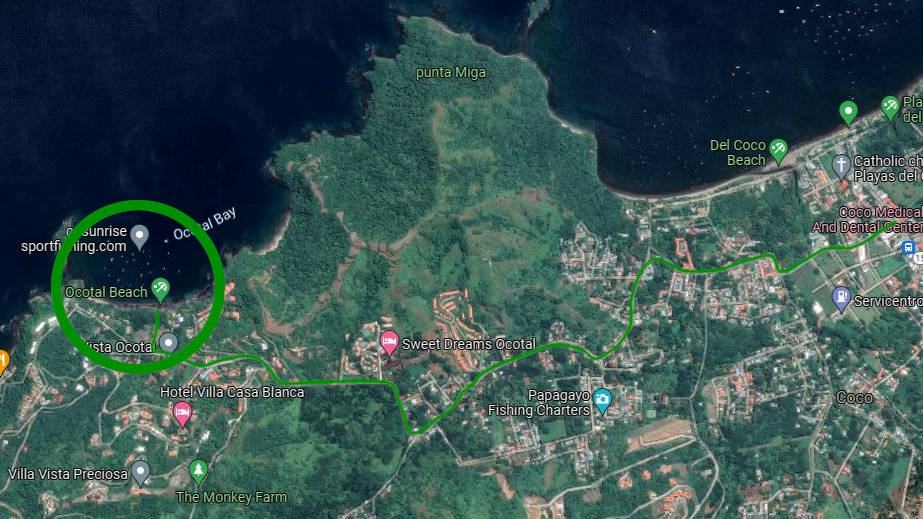
    Ocotal Beach is easily accessible along a well maintained road. You’ll likely be heading there from the area of Playas del Coco. You can program Google Maps or Waze to give you directions to the beach. It’s a rather winding road with several branches off, but just stay on the pavement and you’ll end up in Ocotal.

    When you arrive at Ocotal Beach, you’ll have a choice of two parking locations. As you come over the hill which descends down to the beach, you can stay right and head to the parking at the east end of the beach. There’s a small public lot which usually has an attendant.

    If you stay to the left, you’ll see signage for Father Roosters. You’re going to drive through a gate and then take a quick right. This will take you towards the restaurant Father Roosters, where there’s on street parking. This location is closer to the west end of the beach where this snorkeling video takes place.
    21 10 24 OCOTAL1

    In The Water

    The beach in Ocotal is well known for its black sand and clear water. You’ll find lots of people relaxing on the beach, playing in the water and snorkeling. There’s boats out in the bay, which has passengers coming and going throughout the day.

    We chose the west end of the beach for this snorkeling day, as there’s lots of rocks and features which fish love to cruise around looking for food. 

    We’re using a Cressi Snorkeling Kit (Amazon), which is a very cost effective way to start in the water. The mask is very effective and provides great clarity, and the snorkel has a purge valve in the event water gets in the snorkel (which it always does). The fins are also long and provide great propulsion. 

    All Sorts Of Fish

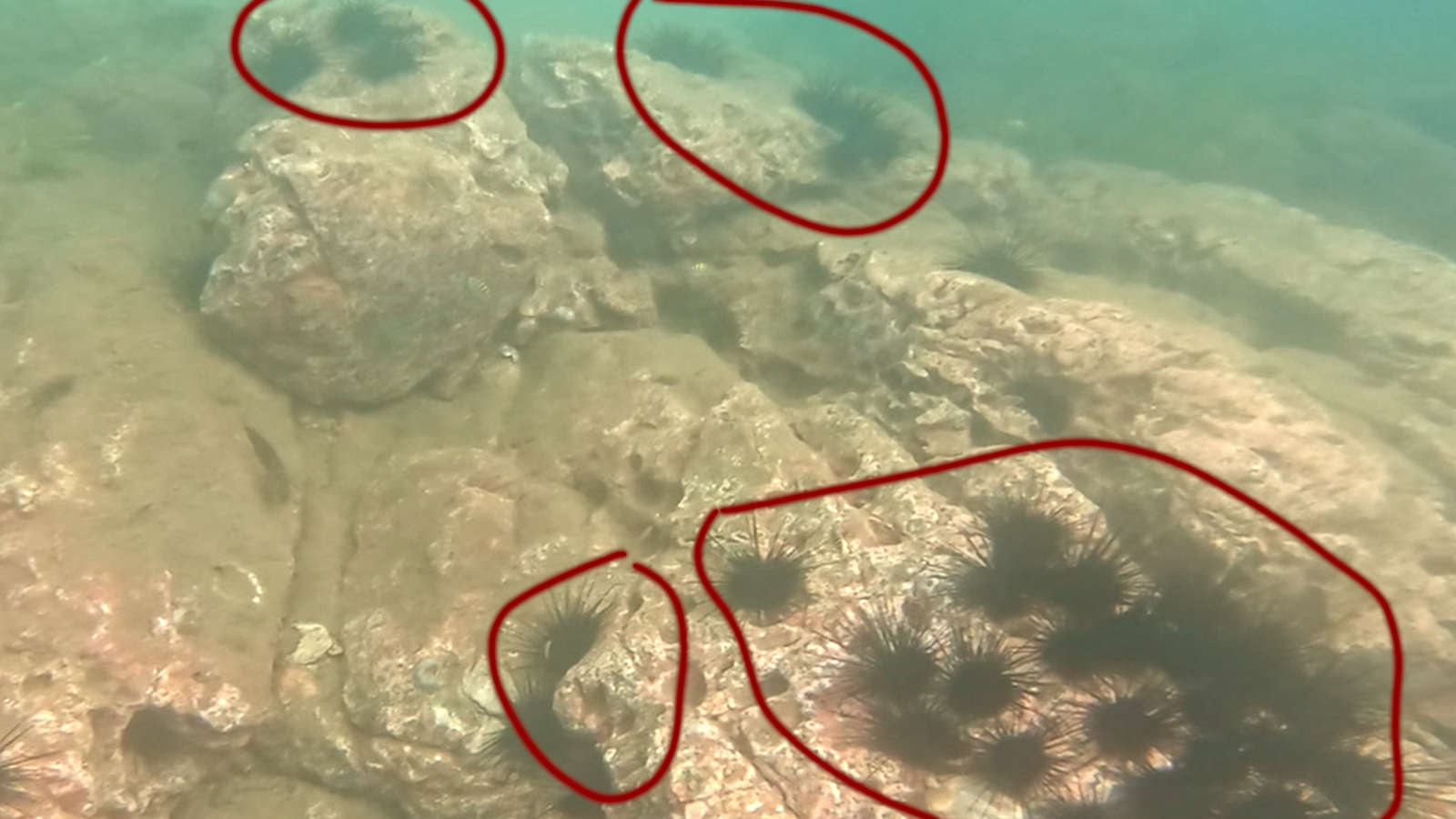
    This video was taken at around high tide, so the rocks which house the variety of fish are able to be traversed over. I prefer this time as it opens up the rocks to cruising over to look at all the great fish, but you’ll still have to watch out for Sea Urchins. 

    To get the best sights of fish, I had to float over top of the Urchins. It’s very important to be cautious and aware of where any rocks are, along with Urchins attached to them. If the waves are ebbing and flowing heavily, don’t swim near them as the water can push you in unwanted directions. 

    There’s lots of colorful fish in the rocks, which I don’t the names of. They’re often referred to simply as ‘reef fish’. You’ll also see rays if you’re lucky but they’re elusive and sneaky. 
    21 10 24 WB2

    Pufferfish

    The star of these snorkeling trips is often the Pufferfish. You can find these out in the open water cruising along the bottom. They blend in fairly well and will sit still, so you’ll have to have a keen eye. 

    In the tide rocks, Pufferfish are even harder to spot. They’re very aware of your presence and will dart into crevasses in rocks to hide. There was even a few Pufferfish close to the camera that I hadn’t seen until I watch the videos after the day.

    These are really cool fish and the kids love seeing them as well.
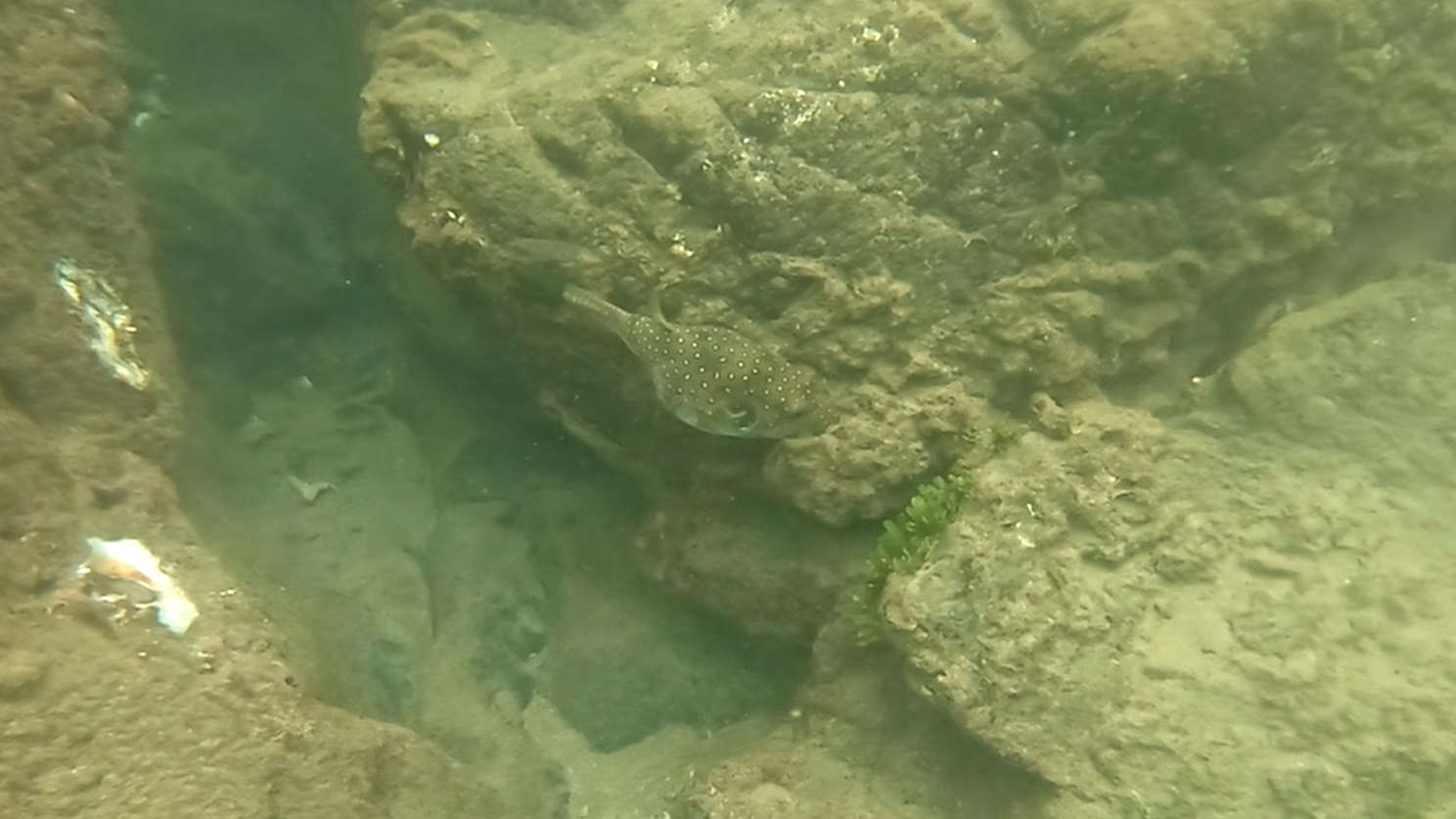
    pufferfish

    Follow Us!

    Be sure to Subscribe to our Youtube Channel, and leave a comment with your thoughts about this location or request a video in other cool destinations around Costa Rica.

    Playa Ocotal Snorkeling FAQ: Clear Water Guide

    Q: Where’s the best snorkeling?
    A: Rocky points at both ends of beach. North end has more fish life. South point offers deeper water. Central bay has some coral patches. Clear water throughout cove.

    Q: What marine life appears?
    A: Common sightings: Angel fish, Parrot fish, Rays, Sea turtles (seasonal), Octopus near rocks, Starfish, Puffer fish. Best viewing early morning.

    Q: When’s best time to snorkel?
    A: Early morning calmest water. Best visibility before wind picks up. Dry season clearest water. High tide covers more reef area. Check tide charts.

    Q: What facilities exist?
    A: Basic beach facilities. Some beachfront restaurants. Small convenience store. Parking area near beach. Father Rooster restaurant marks north end.

    Q: How’s water access?
    A: Easy beach entry points. Some rocky areas – water shoes help. Gentle slope into water. Protected cove location. Calmer than surrounding beaches.

    Q: What should you bring?
    A: Snorkel gear (some rentals available), Water shoes recommended, Sun protection, Water bottle, Dry bag for valuables. Basic gear available nearby.

    Q: How’s transportation?
    A: 10 minutes south of Playas del Coco. Public parking available. Local buses run limited schedule. Taxis readily available. Walking possible from Coco.
  • Crocodile Bridge: Spot Giants In Costa Rica

    Crocodile Bridge: Spot Giants In Costa Rica

    Sight Seeing Crocodiles:
    Stop At This Bridge For Great Views

    Let’s visit the Crocodile Bridge, which is located in Puntarenas, Costa Rica. This bridge is a fantastic tourist attraction, as it’s free and you can check out the crocodiles from a safe distance.

    The Crocodile Bridge is located on Highway #34, also called Costanera Sur. If your vacation in Costa Rica begins at the San Jose Airport, you’ll drive about about 1.5 hours to get to the bridge. It’s a great place to stop if you’re on the way to Jacó, Manuel Antonio, Uvita or the Osa Peninsula.

    Check out our Shop Page with some necessities for your trip. We have great options for photography to capture the wildlife like at the Crocodile Bridge.

    route to the crocodile bridge in tarcoles, costa rica
    Driving From San Jose Towards Jacó

    What’s The Bridge Like?

    This bridge goes across the main highway/road which heads south along the Pacific Coast. It’s very busy as it’s the fastest way to travel south for all types of traffic. There are two sidewalks along the sides bridge with concrete barriers separating the lanes. 

    The bridge spans across the Tarcoles River, which locally is called “Río Grande de Tarcoles”. This river feeds many animals in addition to the crocodiles. This river collects water from the central valleys of Costa Rica, flowing into the Gulf of Nicoya. 

    On the north side of the bridge, that is the side closest to San Jose, you’ll find a lot of shopping options. There’s a great coffee shop, POPS ice-cream, restaurants and lots of places to grab a souvenir. There’s also ample parking on both sides of the road.

    I recommend using a secure backpack when visiting Costa Rica. It’s nice to know my stuff isn’t going to fall out of my pack, inadvertently or intentionally. I like using a sling pack like this one on Amazon. It’s got great room but is conveniently carried.

    Pick up a pair of these awesome water shoes. I’ve been using them all over Costa Rica during my travels. They have vented soles so water drains right out the bottom! Great for going to the beach and walking through town, or exploring rivers.


    Buy On Amazon

    Seeing The Crocodiles

    Directly under the bridge, about half way across, there’s a small island which splits the river for a short distance. This is the best vantage point to spot the crocs. There’s usually a handful of crocodiles hanging out on the shores.

    It’s cool to see the different sizes of the crocodiles. Many are similar in size, but every time I’ve gone I’ll catch an absolute monster sized one. The head on this one is the size of many of the other crocs entire body. If you’re lucky you’ll get a good angle to take a photo of these big crocodiles.

    It’s also incredible seeing these animals move through the murky water. They glide across effortlessly and quickly. From above you can clearly see them, but it’s easy to imagine that at water level they can be perfect predators. It’s a great reminder to stay out of murky water in the rivers when visiting Costa Rica.

    When you’re finished checking out the crocodiles, grab a snack and continue your journey. You’ll drive about 30 more minutes over some mountains before you arrive at the popular beach town of Jacó. 

    You’re sure to enjoy the Crocodile Bridge if you’re visiting. Please leave a comment on our YouTube channel with your thoughts, experience or tips!

    FAQ About the Crocodile Bridge in Costa Rica

    Where is the Crocodile Bridge located in Costa Rica?

    The Crocodile Bridge is located along Route 34, near the Tarcoles River, in the Puntarenas Province of Costa Rica. It’s an easy stop on the way to Jaco or Manuel Antonio.

    Can I see crocodiles at the Crocodile Bridge year-round?

    Yes, you can see crocodiles at the Crocodile Bridge all year. The crocodiles are usually visible sunbathing or swimming in the river below the bridge.

    Is it safe to stop and view the crocodiles from the bridge?

    Yes, it’s generally safe to stop and view the crocodiles from the bridge. However, be cautious of traffic, as the bridge is located on a busy highway.

    How big are the crocodiles at Crocodile Bridge?

    The crocodiles at Crocodile Bridge are massive, with some reaching lengths of up to 15 feet. These American crocodiles are among the largest reptiles in Costa Rica.

    Is there a fee to visit Crocodile Bridge?

    No, visiting the Crocodile Bridge is free. It’s a public spot where you can stop, park, and observe the crocodiles from the bridge at no cost.

    When is the best time to visit Crocodile Bridge?

    The best time to visit Crocodile Bridge is during the late morning or early afternoon when the sun is high, and the crocodiles are more likely to be out of the water, basking on the banks.

    How close can I get to the crocodiles?

    You can safely view the crocodiles from the bridge, which gives you a clear vantage point. However, do not attempt to approach the riverbanks, as these are wild and dangerous animals.

    Are there any restaurants or facilities near Crocodile Bridge?

    Yes, there are a few local restaurants and souvenir shops close to Crocodile Bridge where you can grab a bite to eat or pick up a souvenir after viewing the crocodiles.

    Can I take a guided tour of Crocodile Bridge?

    While most people visit Crocodile Bridge on their own, there are guided tours available that include a stop at the bridge as part of a larger tour of the area.

    What else is there to do near Crocodile Bridge?

    Besides visiting the Crocodile Bridge, you can explore nearby attractions like Carara National Park for wildlife spotting, or head to the nearby beach towns like Jaco for more outdoor activities and dining options.