Tag: Markets

Local markets and shopping experiences in Costa Rica. Features farmers markets, artisan crafts, and local products. Traditional and modern shopping venues.

  • Perfect Grecia Itinerary: 2-Day Stop Between San José Airport and La Fortuna

    Perfect Grecia Itinerary: 2-Day Stop Between San José Airport and La Fortuna

    Grecia is located just 30 minutes north of San José’s international airport in Costa Rica’s green Central Valley mountains. This small town provides the perfect overnight stop if you’re heading to La Fortuna or want to avoid driving at night after your flight lands. The cool mountain climate and accessible location make it an easy first or last stop on your Costa Rica trip.

    Most travelers rush straight from the airport to beach towns or La Fortuna. They don’t realize what they’re missing in this area. Grecia gives you real Costa Rican mountain life without the tourist crowds. You’ll find farmers markets with local vendors, a genuine town square with an iconic metal church, and a stunning waterfall just minutes away.

    This two-day itinerary shows you how to experience Grecia properly. You’ll stay in unique glamping domes with mountain views. You’ll explore both daily and weekly markets. You’ll visit a beautiful waterfall and see the town center. Everything is close together and easy to reach without a 4×4 vehicle.

    Table Of Contents

    Estimated Reading Time: 15 Minutes

    Why Stop in Grecia?

    Grecia makes strategic sense for your Costa Rica travel plans. The town is on the route from San José airport to La Fortuna, one of the most popular tourist destinations in the country. Instead of rushing through a 3-4 hour drive after your international flight, you can stop here for the night and start fresh the next morning.

    The location eliminates the stress of night driving on unfamiliar Costa Rican roads. Landing in the afternoon gives you just 30 minutes to reach Grecia. This beats several hours to La Fortuna or the beaches. You’ll also experience a different side of Costa Rica that beach-focused tourists miss.

    If you’re heading to La Fortuna for your vacation, check out our blog post about how to get there.
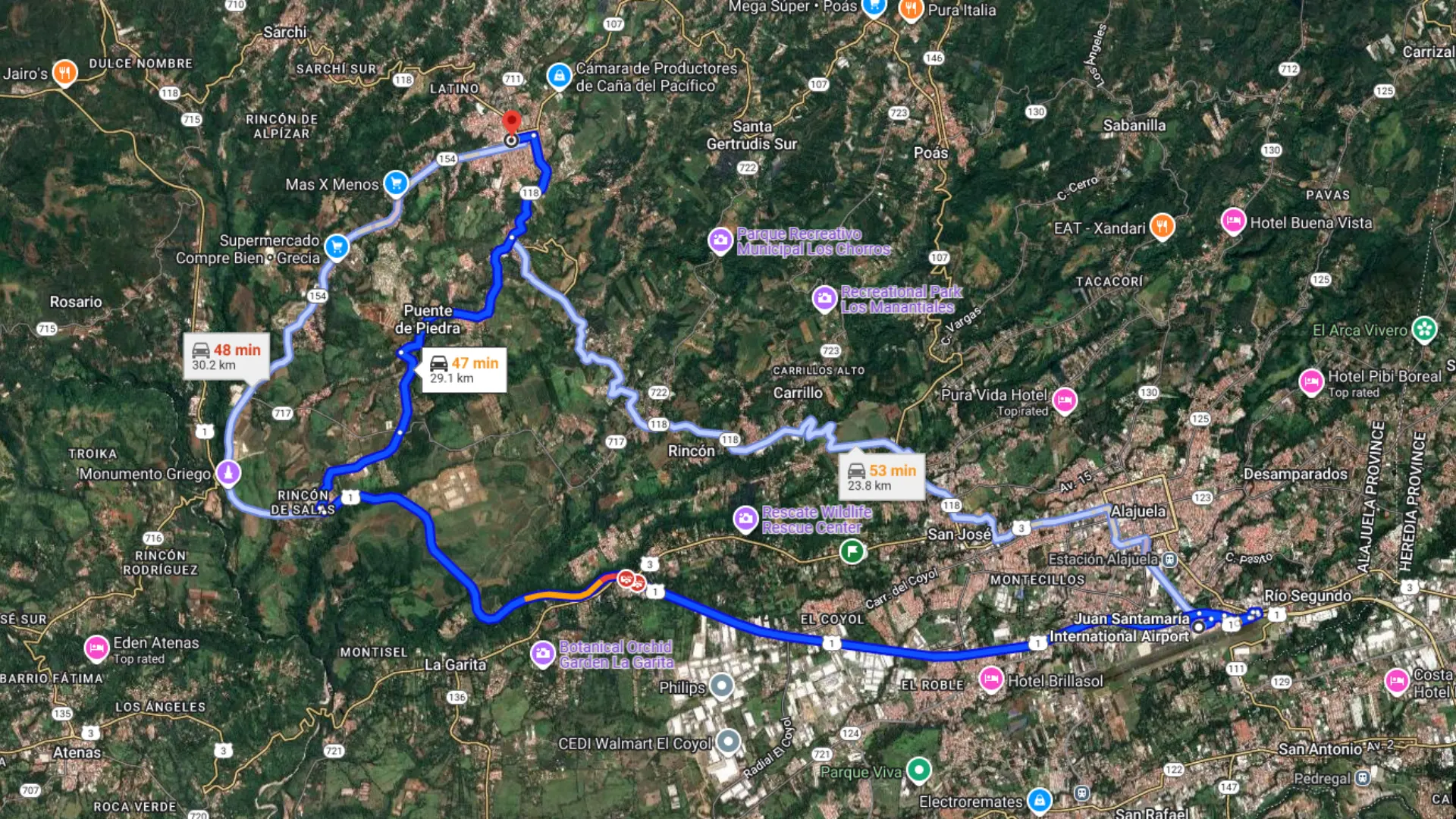
    route from SJO airport to Grecia costa rica

    The route from SJO Airport to Grecia. Time can vary with traffic.

    Perfect Climate and Scenery

    The mountain elevation around Grecia creates comfortable temperatures year-round. You’ll find it cooler here than the coast or lowlands. This makes it pleasant for walking around town and hiking to waterfalls. The climate stays green with regular afternoon rain showers.

    Coffee fields cover the hillsides leading up toward Poás Volcano. The area stays lush and vibrant even during dry season. You can see the mountains from most vantage points in town. Views from accommodations like Tierra Nueva show why this region attracts people looking for mountain properties.

    What Makes It Worth Your Time

    Grecia provides local experiences without tour groups or resort complexes. The Friday farmers market brings together vendors from surrounding farms. They sell organic produce, honey, and prepared foods. The daily municipal market operates year-round with fresh ingredients and local products.

    The town centers around a metal church imported from Belgium in the 1890s. You can walk the entire downtown area in 20 minutes. Catarata El Paraíso waterfall is only 5 minutes away by car. The hike takes just 10 minutes to reach it. Two days here gives you enough time to see everything without feeling rushed.
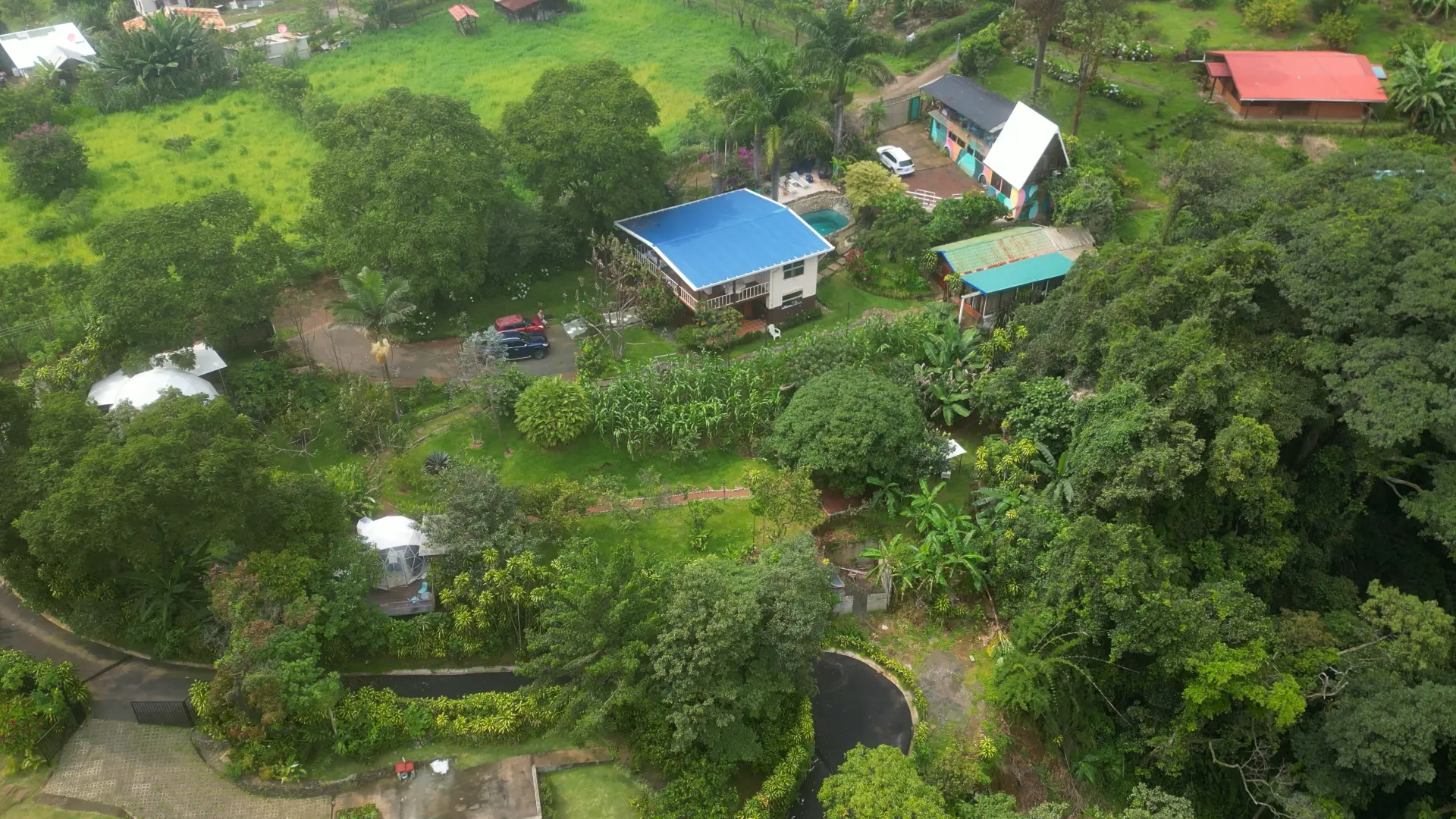
    glamping accommodations in grecia, very green area

    Grecia and the surrounding mountains are green year round.

    Where to Stay – Tierra Nueva Glamping

    Tierra Nueva Glamping provides a unique mountain accommodation experience just 15 minutes from Grecia town center. The property has three geodesic domes scattered across the hillside, each with views of the surrounding coffee fields and mountains. You’ll stay in a comfortable tent structure with real beds, private bathrooms, and outdoor kitchenettes.

    The location works perfectly as your base for exploring the Grecia area. You can reach it in a regular car without needing 4×4 capabilities. The final stretch to the property is gravel, but well-maintained and easy to navigate. From here, you’re close to both town attractions and natural sites like Catarata El Paraíso.

    The Dome Accommodations

    Each dome at Tierra Nueva has its own character and location on the property. The structures combine camping’s connection to nature with hotel-level comfort. You’ll find a proper bed with linens, a full bathroom with a large tub, and a small kitchenette area outside your dome.

    The domes have fans for air circulation and large windows that showcase the mountain views. One dome is tucked under the trees near a river where you can hear the water at night. Another is higher up on the property with more open views. The third has its own secluded spot with a jacuzzi tub setup.

    Property Amenities and Features

    The property includes a swimming pool with curved edges designed for lounging. An old bus has been converted into a restaurant and bar with an upstairs lounge area. You can see the mountains and valley from the dining area, making it a great spot for morning coffee.

    The grounds are well-maintained with walking paths connecting the different domes. You’ll find fruit trees including limes and bananas that guests can pick. The river running through the lower part of the property adds to the peaceful atmosphere, especially at night when you can hear it from certain domes.

    Booking Information

    Pricing at Tierra Nueva varies throughout the year based on season and demand. Contact them directly through their website or social media to check current rates and availability. The property works well for couples or small groups, with each dome accommodating two people comfortably.

    Visit Tierra Nueva Glamping Website

    Day 1 – Exploring Grecia Town

    Your first day in Grecia focuses on the town itself. Both attractions are within walking distance of each other in the compact downtown area. You can cover everything in a few hours. This leaves time to relax at your accommodation or wander around on your own.

    The town follows the typical Costa Rican pattern. You’ll see a central park, church, and commercial area all clustered together. Everything is walkable. You’ll find local restaurants and cafes for meals throughout the day.

    Downtown Grecia and the Church

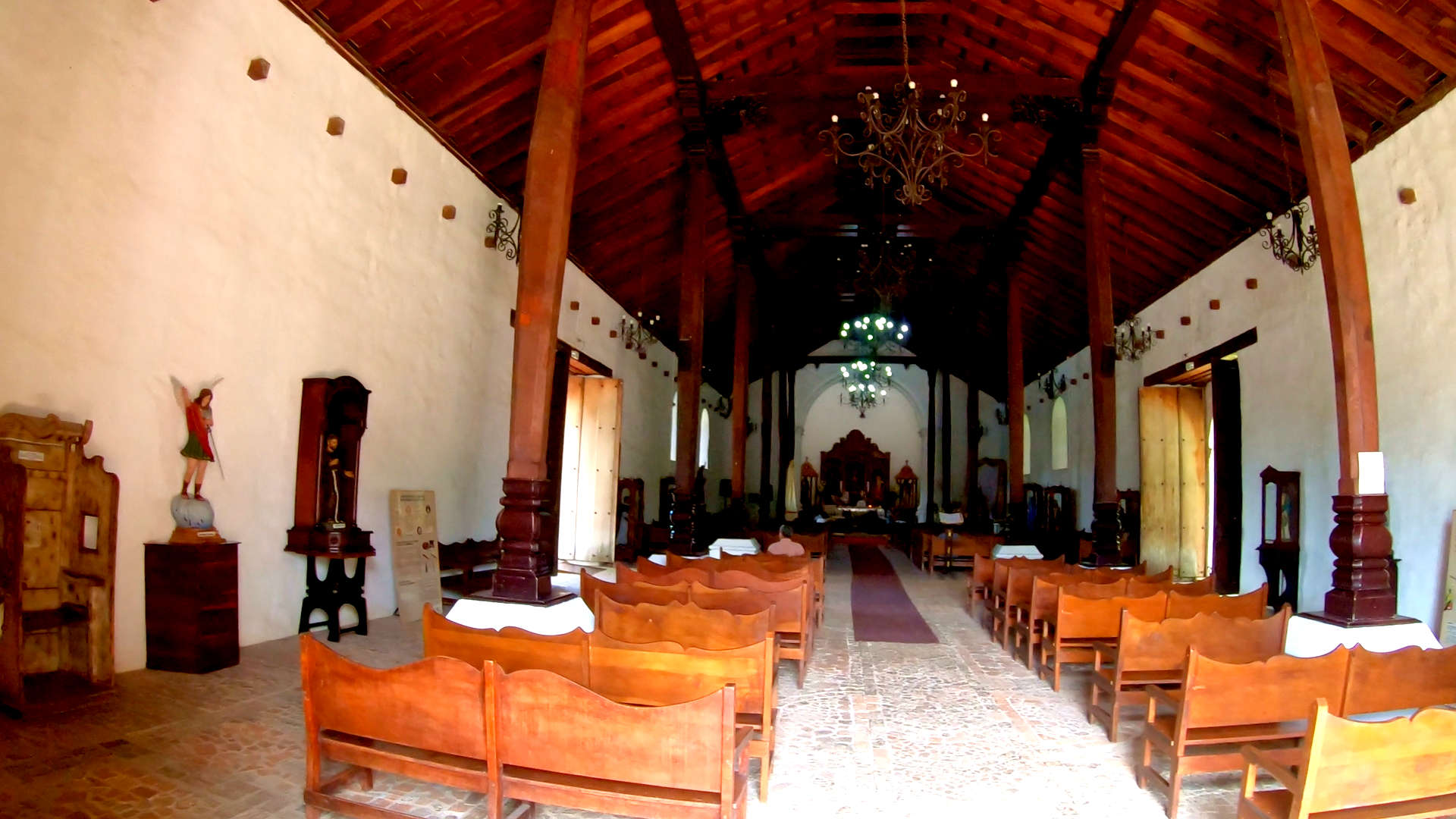
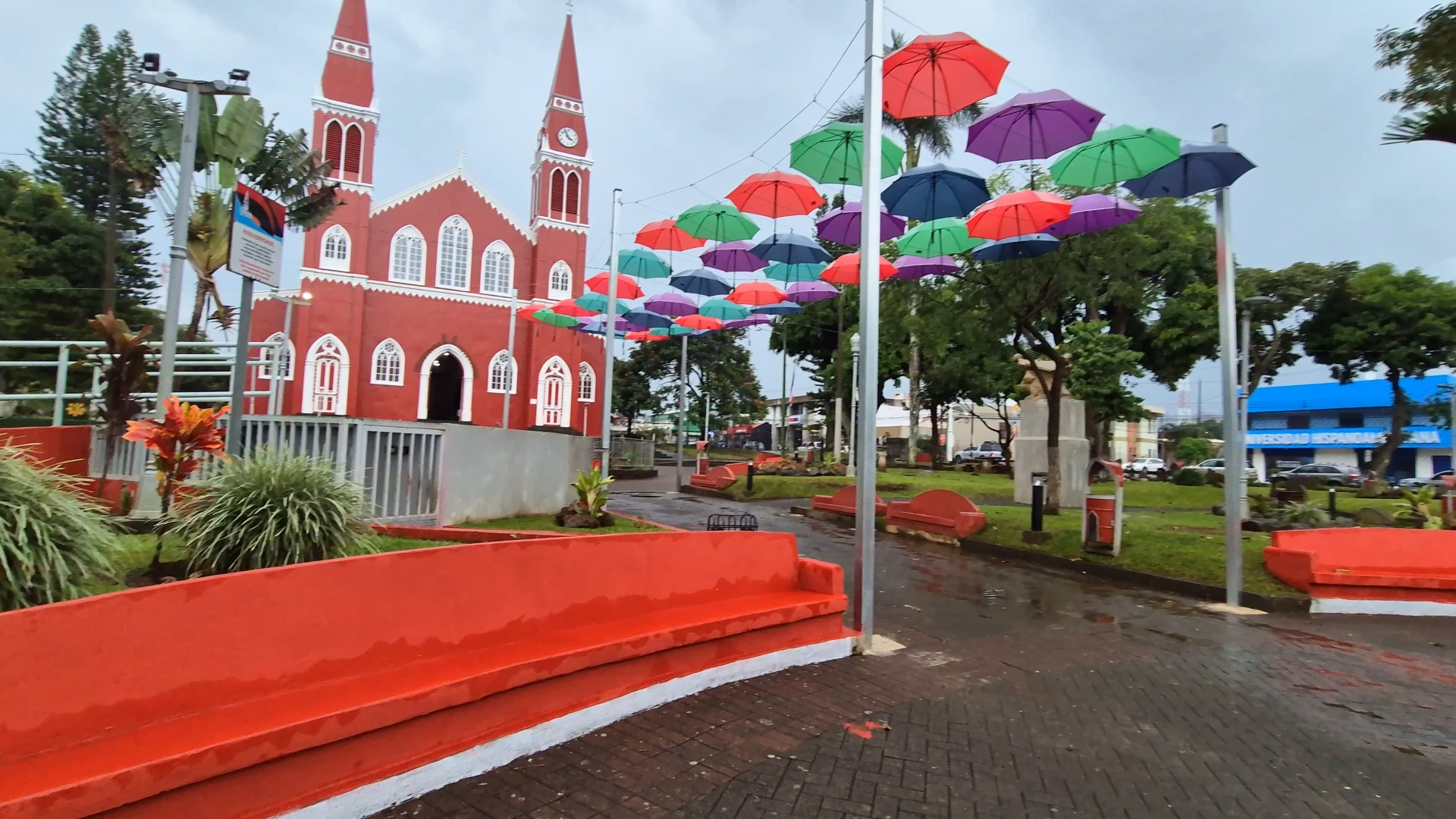
    The centerpiece of Grecia is its metal church. The red metal structure looks completely different from typical Costa Rican churches. It dominates the central square. You can walk inside to see the interior. The park surrounding it has benches and pathways where people hang out.

    The downtown area extends a few blocks in each direction from the church. You’ll find banks, restaurants, pharmacies, and local shops all mixed together. There’s a Pali supermarket nearby if you need supplies. The compact layout means you won’t get lost exploring.

    If you’re trying to decide if you should rent a car to explore Costa Rica, visit our blog post.

    Municipal Market

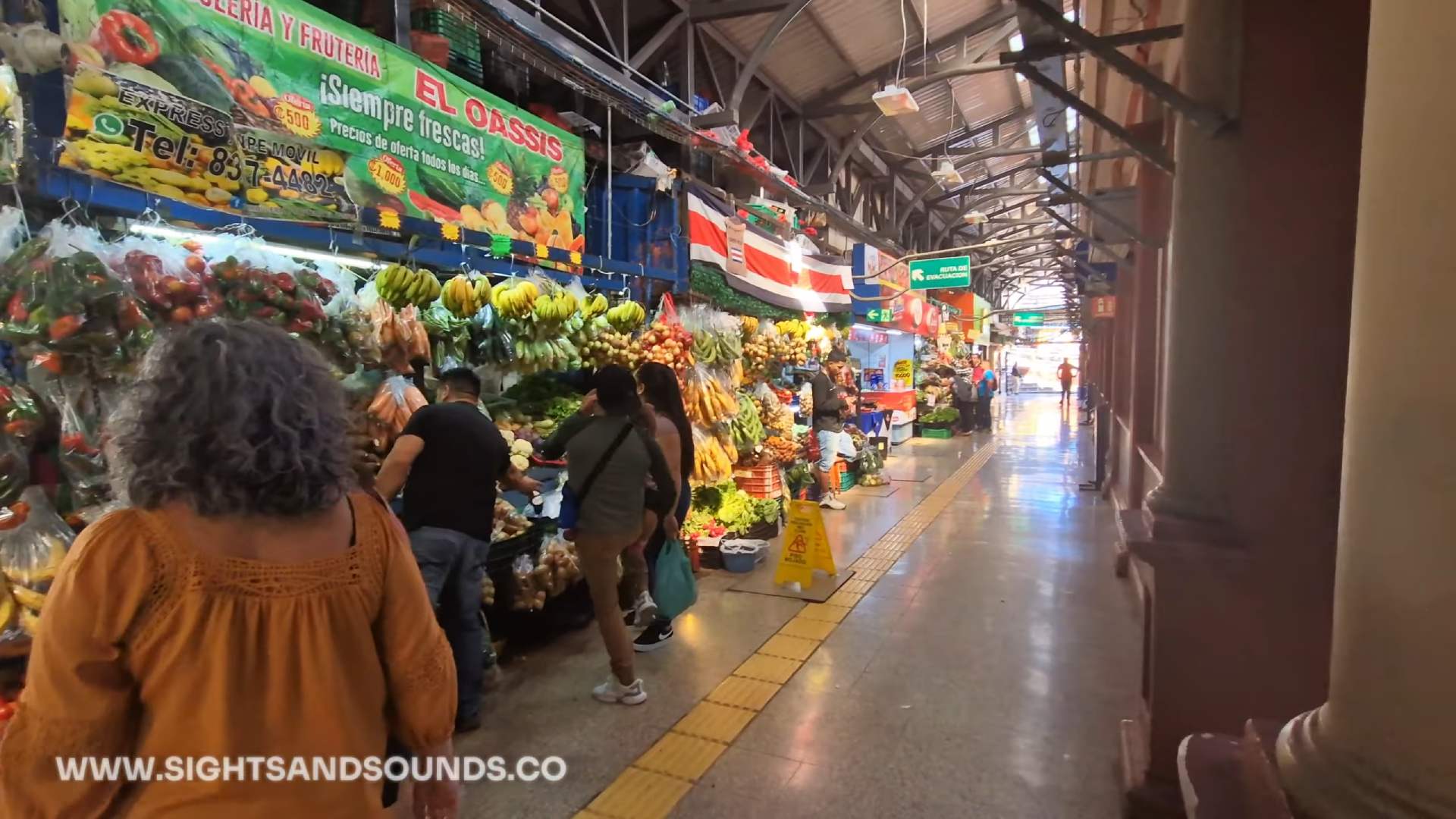
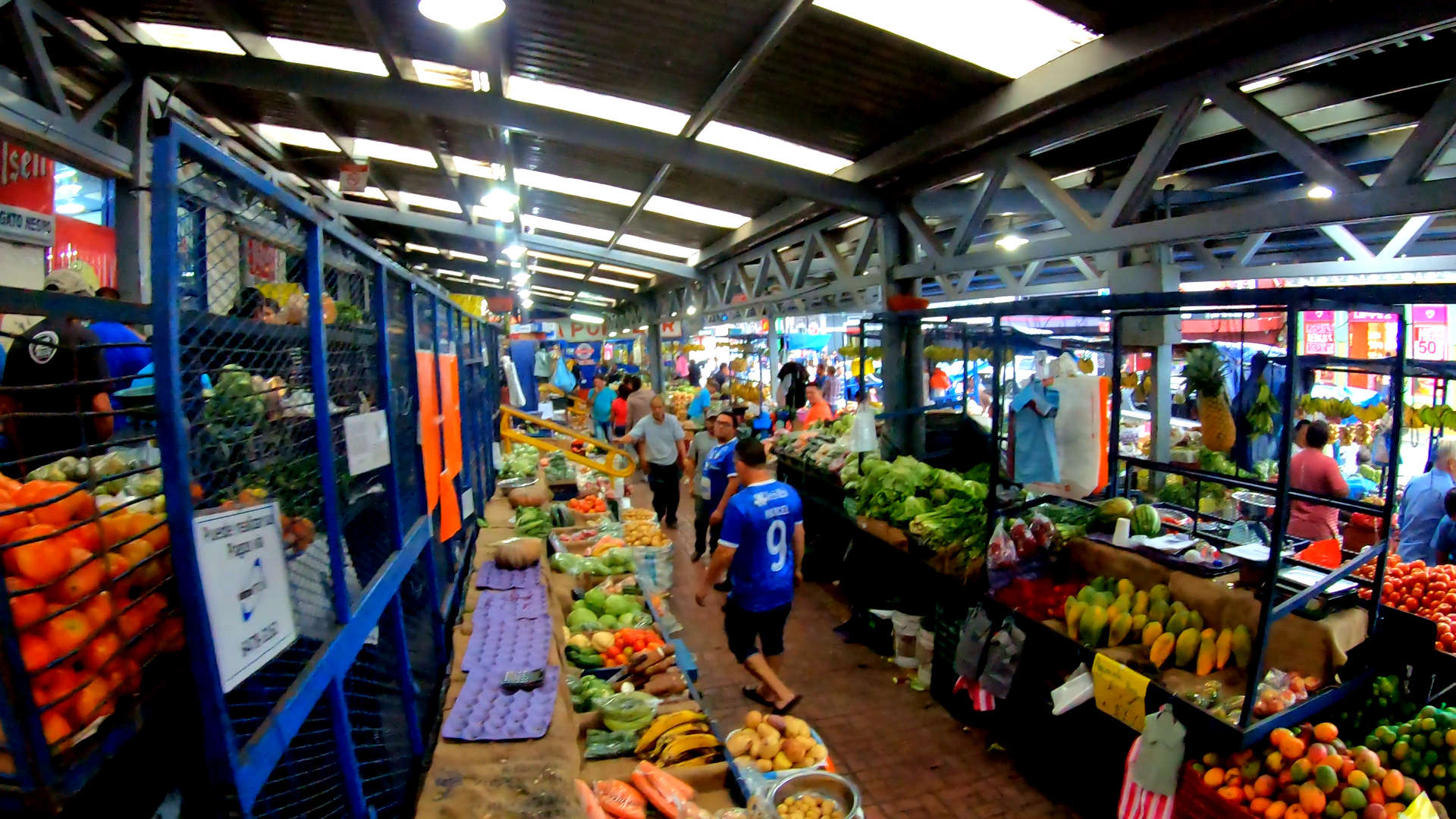
    The Mercado Municipal operates every day just a few blocks from the central church. Locals shop here for fresh produce, meat, and household goods. Vendors sell fruits, vegetables, plantain chips, and prepared foods at stalls throughout the market.

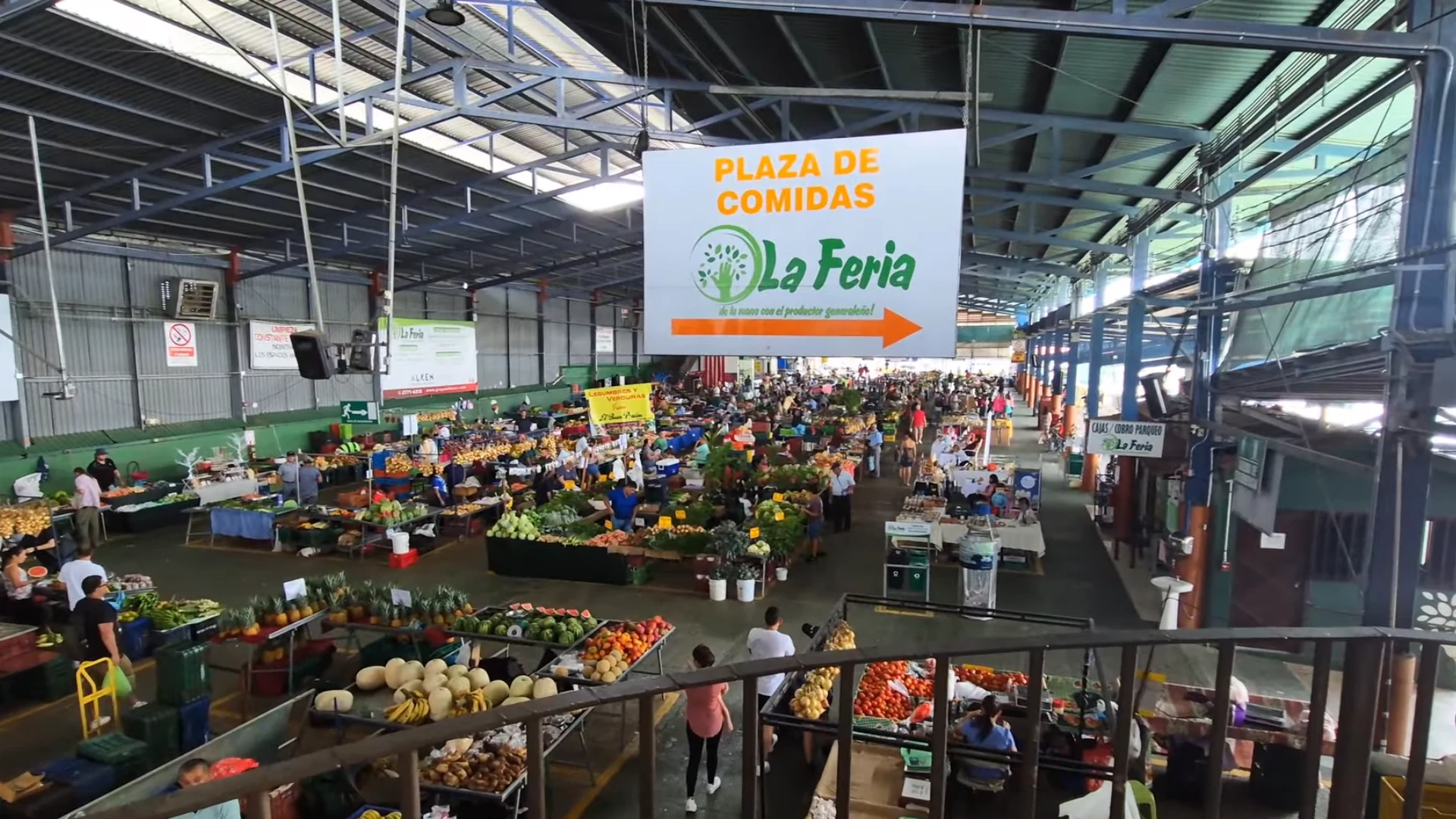
    The market has a covered structure with different sections. You’ll see produce in one area, meat in another. Prices run lower than supermarkets. The variety of tropical fruits and vegetables shows what grows in this mountain region. It’s worth a quick 20-minute walk-through to see daily Costa Rican life up close.

    Day 2 – Nature and Markets

    Day two takes you outside town to experience the natural side of Grecia. Start your morning at the waterfall before it gets crowded or rainy. If you’re visiting on a Friday, you can catch the weekly farmers market in the afternoon. This day balances outdoor adventure with local culture.

    The waterfall requires some advance planning since you need to contact the owner for access. The farmers market only happens on Fridays, so adjust your itinerary accordingly if you want to see it.

    Catarata El Paraíso Waterfall (Morning)

    Catarata El Paraíso is located about 5 minutes from Tierra Nueva by car. You need to contact the owner Jorge via WhatsApp at +506 8588-4337 to arrange entry. The cost is 3,000 colones (about $6) per person. He’ll meet you at the gate and open it up.

    The hike down takes about 10 minutes on a well-maintained trail. You’ll pass through a camping area with picnic spots and gazebos before reaching the jungle section. The waterfall runs heavy and creates a misty atmosphere at the bottom. There’s even a small water slide that feeds into a pool near the falls.

    The property is best visited in the morning before afternoon rains roll in. Bring water shoes for the trail and swimming if you plan to get in the water. The camping area makes it possible to bring a cooler and spend more time there.

    Friday Farmers Market

    The Friday farmers market is much larger than the daily municipal market. It’s held in a circular building with covered parking around the perimeter. Parking costs 500 colones (about $1), and you pay when you exit.

    Vendors come from surrounding farms to sell organic vegetables, fresh produce, honey, empanadas, and prepared foods. You’ll find everything from hydroponic lettuce to fresh juices to shopping carts full of tropical fruits. Several small restaurants operate inside the market serving local food.

    The market gets busy around mid-morning but stays active through early afternoon. It’s a great place to stock up on fresh ingredients if you have kitchen access at your accommodation. Even if you’re not buying, it’s worth walking through to see the variety.

    Practical Information

    Grecia works year-round, but October through April offers the best weather with less rain. The Friday farmers market is the main reason to time your visit for a specific day. Otherwise, you can visit any day and still see the municipal market and town attractions.

    You’ll need a rental car to get around comfortably. The drive from San José airport takes 30 minutes on paved roads. Parking in town uses an app and costs about $1/hour. The road to Tierra Nueva is mostly paved with a short gravel section that any car can handle.

    Bring an umbrella for afternoon rain showers. Water shoes work well for the waterfall hike and any stream crossings. Have cash in colones for market purchases and the waterfall entry fee. Most restaurants in town accept cards, but smaller vendors prefer cash.

    The elevation makes temperatures cooler than the coast. You might want a light jacket for evenings, especially at the glamping site. The area stays green year-round, so any season works for visiting.

    If these blog posts and videos help plan your Costa Rica vacation, please support our channel.

    Follow Us

    Keep up with our latest Costa Rica travel videos and guides by subscribing to our YouTube channel. We regularly post new content showing real conditions across different regions and seasons.

    Planning a trip to Costa Rica? Contact us — we help with itineraries, logistics, and finding the spots most tourists miss.

    Frequently Asked Questions

    How far is Grecia from San José airport?

    Grecia is about 30 minutes north of San José International Airport (SJO). The drive follows well-paved roads through small towns. It’s one of the closest mountain destinations to the airport, making it perfect for a first or last night in Costa Rica.

    Do I need a 4×4 to reach Tierra Nueva Glamping?

    No, you don’t need a 4×4 vehicle. The road to Tierra Nueva is mostly paved with a short gravel section at the end. Any regular rental car can make the drive. The property is accessible without high clearance vehicles.

    What day is the farmers market in Grecia?

    The large farmers market happens every Friday and runs from morning through early afternoon. The municipal market operates daily if you miss the Friday market. The Friday market is significantly larger with more vendors and variety.

    How do I visit Catarata El Paraíso waterfall?

    Contact the owner Jorge via WhatsApp at +506 8588-4337 before visiting. Entry costs 3,000 colones (about $6) per person. He’ll meet you at the gate to provide access. The hike down to the waterfall takes about 10 minutes on a maintained trail.

    Is Grecia worth visiting if I’m going to La Fortuna?

    Yes, Grecia makes an excellent stopover on the way to La Fortuna. It’s directly on the route and eliminates the need to drive 3-4 hours after landing at the airport. You’ll experience authentic mountain life and avoid night driving on unfamiliar roads.

    What’s the weather like in Grecia?

    Grecia has a cooler mountain climate than the coast or lowlands. Expect comfortable temperatures year-round with afternoon rain showers common. Bring a light jacket for evenings. The area stays green throughout the year, even during dry season.


  • 3 Best Shopping Malls in San José, Costa Rica: A Guide with Videos

    3 Best Shopping Malls in San José, Costa Rica: A Guide with Videos

    San José surprises many visitors with its modern shopping scene. The Costa Rican capital has world-class malls that rival shopping centers in North America. These spots aren’t just for shopping. They’re entertainment destinations with restaurants, cinemas, and features you won’t expect.

    I’ve explored the three best malls in the San José area. I filmed detailed walkthroughs to show you exactly what to expect. Each mall has its own personality. Each serves different needs, from luxury shopping to family fun. You’ll find familiar international brands and local Costa Rican products.

    This guide covers the practical details you need. You’ll learn parking costs, driving directions from the airport, and food prices. You’ll also discover what makes each mall special. Need high-end shopping, affordable meals, or just want to escape the heat? One of these malls will work perfectly for your San José visit.

    Travel Tip: You don’t need to buy a SIM card when you land in Costa Rica to get data connection. With an eSIM, you’ll be able to configure your data connection before you depart for your vacation. I use the Saily eSIM in Costa Rica.

    Table Of Contents

    Estimated Reading Time: 15 Minutes

    Multiplaza Escazú – Luxury Shopping Experience

    Multiplaza Escazú is San José’s premier luxury shopping destination. This upscale center in the Escazú suburb attracts high end shoppers and tourists looking for international brands. You’ll find designer stores like Calvin Klein, Hugo Boss, Lacoste, and Kenneth Cole alongside electronics retailers and home decor shops.

    This shopping complex is located about 7 kilometers southwest of downtown San José. It’s roughly 45 minutes from Juan Santamaría International Airport depending on traffic. Shopping here feels like visiting a high end center in Miami or Los Angeles. Stores carry the latest fashions at prices you’d pay in the United States.

    Getting There and Parking

    Take the highway toward Santa Ana and follow signs for Escazú from the airport. The route is well marked and mostly on good roads. Traffic can slow you down during rush hours. Plan extra time if you’re traveling between 7-9 AM or 4-6 PM.

    Multiplaza has extensive underground parking with security guards monitoring the area. You’ll pay for parking, but the security and convenience make it worthwhile. The underground location keeps your car cool and protected from tropical weather.

    walking inside the multiplaza in escazu costa rica

    Walking inside the Multiplaza Escazú, as you can see there’s international brands. The mall is very clean with lots of room to walk and browse.

    What to Expect Inside

    The food court includes international chains like McDonald’s and Taco Bell alongside upscale restaurants. You can easily spend half a day here browsing stores, eating, and relaxing. The complex also has a cinema showing both English and Spanish films.

    This destination transforms during holiday seasons with impressive decorations and special attractions. During Christmas, they install a real ice skating rink – actual ice in tropical Costa Rica! Massive decorated trees and elaborate displays make the holidays feel magical. These seasonal extras draw huge crowds but create a festive atmosphere worth experiencing.

    Overall Impressions

    Multiplaza Escazú feels genuinely upscale without being pretentious. The air conditioning is excellent. The stores are well-maintained. The crowd tends to be polite and well-dressed. You’ll hear as much English as Spanish here, especially on weekends.

    Prices match what you’d expect from luxury shopping – not cheap, but reasonable for international brands. The variety is impressive for Costa Rica. You won’t find everything you might in a major US city. This is definitely where you come for special purchases rather than everyday shopping.

    Key Features:

      • International luxury brands – Calvin Klein, Hugo Boss, Lacoste, and other designer stores
      • Secure underground parking – Protected, monitored parking with security guards
      • Seasonal attractions – Real ice skating rink and elaborate holiday decorations
      • Premium dining options – Mix of upscale restaurants and familiar international chains

    Mall San Pedro – Local Favorite Near Downtown

    Mall San Pedro serves as San José’s most accessible shopping destination for both locals and tourists. This compact four-story mall sits just 1.2 miles east of downtown in the university area near UCR (University of Costa Rica). The location gives it a younger, more authentic Costa Rican vibe compared to the luxury malls.

    This shopping center focuses on practical needs rather than high-end fashion. You’ll find over 200 stores, but the emphasis is on everyday shopping with affordable prices that appeal to students and local families. The mall’s compact design makes it easy to navigate, and you can cover everything in a couple of hours.

    mall san pedro walking tour costa rica travel vlog

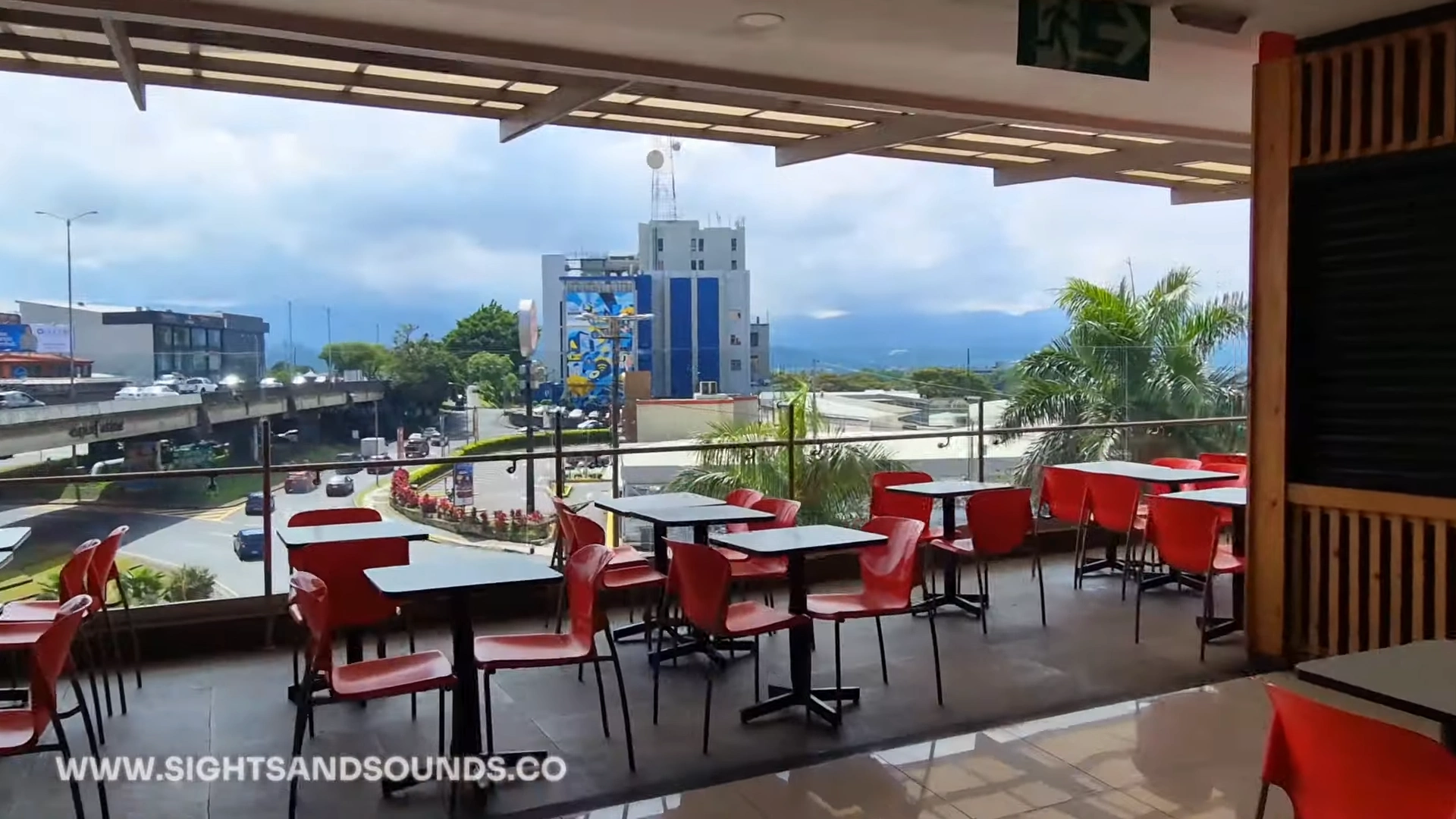
    The view of the town from the food court. This is a very busy part of the metropolitan area.

    Location and Neighborhood Benefits

    Mall San Pedro’s location puts you close to some of San José’s best dining and nightlife areas. The trendy Barrio Escalante with its craft breweries and upscale restaurants is just minutes away. Barrio California’s vibrant nightlife scene is also nearby, making the mall a perfect starting point for exploring the area.

    Getting here from downtown San José takes about 10 minutes by car or taxi. The surrounding university area is safe during the day and bustling with students. You’ll find plenty of local cafés and small restaurants in the neighborhood if you want to eat outside the mall.

    Shopping and Stores

    The mall centers around larger department stores like Ekono, which offers affordable clothing, electronics, and household items at discount prices. This is where locals come for practical shopping rather than luxury purchases. You’ll also find countless small kiosks selling phone accessories, jewelry, and electronics.

    Phone accessory stores seem to occupy every other storefront, reflecting the local market’s needs. Clothing shops focus on casual wear and work attire rather than designer fashion. The variety is impressive for everyday needs, though you won’t find many international luxury brands.

    Underground Parking and Practicalities

    Mall San Pedro has excellent underground parking that keeps your car cool and secure. The parking areas are well-lit with security guards monitoring the space. Rates are reasonable at around 500-1,000 colones for several hours of shopping.

    The food courts deserve special mention for their value. You can get a full meal for around 3,000 colones ($5), including local dishes alongside familiar fast food chains. The mall has two food courts – one on the second floor and another on the fourth floor with better views of the busy intersection below. The fourth-floor location gives you a great view of San José’s traffic and street life.

    Key Features:

      • Large department stores like Ekono for affordable shopping
      • Secure underground parking with reasonable rates
      • Two food courts with meals under $5
      • University area location near trendy Barrio Escalante

    Oxígeno Mall – Modern Shopping with Unique Features

    Oxígeno Mall near the airport combines modern shopping with unique features you won’t find elsewhere in Costa Rica. The design incorporates nature with its central courtyard and rooftop areas. These provide stunning views of the surrounding mountains and San José skyline. This isn’t just a shopping destination – it’s an experience.

    The location makes this mall incredibly convenient for airport travelers. It’s just 10-15 minutes from Juan Santamaría International Airport. The surrounding area has been developed into a modern commercial district with hotels and restaurants. This makes it feel like a destination rather than just a shopping stop.

    Airport Convenience and Location

    Oxígeno’s proximity to the airport makes it perfect for last-minute shopping. It’s also great for killing time before flights. The drive from SJO takes 10-15 minutes on well-maintained roads with clear signage. You’ll find several hotels nearby if you’re staying close to the airport.

    The complex is in a newer development area that feels more spacious and modern than central San José. Parking is abundant with both underground and surface lots at reasonable rates. The area is safe and well-patrolled. This makes it comfortable for tourists with luggage or rental cars.

    oxigeno human playground mall san jose heredia costa rica near airport day trip

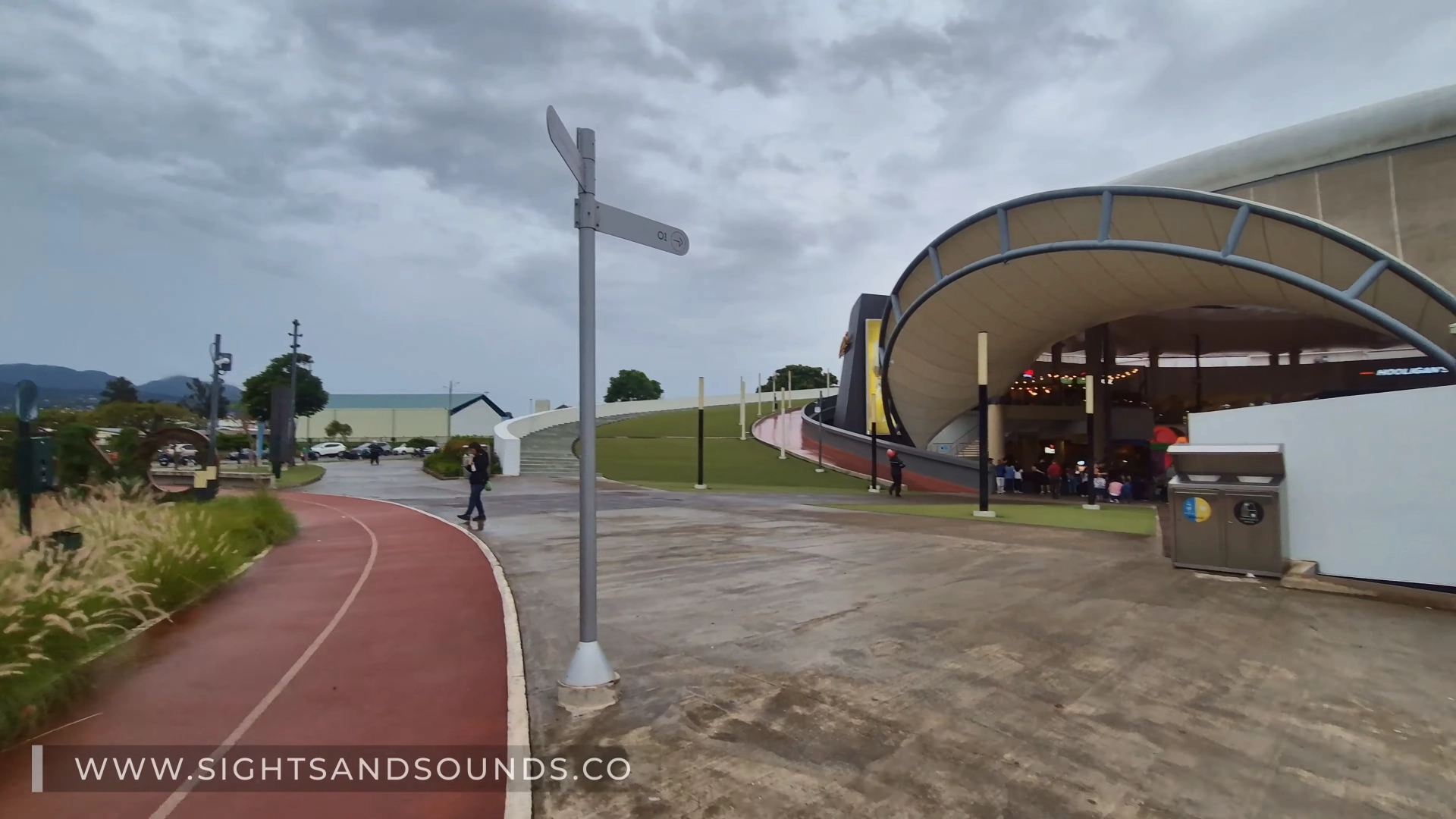
    The front entrance of Oxigeno Mall. There’s a small workout area with a running track. The main entrance to the mall leads right into the food court.

    Rooftop Experience and Views

    What sets Oxígeno apart is its accessible rooftop area. You can walk on top of the structure here. The panoramic views include the surrounding mountains and downtown San José in the distance. You can also see planes landing at the nearby airport. It’s surprisingly peaceful up there despite the urban location.

    The rooftop also houses a unique dog park with obstacle courses and agility equipment for pets. You’ll see local families bringing their dogs to play while enjoying the views. The entire rooftop area incorporates green building design with natural lighting and air circulation.

    Family Entertainment and Adventure Parks

    The complex houses an impressive multi-level adventure park with climbing walls, rope courses, and obstacle challenges. Kids and adults can test themselves on various difficulty levels. The adventure park takes up significant space and could easily occupy a family for several hours.

    Right above the adventure area, you’ll find a separate VR gaming zone. This has virtual reality experiences and arcade games. The two entertainment areas work together but provide different experiences. You get physical challenges downstairs and high-tech gaming upstairs. Combined with a large indoor playground shaped like a tree, families have plenty of options to keep children entertained while adults shop.

    Key Features:

      • Only 10-15 minutes from San José airport
      • Rooftop walkways with mountain and city views
      • Multi-level adventure park and VR gaming zone
      • Unique rooftop dog park with obstacle courses

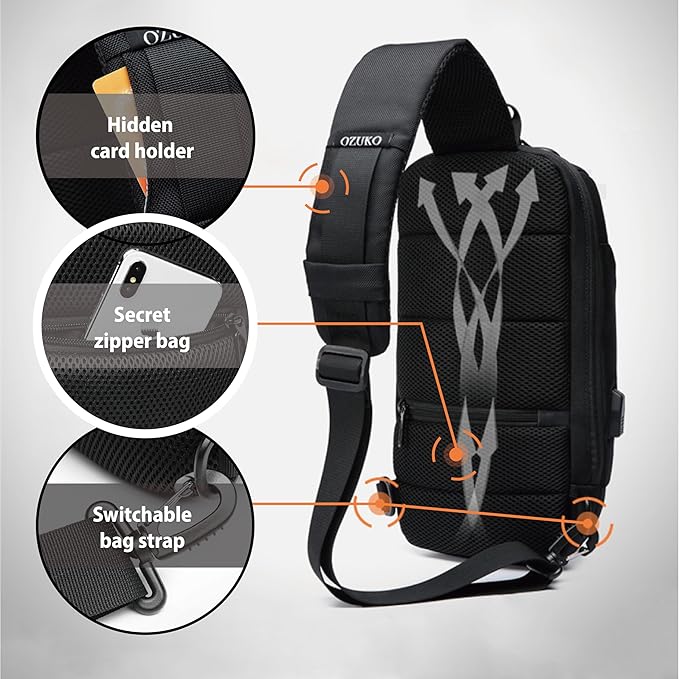
    Travel Tip: When I’m traveling in packed locations like city centers or malls, I always bring my lockable sling backpack. It has a combination lock on the zipper so I know my valuable items won’t walk away!

    If these blog posts and videos help plan your Costa Rica vacation, please support our channel.

    Follow Us

    Keep up with our latest Costa Rica travel videos and guides by subscribing to our YouTube channel. We regularly post new content showing real conditions across different regions and seasons.

    Planning a trip to Costa Rica? Contact us — we help with itineraries, logistics, and finding the spots most tourists miss.

  • Costa Rica’s Hidden Gem Farmers Markets: Local Treasures Beyond the Tourist Trail

    Costa Rica’s Hidden Gem Farmers Markets: Local Treasures Beyond the Tourist Trail

    Costa Rica’s vibrant farmers markets (ferias) will give you a genuine slice of local life. These weekly gatherings showcase the country’s fresh produce and cultural traditions. From busy city markets to small beach town setups, each feria has its own character based on its location.

    These markets are more than shopping spots – they’re community meeting places. Many people come to socialize and catch up with neighbors. For visitors, markets create a perfect chance to meet Costa Ricans vendors. You can practice Spanish, try regional foods, and enjoy the nearby natural destinations. 

    Costa Rican markets stand out because they remain authentic and accessible. While markets in many countries cater mainly to tourists, most Costa Rican ferias still focus on serving local communities. This guide covers standout markets across the country – from beaches to mountain villages. We include practical details to help you add these cultural hotspots to your trip. Food lovers, photographers, and anyone curious about daily Costa Rican life will find these markets worth visiting.

    Travel Tip: You don’t need to buy a SIM card when you land in Costa Rica to get data connection. With an eSIM, you’ll be able to configure your data connection before you depart for your vacation. I use the Saily eSIM in Costa Rica.

    Table Of Contents

    Estimated Reading Time: 20 Minutes

    Uvita Market: Weekend Beach Town Treasure

    The Saturday market in Uvita ranks as one of the Pacific coast’s most busy ferias. It’s only minutes from the famous Whale’s Tail beach in Puntarenas Province. Both locals and travelers visit this market each weekend. Mountains rise in the background while the ocean is just a short walk away.

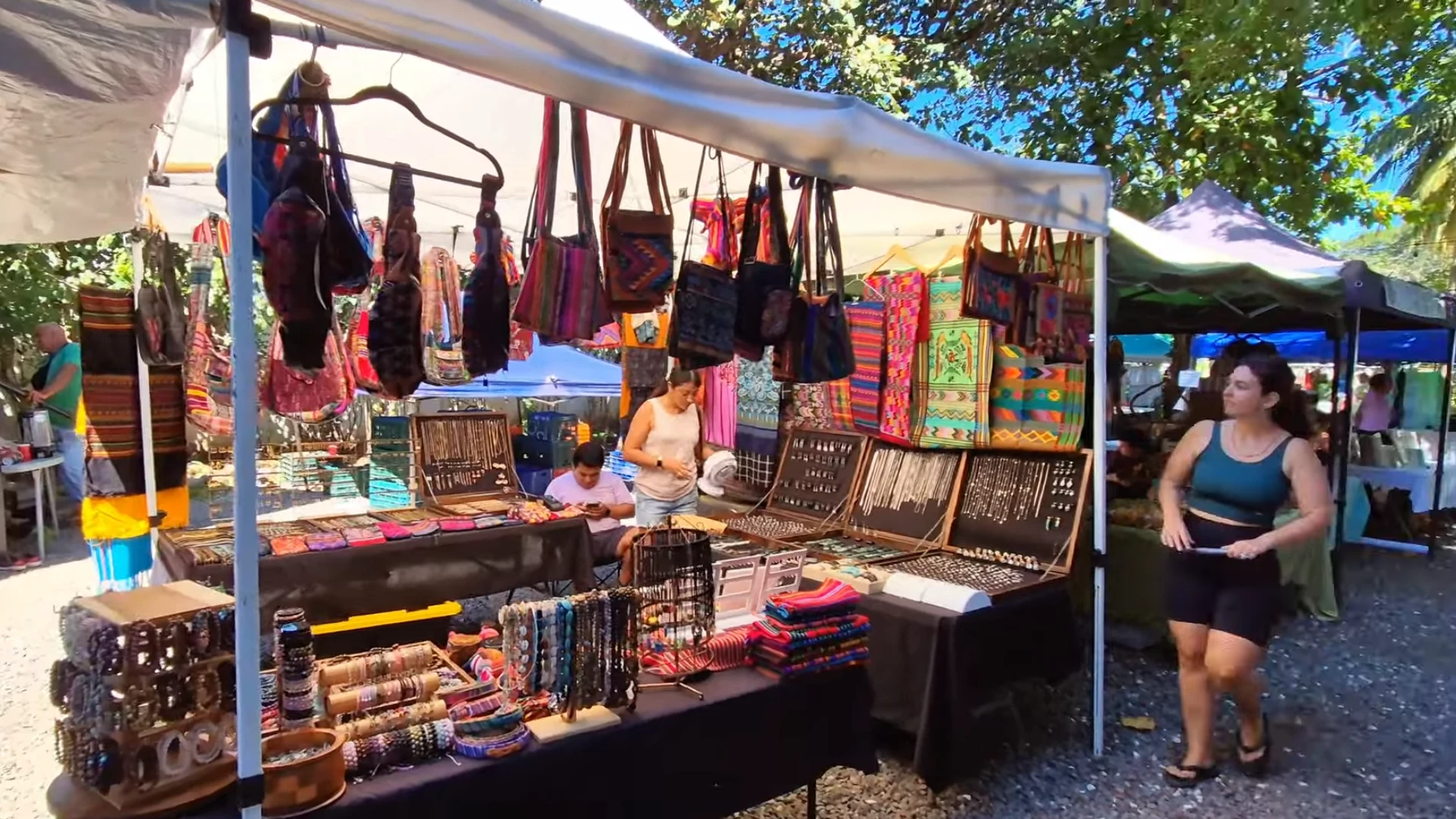
    Uvita’s feria has a relaxed beach town feel unlike bigger city markets. Vendors sell everything from tropical fruits to handcrafted jewelry. The entire market operates under a large covered structure. It runs Saturday mornings from around 7 AM until early afternoon. For best selection, arrive before 10 AM.

    Fresh produce is at the back of the market – pineapples, mangoes, papayas, and lesser-known tropical fruits. Local artisans have handmade crafts, natural products, and unique souvenirs. Several food vendors serve traditional Costa Rican snacks and fresh fruit smoothies.

    driving directions from sjo airport to uvita costa rica

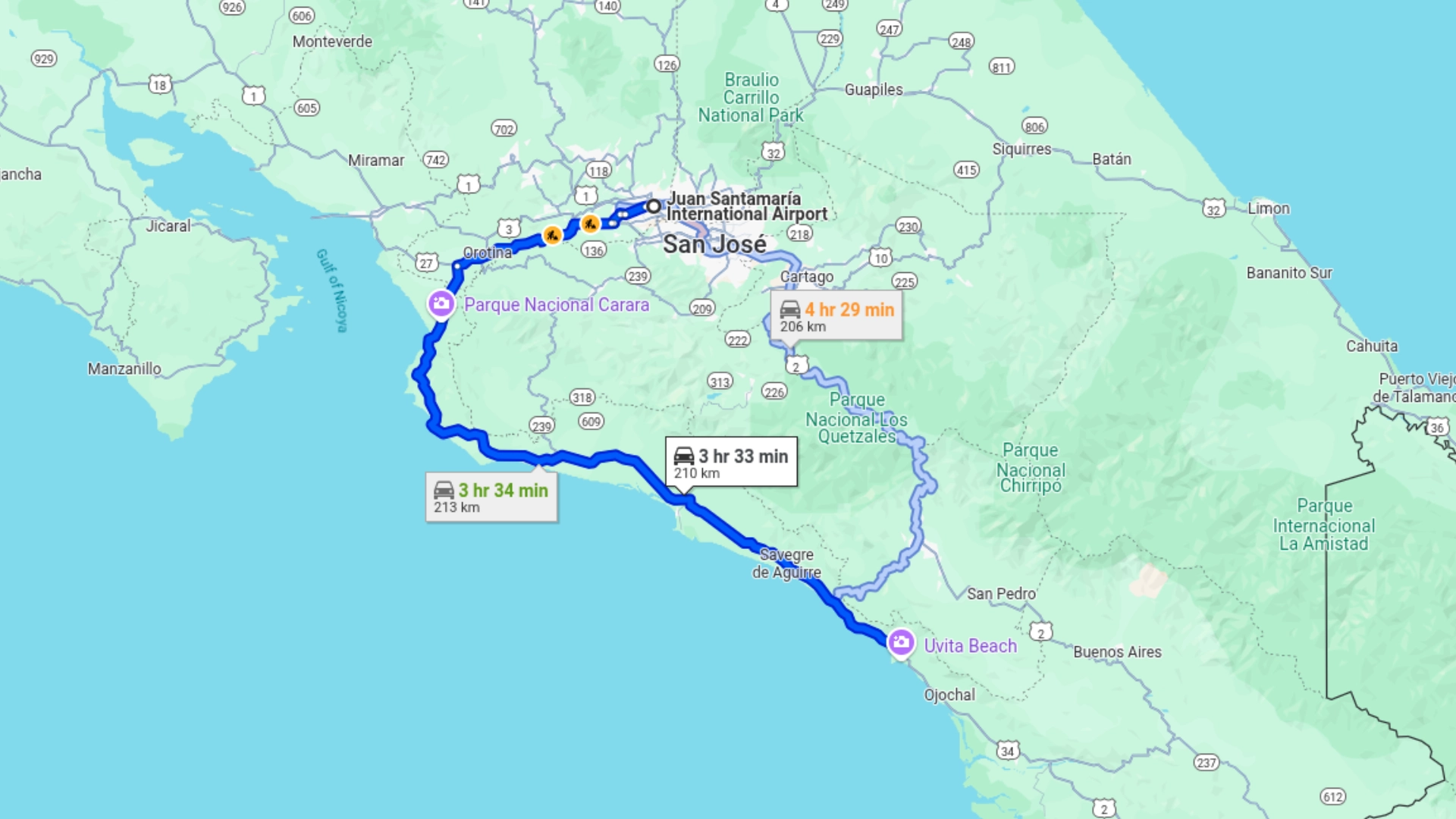
    Driving directions from the airport in San José, to Uvita. It’s a long drive but well paved.

    How to Get to Uvita

    The drive from San José to Uvita is about 220 kilometers (136 miles) and takes approximately 3-4 hours depending on traffic. The route follows well maintained highways for the journey, and fairly straight forward. Most rental cars, including standard sedans, handle this trip easily during dry season (December-April). During rainy season (May-November), occasional heavy downpours might slow your progress.

    For the most scenic experience, plan for a daytime drive to enjoy mountain and ocean views along the way. Several small towns between San José and Uvita have convenience stops with restaurants, gas stations, and restrooms. Most travelers make at least one brief stop, typically in Jacó or Quepos, to break up the journey.

    What to Expect

    Farmers will have colorful tables full of fresh produce at prices much lower than supermarkets. A pineapple costs around 500-1000 colones ($1-2) – about half what tourist area stores charge.

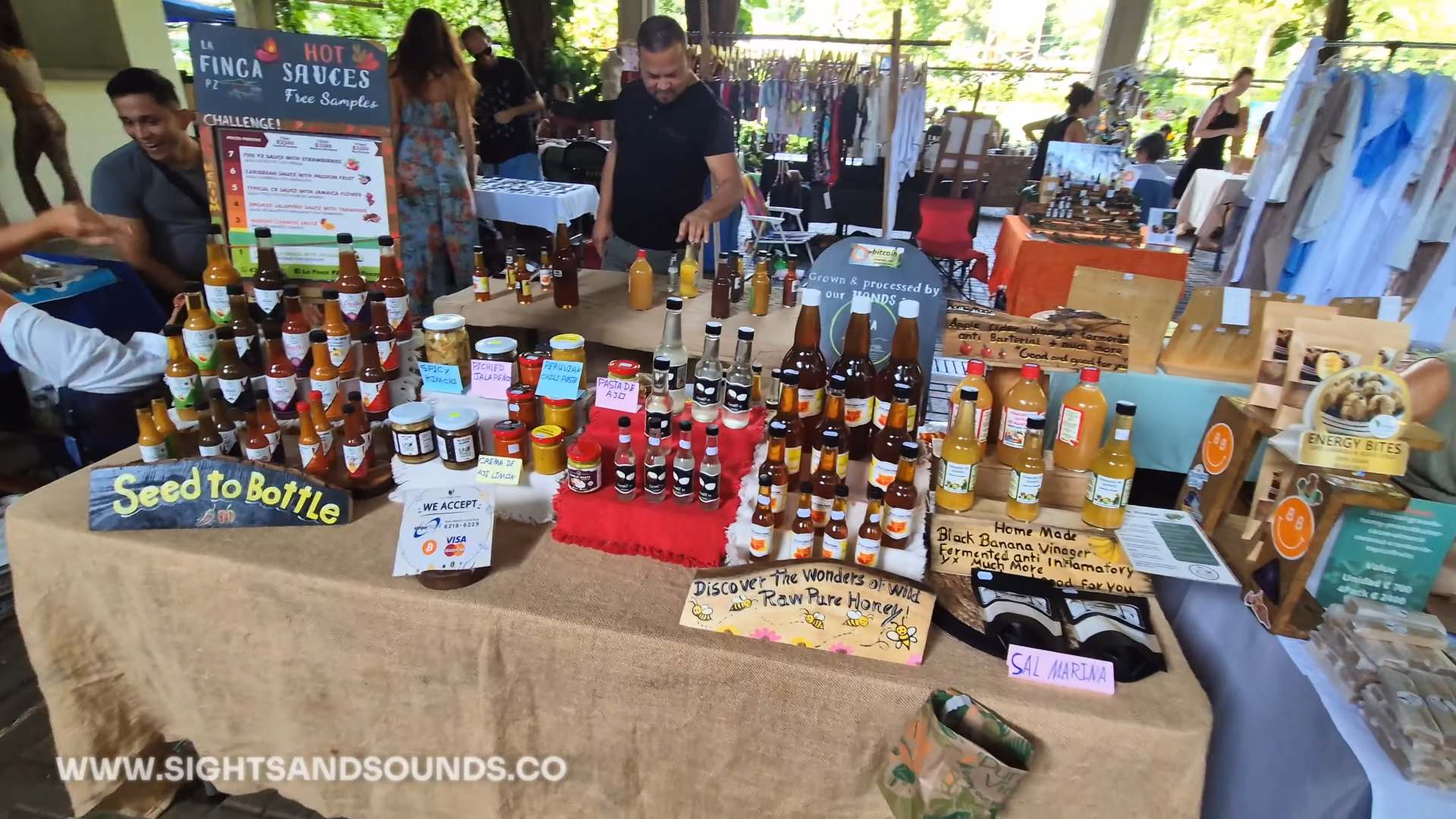
    Many vendors speak some English, especially those catering to tourists. Basic Spanish phrases help with price discussions. Bring colones for better rates, though most vendors accept US dollars. Some vendors also accept Bitcoin as well.

    Craft seekers will enjoy seeing handmade jewelry, wooden carvings, and natural skin care products. These items typically cost between 5,000-15,000 colones ($10-30) – much less than resort gift shops charge.

    Alajuela Market: Capital Region’s Convenient Feria

    The Saturday farmers market in Alajuela gives travelers a perfect taste of Costa Rican ferias close to the capital region. It’s just 20 minutes from San José International Airport (SJO), this market draws locals shopping for the week ahead. Its location near the airport makes it perfect for visitors on their first or last day in Costa Rica.

    The market covers several blocks near town center. Vendors set up under a large covered structure that shields the sun and rain. Morning hours fill with activity as families look for weekly groceries. While some markets cater to tourists, Alajuela’s keeps its local character.

    This market stands out for its diverse display of Costa Rica’s agriculture. The higher Central Valley climate grows different crops than coastal areas. You’ll find mountain grown coffee, strawberries, and vegetables alongside tropical fruits from lower elevations.

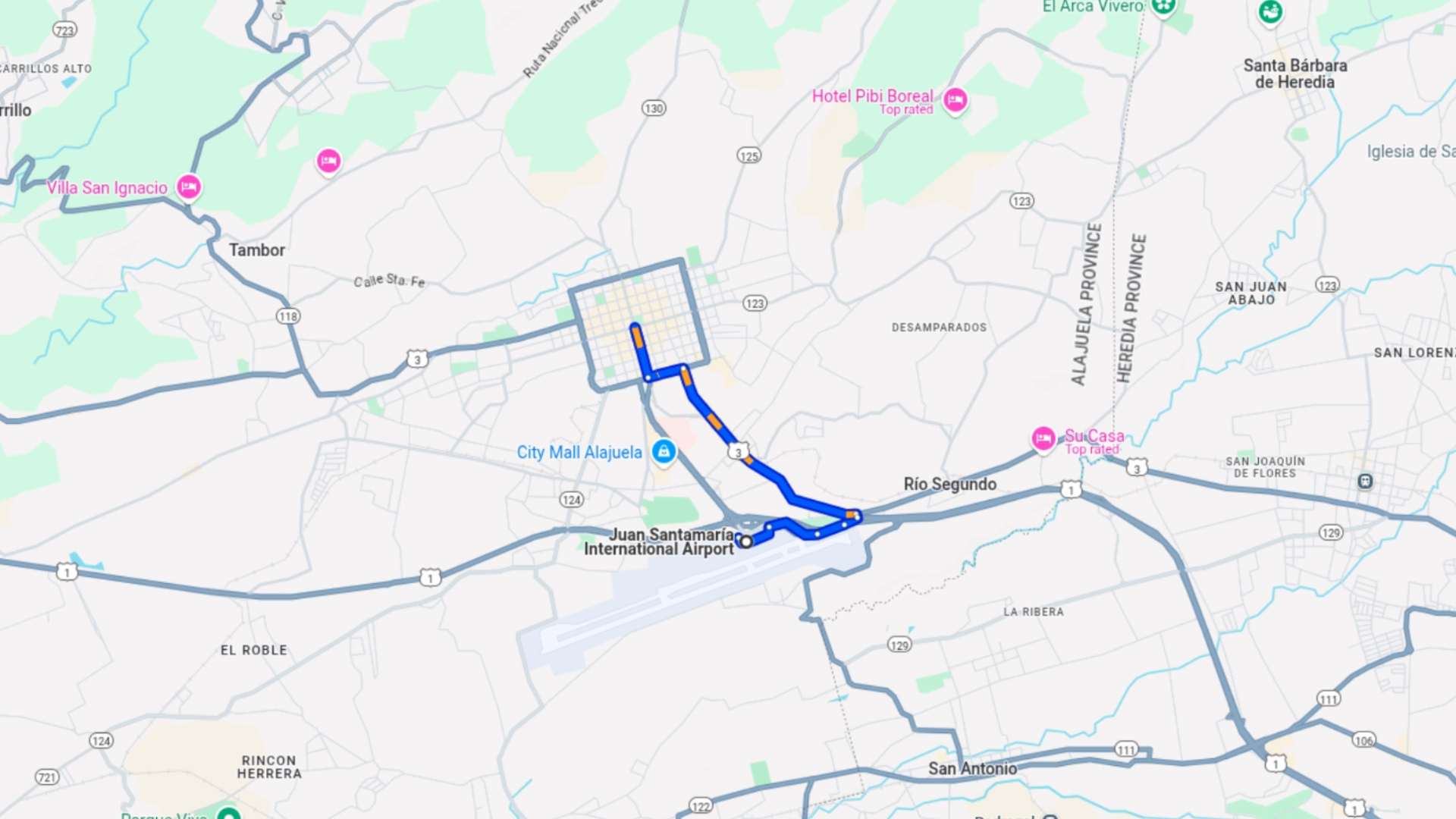
    directions from the san jose airport to alajuela costa rica

    Alajuela is a short drive from the international airport. It could be your first market when you land for vacation.

    How to Get to Alajuela

    The drive from San José to Alajuela is only 20 kilometers (12 miles) and takes about 20 – 30 minutes depending on traffic. From the SJO International Airport, the trip is under 10 minutes by car. The route follows good city and suburban roads accessible by any vehicle.

    Public buses connect San José to Alajuela throughout the day. Many visitors prefer taking a taxi or rideshare from their hotel, especially when buying items they’ll need to carry back. The market is within walking distance of Alajuela’s main plaza and cathedral if you’re staying nearby.

    What to Expect

    Alajuela’s market has fresh produce at prices much lower than supermarkets. Vendors have displays of fruits and vegetables priced by the kilo. Typical prices include:

      • Pineapples: 800-1,000 colones each ($1.60-2.00)
      • Coffee: 2,000-4,000 colones per bag ($4-8) depending on quality
      • Strawberries: 1,500 colones per basket ($3)
      • Tomatoes: 600 colones/kilo ($1.20/kg)
      • Avocados: 1,000 colones each ($2)
      • Mangoes: 200-500 colones each (40¢-$1) depending on variety


    The market feels lively but not crowded. Many vendors know basic English, especially those who often talk with tourists. Bring colones for better prices, most  vendors take US dollars at less favorable rates. Most sales are cash only.

    Beyond produce, you’ll find areas for meats, cheeses, baked goods, and prepared foods. Try traditional Costa Rican breakfast items like chorreadas (corn pancakes) or empanadas from food stalls. Coffee lovers should look for local growers selling fresh beans from nearby mountain farms.

    The Alajuela market works perfectly for travelers wanting to stock vacation rentals with fresh fruit and local coffee. It’s also great for last minute gifts before flying home. The best selection appears between 7-9 AM, though the market stays active until early afternoon.

    cooler pack

    Bring a cooler backpack during your shopping trip to a local market in Costa Rica. Keep your fruits and veggies cool while you explore.

    Cartago Market: Historic City’s Traditional Feria

    The farmers market in Cartago combines tradition and practicality in one of Costa Rica’s oldest colonial cities. About 25 kilometers (15 miles) east of San José, Cartago was the country’s first capital and remains an important cultural center. The market is close to the historic downtown and draws residents from across the eastern Central Valley.

    Unlike tourist focused markets, Cartago’s feria keeps a distinctly local atmosphere. The market uses a dedicated building with both indoor and outdoor sections, making shopping comfortable in any weather. Vendors display their products neatly with clear pricing, helpful even for visitors who speak limited Spanish.

    This market’s special charm comes from its ties to Cartago’s farming heritage. The nearby farmland produces some of Costa Rica’s best potatoes, onions, and cool weather vegetables. You’ll also see tropical fruits from lower elevations, showing off the country’s diverse growing regions.

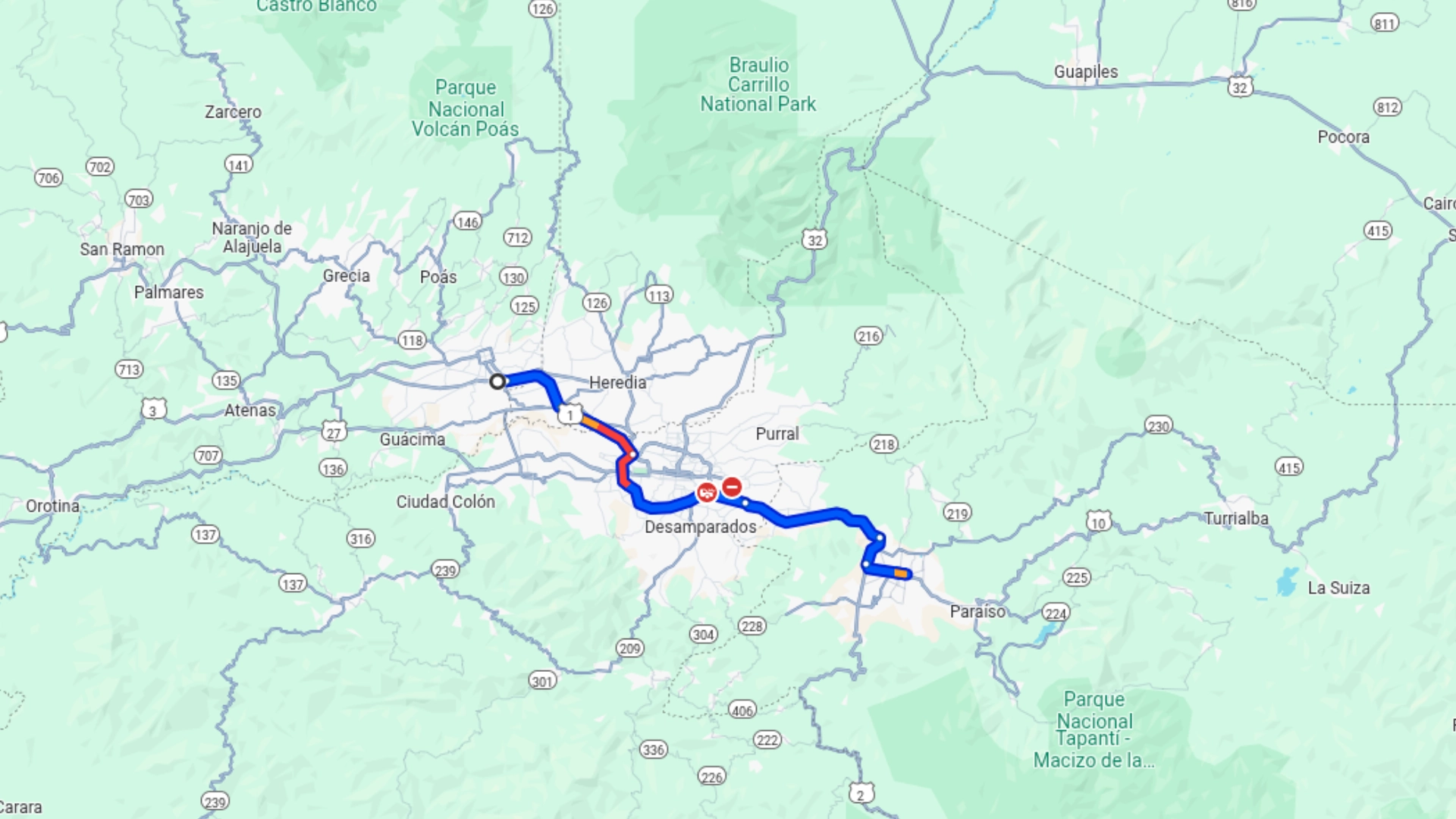
    day trip drive from san jose airport to cartago costa rica

    It’s a short distance from SJO to Cartago, which usually takes an hour of driving. But traffic can impact the drive, especially around 4pm.

    How to Get to Cartago

    The drive from San José to Cartago spans about 25 kilometers (15 miles) and takes 45-60 minutes depending on traffic. The route follows Highway 2, a good road that passes through eastern San José suburbs before crossing mountain areas with valley views. All cars handle this drive easily.

    Public buses run often between San José and Cartago for those without a car. The bus terminal in Cartago is located just a short walk from the market. Plan to arrive early in the morning when the market is busiest and before midday traffic builds for your return trip.

    What to Expect

    Cartago’s market has a wide assortment of fruits and vegetables at a great price. Fresh tomatoes cost about 500 colones per kilo ($1/kg), while large onions sell for 700-800 colones per kilo ($1.40-1.60/kg). The market excels in root vegetables like potatoes grown in the volcanic soil of nearby mountains.

    Beyond produce, the market has sections for fresh meats, dairy products, and prepared foods. Small food stalls serve traditional Costa Rican breakfast and coffee. Don’t miss the cheese section with fresh handmade varieties.

    After the market, visit Cartago’s impressive Basilica de Nuestra Señora de los Ángeles just a short walk away. This important religious site plus the market makes Cartago an excellent day trip from San José. The market is busiest Saturday mornings, though some sections open throughout the week with shorter hours.

    Playas del Coco Market: Closest  Market to Papagayo Peninsula Resorts

    The Sunday market in Playas del Coco will give you relaxed shopping just minutes from Guanacaste’s popular resort areas. This small market is the closest regular feria to luxury resorts on Papagayo Peninsula, including Four Seasons, Andaz, and Planet Hollywood. Those staying at El Mangroove or Bahia Papagayo in Playa Panama can reach it with a 15 minute drive, perfect for a morning trip.

    Unlike big Central Valley markets, Coco’s market stays small with several dozen vendors instead of hundreds. The setting matches its beach town location with a casual vibe. The market runs Sunday mornings until early afternoon, giving you a nice activity before or after beach time.

    This market stands out by mixing local produce with tourist friendly crafts. The market is located in the hotel called La Puerta del Sol, which has a restaurant called Garden Bar. The restaurant is open during the market so you can grab lunch or a drink while you browse.

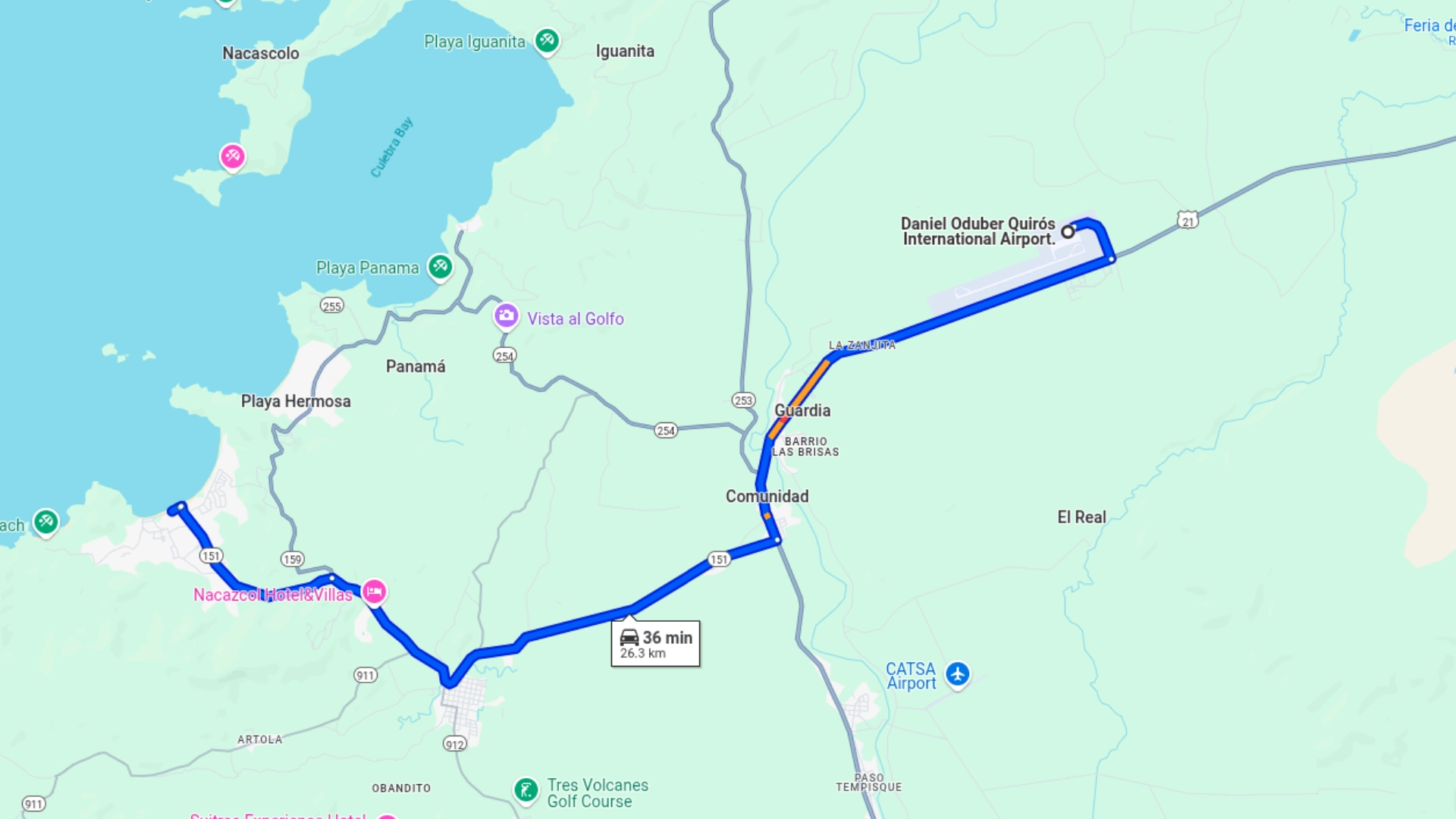
    drive from liberia airport to playas del coco costa rica

    Driving route from the airport in Liberia to Playas del Coco. Easy trip in your rental car or airport transfer.

    How to Get to Playas del Coco

    The drive from Liberia International Airport to Playas del Coco is about 30 kilometers (19 miles) and takes 30 – 40 minutes. The route has good paved roads the entire way. From the Papagayo Peninsula resorts, the drive takes 30 – 45 minutes depending on where you start.

    If you’re staying in Playas del Coco, the market is between the area of Las Palmas and the downtown strip. Some parking is available across the street from the hotel, or on street. You’ll find the entrance easily as there’ll be many cars lined up on the sides with people walking about.

    playas del coco tourism vacation destination beach town local market costa rica

    The market in Coco is compact and a great place to spend the morning. It’s only a short walk to the beach.

    What to Expect

    The Coco market sells fresh produce, prepared foods, handcrafted items, and some clothing. Though smaller than inland markets, it has a good variety at lower prices than resort shops or supermarkets. Fresh pineapples cost about 1,000-1,500 colones ($2-3) each, while avocados and mangoes run 500-1,000 colones ($1-2) based on size.

    The market attracts local residents, expats, and tourists. Many vendors know some English, especially those selling crafts or food. It’s best to purchase with colones, but you can use USD with a small exchange fee.

    Food stalls sell breakfast items, fresh smoothies, and local snacks. Some vendors have specialty products like homemade kombucha, honey, and artisanal cheeses not found in regular stores. 

    Try to arrive early, around 8-9 AM, when selection is best and temperatures cooler. After shopping, you can walk to nearby cafés along Coco’s main street for breakfast or lunch. Most people will spend about 30 minutes to an hour here. 

    Pérez Zeledón Market: Central Valley’s Large-Scale Feria

    The Wednesday farmers market in Pérez Zeledón is my favorite farmers market in all of Costa Rica. It fills the main town of Santa Isidro del General, stretching across multiple city blocks. Farmers come from all the surrounding mountains, bringing a diverse selection rarely found at smaller markets.

    The layout follows a simple grid with wide aisles for easy navigation. Vendors cluster by product type – produce in one area, meats in another, with crafts and food stalls mixed throughout. The clean, organized space has covered areas to protect shoppers from sun and rain.

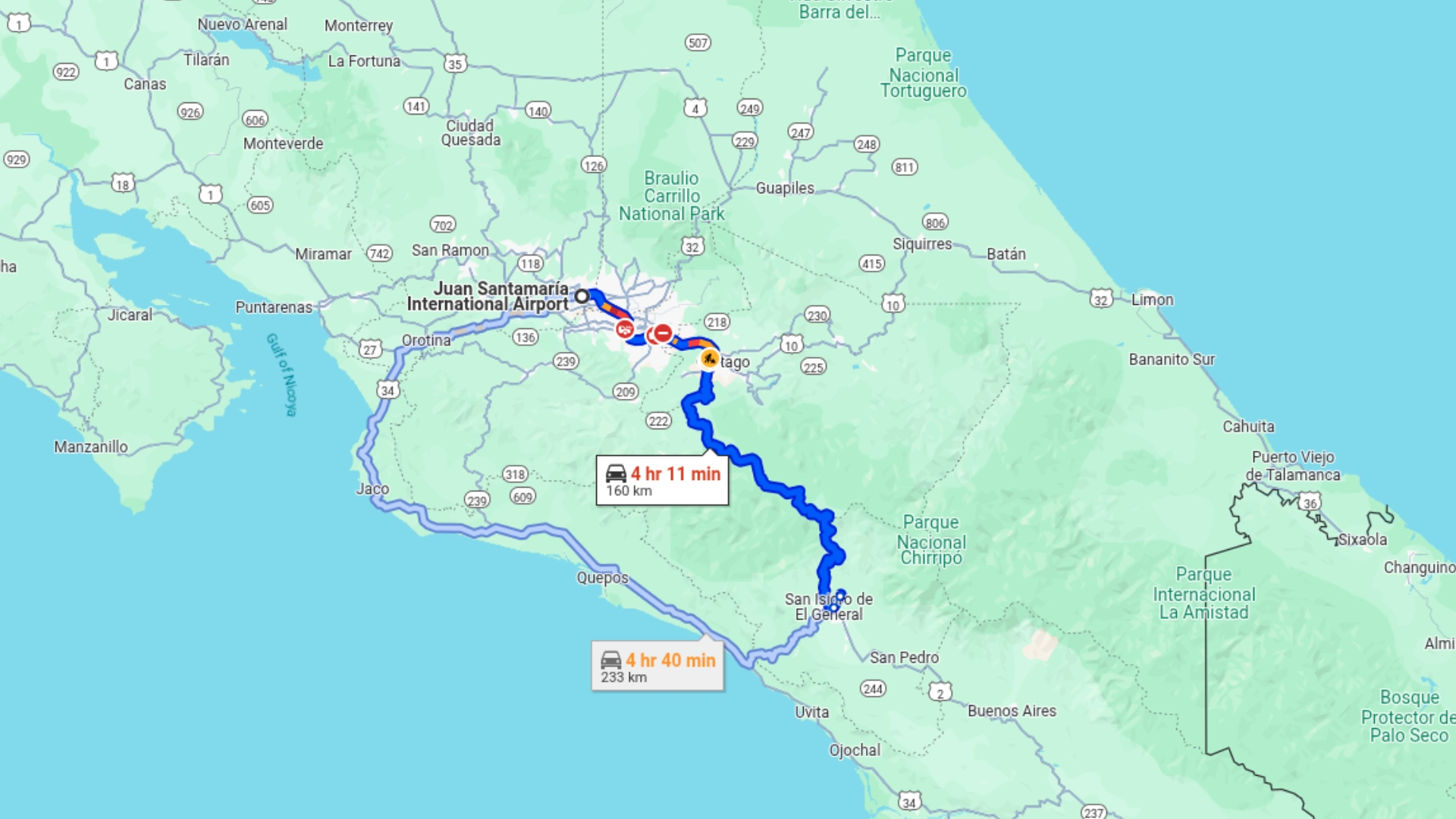
    driving route from sjo to perez zeledon southern zone market costa rica

    The drive from SJO to Pérez Zeledón will take you across the mountains which divide San Jose from the southern area.

    How to Get to Pérez Zeledón

    The drive from San José to Pérez Zeledón covers about 135 kilometers (84 miles) and takes 3 hours. The route goes through the incredible Cerro de la Muerte mountain pass. You’ll reach heights of over 3,000 meters before dropping into the Valley of El General.

    The road is well paved, but fog often covers the mountain pass, making midday driving safer. The route has several viewpoints with amazing photo spots overlooking the valley and mountains.

    What to Expect

    This market has an impressive range of fresh produce, meats, cheeses, and prepared foods. Farmers arrange neat piles of fruits and vegetables, often picked just hours earlier. Lookout for the exotic fruit vendor who usually has some very unique stuff. A typical price list includes:

    • Tomatoes: 500 colones/kilo ($1/kg)
    • Onions: 700 colones/kilo ($1.40/kg)
    • Potatoes: 700 colones/kilo ($1.40/kg)
    • Pineapples: 1,500 colones each ($3 each)
    • Bananas: 300 colones/bunch (60¢/bunch)
    • Eggs: 30 for 6,000 colones (30 for $12)
    • Local cheese: 2,500-4,000 colones/ball ($5-8/ball)
    • Coffee beans: 2,000-3,000 colones/bag ($4-6/bag)


    This part of Costa Rica is less touched by tourism than the coasts, so not all the vendors will speak English. Knowing some basic Spanish will help with inquiring the costs of items. There is a small soda (local restaurant) inside the market which has some basic plates of hot food. If you’d like to find some gallo pinto or casado, there are many larger sodas just a short walk in town.

    If these blog posts and videos help plan your Costa Rica vacation, please support our channel.

    Follow Us

    Keep up with our latest Costa Rica travel videos and guides by subscribing to our YouTube channel. We regularly post new content showing real conditions across different regions and seasons.

    Leave a comment with your Costa Rica travel questions – we’re happy to help plan your perfect time to visit.

    When are farmers markets typically open in Costa Rica?

    Most Costa Rican farmers markets (ferias) operate on weekends, typically starting Friday afternoons or early Saturday mornings and closing by early afternoon. The largest markets run on Saturdays from around 6-7 AM until 1-2 PM. Some larger towns have markets on multiple days, with Wednesday also being common. Each town has its own schedule, so check locally for specific hours. Markets start early, with the best selection available before 9 AM.

    Are Costa Rican farmers markets cheaper than supermarkets?

    Yes, farmers markets in Costa Rica typically offer prices 30-50% lower than supermarkets for fresh produce. A recent study by the National Production Council found some items cost up to 145% less at farmers markets. For example, tomatoes might cost 500 colones/kilo ($1/kg) at a market versus 2,000+ colones at supermarkets. The savings are especially significant on locally grown items like fruits, vegetables, and coffee. Tourist-area markets tend to have slightly higher prices than those in local communities.

    Do vendors at Costa Rican markets accept US dollars?

    Some vendors at Costa Rican markets accept US dollars, especially in tourist areas, but at less favorable exchange rates. For the best prices, bring colones (Costa Rican currency). Most vendors don’t accept credit cards, so cash is essential. ATMs near markets often offer better exchange rates than changing money at the market. Small bills (1,000, 2,000, and 5,000 colones) are most useful for market shopping.

    What should I bring to a farmers market in Costa Rica?

    Bring a reusable shopping bag or backpack, cash in colones (small bills), a water bottle, and sun protection (hat, sunscreen). Basic Spanish phrases for numbers and food items help with transactions. Many shoppers bring small calculators or use phone calculators to confirm prices. Consider bringing a cooler bag if you plan to buy perishables and won’t return to your accommodation immediately. Most vendors provide plastic bags, but bringing your own is more environmentally friendly.

    Can I bargain at Costa Rican farmers markets?

    Unlike some countries, bargaining isn’t common practice at Costa Rican farmers markets, especially for produce. Prices are generally fair and already lower than stores. Some gentle negotiation might be possible when buying multiple items or with craft vendors, but aggressive bargaining is considered impolite. Paying cash sometimes results in small discounts of 5-10% at craft or prepared food stalls.

    What are the best items to buy at Costa Rican markets?

    The best purchases include tropical fruits (like mangoes, pineapples, and less common varieties like rambutan/mamón chino), local coffee directly from growers, fresh cheese (especially the string cheese called palmito), and handcrafted items from artisans. Costa Rican markets excel at seasonal produce, offering varieties not commonly found in North American or European markets. Fresh herbs, honey products, and homemade sauces also make excellent purchases. For visitors staying in accommodations with kitchens, the markets provide affordable, high-quality ingredients for cooking.

    Are farmers markets in Costa Rica safe for tourists?

    Yes, Costa Rican farmers markets are generally very safe for tourists. Most markets have security personnel and well-organized layouts. As with any crowded place, keep valuables secure and be aware of your surroundings. Larger markets in cities like San José can get crowded, so a securable sling/cross-body bag is preferable to a backpack. Food safety standards are good, though it’s advisable to wash all produce before consuming. Many markets have bathroom facilities with hand washing stations (sometimes a fee of 300-500 colones).

    How early should I arrive at a Costa Rican farmers market?

    For the best experience, arrive between 7-9 AM. Early morning offers the freshest selection, coolest temperatures, and less crowded conditions. Farmers begin setting up before dawn, and many of the best products sell out by mid-morning. By noon, some vendors start packing up, and selection becomes limited. Tourist-area markets may start and end slightly later. Weekend markets are typically busiest between 9-11 AM when most locals do their shopping.

  • Dominical, Costa Rica: Budget-Friendly Family Guide to Hidden Gems

    Dominical, Costa Rica: Budget-Friendly Family Guide to Hidden Gems

    Costa Rica’s Pacific coast has countless adventures for travelers, but few areas balance authentic charm and family friendly activities like Dominical. This laid back surf town and its surrounding hidden gems provide budget conscious travelers with amazing experiences. All this without the crowds or high prices found in more touristy destinations.

    Just three hours from San Jose, Dominical is a perfect base for exploring great beaches, wild swimming holes, and local culture. Families particularly love this area for its mix of gentle beach areas where kids can play safely and accessible wildlife viewing opportunities that don’t require expensive tours.

    While Dominical has grown in popularity over recent years, it still maintains its relaxed vibe and has plenty of affordable accommodation, food options, and free natural attractions. In this guide and the Youtube videos, we’ll go over how get around the area, finding the budget friendly spots where your family can create unforgettable Costa Rican memories without emptying your wallet.

    Table Of Contents

    Estimated Reading Time: 10 Minutes

    Getting to Dominical & Surrounding Areas

    Getting to Dominical from San Jose takes about 3 hours by car, making it an accessible destination for families even with young children. The route goes along well maintained highways for most of the journey, with Highway 34 taking you along the coast for the final stretch.

    Having your own transportation is highly recommended for exploring this region, as many of the best spots aren’t available with public transit. While shuttle services are available from San Jose, they limit your ability to discover the hidden gems that make this area special.

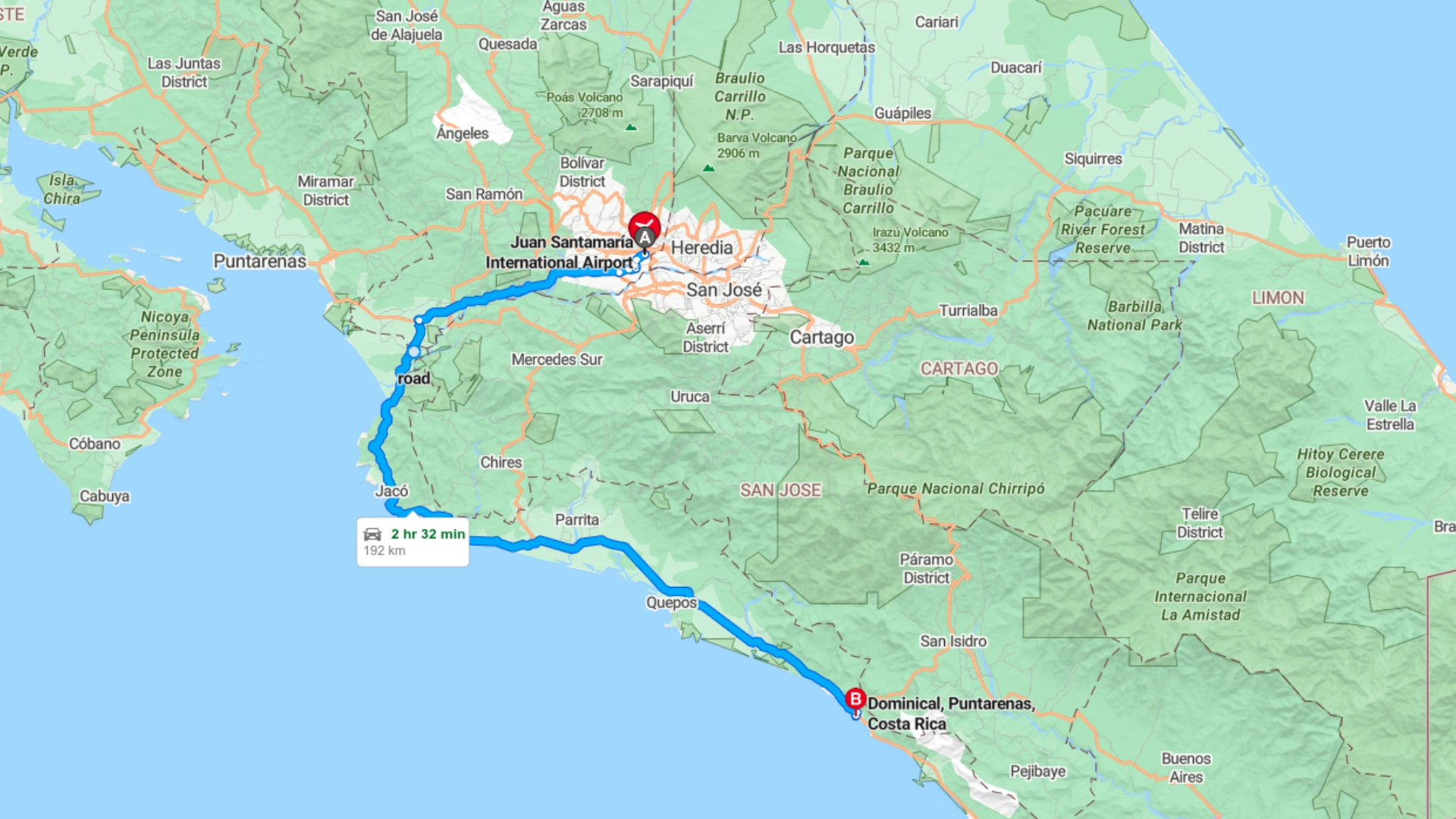
    san jose to dominical travel costa rica vlog route how to get there

    The route from San Jose to Dominical will take about 3 hours with minimal traffic. You’ll pass by popular spots like Jaco and Quepos/Manuel Antonio.

    San Jose to Dominical: The Scenic Route

    Your drive begins at San Jose International Airport where you’ll head west toward the Pacific coast. After passing through Orotina, you’ll continue south trhough Jaco and Parrita before driving by Quepos/Manuel Antonio. Each of these towns makes a good rest stop, with Jaco having plenty of family friendly restaurants about halfway through your drive.

    As you approach Dominical, you’ll notice the landscape become increasingly lush and the traffic thin out. The final 30 minutes of driving takes you past beautiful coastal views with several pull offs where you can safely stop for photos. Watch for the Dominical sign at the main entrance to town – it’s a popular spot for a quick picture to mark the start of your adventure.

    Transportation Options & Practical Tips

    Rental cars give you the most flexibility, with 4WD or higher clearance vehicles recommended if you plan to explore beyond the main roads. Budget conscious travelers can opt for a standard sedan if staying primarily on highways and main beach roads, but you’ll miss some of the more secluded spots where rougher roads lead to empty beaches.

    For families traveling on a tight budget, taking the public bus from San Jose to Dominical costs about $15 per person, though the journey takes closer to 4 hours with stops. If you choose this option, consider renting a car locally for just a day or two to visit the harder to reach beaches and swimming holes, then use taxis or walking for exploring the main town area.

    water shoes for exploring costa rica

    Pick up a pair of these awesome water shoes. I’ve been using them all over Costa Rica during my travels. They have vented soles so water drains right out the bottom! 

    Hidden Beach Gems Near Dominical

    While Dominical’s main beach attracts surfers with its consistent waves, families with young children will find more suitable swimming spots at the lesser known beaches nearby. These hidden gems have gentler waters, natural tide pools, and fewer crowds, creating perfect environments for relaxed family beach days.

    Most of these beaches are within a 15-minute drive from Dominical town center, making them easy half day trips. Pack snacks, water, and basic supplies as some have minimal facilities, which helps keep them less crowded and more affordable than developed beach areas.

    Dominicalito: A Tranquil Alternative

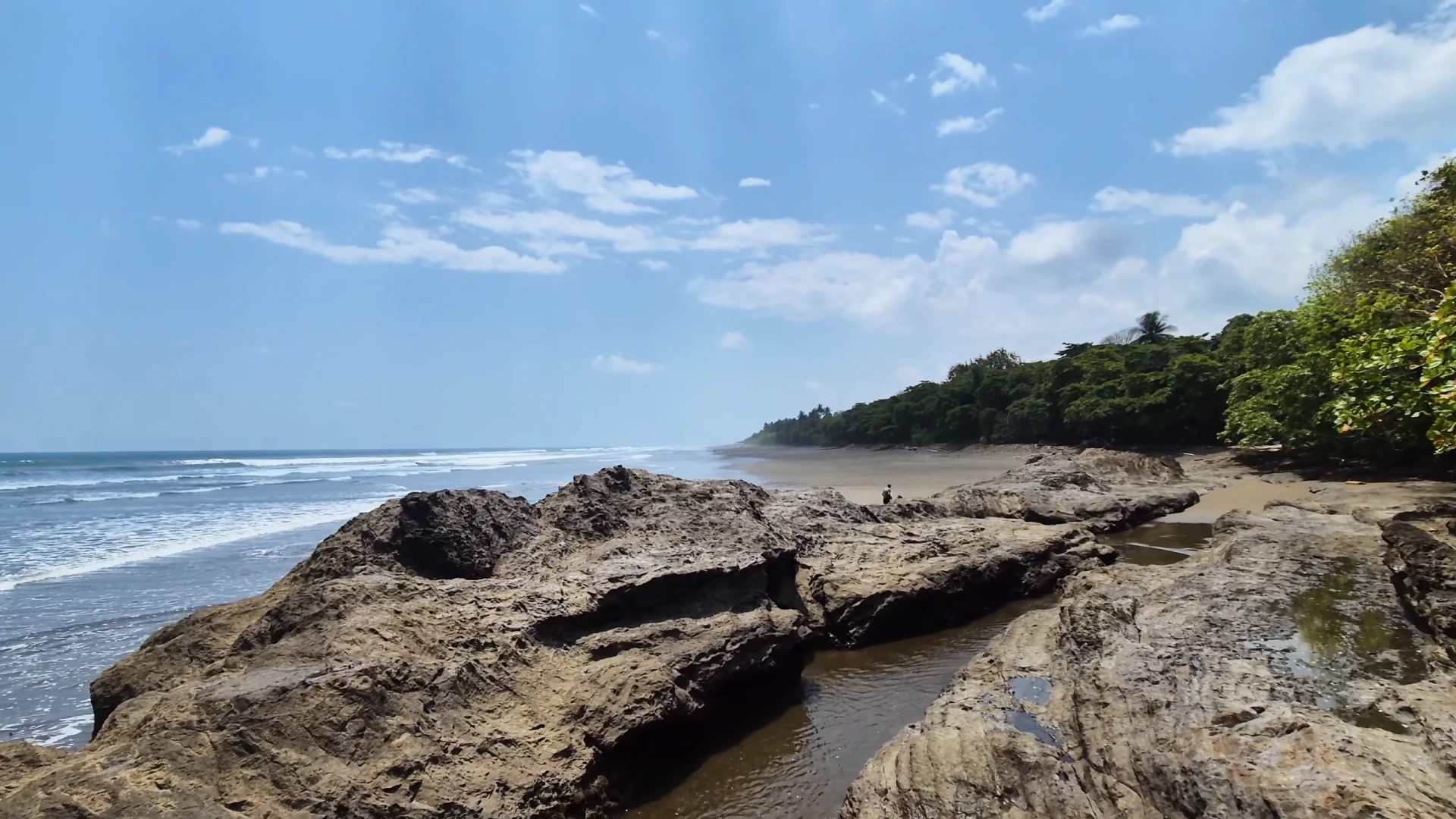
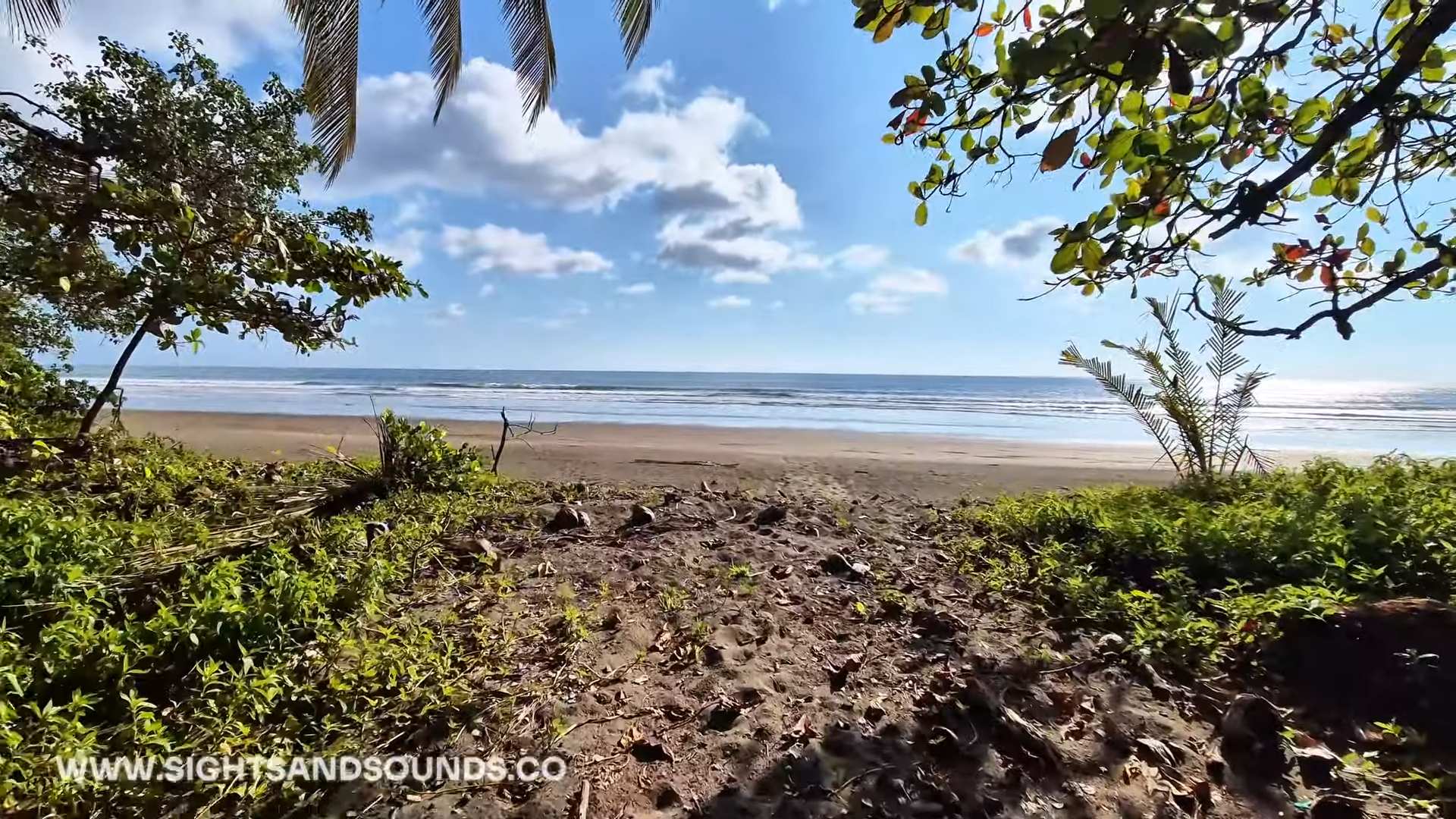
    Just 5 minutes south of Dominical, you’ll find Dominicalito Beach – a smaller, more sheltered cove with calmer waters and amazing views. The beach has natural rock formations at both ends that create protected swimming areas where kids can play safely, especially at low tide when shallow pools form among the rocks.

    To reach Dominicalito, there are several turns offs the main highway after you leave Dominical. In the video, I park at one of the more accesible lots which is right off the highway. Some of the other entraces to the beach have variable quality roads which may require a high ground clearance. Once parked, a short path leads you to this peaceful stretch of sand where you’ll find fewer people enjoying the beach.

    saily esim costa rica bannersaily-banners-affordable-esim-1200×628

    Poza Azul & Secret Swimming Holes

    For a refreshing break from saltwater, Poza Azul provides a natural freshwater swimming experience just minutes from Dominical. This river pool has cold river water and is deep enough for swimming in several spots, but also has shallow areas perfect for younger children to splash around safely.

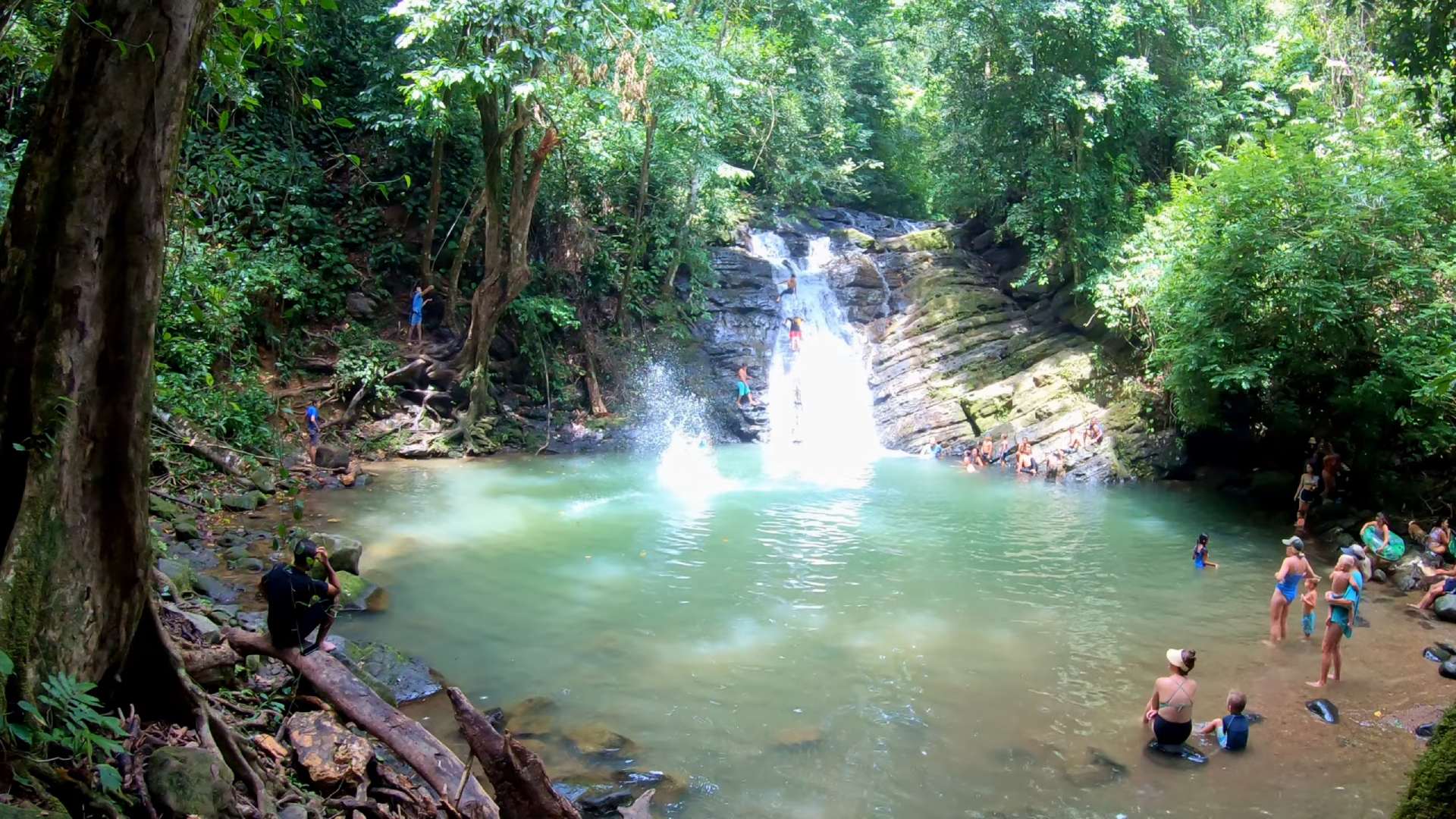
    To find Poza Azul, drive through the small town of Dominicalito and watch for a right turn about 50 meters after crossing a small bridge. Follow the dirt road for a short distance to a parking area where you’ll sometimes find a local parking caretaker (tipping 1000 colones is appreciated). From there, a somewhat steep but short path leads down to the swimming hole where rope swings and jumping rocks add excitement for older kids and teens.

    Budget-Friendly Family Activities

    Dominical may be small, but it packs a surprising number of affordable activities that families can enjoy without breaking the bank. Many of the area’s best experiences cost nothing at all or require only a small fee, giving budget conscious travelers plenty of options.

    One of the keys to keeping costs down in this area is taking advantage of natural attractions like beaches and rivers during mornings and late afternoons, then planning visits to markets and town areas during the midday heat. This approach maximizes enjoyment while minimizing spending on paid cooling activities.

    Dominical Eco Feria: Local Market Experience

    The Dominical Eco Feria (farmers market) runs every Friday from morning until early afternoon near the center of town, bringing together local farmers, artisans, and food vendors. You’ll enjoy sampling fresh tropical fruits that you may never have seen before. 

    Beyond just shopping, the market has a festive atmosphere with occasional live music and a central seating area where you can enjoy fresh juices and prepared foods. Arrive around 10 AM for the fullest experience, and bring small bills and coins for easier transactions. Even if you’re not buying much, this free activity provides authentic cultural immersion and insight into local Costa Rican life.

    Nature Encounters: Rivers, Waterfalls & Wildlife

    The area around Dominical has several spots where wildlife viewing comes at no cost. The estuary at the north end of Dominical beach frequently has scarlet macaws flying overhead, especially in early morning hours. Walk quietly along the paths near the river mouth and you might spot basilisk lizards (often called “Jesus Christ lizards” for their ability to run across water) or families of howler monkeys in the trees.

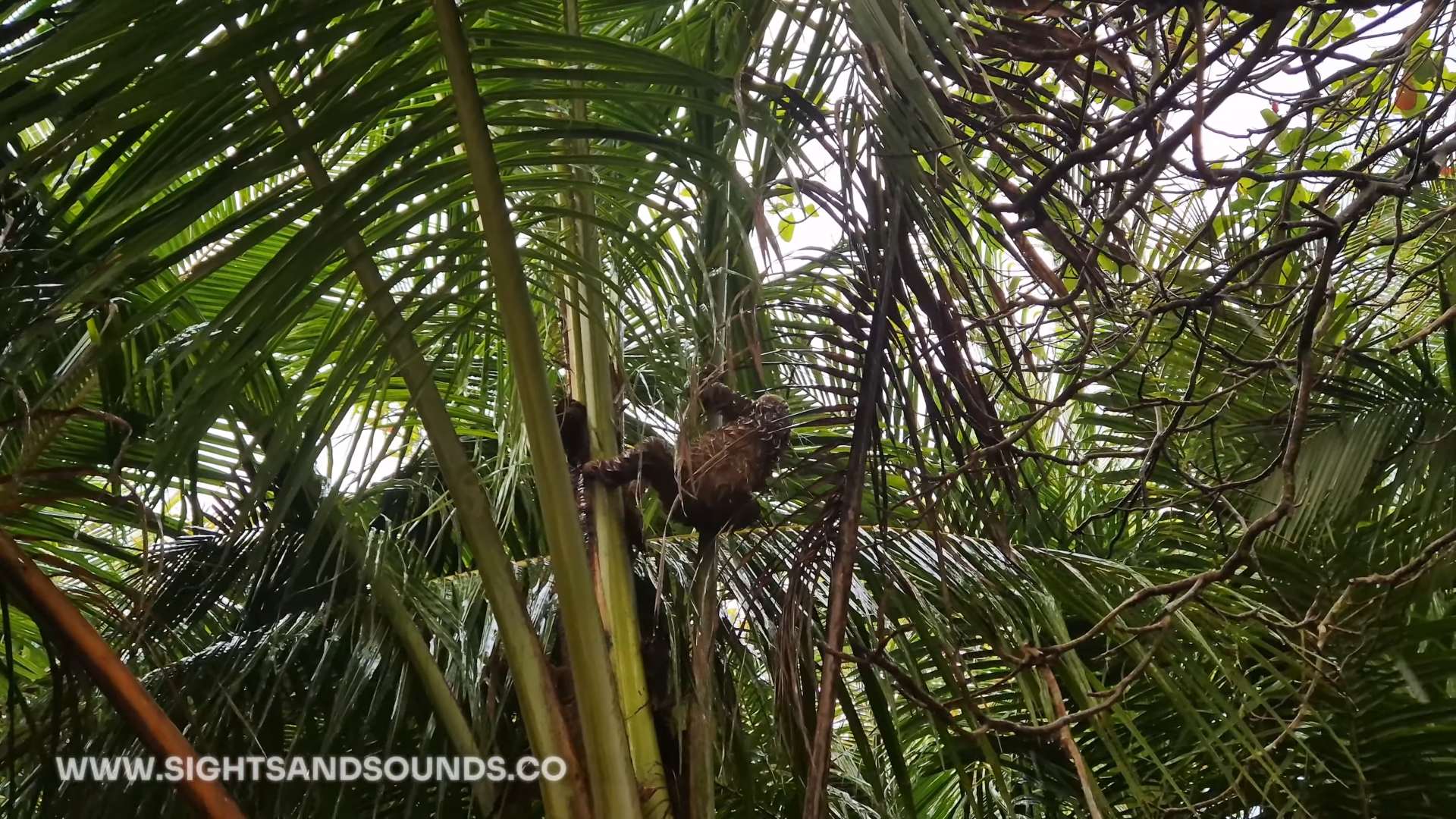
    Sloth spotting has become a popular activity in Dominical, with these slow-moving mammals often visible in the trees around town. Early mornings and late afternoons tend to be when sloths are most active, though “active” for a sloth might just mean moving from one branch to another. Check the cecropia trees along the main road into town, particularly near Dominical Surf School and the entrance to the beach area, where sloths are frequently spotted. Bring binoculars if you have them, but even without, patient observation of tree canopies can reward you with these gentle creatures’ surprisingly sweet faces.

    If these blog posts and videos help plan your Costa Rica vacation, please support our channel.

    Follow Us

    Keep up with our latest Costa Rica travel videos and guides by subscribing to our YouTube channel. We regularly post new content showing real conditions across different regions and seasons.

    Leave a comment with your Costa Rica travel questions – we’re happy to help plan your perfect time to visit.

    Frequently Asked Questions

    When is the best time to visit Dominical?

    The dry season from December to April has the most reliable weather for beach activities, but comes with higher prices and more crowds. The “green season” from May to November has afternoon showers but fewer tourists and lower prices. September and October see the most rainfall and some businesses may close.

    Is Dominical safe for families?

    Yes, Dominical is generally very safe for family travel. The main precautions include standard beach safety (watching for rip currents), protecting valuables at the beach, and using insect repellent. Locals are friendly and accustomed to tourists.

    Do I need a 4×4 vehicle to explore the Dominical area?

    Not necessarily, but it’s helpful. The main roads are paved and accessible with any vehicle. However, reaching some beaches like Dominicalito and attractions like Poza Azul requires driving on short stretches of gravel or dirt roads that can become rough after rain. A vehicle with higher clearance is recommended but not essential during dry season.

    Where can I find affordable food in Dominical?

    The Eco Feria (Friday market) has the best value for fresh produce and prepared foods. For daily meals, try “sodas” (small local restaurants) like Soda Delicias where a filling casado plate costs around $6-8. The supermarket in town has reasonable prices for self-catering, and many beach accommodations come with kitchens.

    Are there ATMs in Dominical?

    Yes, there’s an ATM at the Banco de Costa Rica in town, but it occasionally runs out of cash during busy periods. It’s wise to bring some cash from larger towns like Uvita or Quepos. Many businesses accept credit cards, but smaller vendors and some restaurants may be cash-only.

    Can I drink the water in Dominical?

    The tap water in most established accommodations is safe to drink. However, if staying in very remote areas or if you have a sensitive stomach, bottled water is readily available. Bringing a reusable water bottle with a filter is both economical and environmentally friendly.

  • Costa Rica: Tour The Southern Zone

    Costa Rica: Tour The Southern Zone

    Costa Rica’s Southern Zone is a perfect mix of stunning Pacific beaches, misty mountains, and authentic towns still untouched by mass tourism. While many visitors to Costa Rica stick to the popular destinations in Guanacaste or the Central Valley, if you venture south you’ll be rewarded with fewer crowds, lower prices, and some of the country’s most breathtaking scenery.

    The journey through this region takes you from the surfing beaches of Dominical to the large commercial center of San Isidro de El General. Further south you’ll find the indigenous heartland around Buenos Aires. Along the way, you’ll drive through mountains where pine trees and palms can be seen within a single hour’s drive. Pass by countless rivers flowing from the mountains and spot roadside sodas serving up delicious casados for a fraction of resort prices.

    Whether you’re planning a surf trip, looking to explore hot springs within indigenous territories, or simply want to see a less busy side of Costa Rica – the Southern Zone is for you. The roads might be winding and the towns less polished, but that’s exactly what makes this region special for travelers willing to go beyond the familiar tourist path.

    Travel Tip: You don’t need to buy a SIM card when you land in Costa Rica to get data connection. With an eSIM, you’ll be able to configure your data connection before you depart for your vacation. I use the Saily eSIM in Costa Rica.

    Table Of Contents

    Estimated Reading Time: 20 Minutes

    Exploring Costa Rica’s Southern Zone

    Where is the Southern Zone?

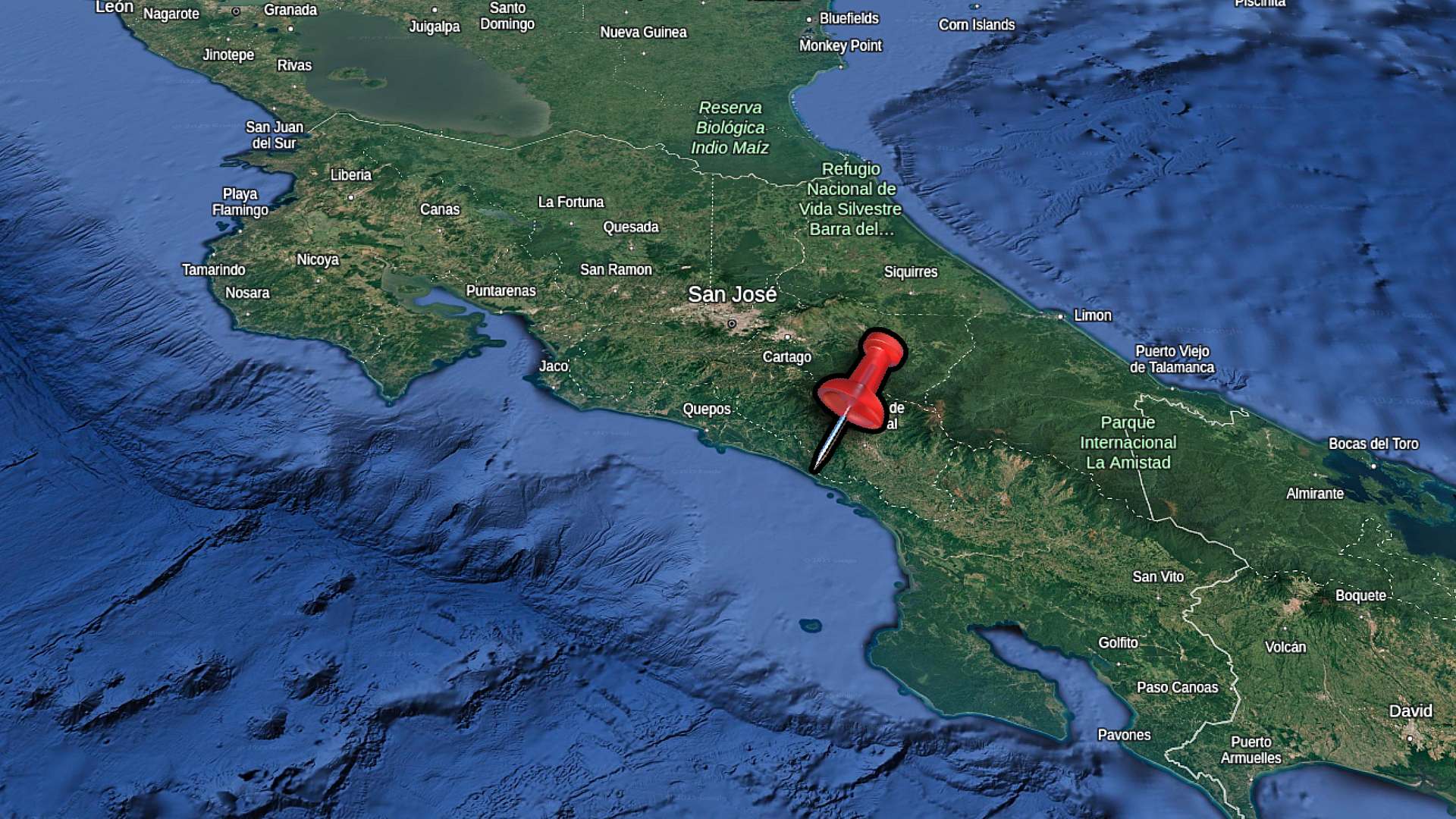
    The Southern Zone of Costa Rica runs along the Pacific coast and inland mountains south of the Central Valley. This region stretches from Manuel Antonio and Dominical down to the Panamanian border, including both coastal areas and the interior highlands. Unlike the more developed northern Pacific region of Guanacaste, the Southern Zone maintains a rawer, less commercialized feel that many travelers find refreshing.

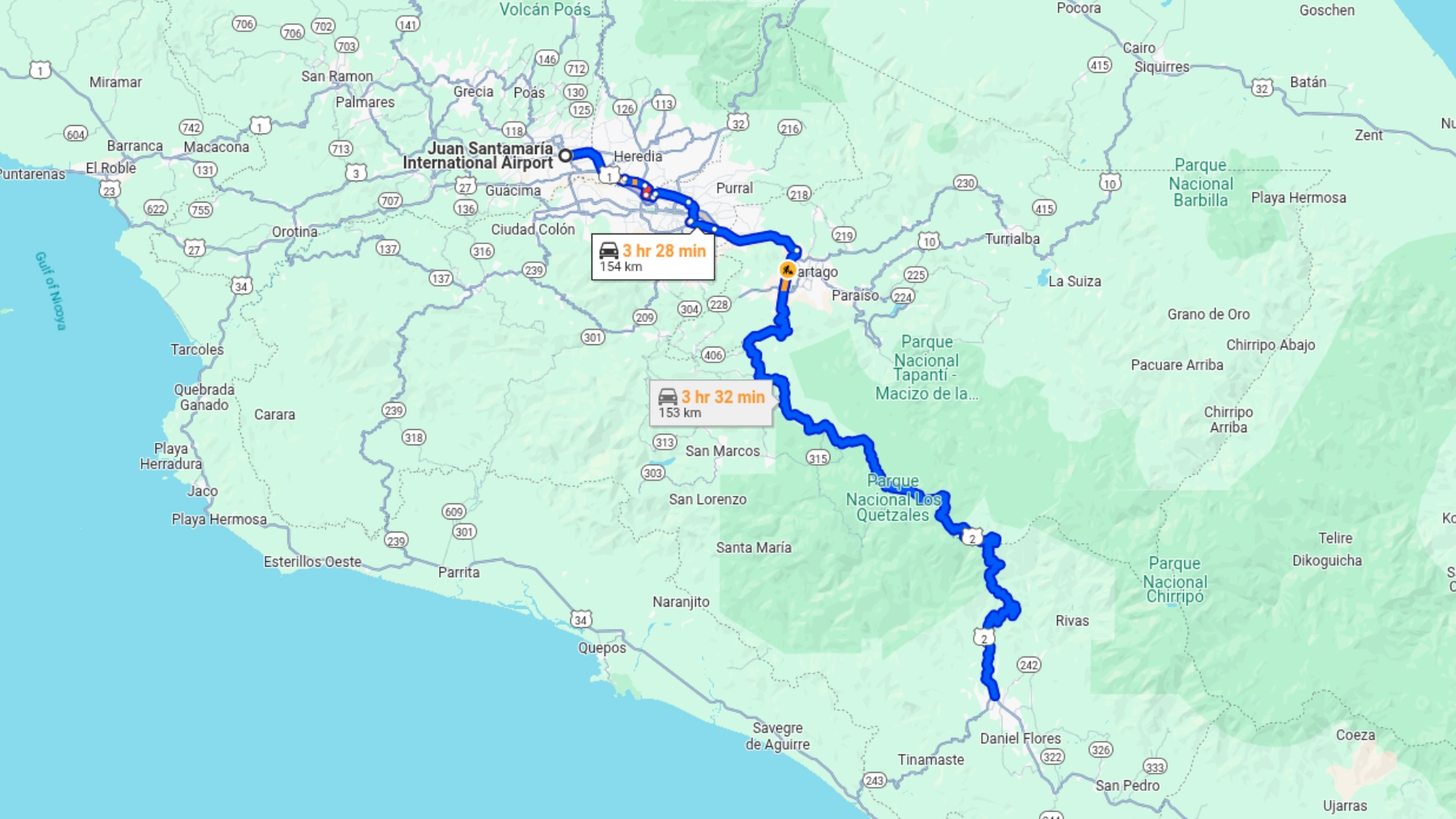
    To reach this region, you’ll likely start at San José International Airport. From there, you’ll head south over what locals sometimes call the “winding Hill of Death” (don’t worry, it’s just a dramatic name for the mountain pass). The drive from San José to San Isidro takes about 3 hours, while continuing to Dominical on the coast adds another hour. If you’re heading to Buenos Aires, you’ll drive about 4 hours from San José through agricultural lands and indigenous territories.

    What makes the Southern Zone unique is how quickly the landscape changes. Within a single hour’s drive, you can go from cool mountain pine forests to hot, humid coastal jungles. The region is home to the Talamanca Mountain Range, which is the backbone of southern Costa Rica and creates dramatic valleys, rivers, and microclimates throughout the area.

    san jose route to san isidro southern costa rica vacation tourism vlog

    When to Visit the Southern Zone

    The Southern Zone has distinct weather patterns that differ from other parts of Costa Rica. The dry season runs from December through April, offering sunny days perfect for beach activities in Dominical and easier driving conditions on mountain roads. January and February tend to be the busiest months, though even then, this region sees far fewer tourists than Guanacaste or Manuel Antonio.

    Rainy season (or “green season”) runs from May through November, with September and October typically seeing the heaviest rainfall. During these months, expect afternoon downpours that can make mountain roads more challenging.

    However, mornings are often clear, and the landscapes turn incredibly lush. The rain also brings out wildlife and creates powerful waterfalls throughout the region. If you visit during these months, plan outdoor activities for morning hours and keep flexible afternoon plans.

    Temperature varies dramatically with elevation in the Southern Zone. Coastal Dominical stays hot year-round (around 27-32°C). San Isidro at 2,300 feet elevation enjoys a pleasant “eternal spring” climate with temperatures between 18-27°C. As you climb the mountains between towns, temperatures can drop significantly, so pack layers if you plan to explore different elevations. Many visitors notice the temperature change immediately when driving through this region – you’ll feel the humidity and heat hit you suddenly as you descend from the mountains toward the coast.

    travel-backpack-costa-rica

    I use this sling backpack when I’m travelling in Costa Rica. It has a zipper lock to secure your stuff. I like the sling as I can flip the bag to the front for easy access.

    Dominical: Surf Town by the Pacific

    Dominical has a way of sticking with you. Arriving after winding down from the mountains, you’re immediately greeted by that distinct coastal heat and humidity. This small beach town consists of one main road running towards powerful waves breaking on a dark sand beach. You won’t find major resorts here. Instead, Dominical has a mix of surf shops, family owned restaurants, and a diverse crowd. Surfers, travelers, and local families enjoying the Pacific shore.

    The town has grown gradually over the years without losing its character. The addition of the BM supermarket outside town is a welcome convenience for stays of more than a day or two. Vendors still set up along the beach road daily, selling handcrafted items, jewelry, and clothing. What makes Dominical truly special is the dramatic backdrop – surfing here means looking up at green mountains that rise sharply from the coastline, creating a striking contrast between ocean blue and jungle green.

    Getting to Dominical

    Two routes lead to Dominical, each having different experiences. From San José, take Highway 27 west toward Jacó, then turn south on Highway 34 along the coast. This journey typically takes about 3.5 hours on well maintained roads, with pleasant ocean views accompanying the southern portion of the drive.

    The mountain route from San Isidro is a more scenic ride. This winding road takes you through the highlands and small towns like Tinamastes and Platanillo, with the climate changing noticeably as you descend. The temperature starts cooler in San Isidro, then gradually warms as you approach the coast. Several lookout points along the way provide panoramic views of the coastline on clear days. The drive is roughly 45 minutes without stops, but allowing time for viewpoints is worthwhile.

    Upon reaching Dominical, navigation becomes simple. The town spans just a few blocks, making it entirely walkable. Parking can become challenging during peak season, especially on weekends when visitors from nearby towns arrive for beach days.

    Top Activities in Dominical

    Surfing is Dominical’s primary draw. The consistent waves have built the town’s reputation among surf enthusiasts. The main beach has stronger breaks that attract experienced surfers, while beginners find more forgiving conditions slightly north of town. Several schools offer lessons ranging from $50-60, with instructors providing hands on guidance to newcomers.

    The beach itself deserves attention even for non-surfers. While not the pristine white sand type found in travel brochures, Dominical’s shoreline has its own character. At low tide, natural rock pools form to the south end, creating safe areas for children to enjoy the water away from the powerful waves. The addition of lifeguards during busy periods provides essential safety given the strong currents.

    Wildlife viewing opportunities are both in and around town. You can occasionally spot sloths in trees near the beach area, particularly after rain showers. The nearby Hacienda Barú wildlife refuge offers more structured nature experiences, and whale watching tours operate during migration seasons (December-April and July-November), providing opportunities to observe these magnificent marine mammals in their natural habitat.

    Mountain Routes: The Drive to San Isidro

    The mountain roads connecting the Pacific coast to San Isidro de El General offer some of Costa Rica’s most dramatic scenery. This route takes you from sea level up through cloud forests and back down into a fertile valley, with the landscape changing dramatically as you climb. It’s not just transportation—it’s an experience that gives you a true sense of Costa Rica’s diverse microclimates and topography.

    Route Options and Road Conditions

    The main route between Dominical and San Isidro follows Highway 243 up from the coast through Platanillo and Tinamastes before connecting with Highway 2 into San Isidro. The road is fully paved but extremely winding as it navigates the mountainous terrain. Road conditions are generally good, though heavy rains during green season (May-November) can occasionally cause delays from minor landslides or fallen trees.

    Driving these mountain roads requires heightened attention. Drivers often pass on blind corners or rush up behind slower vehicles. It’s best to drive defensively, use turnouts when available to let faster traffic pass, and keep to your lane on curves. The drive includes several one-lane bridges where you’ll need to yield to oncoming traffic if you see the “CEDA” (yield) sign. Rental car agencies typically recommend SUVs for this region, though standard vehicles can manage during dry season.
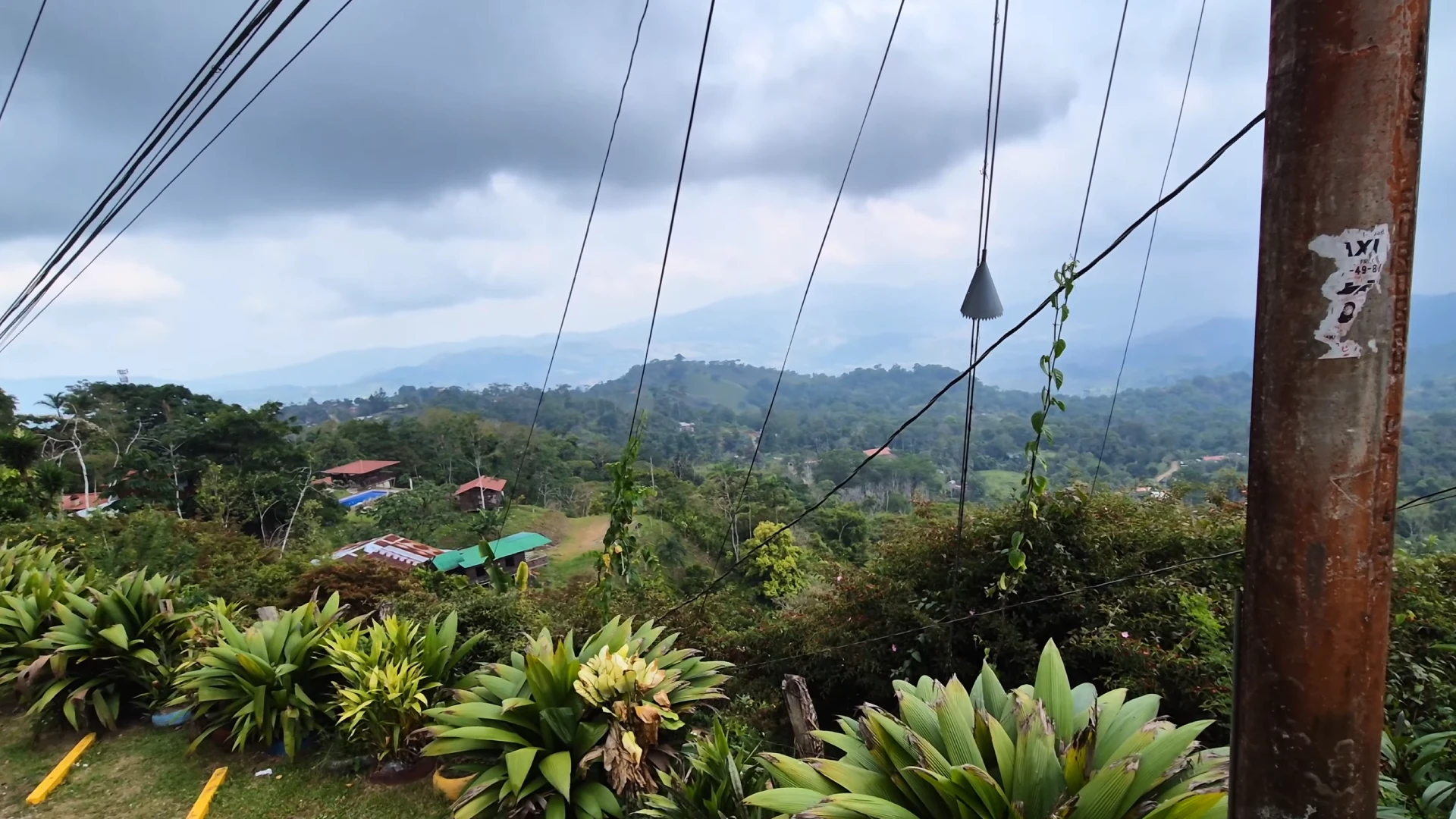
    The journey includes several notable stops. About halfway between Dominical and San Isidro, you’ll find viewpoints where, on clear days, you can see all the way to the Pacific Ocean. These spots often have small cafes or fruit stands selling fresh produce and coffee. The town of Tinamastes has a popular farmers market on Tuesdays, worth timing your drive to experience local produce, crafts, and organic products.

    Stunning Mountain Views

    What makes this drive truly special are the panoramic vistas that appear around seemingly every bend. As you climb from the coast, you’ll reach viewpoints at about 3,000 feet elevation that have sweeping views of the coastline stretching north and south. 

    The changes in vegetation as you climb are remarkable. Starting with coastal palm trees and tropical flora near Dominical, you’ll transition through dense rainforest mid-mountain, and in the highest parts of the drive, you might be surprised to see pine trees and other highland vegetation. The temperature drops noticeably with each thousand feet of elevation gain—plan to feel a 10-15°F difference between Dominical and the highest point of your journey.

    Weather changes quickly in these mountains. You might start in sunshine on the coast, drive through clouds or rain mid-mountain, and emerge into sunshine again on the other side. This creates stunning light conditions for photography, particularly in the morning when mist often hangs in the valleys between mountain ridges.

    view of the mountains from tinamastes costa rica between dominical and san isidro

    This is one stop that has a nice elevated lookout towards the Pacific Ocean. There’s a small restaurant and fruit market here as well.

    Small Towns Along the Way

    Several small communities dot the mountain route, each with its own character. Platanillo serves as the first significant settlement as you climb from Dominical, offering a few local restaurants and basic services. It’s a good spot to fuel up before tackling the mountain roads.

    Tinamastes has developed into something of a hub for organic farming and sustainable living. Besides its Tuesday market, you’ll find several eco-friendly businesses, organic cafés, and retreats. The town attracts both expats and Costa Ricans interested in alternative lifestyles, creating an interesting cultural blend.

    Further along, the road passes by the entrance to Nauyaca Waterfall, one of the region’s most impressive natural attractions. A 4km hike (or horseback ride) leads to twin cascades with a natural swimming pool—well worth the detour if you have half a day to spare. Several tour companies in Dominical offer guided excursions, or you can visit independently for a small entrance fee.

    As you approach San Isidro, the landscape opens up into a wide agricultural valley surrounded by mountains on all sides. Small farms and ranches line the roadside, with cattle grazing on impossibly steep hillsides—a testament to the resourcefulness of local farmers who have adapted their agricultural practices to this challenging terrain.

    saily esim costa rica bannersaily-banners-affordable-esim-1200×628

    San Isidro de El General

    San Isidro de El General is the commercial center of Costa Rica’s Southern Zone. Unlike tourism focused coastal towns, San Isidro is a working city where locals outnumber visitors. This gives you a more authentic experience for Costa Rica. You’ll find stocked markets, local eateries, and a non-touristy atmosphere.

    Located at about 700 meters in elevation, it’s in a valley surrounded by mountains, so the climate here is fairly consistant and cooler than the coast. Daytime temperatures typically range from 21-29°C, so it’s comfortable to explore on foot all year round. The central area is organized in a grid pattern, with the main commercial district stretching about 10 blocks in each direction from the central park and church.

    The Commercial Hub of the South

    San Isidro functions as the primary service center for the entire Southern Zone. Locals from surrounding towns and rural areas come here for everything from banking and medical care to shopping and government services. You’ll find practical resources here too, including supermarkets, hardware stores, automotive services, and regional bus connections.

    The downtown area centers around the main park (Parque Central) and the blue church (Iglesia de San Isidro Labrador) that anchors the city. From this central point, you’ll see banks with ATMs, pharmacies, clothing stores, and numerous sodas (small local restaurants). Several major supermarkets, including Maxi Pali and BM, have wider selections than you’ll find in coastal towns. For import selection visit the Luferz Supermarket which is on the main highway at the McDonald’s intersection.

    If you need to resupply, repair equipment, or access services, San Isidro has everything you might need during your journey through the Southern Zone. Many people use the city as a base for exploring the region or as a stopover when traveling between the coast and San José. Hotel options range from simple hostels to mid-range business hotels, most with good value compared to tourist areas.

    Local Markets and Shopping

    The Municipal Market (Mercado Municipal) is San Isidro’s commercial primary commercial destination. This indoor market has dozens of small vendors selling fresh produce, meats, cheeses, spices, and prepared foods. It’s the perfect place to sample local specialties like chorreadas (corn pancakes), fresh fruit smoothies, or regional cheeses. The market runs daily but is busiest in the mornings and on weekends.

    Every Thursday & Friday, the city has a farmers market (feria) where regional producers bring their goods directly to consumers. Here you’ll see an impressive variety of tropical fruits, many of which don’t appear in standard supermarkets. This is also an excellent opportunity to purchase local coffee directly from the families who grow it, often at better prices than elsewhere. This market is held in a large covered building near the main highway.

    Shopping in San Isidro focuses on practical items rather than souvenirs, though you can find some artisanal products at the Mercado Municipal and various shops near the central park. Farther along the stretch of Highway #2, you’ll find more spread out shopping options like Walmart, CoopeAgri and some indoor malls.

    Day Trips from San Isidro

    San Isidro’s central location makes it an ideal base for exploring nearby attractions. To the west, the mountain route to Dominical leads to waterfall hikes, wildlife viewing, and beach access. Nauyaca Waterfall is about 40 minutes from the city.

    Heading east takes you to Chirripó National Park, home to Costa Rica’s highest peak at 3,820 meters. For adventure seekers, the area has white water rafting options from family friendly Class II-III rapids to more challenging Class IV sections.

    Several coffee farms around San Isidro allow you to learn about growing and processing Costa Rica’s famous coffee beans, providing insight into the agricultural foundation of the region’s economy.

    trail shoes for costa rica

    I use these versatile trail runners on my hikes in Costa Rica. The aggressive grip tackles steep terrain while maintaining comfort for long days on mountain paths.

    Buenos Aires: Off the Tourist Trail

    I drove into Buenos Aires after passing miles of pineapple fields, and immediately noticed how different it felt from coastal tourist towns. This agricultural hub is about 4 hours south of San José and 45 minutes south of San Isidro. You won’t find many international tourists here. Instead, the central park fills with local families in the evenings, small sodas serve cheap casados, and Spanish dominates both conversation and signage.

    The town isn’t fancy – just a simple grid of streets around a central park with a church and municipal buildings. Prices reflect the local economy rather than tourist demand. You can expect to pay lower prices at restaurants, as compared to popular tourist towns like Uvita. The surrounding mountains create a dramatic backdrop, especially in the morning when clouds hang low over the ridges.

    Indigenous Culture and History

    Buenos Aires borders several indigenous territories, including the Boruca and Térraba reservations. These communities have maintained their cultural practices despite centuries of outside pressure. In the town park, you’ll notice distinctive round stones created by pre-Columbian indigenous peoples – similar stones appear throughout the Southern Zone.

    The indigenous lands house natural springs and rivers flowing from the mountains. When I visited a hot springs in the indigenous territory, I met the owner Arnold who manages the property. It had both hot and cold pools fed by natural springs. We picked lemons growing on trees around the property and squeezed them into our drinking water – a simple experience that felt worlds away from commercial tourist attractions.

    If you’re here in late December or early January, try to catch the Juego de los Diablitos (Game of the Little Devils) celebration by the Boruca people. Local men wear hand-carved masks representing “devils” (the indigenous people) who battle against a bull (representing Spanish colonizers). After days of ceremony, they burn the bull effigy, symbolizing indigenous resistance.

    Hot Springs and Natural Attractions

    The mountains around Buenos Aires contain several hot springs from the region’s geothermal activity. These aren’t developed resorts – most are simple pools with minimal facilities. The water temperatures vary between spots, but all offer a rustic bathing experience that costs a fraction of what you’d pay in tourist areas.

    From town, you can see the slopes of the Talamanca Mountain Range, part of which forms Parque Internacional La Amistad spanning the Panama border. Rivers flowing down these mountains create small waterfalls and swimming holes throughout the area, many are listed on Google Maps but many aren’t. Exploring the area with a rental car is a great option.

    The drive to Buenos Aires passes through extensive pineapple plantations – rows upon rows of spiky plants stretching to the horizon. Around town, small farms raise cattle, sugar cane, and various fruits. It’s amazing to see cattle grazing on hillsides so steep they seem to defy gravity. The farmers have adapted their techniques to this challenging terrain, clearing narrow paths that zigzag up the mountains.

    If you want to experience Costa Rica beyond the tourist trail, Buenos Aires has a genuine look at rural life, indigenous heritage, and natural attractions that most visitors never see. It makes a perfect stopover when traveling between the Central Valley and points further south, or as a base for exploring the surrounding mountains.

    If these blog posts and videos help plan your Costa Rica vacation, please support our channel.

    Follow Us

    Keep up with our latest Costa Rica travel videos and guides by subscribing to our YouTube channel. We regularly post new content showing real conditions across different regions and seasons.

    Leave a comment with your Costa Rica travel questions – we’re happy to help plan your perfect time to visit.

    Frequently Asked Questions

    How long should I stay in the Southern Zone?

    Plan for at least 4-5 days to properly experience the Southern Zone. This allows time for 1-2 days in Dominical for beach activities and surfing, 1 day for the mountain drive with stops at viewpoints and small towns, 1-2 days based in San Isidro to explore the valley and nearby attractions, and potentially a day trip to Buenos Aires if you’re interested in indigenous culture. You could spend a week or more in this region, using it as a base to explore attractions further south like the Osa Peninsula.

    What’s the best time of year to visit the Southern Zone?

    The dry season (December through April) has the most reliable weather for exploring the Southern Zone. January and February are ideal months with clear skies, though this is also peak tourist season. The shoulder seasons (May/June and November) can be good compromises, with fewer visitors and intermittent rain that typically falls in the afternoons. During the green season (July through October), morning activities are usually fine, but heavy afternoon rains are common.

    Do I need a 4×4 vehicle to explore the Southern Zone?

    While a standard vehicle can manage the main roads between Dominical, San Isidro, and Buenos Aires during the dry season, a 4×4 or high clearance vehicle provides more flexibility for exploring side roads and accessing natural attractions. During the rainy season (May-November), a 4×4 is strongly recommended, especially for mountain roads where landslides or washouts may occur. If you’re planning to visit indigenous territories or remote hot springs around Buenos Aires, a 4×4 is essential year-round.

    Is the Southern Zone safe for travelers?

    The Southern Zone is generally considered safe, with lower crime rates than more touristy destinations. Standard precautions apply: don’t leave valuables visible in parked cars, be cautious with belongings at beaches, and avoid isolated areas after dark. San Isidro and smaller towns have a strong local community presence, and violent crime targeting tourists is rare. The biggest safety concerns in this region tend to be related to road conditions, strong ocean currents in Dominical, and occasional flash flooding during heavy rains.

    How does the Southern Zone compare to more popular destinations like Guanacaste?

    The Southern Zone has a more authentic Costa Rican experience than heavily developed areas like Guanacaste. You’ll find fewer all-inclusive resorts, international restaurant chains, and organized tours, but more opportunities to interact with locals and experience daily Costa Rican life. Prices tend to be lower, crowds smaller, and natural attractions less commercialized. The beaches are less manicured but often more dramatic, with jungle-covered mountains at the shoreline. The climate is generally wetter than Guanacaste, resulting in more lush vegetation and varied ecosystems.

    Can I get by with only English in the Southern Zone?

    In tourist areas like Dominical, most businesses that cater to visitors have English-speaking staff. However, as you move inland to San Isidro and especially Buenos Aires, Spanish becomes increasingly important. Basic Spanish phrases for ordering food, asking directions, and handling transportation will significantly enhance your experience. In indigenous territories, some older residents may speak native languages in addition to Spanish.

    What are the best food experiences in the Southern Zone?

    Don’t miss the opportunity to try a traditional casado (a plate with rice, beans, plantains, salad, and your choice of protein) at local sodas, which have authentic food at reasonable prices. In San Isidro, the Municipal Market houses small food stalls serving regional specialties and fresh tropical fruits you won’t find elsewhere. Coffee lovers should try locally grown beans from the mountains around San Isidro, which have distinct flavor profiles from the better-known Central Valley coffees. Along the coast, fresh seafood features prominently on menus, while inland restaurants tend to focus on beef, chicken, and pork dishes.

  • Explore Dominical: From Forest Pools to Secret Beaches

    Explore Dominical: From Forest Pools to Secret Beaches

    Dominical blends surf culture with jungle living where the rainforest meets the Pacific. The small beach town centers around its main dirt road, where local restaurants and surf shops create a laid-back atmosphere away from larger tourist destinations.

    Beyond the waves, Dominical offers several natural attractions within minutes of town. Hidden swimming holes like Poza Azul provide fresh water retreats, while less visited beaches like Playa Mozambique stretch north along the coast. Wildlife appears throughout town, from sloths in beach almond trees to toucans flying overhead.

    The weekend eco-market showcases local organic products and crafts, highlighting the area’s focus on sustainable living. This mix of surf, nature, and community creates a distinct southern Pacific vibe different from Guanacaste’s beach towns.

    dominical drone

    Drone photo of Dominical, showing the river to the left and center of town in the middle.

    Dominical

    Dominical is on Costa Rica’s Pacific Coastal Highway, roughly halfway between Quepos and the Osa Peninsula. This section of coast marks where the mountains begin meeting the ocean more dramatically, creating steep jungle backdrops behind the beach. The town serves as a natural stop between Manuel Antonio National Park to the north and the southern Pacific regions of Costa Rica.

    dominical location map of costa rica

    Getting to Dominical

    The journey to Dominical takes you along Costa Rica’s Pacific coast, with mostly good condition highways from San Jose International Airport. A convenient option is to drive rental cars, taking Highway 27 west before connecting to the Coastal Highway south. The 3.5-hour route passes through Jaco and Quepos, with plenty of ocean views along the way.

    If you prefer not to drive, private shuttle services offer direct transport from the airport. These typically need advance booking are a more comfortable way to travel. Public buses also connect through Quepos, though the journey takes longer with connections.

    Where to Stay

    Dominical has distinct areas for different experiences. The town center puts you walking distance to surf breaks and restaurants, with accommodations ranging from backpacker hostels to boutique hotels. Whatever option you decide, you’ll find easy access to the beach from in town.

    South of town, properties can be found in the jungle. These offer more privacy while staying close to town services. You will be able to expect to see more wildlife close to your door from these areas.

    The hillside above town has several hotels and rental homes with incredible ocean views. While these need transport to reach the beach, they provide peaceful settings and a cool breeze. Pools and larger grounds are common at these elevation properties.

    Local Food Scene

    Dominical’s restaurants center along the main beach road. You’ll find lots of smoothie shops and places to grab a coffee. Keep an eye out for small sodas that provide traditional Costa Rican meals at local prices.

    Some international dining options include wood-fired pizza, fusion cafes, and beach bars. Local bakeries and fruit stands add quick options for beach days. There’s enough restaurant options in Dominical that you won’t have to repeat once over a few weeks vacation.

    travel-backpack-costa-rica

    I use this sling backpack when I’m travelling in Costa Rica. It has a zipper lock to secure your stuff. I like the sling as I can flip the bag to the front for easy access.

    WEEKLY ECO MARKET

    Dominical’s Friday market brings together mountain farmers, local artisans, and food vendors in a vibrant open-air setting. You’ll find it easily by the VW bug van marking the entrance, just off the main road through town.

    dominical eco market

    Some of the options available at the Dominical Eco Market, including honey and oils.

    Fresh Local Food

    Fresh produce from mountain farms fills the covered walkways, with everything from traditional fruits to organic vegetables. Local farmers bring their food, often freshly picked. You’ll find mangoes, pineapples, and unique mountain-grown items you might not see in regular stores.

    Many vendors sell homemade products like honey, coconut oil, and fresh bread. The prices here are local, and the quality is usually better than what you’ll find in supermarkets. Some stands specialize in organic products, while others focus on traditional Costa Rican ingredients.

    Artisan Crafts & Natural Products

    Local artists are selling handmade jewelry, paintings, and crafts at the market. You’ll find unique pieces that reflect the area’s beach and jungle surroundings. Several vendors offer natural beauty products, essential oils, and handmade soaps.

    The market has grown to include more artisans over time, with many creating their goods right in the Dominical area. Look for original artwork, carved items, and textile crafts for great souvenirs you can take home.

    Food Court & Refreshments

    The food court area has traditional Costa Rican dishes, including casados priced around $8. Fresh smoothies and local coffee are available for a quick refreshment while you browse. Several bakers bring fresh bread and pastries each week.

    Most food vendors offer both breakfast and lunch options. You can try traditional dishes or grab something quick like empanadas or fresh fruit. The covered eating area provides a good spot to rest. Nearby the market, there’s a host of dining options available as well.

    water shoes for exploring costa rica

    Pick up a pair of these awesome water shoes. I’ve been using them all over Costa Rica during my travels. They have vented soles so water drains right out the bottom! 

    WILDLIFE SPOTTING IN DOMINICAL

    Along Dominical’s beach, wildlife regularly appears between the beach almond trees and forest edges. The mix of ocean, river mouth, and jungle creates unique spots where you might catch animals during their daily routines.

    sloth in dominical

    A sloth spotted navigating the trees at the beach in Dominical.

    ​Sloth Encounters

    Two-toed sloths sometimes surprise visitors by appearing right on the beach, moving between the almond trees. While most people expect to find them deep in the jungle, these peaceful animals follow the connected tree line along the shore, looking for fresh leaves.

    These beach sightings often happen when sloths need to move between feeding areas. They’ll use several trees in sequence, showing surprising speed as they navigate from branch to branch, always with a clear destination in mind.

    Scarlet Macaw Sightings

    Pairs of scarlet macaws patrol the coastline daily, their loud calls alerting beachgoers to look up. They follow regular routes between nesting and feeding areas, making them one of Dominical’s most reliable wildlife sightings.

    The beach almond trees provide perfect food sources, bringing these colorful birds right to the shoreline. Morning and late afternoon flights offer the best viewing chances.

    Common Beach Wildlife

    Howler monkeys often wake visitors with their morning calls, moving through the same trees where sloths feed. White-faced capuchins visit in groups, while iguanas sun themselves on fallen logs near the water.

    The river mouth attracts fishing birds and basilisk lizards. Early mornings bring the most activity, when animals feel comfortable moving closer to the beach area.

    POZA AZUL SWIMMING HOLE

    Just minutes from Dominical, this natural swimming hole offers a refreshing escape from the beach heat. The clear river water pools beneath a small waterfall, creating a perfect spot for cooling off. It’s called Poza Azul as the water is often clear blue, but this can change in rainy season with run off from the mountains. Either way, it’s a great place to go for a dip.

    poza azul free swimming near dominical

    Getting There

    The entrance is just off the main road going through Dominicalito, marked by a small parking area. A short but steep trail leads down to the river, with a mix of concrete steps and natural tree roots forming the path. The walk takes just a minute or two.

    Local parking attendants are usually there to watch vehicles, and there’s no entrance fee to the swimming hole itself. Small shops in the nearby neighborhood have drinks and snacks.

    At the Swimming Hole

    The main pool stretches wide enough for several groups to enjoy comfortably. A rope swing hangs from a tree branch, and braver visitors jump from the small waterfall rocks. The water stays refreshingly cool year-round.

    Deep spots near the waterfall provide swimming areas, while shallower sections offer places to sit and relax. The surrounding trees create natural shade throughout the day.

    Safety and Best Times

    Morning visits avoid the busiest times, though the spot rarely feels overcrowded. Watch children on the trail down and near deeper water areas. The concrete steps can be slippery when wet, so a walking pole can be helpful if needed.

    Bring water shoes for walking on rocks and basic supplies as there are no facilities at the swimming hole itself. Most people will stay 1-2 hours, making it a perfect morning activity before beach time.

    Playa Mozambique

    A few kilometers north of Dominical, this long stretch of natural beach offers a quiet alternative to the main surf spots. The area connects to a protected zone, with jungle meeting the shore and various trails leading to the sand.

    quiet beach near dominical

    Getting There

    Look for the turnoff near the gas station north of Dominical. The road passes Hacienda Baru Lodge before becoming rougher – you’ll need higher clearance to reach the parking area. Several small parking spots exist along the beach access points.

    Once parked, walking trails lead through jungle sections before opening onto the wide beach. The shoreline stretches north toward the protected area, with few people even during high season.

    Nature Along the Trail

    In the video below, we’ll see some leaf cutter ants. These insects create highways across the beach paths, carrying pieces of leaves back to their nests. These fascinating ants maintain clear trails through the forest floor, with some ants carrying leaves while others patrol the paths. Their organized columns can stretch for many meters.

    The surrounding trees fill with coconut palms, creating natural shade along the beach. Fallen coconuts scatter the ground, while local harvesters regularly climb for fresh ones. The dense jungle backdrop provides habitat for monkeys and birds.

    Beach Experience

    The beach offers long stretches for walking, with shallow waters good for swimming at low tide. Waves break further out, creating a gentle slope of sand perfect for relaxing or beach walks. Morning hours bring the calmest conditions.

    Unlike busier beaches south near Dominical, this spot rarely sees crowds. The protected area to the north means development stays minimal, preserving the natural beach environment.

    Follow Us

    I hope you enjoyed this review of the area of Dominical. It’s a great place to spend your vacation in Costa Rica if you’re looking for waves and nature.

    Be sure to Subscribe to our Youtube Channel for more great videos for your itinerary.

    Dominical Beach Town FAQ: Surf & Nature Guide

    Q: How far is Dominical from San Jose Airport?
    A: 3.5 hours driving. Take Highway 27 to Coastal Highway (34). Pass through Jaco and Quepos. Well-marked roads, several gas stations on route.

    Q: What makes Dominical unique?
    A: Mix of surf culture and jungle access. Weekly eco market. Natural swimming holes nearby. Less developed than northern beach towns. Regular wildlife sightings. Close to whale watching spots.

    Q: What day trips are possible?
    A: Nauyaca Waterfalls (30 min), Uvita Whale Tail (20 min), Poza Azul swimming hole (10 min), Hacienda Baru trails, Hidden beaches like Playa Mozambique. Mountain valley access.

    Q: What’s the best season to visit?
    A: Surf consistent year-round. December-April driest months. Whale watching August-October. Green season (May-November) less crowded. Morning sun common year-round.

    Q: What wildlife appears regularly?
    A: Sloths in beach almond trees, Howler monkeys near river mouth, Scarlet macaws flying over beach, Toucans in morning hours, Whales during migration season.

    Q: What services exist?
    A: Basic beach town amenities: Supermarkets, Medical clinic, ATMs, Surf shops, Tour offices, Variety of restaurants. Weekly farmers market. Surf schools.

    Q: What about accommodation?
    A: Mix of hostels to boutique hotels. Jungle lodges in hills. Beachfront options limited. Most places within walking distance to beach. Book ahead December-March.

  • Colonial Costa Rica: Three City Walking Guide

    Colonial Costa Rica: Three City Walking Guide

    Costa Rica’s original colonial centers offer a glimpse into the country’s past through preserved architecture, historic plazas, and traditional markets. Three cities in the Central Valley – Cartago, San Jose, and Heredia – each tell different stories about the nation’s development from colonial times through modern growth.

    The original capital Cartago maintains its religious heritage centered around the Basilica. San Jose shows how the coffee boom transformed a small town into a bustling capital with grand theaters and public spaces. Heredia preserves its university town character with colonial buildings around a traditional central park.

    These walking routes connect historic sites while passing through active city centers where daily life continues among colonial architecture. Each city offers distinct perspectives on Costa Rican culture, from Cartago’s pilgrimage traditions to San Jose’s theater district to Heredia’s student life mixed with coffee history.

    Travel Tip: You don’t need to buy a SIM card when you land in Costa Rica to get data connection. With an eSIM, you’ll be able to configure your data connection before you depart for your vacation. I use the Saily eSIM in Costa Rica.

    Cartago

    Cartago’s historic center preserves Costa Rica’s original colonial capital, where narrow streets lead to landmark buildings and traditional markets. The walking route starts at the iconic Basilica of Our Lady of the Angels, a masterpiece of religious architecture that draws pilgrims from across the country.

    The city’s grid layout makes exploration easy, with most historic sites within a few blocks of the central plaza. Notable stops include the ruins of Santiago Apostol Parish, destroyed in the 1910 earthquake but preserved as a public park, the Municipal Museum’s colonial exhibits, and the central market where local life continues much as it has for generations.

    Where to Stay in Cartago


    The Historic Center

    Several small hotels operate near the Basilica, giving easy walking access to main attractions. This area offers the full historic atmosphere with morning church bells and market sounds. Most accommodations here provide basic but clean rooms in restored buildings, ideal for pilgrims and history enthusiasts.

    The Western Zone

    Modern hotels line the main highway entering Cartago, about 10-15 minutes walking from downtown. These offer standard amenities like parking, wifi, and restaurants on site. The area provides quick access to both historic sites and shopping centers, with regular buses passing to downtown.

    The Orosi Road Area

    Just outside town on the road to Orosi Valley, several boutique hotels and B&Bs offer mountain views and cooler temperatures. While requiring transport to reach downtown, these properties provide peaceful settings and easy access to both city sites and valley attractions.

    cartago market

    Things to Do in Cartago


    The Municipal Museum (Free Entry)

    Located in colonial-era building near central park, this free museum displays city history through artifacts and photographs. The exhibits show Cartago’s evolution from colonial capital through earthquake rebuilding. Local art exhibitions rotate through regularly.

    Santiago Apostol Ruins

    The preserved ruins of the original parish church create a peaceful park in city center. Stone walls and arches remain from the 1910 earthquake, now surrounding gardens and walkways. Good spot for photos and understanding local history.

    Central Market

    Traditional market building houses local food vendors and small restaurants. Morning hours bring produce sellers and coffee shops to life. Try traditional meals at food stalls or shop for local products.

    Downtown San Jose

    San Jose’s historic center spans roughly 20 blocks, where colonial architecture meets modern city life around the pedestrian boulevards of Central Avenue. The walking area connects major landmarks like the National Theater, Central Market, and various museums, each telling different parts of Costa Rica’s development from small coffee town to capital city.

    The heart of downtown centers on Plaza Culture, where the underground Gold Museum and the iconic National Theater anchor the historic district. From here, pedestrian zones branch out to historic neighborhoods, busy markets, and plazas where locals gather throughout the day. The grid system makes navigation simple, with most attractions within a few blocks of Central Avenue.

    Where to Stay in San Jose

    Downtown Historic District

    Located around National Theater and Plaza Culture, this area puts you walking distance to main museums and historic sites. Hotels range from restored historic buildings to modern business hotels. Best for cultural activities and market visits. Active during day, quieter at night.

    Barrio Amon/Otoya

    Historic neighborhoods filled with restored mansions from coffee baron era. Boutique hotels and B&Bs operate in converted Victorian homes. Tree-lined streets good for walking. Close to downtown but quieter atmosphere. Popular with architecture enthusiasts.

    In the video, I show a budget but very nice hotel option in this neighborhood.

    Paseo Colon Area

    Modern hotel zone along wide avenue west of downtown. Major chain hotels offer full amenities. Easy access to both historic center and western suburbs. Good transport connections. Business district atmosphere with restaurants and services nearby.

    downtown san jose

    Things to Do in Downtown San Jose

    Jade Museum Experience

    Located in modern six-story building near Plaza Democracia, this museum houses Central America’s largest collection of pre-Columbian jade. Each floor tells different stories about ancient life, from spiritual practices to daily tools. Interactive displays and dramatic lighting bring artifacts to life, while top floor offers city views.

    Historic Buildings Walking Route

    Start at National Theater’s ornate façade, then explore surrounding historic structures. Notable stops include Gran Hotel Costa Rica, Post Office Building, and Metropolitan Cathedral. Many buildings showcase different architectural periods, from colonial era through coffee boom years. Yellow plaques on buildings detail historical significance.

    Barrio California Night Scene

    East of downtown, this neighborhood transforms evenings into San Jose’s main social district. Local bars, live music venues, and restaurants fill restored buildings. Area stays active until late, especially Thursday through Saturday. Mix of traditional bars and modern craft beer spots. Good area for meeting locals and experiencing urban culture.

    Heredia

    Heredia’s historic center clusters around Central Park, where the colonial-era church towers above one of Costa Rica’s best-preserved traditional plazas. Known as the “City of Flowers,” Heredia maintains its university town character while preserving architecture from its coffee-growing golden age.

    The walkable downtown grid connects historic sites with modern student life, as the National University’s influence spreads through surrounding streets. Coffee processing plants converted to cultural spaces, colonial buildings housing cafes, and traditional markets still serving local produce create a mix of old and new Costa Rica. The central area’s layout makes it easy to explore by foot, with most points of interest within a few blocks of the main square.

    Where to Stay in Heredia

    Central Historic District

    Surrounding Central Park and the historic church, small hotels operate in restored buildings. Perfect for exploring colonial architecture and market areas by foot. University atmosphere keeps area lively during day. Most accommodations offer basic but comfortable rooms with traditional character.

    University Zone

    Near National University, modern hotels cater to visiting academics and families. Walking distance to both campus and historic center. Student-friendly cafes and restaurants nearby. More residential feeling than downtown, but still convenient to attractions.

    Western Heredia

    Newer hotels along the highway to San Joaquin offer modern amenities and mountain views. Quick bus or taxi ride to center. Close to shopping malls and business district. Good base for exploring both city and surrounding coffee towns.

    heredia market

    Things to Do in Heredia

    Central Market Experience

    Located one block from main square, Heredia’s traditional market buzzes with local life. Morning hours bring produce vendors, small food courts serving traditional breakfast, and coffee sellers. The covered market maintains original architecture while housing modern shops. Best visited early when locals do their shopping.

    Historic Church and Central Park

    The colonial-era Inmaculada Concepcion Church dominates the plaza with its unique architecture and earthquake-resistant design. The surrounding park serves as the city’s social center, where students and locals gather throughout the day. Traditional architecture frames all four sides of plaza.

    University Cultural Center

    The National University campus includes several museums and cultural spaces open to public. Former buildings from coffee processing era now house art galleries and performance spaces. Regular events and exhibitions showcase student and local talent.

    Ambient Walking Tour

    Check out our Ambient Costa Rica channel for a walking tour of downtown Heredia. These videos are great for virtual treadmill walks, or to just get the sense of the town.

    These three historic cities in Costa Rica’s Central Valley each offer unique perspectives on the country’s colonial and cultural heritage. Cartago maintains its religious significance centered around the basilica, while San Jose’s museums and theaters showcase the nation’s artistic growth, and Heredia preserves its scholarly character around the university.

    All three cities are easily walkable, with well-preserved historic districts that tell different parts of Costa Rica’s story. Whether exploring religious architecture in Cartago, cultural institutions in San Jose, or coffee history in Heredia, each city provides distinct walking experiences through Costa Rica’s past and present.

    Follow Us!

    Be sure to Subscribe to our Youtube Channel, and leave a comment with your thoughts about this location or request a video in other cool destinations around Costa Rica.

    GAM (Greater Metropolitan Area) San Jose FAQ: Urban Guide

    Q: What is the GAM?
    A: Greater Metropolitan Area includes San Jose, Alajuela, Heredia, and Cartago cities. Spans central valley region. Main population center of Costa Rica. Major business and cultural hub.

    Q: How’s transportation in GAM?
    A: Public buses connect all cities. Train service weekday rush hours. Major highways link areas. Taxis operate throughout. Ride shares available. Walking good in city centers.

    Q: What facilities exist?
    A: Complete urban services: Major hospitals, Shopping malls, Universities, International airport, Government offices, Banking centers, Cultural venues.

    Q: What makes GAM unique?
    A: Mountain valley setting. Coffee regions surround cities. Mix of colonial and modern. Cultural center of country. International business hub. Educational center.

    Q: How’s weather different?
    A: Cooler than coast (15-25°C). Morning sun common. Afternoon clouds typical. Less rain than other regions. Year-round spring climate. Mountain breezes.

    Q: What activities exist?
    A: Cultural events, Shopping districts, Historic tours, Coffee tours, Museum visits, Theater shows, Sports events, University activities.

    Q: When to visit?
    A: Year-round moderate climate. Dry season (December-April) most reliable. Cultural events throughout year. Rush hours busy weekdays. Weekend markets active.

  • Cartago: Costa Rica’s Outdoor Hub

    Cartago: Costa Rica’s Outdoor Hub

    Cartago is located in the heart of Costa Rica’s Central Valley. It’s a town rich in history and cultural significance. Surrounded by picturesque mountain landscapes, Cartago offers a unique blend of past and present.

    Located to the east of San José, it will likely take about 1 hour to drive from the Juan Santamaría International Airport to Cartago. This large town is located on the drive towards Limon and Puerto Viejo de Talamanca, which are popular tourism destinations on the Caribbean Coast.

    If you’re visiting Costa Rica for vacation, skip the hassle of finding a SIM Card when you land. Try out a Saily eSIM, which you can program on your phone before you even land. 

    Big Farmers Market

    One of its standout attractions is the large farmers’ market right in the center of town. This is where you can explore an array of fresh produce, artisanal goods, and traditional Costa Rican cuisine. It’s a vibrant hub of activity with shops and vendors to meet every need. Given that it’s right downtown, it’s great to walk through the market and explore the surrounding area.

    In our YouTube video, we start our walking tour at the market so you can get a first hand look at what to expect during your trip to Cartago. Given that it’s in the Central Valley area, you will always be able to find the freshest produce.

    Church Ruins

    At the heart of Cartago’s historical significance lies the ruins of the Santiago Apostol Parish Church. These ancient church was constructed in the early days of Spanish colonization. It was destroyed by earthquakes in the 18th century, and the ruins now stand as a historical monument. Surrounded by gardens, you’ll be able to see the  Irazú Volcano as a backdrop.  

    Cartago’s location, central in the lush landscapes of the Central Valley, also makes it a gateway to exploring the natural wonders of the region. From its vibrant markets to its historical treasures and access to Costa Rica’s beautiful countryside, Cartago invites vacationers to experience the essence of this diverse and captivating country.

    One such location is the valley of Orosi. Just about 20 minutes drive outside of Cartago, this is like the cottage country of Costa Rica. You’ll find abundant coffee plantations, hot springs and incredible landscapes.

    travel-backpack-costa-rica

    I use this sling backpack when I’m travelling in Costa Rica. It has a zipper lock to secure your stuff. I like the sling as I can flip the bag to the front for easy access.

    Follow Us!

    Be sure to Subscribe to our Youtube Channel, and leave a comment with your thoughts about this location or request a video in other cool destinations around Costa Rica.

    Frequently Asked Questions (FAQ) about Cartago, Costa Rica

    How far is Cartago from San José, Costa Rica?
    Cartago is about 25 kilometers (15.5 miles) east of San José. It takes roughly 45 minutes to an hour to drive, depending on traffic.

    What is the best way to get from San José to Cartago?
    You can drive or take a public bus from San José to Cartago. The bus ride typically takes about 45 minutes and is a convenient option for travelers without a car.

    What can I do at the Irazú Volcano?
    Visitors can hike to viewpoints overlooking the craters of Irazú Volcano, where you can enjoy views and spot wildlife like hummingbirds and armadillos​.

    Are there any cultural landmarks to visit in Cartago?
    Yes, you can visit landmarks like the Basilica of Our Lady of the Angels, Las Ruinas de la Parroquia, and the Cartago Municipal Museum​.

    What traditional food can I try in Cartago?
    You can try traditional dishes like “casado,” “gallo pinto,” and “olla de carne.” For dessert, try the “tres leches” cake​.

    Is Cartago a good place for families?
    Yes, Cartago offers family-friendly activities such as exploring the Lankester Botanical Gardens and educational tours at local coffee plantations​.

    Can you visit coffee plantations in Cartago?
    Yes, several coffee plantations offer guided tours where you can learn about the coffee-making process and enjoy tastings​.

    What are the Prusia Forest and Cerro de la Muerte?
    Prusia Forest is part of Irazú Volcano National Park, offering hiking and nature trails. Cerro de la Muerte is a stunning natural area south of Cartago, great for hiking and birdwatching​.

  • Nicoya: Blue Zone Bliss

    Nicoya: Blue Zone Bliss

    In the heart of Guanacaste Province of Costa Rica, Nicoya is a large town that has historical significance and is known for wellness. Nicoya and the region are known as a ‘blue zone’, meaning people who live there have been known to live past 80 years old. This impressive longevity has given Nicoya a reputation for international health and wellness travelers.

    Nicoya is the next largest city in Guanacaste from Liberia. In order to get to Nicoya from the Liberia International Airport, you’ll drive about 1.5 hours. Nicoya is also the closest large city to the popular beach towns of Samara and Nosara. 

    If you’re visiting Costa Rica, skip the hassle of picking up a SIM Card when your arrive. Download the Saily App and install an eSIM. You’ll be connected to very fast wireless speeds on your arrival.

    The Historical Church

    The centerpiece of Nicoya is its historic Catholic church. It’s a beautiful colonial-style building that reflects the town’s rich history. Inside, you’ll find fascinating artifacts and artwork, giving a glimpse into Nicoya’s strong religious history. I highly recommend checking out the church while your taking a walk downtown.

    Nicoya also has plenty to offer when it comes to amenities. The central park is a great spot for families to relax. There’s a playground for the kids and plenty of benches to enjoy the greenery. There are also some nice cafes and restaurants around, where you can grab a bite of authentic Costa Rican food. If you’re into outdoor activities, there are hiking trails nearby that lead to fantastic viewpoints of the surrounding landscapes. When it comes to places to stay, Nicoya has a range of options, from guesthouses to comfortable hotels. You can definitely make Nicoya a central part of your vacation in Costa Rica.

    Close To The Beaches

    If you’re into incredible beaches, Nicoya is your gateway to two stunning coastal locations: Samara and Nosara. A quick drive from Nicoya, Samara is a perfect beach for relaxing and swimming.

    Not far from Samara, Nosara is another incredible beach that’s very popular with surfers. Known for its laid-back vibe, Nosara’s beaches are ideal for spending your vacation. Nosara is a well established health and wellness destination with many offerings.

    Nicoya makes a fantastic home base for exploring these beautiful beaches. Whether you’re looking to unwind, seek adventure, or immerse yourself in nature, Samara and Nosara have something for everyone.

    travel-backpack-costa-rica

    I use this sling backpack when I’m travelling in Costa Rica. It has a zipper lock to secure your stuff. I like the sling as I can flip the bag to the front for easy access.

    Follow Us!

    Be sure to Subscribe to our Youtube Channel, and leave a comment with your thoughts about this location or request a video in other cool destinations around Costa Rica.

    FAQ About Nicoya

    1. What’s the best time to visit Nicoya?

    Most travelers visit Nicoya during the dry season, from December to April. The weather is sunny and perfect for outdoor activities.

    2. How do I get to Nicoya?
    You can reach Nicoya by driving from San José, which takes about 4 to 5 hours. There are also bus services and domestic flights available. From Liberia you’ll drive about 1.5 hours south.

    3. Are there any good beaches near Nicoya?
    Yes, Nicoya is close to beautiful beaches like Samara and Nosara. Both offer great spots for swimming, surfing, and relaxing.

    4. What’s the weather like in Nicoya?
    Nicoya has a tropical climate with a dry season and a rainy season. Expect warm temperatures year-round, with the rainy season bringing more humidity and occasional showers.
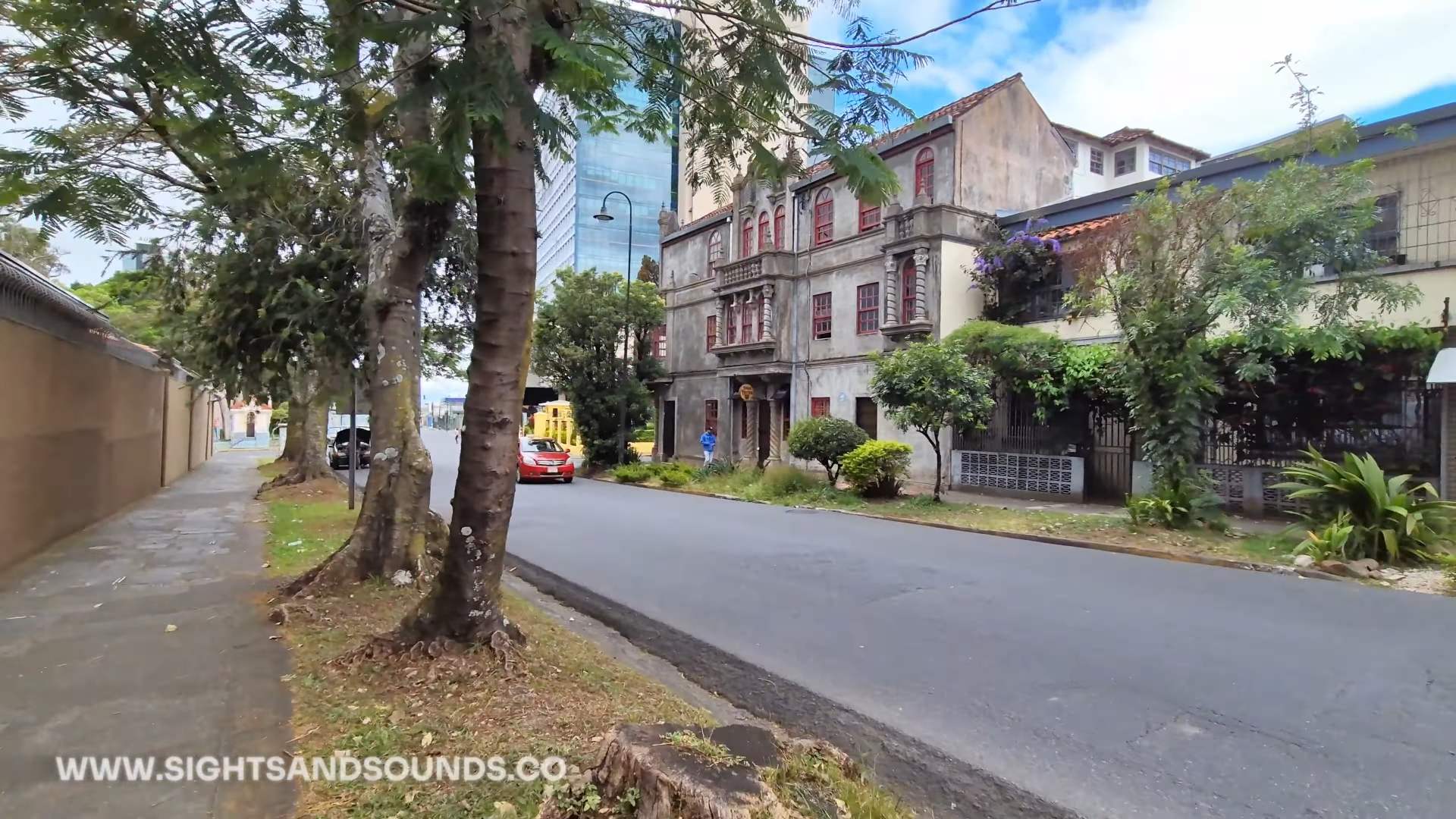
    5. Are there any local restaurants in Nicoya?
    Yes, Nicoya has a variety of local restaurants. You can find traditional Costa Rican dishes like gallo pinto and fresh seafood.

    6. What kind of activities can I do in Nicoya?
    In Nicoya, you can enjoy activities like hiking, exploring local markets, and visiting nearby beaches. It’s also a great spot if you like nature and adventure.

    7. Is Nicoya safe for tourists?
    Nicoya is generally safe for tourists. Like any destination, it’s a good idea to stay aware of your surroundings and follow basic safety tips.

    8. Can I find accommodations in Nicoya?
    Yes, Nicoya has a range of accommodations, from budget hostels to more comfortable hotels. It’s a good idea to book in advance, especially during peak travel times.

    9. What’s the local cuisine like in Nicoya?
    The local cuisine in Nicoya features Costa Rican staples like rice, beans, and fresh tropical fruits. Don’t miss trying the local dishes and street food.

    10. Are there any cultural events or festivals in Nicoya?
    Nicoya hosts several local festivals throughout the year, including traditional Costa Rican celebrations. Check local event listings to see what’s happening during your visit.

  • San Isidro de El General: Views Of Chirripó 

    San Isidro de El General: Views Of Chirripó 

    Traveling to the Pérez Zeledón region in Costa Rica is a wonderful experience for those who want to enjoy the beauty of nature and experience the local culture. Located in the heart of the country’s Central Valley, Pérez Zeledón offers a mix of stunning landscapes, lush rainforests, and charming towns.

    During your trip you can explore the region’s waterfalls, go on hikes through the forests, and see a variety of wildlife. There’s lots of rivers to check out as well, with so much water coming down from the mountains. Whether you love adventure, nature, or learning about different cultures, a trip to the Pérez Zeledón region will be worth it.

    In this blog post we’ll explore the main city of San Isidro de El General and some of the surrounding destinations. If you’re planning on adding Pérez Zeledón to your travel itinerary, I suggest picking up an eSIM from Saily. This is an app that allows you to connect to your cellphone’s wireless network without having to buy a physical SIM card.

    Capital City: San Isidro de El General

    San Isidro de El General is a lively town situated in the heart of the Pérez Zeledón region. It’s a fairly busy town with lots to see and do. Being so large it has many grocery and department stores for you to stock up during your trip. Some popular stores in the area are Walmart, Pequeno Mundo, and BM (higher end grocery store).

    Whether you’re leisurely strolling through the town’s charming park, immersing yourself in its warm and friendly atmosphere, or using it as a starting point for further adventures, San Isidro de El General invites you to embrace the inviting allure and captivating charm of this remarkable region.

    travel-backpack-costa-rica

    I use this sling backpack when I’m travelling in Costa Rica. It has a zipper lock to secure your stuff. I like the sling as I can flip the bag to the front for easy access.

    San Isidro Farmers Market

    The farmers market in San Isidro de El General is a bustling and lively gathering place that highlights the abundant agricultural of the Pérez Zeledón. Every week, fresh produce, handcrafted goods, and cultural delights are sold in this massive covered market.

    From vibrant fruits and vegetables to herbs and spices, the market offers a large taste of everything that’s grown in Costa Rica. Farmers present their organic crops, while artisans showcase their items like pottery, textiles, and traditional crafts.

    This farmers market is my favorite in all of Costa Rica. One of my favorite fruits to buy is the starfruit. It’s grown locally on trees, and a very health addition to a smoothie. Instead of buying pre-packaged bottles of orange juice, I buy bags of oranges and make the orange juice at home. It’s incredible fresh and amazing with a splash of pipa juice.

    Accommodations: Heaven And Earth Sanctuary

    Heaven and Earth Sanctuary, located in Rivas just outside San Isidro de El General, is a peaceful retreat center with various houses, a river side yoga deck, and amazing mountain views.

    Surrounded by the natural beauty of the area, this sanctuary provides a tranquil setting for those seeking relaxation. With its lush gardens, quiet spaces for meditation, and awe-inspiring mountain vistas, Heaven and Earth Sanctuary is my recommended accommodation option in the area.

    The sanctuary hosts a variety of retreats and workshops focused on holistic well-being, including yoga, meditation, and personal development. Guests have the opportunity to immerse themselves in rejuvenation and  connect with like-minded individuals.

    Heaven and Earth is a short drive outside of San Isidro de El General. Parque Nacional Chirripó is just beyond Heaven and Earth on the same road that winds through the mountains. The river water coming off these mountains is incredibly fresh and cold. Chirripó is the largest non-volcanic mountain range in Central America!

    Check Out Butterflies!

    Casa Alegría – The Butterfly Dome, is an incredible attraction situated just a short 5-minute drive from Heaven and Earth Sanctuary in Rivas. This location offers visitors an opportunity to explore this very big butterfly dome.

    As you step inside the dome, you’ll be greeted by a vibrant display of colors as countless butterflies gracefully flutter around you. The serene ambiance and lush tropical foliage create the perfect habitat for these delicate creatures to thrive. Visitors can observe the fascinating life cycle of butterflies, from their early stages as caterpillars to their breathtaking transformation into magnificent winged beings.

    Casa Alegría provides not only an educational experience but also a place relaxation, where the captivating beauty of nature comes to life. Whether you’re a nature enthusiast, a lover of photography, or simply seeking a tranquil and magical retreat, a visit to Casa Alegría promises an unforgettable encounter with the extraordinary world of butterflies.

    water shoes for exploring costa rica

    Pick up a pair of these awesome water shoes. I’ve been using them all over Costa Rica during my travels. They have vented soles so water drains right out the bottom! 

    Nearest Beach Town: Domincal

    The beach of Dominical is a very popular surfing location on the Pacific Side of Costa Rica. It’s only about a 45 minute drive from San Isidro de El General. The picturesque stretch of coastline provides an ideal getaway for beach enthusiasts and those looking to relax at the ocean.

    The town of Dominical is simple, with a few cafes, surf shops, and small hotels, making it popular with surfers and travelers who prefer a low-key environment. Dominical offers easy access to the beach and nearby natural attractions, like waterfalls and hiking trails. It’s a good place for visitors looking for a quieter, more casual spot without the commercial feel of larger tourist towns.

    Follow Us!

    Be sure to Subscribe to our Youtube Channel, and leave a comment with your thoughts about this location or request a video in other cool destinations around Costa Rica.

    We also upload ambient videos and walking tours of the locations that we visit, check out that channel Here. This channel has Ambient Walks from San Isidro de El General and The Butterfly Dome

    Check the links in the Youtube video for Google Maps pins for all of these stores.

    FAQ About San Isidro de El General

    1. What’s the best way to get to San Isidro de El General?
    San Isidro de El General is most easily reached by car or bus. It’s about a three-hour drive from San José. Buses run regularly from San José to San Isidro, making it accessible without a car.

    2. What’s the weather like in San Isidro?
    The weather in San Isidro is warm year-round, with more rain from May to November. Temperatures usually range between 70°F to 85°F, depending on the season.
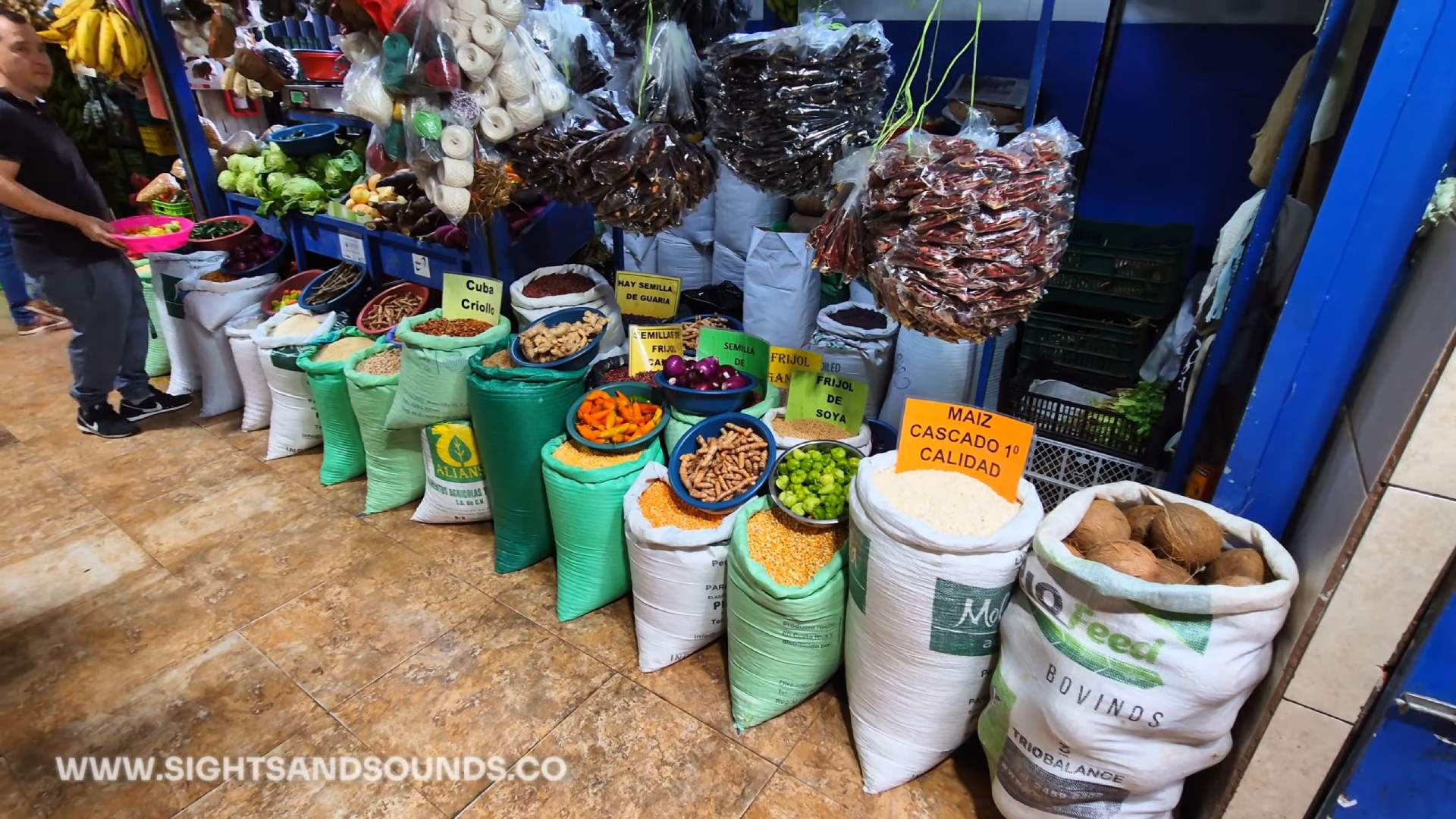
    3. What kind of activities are available in San Isidro?
    San Isidro is known for its proximity to outdoor activities like hiking, visiting waterfalls, and exploring nearby national parks like Chirripó. The town itself has a local market and a laid-back vibe.

    4. Are there any good places to eat in San Isidro?
    Yes, there are a few good places to eat in San Isidro. You’ll find local Costa Rican food as well as some international options. The town is known for affordable dining, with many places serving traditional meals.

    5. What’s the vibe like in San Isidro?
    San Isidro has a more local, authentic feel compared to the larger tourist towns. It’s less commercial, with a mix of rural and small-town life. The pace is slower, and the atmosphere is relaxed.

    6. Is San Isidro a good base for visiting nearby attractions?
    Yes, San Isidro is a good central location for exploring nearby attractions. It’s close to the mountains, beaches like Dominical, and national parks, making it a convenient base for day trips.

    7. What’s the main market like in San Isidro?
    The San Isidro farmer’s market, held weekly, is one of the largest in the area. You’ll find fresh produce, local goods, and handmade crafts. It’s a great place to experience the local culture.

    8. Is there a lot of tourism in San Isidro?
    San Isidro isn’t as heavily visited as some of Costa Rica’s beach towns or national parks. You’ll find more locals than tourists, so it offers a quieter experience without the crowds.

    9. What kind of accommodations are available in San Isidro?
    There are a variety of accommodations in San Isidro, from budget hotels to guesthouses. Most places are simple and affordable, catering to travelers who don’t need luxury.

    10. Can I use San Isidro as a stopover to Chirripó National Park?
    Yes, San Isidro is often used as a stopover for those planning to hike Chirripó, Costa Rica’s highest peak. The park’s entrance is a short drive away, making it a convenient spot to rest before starting the hike.