Tag: Budget Travel

Money-saving tips and budget-friendly options in Costa Rica. Features affordable activities, accommodations, and travel strategies.

  • Driving Guanacaste to Caribbean Coast: Complete Road Trip Guide

    Driving Guanacaste to Caribbean Coast: Complete Road Trip Guide

    In this post we’ll talk about the trip from Guanacaste’s Pacific beaches to the Caribbean coast. The drive takes about 7 hours on well-maintained highways. This route avoids San José traffic completely by using Highway 4 north of the capital. You’ll pass through mountain scenery, coffee towns, and flat agricultural plains before reaching Limón.

    I recommend spliting this drive up with an overnight stop. I chose to stop in La Fortuna, but there are many other small towns along the way. This creates two manageable 2-3 hour driving days instead of one long haul. La Fortuna has hotels, restaurants, and hot springs for breaking up the journey. You can leave Playa Panama or other Guanacaste beaches in the morning and arrive in La Fortuna by early afternoon.

    The entire route uses paved highways accessible with any rental car. Highway 4 runs north of San José with minimal traffic and scenic mountain views. Highway 32 is a divided two-lane highway connecting to the Caribbean coast. Watch for occasional potholes and ditches near towns, especially when entering Limón.

    Travel Tip: If you’re visiting Costa Rica for a road trip you’ll need a data connection for routes and road conditions. Check out Saily eSim, you won’t need a physical SIM card when you land.

    Table Of Contents

    Estimated Reading Time: 20 Minutes

    Route Overview and Timing

    This cross-country route connects the Pacific and Caribbean coasts while avoiding San José’s notorious traffic. The highways stay in excellent condition with minimal congestion outside major towns.

    Best Route to Avoid San José Traffic

    Highway 4 runs north of San José and eliminates the capital’s traffic completely. From Liberia or Guanacaste beaches, drive east to connect with Highway 4. The highway passes through Upala region with mountain scenery and small towns. You’ll never touch San José traffic or deal with city navigation.

    Puerto Viejo de Sarapiquí marks where Highway 4 meets Highway 32. This intersection connects the northern route with the main highway to Limón. Highway 32 is a divided two-lane highway in excellent condition. The road stays flat through agricultural areas until reaching the Caribbean coast.
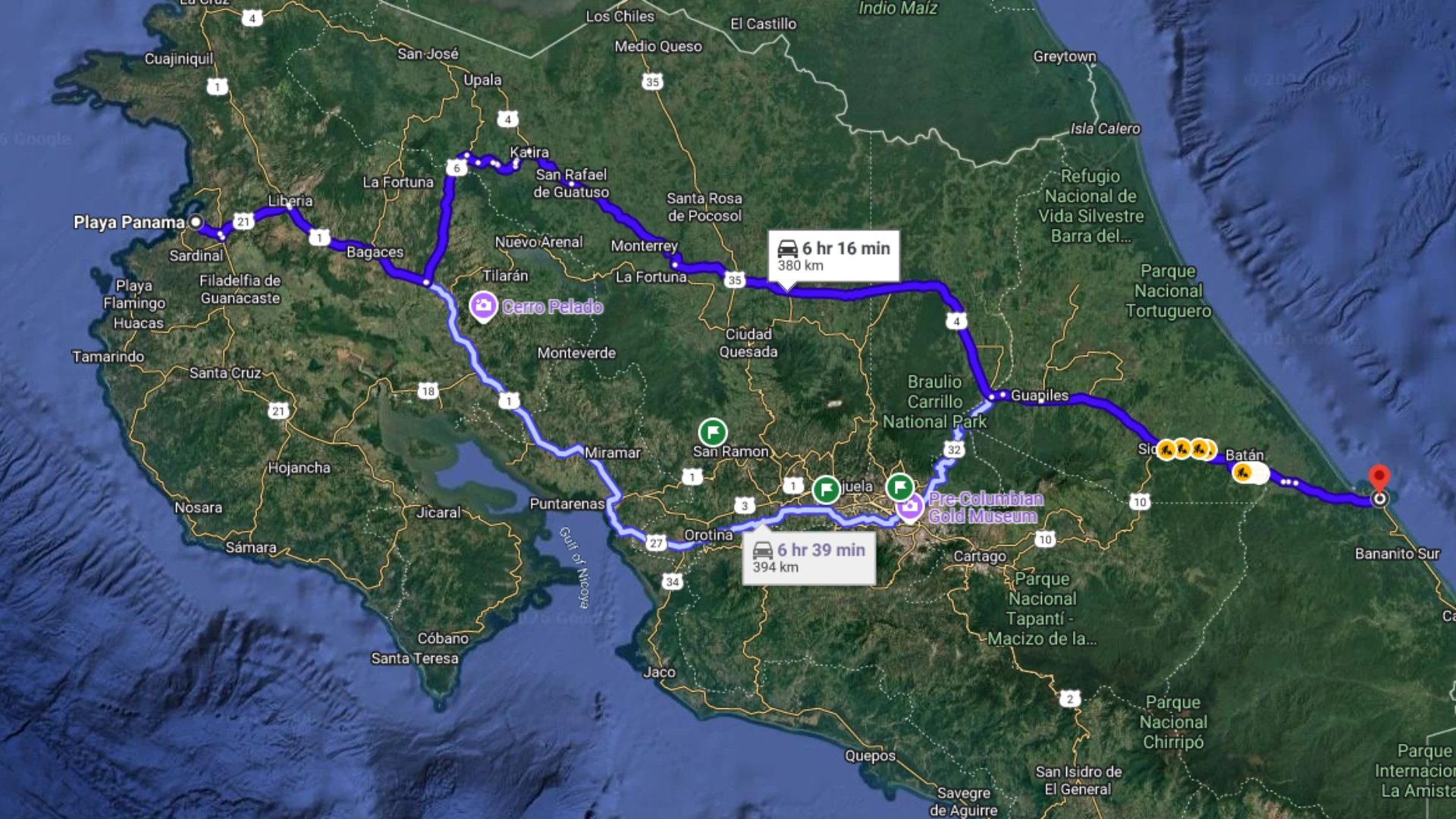
    drive from liberia airport to limon in costa rica

    Here is the route we took from Playa Panama to Limon in Costa Rica. This route avoids the often high amounts of traffic in San Jose.

    Total Drive Time and Distances

    Playa Panama to La Fortuna takes 2-3 hours depending on stops. The drive covers about 150 km on Highway 4 with good pavement throughout. Bijagua de Upala is halfway and makes a good coffee stop near Río Celeste.

    La Fortuna to Limón takes 4-5 hours covering approximately 200 km. Puerto Viejo de Sarapiquí is 1 hour 15 minutes from La Fortuna. Guápiles is another hour past that with gas stations and supermarkets. The final hour from Guápiles reaches Limón on the coast. Total trip time is 6-8 hours of driving depending on stops and traffic in towns.

    Liberia to La Fortuna (First Leg)

    The first leg from Guanacaste beaches to La Fortuna takes 2-3 hours on Highway 4. This well-paved route passes through mountain scenery with minimal traffic. Plan to leave in the morning to arrive in La Fortuna with time to explore.

    Starting from Guanacaste Beaches

    Playa Panama is 15-20 minutes from Liberia International Airport in good traffic. Other popular Guanacaste beaches like Playa Hermosa, Playas del Coco, and Tamarindo range from 30-90 minutes from the airport. All connect to Highway 4 via well-maintained roads through Liberia.

    From any Guanacaste beach, drive to Liberia head south on Highway 1. You’ll then turn towards the east into the mountains. Traffic stays light once you leave the Liberia area. The scenic route provides mountain views and passes through small agricultural towns.

    Top Destination: La Fortuna is one of my favorite destinations in Costa Rica. Check out our blog post for more information.

    Highway 1 & 4 Conditions

    Highway 4 maintains excellent pavement throughout the entire route to La Fortuna. The two-lane highway has good sight lines and minimal curves. This highway has scenic views of the mountains around, and you might catch a view of the Arenal Volcano as you get close to La Fortuna.

    Expect occasional construction zones but nothing that significantly slows travel. The road climbs through mountains with scenic views of valleys and farmland. Small towns are every 20-30 minutes with sodas and gas stations. Any rental car handles this route easily without needing 4×4.

    Bijagua Stop and Río Celeste Access

    Bijagua de Upala is about 2 hours from Playa Panama and is about the halfway point to La Fortuna. This small town has a Mega Super grocery store, Super Económico, sodas, and coffee shops. Coffee costs around $1.50 at local cafes. The town makes a perfect stretch break.

    Río Celeste National Park entrance is 5 minutes north of Bijagua. The famous blue river and waterfall are Costa Rica’s most photogenic natural attraction. If you drive 5 minutes past the park entrance, you’ll find a free swimming spot in the blue river. A new restaurant plaza opened near this swimming area for post-hike refreshments.

    La Fortuna Overnight Stop

    I like stopping in La Fortuna for my cross Costa Rica trips. The town has everything you need within walking distance – hotels, restaurants, tour operators, and supermarkets. Arrive by early afternoon and you’ll have time to walk around before heading to the Caribbean the next morning.

    Where to Stay

    Airbnb units just outside downtown cost around $40 per night. These typically include secure parking, kitchenettes, and hot water. I booked mine the night I arrived and had no trouble finding availability. High season fills up faster so book ahead if traveling December through April.

    Hostels with private rooms work if you want to stay downtown. La Fortuna has several within 5 minutes of the central park. Maxi Palí supermarket is on the main road for stocking up on water and snacks before tomorrow’s drive. Gas stations are plentiful if you need to fuel up.

    Downtown at Night

    The central park gets decorated with Christmas lights during December. Security guards patrol the area so families walk around safely. I visited on a Tuesday night around 10 PM and restaurants were still busy with outdoor seating.

    Restaurants line the streets around the park – steakhouses, pizza places, sushi spots, and local sodas. A two-story gym operates above Kris Market if you need a workout. Everything stays walkable. The church dominates the central square with well kept grounds. You can see Arenal Volcano straight down the main street on clear days, though clouds often cover the peak.

    La Fortuna to Limón (Second Leg)

    The second day covers 4-5 hours from La Fortuna to the Caribbean coast. I left around 8 AM and reached Limón by early afternoon. Highway 4 continues east with smooth pavement before connecting to Highway 32. The landscape transitions from mountains to flat agricultural areas as you approach the coast.

    Highway 32 Conditions

    Highway 32 is a divided two-lane highway in both directions. The road quality here beats most Costa Rican highways – smooth surfaces with hardly any potholes to dodge. I passed maybe 10 cars the entire stretch. Construction zones appear occasionally but didn’t slow me down much.

    Puerto Viejo de Sarapiquí is 1 hour 15 minutes from La Fortuna where Highway 4 meets Highway 32. This bigger town has gas stations and fast food for quick stops. The landscape flattens completely after this junction. You’re entering agricultural lowlands with endless pineapple plantations on both sides.

    Guápiles Pit Stop

    Guápiles is about 2 hours from La Fortuna and was the perfect pit stop. I pulled into the Mega Super right off the highway some cold drinks. McDonald’s, KFC, and Taco Bell are near the highway overpass if you want familiar food. 

    The town extends beyond the highway but I just stuck to the commercial zone. Gas stations are plentiful here – fill up if you’re running low. From Guápiles, it’s about a 1 hour drive to Limón. The road stays flat and straight through argicultural areas. The air gets noticeably more humid as you descend toward the Caribbean coast.

    Arriving in Limón

    Limón is Costa Rica’s main Caribbean port city with a different vibe than Pacific beach towns. The town has a large central park, waterfront area, and cruise ship port. I drove about 10 minutes through town to reach the beach area where I set up for exploring.

    What to Expect

    Limón feels more like a working port city than a tourist destination. The central commercial area has shops, restaurants, and a municipal market selling produce and local goods. A large park near the waterfront gets decorated with Christmas lights in December.

    The town has older colonial style buildings mixed with modern commercial development. There’s a small regional airport just outside of town which allows for faster travel from the Capitol. Puerto Viejo beach town is about 1 hour south if you want more tourist infrastructure and beach vibes. Most travelers use Limón as a jumping off point rather than a final destination.

    Road Hazards to Watch

    Watch carefully for ditches and potholes when entering Limón. The roads deteriorate compared to Highway 32’s excellent condition. I hit a ditch on the side of the road and damaged my car’s undercarriage. These ditches often have asphalt covering them making them hard to spot.

    Park carefully and look for attended parking lots charging around $3 per hour. The beachfront road can be confusing – it looks one-way but operates as two-way traffic. Take it slow, watch for oncoming cars, and don’t rush through the beach area. The Caribbean coast rewards careful driving.

    If these blog posts and videos help plan your Costa Rica vacation, please support our channel.

    Follow Us

    Keep up with our latest Costa Rica travel videos and guides by subscribing to our YouTube channel. We regularly post new content showing real conditions across different regions and seasons.

    Planning a trip to Costa Rica? Contact us — we help with itineraries, logistics, and finding the spots most tourists miss.

    Frequently Asked Questions

    How long does it take to drive from Guanacaste to the Caribbean coast?

    The drive takes 6-8 hours total depending on stops. Most travelers split this into two days with an overnight stop in La Fortuna. Day one is 2-3 hours from Guanacaste beaches to La Fortuna. Day two is 4-5 hours from La Fortuna to Limón.

    Can you avoid San José traffic driving to the Caribbean?

    Yes, Highway 4 runs north of San José and completely avoids the capital’s traffic. From Liberia or Guanacaste beaches, take Highway 4 east through the mountains. This route connects to Highway 32 near Puerto Viejo de Sarapiquí without touching San José at all.

    Do you need 4×4 for this route?

    No, any rental car works for this route. Highway 4 and Highway 32 are fully paved and well-maintained. However, watch carefully for ditches and potholes when entering Limón. The roads deteriorate near town compared to the highways.

    Where should you stop for gas on this route?

    Gas stations appear in Bijagua de Upala, La Fortuna, Puerto Viejo de Sarapiquí, and Guápiles. Guápiles is the best stop with multiple stations right off Highway 32. Fill up in Guápiles if you’re low – it’s the last major town before Limón.

    Is La Fortuna worth stopping overnight?

    Yes, La Fortuna makes the perfect overnight stop. The town has hotels starting around $40 per night, restaurants, and hot springs. Splitting the drive into two days eliminates the exhaustion of 7 hours straight. You can explore downtown at night and leave refreshed the next morning.

    Can you visit Río Celeste on this route?

    Yes, Río Celeste is just 5 minutes north of Bijagua de Upala on Highway 4. The national park entrance has the famous blue waterfall. Drive 5 minutes past the park entrance to find a free swimming spot in the blue river. This adds minimal time to your drive.

    What are the road conditions on Highway 32?

    Highway 32 is a divided two-lane highway in excellent condition with smooth pavement and minimal potholes. The road quality beats most Costa Rican highways. Traffic stays very light except near major towns. Construction zones appear occasionally but don’t significantly slow travel.

    Is Limón a good final destination or should you continue to Puerto Viejo?

    Most travelers use Limón as a jumping-off point rather than final destination. Puerto Viejo beach town is 1 hour south with more tourist infrastructure and beach vibes. Limón works better as a lunch stop or quick exploration of the working port city before continuing south to beach towns.
  • Colonial Costa Rica: Three City Walking Guide

    Colonial Costa Rica: Three City Walking Guide

    Costa Rica’s original colonial centers offer a glimpse into the country’s past through preserved architecture, historic plazas, and traditional markets. Three cities in the Central Valley – Cartago, San Jose, and Heredia – each tell different stories about the nation’s development from colonial times through modern growth.

    The original capital Cartago maintains its religious heritage centered around the Basilica. San Jose shows how the coffee boom transformed a small town into a bustling capital with grand theaters and public spaces. Heredia preserves its university town character with colonial buildings around a traditional central park.

    These walking routes connect historic sites while passing through active city centers where daily life continues among colonial architecture. Each city offers distinct perspectives on Costa Rican culture, from Cartago’s pilgrimage traditions to San Jose’s theater district to Heredia’s student life mixed with coffee history.

    Travel Tip: You don’t need to buy a SIM card when you land in Costa Rica to get data connection. With an eSIM, you’ll be able to configure your data connection before you depart for your vacation. I use the Saily eSIM in Costa Rica.

    Cartago

    Cartago’s historic center preserves Costa Rica’s original colonial capital, where narrow streets lead to landmark buildings and traditional markets. The walking route starts at the iconic Basilica of Our Lady of the Angels, a masterpiece of religious architecture that draws pilgrims from across the country.

    The city’s grid layout makes exploration easy, with most historic sites within a few blocks of the central plaza. Notable stops include the ruins of Santiago Apostol Parish, destroyed in the 1910 earthquake but preserved as a public park, the Municipal Museum’s colonial exhibits, and the central market where local life continues much as it has for generations.

    Where to Stay in Cartago


    The Historic Center

    Several small hotels operate near the Basilica, giving easy walking access to main attractions. This area offers the full historic atmosphere with morning church bells and market sounds. Most accommodations here provide basic but clean rooms in restored buildings, ideal for pilgrims and history enthusiasts.

    The Western Zone

    Modern hotels line the main highway entering Cartago, about 10-15 minutes walking from downtown. These offer standard amenities like parking, wifi, and restaurants on site. The area provides quick access to both historic sites and shopping centers, with regular buses passing to downtown.

    The Orosi Road Area

    Just outside town on the road to Orosi Valley, several boutique hotels and B&Bs offer mountain views and cooler temperatures. While requiring transport to reach downtown, these properties provide peaceful settings and easy access to both city sites and valley attractions.

    cartago market

    Things to Do in Cartago


    The Municipal Museum (Free Entry)

    Located in colonial-era building near central park, this free museum displays city history through artifacts and photographs. The exhibits show Cartago’s evolution from colonial capital through earthquake rebuilding. Local art exhibitions rotate through regularly.

    Santiago Apostol Ruins

    The preserved ruins of the original parish church create a peaceful park in city center. Stone walls and arches remain from the 1910 earthquake, now surrounding gardens and walkways. Good spot for photos and understanding local history.

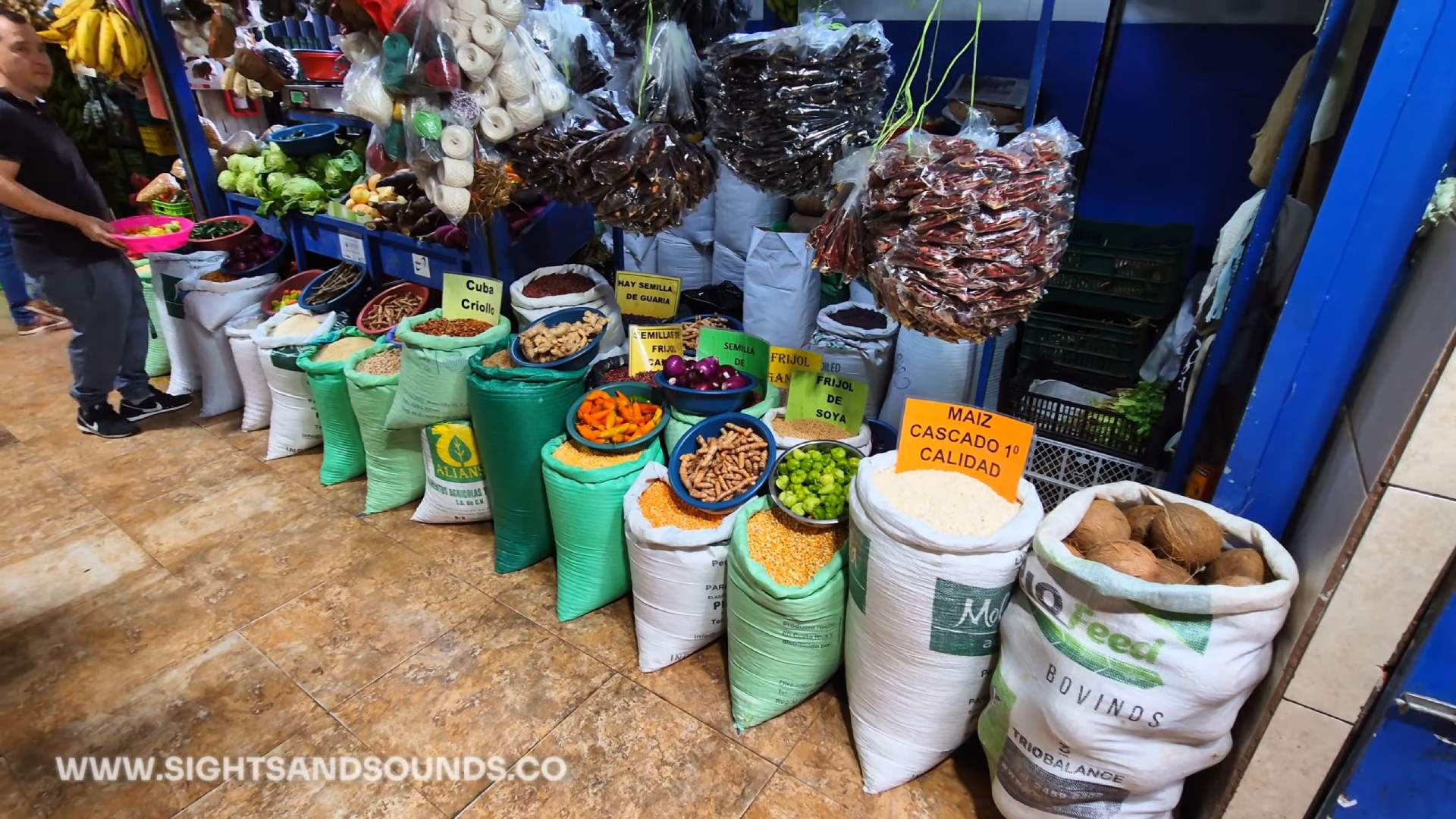
    Central Market

    Traditional market building houses local food vendors and small restaurants. Morning hours bring produce sellers and coffee shops to life. Try traditional meals at food stalls or shop for local products.

    Downtown San Jose

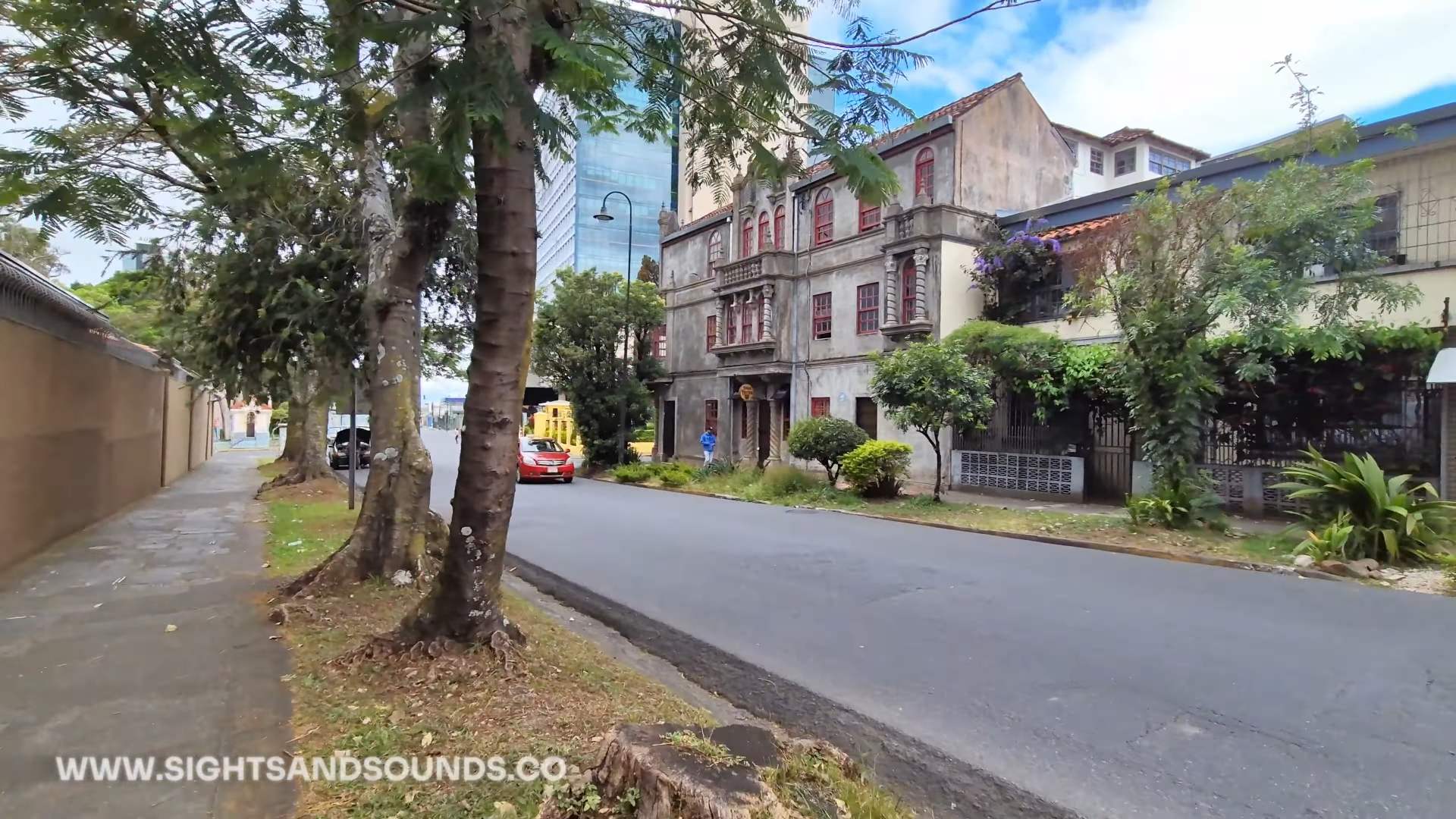
    San Jose’s historic center spans roughly 20 blocks, where colonial architecture meets modern city life around the pedestrian boulevards of Central Avenue. The walking area connects major landmarks like the National Theater, Central Market, and various museums, each telling different parts of Costa Rica’s development from small coffee town to capital city.

    The heart of downtown centers on Plaza Culture, where the underground Gold Museum and the iconic National Theater anchor the historic district. From here, pedestrian zones branch out to historic neighborhoods, busy markets, and plazas where locals gather throughout the day. The grid system makes navigation simple, with most attractions within a few blocks of Central Avenue.

    Where to Stay in San Jose

    Downtown Historic District

    Located around National Theater and Plaza Culture, this area puts you walking distance to main museums and historic sites. Hotels range from restored historic buildings to modern business hotels. Best for cultural activities and market visits. Active during day, quieter at night.

    Barrio Amon/Otoya

    Historic neighborhoods filled with restored mansions from coffee baron era. Boutique hotels and B&Bs operate in converted Victorian homes. Tree-lined streets good for walking. Close to downtown but quieter atmosphere. Popular with architecture enthusiasts.

    In the video, I show a budget but very nice hotel option in this neighborhood.

    Paseo Colon Area

    Modern hotel zone along wide avenue west of downtown. Major chain hotels offer full amenities. Easy access to both historic center and western suburbs. Good transport connections. Business district atmosphere with restaurants and services nearby.

    downtown san jose

    Things to Do in Downtown San Jose

    Jade Museum Experience

    Located in modern six-story building near Plaza Democracia, this museum houses Central America’s largest collection of pre-Columbian jade. Each floor tells different stories about ancient life, from spiritual practices to daily tools. Interactive displays and dramatic lighting bring artifacts to life, while top floor offers city views.

    Historic Buildings Walking Route

    Start at National Theater’s ornate façade, then explore surrounding historic structures. Notable stops include Gran Hotel Costa Rica, Post Office Building, and Metropolitan Cathedral. Many buildings showcase different architectural periods, from colonial era through coffee boom years. Yellow plaques on buildings detail historical significance.

    Barrio California Night Scene

    East of downtown, this neighborhood transforms evenings into San Jose’s main social district. Local bars, live music venues, and restaurants fill restored buildings. Area stays active until late, especially Thursday through Saturday. Mix of traditional bars and modern craft beer spots. Good area for meeting locals and experiencing urban culture.

    Heredia

    Heredia’s historic center clusters around Central Park, where the colonial-era church towers above one of Costa Rica’s best-preserved traditional plazas. Known as the “City of Flowers,” Heredia maintains its university town character while preserving architecture from its coffee-growing golden age.

    The walkable downtown grid connects historic sites with modern student life, as the National University’s influence spreads through surrounding streets. Coffee processing plants converted to cultural spaces, colonial buildings housing cafes, and traditional markets still serving local produce create a mix of old and new Costa Rica. The central area’s layout makes it easy to explore by foot, with most points of interest within a few blocks of the main square.

    Where to Stay in Heredia

    Central Historic District

    Surrounding Central Park and the historic church, small hotels operate in restored buildings. Perfect for exploring colonial architecture and market areas by foot. University atmosphere keeps area lively during day. Most accommodations offer basic but comfortable rooms with traditional character.

    University Zone

    Near National University, modern hotels cater to visiting academics and families. Walking distance to both campus and historic center. Student-friendly cafes and restaurants nearby. More residential feeling than downtown, but still convenient to attractions.

    Western Heredia

    Newer hotels along the highway to San Joaquin offer modern amenities and mountain views. Quick bus or taxi ride to center. Close to shopping malls and business district. Good base for exploring both city and surrounding coffee towns.

    heredia market

    Things to Do in Heredia

    Central Market Experience

    Located one block from main square, Heredia’s traditional market buzzes with local life. Morning hours bring produce vendors, small food courts serving traditional breakfast, and coffee sellers. The covered market maintains original architecture while housing modern shops. Best visited early when locals do their shopping.

    Historic Church and Central Park

    The colonial-era Inmaculada Concepcion Church dominates the plaza with its unique architecture and earthquake-resistant design. The surrounding park serves as the city’s social center, where students and locals gather throughout the day. Traditional architecture frames all four sides of plaza.

    University Cultural Center

    The National University campus includes several museums and cultural spaces open to public. Former buildings from coffee processing era now house art galleries and performance spaces. Regular events and exhibitions showcase student and local talent.

    Ambient Walking Tour

    Check out our Ambient Costa Rica channel for a walking tour of downtown Heredia. These videos are great for virtual treadmill walks, or to just get the sense of the town.

    These three historic cities in Costa Rica’s Central Valley each offer unique perspectives on the country’s colonial and cultural heritage. Cartago maintains its religious significance centered around the basilica, while San Jose’s museums and theaters showcase the nation’s artistic growth, and Heredia preserves its scholarly character around the university.

    All three cities are easily walkable, with well-preserved historic districts that tell different parts of Costa Rica’s story. Whether exploring religious architecture in Cartago, cultural institutions in San Jose, or coffee history in Heredia, each city provides distinct walking experiences through Costa Rica’s past and present.

    Follow Us!

    Be sure to Subscribe to our Youtube Channel, and leave a comment with your thoughts about this location or request a video in other cool destinations around Costa Rica.

    GAM (Greater Metropolitan Area) San Jose FAQ: Urban Guide

    Q: What is the GAM?
    A: Greater Metropolitan Area includes San Jose, Alajuela, Heredia, and Cartago cities. Spans central valley region. Main population center of Costa Rica. Major business and cultural hub.

    Q: How’s transportation in GAM?
    A: Public buses connect all cities. Train service weekday rush hours. Major highways link areas. Taxis operate throughout. Ride shares available. Walking good in city centers.

    Q: What facilities exist?
    A: Complete urban services: Major hospitals, Shopping malls, Universities, International airport, Government offices, Banking centers, Cultural venues.

    Q: What makes GAM unique?
    A: Mountain valley setting. Coffee regions surround cities. Mix of colonial and modern. Cultural center of country. International business hub. Educational center.

    Q: How’s weather different?
    A: Cooler than coast (15-25°C). Morning sun common. Afternoon clouds typical. Less rain than other regions. Year-round spring climate. Mountain breezes.

    Q: What activities exist?
    A: Cultural events, Shopping districts, Historic tours, Coffee tours, Museum visits, Theater shows, Sports events, University activities.

    Q: When to visit?
    A: Year-round moderate climate. Dry season (December-April) most reliable. Cultural events throughout year. Rush hours busy weekdays. Weekend markets active.

  • Costa Rica: Budget Friendly Travel

    Costa Rica: Budget Friendly Travel

    Costa Rica has incredible natural experiences without requiring a luxury budget. Despite its reputation as an expensive destination in Central America, savvy travelers can explore this bio-diverse country for a fraction of typical vacation costs. From free beaches with wildlife viewing to affordable public transportation, budget-friendly options exist throughout the country.

    The key to affordable travel in Costa Rica lies in making smart choices about when to visit, how to move around, and which activities to prioritize. While tourist hotspots like Manuel Antonio and Tamarindo have higher price tags, equally beautiful but less marketed areas provide similar experiences at lower costs. Local transportation, seasonal timing, and free natural attractions can save your wallet.

    In this guide, I’ll share practical strategies for experiencing Costa Rica’s highlights without breaking the bank. We’ll cover flight options to both international airports, public transportation routes that connect major destinations, free natural attractions across different regions, and local markets where you can find affordable food and souvenirs. Videos of these experiences show that Costa Rica’s most memorable moments often come with the smallest price tags.

    Travel Tip: You don’t need to buy a SIM card when you land in Costa Rica to get data connection. With an eSIM, you’ll be able to configure your data connection before you depart for your vacation. I use the Saily eSIM in Costa Rica.

    Table Of Contents

    Estimated Reading Time: 20 Minutes

    Finding Cheap Flights to Costa Rica

    Flights to Costa Rica don’t have to empty your wallet if you know when and how to book. The country has two main international airports – San José (SJO) and Liberia (LIR) – each with different flight patterns, prices, and connections. Understanding the differences between these options can save you hundreds of dollars before your trip begins.

    Flight costs to Costa Rica vary dramatically by season, with prices sometimes doubling (or more) during the peak dry months (December-April). By being flexible with your travel dates and planning ahead, you can often find deals that leave more money for experiences once you arrive. Let’s break down the options for both airports and how to find the best routes for your budget.

    San José vs. Liberia Airports

    San José’s Juan Santamaría International Airport (SJO) is the busier of Costa Rica’s two international airports, with more flight options and typically lower fares. From the US, you’ll find direct flights from Miami, Atlanta, Houston, New York, and Los Angeles. These routes run daily or several times weekly, giving you more flexibility when searching for deals. During low season, I’ve seen flights from Miami to SJO for under $200 round-trip.

    Liberia’s Daniel Oduber Quirós International Airport (LIR) is in Guanacaste’s beach region and has fewer connections. It still has direct flights from Dallas, Los Angeles, and Miami. Liberia usually runs $50-100 more expensive than San José for similar routes since it’s closer to popular beach destinations. The trade-off is that you’ll save on transportation once you arrive if you’re heading to beaches like Tamarindo or Playas del Coco.

    Here’s where your trip planning matters: flights to both airports jump $100-200 during the dry season (December-April) when most tourists visit. If you can travel during the “green season” (May-November), you’ll find fares up to 30% cheaper. Just remember that May through November brings afternoon rain showers, though mornings are typically clear for activities.

    Maps showing flights from San Jose Airport and Liberia Airport to destinations in the USA.

    European Flight Options

    For European travelers, direct flight options are more limited but increasing each year. British Airways has seasonal flights from London Gatwick to San José (October-March), while Air France connects from Paris, Iberia from Madrid, and Lufthansa from Frankfurt. Direct flights to Liberia are rarer from Europe, with mostly seasonal charters from London and Amsterdam.

    The best budget strategy for Europeans is often to book connecting flights. Consider flying to a major US hub like Miami or Atlanta, then continuing to Costa Rica on a separate ticket. This approach can save €100-200 compared to direct options. Alternatively, connections through Panama City with Copa Airlines or Mexico City with Aeroméxico can be competitive.

    Timing matters even more for European travelers. Book 2-3 months ahead for the best fares, and aim for shoulder seasons (late April or early November) when prices drop but weather remains relatively good. During high season, expect to pay €500-700 for round-trips to San José from major European cities, while low season fares can drop to €300-450.

    There are many more direct flights to San Jose in Costa Rica from Europe, than to Liberia.

    water shoes for exploring costa rica

    Pick up a pair of these awesome water shoes. I’ve been using them all over Costa Rica during my travels. They have vented soles so water drains right out the bottom! 

    Getting Around Costa Rica on a Budget

    Once you’ve arrived in Costa Rica, transportation costs can add up quickly if you’re not careful. Rental cars often run $100+ per day during high season, not including insurance or fuel. Fortunately, Costa Rica has excellent public transportation options that can take you to most popular destinations for a fraction of the cost. Using these local transportation methods not only saves money but also gives you a more authentic travel experience.

    The country’s public transportation network includes buses connecting most towns and cities, ferries serving coastal areas, and shared shuttle services between tourist destinations. By combining these options, you can create affordable itineraries to almost anywhere in Costa Rica without needing to rent a vehicle.

    Public Bus System

    Costa Rica’s bus network is extensive, affordable, and connects virtually every town in the country. Intercity buses are typically comfortable, air-conditioned coaches with assigned seating similar to airlines. As shown in the video, these buses often travel through scenic mountain routes and coastal highways, making the journey itself part of the experience.

    The bus from San Isidro de El General (Perez Zeledon) to San Jose costs around $10 for a 3.5-hour journey through stunning mountain scenery. These long distance buses typically make a rest stop halfway through the trip, where you can purchase snacks, use bathrooms, or grab a quick meal. Tickets can be purchased online for many routes or directly at the bus terminal, though booking ahead is recommended for popular routes.

    Most major bus companies in Costa Rica have their own terminals in larger cities. For example, in San Jose, different bus companies operate from various terminals around the city rather than from one central station. Before your trip, confirm which terminal serves your route and how to get there. Many intercity buses also offer package shipping services, which locals frequently use.

    Taking the Ferry

    The ferry system in Costa Rica provides both a practical transportation option and a scenic experience, particularly for travelers heading to the Nicoya Peninsula. The most popular route runs between Puntarenas and Paquera, saving hours of driving around the Gulf of Nicoya. You can also get a ferry from Puntarenas to Naranjo, which is a bit farther north on the Nicoya Peninsula.

    The video below will show the Puntarenas-Paquera ferry, which costs approximately 810 colones (about $1.50) for foot passengers, 2,200 colones for bicycles, and 3,400 colones for motorcycles. Standard vehicles cost more but still offer excellent value compared to the fuel and time required to drive around the gulf(especially if there’s traffic). The crossing takes about 70 minutes each way, with ferries departing roughly every two hours during daylight hours.

    The newer ferries have comfortable amenities including air conditioned lounges, cafeteria service with reasonably priced food and coffee and outdoor viewing decks. Many travelers use the crossing time to relax, enjoy the scenery, and spot marine wildlife. When arriving at either port, you’ll find connecting buses waiting to take foot passengers to nearby towns and beaches.

    ferry in costa rica

    View of the vehicle loading area on the ferry, and great scenery in the background.

    Free Local Markets and Shopping

    One of the best ways to experience Costa Rica’s culture while keeping costs down is visiting the local markets. These markets, known as “ferias” or “mercados,” happen weekly in most towns. They have everything from fresh produce to handmade crafts at prices significantly lower than tourist shops or supermarkets. Beyond saving money, these markets provide authentic cultural experiences that cost nothing to enjoy.

    The variety of markets across Costa Rica means you can find them almost anywhere you travel. From small roadside fruit stands to massive farmer’s markets covering multiple blocks, these gatherings serve as social hubs where locals and visitors mix freely. Most vendors are happy to let you sample fruits or explain their products even if you don’t make a purchase.

    Tamarindo Market Experience

    The Tamarindo Market runs Wednesdays and Saturdays from 8am to 2pm, it’s a perfect free activity in this otherwise expensive beach town. As shown in the video, this market stretches across several blocks with covered stalls selling everything from fresh produce to handcrafted souvenirs.

    What makes the Tamarindo Market special is its international influence. You’ll find traditional Costa Rican foods alongside items catering to the town’s expat community and tourists. Vendors sell organic coffee, handmade soaps, locally crafted jewelry, and freshly pressed juices. Many artisans speak English, making it easy to learn about their products and Costa Rican culture without booking an expensive tour.

    The market surrounds a small park with basketball courts and a skate park, creating a community atmosphere where you can spend several hours without spending money. Live music adds to the experience, making this a great place to relax and enjoy a sunny day.

    Farmers Markets in Small Towns

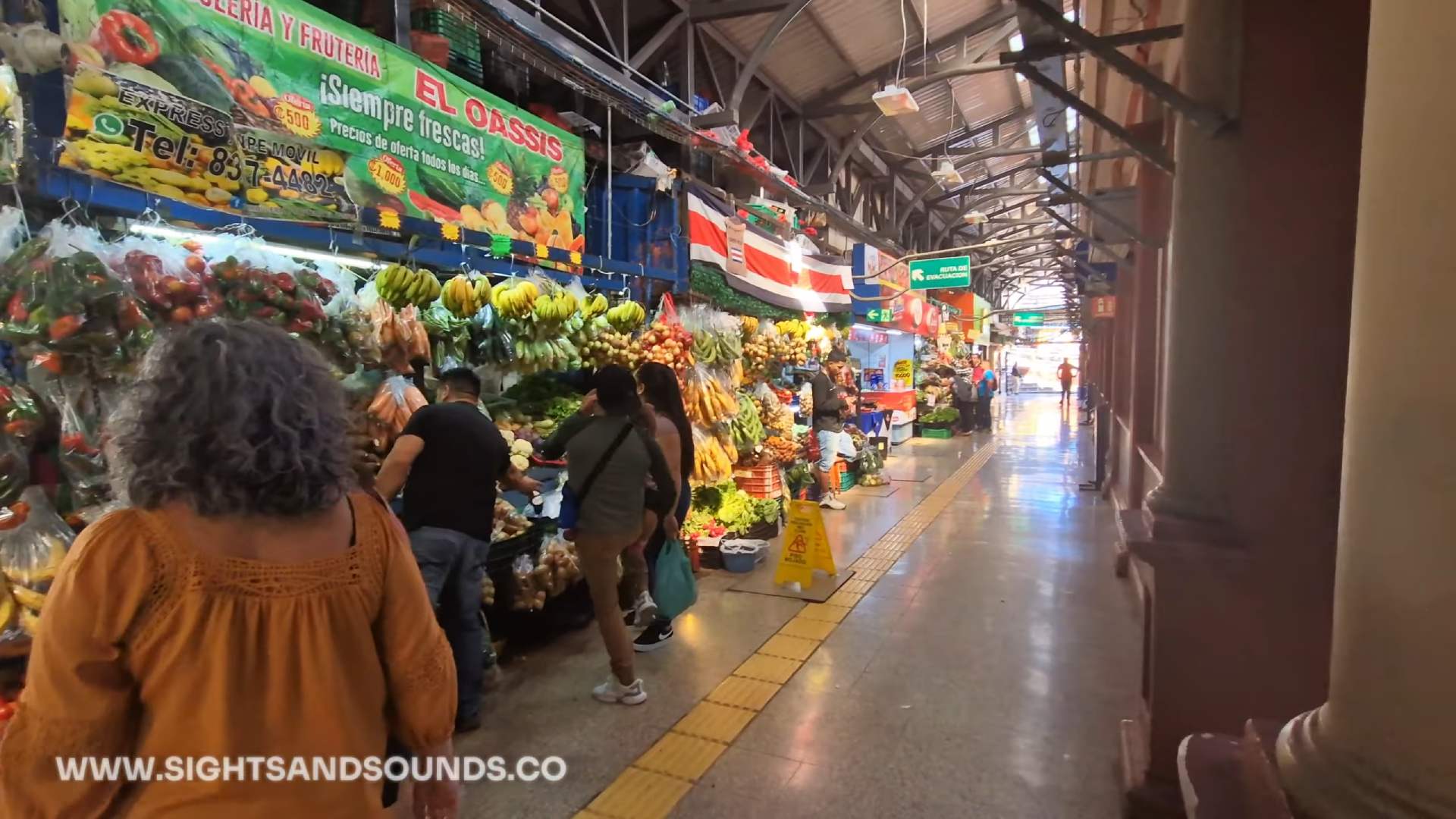
    For a more authentic and even more affordable experience, venture into the farmers markets of smaller towns like San Isidro de El General. These massive markets, like the one shown in our video, aren’t geared towards tourism, so you’ll find lower prices and a wider variety of regional produce.

    The San Isidro market spans multiple city blocks with lots of vendors selling fruits, vegetables, cheeses, and meats at prices often half what you’d pay in tourist areas. A full bag of oranges for fresh juice costs around $3, while a freshly squeezed cup of juice sells for just $1.50. These markets also have an educational experience, introducing you to exotic Costa Rican fruits and vegetables you won’t find in typical grocery stores.

    Beyond food, these regional markets feature vendors selling medicinal herbs, handmade clothing, and household items. Many vendors are passionate about their products and happy to explain their uses, even offering impromptu lessons about traditional Costa Rican remedies or cooking techniques. While knowing some Spanish helps, pointing and smiling works well too, making these markets accessible to all travelers regardless of language skills.

    travel-backpack-costa-rica

    I use this sling backpack when I’m travelling in Costa Rica. It has a zipper lock to secure your stuff. I like the sling as I can flip the bag to the front for easy access.

    Free Natural Attractions

    Costa Rica’s biggest draw is its incredible biodiversity and natural landscapes, which you can experience without spending a single dollar. While guided tours offer expertise and convenience, many visitors don’t realize how accessible Costa Rica’s natural attractions are for independent travelers. From pristine beaches to jungle wildlife viewing, some of the country’s most memorable experiences come without an entrance fee.

    The key to enjoying free natural attractions is knowing where to look. While popular national parks charge entrance fees ($15-25 per person), many equally impressive natural areas remain free to the public. Local knowledge and timing are essential. Visiting beaches during weekdays or arriving at popular spots early in the morning ensures both smaller crowds and better wildlife viewing opportunities.

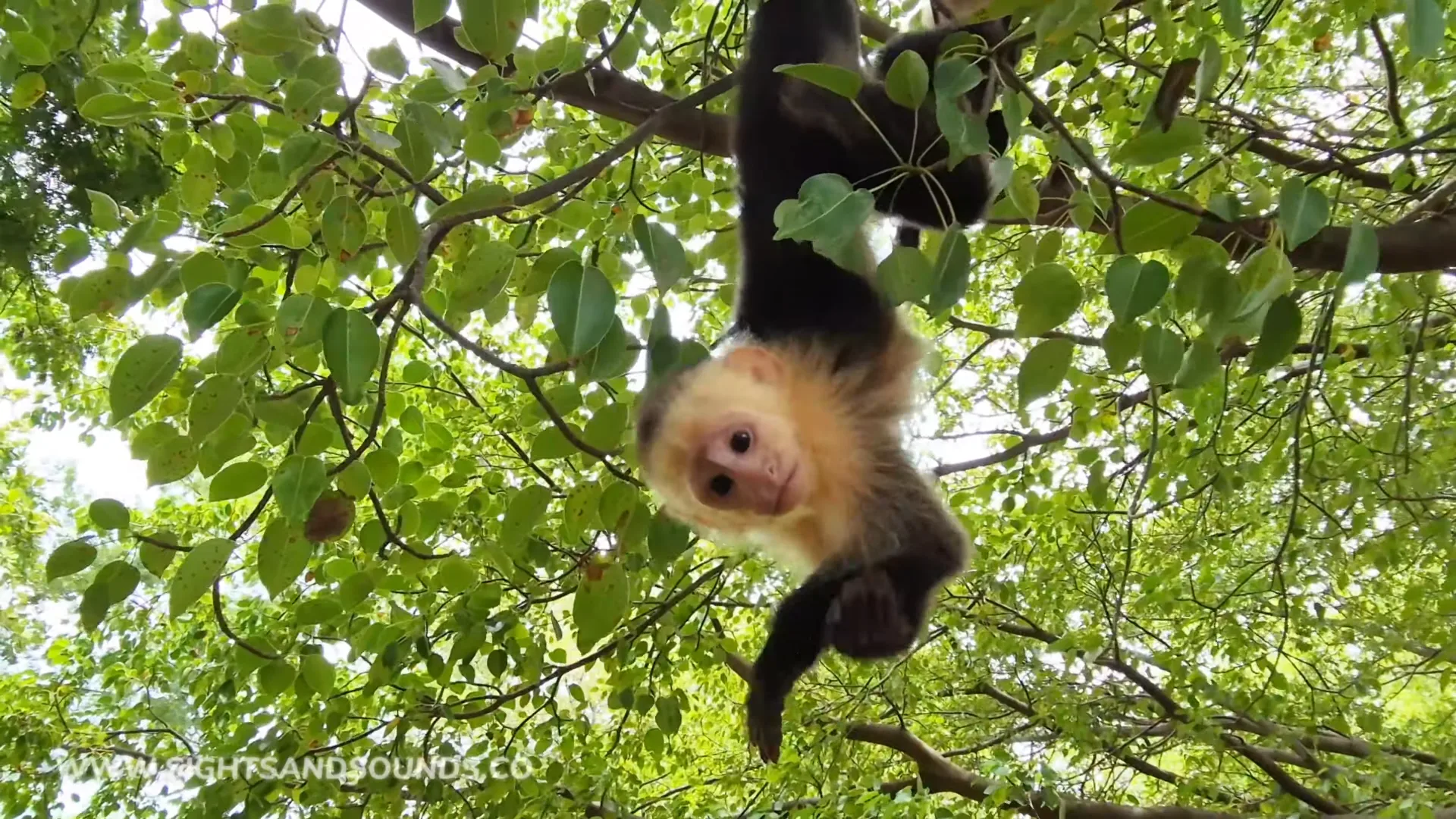
    Public beaches bordered by trees often host wildlife, particularly in early morning or late afternoon hours. The white-faced capuchin monkeys shown in the RIU Hotel beach video demonstrate how these intelligent creatures have adapted to areas with human presence. While it’s important not to feed wildlife, simply observing from a respectful distance costs nothing and provides authentic wildlife encounters.

    For successful wildlife viewing, bring binoculars if you have them and walk slowly while scanning the trees. Listen for rustling leaves or distinctive calls – howler monkeys can often be heard before they’re seen. Beaches with forested areas nearby, like Playa Matapalo near the RIU Hotel or Manuel Antonio’s public beach, offer excellent opportunities to spot monkeys, sloths, and tropical birds without paying for a guide.

    Swimming Holes and Waterfalls

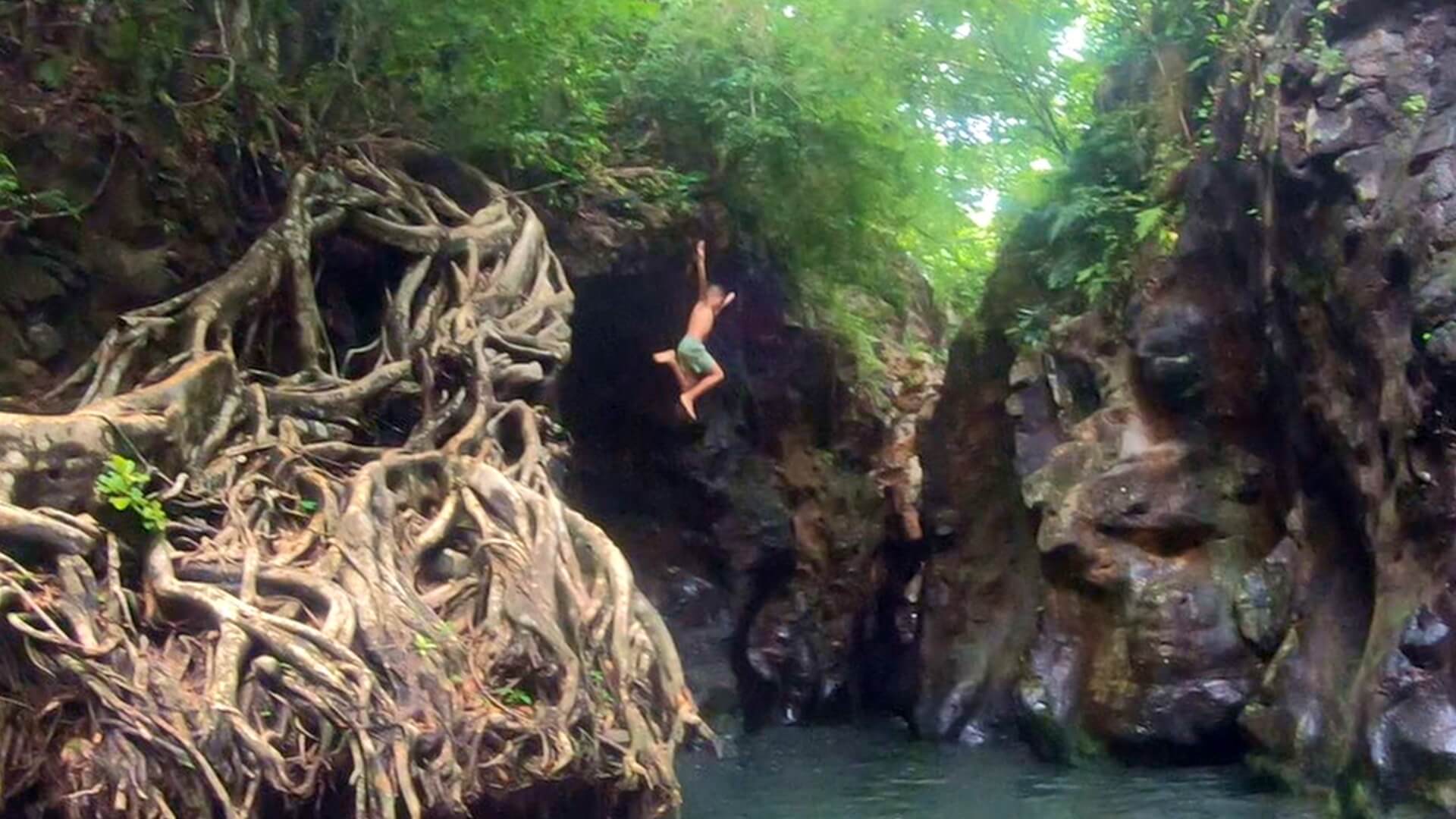
    Costa Rica is home to hundreds of free swimming holes and waterfalls that have a refreshing natural experience without entrance fees. Poza Azul near Dominical, featured in the video, exemplifies these locations. A short walk down some stairs leads to a pristine swimming area with crystal clear water and a rope swing.

    Another excellent example is Poza Los Coyotes near Liberia, which costs just 2,000 colones (about $4) to enter. This complex of pools, waterfalls and caves provides a full day of adventures for less than the price of a burger at McDonalds. The clear blue water and multiple swimming areas make it popular with local families who bring picnics and spend the entire day exploring the different sections.

    When visiting these free or low cost natural swimming areas, arrive early to beat crowds, especially on weekends. Wearing water shoes (like these ones from Amazon) makes navigating slippery rocks much safer. Check out our channel for more river and waterfall swimming locations across Costa Rica.

    Beach Access

    All beaches in Costa Rica are public by law, meaning even those fronting luxury resorts like the RIU Guanacaste must maintain public access. As we show in our RIU beach video, you can enjoy the same white sand beaches as resort guests paying hundreds per night, often with the same wildlife experiences.

    Finding public access points can sometimes require local knowledge. Look for small parking areas near beach restaurants or public paths between properties. In beach towns like Tamarindo or Playas del Coco, clearly marked beach access paths make reaching the sand straightforward. Even at more exclusive beaches like those near the RIU, there’s usually a public access road nearby.

    monkey at riu resort beach

    Monkey seen at Playa Matapalo, which is the beach located at the Riu Resort, Guanacaste.

    Beach facilities vary widely, but many popular beaches have small vendors selling refreshments and renting chairs or umbrellas for minimal cost. For a truly budget experience, bring your own supplies and look for natural shade from beach side trees. The early morning hours not only offer cooler temperatures but also better opportunities to spot wildlife along beach edges without competing with crowds.

    If these blog posts and videos help plan your Costa Rica vacation, please support our channel.

    Follow Us

    Keep up with our latest Costa Rica travel videos and guides by subscribing to our YouTube channel. We regularly post new content showing real conditions across different regions and seasons.

    Leave a comment with your Costa Rica travel questions – we’re happy to help plan your perfect time to visit.

    Frequently Asked Questions

    Is Costa Rica expensive to visit on a budget?

    Costa Rica is more expensive than its Central American neighbors, but budget travel is definitely possible. Expect to spend $50-100 per day with basic accommodations, public transportation, and eating at local “sodas.” The biggest expenses are typically organized tours and car rentals, which you can minimize by using public transportation and finding free natural attractions.

    What’s the cheapest time to visit Costa Rica?

    The rainy season (May through November) has the lowest prices for flights and accommodations. September and October see the heaviest rainfall and have the best deals, but some businesses in popular tourist areas close during these months. The “shoulder season” (May-June or November) gives you a good balance of decent weather and lower prices.

    How can I get around Costa Rica without renting a car?

    Costa Rica has an extensive public bus network connecting most towns and cities for a fraction of car rental costs. Intercity buses have assigned seating and cost around $10 for 3-4 hour journeys. For coastal areas, public ferries like the Puntarenas-Paquera route provide scenic and affordable transportation. Shared shuttles between tourist destinations are more expensive than buses but still cheaper than car rentals.

    What are the best free things to do in Costa Rica?

    Costa Rica has many free or low cost attractions. All beaches are public, even those in front of resorts. Free swimming holes and waterfalls like Poza Azul near Dominical provide natural experiences without entrance fees. Local farmers markets give you a taste of authentic culture while allowing you to buy inexpensive fresh food. Self guided wildlife watching on public beaches or near forested areas can yield sloth and monkey sightings without paying for guided tours.

    Where can I find cheap food in Costa Rica?

    Local restaurants called “sodas” serve traditional Costa Rican meals (casados) for $5-7. Farmers markets sell fresh produce at low prices – a week’s worth of fruit can cost under $20. Many hostels and budget accommodations have shared kitchens where you can prepare your own meals. For quick, inexpensive meals, bakeries (panaderías) sell filled pastries and sandwiches starting around $1-2.

    Which airport should I fly into to save money?

    San José (SJO) typically has cheaper flights than Liberia (LIR), with fares running $50-100 less on average. Flying into SJO makes sense if you’re planning to visit central or southern Costa Rica. If your destination is northern Guanacaste beaches, the time and transportation costs from SJO might outweigh the flight savings. Check both airports and factor in ground transportation costs when making your decision.