Tag: Beaches

Costa Rica’s coastal destinations, including Pacific and Caribbean beaches. Features surfing spots, swimming areas, and coastal towns. From popular tourist beaches to hidden coves.

  • Coco Beach Walk: Popular Costa Rica Tourism Town

    Coco Beach Walk: Popular Costa Rica Tourism Town

    Playas del Coco has a 3 km crescent bay along Costa Rica’s Pacific coast. The natural shelter between two hills creates calm waters throughout the year, and it’s just 35 minutes from Liberia International Airport in Guanacaste.

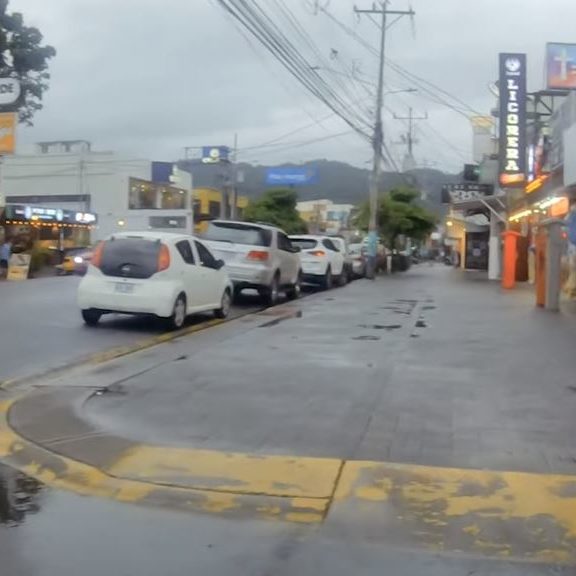
    The main strip follows the shoreline with local restaurants, shops, and tour companies. Small roads branch toward quiet sections of beach and residential areas, making it easy to explore on foot or by car.

    This beach town balances basic amenities with a relaxed atmosphere. You’ll find clean sand, clear swimming areas, and convenient facilities while experiencing the authentic feel of a Costa Rican coastal community.

    Table Of Contents

    Estimated Reading Time: 10 Minutes

    Location & Getting There

    Playas del Coco is on Costa Rica’s northern Pacific coast in Guanacaste province. You’ll arrive at Daniel Oduber International Airport (LIR) in Liberia, making Coco one of the most accessible beach areas in the region.

    The drive takes you through Guanacaste’s dry forest landscape on Route 151. This area sees less rainfall than other parts of Costa Rica, meaning consistent road conditions year-round.map of playas del coco in costa rica
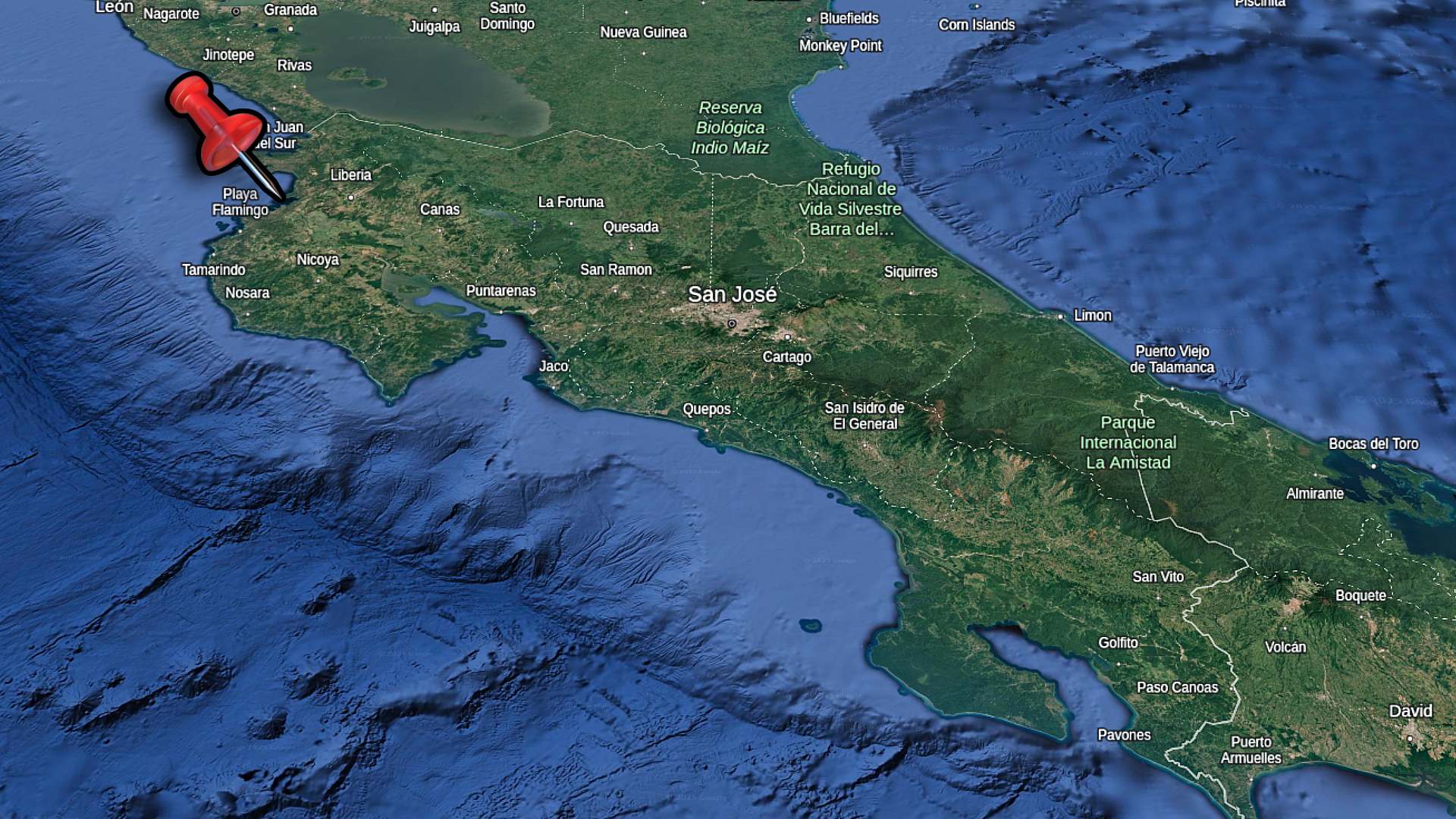
    Map of Costa Rica showing the location of Playas del Coco in the northwestern part of the country.

    Distance from Airport

    The 25 km route from Liberia Airport passes through Comunidad and Sardinal. Both towns have local restaurants and small grocery stores where you can stop for supplies on your way to the beach.

    The trip typically takes 35 minutes. School zones cause slowdowns between 6:30-7:30 AM and 2:00-3:00 PM on weekdays. Signs clearly mark the route to Playas del Coco.

    Transport Options

    Airport transfers run directly to Coco, ranging $40-60 USD based on time and group size. Book these through your accommodation or local companies.

    Public buses run every two hours between Liberia and Coco from 5:30 AM to 5:30 PM, costing ₡1,200. The bus terminal in Coco is one block from the beach.

    Rental car offices operate at Liberia Airport. Local red taxis use meters for in-town trips, while airport taxis charge fixed rates.
    travel-backpack-costa-rica

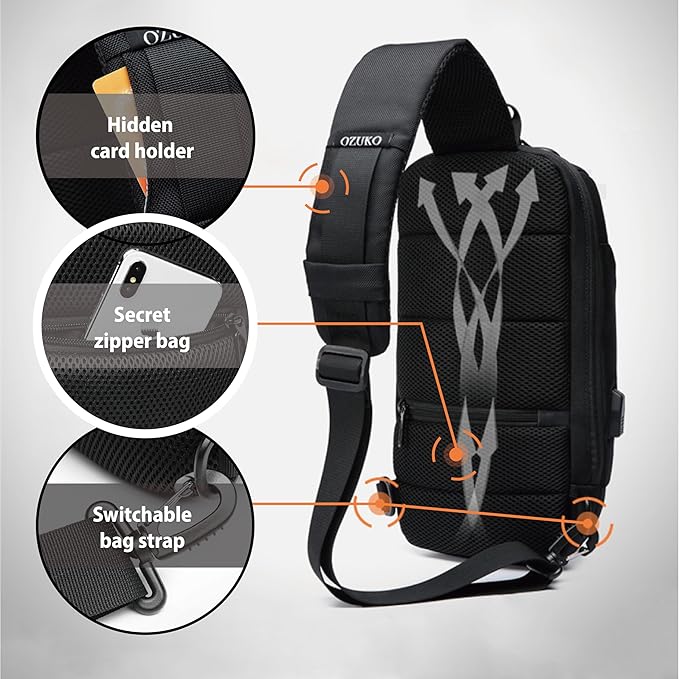
    I use this sling backpack when I’m travelling in Costa Rica. It has a zipper lock to secure your stuff. I like the sling as I can flip the bag to the front for easy access.

    Beach Overview

    The curved bay at Coco Beach is 3km long, and it’s protected by hills on both sides. This natural shelter blocks ocean swells, creating gentle waves and safe swimming conditions year-round.

    The dark sand beach slopes gradually into the water. During low tide, the exposed beach extends up to 100 meters from the treeline, while high tide brings water closer to the beach access points.

    Bay Features & Swimming

    The bay’s protected position creates ideal swimming conditions for all skill levels. Water depth increases slowly. The gentle slope makes it safe for children to play in the water on most parts of the beach.

    Morning have the calmest conditions, with water typically flat until midday. Afternoon winds can create small waves, but they are rarely very high.

    The water temperature stays between 26-29°C (79-84°F) throughout the year. Visibility varies with conditions, reaching 3-5 meters on clear days in the deeper water.

    Beach Facilities

    At the main strip of the beach, there are several hoses mounted as showers. These let you rinse off the sand your day at the beach. The areas further out from the beach don’t have these showers.

    Trees line most of the beach, so you’ll be able to find natural shade throughout the day. The central area includes wooden benches and covered picnic tables.

    The main entrance has an on street parking area that fills quickly on weekends. Side streets further from the beach have additional parking options within a 5-minute walk. Parking at the outer parks of the beach is right at the beach front, so you can have a picnic or barbecue right at the ocean.

    Activities

    Playas del Coco is great for water activities all year round. Tour companies run daily trips for fishing, snorkeling, and sunset cruises. The calm bay is perfect for swimming and paddling close to shore.

    You’ll find most tour operators right on the beach. Coco is known for fishing, with boats heading out early. You can charter half or full day trips to catch tuna, mahi-mahi, and marlin.

    Water Sports & Tours

    You’ll be able to book boat tours, ranging from small boats for 10 people, all the way to luxury catamaran tours. The catamarans take you to nearby beaches for snorkeling, and include food and drinks onboard.

    Scuba companies have shops within Coco, they take divers to nearby spots like the Catalina Islands and local reefs. You can rent gear and do courses if needed.

    Beach Activities

    The main beach area has outdoor exercise equipment and a volleyball court. Street vendors sell grilled meats and ice cream along the beach front. They’re primarily at the main section of the beach where it’s busiest.

    Many people walk the beach to the north end of the beach where Pacifico Beach Club is. The walk is about 1 km on firm sand, perfect for sunset walks.default
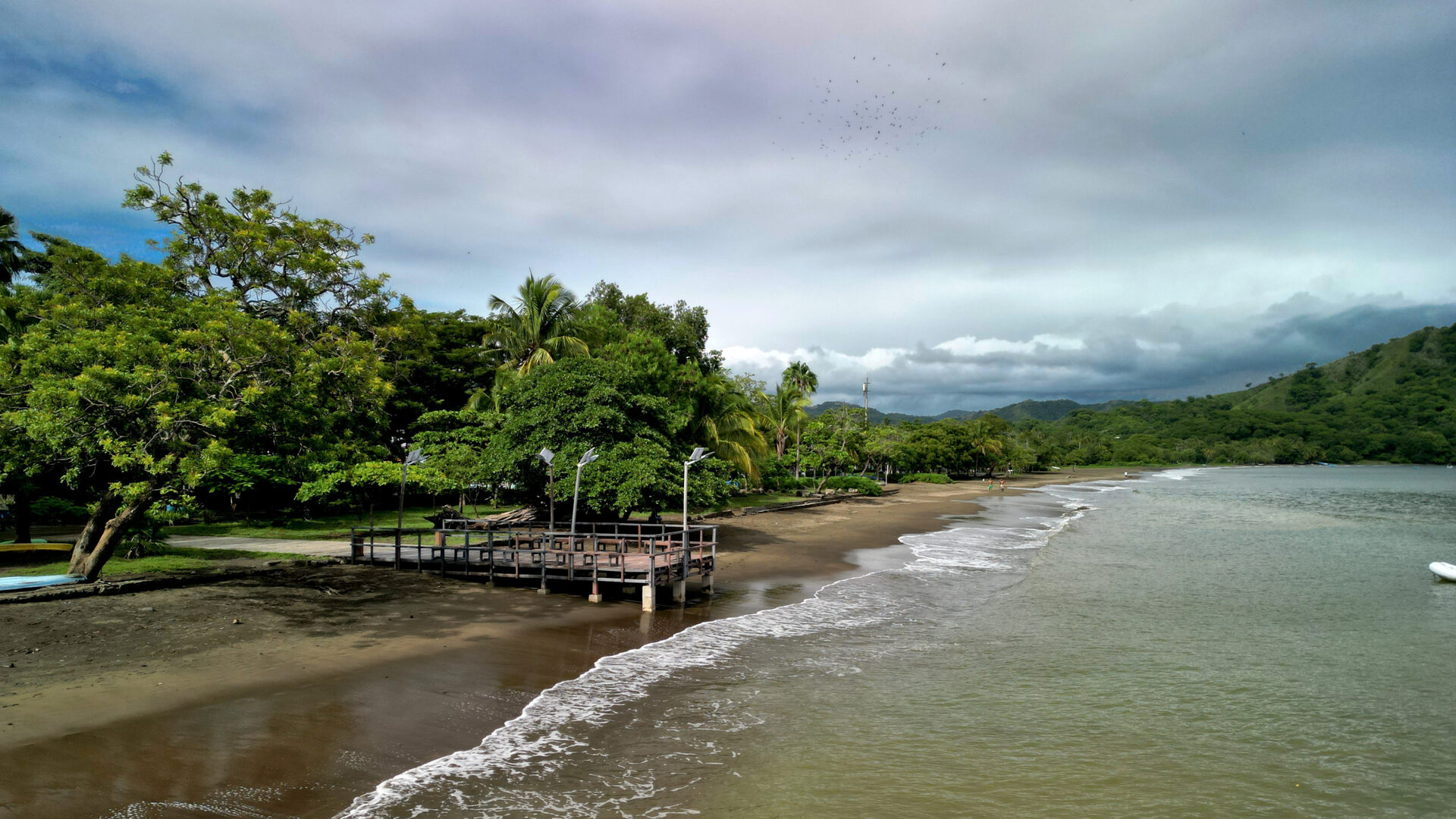
    The main beach area at Coco, showing a dock which is great for taking photos.

    Practical Information

    The high season in Coco is between December and April when the weather is dry and sunny. Prices for hotels and rentals increase during these months, and weekends get busy with local tourists.

    The low season usually has some afternoon rain but fewer crowds. Many places are discounted from May to November, and morning activities are rarely affected by weather.

    Best Times to Visit

    Coco’s local events peak during Christmas, New Year’s, and Easter week. If you’re visiting during these times, book early as hotels fill quickly.

    The months of May and November often have good weather and lower prices. Mornings stay clear most days, even in rainy season. These are the months that are just after and before the expected high seasons.

    Water visibility is best from December to March. If you’re planning water activities, book morning tours when winds are calmer. There’s a lot of great snorkeling beaches are Playas del Coco which are most clear during this time.

    Where to Stay

    Hotels line the main strip and side streets, with prices from $50-200 per night. Most of them are within walking distance to the beach and restaurants. There are other options in the mountains that have a great view, but a car rental is best for mobility if you are staying up there.

    Many people will rent condos or apartments, especially for longer stays. The most popular are for this style of accommodation is called ‘Las Palmas’, which is at the north end of the beach.

    Follow Us

    Be sure to comment on YouTube with your own experience, tips or questions. Subscribe To Our Channel to get more videos of locations and destinations!

    Playas del Coco Frequently Asked Questions

    Q: Is Playas del Coco safe for tourists?
    A: Coco Beach is one of Costa Rica’s safest beach towns. Well-lit main streets, regular police patrols, and active nightlife make it safe to walk at night. Basic precautions like any beach town – don’t leave valuables unattended.

    Q: When is the best time to visit Playas del Coco?
    A: December to April has sunny, dry weather. May and November offer lower prices with good conditions. Morning activities run year-round. Peak crowds during Christmas, New Year’s, and Easter.

    Q: How much do things cost in Playas del Coco?
    A: Local meals: $6-8
    Restaurant dining: $15-25+
    Groceries: Similar to US at Auto Mercado, 30% less at SuperCompro
    Tours: Fishing $350-600, Snorkeling $60-80, Sunset Cruise $85

    Q: Do I need a car in Playas del Coco?
    A: Walking distance covers beach, restaurants, and shops. Golf carts ($50/day) work for local trips. Car rental recommended for staying in mountain areas or exploring nearby beaches.

    Q: What’s the beach like at Playas del Coco?
    A: Dark sand beach with calm waters year-round. Best swimming conditions mornings until 2 PM. Beach facilities at main entrance, natural shade from trees. Clean, gradual slope good for kids.

    Q: What’s the nightlife like in Playas del Coco?
    A: Main strip active until midnight. Mix of sports bars, live music venues, and local spots. Busy Thursday through Saturday. Popular spots include Zi Lounge and Coconutz.

    Q: Where should I stay in Playas del Coco?
    A: Beachfront hotels: $120-200/night
    Standard hotels: $50-100/night
    Condos/apartments: $70-150/night, popular in Las Palmas area
    Mountain view options available, require transport
  • Poor Calzon: Perfect White Sand Beach

    Poor Calzon: Perfect White Sand Beach

    Looking for a stunning white sand beach in Guanacaste? Definitely check out Poor Calzon Beach! 🇨🇷

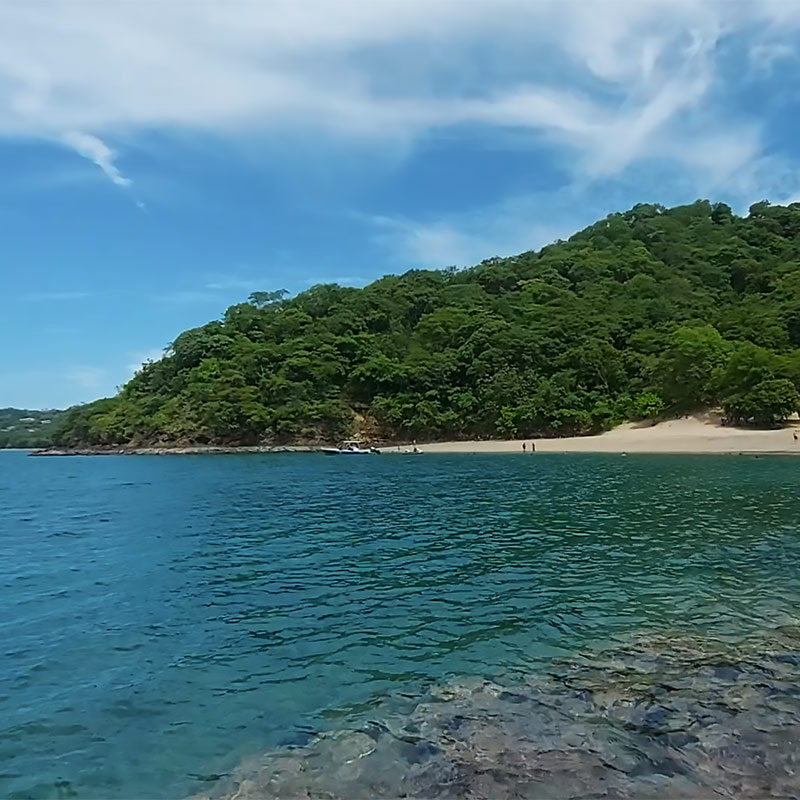
    Poor Calzon is on the peninsula which separates Playa Hermosa and Playas del Coco, on the northwest Pacific side of Costa Rica. An already beautiful area, this beach is on another level.

    How To Get There

    To get there, you’ll take Route 159, which connects Hermosa and Coco. There’s a large green tarp fence with a small security shack. The dirt road is not well marked, so be sure to drive slow enough to see it. Check out the previous video where we drove into an adjacent beach so you can see where to enter.

    You can find the previous video HERE

    There’s a long dirt road which isn’t in the best condition. Travelling on this road with a raised 4×4 is a breeze, but you can expect a bumpy ride in a smaller car. Playa Penca is all the way at the end of this road, but if you’re looking to visit Poor Calzon Beach, you’re going to stop about half way.

    There’s a gent in the parking area who will guide you in for parking and watch the cars. Be sure to bring a few thousand colon to pay at the end of the day. This is a few dollars in USD or CAD.

    water shoes for exploring costa rica

    Pick up a pair of these awesome water shoes. I’ve been using them all over Costa Rica during my travels. They have vented soles so water drains right out the bottom! 

    A Bit Of A Hike

    You’re going to walk down the side of the mountain along a winding path. It’s a few minutes walk, so be sure to carry only however much you’re going to be able to make it with – a few beach towels and some snacks for sure.

    When you arrive at the beach you’ll find perfect white sand and crystal clear water. At the time of filming this video, the tide is almost at its lowest. This allows you to walk along the rocks which flank the beach. You’ll also be able to snorkel with more ease to the deeper parts of the water.

    Snorkeling in this location is amazing. You’ll see all kinds of curious fish which will hang out right around your feet. There’s blue fish which have an interesting needle like fin on them. Sting rays can be seen scrolling around the bottom in the deeper parts, but were also swimming up to the more shallow locations.

    Rocks To The East

    There’s a submerged rock formation at the east side of the beach (right as you enter), which stays submerged and acts as a refuge for smaller fish. There were many incredible and unique fish swimming around these rocks which are very accessible for snorkeling. If you don’t have a snorkel set, you can use normal swim goggles which will still allow you to check out the cool fish.

    Watch out for sea urchins on the rocks to the east and west if you’re venturing a bit further out. If you’re planning on snorkeling in Costa Rica I suggest using a set like this Cressi snorkel/fin combo. It’s what I use in my travels.

    Back on the beach, sun tanning and relaxing are popular. You can also bring down a soccer ball and play on the massive white sand beach.

    Be sure to comment on YouTube with your own experience, tips or questions. Subscribe To Our Channel to get more videos of locations and destinations!

    FAQ for Playa Calzón de Pobre, Guanacaste, Costa Rica

    1. How do I get to Playa Calzón de Pobre from Liberia Airport?
    From Liberia Airport, Playa Calzón de Pobre is about an hour’s drive. You can rent a car and follow the route toward Playas del Coco, then continue along the coastal road towards Playa Calzón de Pobre. It’s located close to Playa Penca and Playa Hermosa.

    2. Is Playa Calzón de Pobre good for swimming?
    Yes, Playa Calzón de Pobre has calm waters that are ideal for swimming. It’s a small, secluded beach with gentle waves, making it suitable for families and kids.

    3. What is the parking situation at Playa Calzón de Pobre?
    Parking near Playa Calzón de Pobre is limited. Visitors usually park along the roadside or in small nearby lots. Be mindful of parking signs and local restrictions. There is a short hike to the beach down a hill.

    4. Is Playa Calzón de Pobre usually crowded?
    Playa Calzón de Pobre is typically quieter compared to the more popular beaches in the area. Its small size and hidden location keep the crowds away, so it’s a great spot if you’re looking for a peaceful beach day.

    5. Are there any restaurants or facilities near Playa Calzón de Pobre?
    There are no restaurants or facilities directly on Playa Calzón de Pobre. It’s a secluded beach, so it’s best to bring your own snacks and drinks. For dining, you can head to nearby Playas del Coco or Playa Hermosa.

    6. Is Playa Calzón de Pobre easy to find?
    Playa Calzón de Pobre can be a bit tricky to find as there are no large signs directing you to it. It’s often accessed through a small dirt path off the main road. Using a map or GPS is recommended.

    7. Can you snorkel at Playa Calzón de Pobre?
    Yes, snorkeling is possible at Playa Calzón de Pobre, especially near the rocky areas on either side of the beach. You can spot fish and other marine life, but it’s a more casual snorkeling experience compared to some other beaches.

    8. What is the best time to visit Playa Calzón de Pobre?
    The best time to visit Playa Calzón de Pobre is during the dry season, from December to April, when the weather is sunny and dry. It’s less crowded during weekdays, making it an ideal time to visit.

    9. Is Playa Calzón de Pobre family-friendly?
    Yes, Playa Calzón de Pobre is considered family-friendly due to its calm waters and less busy beach.

  • Ocotal Beach: Crystal Clear Water

    Ocotal Beach: Crystal Clear Water

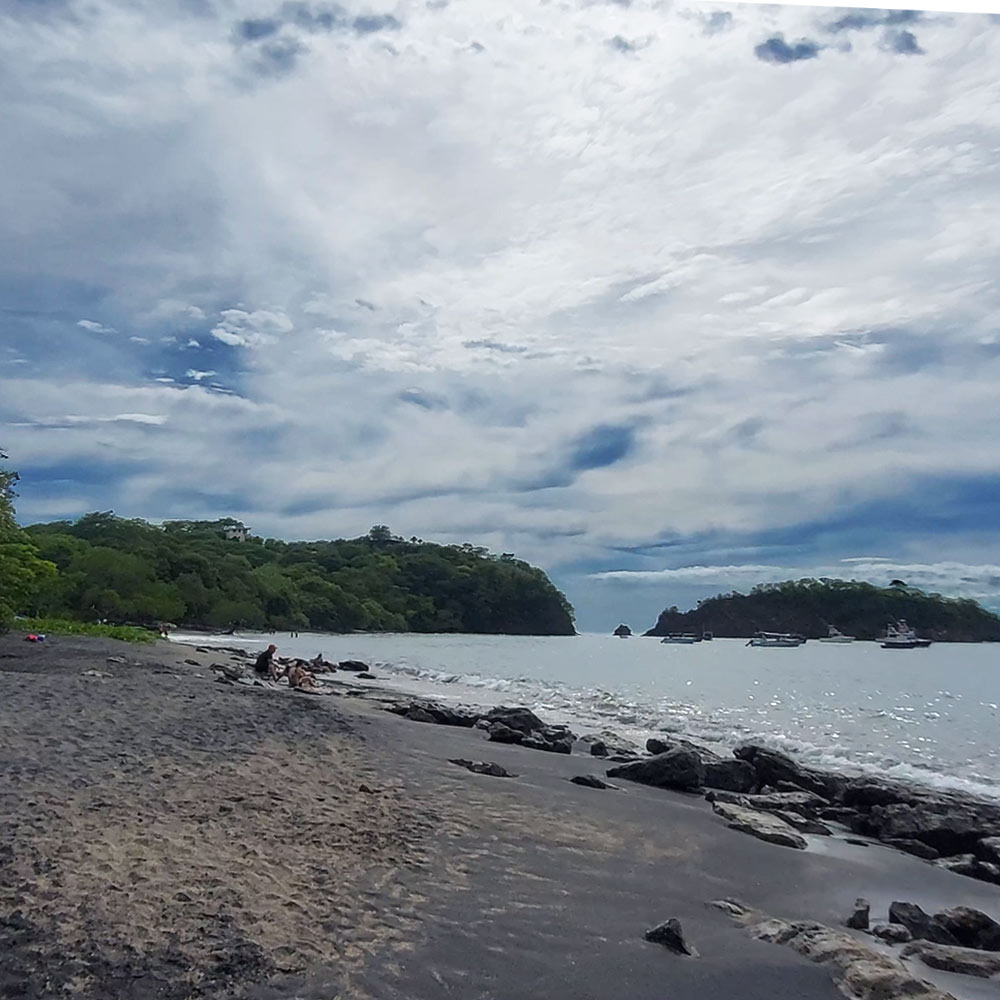
    Playa Ocotal is a small beach located in Guanacaste Province of Costa Rica. It’s well known for its super relaxing atmosphere and crystal clear water. In this blog post we’ll go over what you need to know before you go, and some videos of the beach.

    If you’re visiting Costa Rica, check out our Packing List of stuff I find useful while I’m traveling and filming in Costa Rica. We have great stuff like roll on sunscreen and bug repellant for your adventures.

    route to playa ocotal

    How To Get There

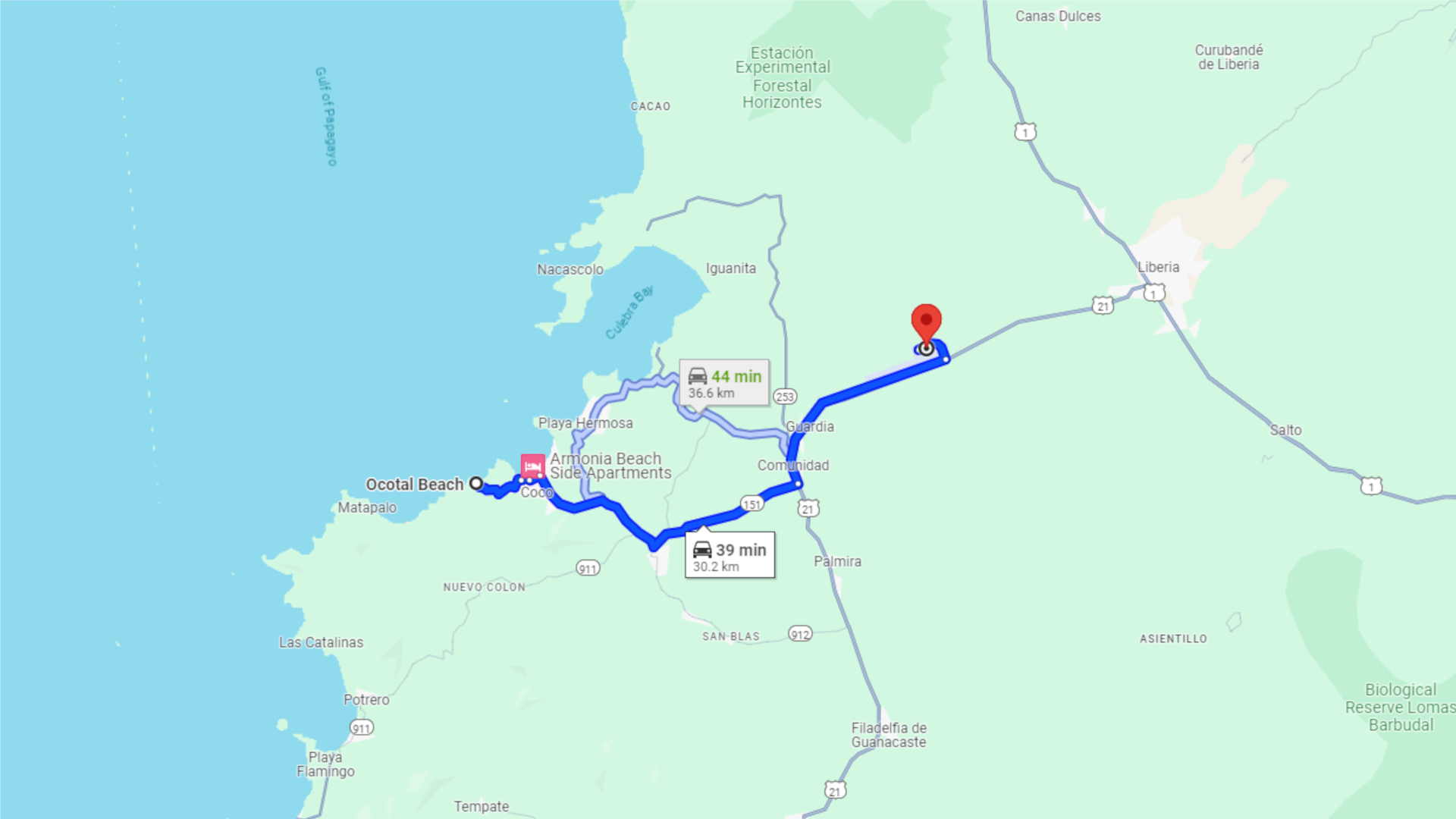
    It’s likely you’ll be arriving at the Liberia International Airport if you’re heading to Ocotal. Playa Ocotal is about an hour drive with average traffic conditions. All the roads to Ocotal are paved and passable with any car. Along the route there’s many convenience stores and supermarket to get some food and drinks at. You’ll see them on the road.

    Simply drive to Playas del Coco to begin. Both Waze App and Google Maps will take you on the best route. Once you arrive in Coco, you’ll head down the main strip. Before reaching the beach, you’ll see Rich Coast Diving on the left, and a T-junction. You’ll turn left at this junction.

    Following this road, you’ll cross a small bridge. Stay to the right and continue on the paved road all the way out to Ocotal. There’s a few roads leading off but they aren’t paved. You should have no problem staying on the main road. Be careful though, this stretch is narrow and often has children and animals within the roadway.

    At Ocotal, there’s two small roads which lead down to parking areas at the beach. The first parking area is on the road in front of the development called “Los Almendros de Ocotal”. There’s a small playground here for children. The second entrance to the beach and parking area is at Father Roosters restaurant.

    water shoes for exploring costa rica

    Pick up a pair of these awesome water shoes. I’ve been using them all over Costa Rica during my travels. They have vented soles so water drains right out the bottom! 

    Welcome To The Beach!

    Where ever you decide to park, you’ll be steps away from the beach. In the video posted below, high tide was approaching so the water was both farther up the beach and a bit more choppy. It’s also taken on a Sunday, so there’s lots of families out enjoying the water and sun.

    As you can see in the video, the wildlife is more abundant on this beach. We see a White-Throated Magpie-Jay, which looks strikingly similar to a Blue Jay. These birds are a bit bigger and have very unique features on their neck and tails. We also quickly see a Sting Ray jumping out of the water. If you happen to watch the water for a bit you’ll always see rays and fish jumping just off shore.

    Howler monkeys will also frequent the beach at Ocotal to forage through the trees. These monkeys often stay high up and just look around. They don’t try to hide though, so you can usually get some great photos of them.

    The Best Snorkeling

    Playa Ocotal often has perfect condition for snorkeling. The water is so calm that you can easily glide around looking for fish. The calm water also means that there’s better visibility, so you can spot the unique fish.

    As you look out towards the water, the right side of the beach (north) has a large rock formation that juts out into the ocean. There are deep crevasses and boulders that you can explore. The waves on this side can be stronger, and its better for more experienced snorkelers.

    The left side of the beach (south) is more protected from the waves. There’s a very shallow area that’s between the beach of Ocotal and a small island. This spot has lots of cool fish swimming around, like needlefish and pufferfish. This side is great for small kids who want to explore.

    I suggest bringing a snorkel set with you to Costa Rica. With your own set in hand you can explore Ocotal and many other nearby beaches without having to rent equipment. I use this Cressi set which is available on Amazon.

    Be Safe & Stay For A While

    Use caution with the water, as always, the water presses in on this beach heavily at high tide. Many kids were having a blast just getting thrown about in the water as it broke, but just be sure to keep a close eye on young ones.

    If you’re staying in the area, there’s many short term rentals available in the hills around Ocotal. Just be sure to have the proper plans for getting to town if you’re going to need groceries often. A rental car will do, and many people will rent golf carts for getting to/from Ocotal.

    Be sure to comment on YouTube with your own experience, tips or questions. Subscribe To Our Channel to get more videos of locations and destinations!

    FAQ for Playa Ocotal, Guanacaste, Costa Rica

    1. How do I get to Playa Ocotal from Liberia Airport?
    Playa Ocotal is about a 1 hour drive from Liberia International Airport (LIR). You can easily rent a car at the airport or take a taxi. Many visitors also arrange for shuttle services ahead of time.

    2. Is Playa Ocotal a good spot for snorkeling?
    Yes, Playa Ocotal is well-known for its clear waters, making it an excellent spot for snorkeling. You can see various marine life close to the rocky areas on either side of the beach.

    3. What is the best time to visit Playa Ocotal?
    The dry season from December to April is the most popular time to visit Playa Ocotal, as the weather is sunny and warm. However, visiting during the green season (May to November) offers lush scenery and fewer tourists.

    4. Are there any hotels or accommodations near Playa Ocotal?
    Yes, Playa Ocotal has a range of accommodations, including hotels and vacation rentals. The nearby town of Playas del Coco offers more options within a short drive.

    5. What activities can I do at Playa Ocotal?
    At Playa Ocotal, you can enjoy swimming, kayaking, paddleboarding, and beachcombing. The calm waters are also perfect for scuba diving and snorkeling.

    6. How far is Playa Ocotal from Playas del Coco?
    Playa Ocotal is located about 10 minutes from Playas del Coco by car, making it easy to visit both beaches during your trip.

    7. Is Playa Ocotal safe for swimming?
    Yes, Playa Ocotal has calm waters and is generally safe for swimming. However, it’s always best to be cautious and check local conditions, especially during high tide.

    8. Can you find restaurants and bars near Playa Ocotal?
    Yes, there is a beachfront restaurant at Playa Ocotal. For more dining options, you can drive to Playas del Coco, which offers a wider selection of eateries.

    9. Is Playa Ocotal crowded?
    Compared to nearby beaches like Playas del Coco, Playa Ocotal tends to be quieter and less crowded, making it a good spot for a peaceful day by the sea.

    10. What wildlife can you see around Playa Ocotal?
    You might spot monkeys, iguanas, and various bird species around Playa Ocotal. In the water, sea turtles and colorful fish are common sights for snorkelers and divers.

  • Downtown Jaco: Popular Tourism Destination

    Downtown Jaco: Popular Tourism Destination

    Jacó is a very popular tourism town in Costa Rica. Located on the Pacific Coast, it’s a few hours drive from the San José International Airport. Jacó is well known for its downtown nightlife, along with surfing and proximity to nature.

    If you’re heading to Costa Rica for a vacation, I suggest bringing a locking backpack to carry the stuff you pick up along the way. I like this anti theft crossbody sling bag, as I don’t have to remove it in order to access the contents. Just spin it around to the front!

    Let’s Walk!

    The walk starts at the intersection of Calle Bohio and Pastor Diaz Ave. We’ll be heading south along Pastor Diaz Ave. This road is usually very busy during the day, with both pedestrian and vehicle traffic. Pastor Diaz Ave is the main strip of Jacó which runs along the beach.

    Along this walk there are lots of tourist shops with souvenirs, food and various local themed items. Restaurants are everywhere – with pizza shops, taco joints, ice cream and cafes.

    We’ll pass by Calle Lapa Verde, which is one of the roads which connects the downtown area to Highway #1(Costanera Sur). You’ll find more shops and stores in this area, as well as a few more hotels and long term rental condos. You can find bike shops on this road as well. Check out Ciclo Xscape at the corner of Calle Lapa Verda/Costanera Sur for some cheap used bikes and parts.

    Jaco Walk – Upscale Shopping

    At the south end of the main strip, you’ll find Jaco Walk. It’s a walkable shopping center that features many unique shops and restaurants. It also has an electronics store and a playground for the kids.

    A very popular spot is Moyo, which serves frozen yogurt treats. This delicious food is a great way to cool off after a day of relaxing or surfing at the beach. Other great treats include a Sushi shop and a Crepe shop.

    If you’re planning on spending a day in the sun, I highly recommend using sunscreen. Nothing ruins a trip better than a sunburn! Sunscreen can be very expensive in Costa Rica, so I suggest bringing your own with you for your vacation. Try this Sunstick, which is a roll on sunscreen. It’s great for packing in your luggage!

    More Great Options On The Main Strip

    It’s a good idea to carry a bit of local currency in Costa Rica(called “Colones”), as some street vendors don’t accept card. When I need to take out cash with my credit card, I always use the ATM’s at Banco Nacional. They’ve always been reliable and have the lowest fees. Look for the blue sign and a ‘BN’ to find it. The one in Jacó is about 100 meters north of Jacó Walk.

    In this same area, there’s a grocery store called ‘Mas x Menos’, which is spoken as “mas para menos“. It means more for less, and it’s a Walmart brand supermarket. Here you’ll find cheap prices for many of the food essentials. It’s conveniently located and likely to be the best/biggest supermarket near your accommodations.

    Bonus Video: Check Out El Miro

    If you’re wondering what there is to do in Jacó, definitely visit the hiking trail that goes to El Miro. This hike is at the south end of Jacó, and the best part is that it’s completely free. There’s often a vendor at the bottom of the hill serving fresh juice, perfect for after the hike.

    The trail is well marked, and you can often see a variety of animals along the path. I’ve completed the trek a few times, and I’ve seen monkeys, toucans, scarlet macaws, and even a turquoise lizard.

    Jaco is a fantastic town that’s definitely worth visiting during your time in Costa Rica. With great restaurants, surfing and nightlife – you’re sure to find some entertaining experiences.

    Be sure to comment on YouTube with your own experience, tips or questions. Subscribe To Our Channelto get more videos of locations and destinations!

    Jaco Downtown FAQ: Beach Town Guide

    Q: Where is downtown Jaco located?
    A: Main street runs parallel to beach, stretches 2.5 km. Central area between beach and highway. Walking distance to everything. Runs north-south along entire beach.

    Q: What facilities exist?
    A: Full services: Large supermarkets, Medical clinics, Banks with ATMs, Pharmacy chains. Bus terminal central location. Modern shopping centers. International restaurants throughout.

    Q: How’s getting around?
    A: Walking works for most needs. Local taxis readily available ($2-5 rides). Public buses to nearby beaches. Main roads well paved. Rental cars, scooters, bikes available.

    Q: What’s nearby?
    A: Beach one block west of main street. South end quieter, north end livelier. Shopping centers east side. Bus terminal north end. Medical facilities central area.

    Q: When’s best time to visit?
    A: Shops open 8 AM – 8 PM. Restaurants until 10 PM. Bars until 2 AM. Morning coolest for walking. Afternoon rain common May-November. Evening social scene active.

    Q: What about safety?
    A: Well-lit main street. Police presence central area. Use marked taxis at night. Watch belongings at beach. ATMs inside stores safer. Main areas active day and night.

    Q: Where to find local food?
    A: Local sodas off main street ($5-10 meals). Food courts in shopping centers. Beach restaurants pricier. Small markets for fresh fruit. Evening food vendors near bus terminal.

  • Manuel Antonio National Park: A Day In Paradise

    Manuel Antonio National Park: A Day In Paradise

    This is Parque Nacional Manuel Antonio, one of the treasures of Costa Rica. This incredible beach and park is located just outside of Quepos in Puntarenas Province. This park receives a large number of international tourists every year.

    There is a fee of about $20 to enter the Parque, but it is absolutely worth the expense. This Parque is well known for it’s beautiful beaches and wildlife. In this blog post, we’ll go over how to get to Manuel Antonio and what you can expect inside.

    Check out our Shop Page with a packing list for your trip. We have great options for photography and lounging on the beach at Manuel Antonio.

    21 05 27 MANUEL ANTONIO WB

    Getting There

    If you’re heading towards Quepos from the north, you’ll simply take Route 34 south. This is the main highway, it’s well paved and in good condition. I rarely encounter traffic on the leg between Jacó and Quepos.

    From the south towards Dominical and Uvita, it’s the same highway road but you’ll drive northwards. Like the leg to the north, it’s well paved and usually not very busy.

    Once you’re in Quepos, getting to Manuel Antonio is very easy. There are ride sharing apps, cabs, and buses. Bus may be the easiest and cheapest way. The bus that heads to Manuel Antonio can be caught along the 618 road, which starts at the intersection of Calle 5 / Av.2. It will have a placard saying “Manuel Antonio”, and the fare is about 335 Colones(less than $1 USD).

    Along this route, there are lots of unique restaurants and scenic views as the road goes over the mountains. The restaurant “El Avion” is highly reviewed and very unique as it has a decommissioned airplane within the restaurant.

    When you arrive at Espadilla Beach, continue down to the end of the road. From there, you can walk up the Beach Trail to arrive at the entrance to Parque Nacional Manuel Antonio. There’s a turnstile at the entrance, and a fee of about 500 Colones.

    travel-backpack-costa-rica

    I use this sling backpack when I’m travelling in Costa Rica. It has a zipper lock to secure your stuff. I like the sling as I can flip the bag to the front for easy access.

    Navigating The Park

    You’ll have to choose which direction to take at this point. If you go to the left, you’ll have the opportunity to walk along the Sloth Path. Sloths are more out in the morning so if you’re here early it’s probably better to choose left then. If you head right, you’ll walk through an elevated bridge path which goes through Mangroves. Along this path there are monkeys which will try to steal your items. Be sure to move your backpack to the front, and take off any glasses/jewelry your don’t want to lose.

    I suggest bringing a securable backpack on your trip to Costa Rica. I like this one from Amazon, as I can lock it and it’s a sling. This allows me to quickly access the contents without removing the bag.

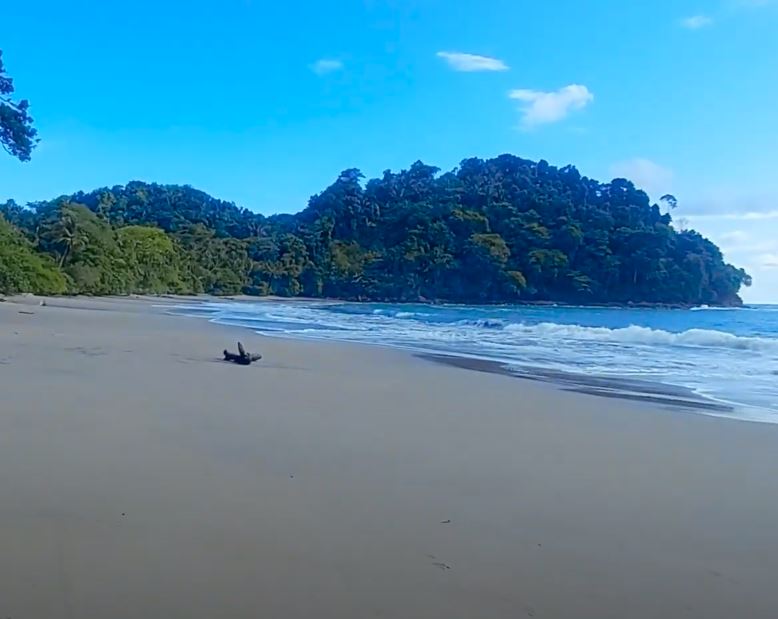
    There are two beaches on opposite sides of the peninsula. This video starts at Espadilla South Beach, with some segments on the Park Trail. It’s very scenic and quiet as well. As you come to the end of this beach, you’ll come to a junction, where you’ll be able to walk around the path at Cathedral Point. This path is less maintained but affords outstanding views of the ocean from elevated pathways.

    There’s a massive wooden lookout at this junction, which allows you to head up to tree level and look around. If you go past the wooden structure, you’ll find Manuel Antonio Beach, which is fantastic. There’s more people on this beach as it’s a crescent bay, which provides a bit more protection from the waves of the Pacific.

    You can then head back to the main gate by the alternative path to get the most out of your time in the park. This is an amazing location and certainly worth visiting if you’re staying on the South Pacific Coast.

    FOLLOW US

    Be sure to comment on YouTube with your own experience, tips or questions. Subscribe To Our Channel to get more videos of locations and destinations!

    When you visit Costa Rica, skip the headache of buying a SIM card for your cellphone. Download the Saily eSIM app and you can have a data connection when you land in either Liberia or San José.

    FAQ About Manuel Antonio National Park, Costa Rica

    What is the best time to visit Manuel Antonio National Park?
    The best time to visit Manuel Antonio National Park is during the dry season, from December to April, when you’re more likely to have clear skies and easier hiking conditions.

    How much does it cost to enter Manuel Antonio National Park?
    The entrance fee for Manuel Antonio National Park is $18 for foreign visitors. It’s recommended to book tickets online in advance, as there is a daily limit on visitors.

    Can I see wildlife in Manuel Antonio National Park?
    Yes, Manuel Antonio National Park is famous for its wildlife. You can expect to see sloths, monkeys, iguanas, and a variety of birds and reptiles while walking through the park.

    Are there beaches inside Manuel Antonio National Park?
    Yes, the park has two beautiful beaches, Playa Manuel Antonio and Playa Espadilla Sur, both of which are known for their clear waters and stunning views.

    Do I need a guide to explore Manuel Antonio National Park?
    While you can explore the park on your own, many visitors recommend hiring a guide. Guides are knowledgeable about the park’s wildlife and can help you spot animals that you might miss on your own.

    Is Manuel Antonio National Park good for families with kids?
    Yes, the park is family-friendly with easy hiking trails and calm beaches perfect for kids to swim and explore. Just be sure to bring plenty of water and sunscreen.

    How long does it take to hike through Manuel Antonio National Park?
    Depending on the trails you choose, hiking through the park can take anywhere from two to four hours. The main trail to the beaches is relatively short and manageable for most visitors.

    Is there parking available at Manuel Antonio National Park?
    Yes, there are several parking lots near the entrance of the park, but they can fill up quickly, especially during peak season. Some parking areas are privately owned and charge a small fee.

    What should I wear when visiting Manuel Antonio National Park?
    Wear comfortable clothing, sturdy walking shoes, and bring a hat, sunscreen, and insect repellent. Swimwear is recommended if you plan to enjoy the beaches, and a lightweight rain jacket can be useful during the wet season.