Category: Costa Rica

Your comprehensive guide to exploring Costa Rica, from pristine beaches to volcanic peaks. Featuring detailed maps, local insights, and practical travel advice for both rainy and dry seasons. Discover complete area guides, curated top lists of destinations, and real journey experiences through diverse regions like La Fortuna, Guanacaste, and San Jose.

Whether you’re planning your first visit, seeking hidden waterfalls, exploring national parks, or looking for authentic local experiences at farmers markets, find everything you need to know about Costa Rica’s attractions, transportation, wildlife, and activities. Updated regularly with current information about airports, car rentals, accommodations, and seasonal highlights to help you plan the perfect Costa Rica adventure.

  • Liberia, Guanacaste: Culture and Convenience

    Liberia, Guanacaste: Culture and Convenience

    Liberia is a large town in the province of Guanacaste, Costa Rica. If you’re planning a vacation in the part of Costa Rica with the best beaches, it’s likely you’ll be landing in the nearby international airport. Liberia is a hub of activity and opportunity, with many restaurants, shopping and things to do.

    Before you book your flights to Costa Rica, check out our Packing List. These are things that I find useful when I’m travelling around Liberia and Guanacaste Province.

    Great Shopping

    North of San José, there aren’t many towns with the variety of stores like Liberia. You’ll find many large department stores like Walmart and Pequeno Mundo. There’s a Pricemart, which is members only Costco like store. You can also find a store that I like, El Rey. This store has lots of different things like clothing and food at a very low price. The El Rey in Liberia is located in the middle of town.

    The downtown area of Liberia is very walkable and has loads of things to see. You can find shops for just about any purpose, like electronics and swimwear. While you’re walking there’s a lot of restaurants and snack shops. There’s even a Macdonald’s standalone ice cream stall. 

    In the walking video posted below, we’ll begin at the corner of Av 1 and Calle 1, which has the Central Church of Liberia on one corner. We’ll check out the Church and Welcome to Liberia sign, then head over to Parque Mario Canas Ruiz.

    You’ll notice that Liberia is quite busy, although there are still families and kids walking around. Some of the main roads can be busy with car traffic, but overall it’s a relaxing place to stroll around and hang out.
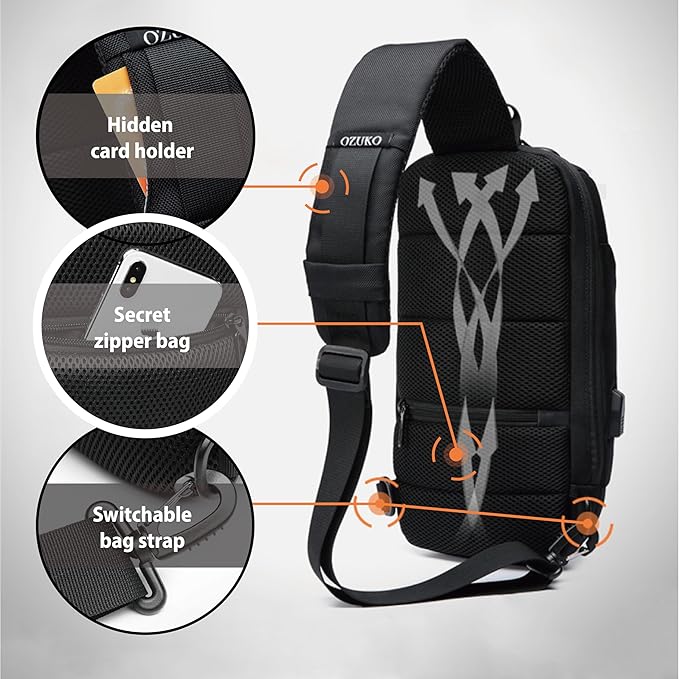
    travel-backpack-costa-rica

    I use this sling backpack when I’m travelling in Costa Rica. It has a zipper lock to secure your stuff. I like the sling as I can flip the bag to the front for easy access.

    Museum & Parques!

    Across the street from the park, there’s Museo de Guanacaste. If the front door is open you can go in and see if there’s any exhibits. A few streets further west we’ll check out Parque Hector Zuniga Rovira. This is a nice green space with some body weight exercise equipment installed. There’s a grocer at the corner of Calle 8 and Av 1 which has lots and lots of fresh produce. It’s a nice place to stop for a cold drink.

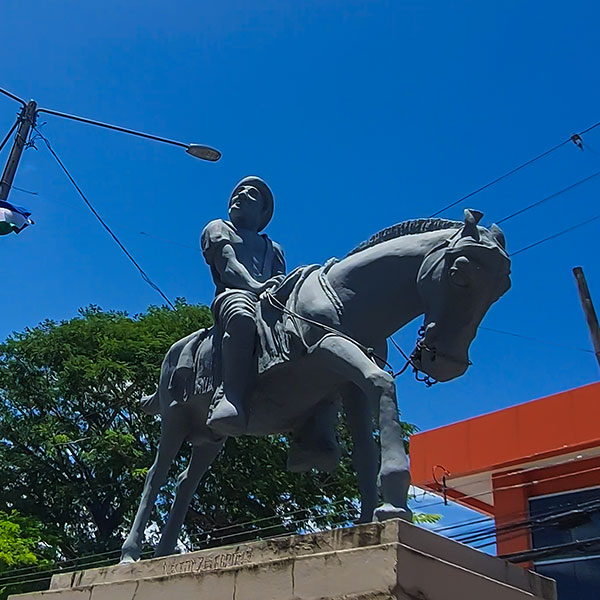
    Back towards the main road, Av 25 de Julio, there’s bigger stores and government buildings. Very well kept and clean appearance. There’s cool statues lining the median of the street as well.

    Our walk ends when we go under the Inter American Highway. This is a raised bypass highway that is the main conduit from north/south. Around this area, there’s a gas station and many fast food shops you’d be used to seeing in North America(like KFC and Burger King).

    Worth The Trip!

    Liberia is a great place to stay if you’re planning on visiting and renting a car. It’s centrally located to both the beaches of El Coco and Tamarindo, as well as National Parks. You can also drive to Samara area or La Fortuna for a bit longer trips.

    Be sure to comment on YouTube with your own experience, tips or questions. Subscribe To Our Channel to get more videos of locations and destinations!

    FAQs About Liberia, Guanacaste

    1. How far is Liberia from the beach?
    Liberia is about a 30 to 40-minute drive from popular beaches like Playa Hermosa and Playas del Coco. It’s an easy trip if you’re staying in the city and want a day by the ocean.

    2. What is the best way to get around Liberia?
    Most people find that renting a car is the most convenient way to explore Liberia and the surrounding areas. Taxis and local buses are also available, but a car gives you more flexibility to visit nearby attractions.

    3. Is Liberia a good place to stay for visiting national parks?
    Yes, Liberia is a great base for visiting national parks like Rincón de la Vieja and Santa Rosa. These parks are known for their hiking trails, waterfalls, and wildlife, and are easily accessible from Liberia.

    4. What are the best restaurants in Liberia?
    Liberia has a variety of restaurants offering everything from traditional Costa Rican food to international cuisine. Some popular spots are Jauja and Toro Negro Steakhouse.

    5. How safe is Liberia for tourists?
    Liberia is generally considered safe for tourists. As with any travel destination, it’s wise to take standard precautions, like not leaving valuables unattended and being aware of your surroundings, especially at night.

    6. What can I do in Liberia if it rains?
    If it rains during your stay in Liberia, you can visit the local museum, enjoy a coffee at one of the cafes, or explore indoor markets. The Guanacaste Museum is a good option for learning about the region’s culture and history.

    7. Where can I buy souvenirs in Liberia?
    You can find souvenirs at local markets and shops in the city center. The Mercado Central is a good place to start, offering a range of items like handmade crafts, jewelry, and local foods.

    8. Are there any cultural events or festivals in Liberia?
    Yes, Liberia is known for its cultural events, especially the annual Guanacaste Day on July 25th, which celebrates the annexation of Guanacaste. The city also hosts various rodeos, parades, and traditional dance performances throughout the year.

    9. How close is Liberia to the airport?
    Liberia is just a 15 to 20-minute drive from Daniel Oduber Quirós International Airport (LIR), making it a convenient location for travelers flying in and out of Guanacaste.

    10. What are some must-see attractions near Liberia?
    Must-see attractions near Liberia include the Rincón de la Vieja National Park for hiking and hot springs, the Llanos de Cortés Waterfall for a refreshing dip, and the historic La Ermita La Agonía church in the city itself.
  • El Miro: Hike To Jaco Beach View

    El Miro: Hike To Jaco Beach View

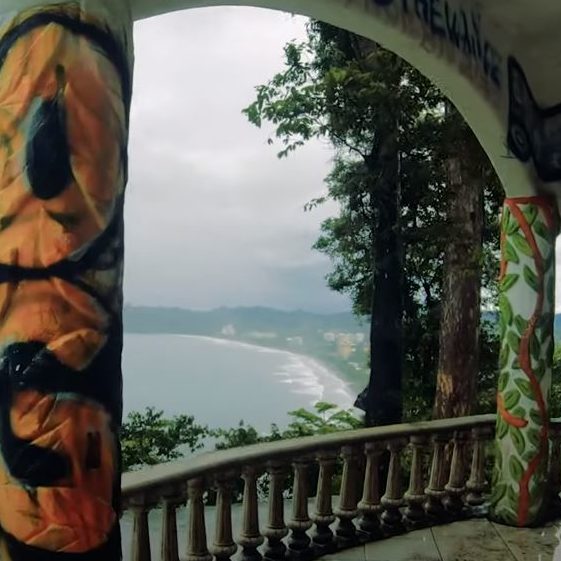
    El Miro is located in the tourist town of Jaco, Costa Rica. It’s only at the top of a very long trail that will take you up the side of a mountain. The views along the way, and all the way at the top, are amazing and well worth the journey.

    Finding The Trail

    You will locate the entrance to the trail at approximately the corner of Calle Madrigal/Costenera Sur. On your map you will find PuddleFish Brewery at the corner. There is on street parking on Calle Madrigal, as well as some limited parking on the west side of the main road.

    Costanera Sur is a very busy road, which is the main corridor along the Pacific Coast. Be very careful when crossing, especially with children, as motorists and trucks will be coming off a hill from the south. 

    You’ll first find a juice stand at the bottom, which has limited hours but amazing smoothies and fresh juices. If you decide to grab a drink before your hike, there are garbage cans along the trail for disposal.

    On The Way Up

    Once you start heading up the trail, you’ll first pass by building on the left. This building is called Villa Mariposa, it’s orange and hard to miss. Continue along a little farther and there are some winding trails with great views of the trees and hill to your sides. You’ll eventually reach a wide location on the path with an opening to the trees in the valley. This is where you’ll have an easy time seeing monkeys if there around at that day and time. 

    Another hundred meters or so up the hill, and you’ll reach a lookout point. This location has some seating areas to rest, and will afford you a really great view of Jaco and the beach below.

    Continuing on, there’s amazing inscribed paintings on the retaining wall. This part of the trail becomes a bit steeper, so be sure to have water and some snacks. Depending on the amount of rain, the trail around this part may be slightly muddy or even flowing with water.

    You’ll reach a fork on the path, where if you continue you’ll be heading towards Playa Hermosa. If you decide to continue on foot to Playa Hermosa, you can expect a very long walk. The pathway runs for quite some distance, and will deliver you to a road which is very high above Playa Hermosa. If you plan on this walk – come prepared.

    If you continue a little farther up the hill you’ll reach El Miro.

    At The Top

    The path to El Miro is very distinguishable, you’ll see a fork in the path from the Hermosa branch, with another route heading steeply up volcanic rock. Head up this short run and it will level off quickly into El Miro.

    El Miro is a three story abandoned building with amazing views, cool graffiti and lots of great architecture. The rumor is that a local family was building it as a house, when one of them passed away. Thus, the project was abandoned while only beginning to take form. 

    The entire walks up the hill at a brisk pace is about 15 minutes. With kids or dogs, expect at least 30 minutes. There’s a local horse tour that also heads up the hill as well, you can find these horses on the beach at the bottom of Calle Madrigal.

    Follow Us

    Be sure to comment on YouTube with your own experience, tips or questions. Subscribe To Our Channel to get more videos of locations and destinations!

    El Miro Jaco FAQ: Viewpoint Hike Guide

    Q: Where is El Miro located?
    A: South end of Jaco beach. Look for trail entrance across from Puddlefish restaurant. Parking available near beach access point.

    Q: How long is the hike?
    A: 20-30 minutes up at steady pace. Total round trip 1-2 hours including viewing time. Steeper sections slow progress.

    Q: What’s the difficulty level?
    A: Moderate to challenging. Steep sections with ropes for assistance. Natural trail surface. Some eroded areas. Not recommended for mobility issues. Children can complete with supervision.

    Q: What will you see?
    A: Panoramic views of Jaco Bay. South coast visibility toward Playa Hermosa. North views along beach. Mountains meeting ocean. Good for wildlife spotting.

    Q: What should you bring?
    A: Water bottle essential. Good walking shoes. Camera for views. Hat recommended for sun. Phone for safety. Small backpack useful.

    Q: When’s best time to go?
    A: Early morning before heat. Two hours before sunset for best photos. Sunrise offers clear views. Avoid midday heat. Return before dark if hiking for sunset.

    Q: What about safety?
    A: Hike with others recommended. Tell someone your plans. Watch footing on steep sections. Bring enough water. Keep valuables minimal. Return before dark.

  • Jaco’s South End: Guide to the Quiet Side

    Jaco’s South End: Guide to the Quiet Side

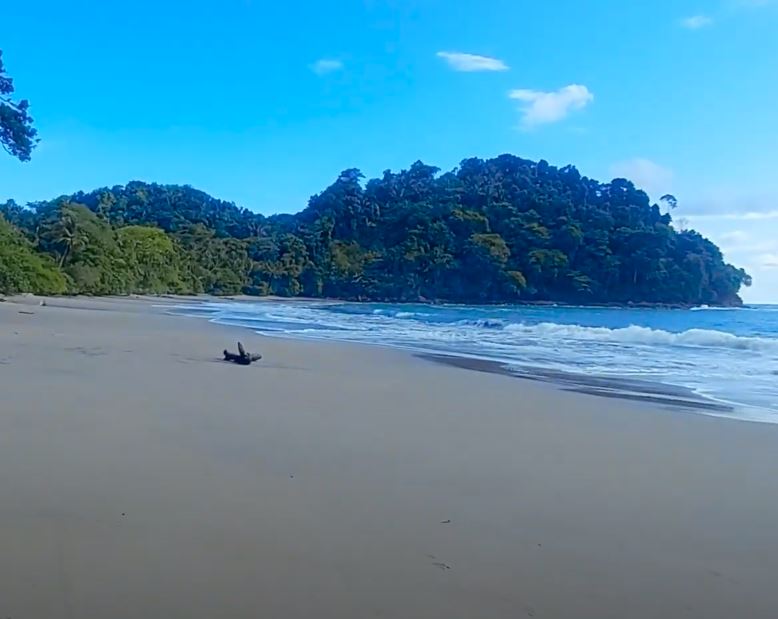
    Let’s take a walk along the beach in Jacó, Costa Rica. This popular tourist town is located in the Province of Puntarenas on the Pacific Coast. It’s known for its nightlife, access to nature and surfing.

    The beach at Jacó is very long, with different strengths of waves throughout. In this video, we’ll be strolling around the south end of the beach. This end is often less strong, and the waves roll in over a greater distance. It’s not the best for advanced surfers, but beginners will appreciate the gentle rolling waves to learn with.

    As you venture further north on the beach, you’ll find the waves will get stronger. This part of the beach has a lot of surf camp instructors, from whom you can rent boards and get lessons from.

    Visit our Shop Page for a packing list of stuff that I find very useful in Costa Rica. You can find a link for the Saily eSIM app, which let’s you connect to wireless data right when you land in Costa Rica.

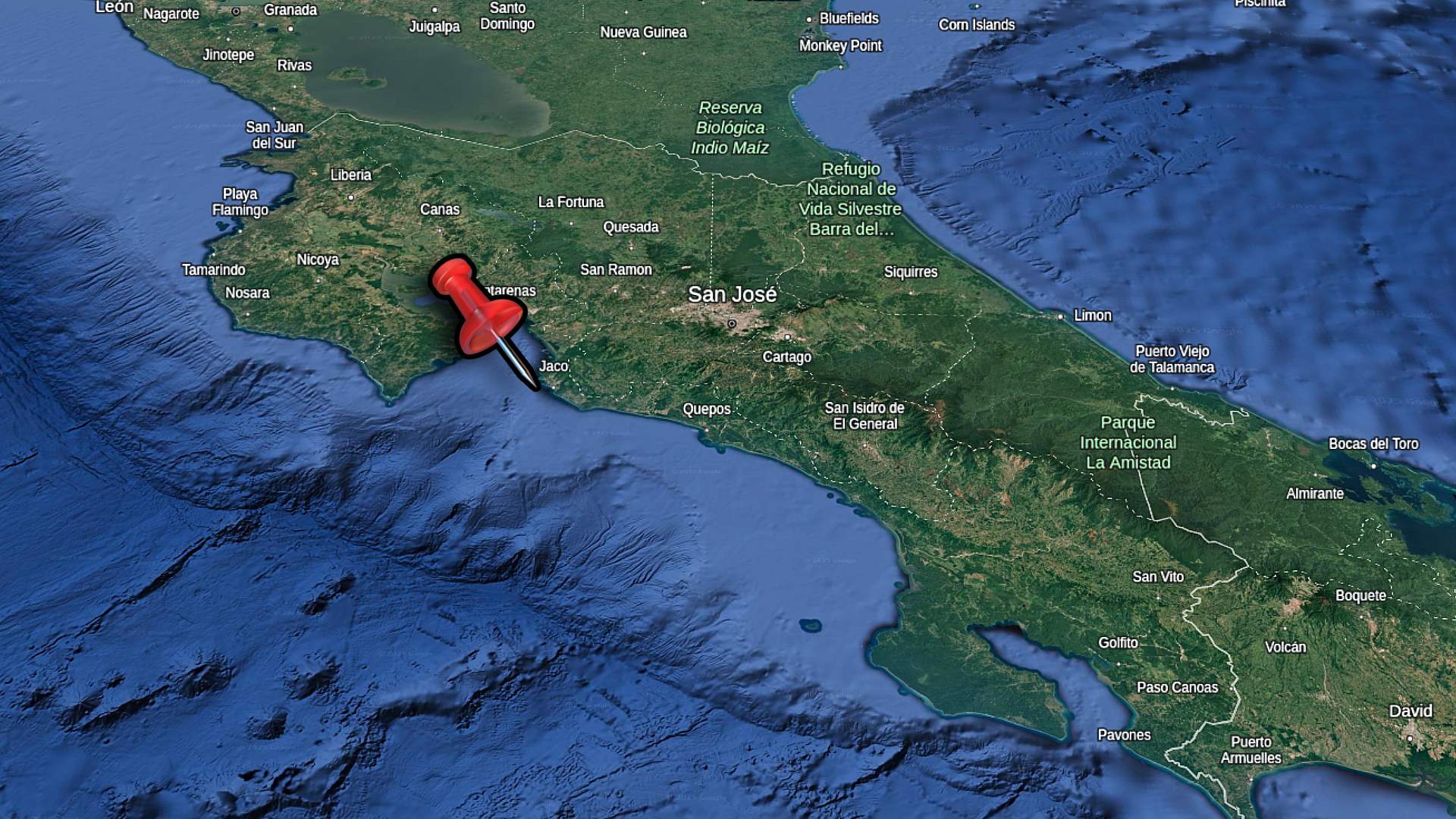
    map of costa rica jaco

    Here’s a map of Costa Rica, showing the location of Jaco. It’s about 2 hours drive from the San Jose Airport.

    About This Walking Tour

    We’re going to be walking along the southern end of Jaco for this video. There is a main road about 100 meters off the beach called Pastor Diaz Ave. This road is a main conduit for traffic to travel for Central Jaco to the beaches to the south. Along Pastor Diaz Ave, there are several side streets that bring you to the beach front.

    The roads along the beach front are slower speed and less travelled. They are great for walking and also have lots of hotels and short term stays. These locations are fantastic as you can quickly access the beach for swimming and surfing, or walk up to Central Jaco along the beach. You will have to cross several river mouths, which depending on how much rain there has been, can be quite deep and turbulent. 

    If it’s rained recently/raining and high tide, I suggest walking along Pastor Diaz Ave unless you’re rather adventurous. 

    water shoes for exploring costa rica

    Pick up a pair of these awesome water shoes. I’ve been using them all over Costa Rica during my travels. They have vented soles so water drains right out the bottom! 

    Surfs Up!

    You’re going to see surfing along the entire frontage of Jaco, usually at or around higher tide. Along the southern end, the waves break much smaller and there was less rip currents visible. If you’re heading to Jaco with young kids or you’re not a surfer, you’ll likely try surfing around this location. Even if you sign up for a daily surfing school further up the beach, you’ll be heading to this end for the lessons.

    There are surfing schools all along the beach and they’re all very nice and offer a few hours of lessons for about $50. You can also buy a high quality body board for about that price at the surf shops in town.

    Either way, if you’re not familiar with the water just ensure that when and where you enter, there are others out in the surf. It’s a good way to gauge the safety of the water – both for depth and possible turbulence.

    For stronger swimmers, further north towards Central Jaco is where you’ll see bigger waves and much stronger currents. The run out is much smaller, you can be in water up to you knees one moment and the next up to your neck. Again, watch the water for a bit to determine whose swimming/surfing it and if it’s calm enough for you to enter.

    Enjoy Your Stay

    If you’re visiting Jaco, the southern end of the beach is great for a lot of reasons. It’s less busy than Central Jaco, the beaches are calmer and you can still surf the water. There’s lots if short term rentals and hotels to choose from, try even looking on social media for posts about rentals for a month or so. 

    Be sure to comment on YouTube with your own experience, tips or questions. Subscribe To Our Channel to get more videos of locations and destinations!

    FAQ: South End of Jaco, Costa Rica

    What is the South End of Jaco like?
    The South End of Jaco is quieter compared to the busier north, offering more relaxed vibes and fewer crowds. It’s great for surfing and enjoying nature.

    2. Is the South End of Jaco good for beginner surfers?
    Yes, this area has consistent waves that are ideal for beginner and intermediate surfers. Many surf schools operate in the area.

    3. Are there restaurants near the South End of Jaco?
    Yes, there are several local eateries and beachside restaurants where you can enjoy fresh food during your time at the beach.

    4. Can you swim at the South End of Jaco?
    The South End is more swimmable, but still be aware of strong currents. Always check the conditions before getting into the water.

    5. Is there wildlife at the South End of Jaco?
    Yes, you may see scarlet macaws, iguanas, and fish jumping in the water.

    6. What’s the best way to get to the South End of Jaco?
    You can easily drive or bike from central Jaco. Walking is also an option since it’s not too far from the main town.

    7. Are there hiking trails near the South End of Jaco?
    Yes, there are nearby trails that offer beautiful views of the Pacific Ocean and the surrounding forests. One is called ‘El Miro’.

    8. Is the South End of Jaco family-friendly?
    Yes, it’s a calmer spot that’s great for families looking to relax, enjoy the beach, and explore nature without the busy crowds.

    9. What’s the best time of day to visit the South End of Jaco?
    Morning and late afternoon are the best times to visit for surfing, swimming, and catching a beautiful sunset.

    10. Can I find accommodation near the South End of Jaco?
    Yes, there are hotels, hostels, and vacation rentals that cater to a range of budgets, all within walking distance of the beach.

  • Manuel Antonio National Park: A Day In Paradise

    Manuel Antonio National Park: A Day In Paradise

    This is Parque Nacional Manuel Antonio, one of the treasures of Costa Rica. This incredible beach and park is located just outside of Quepos in Puntarenas Province. This park receives a large number of international tourists every year.

    There is a fee of about $20 to enter the Parque, but it is absolutely worth the expense. This Parque is well known for it’s beautiful beaches and wildlife. In this blog post, we’ll go over how to get to Manuel Antonio and what you can expect inside.

    Check out our Shop Page with a packing list for your trip. We have great options for photography and lounging on the beach at Manuel Antonio.

    21 05 27 MANUEL ANTONIO WB

    Getting There

    If you’re heading towards Quepos from the north, you’ll simply take Route 34 south. This is the main highway, it’s well paved and in good condition. I rarely encounter traffic on the leg between Jacó and Quepos.

    From the south towards Dominical and Uvita, it’s the same highway road but you’ll drive northwards. Like the leg to the north, it’s well paved and usually not very busy.

    Once you’re in Quepos, getting to Manuel Antonio is very easy. There are ride sharing apps, cabs, and buses. Bus may be the easiest and cheapest way. The bus that heads to Manuel Antonio can be caught along the 618 road, which starts at the intersection of Calle 5 / Av.2. It will have a placard saying “Manuel Antonio”, and the fare is about 335 Colones(less than $1 USD).

    Along this route, there are lots of unique restaurants and scenic views as the road goes over the mountains. The restaurant “El Avion” is highly reviewed and very unique as it has a decommissioned airplane within the restaurant.

    When you arrive at Espadilla Beach, continue down to the end of the road. From there, you can walk up the Beach Trail to arrive at the entrance to Parque Nacional Manuel Antonio. There’s a turnstile at the entrance, and a fee of about 500 Colones.

    travel-backpack-costa-rica

    I use this sling backpack when I’m travelling in Costa Rica. It has a zipper lock to secure your stuff. I like the sling as I can flip the bag to the front for easy access.

    Navigating The Park

    You’ll have to choose which direction to take at this point. If you go to the left, you’ll have the opportunity to walk along the Sloth Path. Sloths are more out in the morning so if you’re here early it’s probably better to choose left then. If you head right, you’ll walk through an elevated bridge path which goes through Mangroves. Along this path there are monkeys which will try to steal your items. Be sure to move your backpack to the front, and take off any glasses/jewelry your don’t want to lose.

    I suggest bringing a securable backpack on your trip to Costa Rica. I like this one from Amazon, as I can lock it and it’s a sling. This allows me to quickly access the contents without removing the bag.

    There are two beaches on opposite sides of the peninsula. This video starts at Espadilla South Beach, with some segments on the Park Trail. It’s very scenic and quiet as well. As you come to the end of this beach, you’ll come to a junction, where you’ll be able to walk around the path at Cathedral Point. This path is less maintained but affords outstanding views of the ocean from elevated pathways.

    There’s a massive wooden lookout at this junction, which allows you to head up to tree level and look around. If you go past the wooden structure, you’ll find Manuel Antonio Beach, which is fantastic. There’s more people on this beach as it’s a crescent bay, which provides a bit more protection from the waves of the Pacific.

    You can then head back to the main gate by the alternative path to get the most out of your time in the park. This is an amazing location and certainly worth visiting if you’re staying on the South Pacific Coast.

    FOLLOW US

    Be sure to comment on YouTube with your own experience, tips or questions. Subscribe To Our Channel to get more videos of locations and destinations!

    When you visit Costa Rica, skip the headache of buying a SIM card for your cellphone. Download the Saily eSIM app and you can have a data connection when you land in either Liberia or San José.

    FAQ About Manuel Antonio National Park, Costa Rica

    What is the best time to visit Manuel Antonio National Park?
    The best time to visit Manuel Antonio National Park is during the dry season, from December to April, when you’re more likely to have clear skies and easier hiking conditions.

    How much does it cost to enter Manuel Antonio National Park?
    The entrance fee for Manuel Antonio National Park is $18 for foreign visitors. It’s recommended to book tickets online in advance, as there is a daily limit on visitors.

    Can I see wildlife in Manuel Antonio National Park?
    Yes, Manuel Antonio National Park is famous for its wildlife. You can expect to see sloths, monkeys, iguanas, and a variety of birds and reptiles while walking through the park.

    Are there beaches inside Manuel Antonio National Park?
    Yes, the park has two beautiful beaches, Playa Manuel Antonio and Playa Espadilla Sur, both of which are known for their clear waters and stunning views.

    Do I need a guide to explore Manuel Antonio National Park?
    While you can explore the park on your own, many visitors recommend hiring a guide. Guides are knowledgeable about the park’s wildlife and can help you spot animals that you might miss on your own.

    Is Manuel Antonio National Park good for families with kids?
    Yes, the park is family-friendly with easy hiking trails and calm beaches perfect for kids to swim and explore. Just be sure to bring plenty of water and sunscreen.

    How long does it take to hike through Manuel Antonio National Park?
    Depending on the trails you choose, hiking through the park can take anywhere from two to four hours. The main trail to the beaches is relatively short and manageable for most visitors.

    Is there parking available at Manuel Antonio National Park?
    Yes, there are several parking lots near the entrance of the park, but they can fill up quickly, especially during peak season. Some parking areas are privately owned and charge a small fee.

    What should I wear when visiting Manuel Antonio National Park?
    Wear comfortable clothing, sturdy walking shoes, and bring a hat, sunscreen, and insect repellent. Swimwear is recommended if you plan to enjoy the beaches, and a lightweight rain jacket can be useful during the wet season.

  • Crocodile Bridge: Spot Giants In Costa Rica

    Crocodile Bridge: Spot Giants In Costa Rica

    Sight Seeing Crocodiles:
    Stop At This Bridge For Great Views

    Let’s visit the Crocodile Bridge, which is located in Puntarenas, Costa Rica. This bridge is a fantastic tourist attraction, as it’s free and you can check out the crocodiles from a safe distance.

    The Crocodile Bridge is located on Highway #34, also called Costanera Sur. If your vacation in Costa Rica begins at the San Jose Airport, you’ll drive about about 1.5 hours to get to the bridge. It’s a great place to stop if you’re on the way to Jacó, Manuel Antonio, Uvita or the Osa Peninsula.

    Check out our Shop Page with some necessities for your trip. We have great options for photography to capture the wildlife like at the Crocodile Bridge.

    route to the crocodile bridge in tarcoles, costa rica
    Driving From San Jose Towards Jacó

    What’s The Bridge Like?

    This bridge goes across the main highway/road which heads south along the Pacific Coast. It’s very busy as it’s the fastest way to travel south for all types of traffic. There are two sidewalks along the sides bridge with concrete barriers separating the lanes. 

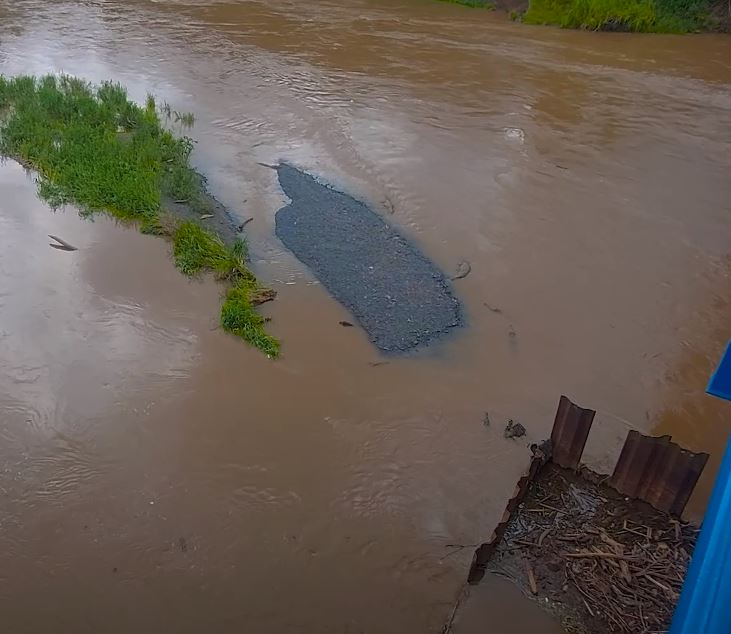
    The bridge spans across the Tarcoles River, which locally is called “Río Grande de Tarcoles”. This river feeds many animals in addition to the crocodiles. This river collects water from the central valleys of Costa Rica, flowing into the Gulf of Nicoya. 

    On the north side of the bridge, that is the side closest to San Jose, you’ll find a lot of shopping options. There’s a great coffee shop, POPS ice-cream, restaurants and lots of places to grab a souvenir. There’s also ample parking on both sides of the road.

    I recommend using a secure backpack when visiting Costa Rica. It’s nice to know my stuff isn’t going to fall out of my pack, inadvertently or intentionally. I like using a sling pack like this one on Amazon. It’s got great room but is conveniently carried.

    Pick up a pair of these awesome water shoes. I’ve been using them all over Costa Rica during my travels. They have vented soles so water drains right out the bottom! Great for going to the beach and walking through town, or exploring rivers.


    Buy On Amazon

    Seeing The Crocodiles

    Directly under the bridge, about half way across, there’s a small island which splits the river for a short distance. This is the best vantage point to spot the crocs. There’s usually a handful of crocodiles hanging out on the shores.

    It’s cool to see the different sizes of the crocodiles. Many are similar in size, but every time I’ve gone I’ll catch an absolute monster sized one. The head on this one is the size of many of the other crocs entire body. If you’re lucky you’ll get a good angle to take a photo of these big crocodiles.

    It’s also incredible seeing these animals move through the murky water. They glide across effortlessly and quickly. From above you can clearly see them, but it’s easy to imagine that at water level they can be perfect predators. It’s a great reminder to stay out of murky water in the rivers when visiting Costa Rica.

    When you’re finished checking out the crocodiles, grab a snack and continue your journey. You’ll drive about 30 more minutes over some mountains before you arrive at the popular beach town of Jacó. 

    You’re sure to enjoy the Crocodile Bridge if you’re visiting. Please leave a comment on our YouTube channel with your thoughts, experience or tips!

    FAQ About the Crocodile Bridge in Costa Rica

    Where is the Crocodile Bridge located in Costa Rica?

    The Crocodile Bridge is located along Route 34, near the Tarcoles River, in the Puntarenas Province of Costa Rica. It’s an easy stop on the way to Jaco or Manuel Antonio.

    Can I see crocodiles at the Crocodile Bridge year-round?

    Yes, you can see crocodiles at the Crocodile Bridge all year. The crocodiles are usually visible sunbathing or swimming in the river below the bridge.

    Is it safe to stop and view the crocodiles from the bridge?

    Yes, it’s generally safe to stop and view the crocodiles from the bridge. However, be cautious of traffic, as the bridge is located on a busy highway.

    How big are the crocodiles at Crocodile Bridge?

    The crocodiles at Crocodile Bridge are massive, with some reaching lengths of up to 15 feet. These American crocodiles are among the largest reptiles in Costa Rica.

    Is there a fee to visit Crocodile Bridge?

    No, visiting the Crocodile Bridge is free. It’s a public spot where you can stop, park, and observe the crocodiles from the bridge at no cost.

    When is the best time to visit Crocodile Bridge?

    The best time to visit Crocodile Bridge is during the late morning or early afternoon when the sun is high, and the crocodiles are more likely to be out of the water, basking on the banks.

    How close can I get to the crocodiles?

    You can safely view the crocodiles from the bridge, which gives you a clear vantage point. However, do not attempt to approach the riverbanks, as these are wild and dangerous animals.

    Are there any restaurants or facilities near Crocodile Bridge?

    Yes, there are a few local restaurants and souvenir shops close to Crocodile Bridge where you can grab a bite to eat or pick up a souvenir after viewing the crocodiles.

    Can I take a guided tour of Crocodile Bridge?

    While most people visit Crocodile Bridge on their own, there are guided tours available that include a stop at the bridge as part of a larger tour of the area.

    What else is there to do near Crocodile Bridge?

    Besides visiting the Crocodile Bridge, you can explore nearby attractions like Carara National Park for wildlife spotting, or head to the nearby beach towns like Jaco for more outdoor activities and dining options.