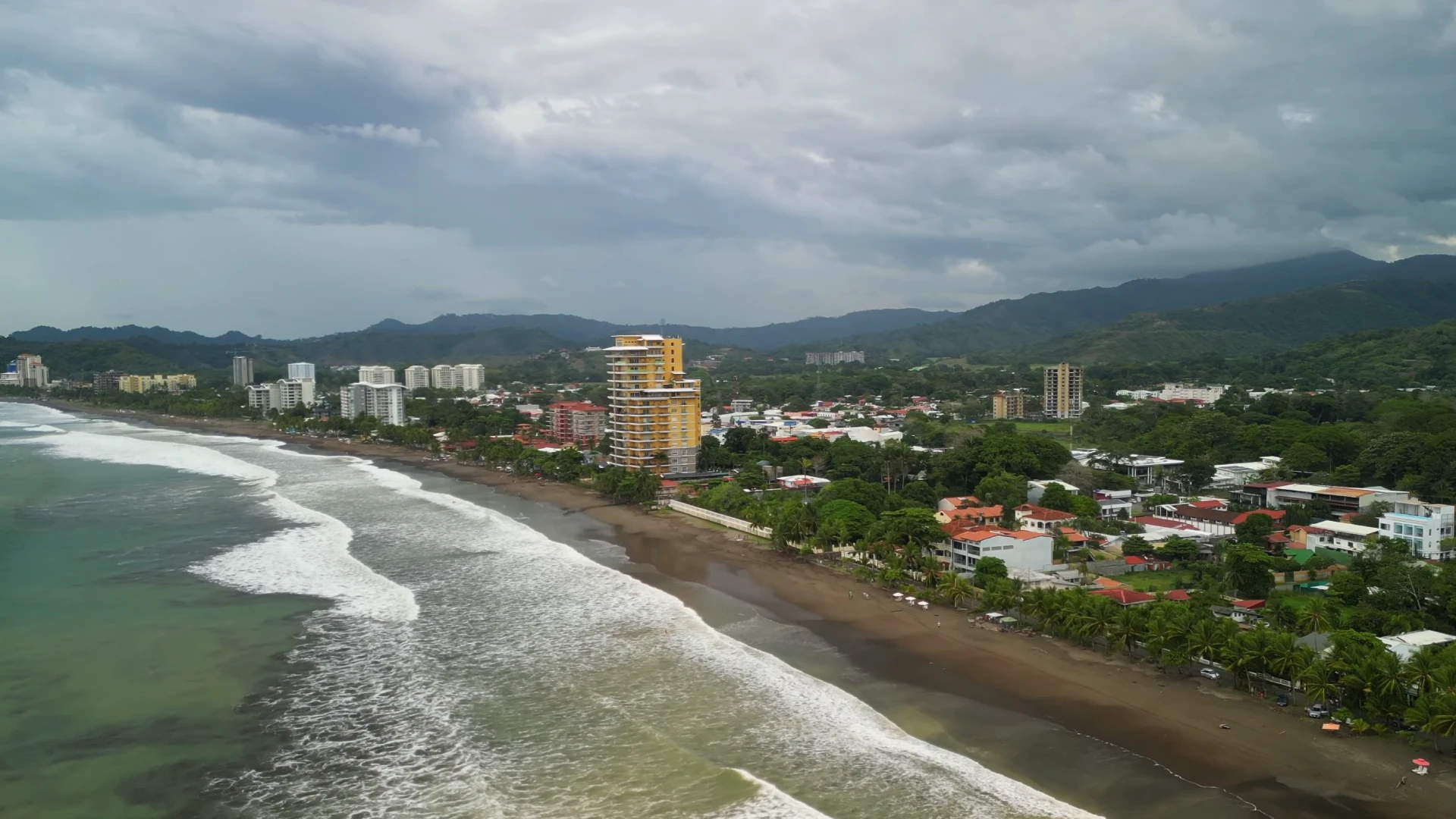
Category: Top Lists

Curated collections of Costa Rica’s must-visit destinations and experiences. From the best beaches in Guanacaste to hidden waterfalls near La Fortuna, our Top Lists help you discover the country’s highlights. Each list features local recommendations, practical travel tips, and detailed location information for places like Playa Hermosa, Rio Celeste, and Playa del Coco.

Whether you’re searching for the top hiking trails, most scenic waterfalls, or best local markets, these carefully selected lists combine insider knowledge with traveler favorites to help you plan your perfect Costa Rica adventure.

  • Best Places To Stay In Costa Rica (2026)

    Best Places To Stay In Costa Rica (2026)

    Picking where to stay in Costa Rica can make or break your trip. The North Pacific coast feels completely different from the South. Beach towns have their own personalities. La Fortuna up in the mountains is nothing like the surf scene in Jaco. You need to match the location to what you actually want out of your vacation.

    I’ve driven all over Costa Rica filming these places for my YouTube channel. I stayed in condos in Playas del Coco. I walked the nightlife strip in Jaco. I dealt with the rough roads getting into Santa Teresa. I woke up early in La Fortuna hoping the clouds would clear off Arenal Volcano. These aren’t just places I researched online. I actually stayed there and figured out what works.

    This guide covers four different areas I know well. Each one serves a different type of traveler. I’ll break down the neighborhoods, tell you what it actually costs, and explain the logistics of getting there. By the end you’ll know exactly which area fits your trip.

    Table Of Contents

    Estimated Reading Time: 20 Minutes

    Playas del Coco & Ocotal: Best for First-Timers

    Why This Area Works for First-Timers

    Playas del Coco is just 30 minutes from Liberia International Airport on well paved roads. This is the closest real beach town to the airport. Not a resort complex. An actual Costa Rican town with supermarkets, banks and restaurants.

    The area gives you options. Playas del Coco has a variety of dining and nightlife options. Playa Ocotal is 10 minutes away with some of the best snorkeling and quieter beaches. You can stay in one spot and do both.

    If you’d like to read a comprensive guide to Playas del Coco, visit our blog post.

    Where to Stay: Neighborhood Breakdown

    Los Palmas (northern Coco) has cheaper condos close to the beach. Small commercial area with a supermarket, coffee shop, and restaurants. Quieter than downtown at night.

    Downtown Coco puts you in the middle of everything. Main beach strip, restaurants, park. Water isn’t as clear here but you can walk everywhere. Gets busy on weekends. Parking is tight.

    Pacifico is the gated development with higher prices. Auto Mercado is there as a higher end grocer. Pools and maintained grounds. They have a gym in the attached commercial plaza as well.

    Ocotal has black sand, crystal clear water, and excellent snorkeling on both ends. Rough road for the last couple kilometers. Dolce Vita and Serena Suites are the main condo options. Less crowded than Coco but a bit of a drive to get to. You can rent a golf car to go between Coco & Ocotal.

    Practical Details

    The 30 minute drive from Liberia is straightforward until you hit the beach towns. Downtown Coco has paid parking and guys who watch your car for money. The road to Ocotal is mostly paved and a 5-10 minute drive from downtown Coco.

    For groceries I often go to Mega Super across from Pacifico. They have great selection and low prices. The Super Compro on the Ocotal road has cheaper prices as well. There’s a fish market on the road to Ocotal that sells fresh catches.

    Playa Hermosa is 10 minutes away. Tamarindo is an hour south. Both easy day trips if you want to compare beach scenes.

    Travel Tip: Bring a pair of water shoes when you’re exploring the beaches in Costa Rica. They let you keep your shoes on while you walk to the beach, in the water and around the tide pools.

    Jaco: Best for Nightlife & Surf

    Why Stay in Jaco

    Jaco has the most developed nightlife of any beach town in Costa Rica. More bars and restaurants per block than anywhere else I’ve walked. The town runs along one main strip parallel to the beach. Everything is walkable if you can handle the heat.

    The beach has year round surf. It’s close to San Jose at about 1.5 hours. If you’re flying into SJO instead of Liberia, this is your easiest Pacific beach option.

    Jaco is a great place for surfing and nightlife. If you’re traveling with kids, check out Best Places For Families blog post.

    The Jaco Experience

    I walked the nightlife strip on a Tuesday night around 10pm. Still pretty lively. Orange Pub and XTC are the well known drinking spots. There’s a casino downtown. Rolling Thunder Saloon had a band practicing when I walked by.

    The liquor store density is insane. You can’t walk more than a block without passing another one. Pizza Hut, KFC, Subway are all here if you need familiar food. Mega Super for groceries. There’s a Viniy convenience store at the main intersection downtown. It’s an easy stop for some basic groceries and things you need for the beach.

    The walk from one end of the strip to the other takes about 20 minutes at a casual pace. Beach access points run along the whole strip. Some of the beach access points have better parking options that are closer to the water.

    Jaco has a ladies of the evening scene. It’s just part of the town. You’ll get solicited walking around at night. The Cocal Casino is known for this. If that’s not your thing, just be aware it’s present.

    Where to Stay in Jaco

    I’ve stayed at the south end of Jaco as well. It’s quieter than downtown but still walkable to restaurants. The south end of the beach is also less crowded. Families with kids will appreciate the vibe and calmer waves at this end of the beach.

    Downtown puts you right in the action. Walking distance to everything. It can get loud at night from the bars. If you’re here for the nightlife scene, stay downtown. If you want to sleep, stay at one of the ends.

    What to Know

    It’s hot and humid in Jaco. I was sweating just walking around at night. Bring light clothing. The heat during the day would be much worse.

    Crowds pick up on weekends. Prices run higher than other beach towns because everything is more developed. You’re paying for the convenience and the scene.

    Security is fine if you’re aware. I walked around at night with camera gear and didn’t have issues. Just don’t be stupid about it. The police presence is visible downtown but there will still be unbecoming behavior.

    Travel Tip: When I’m exploring bustling places like Jaco, I bring my lockable sling backpack. That way I know none of my valuables will wander away when I’m not looking!

    La Fortuna: Best for Adventure Base & Volcano Access

    Why Stay in La Fortuna

    La Fortuna is at the base of Arenal Volcano, about 3 hours from San Jose airport. This is the stopover point between the Pacific and Caribbean coasts. If you’re doing a coast-to-coast trip, you’ll probably spend a night here.

    The town exists because of the volcano and adventure tourism. Tour operators line every street. Hot springs are everywhere. The air feels fresh and cool compared to the beach. It’s a relief after the coastal humidity.

    Arenal Volcano views depend entirely on cloud cover. Most times I’ve been here, clouds hide the volcano. The volcano is best seen in the mornings before the clouds set in, so take a look when you first wake up.

    Landing at SJO Airport and heading to La Fortuna? Visit our blog post about that trip with some great stops along the way.

    Downtown La Fortuna

    The town is clean and well maintained. The central park has sitting areas, a big tree, and Christmas lights during December. Security guards patrol the park at night so families can enjoy it.

    Everything is walkable downtown. Restaurants, tour operators, the church, grocery stores. Shops stay open late because tourists come back from day tours and need to eat or book the next activity.

    There’s a few gyms right in the downtown square, which is great if you’re staying in a nearby hostel. You’ll also find a few large dollar style stores and grocery stores. The municipal bus station is a few streets over if you’re traveling by bus.

    Where to Stay

    When I visit La Fortuna I try to find hostels with private rooms. This gives the best bang for buck, as they usually have full kitchens. You’ll also find a lot of options on Airbnb on the outside of town. I found a nice 2 bedroom apartment about 3 minutes drive from downtown for a fair price.

    Downtown is my preference though, as it puts you walking distance to everything. Restaurants, tour booking, the park. You’ll hear some noise at night but it’s not crazy like Jaco.

    The road heading toward the volcano has resort-style accommodations and hot springs. You’ll need to drive or take tours to get back to town. Trade-off is better views and direct hot spring access.

    What You Can Do

    Free hot springs are down the road toward the town of Nuevo Arenal. Check the Youtube video for a review and tour of that location. There’s a lot of paid hot springs as well. These are resort style with multiple pools and bars, and a higher price.

    Volcano hikes happen when weather permits. Hanging bridges, waterfall tours, all the standard adventure activities operate out of La Fortuna. You’ll have no trouble finding a tour operator to take you on these adventures.

    The town itself has a modest night scene. Restaurants, a few bars, nothing wild. Most people are exhausted from day tours anyway.

    Travel Tip: Don’t underestimate the amount of rain you can get in La Fortuna. It’s what keeps it so lush and green. Bring a high quality umbrella for your exploration.

    If these blog posts and videos help plan your Costa Rica vacation, please support our channel.

    Follow Us

    Keep up with our latest Costa Rica travel videos and guides by subscribing to our YouTube channel. We regularly post new content showing real conditions across different regions and seasons.

    Planning a trip to Costa Rica? Contact us — we help with itineraries, logistics, and finding the spots most tourists miss.

    Frequently Asked Questions

    Where should I stay in Costa Rica for the first time?

    Playas del Coco works best for first-timers. It’s 30 minutes from Liberia Airport on paved roads. You get a real Costa Rican town with supermarkets, restaurants, and nightlife instead of just a resort bubble. Ocotal is 10 minutes away for snorkeling. The infrastructure is solid and you can walk to most things downtown.

    What’s the best beach town near Liberia Airport?

    Playas del Coco is the closest real beach town at 30 minutes from the airport. The drive is straightforward on paved roads. You get actual town infrastructure with banks, grocery stores, and local restaurants. Downtown has nightlife and the beach. Los Palmas has cheaper condos. Ocotal is right next door for better snorkeling.

    Is La Fortuna worth staying overnight?

    Yes, especially if you’re doing a coast-to-coast trip. The town is 3 hours from San Jose and makes a good stopover. You need at least one night to do hot springs and volcano activities. The air is cooler than the beach, which is a relief. Downtown is walkable with good restaurants. Free hot springs are down the road toward the volcano.

    Is it safe to travel to Costa Rica right now?

    Costa Rica is generally safe for tourists. I’ve walked around Jaco at night with camera gear and had no issues. La Fortuna has security guards in the park at night. Downtown Coco has visible police presence. Standard safety rules apply. Don’t be stupid about it. Keep aware of your surroundings. Avoid sketchy areas that locals warn you about.

    What are the best beaches in Costa Rica?

    Ocotal has crystal clear water and excellent snorkeling on both ends. Black sand beach, less crowded than most. Playas del Coco is good for convenience and walkability. Santa Teresa pulls the surf crowd with consistent waves. Jaco has year-round surf but the water isn’t as clear. Each beach serves different purposes. Ocotal for snorkeling, Coco for first-timers, Santa Teresa for surf culture, Jaco for nightlife.

    Do you need a passport to go to Costa Rica?

    Yes, you need a valid passport to enter Costa Rica. Your passport should be valid for at least six months beyond your planned departure date. US and Canadian citizens don’t need a visa for tourist visits up to 90 days. Immigration will ask how long you’re staying and where you’re going. Have a return ticket ready to show them.

    What’s the best time of year to visit Costa Rica?

    December through April is dry season on the Pacific coast. This is peak tourist season. Less rain, more crowds, higher prices. May through November is rainy season but it doesn’t rain all day. Mornings are usually clear. You get better prices and fewer tourists. The Caribbean side has different weather patterns with rain possible year-round.

    Should I stay in one place or move around Costa Rica?

    Depends on trip length. One week or less, pick one base and do day trips. Two weeks, split between beach and mountains works well. Playas del Coco for 4-5 days, then La Fortuna for 2-3 days, then another beach town. Moving around every 2 days gets exhausting. Give yourself at least 3 nights per location to settle in.

    Is Jaco safe for tourists?

    Jaco is safe if you’re aware. Police presence is visible downtown. I walked around at night with camera gear without issues. The ladies of the evening scene is present, especially around Cocal Casino. You’ll get solicited walking around. Just be smart about it. Don’t flash expensive stuff. The nightlife scene attracts some sketchy elements but most tourists have no problems.
  • Best Spring Break Destinations in Costa Rica: Complete 2026 Guide

    Best Spring Break Destinations in Costa Rica: Complete 2026 Guide

    Spring break in Costa Rica delivers exactly what you need after months of winter – sunshine, warm beaches, and adventure activities. March and April fall at the end of Costa Rica’s dry season, meaning minimal rain and consistent blue skies. The country offers options for every spring break style, from party beach towns to family adventure destinations.

    Costa Rica attracts two distinct spring break crowds. College students flock to beach towns with active nightlife and surf culture. Families choose destinations that balance adventure activities with relaxation, taking advantage of school breaks to explore the volcanoes, rainforests, and wildlife.

    This guide covers what you need to know about spring break timing and crowds, then breaks down the best destinations by traveler type. Whether you want beachfront parties or family-friendly volcano hikes, you’ll find the right Costa Rica destination for your spring break plans.

    Travel Tip: You don’t need to buy a SIM card when you land in Costa Rica to get data connection. With an eSIM, you’ll be able to configure your data connection before you depart for your vacation. I use the Saily eSIM in Costa Rica.

    Table Of Contents

    Estimated Reading Time: 10 Minutes

    1. Spring Break in Costa Rica: What to Know

    Spring break timing in Costa Rica coincides with peak tourism season. Understanding when crowds hit and how to prepare makes the difference between a smooth trip and logistical headaches.

    Weather and Timing

    March and April mark the end of Costa Rica’s dry season. These months deliver the year’s best weather – sunny days, warm temperatures, and minimal rainfall. Pacific coast beaches stay dry and hot. Mountain regions like La Fortuna have clear volcano views without afternoon clouds.

    North American spring break typically runs mid-March through mid-April. Costa Rican Holy Week (Semana Santa) falls in early to mid-April, usually around Easter. This week creates the year’s busiest domestic travel period as Costa Ricans head to beaches for vacation.

    Temperature varies by elevation. Beach towns like Tamarindo and Jacó hit 85-95°F during the day. Mountain destinations like La Fortuna stay cooler at 75-85°F. Pack accordingly based on your itinerary.

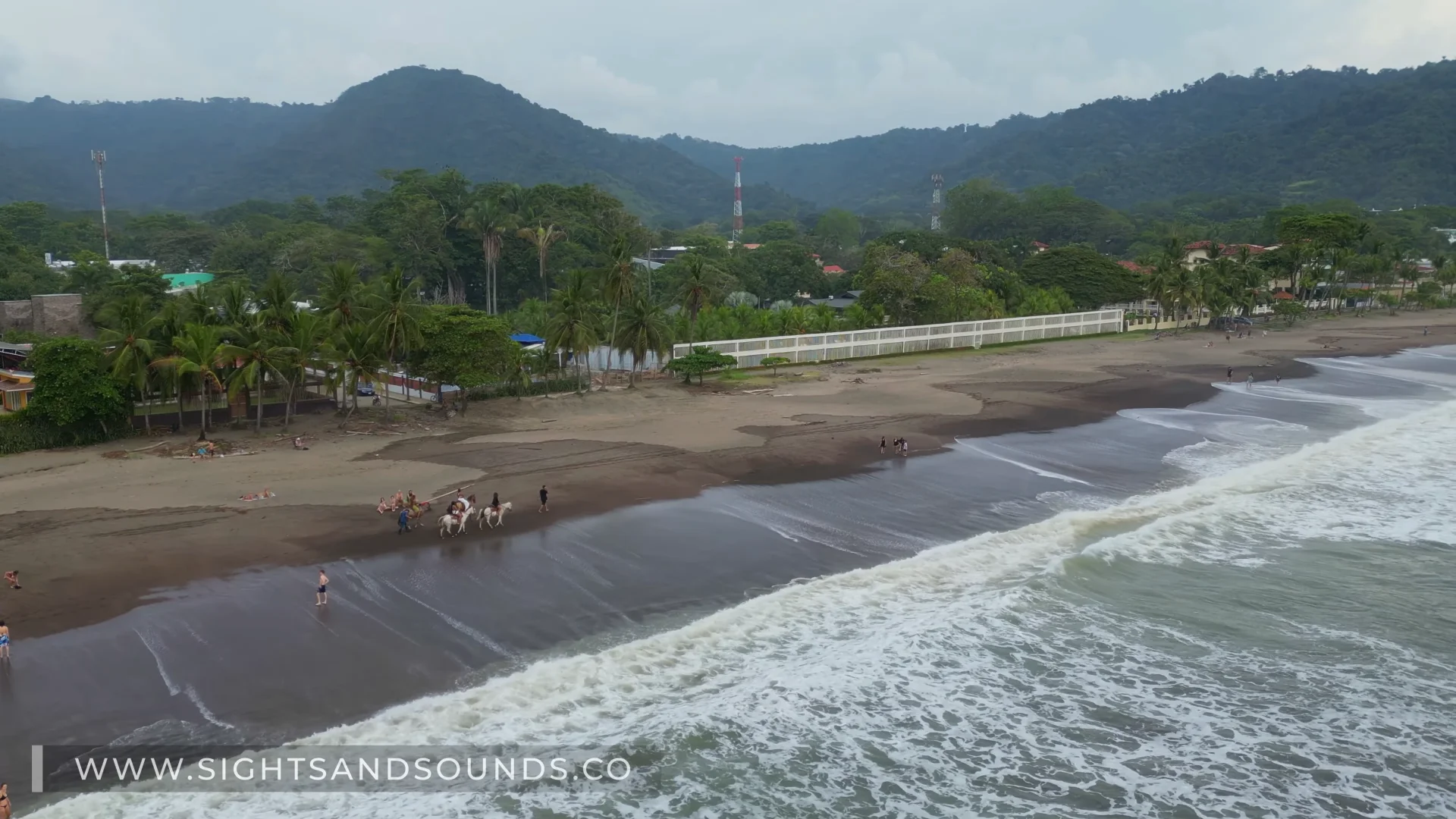
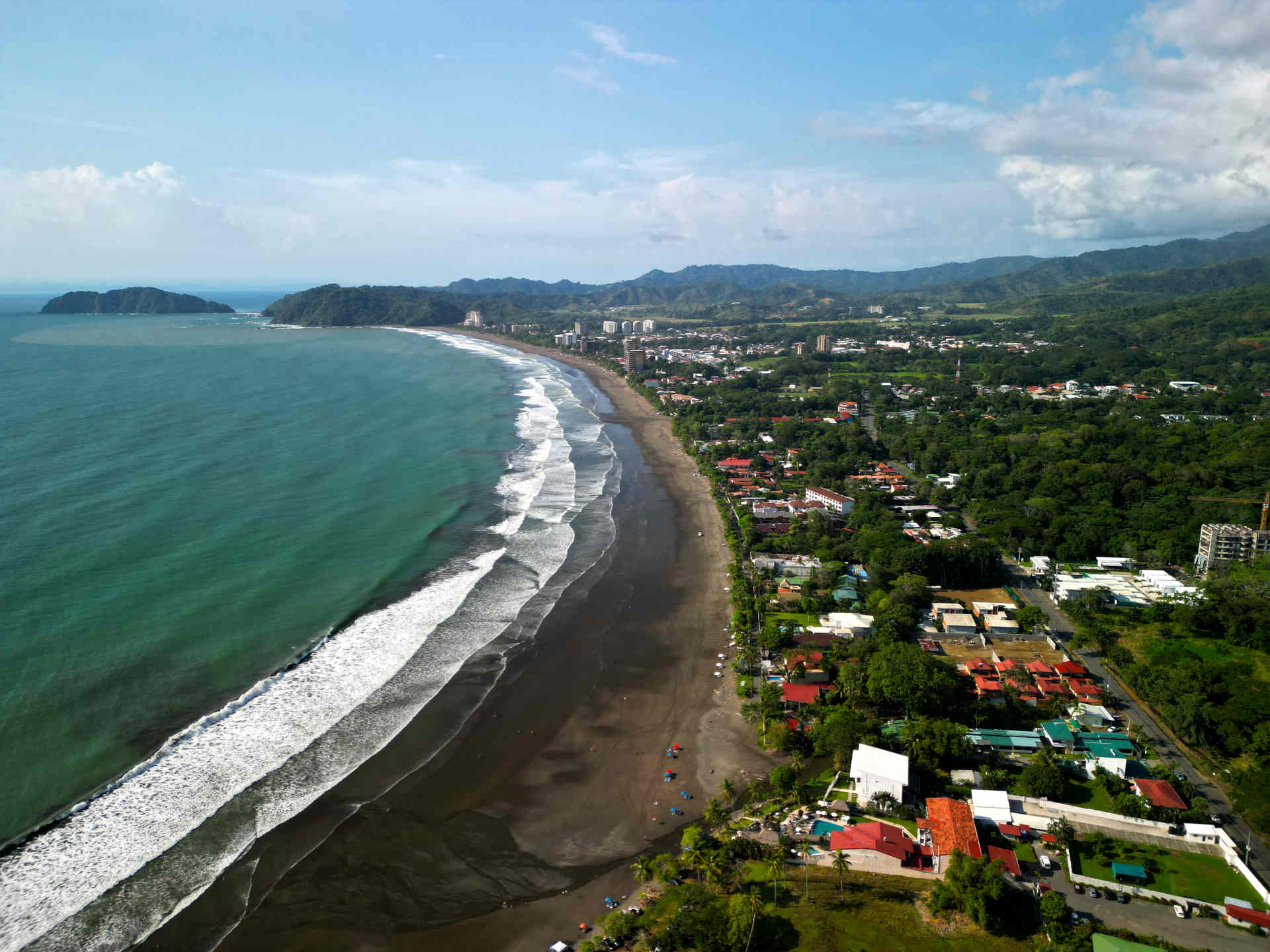
    jaco drone photo

    Drone view of Jaco, Costa Rica. Dry season will have water that’s more clear, but will come with the heat.

    Crowds and Holy Week

    Holy Week transforms Costa Rica’s beaches. Local families pack coastal towns from Thursday before Easter through Easter Monday. Hotels fill completely, beaches get crowded, and prices spike. Bars and alcohol sales stop on Holy Thursday and Good Friday due to Dry Law.

    If you want to avoid the biggest crowds, visit in March before Holy Week begins. Early to mid-March captures excellent weather with moderate tourist numbers. Late March into early April brings both international spring breakers and locals preparing for Holy Week.

    College student spring breakers concentrate in Tamarindo and Jacó. However, they travel in smaller groups than Mexico or Florida destinations. You won’t see massive fraternity takeovers. Families can avoid party scenes by choosing different destinations or staying outside main nightlife areas.

    Travel Tip: When I’m traveling in popular areas I use my lockable sling backpack. This way, I know none of my valuables will wander away!

    Booking and Budget Tips

    Book flights and hotels months in advance for spring break travel. The best properties sell out early, and last-minute options cost significantly more. Aim to book by December or January for March-April travel.

    Budget $150-250 per day per person for mid-range spring break travel. This covers accommodation, food, tours, and ground transportation but not international flights. Party-focused trips in beach towns run cheaper. Family adventure itineraries with multiple tours cost more.

    Private shuttles between destinations book up quickly during spring break. Reserve transfers when you book hotels. Rental cars provide flexibility but require advance reservations during peak season. Consider travel insurance – spring break is non-refundable at most properties.

    Check Expedia for your hotels, rental cars and activities during spring break in Costa Rica.

    2. Best Spring Break Destinations for College Students

    Costa Rica offers two main party destinations for college spring breakers. Both deliver consistent surf, beachfront nightlife, and social atmospheres without the massive crowds of Mexico or Florida spring break hotspots.

    Tamarindo – Top Party Beach Town

    Tamarindo ranks as Costa Rica’s #1 spring break destination for college students. The town combines excellent beginner surf with active nightlife concentrated along one main beachfront strip. Everything stays walkable – surf by day, party by night, repeat.

    The beach stretches wide with gentle waves perfect for learning to surf or boogie boarding. Dozens of surf schools rent boards and offer lessons. At low tide, the beach expands dramatically with tide pools to explore between surf sessions. Water temperature stays warm year-round.

    Nightlife centers on the main beach road packed with bars, restaurants, and clubs. Venues stay open late with music spilling onto the streets. The scene feels energetic but manageable – you can party hard or dial it back depending on your group’s energy. Most establishments have outdoor seating where you can watch the action.

    Accommodations range from budget hostels perfect for meeting other travelers to mid-range hotels with pools. Book early for spring break as the town fills completely. The compact layout means even budget stays put you within walking distance of beaches and nightlife.

    Tamarindo is 90 minutes from Liberia International Airport on well-paved roads. Shuttles run regularly, though private transfers offer more flexibility. Once in town, you can walk everywhere or rent bikes and golf carts.

    Jacó – Non-Stop Nightlife Scene

    Jacó delivers Costa Rica’s most intense party atmosphere. The beach town sits just 90 minutes from San José airport, making it the easiest Pacific beach to reach. The main strip runs parallel to the beach with casinos, clubs, bars, and restaurants operating late into the night.

    The nightlife scene here surpasses Tamarindo in intensity. Multiple clubs pump music until early morning. Casinos stay open 24/7. The party atmosphere dominates the town’s identity more than anywhere else in Costa Rica. If you want non-stop action, Jacó delivers.

    The beach has dark volcanic sand with consistent surf breaks. Waves favor experienced surfers more than beginners, though surf schools still operate for those learning. The water stays murky compared to northern beaches, but the surf crowd doesn’t mind. Strong currents require caution when swimming.

    Beyond partying, Jacó has the infrastructure spring breakers need – multiple supermarkets, gyms, ATMs, and restaurants ranging from budget to upscale. The town feels more developed and less authentic than Tamarindo but offers convenience.

    Budget accommodations concentrate near the town center within walking distance of nightlife. Mid-range hotels sit slightly removed from the loudest areas. Book months ahead as Jacó fills during spring break, especially during Holy Week.

    For more information about Jaco, check out our blog post here.

    3. Best Spring Break Destinations for Families

    Family spring break in Costa Rica works best when you balance adventure with downtime. These two destinations deliver guaranteed experiences kids remember while giving parents the relaxation they need.

    La Fortuna – Adventure for All Ages

    La Fortuna ranks as Costa Rica’s top family destination for spring break. The town combines active adventures with natural hot springs below Arenal Volcano’s dramatic cone. Kids burn energy on morning activities, then everyone soaks in volcanic pools by evening. Hot springs are the main family draw – Tabacón has landscaped pools, Baldi adds waterslides, Eco Termales offers quiet experiences. Budget options like Titoku provide authentic soaks. Most springs allow all ages and stay open until 10 PM.

    La Fortuna Waterfall requires descending 500 steep steps to reach the swimming hole. Kids jump from rocks into clear water. Hanging bridges let families walk through rainforest canopy spotting sloths, toucans, and howler monkeys with guides. Chocolate and coffee farm tours engage kids through hands-on experiences. They pick cacao pods and grind beans. These activities work for ages 5 and up and fill 2-3 hours.La Fortuna is 3 hours from San José airport and 2.5 hours from Liberia airport. The town has compact downtown with restaurants and supermarkets within walking distance. Accommodations range from budget hotels to luxury resorts with their own hot springs. Plan 3-4 days here during spring break.

    Heading to La Fortuna from San Jose? Visit our blog post for this trip and some stops along the way.

    Manuel Antonio – Beach and Wildlife

    Manuel Antonio delivers what families want most during spring break – guaranteed animal sightings combined with beautiful beaches. The compact national park makes spotting monkeys, sloths, and iguanas easy for young children. White-faced capuchins, howler monkeys, and squirrel monkeys all live here. Guides with spotting scopes help kids see sloths sleeping in trees. Iguanas sun on paths. The park has four beaches including Playa Espadilla Sur with calm water and Playa Manuel Antonio in a protected cove.

    Arrive at the park entrance by 7-8 AM during spring break to beat crowds. The park limits daily visitors, so early arrival guarantees entry. Animals stay more active in morning coolness. Short trails connect beaches through rainforest with the main loop taking about 2 hours at kid pace. Outside the park, tour operators offer catamaran cruises, snorkeling trips, and mangrove kayaking for families wanting variety.

    Manuel Antonio is 3.5 hours from San José airport on Highway 34. The small town has a main road lined with restaurants and tour operators. Hotels are on hillsides overlooking the Pacific. Many run shuttles to the park entrance. Plan 3-4 days here for spring break. The park closes Mondays for maintenance.

    If these blog posts and videos help plan your Costa Rica vacation, please support our channel.

    Follow Us

    Keep up with our latest Costa Rica travel videos and guides by subscribing to our YouTube channel. We regularly post new content showing real conditions across different regions and seasons.

    Planning a trip to Costa Rica? Contact us — we help with itineraries, logistics, and finding the spots most tourists miss.

    Frequently Asked Questions

    When is the best time to visit Costa Rica for spring break?

    Early to mid-March offers the best balance of excellent weather and moderate crowds. Late March into April brings both international spring breakers and Costa Ricans preparing for Holy Week. If you can avoid the week of Easter (Semana Santa), you’ll find better availability and slightly lower prices while still enjoying dry season weather.

    How much does a Costa Rica spring break trip cost?

    Budget $150-250 per day per person for mid-range spring break travel including accommodation, food, tours, and ground transportation. Party-focused college trips in beach towns run on the lower end. Family adventure itineraries with multiple tours cost more. International flights, rental cars, and travel insurance are additional expenses. Book early for the best rates.

    Is Costa Rica safe for spring break?

    Yes, Costa Rica is one of Latin America’s safest countries for spring break travelers. Tourist areas have good infrastructure and English-speaking staff. Standard precautions apply – watch your belongings in crowded areas, don’t leave valuables on beaches, and avoid walking alone late at night. Ocean safety matters more than crime – respect strong currents and rip tides.

    What is Holy Week in Costa Rica?

    Holy Week (Semana Santa) is the week before Easter when Costa Ricans take vacation and head to beaches. This creates the year’s busiest domestic travel period. Hotels fill completely, beaches get crowded, and prices spike. Bars and alcohol sales stop on Holy Thursday and Good Friday due to Dry Law. Plan around these dates if you want to avoid the biggest crowds.

    Do I need a rental car for Costa Rica spring break?

    It depends on your itinerary. Single-destination beach trips don’t require rental cars – you can walk or taxi around town. Multi-destination trips benefit from rental cars for flexibility. Private shuttles work well between major destinations like La Fortuna and Manuel Antonio. Book any ground transportation months in advance during spring break as everything fills up.

    Which airport should I fly into for Costa Rica spring break?

    Fly into Liberia (LIR) for Guanacaste beach destinations like Tamarindo. Liberia is 90 minutes from Tamarindo and 30 minutes from other northern beaches. Fly into San José (SJO) for Jacó (90 minutes), Manuel Antonio (3.5 hours), or La Fortuna (3 hours). San José has more international flight options but requires longer drives to beaches.

    Can families avoid the party scene during spring break?

    Yes, easily. Party scenes concentrate in Tamarindo and Jacó town centers. Families can choose La Fortuna and Manuel Antonio which focus on nature activities rather than nightlife. Even in party towns, staying outside the main nightlife strips or choosing family-focused resorts keeps you away from late-night noise and crowds.

    How far in advance should I book Costa Rica spring break?

    Book flights and hotels by December or January for March-April spring break travel. The best properties sell out months in advance during peak season. Last-minute bookings cost significantly more and offer limited options. Tours and private transfers also fill up early, so reserve everything when you book accommodations.

  • Best Places to Visit in Costa Rica with Kids: 2026 Guide

    Best Places to Visit in Costa Rica with Kids: 2026 Guide

    Costa Rica ranks among the world’s top family destinations for good reason. The country packs incredible diversity into a small area – active volcanoes, pristine beaches, abundant wildlife, and adventure activities suitable for all ages. Families can spot monkeys and sloths in the morning, then relax in natural hot springs by afternoon.

    Choosing the right destinations transforms your family trip from stressful to unforgettable. Costa Rica works well for families because it’s safe, English is widely spoken, and distances between destinations stay manageable. Most families split their time between two or three locations to balance adventure with relaxation.

    This guide covers four family-friendly destinations that offer different experiences. From San José’s interactive museums to La Fortuna’s volcano adventures, Manuel Antonio’s wildlife beaches, and Tamarindo’s surf lessons, you’ll find the right combination for your family’s interests and ages.

    Table Of Contents

    Estimated Reading Time: 10 Minutes

    saily esim costa rica bannersaily-banners-affordable-esim-1200×628html

    1. San José – Best for Culture & Kid-Friendly Museums

    Most families skip San José and head straight to beaches or volcanoes. This mistake costs you easy cultural experiences and kid-friendly attractions that break up travel days. The capital offers interactive museums, parks, and authentic Costa Rican culture without tourist crowds.

    San José works perfectly as a one or two-day stop at the start or end of your trip. The airport is just 20 minutes away in Alajuela, making logistics simple. Kids adjust to the time zone while exploring museums designed specifically for children. The city also serves as a launching point for day trips to coffee farms and nearby volcanoes.

    Why Visit San José with Kids

    The Children’s Museum (Museo de los Niños) occupies a converted prison with hands-on science exhibits, planetarium shows, and interactive displays. Kids can touch everything, climb through exhibits, and learn about Costa Rican culture through play. The museum stays busy with local families on weekends, creating an authentic cultural experience.

    Oxígeno Human Playground takes the shopping mall concept and adds adventure. This isn’t your typical mall – it has rock climbing walls, trampolines, obstacle courses, and interactive play areas alongside shops and restaurants. Tired parents can grab coffee while kids burn energy in a safe, supervised environment.

    The National Museum has historic buildings with butterfly gardens and pre-Columbian gold exhibits. The outdoor spaces let kids run around between exhibits. Day trips from San José reach Poás Volcano in 90 minutes, coffee plantations in 30 minutes, and La Paz Waterfall Gardens in an hour.

    Best For

    San José works best for families who want cultural experiences, have museum-loving kids, or need to break up long travel days. It’s perfect for the first or last night of your trip. Families with very young children appreciate having easy city logistics before heading to more remote areas.

    Skip San José if you’re on a short trip and want to maximize beach or nature time. The city doesn’t compete with Costa Rica’s natural attractions, but it serves an important role in well-rounded family itineraries.

    backpack banner

    2. La Fortuna – Best for Adventure Families

    La Fortuna ranks as the #1 family destination in Costa Rica for good reason. The town balances adventure activities with natural relaxation better than anywhere else in the country. Kids can zipline through rainforest canopy in the morning and soak in volcanic hot springs by evening, all with Arenal Volcano dominating the skyline.

    Every age group finds activities here. Young children love easy nature walks and wildlife spotting. Older kids thrive on ziplining, waterfall rappelling, and challenging hikes. Parents appreciate that everything stays within 30 minutes of town, eliminating long drives with restless kids.

    Getting There and What to Expect

    La Fortuna is 3 hours from San José airport and 2.5 hours from Liberia airport. The drive from San José follows good highways through mountain scenery. Most families rent a car for flexibility, though shuttles and private transfers work well too.

    The town has a compact downtown with restaurants, tour operators, and supermarkets within walking distance. Accommodations range from budget hotels to luxury resorts with their own hot springs. You’ll find both authentic local sodas and tourist-friendly restaurants serving familiar foods.

    Arenal Volcano stopped erupting in 2010 but remains the region’s centerpiece. The perfect cone shape creates dramatic photo opportunities. Most activities include volcano views as a bonus.

    Top Family Activities

    Hot springs are the main draw. Tabacón has landscaped pools and gardens but costs more. Baldi Hot Springs offers waterslides alongside natural pools. Eco Termales limits capacity for a quieter experience. Even budget options like Titoku provide authentic hot spring experiences without resort pricing.

    La Fortuna Waterfall requires descending 500 steep steps, but the swimming hole at the bottom rewards the effort. Kids love jumping from rocks into the clear water. The hike back up challenges fitness levels but most children over 5 manage it with breaks.

    Hanging bridges let families walk through rainforest canopy without physical challenges. The well-maintained trails work for all ages. Guides spot sloths, toucans, and howler monkeys that kids would miss on their own. Early morning visits increase wildlife sightings.

    Chocolate and coffee farm tours engage kids through hands-on experiences. They pick cacao pods, grind beans, and taste chocolate at different stages. These tours typically run 2-3 hours and work well for children 5 and up.

    el salto rope jump in la fortuna costa rica

    El Salto rope swing is just outside of downtown La Fortuna. There’s a deep swimming hole you can rope swing into. A shallow area above the falls is great for little kids to splash around.

    Best For

    La Fortuna works best for active families with kids 5 and older who want adventure mixed with relaxation. The variety of activities means you can adjust daily plans based on weather and energy levels. Three to four days here provides enough time to experience highlights without rushing.

    Skip La Fortuna if your family prefers beach time over mountains, or if very young children limit your activity options. The area focuses on active experiences rather than passive relaxation.

    water shoes banner

    3. Manuel Antonio – Best for Beach & Wildlife Combo

    Manuel Antonio delivers what families want most – guaranteed wildlife sightings combined with beautiful beaches. The compact national park makes spotting monkeys, sloths, and iguanas easy even for young children. After morning wildlife viewing, you can spend the afternoon on calm beaches just steps away.

    This destination works exceptionally well for families with younger children. The park has short, well-maintained trails that don’t require serious hiking skills. Animals appear close to paths rather than high in distant trees. Kids get excited seeing monkeys jump between branches right above their heads.

    Getting There and What to Expect

    Manuel Antonio is 3.5 hours from San José airport on Highway 34. The drive takes you through mountains and down to the coast. The final stretch into town winds through hills with ocean views. Most accommodations sit on these hillsides overlooking the Pacific.

    The small town has a main road lined with restaurants, tour operators, and shops. Everything stays walkable, though steep hills make the beach-to-town walk challenging in heat. Taxis are cheap and plentiful. Many hotels run shuttles to the national park entrance.

    The national park limits daily visitors to protect the environment. Arriving early (7-8 AM) gets you in before crowds and increases wildlife sightings. Animals stay more active in morning coolness. The park closes Mondays for maintenance.

    National Park and Beach Activities

    Manuel Antonio National Park guarantees monkey sightings – white-faced capuchins, howler monkeys, and squirrel monkeys all live here. Guides with spotting scopes help kids see sloths sleeping in trees. Iguanas sun themselves on paths. Raccoons and coatis wander the beaches looking for food.

    The park has four beaches with different characteristics. Playa Espadilla Sur has calm water perfect for young swimmers. Playa Manuel Antonio sits in a protected cove with gentle waves. The beaches have white sand and clear water compared to Pacific beaches further north.

    Short trails connect the beaches through rainforest. The main loop takes about 2 hours at kid pace with wildlife stops. Families with toddlers can stick to the shortest beach access trails. The park has bathrooms, picnic areas, and rangers who speak English.

    Outside the park, Playa Espadilla stretches north with surf breaks and beach vendors. Tour operators offer catamaran cruises, snorkeling trips, and mangrove kayaking. The compact area means you can try different activities without long drives between them.

    Best For

    Manuel Antonio works perfectly for families with children under 10 who want easy wildlife viewing without challenging hikes. It’s ideal for first-time visitors to Costa Rica who want guaranteed animal sightings. The beach-wildlife combination keeps everyone happy.

    4. Tamarindo – Best for Learning to Surf

    Tamarindo built its reputation as Costa Rica’s top beginner surf destination. The beach has gentle, rolling waves perfect for first-time surfers. Dozens of surf schools operate daily lessons specifically designed for children and families. Kids as young as 5 can catch their first waves here.

    Beyond surfing, Tamarindo delivers the most developed beach town infrastructure in the country. You’ll find everything from budget accommodations to luxury resorts, casual beach shacks to upscale restaurants. This convenience matters when traveling with kids who need familiar comforts.

    Getting There and What to Expect

    Tamarindo is 90 minutes from Liberia International Airport on well-paved roads. The drive passes through dry Guanacaste countryside before reaching the coast. Most families fly into Liberia rather than San José to minimize driving time.

    The town centers on a main beachfront road packed with restaurants, shops, and tour operators. Everything stays walkable, though traffic gets heavy during high season. Golf carts and bicycles are popular transportation options. The beach stretches wide with plenty of space even during busy periods.

    At low tide, the beach expands dramatically. Tide pools form near rocky areas where kids can explore marine life safely. The water temperature stays warm year-round. The estuary at the south end creates calmer conditions ideal for young swimmers.

    Surf Lessons and Beach Activities

    Surf schools line the beach offering 2-hour beginner lessons starting around $50-80 per person. Instructors wear bright vests making them easy to spot. They work in shallow water helping kids stand up on foam boards. Most children catch at least a few waves during their first lesson.

    The middle section of beach has the gentlest waves. More advanced surfers head to the north end or cross the estuary to Playa Grande for bigger breaks. Board rentals cost about $15 for a few hours if you want to practice independently after lessons.

    Beyond surfing, you’ll find snorkeling tours, sportfishing charters, and catamaran sunset cruises. Jet ski rentals operate from the beach. The nearby Marino Las Baulas National Park protects leatherback turtle nesting sites with nighttime turtle tours during season.

    Multiple tour operators offer day trips to other beaches, zip lining, and ATV adventures. The concentrated services mean you can easily book activities the day before rather than planning everything in advance.

    Best For

    Tamarindo works best for families with kids 6 and older who want to learn surfing in the safest environment possible. It’s perfect for families who value convenience, infrastructure, and activity options over authentic local culture. The developed nature means English is widely spoken and services cater to tourists.

    Skip Tamarindo if you want quiet beaches, budget accommodations, or authentic Costa Rican culture. The town feels touristy and overdeveloped. Traffic congestion frustrates drivers during peak season. Prices run higher than less developed beach towns.

    coffee side banner

    If these blog posts and videos help plan your Costa Rica vacation, please support our channel.

    Follow Us

    Keep up with our latest Costa Rica travel videos and guides by subscribing to our YouTube channel. We regularly post new content showing real conditions across different regions and seasons.

    Leave a comment with your Costa Rica travel questions – we’re happy to help plan your perfect time to visit.

    Frequently Asked Questions

    What is the best place in Costa Rica for families with young kids?

    Manuel Antonio works best for families with young children under 8. The national park has short, easy trails with guaranteed monkey and sloth sightings. The beaches have calm water perfect for young swimmers. Everything stays compact, eliminating long drives between activities.

    How many destinations should families visit in Costa Rica?

    Most families visit 2-3 destinations during a week-long trip. A common itinerary combines La Fortuna for 3-4 days with a beach destination like Manuel Antonio or Tamarindo for 3-4 days. This balances adventure with relaxation while keeping travel days manageable with children.

    Is Costa Rica safe for families with children?

    Yes, Costa Rica ranks as one of Latin America’s safest countries and welcomes millions of family travelers annually. English is widely spoken in tourist areas. The country has excellent healthcare, clean water, and well-maintained tourist infrastructure. Standard travel precautions apply as with any international destination.

    What activities can young children do in Costa Rica?

    Young children enjoy wildlife viewing, hot springs, tide pool exploration, chocolate farm tours, and safari float tours. Most ziplining tours accept children 4-5 years old. Beach time, short nature walks, and interactive museums work well for all ages. Children under 12 typically enter national parks free or at reduced rates.

    When is the best time to visit Costa Rica with kids?

    December through April is dry season with minimal rain and consistent sunshine. This high season coincides with school breaks but brings crowds and higher prices. May through November has afternoon rain showers but fewer tourists and better deals. June and July have a mini dry season with good weather and moderate crowds.

    Do we need a rental car for a Costa Rica family vacation?

    A rental car provides maximum flexibility for families visiting multiple destinations. However, shuttles and private transfers work well for simple 2-location itineraries. Once at beach towns or La Fortuna, you can walk or use taxis for most activities. Consider your comfort level driving in unfamiliar conditions and managing car seats.

    How much does a Costa Rica family vacation cost?

    Budget families can manage $150-200 per day for a family of four including mid-range hotels, local restaurants, and select activities. Mid-range travelers typically spend $250-400 per day with better accommodations and more tours. Luxury family vacations run $500+ daily. Flights, rental cars, and national park fees are additional costs.

    Can teenagers enjoy Costa Rica family vacations?

    Yes, Costa Rica works exceptionally well for families with teenagers. Older kids enjoy challenging activities like whitewater rafting, advanced ziplining, surf lessons, and waterfall rappelling. La Fortuna and Tamarindo both have activities that keep teenagers engaged rather than bored.

  • Top 5 Beach Towns in Costa Rica: Complete Guide for 2026

    Top 5 Beach Towns in Costa Rica: Complete Guide for 2026

    Costa Rica’s Pacific coast stretches over 600 miles and contains dozens of beach towns, each with distinct personalities and attractions. Choosing the right beach town makes the difference between a mediocre vacation and an unforgettable experience. The five towns below represent the best options for different types of travelers, from party seekers to nature lovers.

    These rankings reflect popularity, accessibility, and the unique experiences each town offers. All five towns sit on the Pacific side where dry season runs December through April with minimal rain and consistent sunshine. Each town provides different beach conditions, price points, and activity options that appeal to specific travel styles.

    This guide covers what makes each beach town special, how to get there, and who should visit. You’ll understand which town matches your vacation goals and what to expect when you arrive.

    When I hit the beaches in Costa Rica, I always bring a pair of water shoes. These shoes let you walk to the beach, swim and explore the tide pools without needing to leave them on the beach. Check our Amazon Gear Shop for all the stuff I use when traveling.

    Table Of Contents

    Estimated Reading Time: 20 Minutes

    1. Jacó – Best for Nightlife and Easy Access

    Jacó combines convenient access with active nightlife and consistent surf breaks. The town sits just 90 minutes from San José airport on well-paved Highway 34, making it the easiest Pacific beach to reach. This proximity attracts weekend crowds from San José along with international tourists looking for a party atmosphere.

    The beach stretches for miles with dark volcanic sand and strong waves. Water conditions favor experienced swimmers and surfers rather than casual beach loungers. The town’s main appeal comes from its walkable downtown strip packed with restaurants, bars, shops, and services rather than pristine beach conditions.

    Visit our full guide for Jaco to get more information about this super popular destination.

    Getting There and Beach Overview

    The drive from San José airport takes about 90 minutes on Highway 27 through the mountains, then south on Highway 34 along the coast. The entire route is paved and well-maintained. You’ll pass the famous crocodile bridge at Tárcoles where massive crocodiles gather below.

    Jacó’s main beach runs parallel to the central boulevard where most businesses concentrate. The beach is wide with gravel-like dark sand. Waves break consistently, drawing surfers of all skill levels. The southern end offers calmer conditions for beginners, while the northern section has bigger waves.

    Red flags appear frequently due to strong currents and riptides. Swimming requires caution and awareness of conditions. The water stays murky compared to beaches further north, though this doesn’t deter the surf crowd.

    Nightlife and Activities

    Jacó’s nightlife scene operates year-round with multiple bars, clubs, and casinos concentrated along the main strip. The Green Room serves as a popular restaurant and local art collective. Cocal Hotel and surrounding bars stay busy most nights with music and crowds.

    Surfing dominates daytime activities. Multiple surf shops rent boards and offer lessons for beginners. The beach accommodates all skill levels with different break points. Horseback riding tours operate daily along the beach, providing sunset ride options.

    The town has a well-stocked supermarket, multiple gyms, and all essential services within walking distance. You’ll find everything from budget sodas to upscale restaurants. ATMs, pharmacies, and rental car offices cluster in the downtown area.

    %914K%93 Tour Jaco, Costa Rica _ Beach, Surf & Drone Views #travel #costarica 13-22 screenshot

    Drone view of Jaco beach. The water is great for surfing but not so much for swimming.

    Best For

    Jacó works best for travelers who prioritize nightlife, easy airport access, and don’t mind crowded beaches. Young travelers and groups looking to party find Jacó delivers consistent entertainment. Surfers appreciate the reliable breaks and numerous surf shops.

    Skip Jacó if you want quiet beaches, clear water, or a laid-back atmosphere. Families with young children should consider calmer beach towns. The party scene and strong waves make this town better suited for adults and experienced swimmers.

    2. Tamarindo – Most Popular Surf Town

    Tamarindo ranks as Costa Rica’s most developed beach town with the widest range of accommodations, restaurants, and tour operators. The town evolved from a quiet fishing village into a bustling tourist hub that stays busy year-round. You’ll find everything from budget hostels to luxury resorts concentrated along the main beachfront road.

    The beach itself stretches wide with gentle waves perfect for beginner surfing lessons. Multiple surf schools operate daily, making Tamarindo the top destination for first-time surfers. The town’s popularity means crowds, traffic, and higher prices compared to other beach destinations.

    There’s so much to do in Tamarindo, visit our full blog post to see more.

    Getting There and Beach Overview

    Liberia International Airport sits just 90 minutes from Tamarindo via well-paved roads. The drive takes you through Filadelfia and Belén before reaching the coast at Huacas. You’ll turn at Villarreal and continue straight into town, arriving at the iconic Tamarindo sign at the beach.

    The main beach runs along the central strip where most businesses concentrate. At low tide, the beach expands dramatically with tidal pools forming near the rocks. These pools attract families with kids who can safely explore marine life. The estuary at the south end creates calmer conditions ideal for swimming.

    Water temperature stays warm year-round. The beach has both sandy areas and rocky sections depending on tides. Playa Grande sits across the estuary with bigger waves for advanced surfers.

    Surfing and Water Sports

    Tamarindo built its reputation on beginner-friendly surf conditions. The middle section of the beach has gentle, rolling waves perfect for learning. Surf instructors wearing bright vests work with students throughout the day. Board rentals start around $15 for a few hours.

    More advanced surfers head to the north end of the beach or cross to Playa Grande for bigger breaks. The variety of surf spots within minutes makes Tamarindo appealing for mixed-skill groups. You can progress from beginner to intermediate waves without leaving the area.

    Beyond surfing, you’ll find snorkeling tours, sportfishing charters, and catamaran sunset cruises. Jet ski rentals operate from the beach. The Diria Resort has a convention center, casino, and multiple restaurants. Shops sell everything from souvenirs to high-end beachwear along the main strip.

    tamarindo beach what

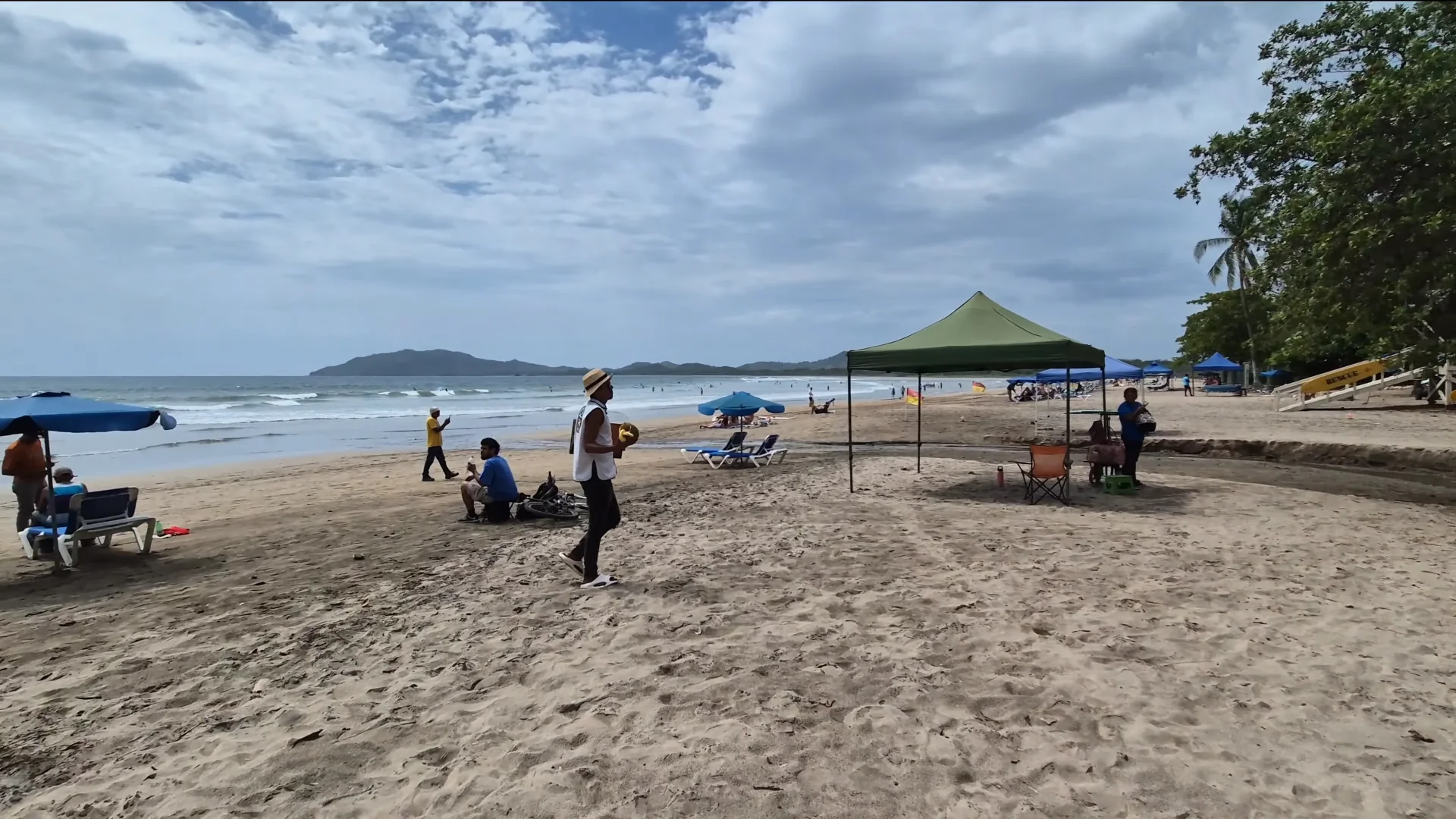
    The beach at Tamarindo is always lively. Lots of surfing instructors and vendors are set up along the beach. The sandy area is very wide so it’s great for some soccer.

    Best For

    Tamarindo suits travelers who want infrastructure, nightlife options, and easy access to services. Beginner surfers find this town perfect for learning with numerous schools and forgiving waves. Groups appreciate the variety of restaurants, bars, and activity options concentrated in one walkable area.

    Avoid Tamarindo if you seek quiet, authentic Costa Rican culture, or pristine beaches. The town feels touristy and overdeveloped. Traffic congestion on the main road gets frustrating during high season. Prices run higher than less developed beach towns.

    3. Playas del Coco – Best for Diving and Budget Travelers

    Playas del Coco delivers authentic Costa Rican beach town vibes without the tourist markup. Local families visit on weekends while expats and budget travelers appreciate the reasonable prices and laid-back atmosphere. The town maintains its fishing village roots despite growing popularity among tourists.

    The beach has calm waters protected by the bay, making it ideal for swimming and families with children. Rock formations at low tide create natural pools where kids can explore safely. The town’s central location provides easy access to nearby beaches and the Liberia airport.

    El Coco is my favorite beach town in all of Costa Rica. We have a full blog post about the town and beach here.

    Getting There and Beach Overview

    Liberia International Airport is just 30 minutes from Playas del Coco, making it one of the closest beach towns to international flights. The entire drive follows well-paved roads through the countryside. You’ll reach the main intersection in downtown Coco where restaurants, shops, and services cluster.

    The beach curves in a protected bay with calmer conditions than exposed Pacific beaches. Swimming stays safe year-round with minimal strong currents. The northern end near Los Palmas has clearer water and better swimming than the central beach area. A nice walking path runs along the entire beachfront with benches and shade.

    Rock formations extend into the water creating interesting features along the shoreline. The beach has both sandy sections and rocky areas. A pier extends into the bay where fishing boats and tour operators dock.

    Activities and Amenities

    The Gym operates in central Coco for $10 per day with quality equipment including free weights, cardio machines, and functional training areas. Sidewalks make walking between the beach and downtown easy and safe. Multiple supermarkets including Super Compro provide groceries at local prices.

    Diving tours depart daily from the pier. The waters around Coco access excellent dive sites including the Catalina Islands. Nearby beaches like Playa Penca and Ocotal provide excellent snorkeling in clear water just minutes away by car. Sportfishing charters are easy to arrange. Jet ski rentals operate from the beach. Catamaran sunset cruises visit secluded beaches along the coast.

    Los Palmas condos are a 10-minute walk south with units renting for $60-120 per night. The Sunday market near Garden Bar runs from early morning until noon with local vendors selling produce, crafts, and prepared foods. Coconuts bar and Z Lounge provide nightlife options without the overwhelming party scene of Jacó or Tamarindo.

    the gym in playas del coco, costa rica

    The Gym in Playas del Coco is located right in the middle of town. It has everything you’ll need from weights to machines, and some functional training areas.

    Best For

    Playas del Coco works perfectly for budget-conscious travelers who want authentic local culture and calm swimming conditions. Families appreciate the safe beach and reasonable accommodation prices. Divers find easy access to quality dive sites. The town serves as an excellent base for exploring nearby beaches like Ocotal, Hermosa, and Panama.

    Skip Coco if you want luxury resorts, big waves for surfing, or extensive nightlife. The beach isn’t the most scenic in Costa Rica. Water clarity doesn’t match more remote locations, though it’s perfectly fine for swimming.

    4. Uvita – Best for Nature and Whale Watching

    Uvita combines natural beauty with eco-tourism focus in a small beach town that hasn’t succumbed to overdevelopment. The famous whale’s tail sandbar formation at Marino Ballena National Park draws visitors during low tide when you can walk out on the distinctive shape. Humpback whales migrate through these waters twice yearly, making Uvita Costa Rica’s premier whale watching destination.

    The town maintains a quiet, nature-focused atmosphere compared to party towns like Jacó or Tamarindo. You’ll find yoga retreats, organic markets, and eco-lodges rather than casinos and nightclubs. Mountains rise dramatically behind the coast creating a stunning backdrop.

     Uvita is the gateway to the southern Pacific zone of Costa Rica. There’s so many natural wonders in the area and beyond. Visit our blog post about a trip south here.

    Getting There and Beach Overview

    Uvita is located about 3 hours south of San José airport along Highway 34. The drive takes you down the Pacific coast through Jacó and past Manuel Antonio. The main highway runs directly through Uvita, making navigation simple. Look for signs to the Saturday market or the national park entrance.

    The whale’s tail formation at Marino Ballena National Park is visible at low tide. This natural sandbar extends into the ocean forming the distinctive shape that gives the area its name. The national park protects several beaches with jungle backing right up to the sand. Swimming conditions vary by location and tide.

    The town itself spreads along the highway with businesses and accommodations scattered rather than concentrated. The beach requires a short drive or walk from most hotels. Water temperature stays warm year-round with generally calm conditions protected by the bay.

    Whale’s Tail and Saturday Market

    The Saturday market operates from early morning until early afternoon near the main highway. Local vendors sell organic produce, handmade crafts, artisan breads, goat cheese, and prepared foods. You’ll find wooden spoons and cutting boards made from Costa Rican teak, essential oils, crystals, jewelry, and recycled wood furniture. The market atmosphere feels authentically local rather than touristy.

    Marino Ballena National Park charges a small entrance fee to access the whale’s tail and beaches. Check tide charts before visiting to walk out on the sandbar formation at low tide. The park has facilities, rangers, and marked trails through coastal jungle.

    Humpback whales migrate through these waters from July to November and again from December to April. Multiple tour operators run whale watching boats from Uvita. Success rates for sightings run high during peak migration months. Tours also visit secluded beaches and snorkeling spots along the coast.

    uvita farmers market costa rica

    The weekly farmers market held in Uvita is a great place to meet local vendors.

    Best For

    Uvita works perfectly for nature lovers, whale watchers, and travelers seeking a quiet beach town with eco-tourism focus. The Saturday market attracts visitors interested in organic local products and handmade goods. Families enjoy the calm swimming conditions and natural attractions without the party atmosphere of northern beach towns.

    Skip Uvita if you want nightlife, extensive dining options, or a walkable downtown with shops. The town spreads out along the highway requiring a car to get around easily. Services and infrastructure are more limited than in Tamarindo or Jacó.

    5. Santa Teresa – Best for Advanced Surfing and Bohemian Vibes

    Santa Teresa attracts advanced surfers, yoga enthusiasts, and travelers seeking a bohemian beach vibe. The town spreads along a single main road that runs parallel to the coast with consistent world-class surf breaks. Development has increased in recent years, but Santa Teresa maintains a more laid-back atmosphere than Tamarindo or Jacó.

    The waves here challenge intermediate to advanced surfers with powerful breaks and strong currents. Beach conditions favor experienced ocean swimmers over casual waders. The town draws a younger, international crowd including many European and South American visitors who stay for extended periods.

    For a full blog post about Santa Teresa click here.

    Getting There and Beach Overview

    Santa Teresa requires more effort to reach than northern beach towns. From Liberia airport, you can drive south along the coast for several hours. From San José, many travelers take the Puntarenas ferry to Paquera, then drive across the Nicoya Peninsula. The final stretch into Santa Teresa includes winding hills and some rough road sections.

    The main road runs along the coast with the beach accessible at multiple points. Playa Carmen marks the northern end with slightly calmer conditions. The beach stretches for miles with consistent surf breaks along its length. Sand is lighter colored than Jacó with clearer water conditions.

    Low tide exposes extensive beach area perfect for walking and exploring. The water temperature stays warm year-round. Rocky outcrops create varied surf conditions along different sections of beach.

    Surfing and Beach Scene

    Santa Teresa built its reputation on powerful, consistent surf breaks that attract experienced surfers from around the world. The waves require solid swimming ability and surf experience. Surf schools operate for those looking to advance their skills, but this isn’t the place to learn basics.

    You’ll see surfers carrying boards on ATVs, which are extremely popular for getting around town. Golf carts also dominate the roads. Many visitors don’t bother with helmets, though the police presence stays minimal. The casual enforcement creates a relaxed vibe that appeals to the bohemian crowd.

    The town has grown considerably with new hotels, restaurants, and shops appearing regularly. A Mega Super provides groceries. Enterprise rental cars has a location in town. Multiple yoga studios, healthy restaurants, and juice bars cater to the wellness-focused demographic. Nightlife exists but focuses more on beach bars and sunset gatherings than clubs.

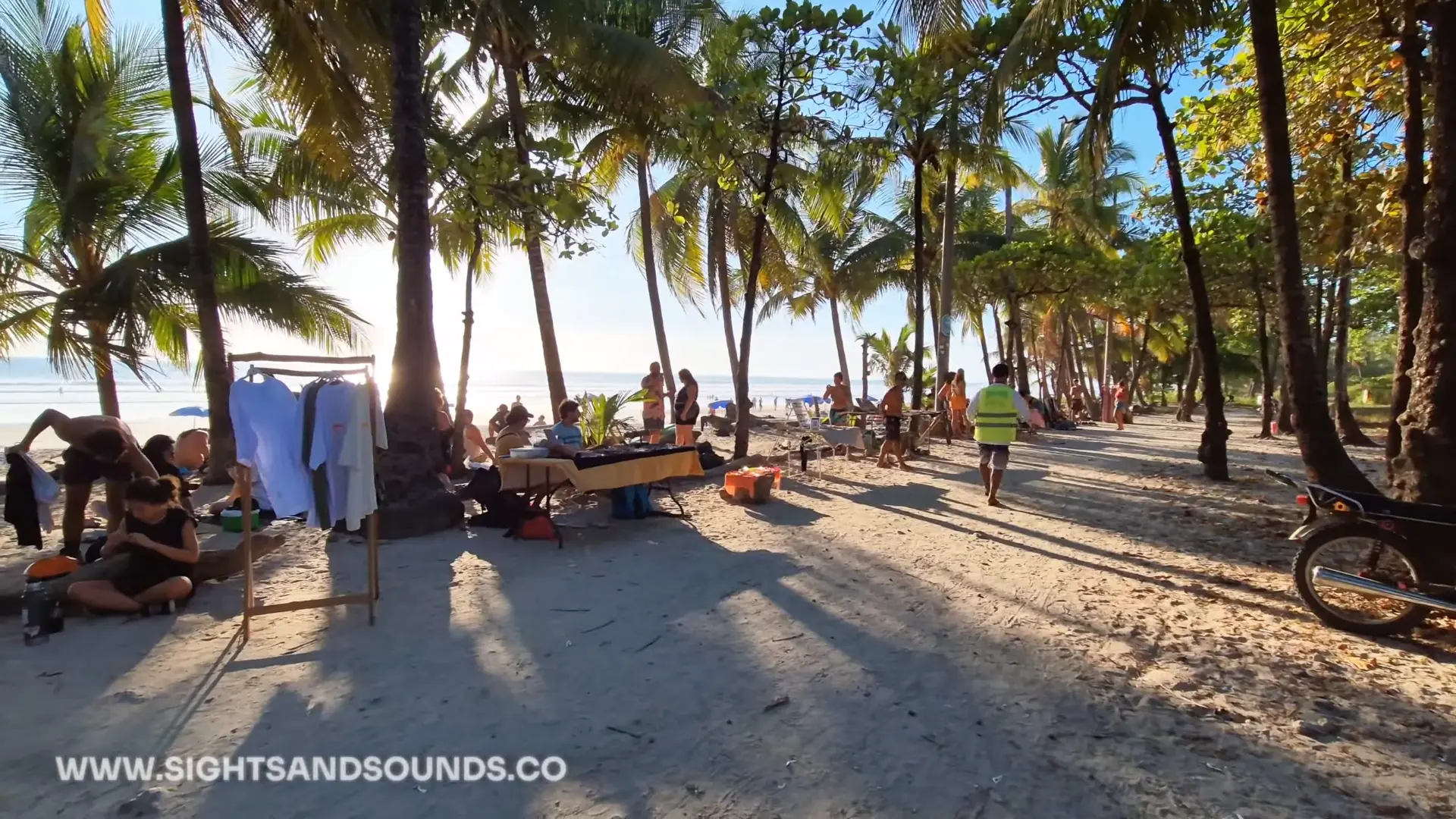
    santa teresa costa rica surfer town

    The beach area at Santa Teresa. Super chill vibes with a great view.

    Best For

    Santa Teresa works best for experienced surfers seeking consistent, challenging waves in a bohemian setting. Digital nomads and long-term travelers appreciate the international community and yoga scene. The town suits travelers comfortable with rough road access and higher prices than mainland beach towns.

    Skip Santa Teresa if you’re a beginner surfer, traveling with young children, or want easy beach swimming. The remote location and rough roads make access more difficult. Prices run higher than more accessible beach towns due to the effort required to transport goods.

    If these blog posts and videos help plan your Costa Rica vacation, please support our channel.

    Follow Us

    Keep up with our latest Costa Rica travel videos and guides by subscribing to our YouTube channel. We regularly post new content showing real conditions across different regions and seasons.

    Planning a trip to Costa Rica? Contact us — we help with itineraries, logistics, and finding the spots most tourists miss.

    Frequently Asked Questions

    Which beach town in Costa Rica is best for families?

    Playas del Coco and Uvita work best for families with children. Coco has calm bay waters perfect for safe swimming and affordable accommodations. Uvita provides nature-focused activities like the whale’s tail formation and Saturday market without the party atmosphere. Both towns have reasonable prices and family-friendly beaches compared to Jacó or Tamarindo.

    What is the best beach town in Costa Rica for surfing?

    Tamarindo is best for beginner surfers with gentle waves and numerous surf schools. Santa Teresa attracts advanced surfers with consistent, powerful breaks and world-class conditions. Jacó works for intermediate surfers who want reliable waves with varying difficulty levels along different beach sections.

    Which Costa Rica beach town is closest to the airport?

    Playas del Coco is just 30 minutes from Liberia International Airport, making it the closest option on this list. Tamarindo is 90 minutes from Liberia. Jacó is 90 minutes from San José airport. The close proximity makes Coco perfect for short trips or travelers who want to minimize driving time.

    What is the cheapest beach town in Costa Rica?

    Playas del Coco offers the best value with accommodations starting around $60 per night and local restaurants at reasonable prices. The town maintains authentic Costa Rican pricing rather than tourist markups. Jacó and Tamarindo cost more due to higher demand. Santa Teresa runs expensive due to its remote location and international crowd.

    When is the best time to visit Costa Rica beach towns?

    December through April is dry season on the Pacific coast with minimal rain and consistent sunshine. This high season brings crowds and higher prices. May through November is rainy season with afternoon showers but fewer tourists and better deals. Uvita’s whale watching peaks from July t

  • 3 Best Shopping Malls in San José, Costa Rica: A Guide with Videos

    3 Best Shopping Malls in San José, Costa Rica: A Guide with Videos

    San José surprises many visitors with its modern shopping scene. The Costa Rican capital has world-class malls that rival shopping centers in North America. These spots aren’t just for shopping. They’re entertainment destinations with restaurants, cinemas, and features you won’t expect.

    I’ve explored the three best malls in the San José area. I filmed detailed walkthroughs to show you exactly what to expect. Each mall has its own personality. Each serves different needs, from luxury shopping to family fun. You’ll find familiar international brands and local Costa Rican products.

    This guide covers the practical details you need. You’ll learn parking costs, driving directions from the airport, and food prices. You’ll also discover what makes each mall special. Need high-end shopping, affordable meals, or just want to escape the heat? One of these malls will work perfectly for your San José visit.

    Travel Tip: You don’t need to buy a SIM card when you land in Costa Rica to get data connection. With an eSIM, you’ll be able to configure your data connection before you depart for your vacation. I use the Saily eSIM in Costa Rica.

    Table Of Contents

    Estimated Reading Time: 15 Minutes

    Multiplaza Escazú – Luxury Shopping Experience

    Multiplaza Escazú is San José’s premier luxury shopping destination. This upscale center in the Escazú suburb attracts high end shoppers and tourists looking for international brands. You’ll find designer stores like Calvin Klein, Hugo Boss, Lacoste, and Kenneth Cole alongside electronics retailers and home decor shops.

    This shopping complex is located about 7 kilometers southwest of downtown San José. It’s roughly 45 minutes from Juan Santamaría International Airport depending on traffic. Shopping here feels like visiting a high end center in Miami or Los Angeles. Stores carry the latest fashions at prices you’d pay in the United States.

    Getting There and Parking

    Take the highway toward Santa Ana and follow signs for Escazú from the airport. The route is well marked and mostly on good roads. Traffic can slow you down during rush hours. Plan extra time if you’re traveling between 7-9 AM or 4-6 PM.

    Multiplaza has extensive underground parking with security guards monitoring the area. You’ll pay for parking, but the security and convenience make it worthwhile. The underground location keeps your car cool and protected from tropical weather.

    walking inside the multiplaza in escazu costa rica

    Walking inside the Multiplaza Escazú, as you can see there’s international brands. The mall is very clean with lots of room to walk and browse.

    What to Expect Inside

    The food court includes international chains like McDonald’s and Taco Bell alongside upscale restaurants. You can easily spend half a day here browsing stores, eating, and relaxing. The complex also has a cinema showing both English and Spanish films.

    This destination transforms during holiday seasons with impressive decorations and special attractions. During Christmas, they install a real ice skating rink – actual ice in tropical Costa Rica! Massive decorated trees and elaborate displays make the holidays feel magical. These seasonal extras draw huge crowds but create a festive atmosphere worth experiencing.

    Overall Impressions

    Multiplaza Escazú feels genuinely upscale without being pretentious. The air conditioning is excellent. The stores are well-maintained. The crowd tends to be polite and well-dressed. You’ll hear as much English as Spanish here, especially on weekends.

    Prices match what you’d expect from luxury shopping – not cheap, but reasonable for international brands. The variety is impressive for Costa Rica. You won’t find everything you might in a major US city. This is definitely where you come for special purchases rather than everyday shopping.

    Key Features:

      • International luxury brands – Calvin Klein, Hugo Boss, Lacoste, and other designer stores
      • Secure underground parking – Protected, monitored parking with security guards
      • Seasonal attractions – Real ice skating rink and elaborate holiday decorations
      • Premium dining options – Mix of upscale restaurants and familiar international chains

    Mall San Pedro – Local Favorite Near Downtown

    Mall San Pedro serves as San José’s most accessible shopping destination for both locals and tourists. This compact four-story mall sits just 1.2 miles east of downtown in the university area near UCR (University of Costa Rica). The location gives it a younger, more authentic Costa Rican vibe compared to the luxury malls.

    This shopping center focuses on practical needs rather than high-end fashion. You’ll find over 200 stores, but the emphasis is on everyday shopping with affordable prices that appeal to students and local families. The mall’s compact design makes it easy to navigate, and you can cover everything in a couple of hours.

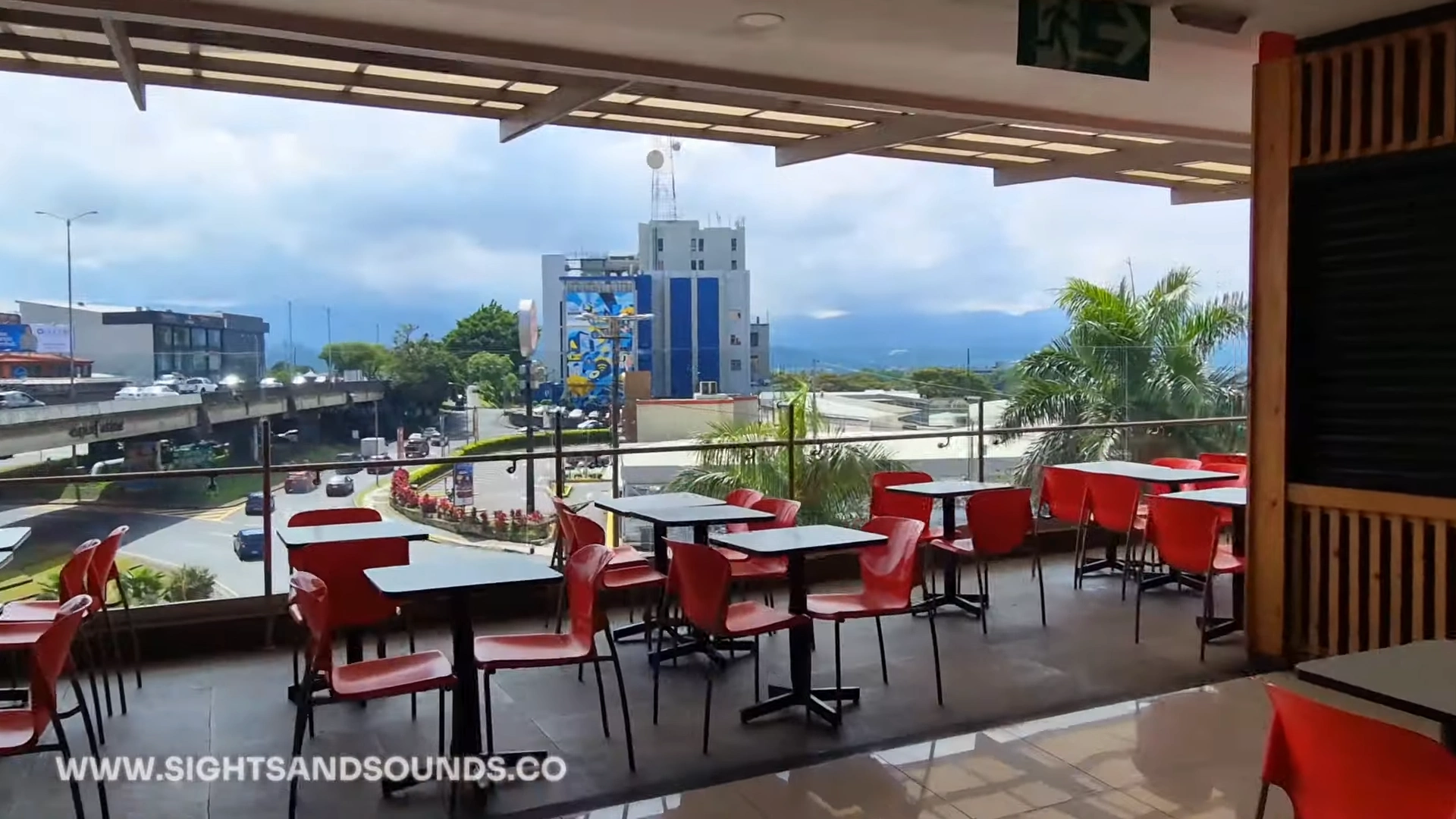
    mall san pedro walking tour costa rica travel vlog

    The view of the town from the food court. This is a very busy part of the metropolitan area.

    Location and Neighborhood Benefits

    Mall San Pedro’s location puts you close to some of San José’s best dining and nightlife areas. The trendy Barrio Escalante with its craft breweries and upscale restaurants is just minutes away. Barrio California’s vibrant nightlife scene is also nearby, making the mall a perfect starting point for exploring the area.

    Getting here from downtown San José takes about 10 minutes by car or taxi. The surrounding university area is safe during the day and bustling with students. You’ll find plenty of local cafés and small restaurants in the neighborhood if you want to eat outside the mall.

    Shopping and Stores

    The mall centers around larger department stores like Ekono, which offers affordable clothing, electronics, and household items at discount prices. This is where locals come for practical shopping rather than luxury purchases. You’ll also find countless small kiosks selling phone accessories, jewelry, and electronics.

    Phone accessory stores seem to occupy every other storefront, reflecting the local market’s needs. Clothing shops focus on casual wear and work attire rather than designer fashion. The variety is impressive for everyday needs, though you won’t find many international luxury brands.

    Underground Parking and Practicalities

    Mall San Pedro has excellent underground parking that keeps your car cool and secure. The parking areas are well-lit with security guards monitoring the space. Rates are reasonable at around 500-1,000 colones for several hours of shopping.

    The food courts deserve special mention for their value. You can get a full meal for around 3,000 colones ($5), including local dishes alongside familiar fast food chains. The mall has two food courts – one on the second floor and another on the fourth floor with better views of the busy intersection below. The fourth-floor location gives you a great view of San José’s traffic and street life.

    Key Features:

      • Large department stores like Ekono for affordable shopping
      • Secure underground parking with reasonable rates
      • Two food courts with meals under $5
      • University area location near trendy Barrio Escalante

    Oxígeno Mall – Modern Shopping with Unique Features

    Oxígeno Mall near the airport combines modern shopping with unique features you won’t find elsewhere in Costa Rica. The design incorporates nature with its central courtyard and rooftop areas. These provide stunning views of the surrounding mountains and San José skyline. This isn’t just a shopping destination – it’s an experience.

    The location makes this mall incredibly convenient for airport travelers. It’s just 10-15 minutes from Juan Santamaría International Airport. The surrounding area has been developed into a modern commercial district with hotels and restaurants. This makes it feel like a destination rather than just a shopping stop.

    Airport Convenience and Location

    Oxígeno’s proximity to the airport makes it perfect for last-minute shopping. It’s also great for killing time before flights. The drive from SJO takes 10-15 minutes on well-maintained roads with clear signage. You’ll find several hotels nearby if you’re staying close to the airport.

    The complex is in a newer development area that feels more spacious and modern than central San José. Parking is abundant with both underground and surface lots at reasonable rates. The area is safe and well-patrolled. This makes it comfortable for tourists with luggage or rental cars.

    oxigeno human playground mall san jose heredia costa rica near airport day trip

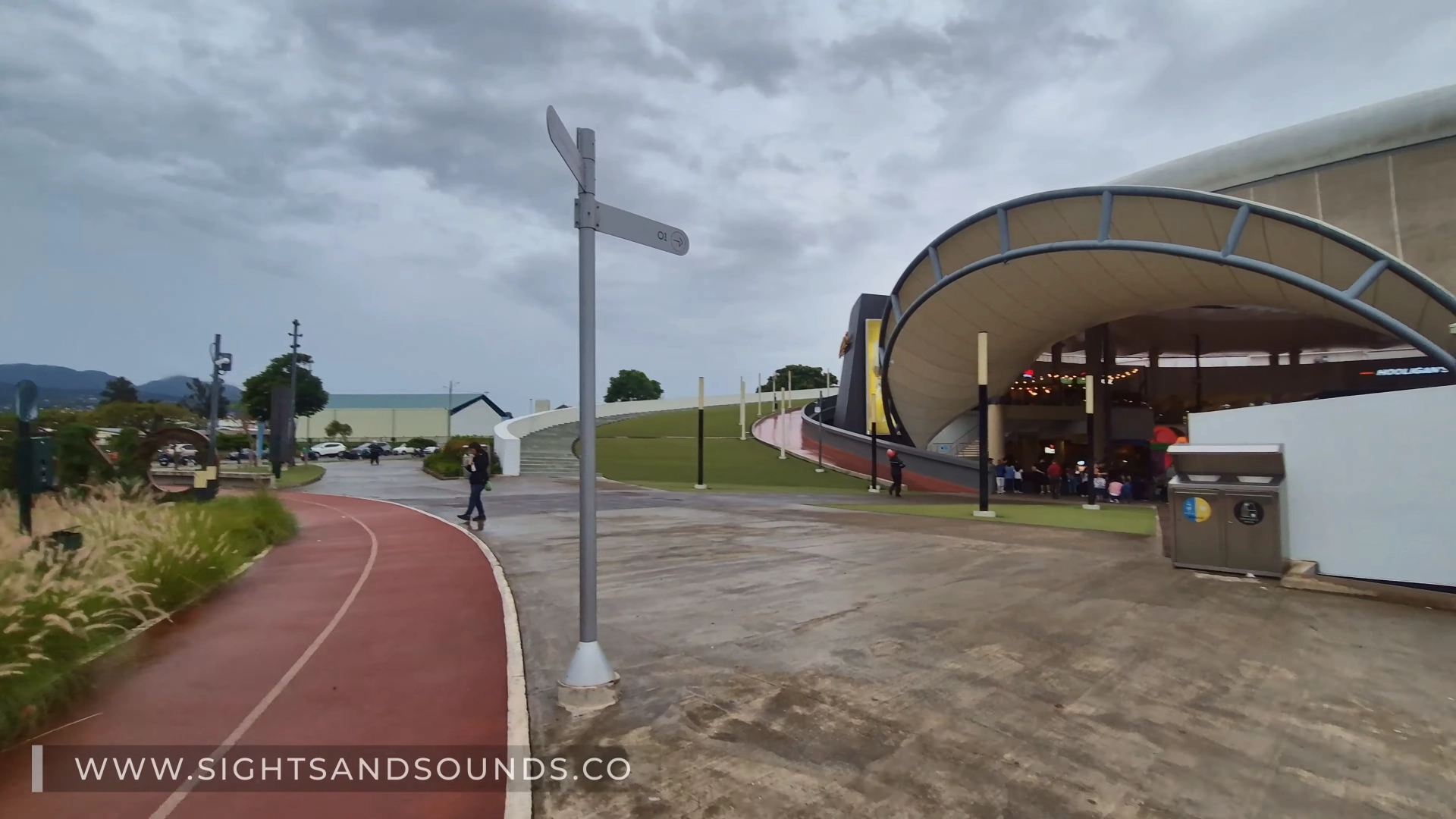
    The front entrance of Oxigeno Mall. There’s a small workout area with a running track. The main entrance to the mall leads right into the food court.

    Rooftop Experience and Views

    What sets Oxígeno apart is its accessible rooftop area. You can walk on top of the structure here. The panoramic views include the surrounding mountains and downtown San José in the distance. You can also see planes landing at the nearby airport. It’s surprisingly peaceful up there despite the urban location.

    The rooftop also houses a unique dog park with obstacle courses and agility equipment for pets. You’ll see local families bringing their dogs to play while enjoying the views. The entire rooftop area incorporates green building design with natural lighting and air circulation.

    Family Entertainment and Adventure Parks

    The complex houses an impressive multi-level adventure park with climbing walls, rope courses, and obstacle challenges. Kids and adults can test themselves on various difficulty levels. The adventure park takes up significant space and could easily occupy a family for several hours.

    Right above the adventure area, you’ll find a separate VR gaming zone. This has virtual reality experiences and arcade games. The two entertainment areas work together but provide different experiences. You get physical challenges downstairs and high-tech gaming upstairs. Combined with a large indoor playground shaped like a tree, families have plenty of options to keep children entertained while adults shop.

    Key Features:

      • Only 10-15 minutes from San José airport
      • Rooftop walkways with mountain and city views
      • Multi-level adventure park and VR gaming zone
      • Unique rooftop dog park with obstacle courses

    Travel Tip: When I’m traveling in packed locations like city centers or malls, I always bring my lockable sling backpack. It has a combination lock on the zipper so I know my valuable items won’t walk away!

    If these blog posts and videos help plan your Costa Rica vacation, please support our channel.

    Follow Us

    Keep up with our latest Costa Rica travel videos and guides by subscribing to our YouTube channel. We regularly post new content showing real conditions across different regions and seasons.

    Planning a trip to Costa Rica? Contact us — we help with itineraries, logistics, and finding the spots most tourists miss.

  • Top Hiking Trails In Costa Rica

    Top Hiking Trails In Costa Rica

    Hiking in Costa Rica means watching the landscape change as you move through different elevations. Each altitude brings its own climate, creating pockets where specific plants and animals have made their homes. The southern Pacific region shows this off well, with trails running from beach level up into the high mountain passes.

    The microclimates here shape how you hike. Early starts help with coastal heat, while mountain trails need planning around afternoon clouds. Weather patterns change fast with elevation – you might need sunscreen and a rain jacket in the same backpack. Wildlife adapts to these changes too, with different birds and animals active at each level.

    These elevation shifts mean you’ll see something different on every hike. Beach trails have their morning monkey troops and macaw flocks. Mid-elevation paths wind through dense forest where oaks and wild avocados grow. The highest trails break through the treeline into open air where winds sweep across mountain peaks. Each trail tells its own story about how Costa Rica’s mountains meet the sea.

    trail shoes for costa rica

    I use these versatile trail runners on my hikes in Costa Rica. The aggressive grip tackles steep terrain while maintaining comfort for long days on mountain paths.

    El Miro: Jaco’s Hidden Viewpoint Trail

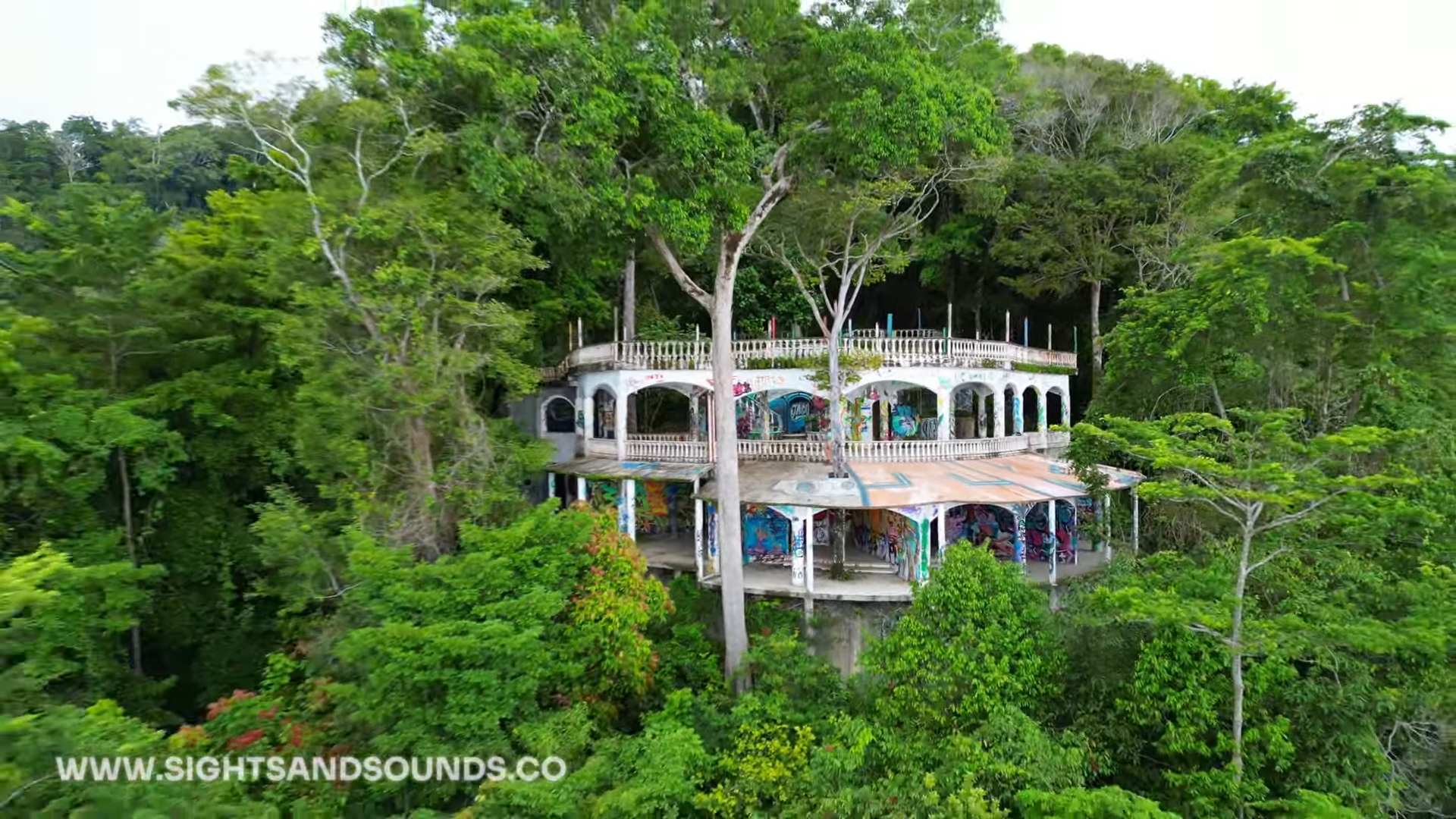
    jaco hike

    The El Miro trail starts at the south end of Jaco beach, climbing steeply through forest to a dramatic clifftop viewpoint. From here, the entire curve of Jaco Bay stretches north, while the coastline south towards Playa Hermosa disappears into the distance. The morning light shows surfers catching waves below, while late afternoon brings spectacular sunsets.

    Getting to the trailhead takes just minutes from central Jaco. Park near the south beach access, where a marked path leads into the trees. The climb takes 30-45 minutes, with some rope-assisted sections on the steeper parts. Early morning or late afternoon hikes avoid the midday heat.

    This short but rewarding hike offers a completely different perspective on Jaco. While most visitors stick to the beach, this elevated viewpoint reveals how the mountains meet the Pacific. Macaws often fly past at eye level, and the breeze at the top provides relief from the beach heat below.

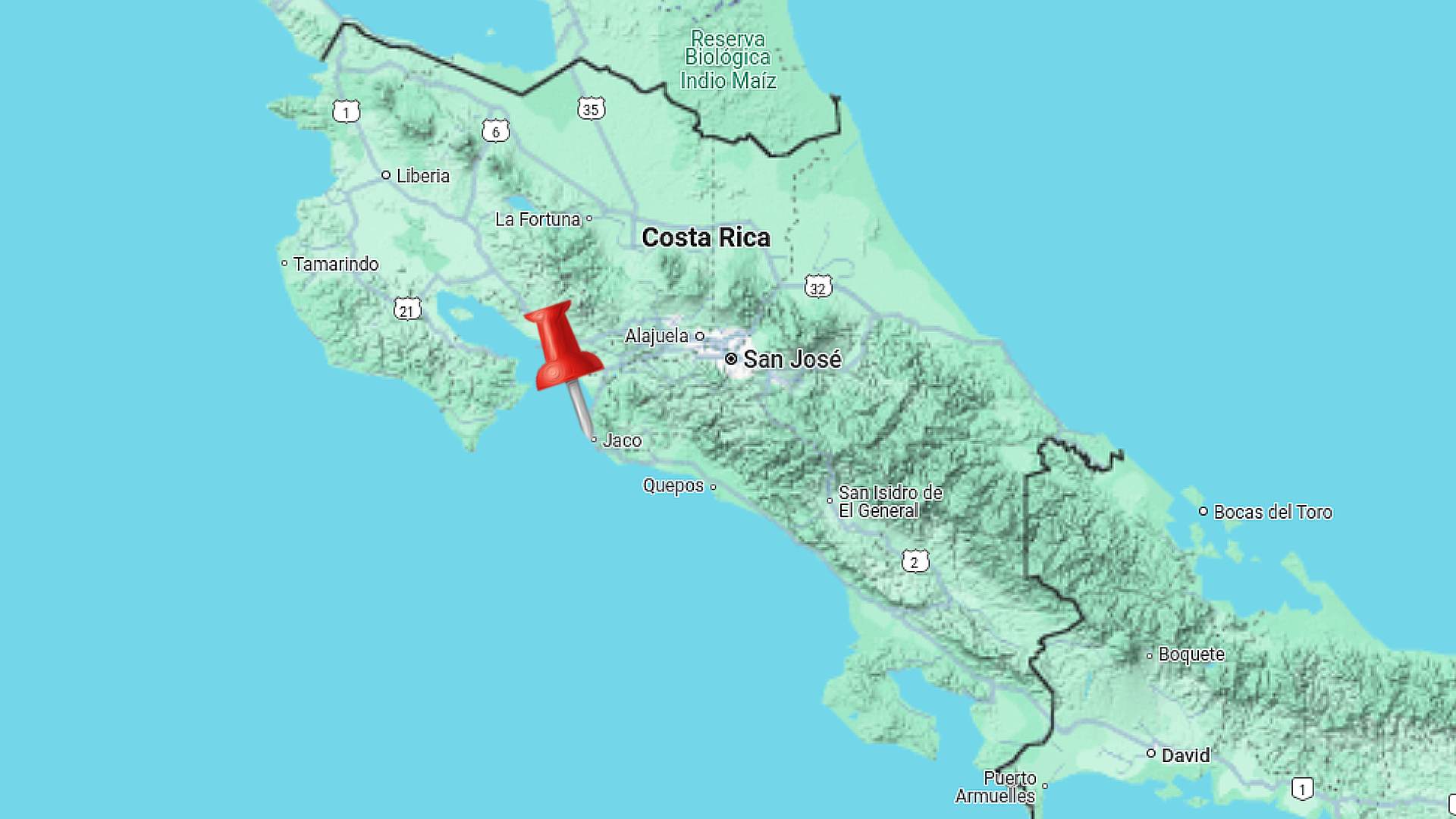
    jaco hike location

    This hike is located at the south end of Jaco beach. You’ll cross the main highway and find the entrance across from Puddlefish.

    At a brisk pace the hike will take 20 – 30 minutes. You can take some stops to spot wildlife and enjoy the art, and spend about 1 hour on the trail.

    The trail is mostly moderate with a couple washed out areas that are rutted. Not recommended for those with mobility issues. Children can complete the hike under supervision.

    Early morning before the heat or 2-3 hours before sunset for best views. Sunrise offers clearest ocean views, while sunset provides dramatic lighting across Jaco bay.

    Water bottle, good walking shoes, camera for views. Phone for safety. Small backpack useful.

    Hike with others when possible. Tell someone your plans. Watch footing on steep sections. Bring water even for short hike. Return before dark if hiking for sunset.

    El Ascensión: Cloud Forest Peak Trail

    muerte

    The trail starts near the Pan-American Highway’s highest point, where clouds regularly sweep across the continental divide. This high-altitude hike offers rare access to Costa Rica’s páramo ecosystem, where stunted trees and unique vegetation adapt to life at 3,300 meters (11,000 feet).

    Hidden behind a small restaurant at the mountain pass, this trail climbs through cloud forest before emerging into open páramo landscape. The stark transition from dense forest to alpine-like conditions shows how elevation shapes Costa Rica’s diverse environments.

    The summit trail reveals both Caribbean and Pacific slopes on clear mornings, though clouds often roll in by mid-day. This ecosystem hosts unique highland species like the volcano junco and timberline wren, found nowhere else in Costa Rica.

    cerro de la muerte hike

    Located at KM 89 of the Pan-American Highway (Cerro de la Muerte). There’s a wide parking area at the roadside. Trailhead starts at the road with 3,300 meters of elevation.

    20 – 30 minutes to reach the summit at a steady pace. Plan for 1-2 hours total to enjoy views and return. Extra time needed for photography and bird watching.

    High altitude makes this moderate trail more challenging. Some steep/very vertical sections near top. Trail clearly marked but rocky in parts. Take time to adjust to elevation before starting.

    Early morning before clouds roll in (usually by 10 AM). Check weather as conditions change quickly. Clearest views December-April. Bring warm layers any time of year.

    Warm jacket and layers (temps can drop below 10°C), hiking shoes with good grip, water, snacks, camera. Rain gear recommended year-round. Hat and sunscreen despite cool temps.

    Watch for altitude symptoms. Start slow and stay hydrated. Tell someone your plans. Check weather before starting. Cell service available at trailhead. Return if weather turns bad.

    Los Gigantes: Valley View Trail

    gigantes

    High in the mountains above San Isidro del General, the Los Gigantes trail network winds through working coffee farms into pristine forest. The trails offer sweeping views across the Perez Zeledon valley, where on clear days you can see all the way to the Pacific Ocean.

    These paths started as coffee farm access routes but have evolved into maintained hiking trails. As you climb, the landscape shifts from sun-drenched coffee plants to cool forest shade. The elevation gain reveals how the valley’s patchwork of farms gives way to forest-covered peaks.

    Multiple viewpoints along the way showcase the region’s agricultural heritage. Morning fog often fills the valley below before burning off to reveal the expanse of San Isidro and the surrounding mountains. Local farmers still use parts of these trails, making this a unique mix of working land and natural space.

    gigantes screenshot

    Located in Perez Zeledon’s mountain region. Turn off the Inter-American Highway at San Isidro, follow signs toward Cerro Chirripo. Trail network starts near the community of Quebradas.

    Main loop takes 2-3 hours at steady pace. Multiple trail options ranging from 1-4 hours. Worth taking time at viewpoints and rest areas.

    Moderate with steady elevation gain. Well-maintained trails through farms and forest. Some steeper sections but regular rest spots available. Good for varied skill levels. You can drive to the top and walk across mostly level terrain to the giant trees.

    Early morning before heat and for best valley views. Clouds typically move in afternoon. Dry season (December-April) offers clearest visibility.

    Water, sun protection, light jacket for elevation, good walking shoes, camera for views, snacks. Cash for local stores if needed.

    Tell someone your plans. Stay on marked trails to respect farm boundaries. Watch weather as afternoon rains common. Carry enough water as sources limited.

    Subscribe For More

    These three hikes show different sides of Costa Rica’s southern Pacific region, each offering unique views and experiences. From beach town overlooks to high mountain passes, and agricultural valleys, the diversity of landscapes here creates endless hiking possibilities.

    Remember that conditions change throughout the year, so checking recent trail reports helps with planning. Each of these hikes works well as a half-day adventure, leaving time to explore the surrounding areas.

    Subscribe to the YouTube channel for more Costa Rica hiking videos, trail updates, and hidden spots across the southern Pacific region.

  • Top Beaches In Costa Rica: From Surfing To Relaxing

    Top Beaches In Costa Rica: From Surfing To Relaxing

    Costa Rica is known for its beautiful beaches, which are some of the best in the world. The country has a long coastline on the Pacific Ocean and the Caribbean Sea, and its tropical climate makes it a perfect destination for beach-goers. Costa Rica’s beaches are also known for their cleanliness and clear water, which makes them ideal for swimming, surfing, and other water activities.

    You may be wondering which beaches are the best in Costa Rica – In this post we’ll highlight our favorite beaches that we’ve visited. Be sure to check out the videos for a walking tour of these locations. Subscribe to our Youtube Channel, as we’re always posting tours of the best destinations to visit in Costa Rica.

    Tamarindo in Guanacaste

    Tamarindo Beach is a popular destination in Guanacaste, Costa Rica. Located on the Pacific coast, the beach is known for its chill vibes and great atmosphere. The beach is also a popular spot for surfing and other water sports, making it a great destination for travelers who enjoy outdoor activities.

    One of the things that makes Tamarindo Beach so unique is its location. The beach is situated in a small town of the same name, which is known for its laid-back atmosphere and friendly locals. The town of Tamarindo has a variety of restaurants, bars, and shops, making it a great place to explore and experience the local culture. The beach itself is also surrounded by beautiful natural scenery, including lush forests and rolling hills.

    Surfing Destination

    In addition to its natural beauty and laid-back atmosphere, Tamarindo Beach is also a great destination for travelers who enjoy outdoor activities. The beach is known for its excellent surfing conditions, and there are several surf schools and rental shops in the area where you can learn to surf or rent equipment. The beach is also great for swimming, sunbathing, and snorkeling, and there are several boat tours and other water activities that you can enjoy.

    Overall, Tamarindo Beach is a must-visit destination in Guanacaste, Costa Rica. With its beautiful white sand, crystal clear water, and excellent surfing conditions, the beach offers something for everyone. Whether you’re looking to relax in the sun, try your hand at surfing, or explore the local culture, Tamarindo Beach has something to offer.

    water shoes for exploring costa rica

    Pick up a pair of these awesome water shoes. I’ve been using them all over Costa Rica during my travels. They have vented soles so water drains right out the bottom! 

    Jaco in Puntarenas

    Jaco Beach is a a busy town in the Puntarenas Province of Costa Rica. Located on the Pacific coast, the beach is known for its beautiful white sand, nightlife and surfing. It’s a popular surfing spot as on the beach there are several areas with different surf conditions and wave difficulties. There’s a lot of surf camps where you can pay around $40-50 USD for an hour of 1 on 1 surf instruction. The beach has warm waters and the waves are consistent.

    The nearby beach of Hermosa is also known for its great surfing, and the two beaches are often considered to be part of the same surfing destination.

    In addition to their excellent beaches, Jaco and Hermosa are situated in a stunning natural environment, surrounded by lush forests and rolling hills. The warm climate and consistent waves make them a great place to visit year-round. The peaceful atmosphere and friendly locals make them a great destination for travelers who want to a mix of natural beauty and excitement.

    The Nightlife

    Jaco is known for its vibrant nightlife. The town of Jaco has a variety of bars, clubs, and restaurants, making it a great destination for travelers who enjoy a lively atmosphere. There are several popular clubs in Jaco, each offering a unique experience and atmosphere. The Green Room is a popular spot for live music, with a variety of local and international bands performing regularly. The Jaco Beach Club is a popular spot for dancing and live DJ sets, and the Le Loft is a trendy rooftop bar with stunning views of the beach. In addition to bars and clubs, Jaco also has a variety of restaurants that offer delicious local and international cuisine. There are several seafood restaurants in Jaco that serve fresh catch from the nearby waters, as well as a variety of other dining options to suit every taste.

    Playa Hermosa in Guanacaste

    Playa Hermosa is a beautiful beach located in Guanacaste, Costa Rica. The beach is known for its chill atmosphere and amazing sunsets, which makes it a popular destination for travelers who enjoy swimming and sunbathing.

    One of the things that makes Playa Hermosa so unique is its location. The beach is situated in a small town of the same name, which is known for its laid-back atmosphere and friendly vibes. The town of Playa Hermosa has a variety of restaurants, bars, and shops, making it a great place to explore and experience the local culture. It’s also only a short drive from Playas del Coco and Liberia, which has an international airport. The beach itself is surrounded by beautiful natural scenery, including lush forests and rolling hills.

    In addition to its natural beauty and laid-back atmosphere, Playa Hermosa is also a great destination for travelers who enjoy outdoor activities. The beach is great for swimming, sunbathing, and snorkeling, and there are several boat tours and other water activities that you can enjoy. You can rent jetski’s right on the beach to explore to bay.

    Overall, Playa Hermosa is a must-visit destination in Guanacaste, Costa Rica. The beach offers something for everyone. Whether you’re looking to relax in the sun or explore, Playa Hermosa has something to offer.

    Costa Rica has so many beaches to explore that are excellent. These three beaches and towns are our top picks for your vacation. Costa Rica is a very safe and friendly country. The people are known for their kindness and hospitality, and the crime rate is low compared to many other countries in the region. This makes it a great place to relax and enjoy your vacation without worrying about your safety.

    Another reason is the amazing natural beauty of the country. Costa Rica is home to a wide variety of flora and fauna, and there are many national parks and protected areas where you can go hiking, birdwatching, or just enjoy the scenery. The country is also famous for its beaches, which range from secluded coves to bustling resorts.

    Whether you’re looking for adventure or just want to relax in a beautiful setting, Costa Rica has something for everyone.

    FOLLOW US

    Be sure to Subscribe to our Youtube Channel, and leave a comment with your thoughts about this location or request a video in other cool destinations around Costa Rica.

    FAQ: Differences Between Tamarindo, Jaco, and Playa Hermosa in Costa Rica

    1. Which beach is best for surfing?

    Tamarindo and Jaco are both popular surfing spots in Costa Rica. Tamarindo is known for its consistent waves, making it a great place for beginners and experienced surfers alike. Jaco, on the other hand, has a mix of waves that cater to different skill levels, with stronger breaks that can challenge even advanced surfers. Playa Hermosa in Guanacaste isn’t known for surfing, but is less crowded than Tamarindo and Jaco, providing a more relaxed experience.

    2. How do the beaches compare in terms of nightlife?

    If you’re looking for a lively nightlife, Jaco is the top choice. It’s known for its vibrant bars, clubs, and party scene. Tamarindo also has a solid nightlife with plenty of bars and live music, but it’s slightly more laid-back compared to Jaco. Playa Hermosa in Guanacaste is the quietest of the three, with limited nightlife options, making it ideal for those seeking a peaceful evening by the beach.

    3. Which beach is more family-friendly?

    Playa Hermosa (Guanacaste) is the most family-friendly beach among the three. It’s quieter and has calmer waters, making it safer for kids to swim. Tamarindo is also family-friendly but can get crowded during peak seasons. Jaco, while family-friendly, is more suited for families with older kids due to its busy atmosphere and stronger waves.

    4. Are there any differences in accommodation options?

    Tamarindo offers a wide range of accommodations, from budget hostels to luxury resorts, catering to all types of travelers. Jaco also has diverse accommodation options, with many beachfront hotels and vacation rentals. Playa Hermosa has fewer accommodations, focusing more on boutique hotels and vacation homes.

    5. How do the beaches differ in terms of crowd levels?

    Jaco tends to be the most crowded, especially on weekends and during peak tourist seasons, due to its proximity to San José. Tamarindo is also popular and can get busy, but it has a more spread-out layout, giving it a slightly less crowded feel. Playa Hermosa is the least crowded.

    6. What activities are available at each beach?

    Tamarindo offers a variety of activities, including surfing, snorkeling, and boat tours. Jaco is known for surfing, ATV tours, and sport fishing. Playa Hermosa is more focused on relaxation, with activities like swimming, sunbathing, jet-skiing in the bay.

    7. How accessible are these beaches from San José?

    Jaco is the closest beach to San José, about a 1.5 to 2-hour drive, making it a popular weekend getaway for locals. Tamarindo is farther away, around a 4 to 5-hour drive from San José, but it’s also accessible via a short flight to Liberia. Playa Hermosa (Guanacaste) is about a 30-minute drive from Liberia Airport, making it more accessible from Liberia than San José.

    8. Which beach is better for a romantic getaway?

    Playa Hermosa is often considered the best option for a romantic getaway due to its peaceful and uncrowded atmosphere. Tamarindo is also a good choice for couples looking for a mix of relaxation and activities. Jaco is less suited for a romantic escape due to its busier and more energetic vibe.

    9. What are the dining options like at each beach?

    Tamarindo offers a wide variety of dining options, from casual beachside cafes to upscale restaurants. Jaco has a similar range of dining choices, with many international cuisines available. Playa Hermosa has fewer dining options, but still with a selection of beachfront restaurants.

    10. How do the beach environments differ?

    Tamarindo has a long, sandy beach with gentle waves and is surrounded by lush greenery. Jaco’s beach is also sandy but has a more urban feel due to the development around it. Playa Hermosa is known for its calm waters and rocky outcrops, providing a more natural environment which is great for snorkeling.