Category: Guides

Comprehensive Costa Rica travel guides covering everything from popular destinations to hidden gems. Each guide features detailed maps, seasonal tips for both rainy and dry seasons, and local insights for authentic experiences.

Whether you’re planning to explore La Fortuna’s waterfalls, discover the best beaches in Guanacaste, or navigate San Jose’s city scenes, our in-depth guides combine local expertise with practical travel advice. Updated regularly with current information about transportation, accommodations, and activities to help you plan the perfect Costa Rica adventure.

  • Guide To Jaco: Surfing & Nightlife

    Guide To Jaco: Surfing & Nightlife

    Welcome to Jacó, Costa Rica, a vibrant coastal town along the Pacific that’s gaining popularity for its sun, surf, and adventure. Located about 55 miles southwest of San Jose, Jacó is a popular locations for beach enthusiasts and outdoor seekers. With its easily accessible location, Jacó is a busy town. From great surfing waves to lush hikes through mountain landscapes, Jacó offers a adventure without straying too far from the beaten path.

    In this blog post, we’ll show some things to do in and around Jacó. There’s lots of places to stay, nearby beaches and hikes to enjoy. Check out our Shop Page with some necessities for your trip.
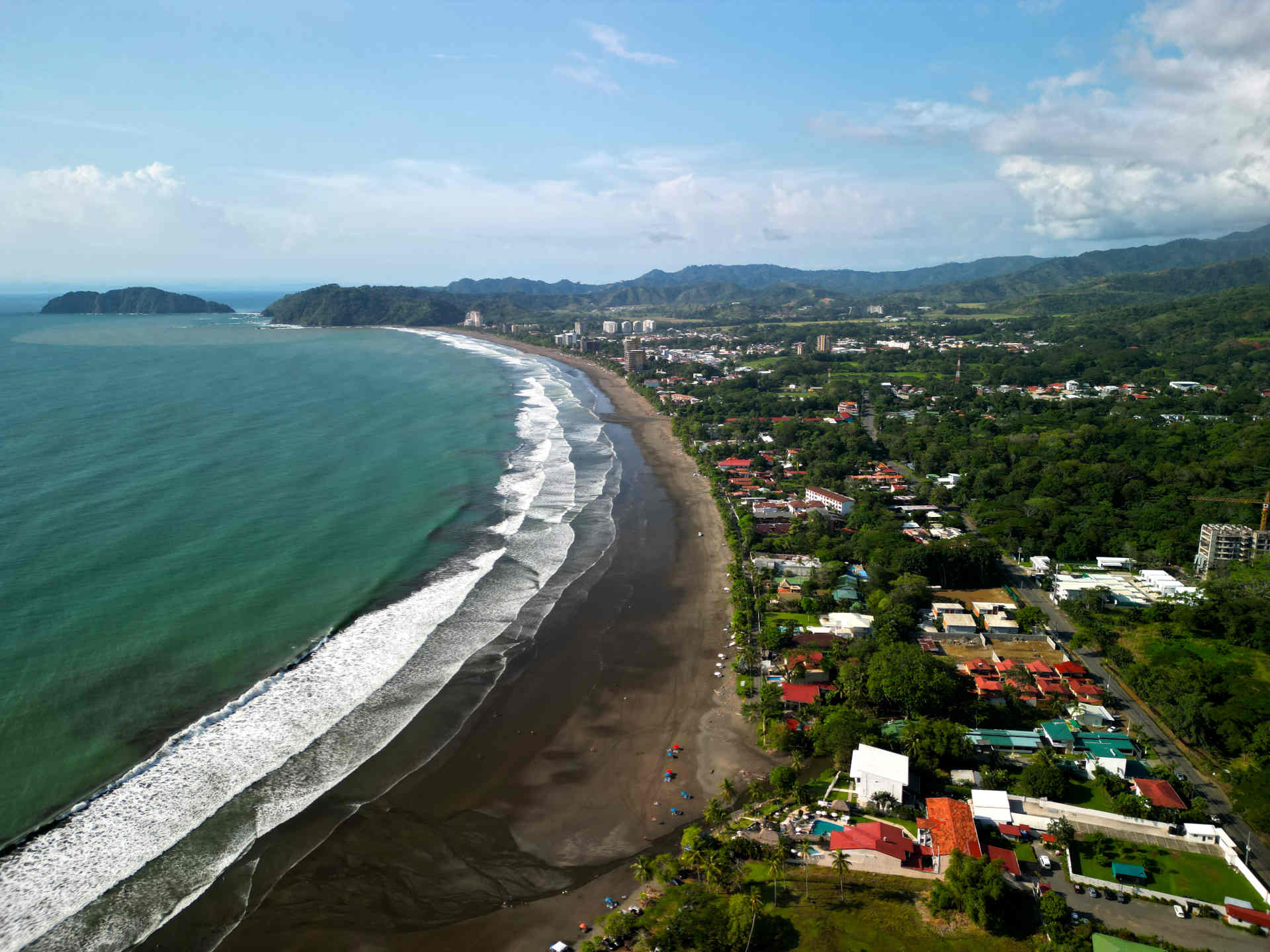
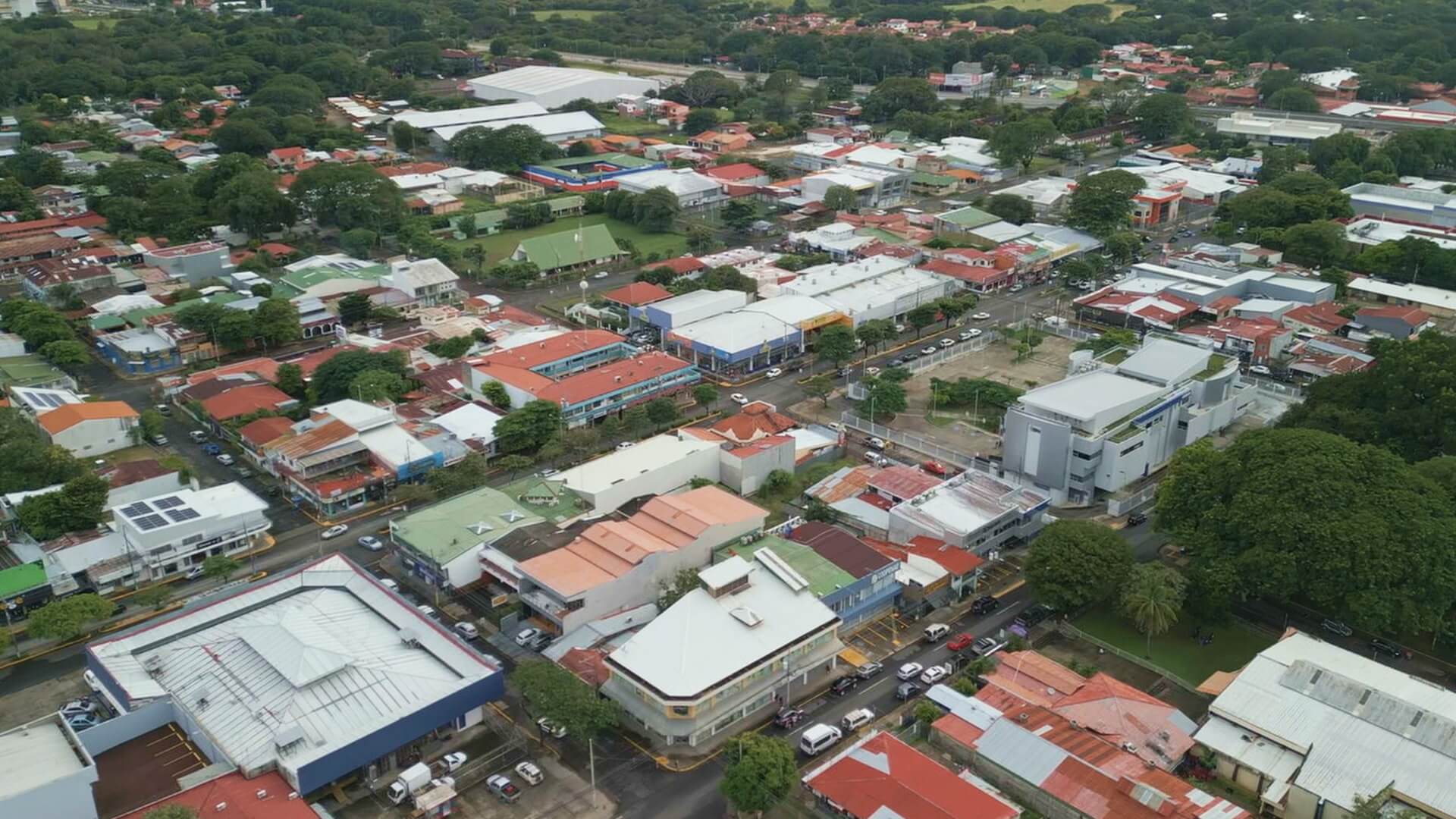
    jaco drone photo

    The Main Strip

    Jacó’s main strip is a very busy road that runs parallel along the beach. You’ll find it to be vibrant and varied, with restaurants serving both Costa Rican and international dishes. There’s plenty of quick/fast food options to fill up during your day at the beach. At night, you’ll find many sit down restaurants with varying price points.

    If you need groceries, check out Mas x Menos. This supermarket is owned by Walmart and is essential a mini one. Grab all your essentials for the beach, or to cook dinner. It’s located right downtown.

    I suggest carrying local currency while you’re vacationing in Costa Rica. Some street vendors and small shops don’t accept credit card. To pull out cash, I usually go to the national bank called ‘BN’, which is Banco Nacional. They have always been reliable and have very low fees to take cash out of a credit card. The BN in Jacó is on the main strip of the town as well.

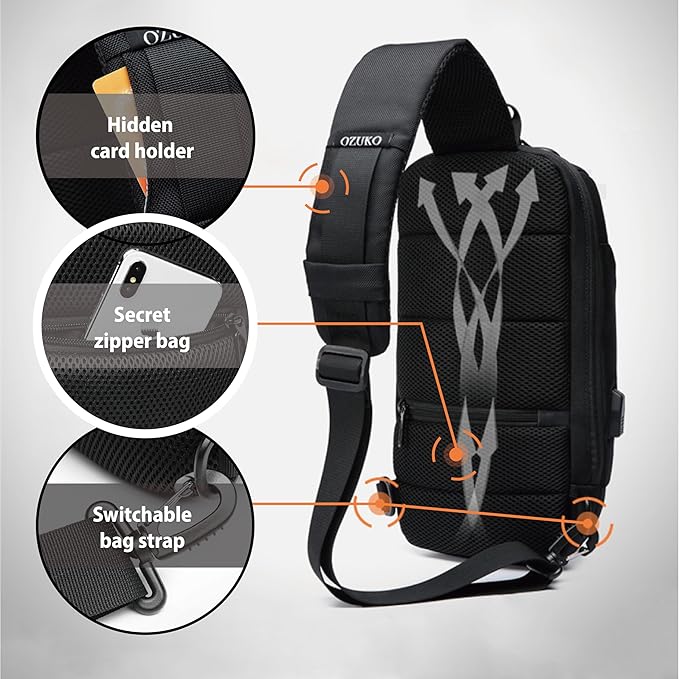
    While I’m travelling in Costa Rica, I use a secure sling backpack. I like the confidence of being able to lock my stuff in my pack, and the convenience of being able to pull the bag to the front. Check this one out on Amazon.

    water shoes for exploring costa rica

    Pick up a pair of these awesome water shoes. I’ve been using them all over Costa Rica during my travels. They have vented soles so water drains right out the bottom! 

    Where To Stay

    Heading down to the southern stretch of Jacó Beach, you’ll discover a chill spot where the waves are more mellow, making it great for swimming and just soaking. It’s also better for young kids to jump in the ocean. There’s loads of places to stay at this end of the beach. You can find boutique hotels, family friendly developments with pools, and large houses. The south end of the beach is great for relaxing and walking into town for the excitement when you’d like.

    If you’re a beginner looking for surfing lessons, the south end of Jacó is likely where you’ll start. The easier, rolling waves are great to learn how to get your footing and positioning on the board. If you have a accommodations in the south end of the beach, you can simply rent a surf board and you can practice as much as you’d like.

    The Crocodile Bridge

    Just a short drive from Jacó, the Crocodile Bridge in Costa Rica is a fun and free place to stop and see these massive creatures. It’s on the highway from the San Jose Airport, before you arrive in Jacó. This bridge spans the Tarcoles River, which is a larger and murkier river than some others. Along the riverbanks you can spot crocodiles of lengths up to 15 feet. They bask in the sun, creating great opportunities for photos. It’s a unique opportunity to safely witness these cool creatures.

    If you decide to stop for a bit longer at the bridge, you’ll find an assortment of dining options. I’ll often grab a locally sourced coffee and the cafe. You can also find a ‘POPS’, which is a ice cream shop that is present throughout all of Costa Rica.

    Hike To El Miro

    Situated right in Jacó, the El Miro hike is great workout, and a great way to see nature. Along the trail, you will often see animals like scarlet macaws, toucans and even monkeys. Be sure to bring a camera or phone that can zoom in, as they’re often in the dense brush high in the trees.

    The trail is long, but not especially steep or difficult in terrain. Be sure to bring water along with you, enough for a couple hours of activity. Kids can easily complete to journey to the lookout at the top, it’ll just take a little longer. Grab a snack a Mas x Menos before heading out with them.

    The highlight of the El Miro hike is the chance to explore an abandoned house at the top of the hill. This structure offers a unique vantage point, providing an excellent view of Jacó Beach and the surrounding area. There’s cool graffiti painted all over this abandoned house, some of which is very incredible art. 

    When I’m doing hikes like this, I prefer to bring hiking running shoes. I find that boots would be too heavy for the simple paths, but I still like some additional grip. Try these Saucony Trail Runners, available on Amazon.

    Relax At Esterillos Oeste

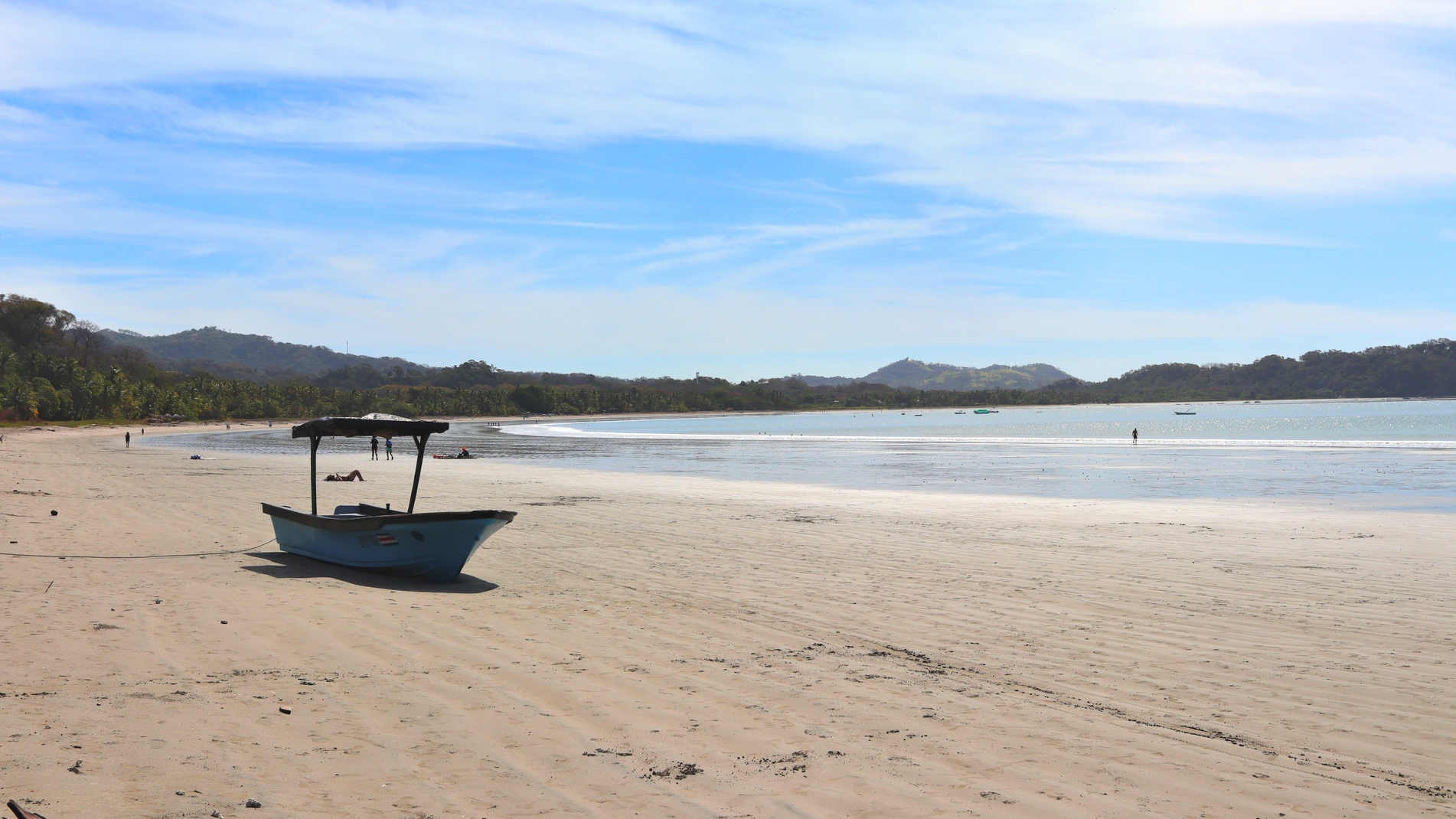
    Just a short drive from Jacó to the south you’ll find the beach town of Esterillos Oeste.  It’s a laid-back coastal beach with its own unique charm. This beach town is easily accessible, making it a convenient destination for realxation away from Jacó. Esterillos Oeste known for its iconic landmark — the mermaid sculpture off shore in the tidepools. At low tide, you can walk right out to the statue for some great pictures. Tidepools are also great for little ones to swim in and try to spot tiny fish.

    If you have a rental car, Esterillos Oeste is a great option to rent a place. This way, you can head into Jacó, or south to Quepos whenever you feel. You’ll be able to relax on a tranquil beach for most of your trip.

    Follow Us!

    Be sure to Subscribe to our Youtube Channel, and leave a comment with your thoughts about this location or request a video in other cool destinations around Costa Rica.


    FAQ For Visiting Jaco

    1. Where is Jaco located?

    Jaco is located on the Pacific coast of Costa Rica, approximately 55 miles southwest of San Jose, in the Puntarenas province.

    2. What is there to do on Jaco’s main strip?

    Jaco’s main strip offers a variety of local and international restaurants, shops, and a vibrant atmosphere perfect for exploring Costa Rican culture and cuisine.

    3. Where should I stay in Jaco?

    Options range from cozy beachfront spots to family-friendly rentals and boutique hotels, especially around the southern stretch of Jaco Beach, which is ideal for a laid-back experience.

    4. What surfing opportunities are available in Jaco?

    The south end of Jaco Beach is perfect for beginners with its mellow waves, making it an excellent spot for taking surfing lessons and practicing.

    5. What can I see at the Crocodile Bridge?
    Just a short drive from Jaco, the Crocodile Bridge spans the Tarcoles River, where you can safely view large crocodiles sunbathing along the riverbanks.

    6. What is the El Miro hike?
    The El Miro hike in Jaco offers a well-marked trail suitable for all skill levels, featuring potential sightings of monkeys and toucans and ending at an abandoned house with panoramic views of Jaco Beach.

    7. What is special about Esterillos Oeste?
    Esterillos Oeste is a laid-back beach town near Jaco, known for its relaxed vibes and the iconic mermaid sculpture on the shoreline, making it a great spot for a peaceful escape.
  • Guide To Liberia: Gateway To Guanacaste

    Guide To Liberia: Gateway To Guanacaste

    Liberia

    The Capital of Guanacaste offers a delightful blend of culture, commerce, and cuisine. As the gateway to some of the country’s most picturesque destinations, Liberia welcomes travelers with open arms and promises a rewarding experience right from the start.

    Liberia boasts a variety of shopping options, from colorful markets where you can find local crafts, souvenirs, and fresh produce to modern malls featuring both international brands and boutique stores. Whether you’re looking for unique gifts, traditional Costa Rican items, or the latest fashion trends, Liberia’s shopping scene has you covered.

    Liberia’s Central Park serves as a hub of cultural and social activity. It’s a great place to take a leisurely stroll, people-watch, or simply relax under the shade of the trees. At the heart of the park stands the impressive white cathedral, a historical landmark that adds a touch of grandeur to the town’s ambiance. Exploring the park and the cathedral provides insight into Liberia’s rich history and the role of this central square in the community’s life.

    You’ll find a range of accommodation options to suit various tastes and budgets. From comfortable hotels to cozy bed and breakfasts, there’s something for everyone. If you prefer a more luxurious stay, there are upscale resorts offering top-notch amenities and service. Travelers seeking a budget-friendly experience will discover affordable lodges and guesthouses that provide a comfortable base for their adventures.

    Additionally, Liberia offers the convenience of proximity to the airport, making it a convenient stopover for those arriving or departing from the Daniel Oduber Quirós International Airport. Whether you’re here for a short stay or planning to explore Guanacaste’s natural wonders, Liberia’s accommodation choices ensure a pleasant and relaxing visit to this Costa Rican town. 

    Relaxing Pozas

    “Poza” is a term used in Costa Rica to describe a natural swimming pool or waterhole formed within a river or stream. These picturesque spots are known for their crystal-clear waters, often surrounded by lush vegetation, creating tranquil settings for swimming and relaxation. Pozas are beloved destinations for both locals and tourists seeking cool water and a connection with nature. Whether hidden deep within the rainforest or easily accessible along a hiking trail, pozas provide a refreshing escape for those looking to experience the beauty of Costa Rica’s rivers and streams.

    Poza Los Coyotes

    This incredible location is just outside of Liberia, about 30 minutes drive by car. You’ll head north on Highway #1, then turn east on a road with a sign for Coyotes. The road is gravel but well maintained, just be sure to take it slow. There is parking at Coyotes as well. You’ll pay a couple dollars per guest to get access.

    Once you’re in, you’ll find 3 distinct parts to check out. The first is a slow flowing river with various spots to swim, relax and jump off some small cliffs. You can rent a tube to swim up river to a small waterfall with a great alcove to relax in.

    The second area is a system of waterfalls where the river compresses and becomes more turbulent. Over eons, this water has chiseled out incredible features into the rock which you can carefully hike over.

    Then, you can hike down to the bottom of this waterfall system for a stunning pool where the river continues. With a tube you can swim back up river to the waterfalls while enveloped by the rocks above.

    water shoes for exploring costa rica

    Pick up a pair of these awesome water shoes. I’ve been using them all over Costa Rica during my travels. They have vented soles so water drains right out the bottom! 

    Pozas del Cañón

    A bit closer than Coyotes to the town of Liberia. This river is in the same direction as Coyotes but you’ll turn east off Highway #1 just outside of town. The road to Pozas del Cañón is fully paved, but there is no established parking areas so you’ll have to grab a spot on the side of the road.

    Once there’ you’ll find a really cool hike down to this natural pool. The water has carved a great sitting area at the bottom when the water levels are low. The cliffs are popular for cliff jumpers who visit the area for incredible dives.

    Top Beaches For Vacationing

    Playas del Coco

    Playas del Coco is a popular coastal town that brings travelers with its vibrant atmosphere and natural beauty. Coco serves as an ideal starting point for exploring Costa Rica’s enchanting coast. Its central location provides easy access to a wealth of activities and adventures.

    Coco beaches offer a plethora of activities for beach lovers and adventure seekers alike. The town’s main attraction is its long beach, where you can bask in the sun, swim in the warm waters, or take part in thrilling water sports like scuba diving and snorkeling. Dive enthusiasts are drawn to the area’s exceptional underwater ecosystems, including the renowned Catalina and Bat Islands. For those seeking on-land adventures, hiking, horseback riding, and ziplining through the tropical canopy are all within reach. Playas del Coco also boasts a lively nightlife scene, with numerous bars, restaurants, and local venues where you can dance the night away.

    In recent years, Playas del Coco has gained recognition as a real estate hotspot in Costa Rica. The town’s proximity to Liberia International Airport and its accessibility to the country’s stunning natural attractions make it a prime location for both vacation homes and investment properties. From beachfront condos to lush hillside villas, Playas del Coco offers a diverse range of real estate options. Savvy investors are taking note of the area’s potential for long-term growth, driven by its popularity with tourists and its position as a hub for exploring the wonders of Guanacaste.

    Playa Hermosa, Guanacaste

    Another incredible beach town is Playa Hermosa. It’s located just next to Playas del Coco, and has a much slower and relaxing vibe. There’s still a lot of accommodations options in Hermosa, along with some hotels.

    Check out our video on Youtube showing off this amazing beach. It’s great for swimming and even action packed activities like jet skiing. Playa Hermosa is actually my favorite beach in all of Costa Rica for its peaceful vibe and proximity to bigger towns.

    Monkey Trail

    The route between Playas del Coco and Potrero in Costa Rica offers travelers a time-saving shortcut between these picturesque destinations. While the road trims the travel time considerably, it’s important to note that it’s not your typical highway. This adventurous route is known for its choppy, unpaved sections and frequent water crossings. Travelers should be prepared for variable water depths, which can vary based on weather conditions and the time of year. While it may not be the smoothest ride, it adds a dash of excitement to the journey and rewards adventurers with stunning glimpses of Costa Rica’s natural beauty.

    Weather conditions play a significant role in determining the state of the water crossings along this route. During the rainy season, which typically runs from May to November, water levels can rise significantly, turning tranquil streams into challenging crossings. Travelers need to exercise caution during this period, as the force of the water can make some parts of the route impassable. In contrast, the dry season, from December to April, sees water levels decrease, making for a smoother journey with fewer water-related obstacles. It’s essential for those embarking on this route to check the current weather conditions and plan accordingly, as they can greatly affect the ease of travel.

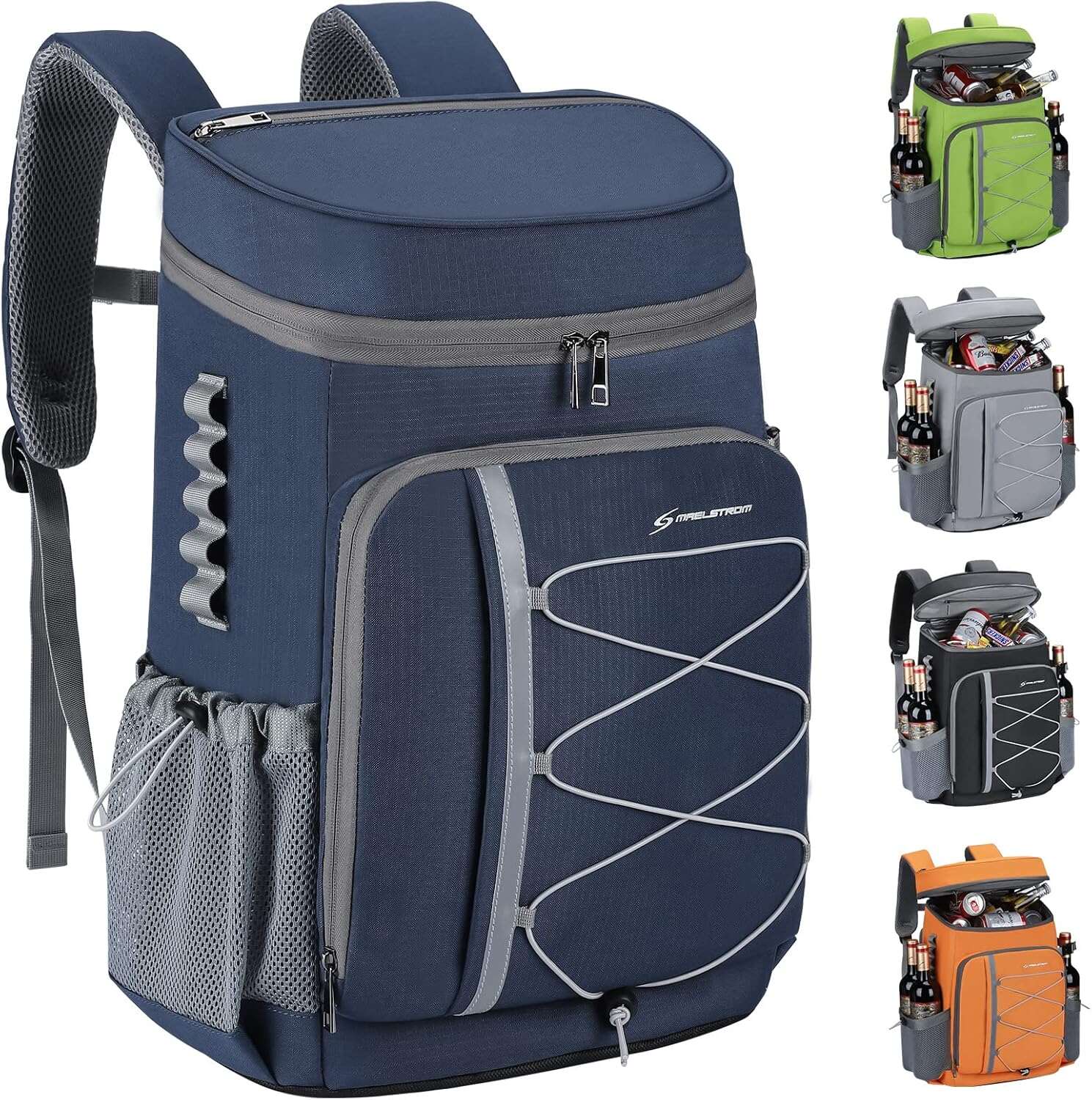
    cooler pack

    Bring a cooler backpack during your shopping trip to a local market in Costa Rica. Keep your fruits and veggies cool while you explore.

    Follow Us!

    Be sure to Subscribe to our Youtube Channel, and leave a comment with your thoughts about this location or request a video in other cool destinations around Costa Rica.

    We also upload ambient videos and walking tours of the locations that we visit, check out that channel Here

    FAQ For Visiting Liberia, Costa Rica

    1. Where is Liberia located?
    Liberia is a town in Costa Rica’s Guanacaste province, serving as a gateway to many of the region’s natural attractions.

    2. What can I do in Liberia’s Central Park?
    Central Park is ideal for leisurely strolls, people-watching, and relaxing. The park features a historical white cathedral that adds to the cultural experience.

    3. What are Pozas in Liberia?
    Pozas are natural swimming pools in rivers or streams, perfect for swimming and relaxation amidst lush vegetation.

    4. What is Poza Los Coyotes?
    Poza Los Coyotes, about 30 minutes from Liberia, offers a slow-flowing river, waterfalls, and stunning natural pools, with opportunities for swimming and tubing.

    5. What are the top beaches near Liberia?
    Playas del Coco is a popular beach destination offering activities like scuba diving, snorkeling, and a vibrant nightlife. It’s also a real estate hotspot.

    6. What is the Monkey Trail?
    The Monkey Trail is an adventurous shortcut between Playas del Coco and Potrero, featuring unpaved sections and water crossings, particularly challenging during the rainy season.

  • Costa Rica’s Exotic Animals: Beaches to Jungles, Where To Spot Them

    Costa Rica’s Exotic Animals: Beaches to Jungles, Where To Spot Them

    Do you love wildlife? So do we! Costa Rica is known for its abundant wildlife. Many animals live in close proximity to humans, which enables travelers to see them up close. In this blog post, we’ll profile some of the cool animals we’ve seen in our travel. You can watch the Youtube videos of these animals to see them in action.

    Before you get on your flight, check out our Shop Page with some necessities for your trip. We have a packing list for all types of adventures in rainy and dry season.

    Different parts of Costa Rica will give you opportunities to see all kinds of different animals. There are 3 distinct areas we’ll be visiting for this blog post.

    Guanacaste

    There is an impressive variety of wildlife in this northern province. Near the coastal areas you’ll often see and hear howler monkeys moving around for food. Birds like the orange-fronted parakeet and white throated magpie jay are very common. Magpie Jay’s are very intelligent and are curious about humans. 

    Down at the coastal waters you’ll be able to see lots of marine life. Even from walking the shores you can often see spotted eagle rays gliding in the shallow surf. If you go snorkeling you’ll see plenty of different reef fish of different colors and sizes. Some deeper water fish even take refuge in the tide pools, like the long needlefish.

    If you’re looking to capture some great underwater footage while snorkeling, I suggest a GoPro from Amazon. It’s a great idea to protect your camera with a dive case, and floatable handle in case your lose grip!

    The Central Valley

    This is the part of Costa Rica that is between the two coasts. You won’t find many beaches, but there is an incredible array of wildlife to see. There’s massive hills and valleys which are habitats to all these animals. The areas are mostly cooler than the coastal regions.

    You’ll often see Coatimundi’s, which we’ll detail below. Birds like the turquoise-browed motmot can be seen flying around. You can also find sloths hanging out throughout the central valley, although they can be hard to spot.

    travel-backpack-costa-rica

    I use this sling backpack when I’m travelling in Costa Rica. It has a zipper lock to secure your stuff. I like the sling as I can flip the bag to the front for easy access.

    Puntarenas 

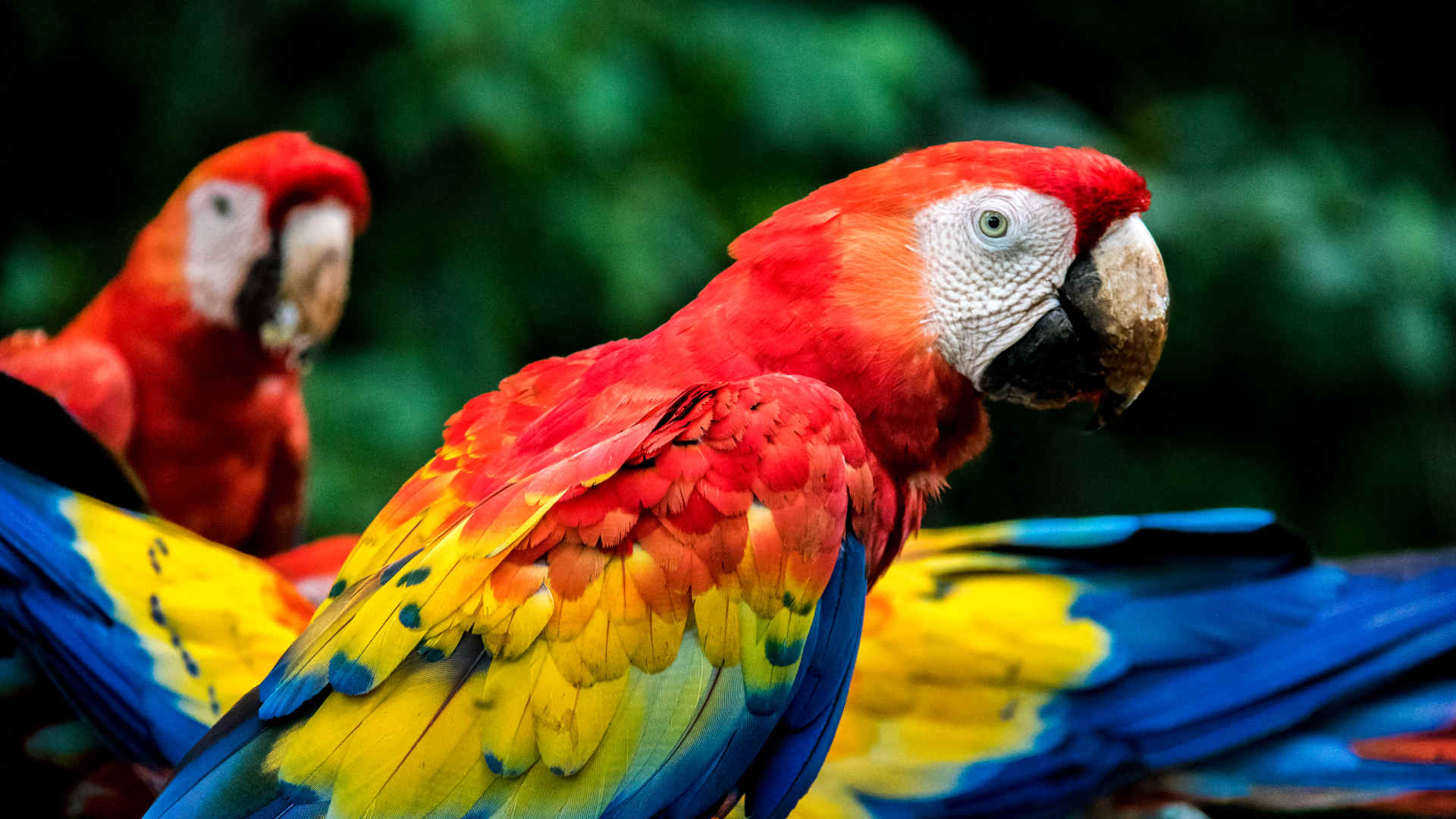
    This part of Costa Rica is still on the Pacific side, but more to the south. You’ll find popular towns like Uvita, Dominical and Jacó here. One of my favorite animals to spot in this area is the scarlet macaw. You can often see packs of these bright red, large birds flying around the coastal forests. You’ll also be able to see toucans, often perched in trees just hanging out. 

    Puntarenas is home to many butterfly domes as well. You can visit these attractions and see all the different butterflies for a small fee. You’ll also be able to see some of the different ones while out exploring. 

    Now we’ll discuss some of the animals I’ve filmed during my tour of Costa Rica:

    La Fortuna: Meet the Coatimundis

    If you’re fascinated by unique animals, you should visit La Fortuna. It’s located in the northern part of the country and home to coatimundis, which are fascinating mammals native to Central and South America. These social animals travel in groups and can be found in the forests and near water sources. They have long snouts and striped tails, which make them easily recognizable.

    One of the best places to see these creatures is at the Arenal Volcano National Park. The park has several hiking trails that will take you through the lush rainforest where you can observe coatimundis and other animals in their natural habitats.

    Be sure to use bug spray while you’re visiting these jungle areas of Costa Rica. Mosquitos and ‘no-see-ums’ can be very irritating while you’re in the dense brush. I use this spray on DEET-free bug repellant when I’m filming around here.

    Rio Celeste: Sloth Sanctuary

    Another unique animal you can see in Costa Rica is the sloth. These slow-moving creatures can be found in various parts of the country. However, one of the best places to see them up close is at the Sloth Sanctuary in Rio Celeste. This sanctuary is dedicated to rescuing and rehabilitating sloths that have been injured or orphaned.

    Visitors to the sanctuary can take a guided tour of the facilities and learn about the various species of sloths that call Costa Rica home. During the “sloth encounter” experience, you can feed them and take photos, which is a memorable experience.

    water shoes for exploring costa rica

    Pick up a pair of these awesome water shoes. I’ve been using them all over Costa Rica during my travels. They have vented soles so water drains right out the bottom! 

    Guanacaste: Snorkeling with Spotted Eagle Rays

    If you’re looking for an adventure underwater, then you should head to Guanacaste. This region on the Pacific coast of Costa Rica has some of the best snorkeling spots in the country. The clear waters and diverse marine life will make your snorkeling experience unforgettable.

    One of the highlights of snorkeling in Guanacaste is the opportunity to see spotted eagle rays. These graceful creatures are a sight to behold as they glide through the water. You might also spot eels, colorful fish, and other marine life during your snorkeling excursion.

    If you’d like to try snorkeling, I suggest visiting Playa Ocotal. This beach is just outside of the popular tourist town of Playas del Coco. I use a snorkel set like this one on Amazon for exploring the shores.

    Riu Hotel: See Monkeys Up Close

    To see monkeys in Costa Rica, you don’t need to be on a trail! Many monkeys can be seen hanging out at the beach. At Playa Matapalo, you will find a few trees filled with white-faced capuchin monkeys. These small, curious creatures can be seen hanging out and even approaching humans. Most of the time, they’re resting on the branches in the shade.

    These monkeys are very active during the day, which is perfect to get some pictures of them. You may also spot howler monkeys in the trees, although these ones aren’t nearly as curious. They usually remain high in the trees, but you’ll hear them making their calls from a good distance.

    Costa Rica is a paradise for wildlife lovers. Whether you want to see coatimundis in La Fortuna, sloths in Rio Celeste, or snorkel with spotted eagle rays in Guanacaste, there’s something for everyone. So, pack your bags and book your flight because Costa Rica is sure to impress with its wildlife.

    Follow Us!

    Be sure to Subscribe to our Youtube Channel, and leave a comment with your thoughts about this location or request a video in other cool destinations around Costa Rica.

    We also upload ambient videos and walking tours of the locations that we visit, check out that channel Here.

    Costa Rica Wildlife FAQ: Rainforest & Beach Animals Guide

    Q: What monkeys live in Costa Rica?
    A: Four species: Howler monkeys (most commonly heard), White-faced capuchins (most visible), Spider monkeys (tallest trees), and Squirrel monkeys (Pacific coast only). Morning and late afternoon best viewing times.

    Q: Where can you see sloths?
    A: Two species exist: Two-toed and Three-toed sloths. Common in Manuel Antonio, Caribbean coast, Central Valley. Look in Cecropia trees near beaches, park areas, and forest edges.

    Q: What exotic birds appear?
    A: Toucans (6 species), Scarlet Macaws (Pacific coast), Great Green Macaws (Caribbean), Resplendent Quetzals (cloud forests), Hummingbirds (50+ species). Dawn and dusk best viewing.

    Q: What about reptiles?
    A: Iguanas common near beaches, Jesus Christ lizards run on water, Various snakes in forests, American crocodiles in rivers, Sea turtles nest on both coasts.

    Q: What big cats exist?
    A: Jaguars and Pumas in protected areas, Ocelots more common, Margays in forests. Rarely seen but present throughout country. Night active primarily.

    Q: Best areas for wildlife?
    A: Manuel Antonio (monkeys, sloths), Corcovado (big cats), Tortuguero (turtles), Monteverde (birds), Carara (Macaws). National parks offer best viewing.

    Q: When’s best time for viewing?
    A: Early morning most active time. Green season (May-November) brings more activity. Less crowded parks better chances. Full moons good for night tours.

  • What’s In Costa Rica? Beaches, Rivers and Cool Towns

    What’s In Costa Rica? Beaches, Rivers and Cool Towns

    Costa Rica’s diverse landscapes stretch from Caribbean mangroves to Pacific surf breaks, with cloud forests and volcanic peaks filling the spaces between. Each region offers distinct experiences, from hidden waterfalls in mountain valleys to protected beaches where turtles nest beneath palm trees.

    The country’s beach areas range from developed surf towns to secluded coves accessible only by boat or trail. Mountain communities preserve traditional life while providing access to waterfalls and hiking trails. Wildlife appears throughout, from howler monkeys in beach almond trees to quetzals feeding in highland forests.

    These natural zones connect through a network of towns and cities, each with its own character. Colonial architecture in Central Valley cities contrasts with laid-back beach towns, while mountain villages maintain agricultural traditions. Protected areas make up nearly a quarter of the country, creating corridors where wildlife moves freely between different ecosystems.

    In this guide to Costa Rica, we’ll go over some great examples of all the natural wonders you can see during your vacation. Before you book your flights, be sure to visit our Shop Page for a packing list of stuff I use when travelling around Costa Rica. 

    Beaches

    Costa Rica is well known for its amazing beaches. The best part is that depending on which type of beach you enjoy, you’ll be able to find it.

    Along the Pacific Coast, there’s a spectrum of style of beaches you can check out. If you’re into surfing, places like Jaco are perfect. All along the Puntarenas Pacific coast, you’ll find tons of beaches for different surfing skill levels. This part of Costa Rica has full force from the Pacific Ocean, so you’ll often find beaches that have great waves.

    Check the video below for what the water looks like in Jaco. If Jaco’s beach is too easy, you can drive 10 minutes south to find some bigger waves at Playa Hermosa. If you head even farther down the Pacific Coast you’ll find even more advanced beaches.

    Dominical is about 1.5 hours south of Playa Hermosa. It’s a relaxed small town with a surfing vibe. There’s lots of beach front accommodations for those looking to wake up and get right out into the water.

    If you’re taking your vacation further north in Guancaste, be sure to check out Tamarindo for its surfing. It has various skill levels, from beginner and up. Kids can practice surfing for the first time on this beach. For more advanced surfing opportunities, there’s a beach called Playa Grande which tends to have bigger waves.

    Another well known surfers town is Nosara. This town is harder to get to by driving, but once there you’ll find the beach packed with people on the waves. Nosara is a bit further drive from the Liberia Airport, so some people prefer to take a small charter plane to its local airport.

    water shoes for exploring costa rica

    Pick up a pair of these awesome water shoes. I’ve been using them all over Costa Rica during my travels. They have vented soles so water drains right out the bottom! 

    Waterfalls

    Costa Rica isn’t just coastline and beaches, it also has huge differences in terrain and climate. These differences produce really great river features which connect the mountains to the ocean. You’ll find countless water features all throughout the hills, with some very impressive and notable waterfalls. 

    For example, Cataratas Llanos de Cortes is a massive waterfall which is located in Guanacaste, just south of Liberia. If you’re visiting Costa Rica, you may be flying directly into Liberia International Airport (LIR). This waterfall is about half an hour south. 

    The video linked below was taken during rainy season, so the flow of water is much heavier. Due to the rain falling on fields, the water is also murkier than you can expect during the dry season (December-April). Either way, the water is incredibly refreshing and the location is pristine.

    You can also find lots of rivers that converge to create amazing caverns. For example, the river at Poza Los Coyotes has areas for swimming and diving, but then chiseled out a cave as it descends the mountain. You can swim in floatation tubes at the bottom, right into the cave system to check it out.

    There are rivers to visit all throughout Costa Rica, especially in the central valley. Near Cartago, you’ll find hot springs and rivers. Further south in Pérez Zeledón you’ll find rivers coming off the mountain range called Chirripó. The water there is incredibly cold and refreshing. 

    Tour Of Towns

    When you visit Costa Rica, there’s a wide variety of towns to visit. If you start in San Jose, you’ll find a built up urban center which is very busy and may not be much of an escape from your home towns.

    As you head further out towards the coasts, you’ll find different sizes of towns. In Guanacaste, you’ll find lots of shopping options in Nicoya and Liberia. In Puntarenas Province, towns like Jaco are more built up with big box stores, car repair and specialty shops.

    On the coasts, there’s an array of towns ranging from those with just a few hotels and some houses, to more built up areas with shops. 

    For example, Playas del Coco is a well known tourist destination. It’s not very busy and built up, but it has an assortment of restaurants and shops. You’ll be able to spend an entire vacation just in Coco. If you drive 10 minutes away from Coco you’ll reach much quieter and less built up beaches which are very enjoyable.

    Check out a tour of Playas del Coco in the video below to give you an idea of what you can expect when visiting. 

    travel-backpack-costa-rica

    I use this sling backpack when I’m travelling in Costa Rica. It has a zipper lock to secure your stuff. I like the sling as I can flip the bag to the front for easy access.

    Wildlife

    Costa Rica has three main types of monkeys you’ll often see. Howler monkeys make loud calls early in the morning and late afternoon. White-faced monkeys usually travel in groups and are common near beaches. Spider monkeys stay high in the trees and are less common to spot.

    Many different birds live throughout Costa Rica. Scarlet macaws fly over Pacific beaches, while toucans appear in mountain areas. You can see different types depending on where you are – beach areas have shore birds while mountain zones have forest species.

    Sloths move slowly through the trees looking for leaves to eat. Costa Rica has both two-toed and three-toed sloths. They’re often seen in trees near beaches and forest trails. These slow-moving animals are easy to spot when they hang in trees near walking paths. Here’s a video of a sloth I spotted at the beach in Dominical.

    Follow Us

    We hope you enjoyed this post about some activities and things to consider on your trip to Costa Rica.

    Be sure to Subscribe to our Youtube Channel, and leave a comment with your thoughts about this location or request a video in other cool destinations around Costa Rica.

    FAQ: Vacationing in Costa Rica

    1. What is the best time of year to visit Costa Rica?
    The best time to visit Costa Rica is during the dry season, which runs from December to April. This period offers sunny weather and is ideal for outdoor activities like beach trips, hiking, and wildlife tours. The rainy season (May to November) is also a good option if you prefer fewer crowds and lush green landscapes, but be prepared for daily showers, especially in the afternoons.

    2. Do I need a visa to travel to Costa Rica?
    Visitors from many countries, including the United States, Canada, and most European nations, do not need a visa for stays of up to 180 days. You’ll need a valid passport that doesn’t expire for at least six months after your arrival date. It’s also recommended to have proof of onward travel when entering the country.

    3. Is Costa Rica safe for tourists?
    Costa Rica is considered one of the safest countries in Central America for tourists. However, like any destination, it’s important to take basic precautions. Keep your belongings secure, avoid walking alone at night in unfamiliar areas, and stay informed about local conditions. Most visits are trouble-free, but it’s always good to be cautious.

    4. What currency is used in Costa Rica, and can I use US dollars?
    The official currency of Costa Rica is the Costa Rican colón (CRC). However, US dollars are widely accepted in most tourist areas, hotels, and restaurants. It’s still a good idea to carry some local currency for smaller purchases or in more remote areas. ATMs are common in cities and towns, and many accept international cards.

    5. What are the must-see destinations in Costa Rica?
    Costa Rica offers a variety of must-see destinations, including the Arenal Volcano, Manuel Antonio National Park, Monteverde Cloud Forest, and the beaches of Guanacaste. Each region has its own unique attractions, from wildlife and rainforests to surfing and snorkeling spots.

    6. Is it easy to get around Costa Rica?
    Getting around Costa Rica can be straightforward, especially with the country’s well-maintained road network. Renting a car is a popular option for travelers who want flexibility, but there are also reliable bus services and shuttle options between major tourist destinations. Domestic flights from Sansa are available for quicker travel between distant areas.

    7. What kind of activities can I do in Costa Rica?
    Costa Rica is known for its outdoor activities, including zip-lining, surfing, hiking, wildlife tours, and visiting hot springs. The country’s diverse ecosystems offer something for everyone, whether you’re into adventure sports or relaxing in nature. Don’t forget to explore the local farmers markets as well.

    8. How expensive is a vacation in Costa Rica?
    Costa Rica can range from budget-friendly to more expensive, depending on your travel style. Accommodations vary from hostels to luxury resorts, and dining options include affordable local sodas (small eateries) as well as high-end restaurants. Entrance fees to national parks and activities can add up, so it’s good to plan your budget accordingly.

    9. What should I pack for a trip to Costa Rica?
    Packing for Costa Rica depends on the regions you’ll visit. Lightweight clothing is ideal for the warm coastal areas, while the higher altitudes like Monteverde can get chilly, so bring a jacket. Don’t forget essentials like sunscreen, insect repellent, a rain jacket (especially in the rainy season), and sturdy shoes for hiking. Swimsuits and flip-flops are a must for beach days. Visit our Packing List for items I use when travelling around Costa Rica